Shorter Routes, Sharper Choices: Where to Travel When Long-Haul Feels Uncertain




Long-haul travel has always carried a degree of unpredictability, but recent conflicts have made that more palpable. Airspace closures, rerouted flights, and extended travel times have begun to affect schedules and, in a broader sense, decision-making. It’s not as though travel is completely off the table; rather, travel for many now means staying comfortably closer to home—choosing destinations within a few hours’ reach, where time is spent on the ground rather than in transit.
What emerges is a different kind of itinerary: shorter routes, fewer stops, and destinations that might be close to the Philippines but still give that sense of wonder, discovery, and the romance of travel. In Southeast Asia and the wider region, this shift brings a set of properties into focus—places exotic and give an air of escape, rich with culture, heritage, history, and nature.
Here are some suggested destinations for your next trip; for some destinations, we’ve chosen some luxurious city-center accommodations where land transport or a quick speedboat ride will take you to a nearby nature or beach paradise.
Laos: Rosewood Luang Prabang
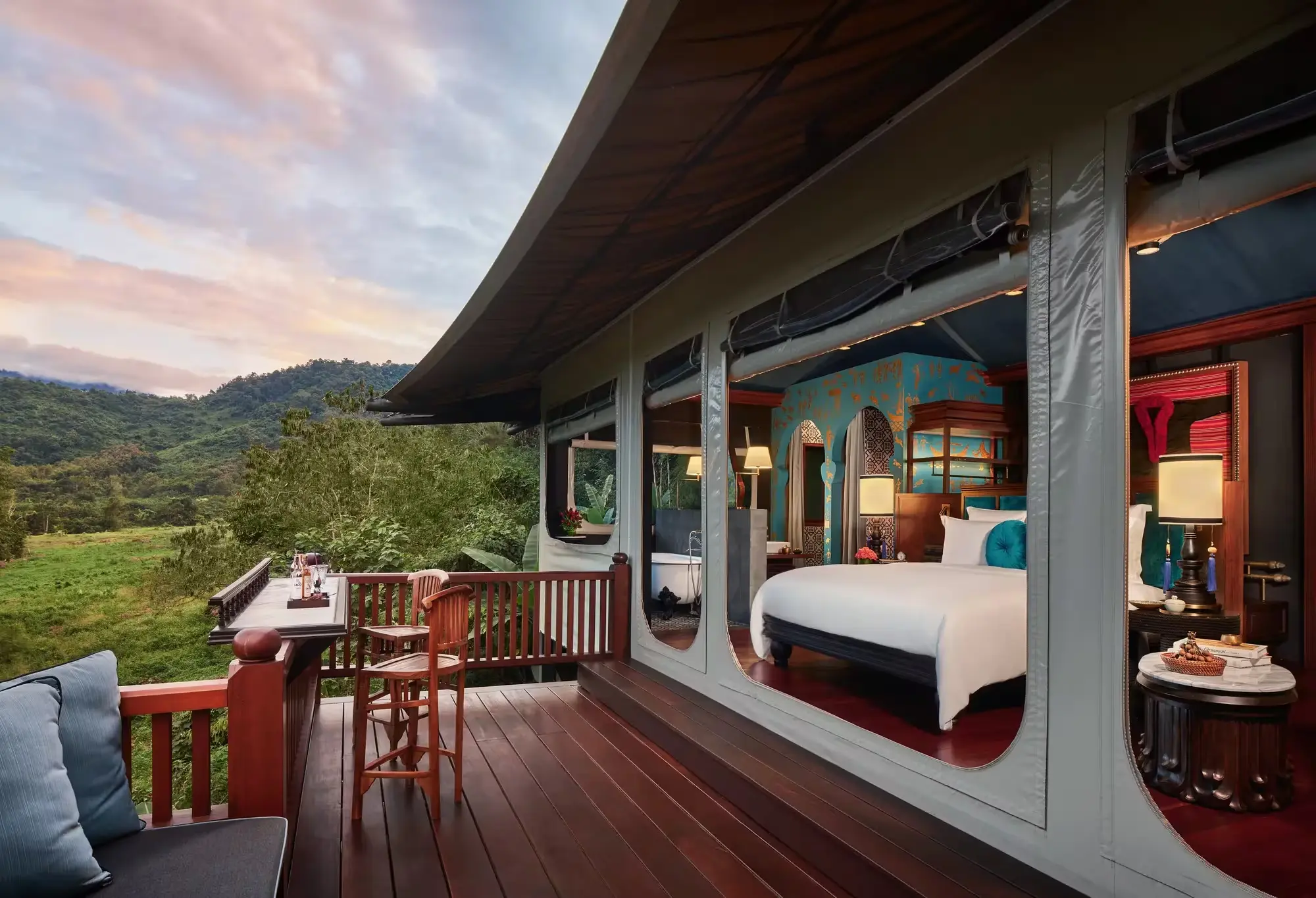
Set along the Nam Dong river valley, Bill Bensley-designed Rosewood Luang Prabang unfolds like a village hidden within the forest. The property draws from Laotian heritage—hilltop villas, tented pavilions—that feels worlds away from any urban center, nestled within a UNESCO site.
More information here.
Japan: Azuma Farm Koiwai
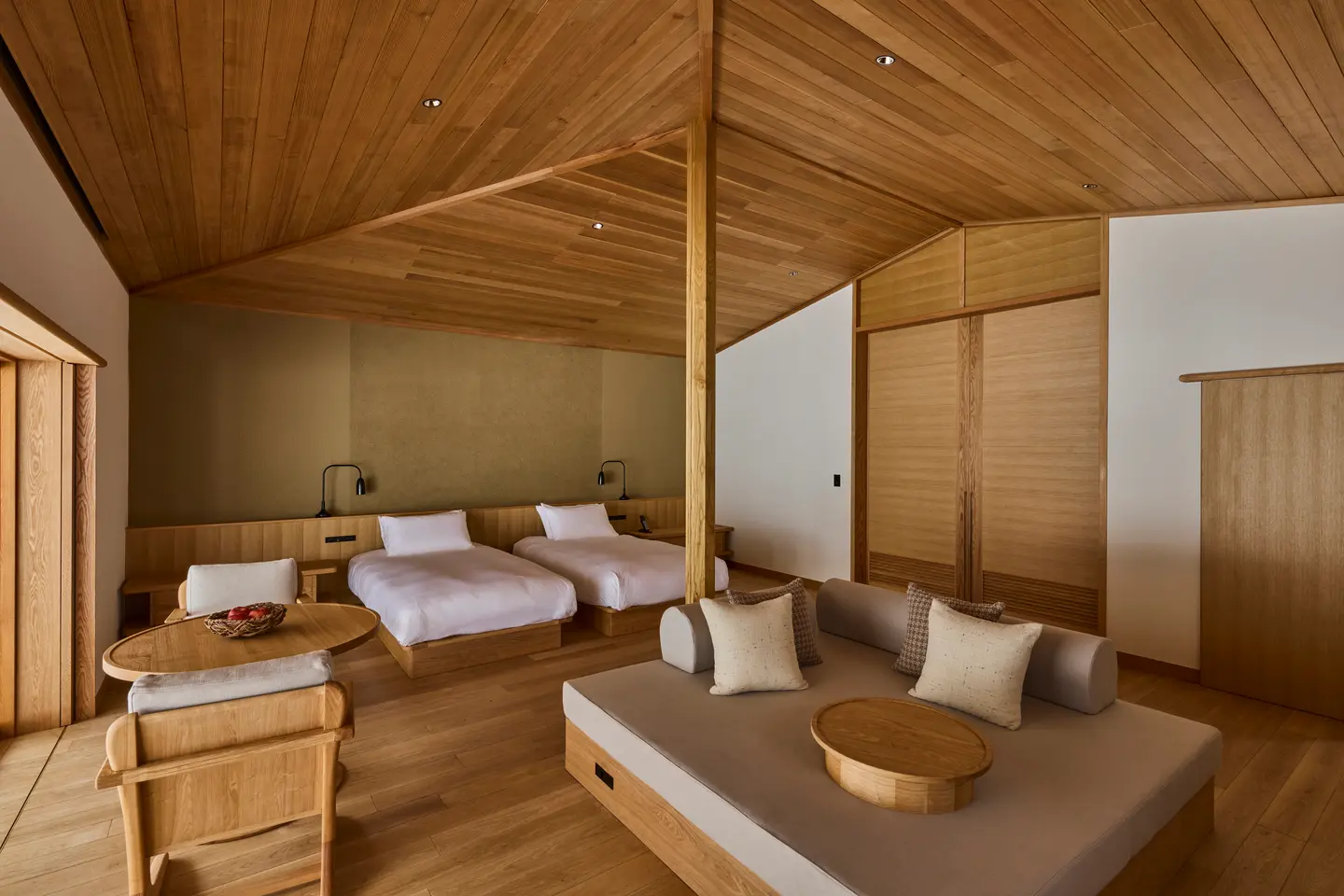
Opening this month, Azuma Farm Koiwai shifts the idea of luxuryLuxuryA lifestyle defined by exceptional quality, craftsmanship, exclusivity, and sophistication, encompassing the finest products, services, and experiences that represent the highest standards of refinement and excellence.Go to Luxury Glossary inward—toward land, seasonality, and rural Japan. Set within one of the country’s oldest working farms, it offers a more grounded counterpart to Japan’s better-known city and coastal stays. The experience is structured around agriculture and place, where time follows the logic of the landscape rather than the clock.
More information here.
Thailand: Siri Sala, Bangkok, and Samujana, Koh Samui
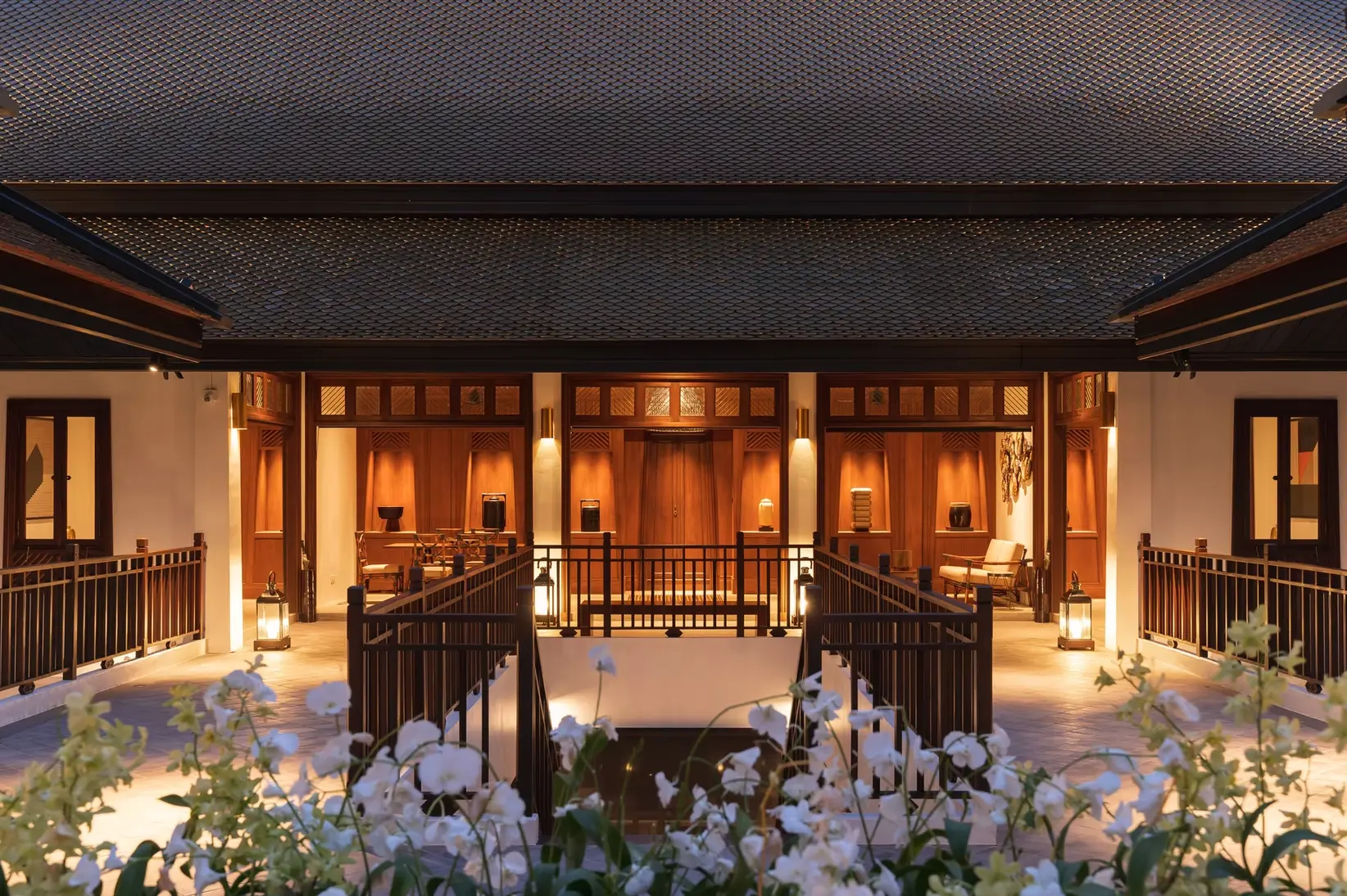
Siri Sala makes a strong case for staying in Bangkok differently—privately, and by the water. Set along the Bangkok Noi canal, the villa reworks a cluster of century-old Thai houses into a six-suite residence arranged around a courtyard, complete with a saltwater pool and full staff.
It’s not a hotel in the conventional sense but a fully serviced home, with a private chef, curated activities, and even arrival by boat via its own pier. For fans of the show The White Lotus, you may recognize Siri Sala as a key location in last season’s edition.
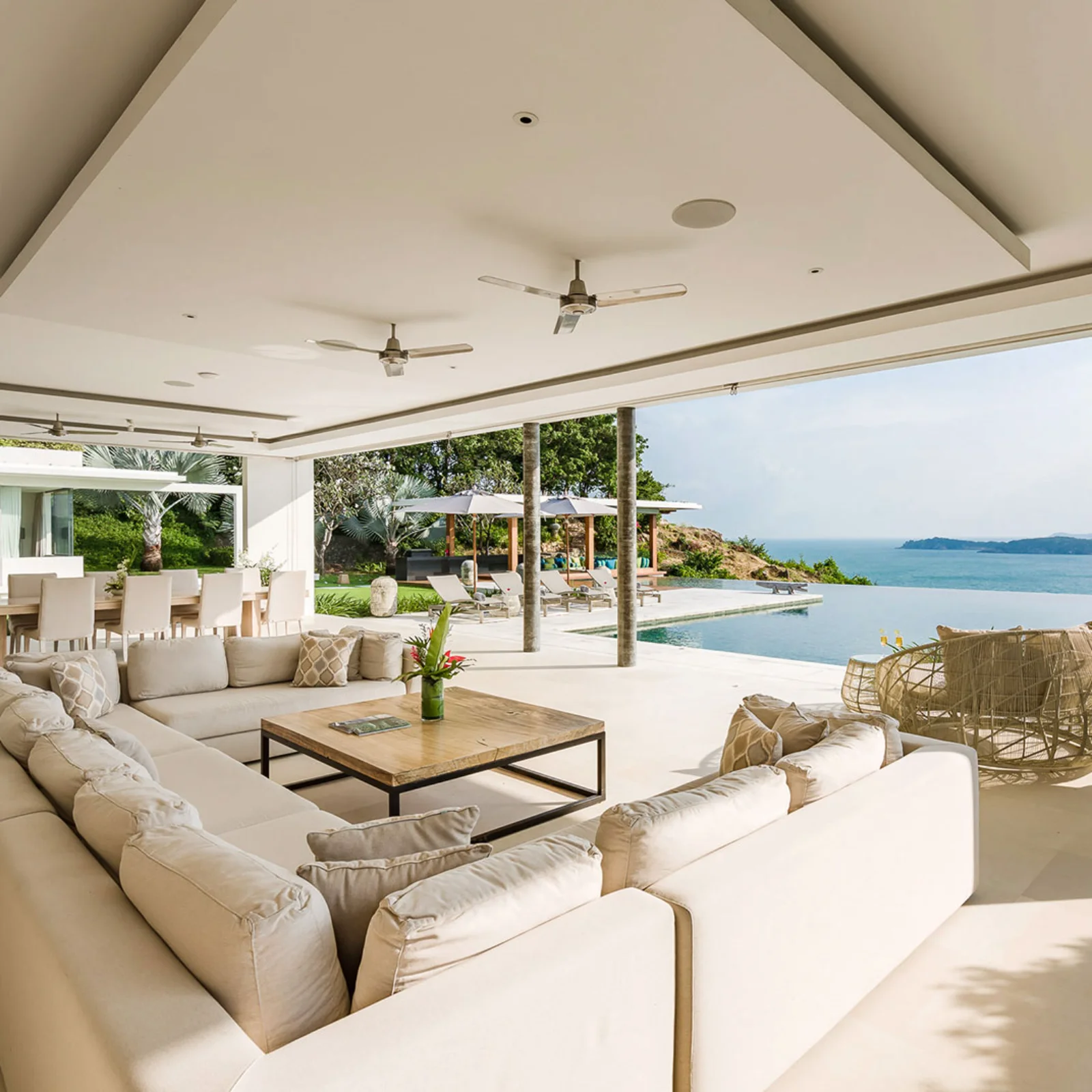
Samujana offers a different take on island living, trading resort density for private, expansive villas overlooking the Gulf of Thailand. Each residence feels self-contained, with architecture that privileges light, air, and uninterrupted views. It’s an easy base for exploring Koh Samui, but equally compelling if you choose not to leave at all, and just like Siri Sala, a key location for some plot points of last season’s The White Lotus.
More information on Siri Sala here; Samujana here.
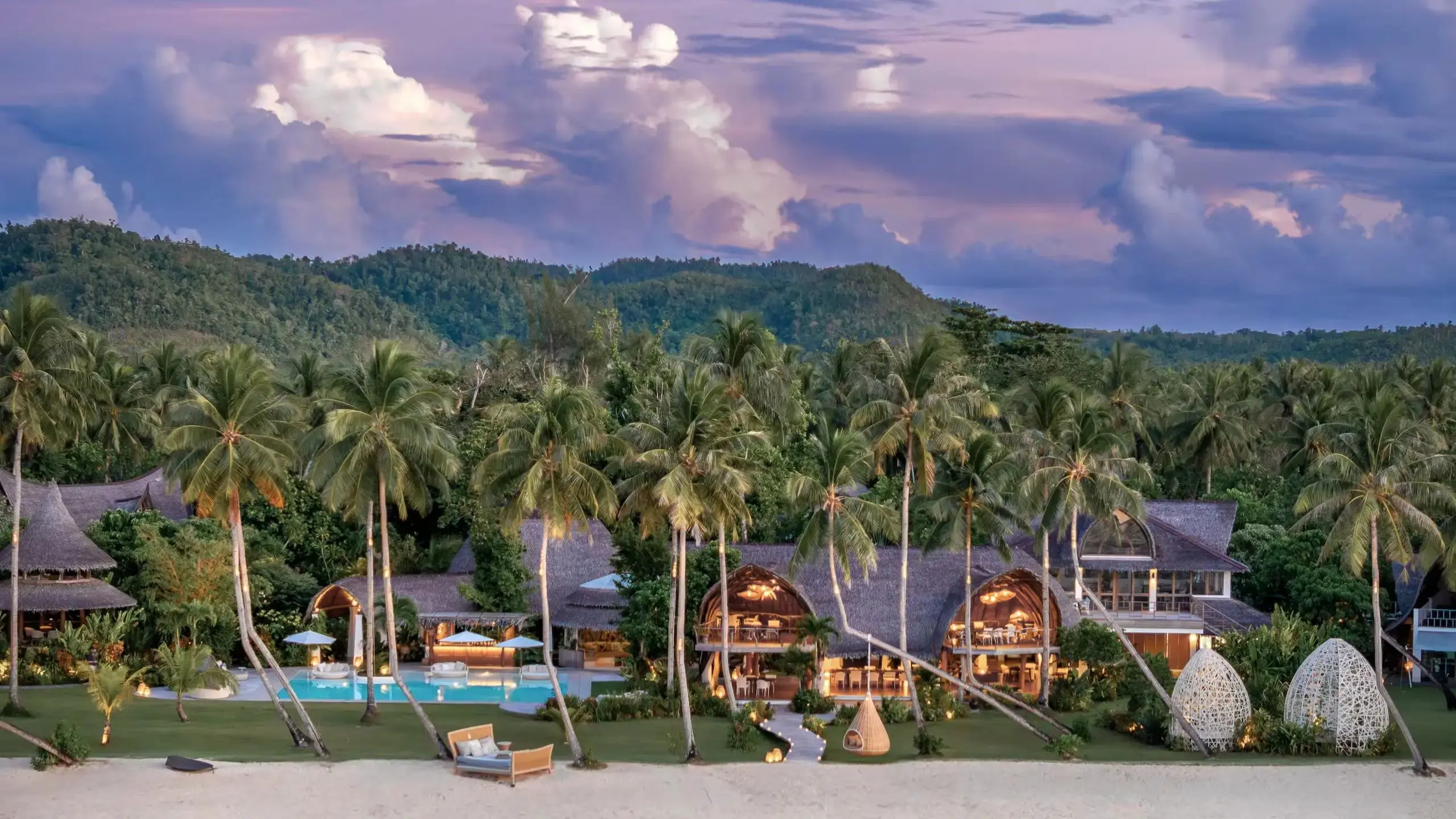
Philippines: Nay Palad Hideaway, Siargao
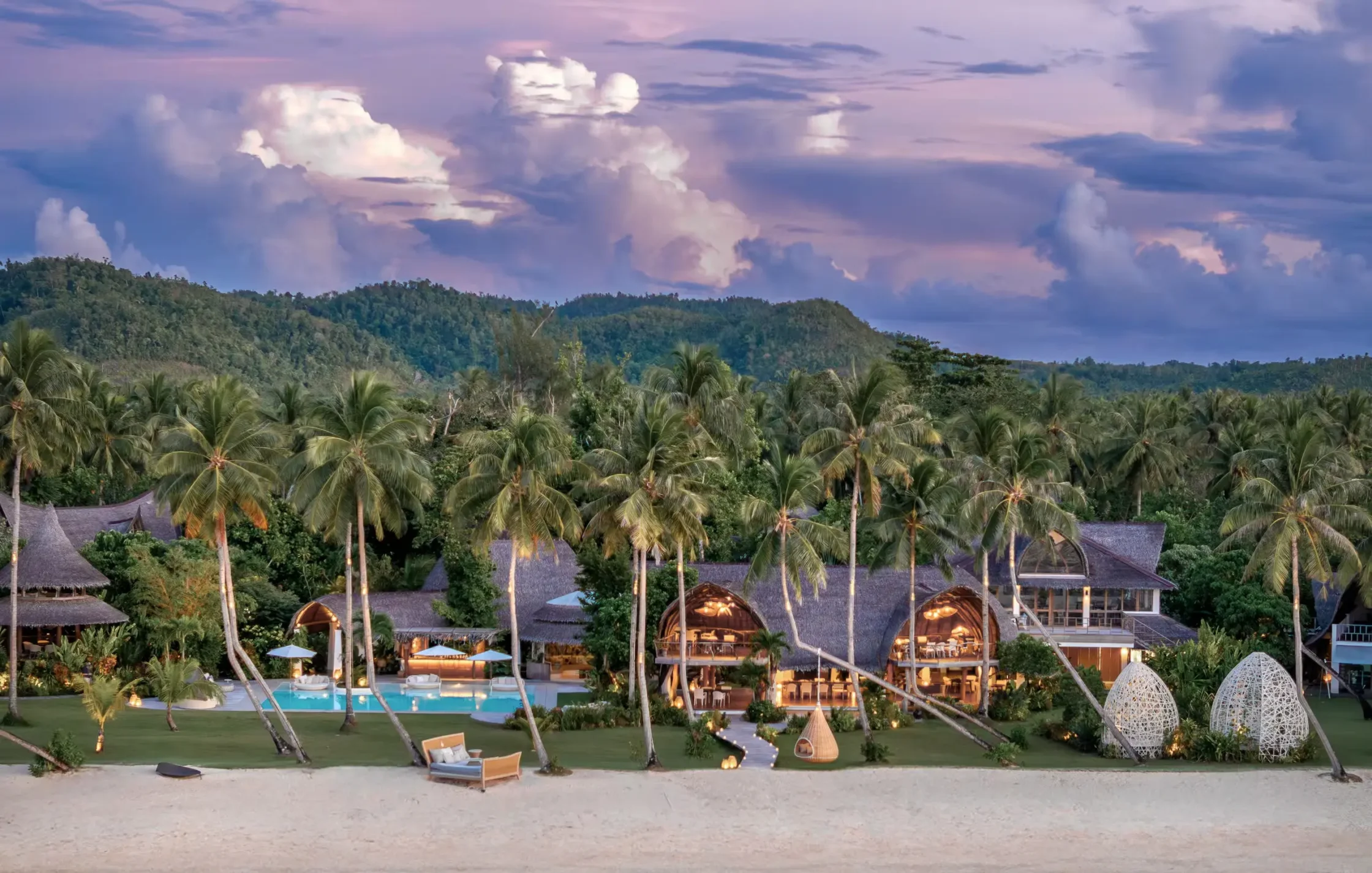
Nay Palad remains one of the country’s most distinctive escapes, where design, service, and setting align effortlessly. Days are unstructured by design—surf, sail, or simply let time pass between meals and sea. It’s a place that resists over-programming, allowing the island itself to dictate the pace.
More information here.
Singapore: Capella Singapore, Sentosa
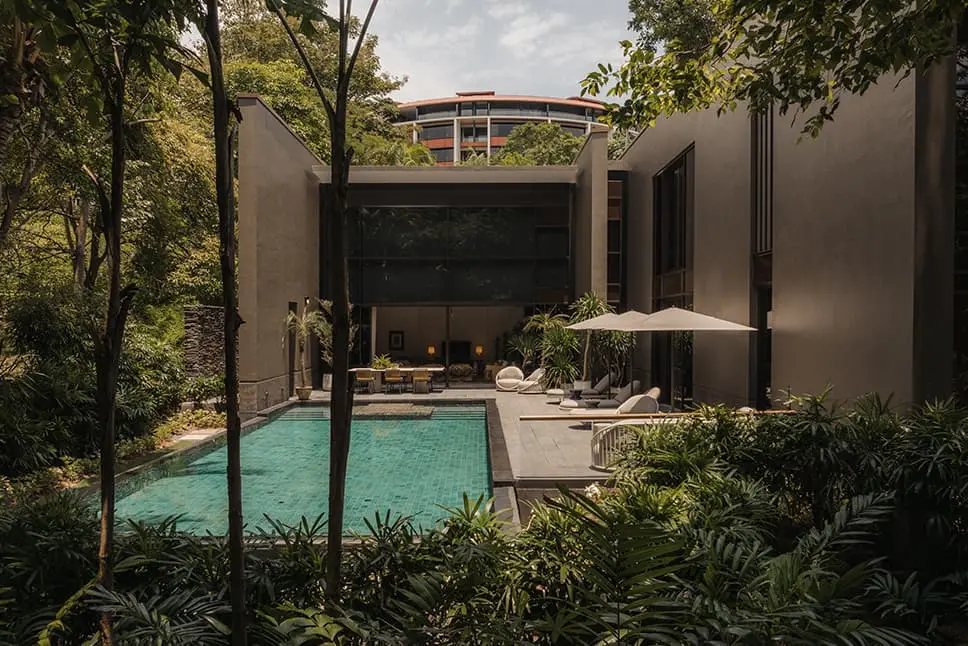
Capella occupies a rare position in Singapore: secluded within Sentosa yet minutes from the city. The restored colonial buildings and contemporary villas create a sense of retreat without removing you from the island’s energy. It works as both a pause and a base—equally suited to staying in or stepping out.
More information here.
Indonesia: Nihi Sumba
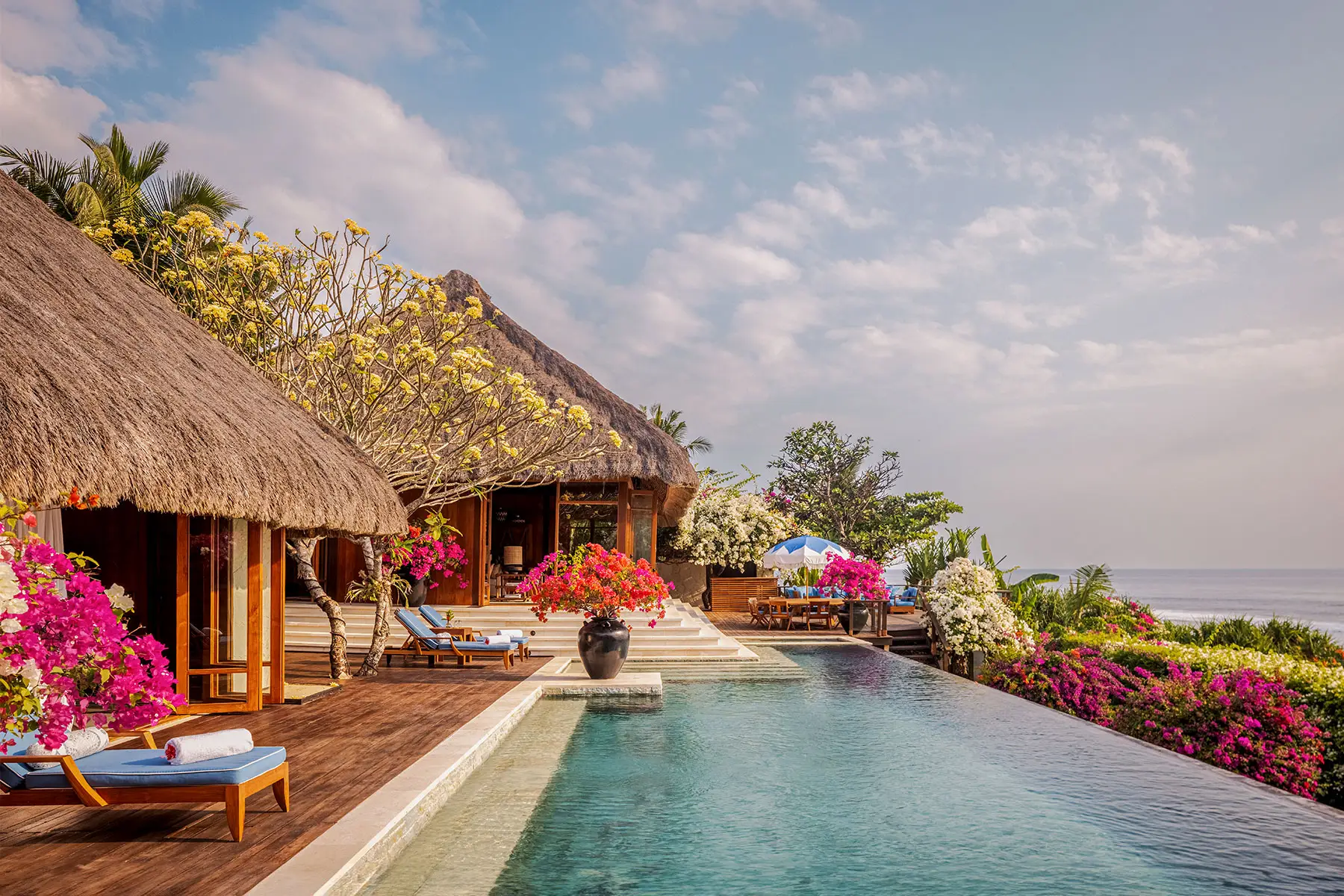
Remote even by Indonesian standards, Nihi Sumba is defined as much by its location as by its philosophy. The resort balances raw landscape—open coastline, rolling hills—with a deeply immersive approach to experience, where one can explore the island observe its rich flora and fauna or participate in unique outdoor activities like swimming with horses. Learn to weave ikat, how to cook Japanese food, improve your backhand in classes with guest practitioners.
More information here.
Palau: Four Seasons Explorer
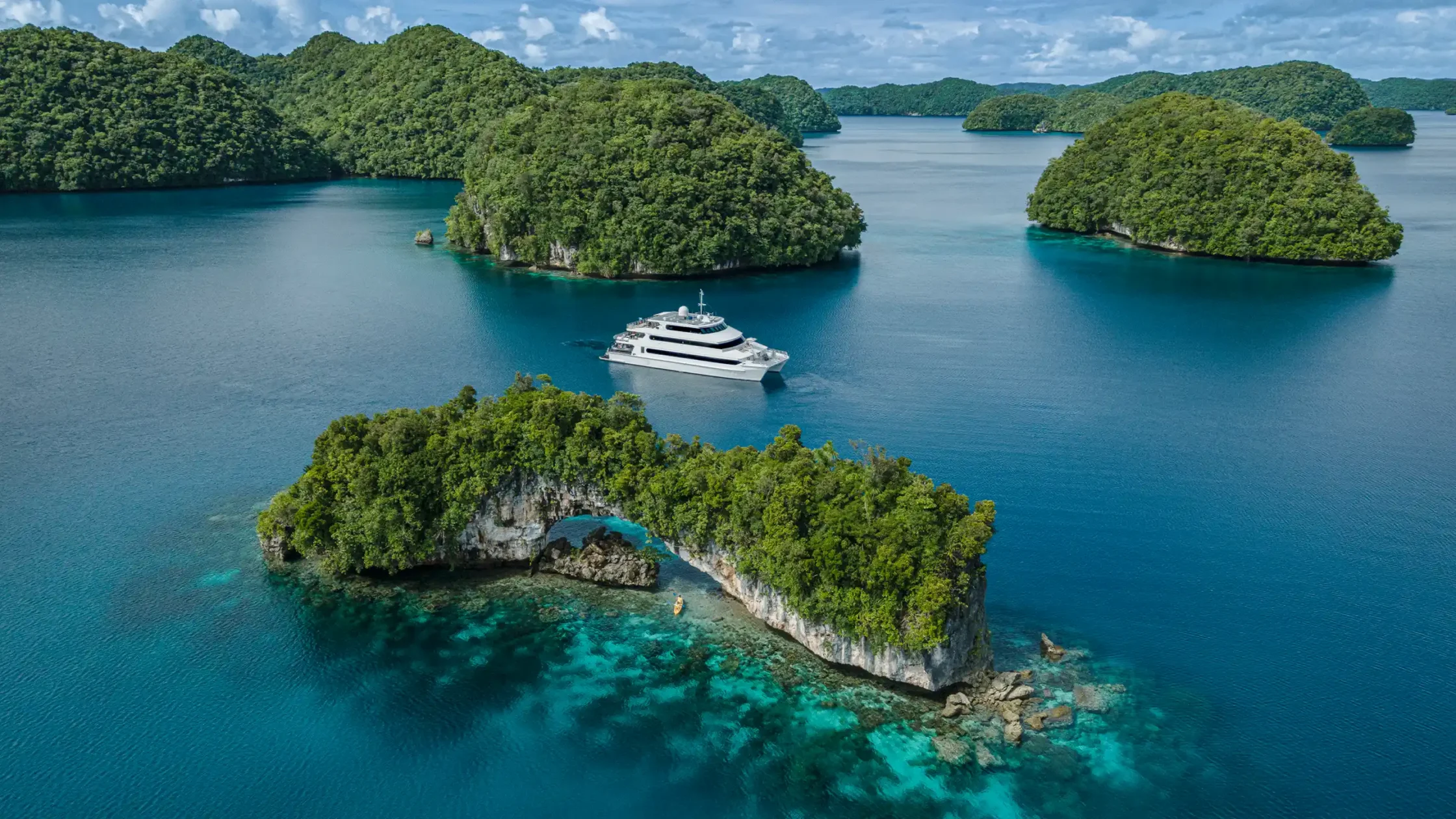
Less a resort, more floating luxury hotel, the Four Seasons Explorer navigates Palau’s archipelago from its best vantage point: a beautifully appointed 11-suite yacht. Days are shaped by the sea—diving, snorkeling, and moving between remote marine environments few ever reach.
More information here.
Malaysia: The Datai Langkawi
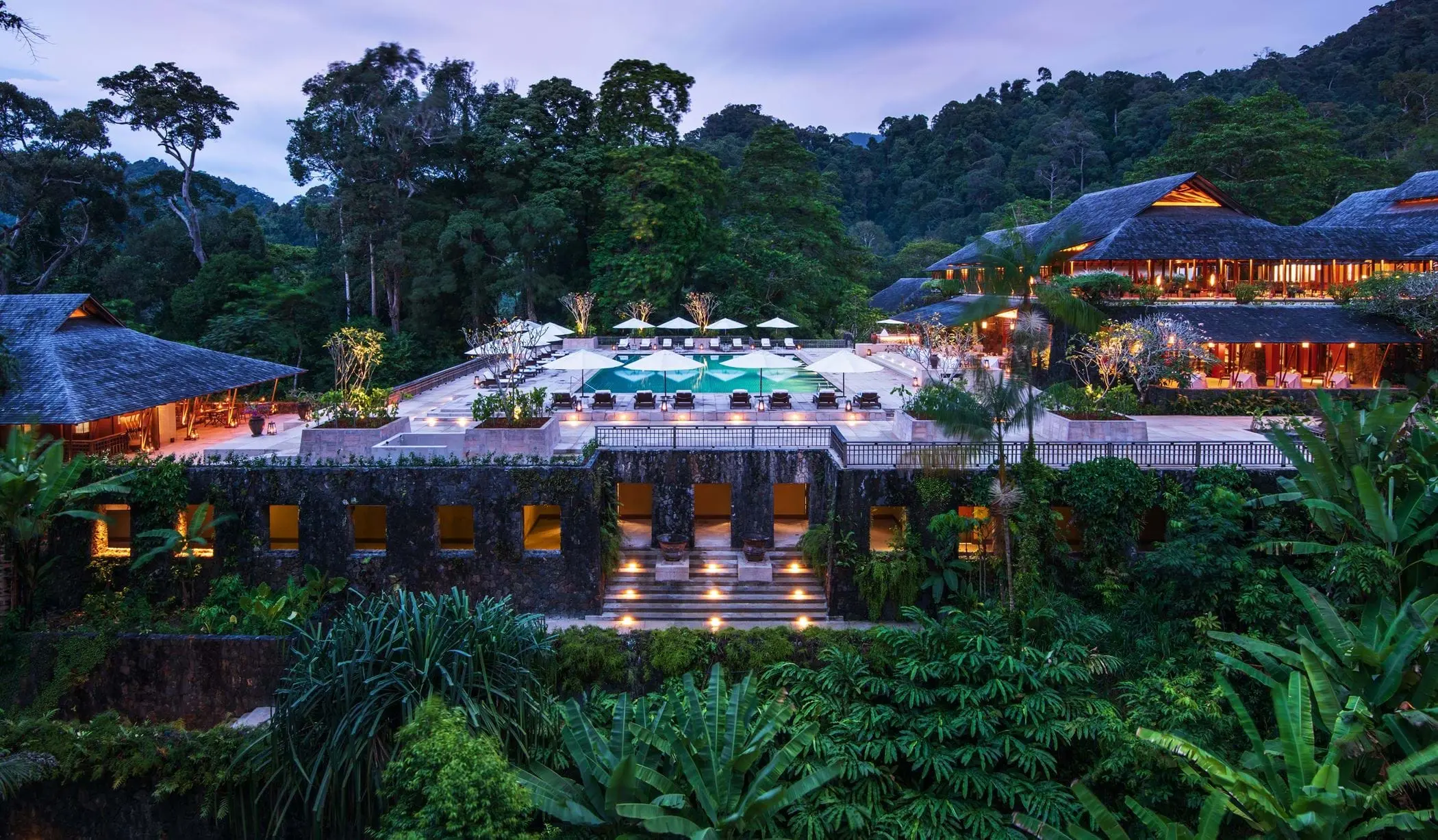
Set between rainforest and sea, The Datai remains one of the region’s most stunning properties. A private footpath leads you to Datai Bay’s white sand beach, considered one of the top 10 beaches in the world by National Geographic. The 10-million-year-old pristine Malaysian rainforest is rich with flora and fauna, naturally: Dusky langurs, Great hornbills, and Sunda colugos are some of the prized sightings you can experience during your stay.
More information here.
Cambodia: Amansara, Siem Reap
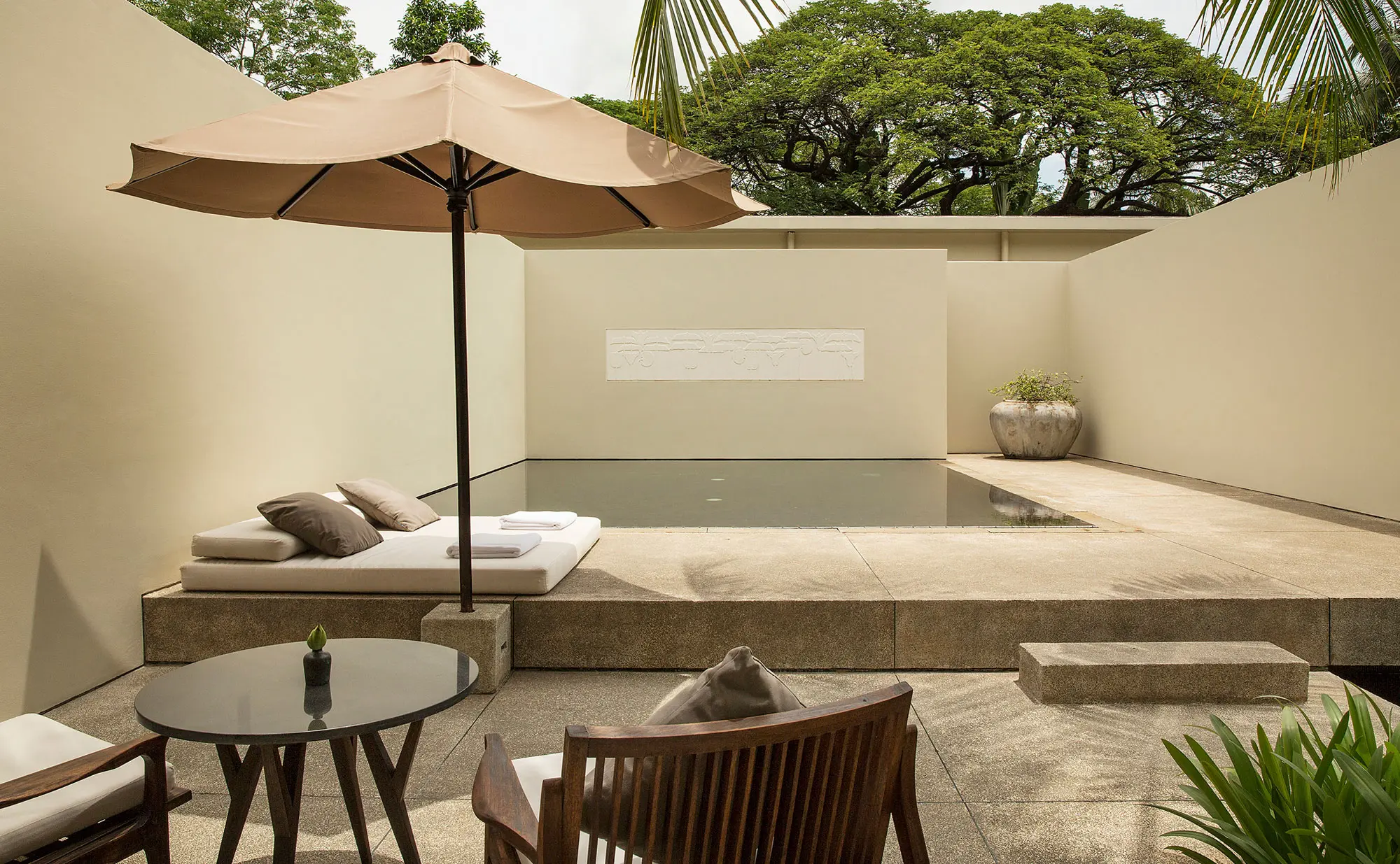
Amansara offers a measured counterpoint to the intensity of Angkor. Housed in a former royal residence, it pairs architectural clarity with proximity to one of the world’s most significant historical sites. Your day’s itinerary can easily include early morning temple visits, long afternoons, and a return to stillness.
More information here.
Vietnam: Regent Phu Quoc
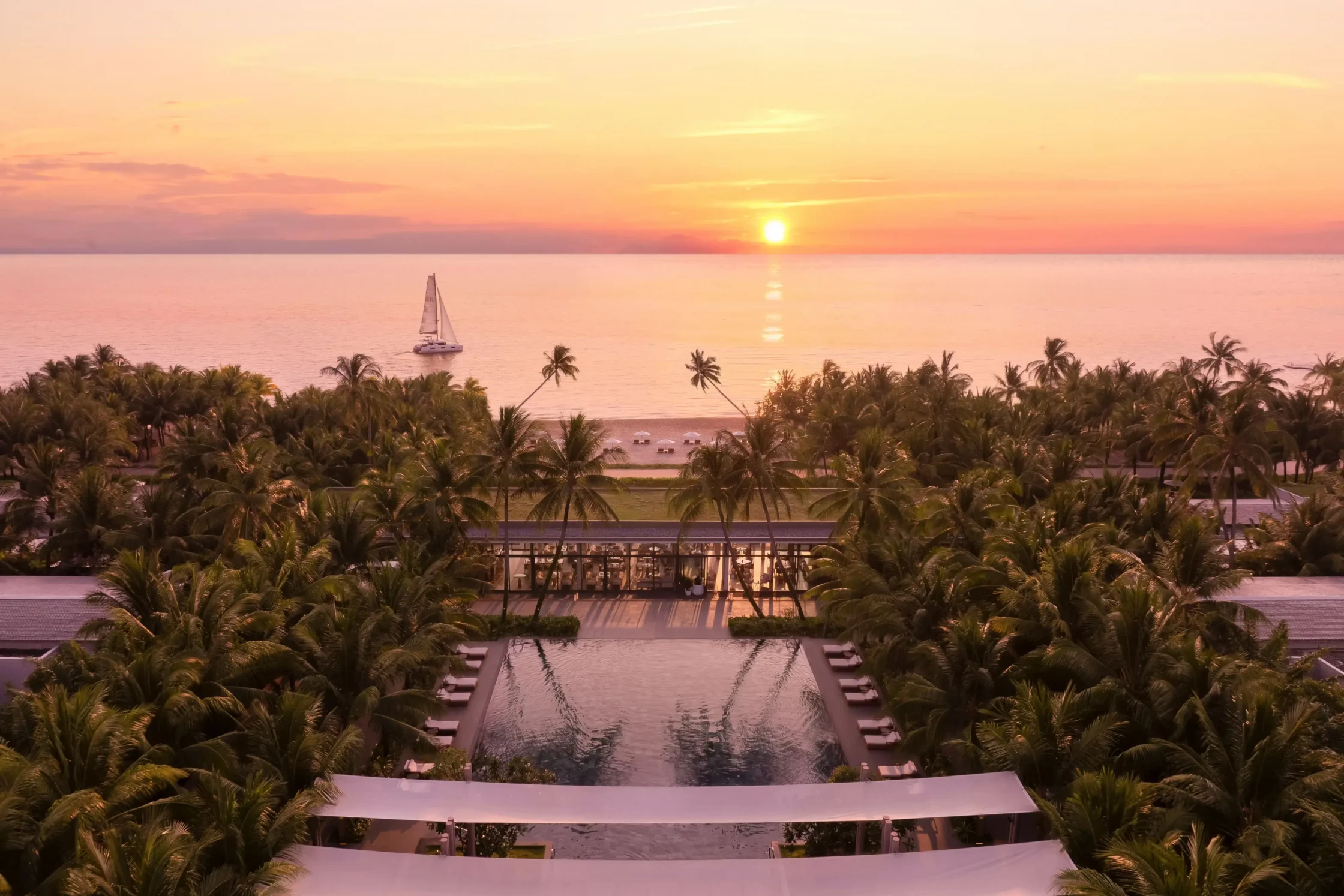
Regent Phu Quoc brings a more polished, contemporary lens to the island’s rapidly evolving hospitality scene. Villas are expansive, service is calibrated, and the beachfront setting does much of the work. It’s a strong option for those who want to stay in a place with a focus on wellness.
More information here.
Taiwan: Silks Place Taroko
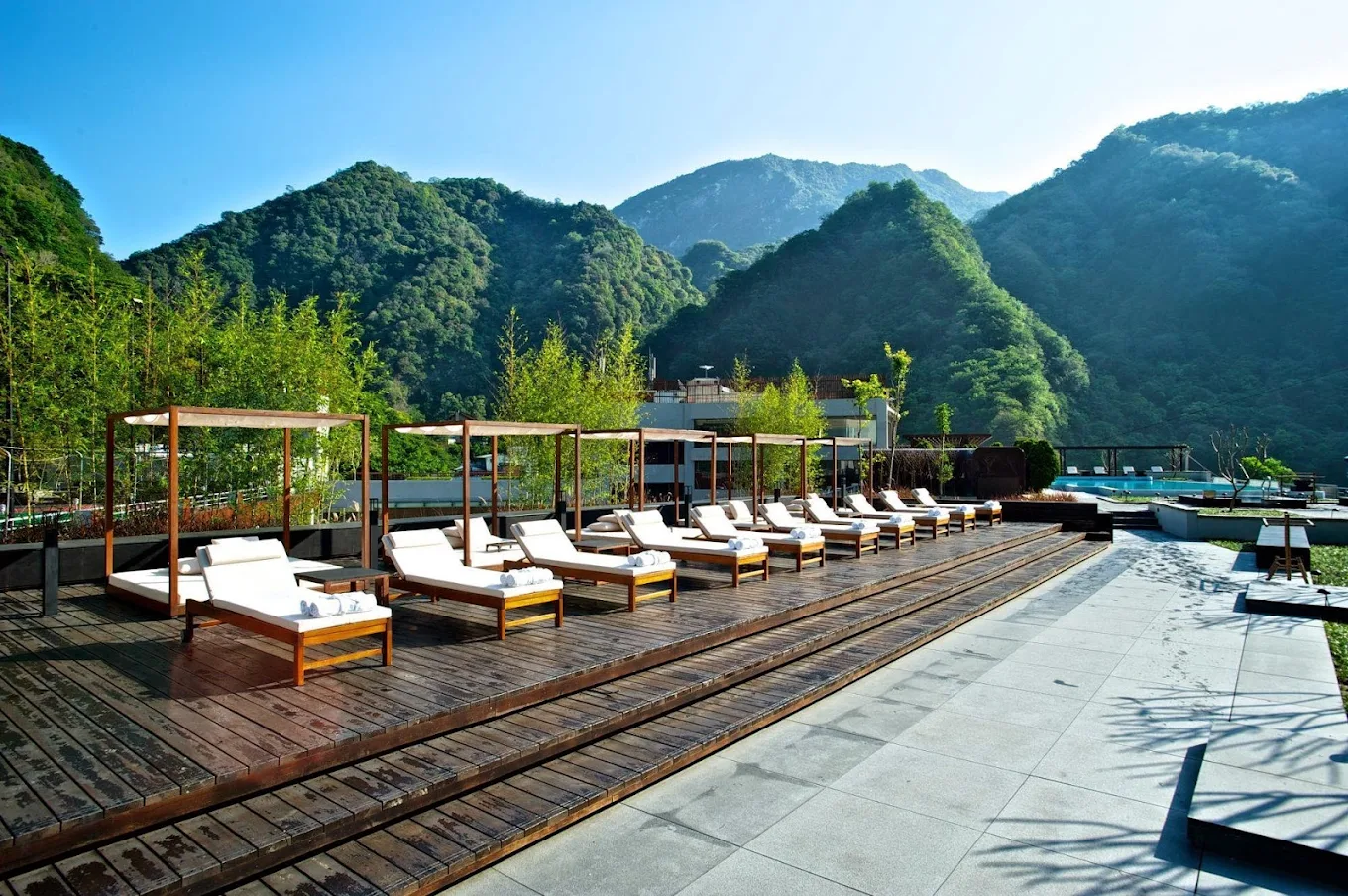
Silks Place Taroko sits within Taroko National Park, offering direct access to one of Taiwan’s most dramatic landscapes—marble gorges, river systems, and mountain air. It’s immersive without being remote to the point of difficulty, striking a balance between access and seclusion.
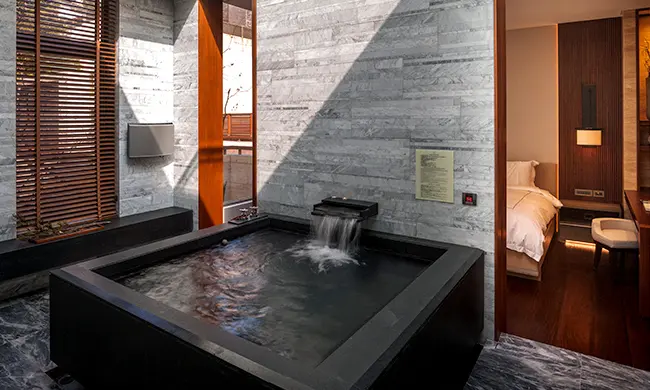
For those staying in Taipei, Villa 32 offers a smaller, more discreet alternative centered on private hot spring experiences, which you can enjoy in-suite.
More information on Silks Place Taroko here; Villa 32 here.
Hong Kong: Lantau Island (The Upper House + Tai O / Cheung Sha as base pairing)
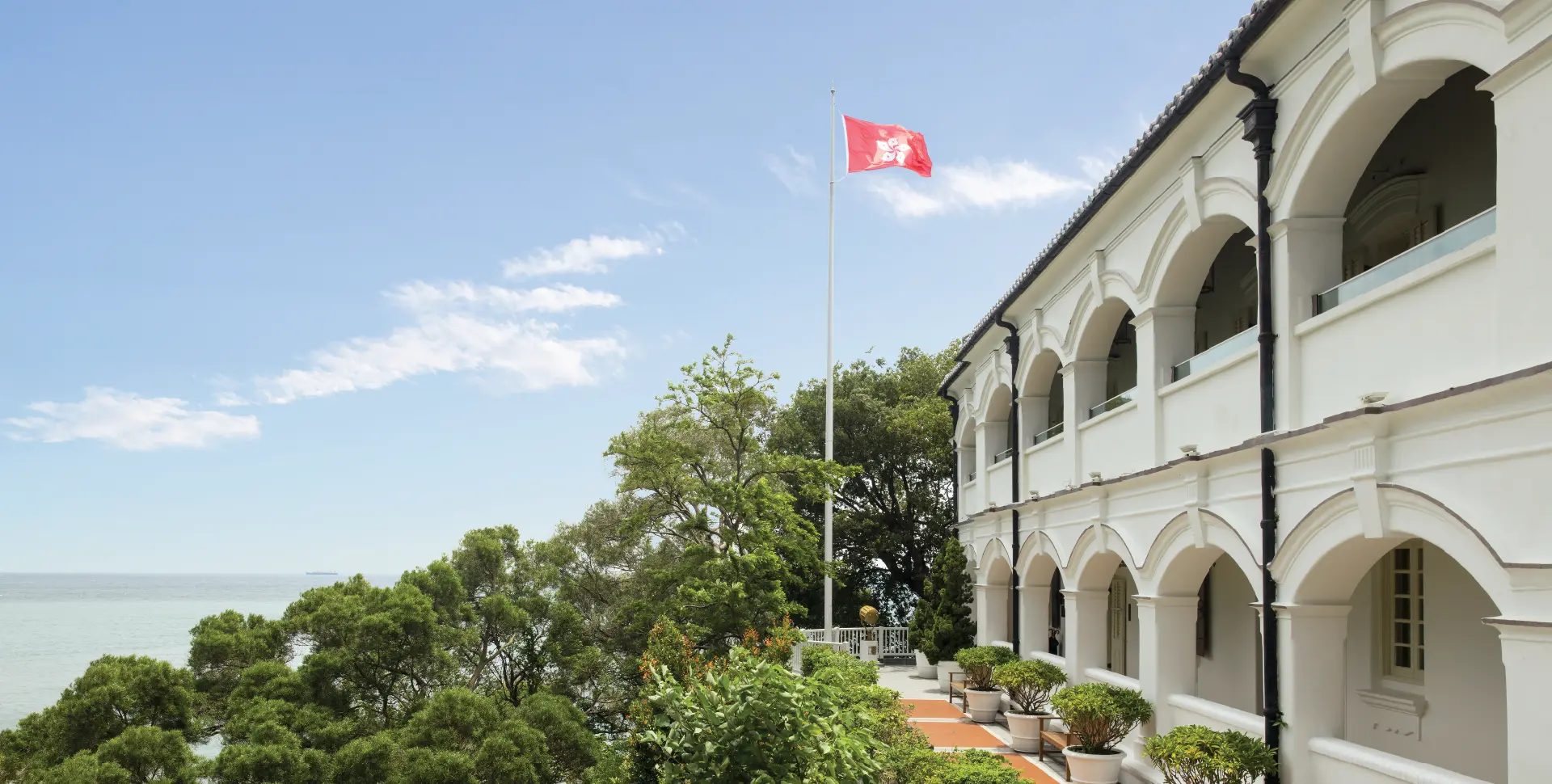
Lantau reframes Hong Kong entirely—fishing villages, quiet beaches, and slower, coastal movement. Pairing a stay at The Upper House in Central with time on Tai O in Lantau creates contrast: city precision followed by open space. It’s a reminder that even in one of the world’s densest cities, escape can sit just beyond the skyline.
More information on The Upper House here; Tai O here.