When Pinakbet Becomes a Passport




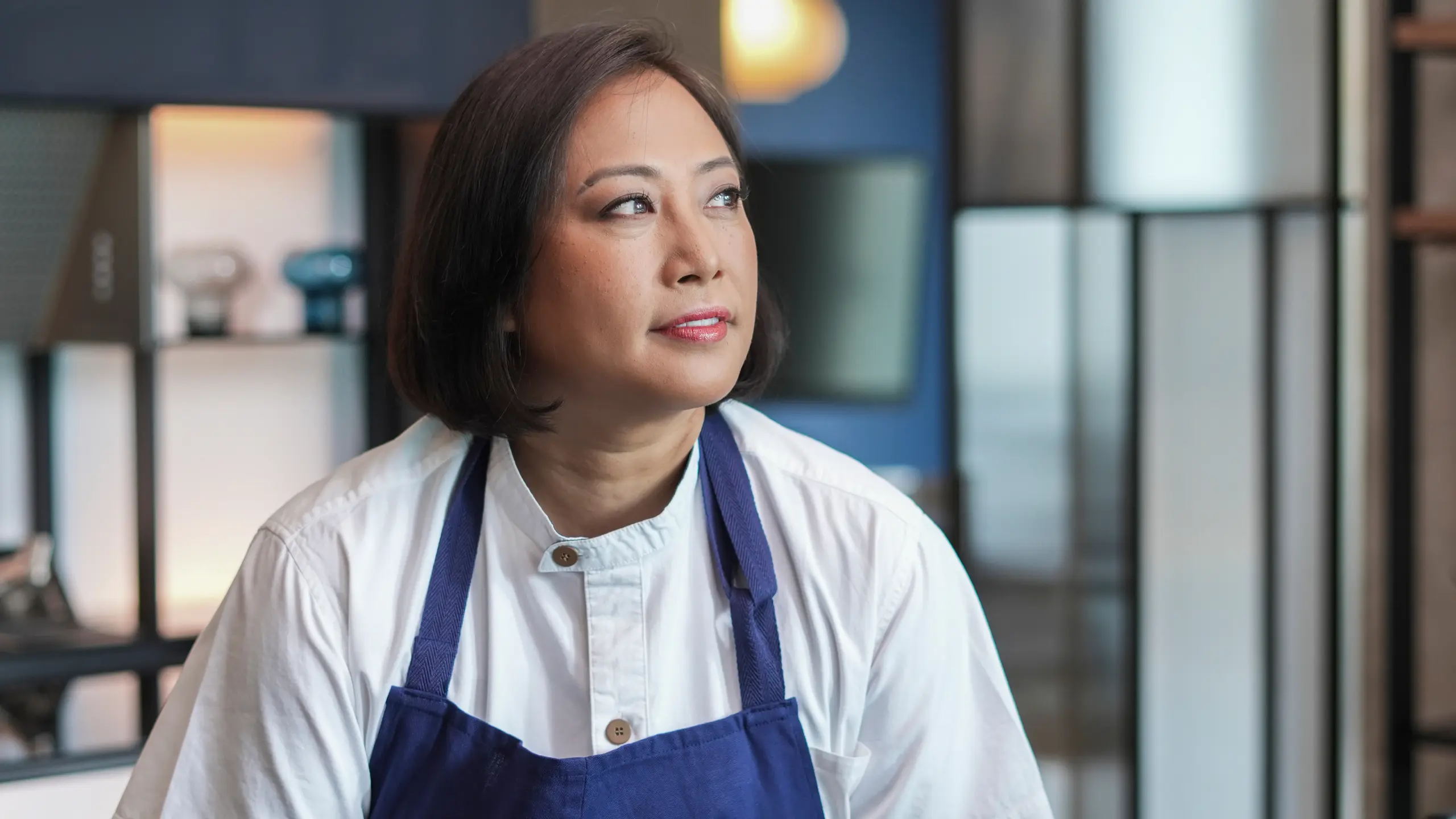
Amid the reverent hum of farmers, chefs, artisans, and those who move through the world with a conscience for terroir, Chef Melissa Miranda stood before an audience that caught its breath not merely for the food, but for the story threaded through it.
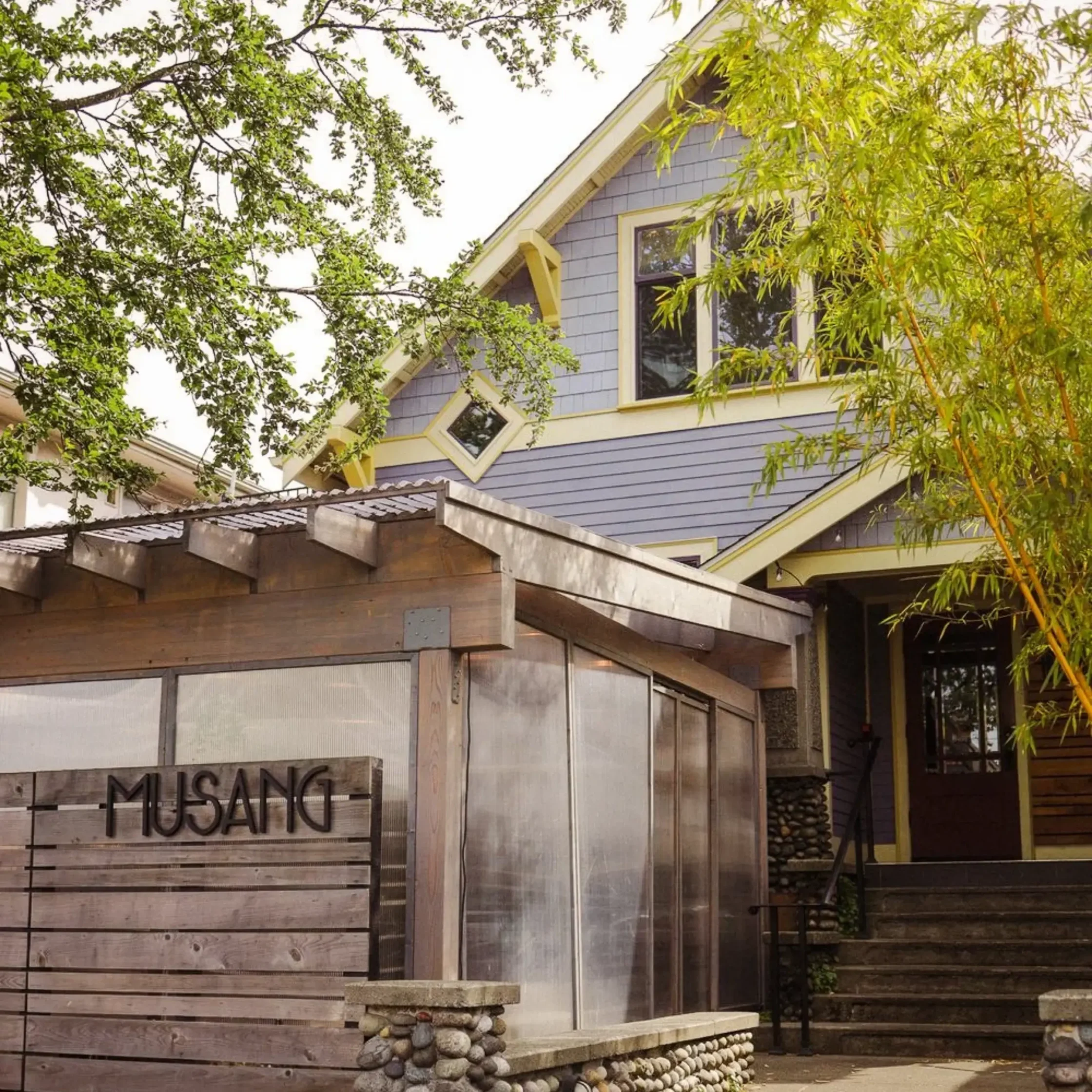
Miranda’s brainchild, Musang, is a community-driven Filipino restaurant in Seattle’s famed Beacon Hill neighborhood. It has gained quite the following over the years. In 2022, the restaurant helped earn Miranda a spot on Food & Wine’s Best New Chefs, and she has since been recognized as a two-time James Beard Award Semifinalist, advancing to Finalist in 2024.
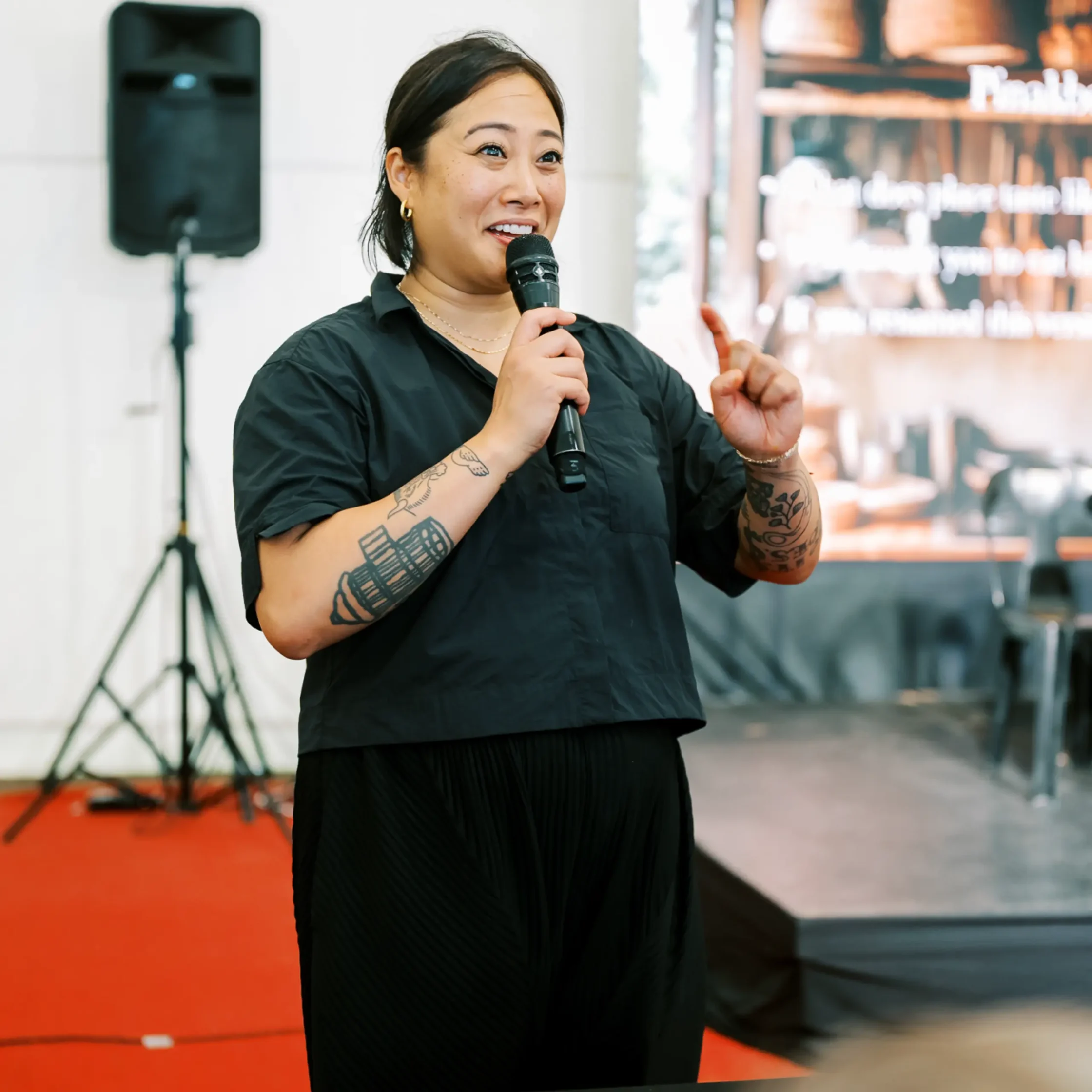
Her talk and workshop, Mapping the Filipino Diaspora Through Flavor, at Terra Madre in Bacolod, unfolded like a quiet reckoning to map out its becoming. Most of her Filipino-American team, many of them first-generation, had either never been to the Philippines or had only visited a handful of times throughout their lives. Here, Filipino food was presented as lineage—memory made edible, migration reduced to something you could hold on a spoon.
“It’s important for us to be here as Filipino-Americans, connecting to our roots,” Miranda says. “Since most of us were born in the United States, most of what we know we knew through our lolas and lolos and parents and titos and titas.” For much of her team, Terra Madre marked either a homecoming long delayed or, for some, an encounter with the Philippines that had previously only existed in photographs, heirloom recipes, and the soft echo of family stories.
The workshop centered on two canonical dishes, the beloved pinakbet and laing, each prepared in dual form: the traditional configuration and Musang’s contemporary interpretation. The act of juxtaposition felt deliberate, almost ceremonial. This was Miranda’s way of inviting her audience to witness how substitution becomes the grammar of diaspora, and how flavor, when guided by memory, refuses to fossilize.
“The Philippines’ biggest export is Filipinos,” she reminds us. “We’re all over the world. And the way we connect to our culture is through our food. Food is a cultural anchor. Ingredients shift and memory stays.”
Pinakbet, in Musang’s hands, becomes cartography. “Pinakbet is a map of regions and roots. It is a landscape of families,” she said, tracing her own lineage from Tagalog roots in Cavite and Quezon City to Ilocano influences from her grandfather in Tarlac. The differences, she notes with knowing humor, could stir long-standing familial rivalries—particularly over bagoong, whose intensity delineates the border between Tagalog subtlety and Ilocano boldness. “Half of my team is Ilocano and half is Tagalog,” she points out. “So we always fight about which is best.”
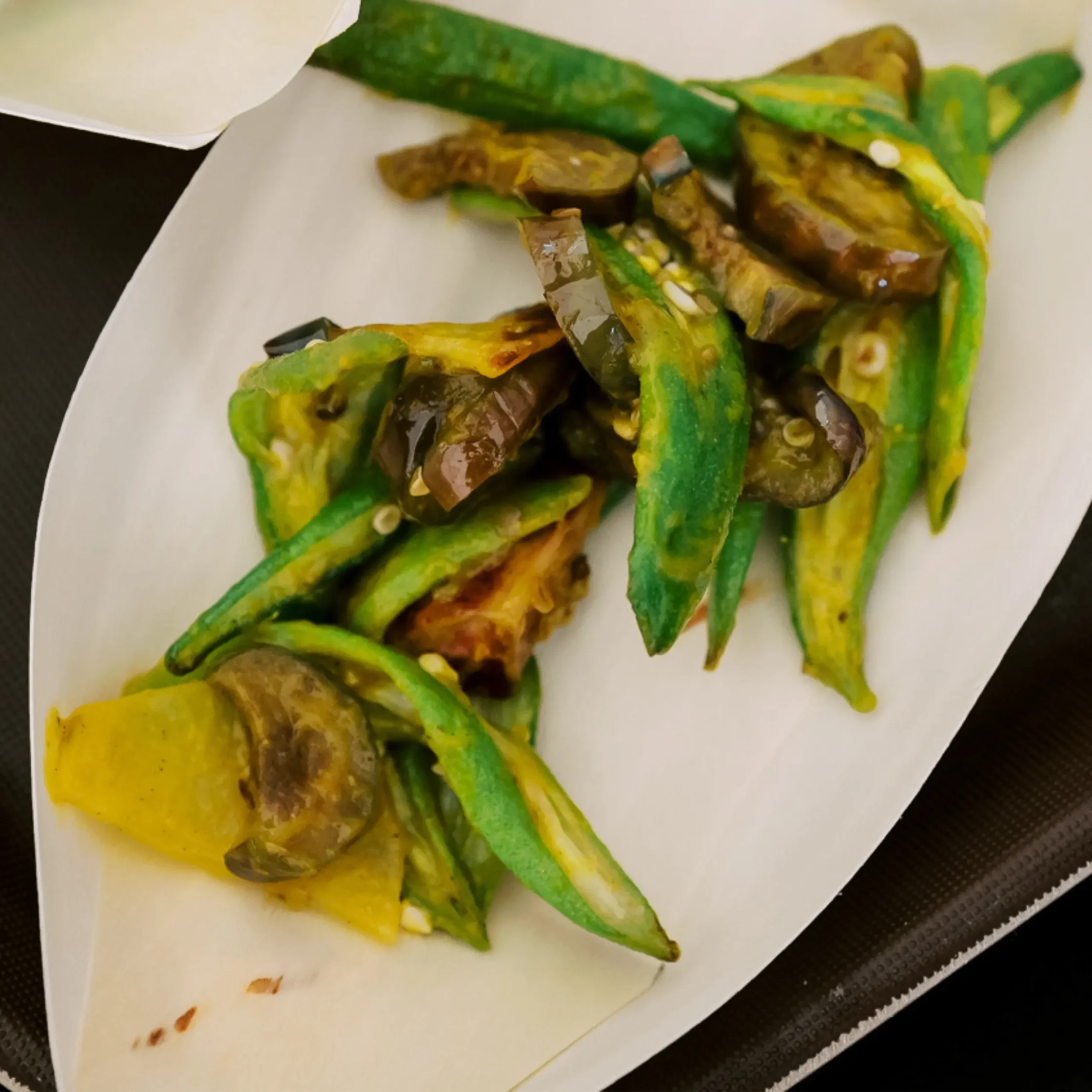
The traditional version came forth as many remember it: deeply fermented, richly brown, softened into submission by time and heat. Comforting, familiar, and heavily suffused with bagoong alamang. In contrast, Musang’s proprietary version (“Pinakbet 24” on the menu) was almost architectural in a way.
Tempura-fried sweet potato, onion, okra, and eggplant arranged with kabocha and guisado purée, pickled bittermelon adding brightness, dehydrated bagoong perfuming the plate in controlled whispers. This composition could be made vegan, yet loses none of its emotional gravity. “So many of us grew up with mushy pinakbet,” Miranda explains. “We wanted to make it vibrant. Highlight the ingredients. Let them speak.”
It was less reinvention than clarification. Each vegetable asserts its identity, each note articulate and precise. If one might imagine a museum display of culinary memory, this felt closer to a curated gallery wall than a childhood pantry.
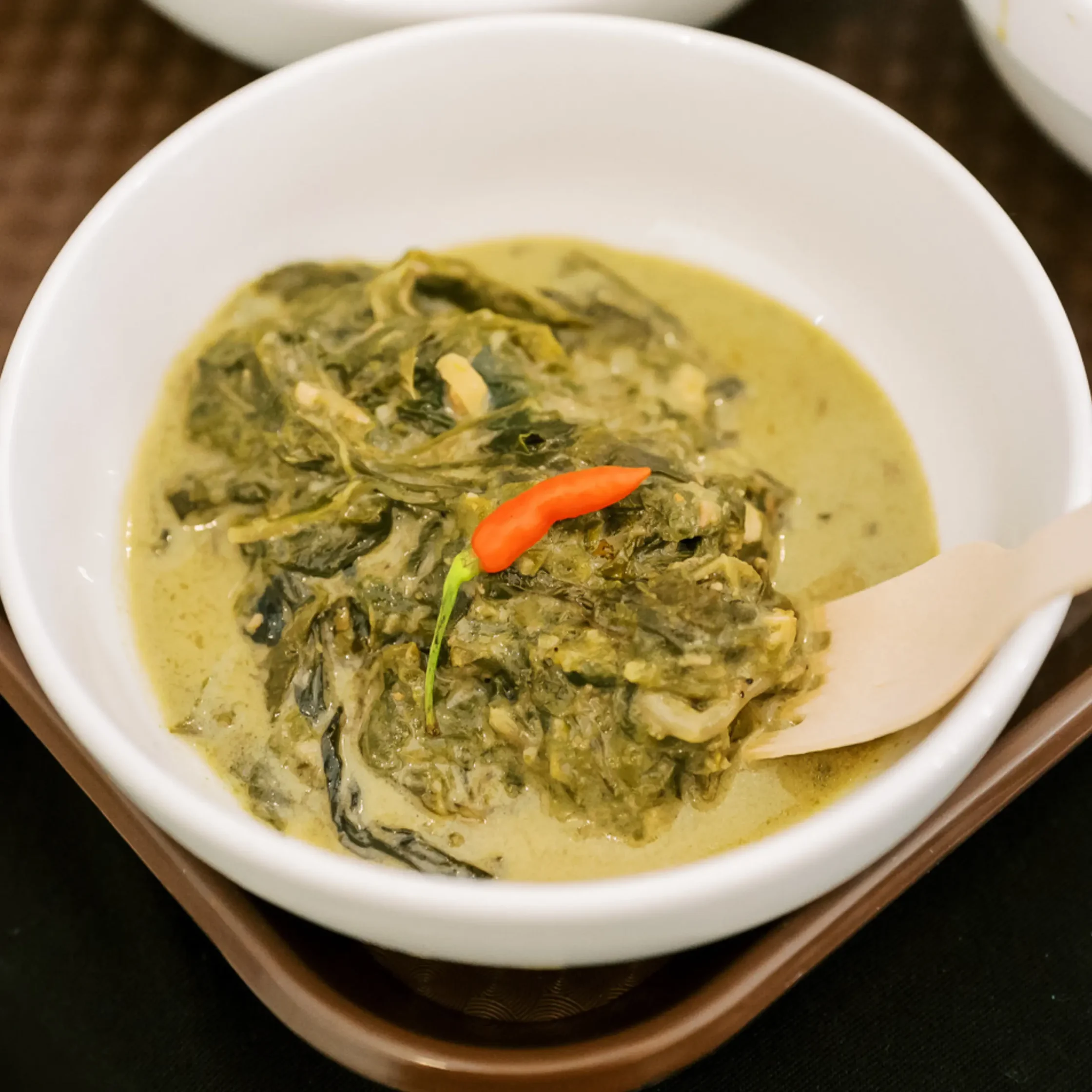
Laing, too, became an eloquent meditation on absence and adaptation. Traditionally made with dried taro leaves stewed in coconut milk and bagoong, it is a dish that resists improvisation. Necessity, as Miranda reminds us, has always been the mother of Filipino ingenuity. In Seattle, access to authentic gabi leaves remains inconsistent. “In the States, it’s harder,” she admits. “So the way we serve laing is with kale, spinach, or seasonal greens.”
Musang’s laing bore the signature aromatics—ginger, garlic, shallots, coconut cream, and shrimp paste—yet reinterpreted the greens according to availability. These substitutions did not dilute the dish; they expanded its vocabulary. Vegan bagoong, meticulously crafted from tausi, shiitake, ginger, garlic, black beans, and seaweed, introduced a layered umami that nodded respectfully to the ocean without the cruelty of extraction. “Substitution becomes the language of creativity and diaspora,” Miranda observes, with the clarity of someone who has learned that survival cooks as much as flavor does.
But perhaps the most arresting moments of the workshop occurred not on the plate, but in Miranda’s reflections on identity, pride, and generational healing. She spoke of the quiet shame that once accompanied Filipino food in immigrant spaces, the way it lived only at home or appeared apologetically at nurses’ potlucks.
“When Filipinos come into immigrant spaces, they assimilate,” she recalls. “Growing up, Filipino food was never in restaurants. It wasn’t in magazines. My mom still says, ‘Anak, I can’t believe so many non-Filipinos are eating our food.’ And I ask her, why? Our food is so good. This is what you fed me.”
The pride now filling Musang’s dining room is restitution. It’s a reclamation of voice. Miranda recalled her grandfather’s quiet joy seeing the restaurant full, his disbelief softened into awe. “That’s why we do it,” she says. “To show our parents that being Filipino is okay.”
Musang itself carries a deeply personal backstory. Named after the wild civet cat, the moniker belonged to Miranda’s father—his Mustang car having lost its “T,” much to communal amusement. The name, like the restaurant, became a symbol of resilience, playfulness, and survival. Even a mountain healer in Benguet, upon seeing Miranda’s tattoos, asked: “Why don’t you have a musang tattoo?” The universe, it seemed, was insisting.
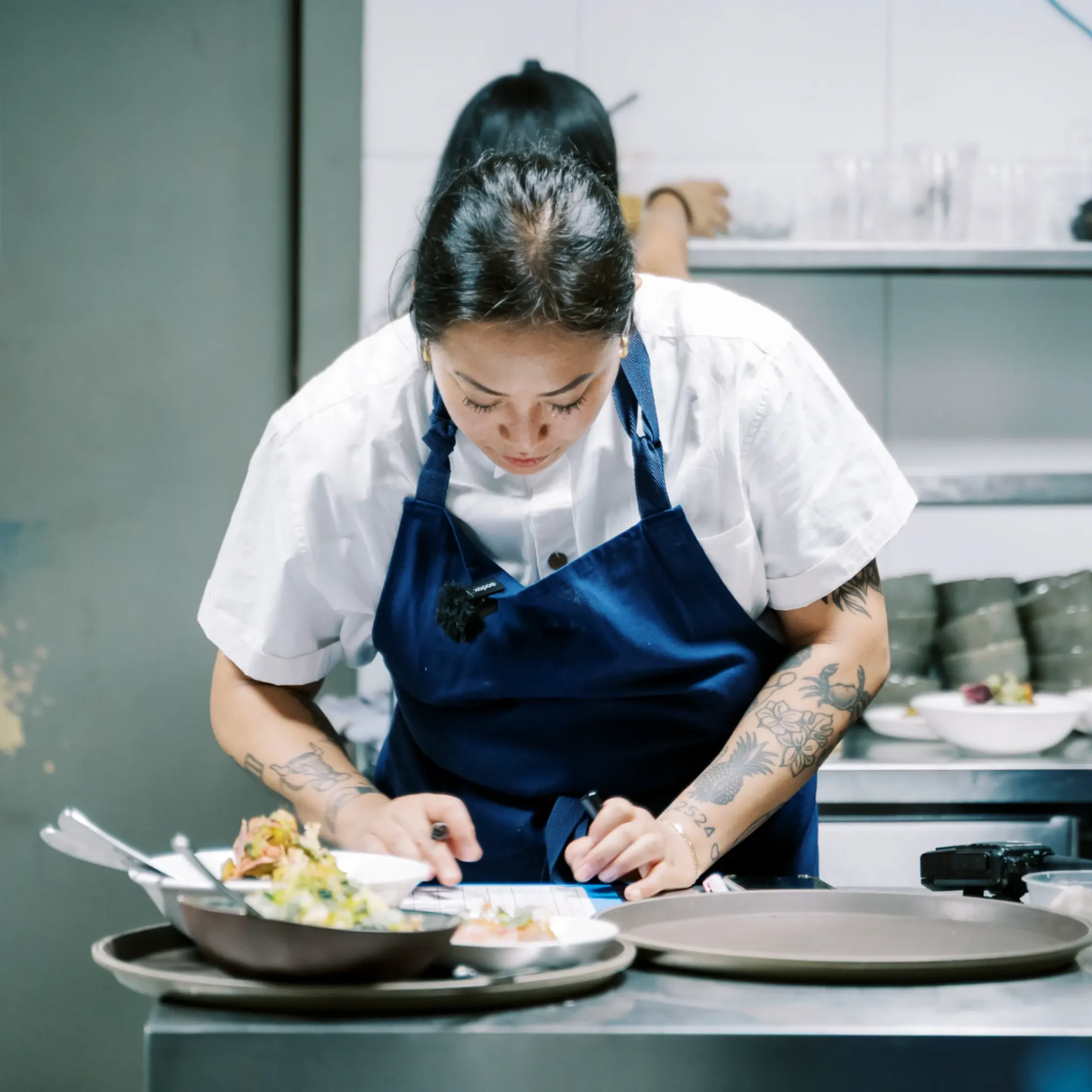
At Musang, memory, migration, adaptation, and pride formed the invisible mise en place, really. And in every bite, the truest flavors of home reveal itself. “For me,” Miranda said softly, “home tastes like cooked garlic. I usually smell bagoong in the kitchen.” In that aroma lingers the unbroken thread of a people who carry their homeland in their mouths.
Photos by Bliss Mabini. Hair and makeup: Jinx Aggarao. Videographer: Gian Escamillas.