The Ten Most Expensive Coffee Beans in the World




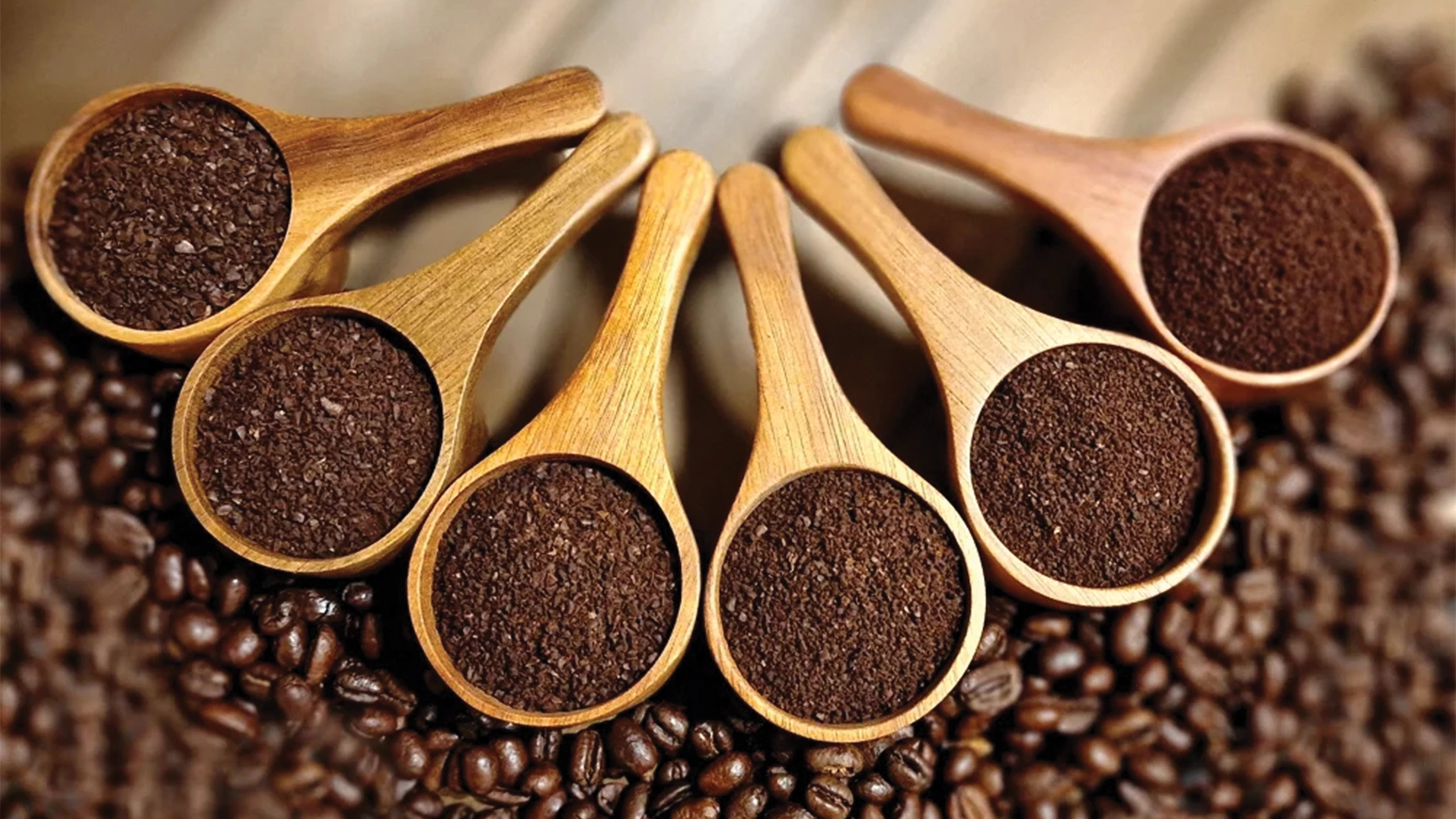
What’s in your coffee cup? And how far would you go to elevate your coffee experience?
Excellent coffee is a result of a meticulous mix of optimal weather conditions, painstaking post-harvest processes and precise, masterful roasting.
The best beans in the world are grown at high altitude places free from frost, enjoying moderate rainfall and abundant sunshine, in well-draining, rich soils, usually of the volcanic variety. Countries like Ethiopia, Colombia, Brazil, and the Central American countries like Panama, Guatemala and Costa Rica are the usual top producers of the best coffee beans in the world.
Pricing is mostly determined by supply and demand, with the rarest and most limited (in terms of yearly yield) varietals fetching the highest prices at auction.
Below is a list of the beans that have historically commanded the most premium prices (prices may vary per source), and retail stores where you can buy premium versions readily and enjoy at home.
- Panama Geisha
$9,000-$10,000 per kilo
Origin: Panama
Cupping notes: mango and mandarin flavor notes. Bergamot-like finish. Balanced and gently bright.
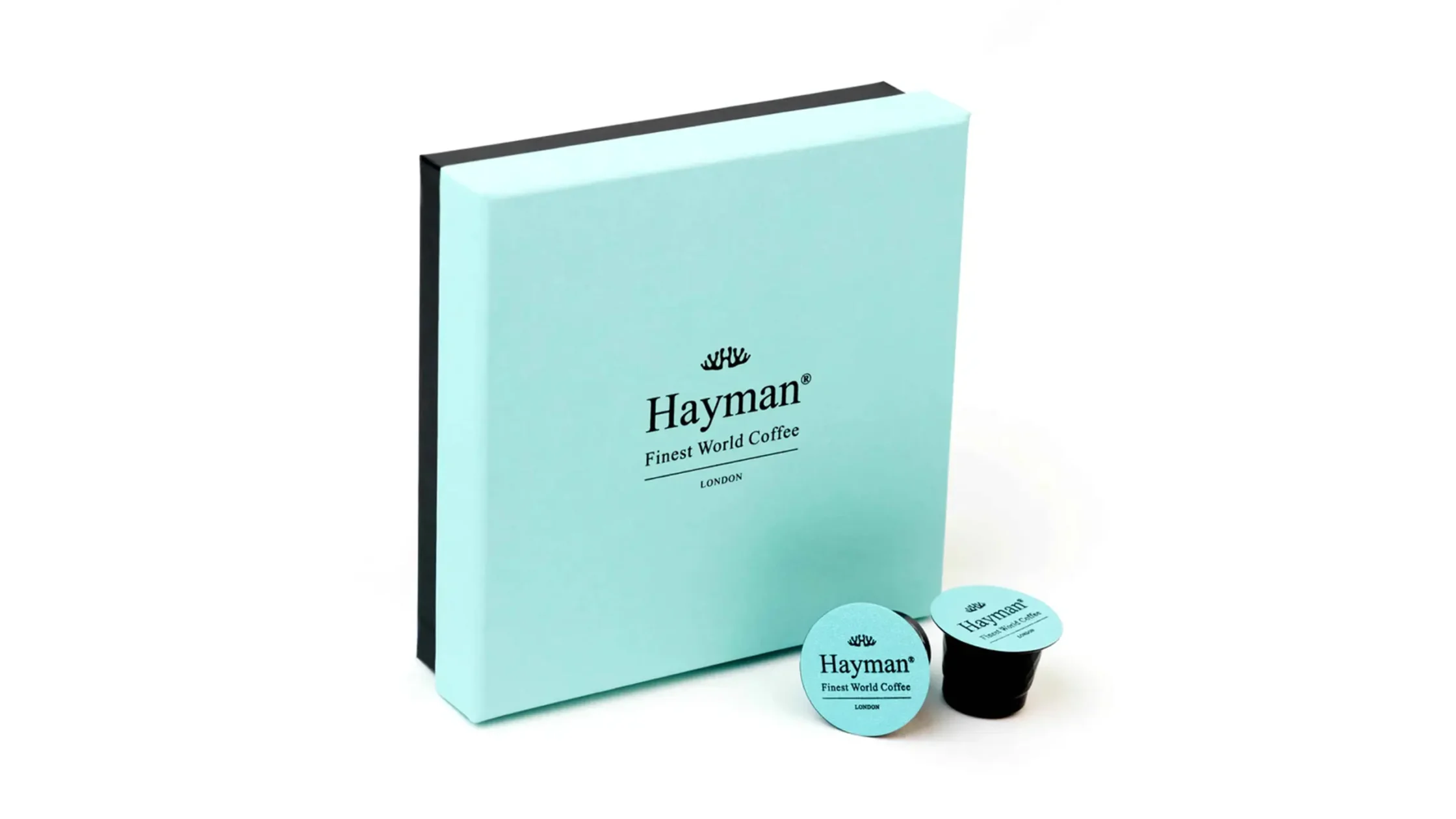
Consistently in the top tier of high-end coffee beans, the Geisha, originally from Ethiopia, gained almost cult status after it was cultivated in Panama, by Hacienda Esmeralda, in Boquete. In 2024, the Elida Geisha Natural Torre coffee lot from the Lamastus Family Estate sold for an eye-popping $10,013 per kilogram.
Kevin Tang, one of the founders of Yardstick Coffee says that what makes the Geisha coffee special is its incredible sweetness, clarity, and distinct aromatics. It’s often known for its floral and tea-like qualities, with a delicate but complex flavor.
Yardstick Coffee offers Finca Monteverde Geisha Honey in its physical and online stores, and Hayman Coffee offers the Panama Geisha.
Photo courtesy of Hayman Coffee
2. Ospina Dynasty Premier Grand Cru
$3,000 per kilo
Origin: Colombia
Cupping notes: almonds, berries, chocolate
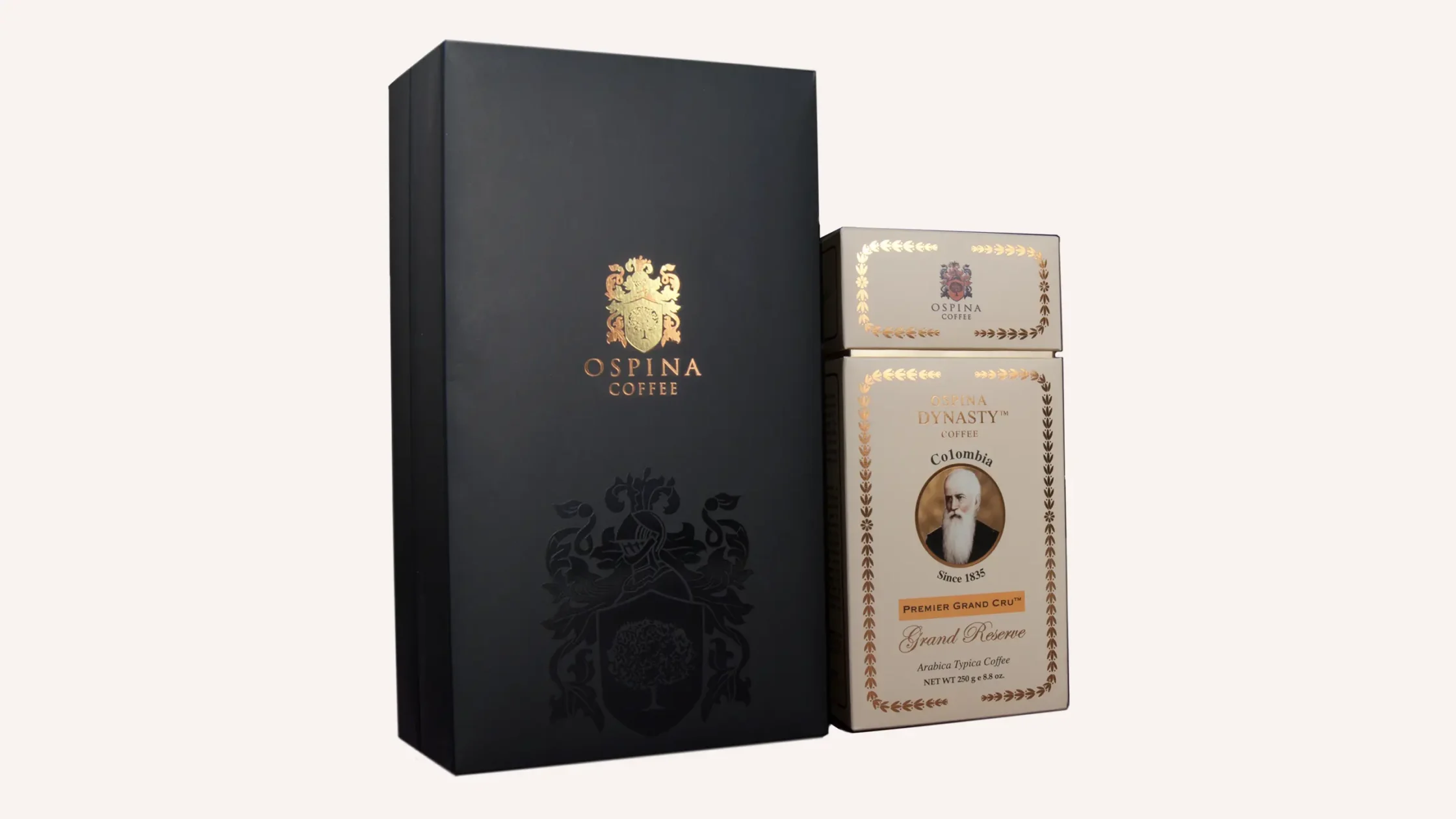
Don Mariano Ospina Rodriguez, one of the pioneers and most influential coffee producers in Colombia, established his coffee plantation on the volcanic slopes of Fredonia in 1835. His dedication to a scientific approach to coffee farming, and exacting standards paved the way for Colombia to be one of the world’s top producers of excellent coffee.
Ospina Coffee uses the rare Arabic Typica variety, celebrated as the “champagne of coffee”, comprising less than 1% of global Arabica production, producing a sweet taste of berries, almond and brown sugar.
Available at Ospina Coffee.
3. Black Ivory Coffee
$3,000 per kilo
Origin: Thailand
Cupping notes: notes of cacao/chocolate, pu’erh tea, tamarind, date, plum, a hint of tobacco
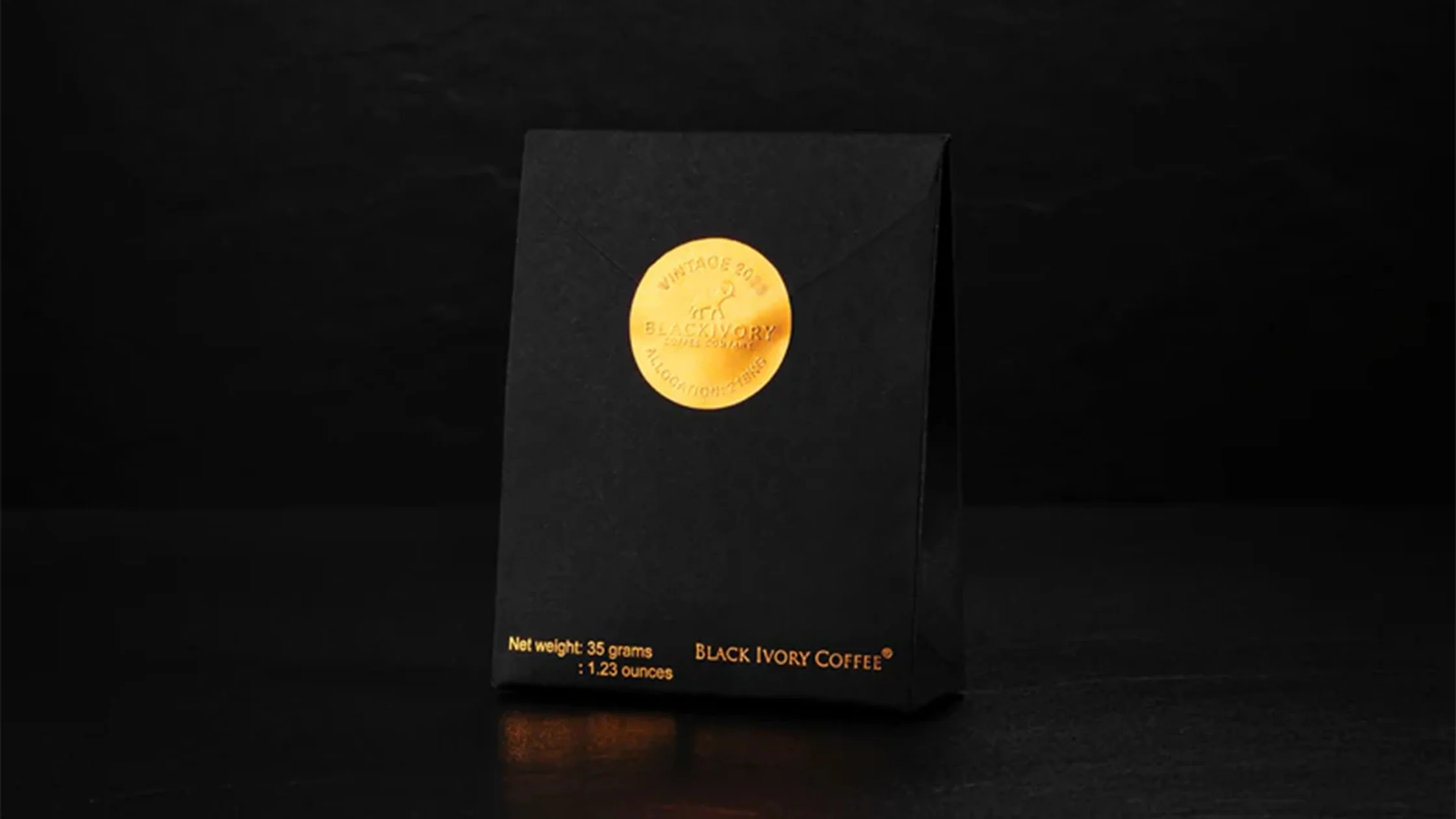
We’ve all heard of Civet coffee, or Kopi Luwak, (produced from coffee cherries eliminated by Palm Civets). Black Ivory Coffee takes the concept of animal-processed coffee to a whole new level. Produced by coffee cherries partially digested by Thai elephants, it’s the rarest coffee in the world, with this year’s allocation only at 225 kilos.
Notes of chocolate, cacao nibs, light peach, tamarind, Puer (black tea) await the adventurous.
Purchase of this variety not only guarantees a delicious coffee experience, it also supports the livelihood of those who care for these Thai elephants, ensuring the preservation of these beautiful mammals and their habitat.
Available at Black Ivory Coffee.
4. Finca El Injerto Coffee
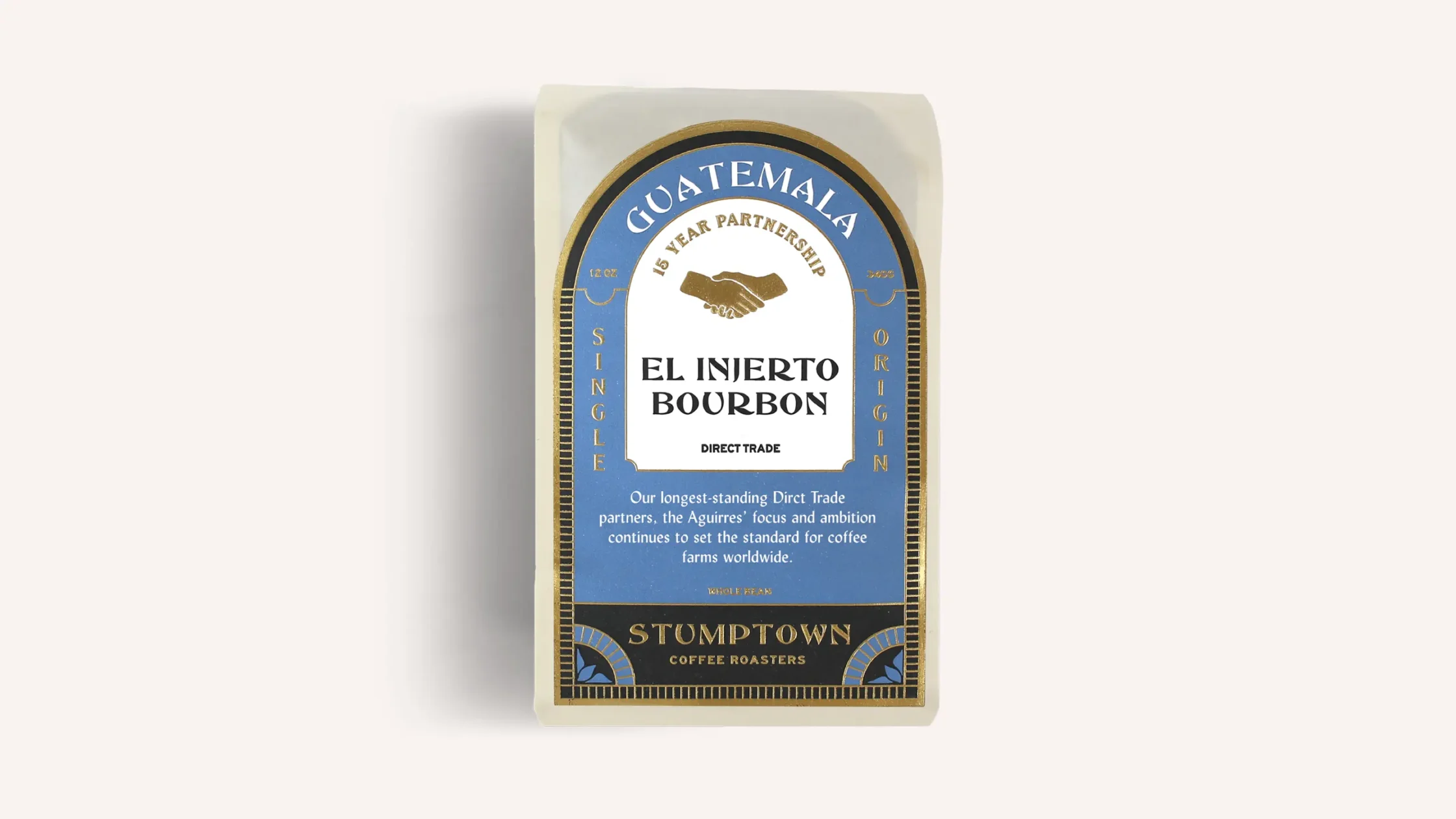
$1,000 per kilo
Origin: Guatemala
Cupping notes: orange, peach, berries, rose and jasmine
The El Injerto farm was founded in 1874 producing sugarcane, corn, beans and tobacco. It first forayed into coffee farming in 1900. The farm sits 1500 to 1920 meters above sea level, and enjoys 1600mm of rainfall, and an average temperature of 22 degrees Celsius, making it an ideal environment for exceptional coffee with balanced sweetness, a creamy mouthfeel and lingering finish.
The farm is now managed by the third and fourth generation of the Aguirre family, and prides itself in environment-friendly and eco-efficient practices, social responsibility, and meticulous farming techniques.
The farm focuses on cultivating mainly heirloom coffee varietals such as BourbonBourbonAn American whiskey made from at least fifty-one percent corn and aged in new charred oak barrels, noted for sweet notes of caramel, vanilla, and spice. Rare, limited bottlings haveGo to Bourbon Glossary and Caturra Arabica that produce an excellent cup of sweetness and complexity. The farm’s commitment to these high quality varietals is remains, despite their lower crop yield and hypersensitivity to weather shifts and diseases.
Available at Stumptown Coffee Roasters.
5. Jacu Bird Coffee
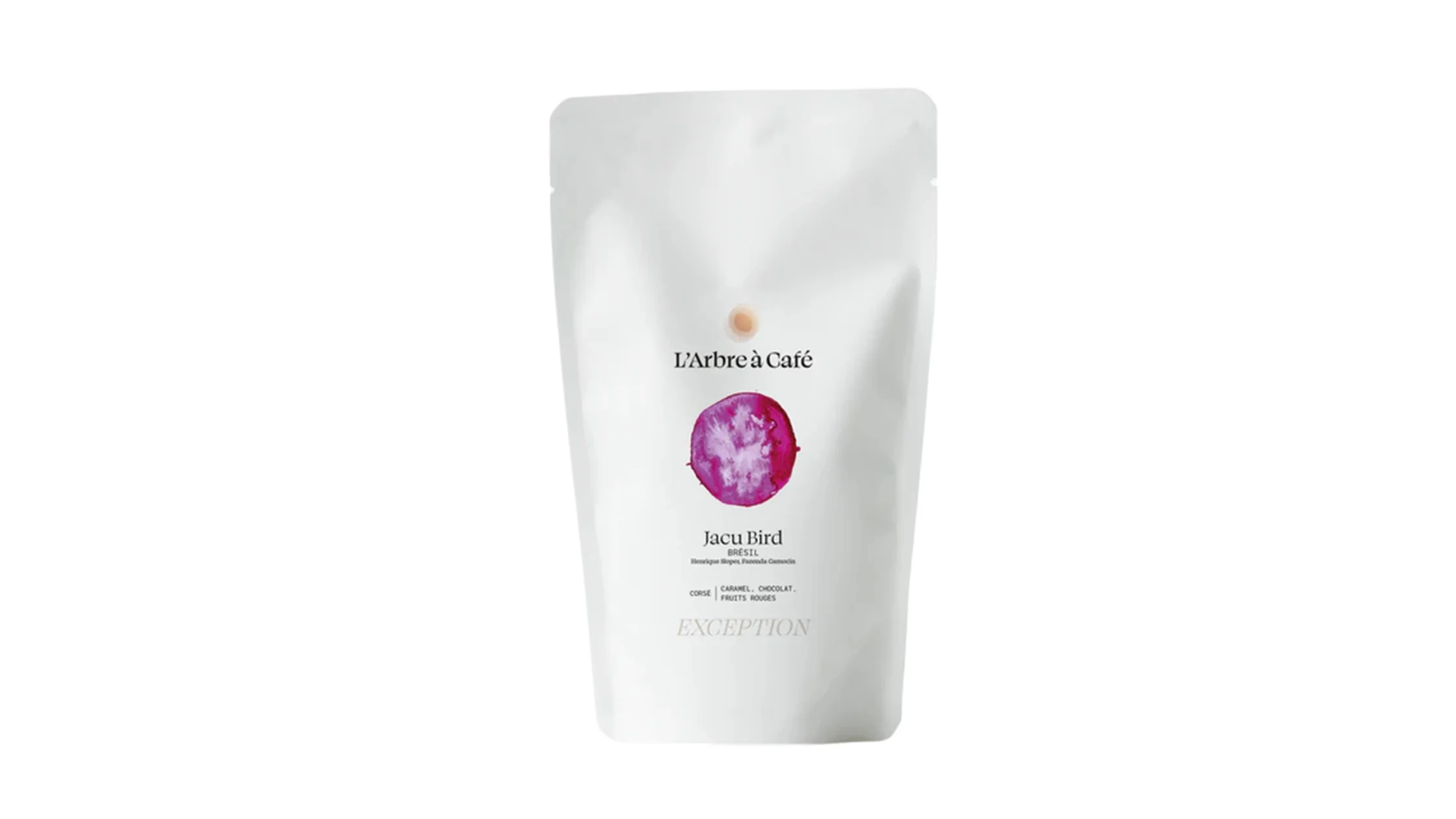
$535 per kilo
Origin: Brazil
Cupping notes: caramel, chocolate, red fruit
Just like the Civet Coffee, these beans are partly animal-processed. The Brazilian Jacu bird feasts on the coffee cherries, and the expelled pits are picked up from the jungle floor. The coffee plants fed on by the Jacu bird are organic and of the varietal Arabica.
While the Civet Coffee is known for its earthy taste, the Jacu bird does not have this effect on the beans, but instead produces a clean-tasting, smooth cup with a nutty sweetness and hints of brown bread, molasses, and milk chocolate.
Available at Larbrea Cafe.
6. Civet Coffee or Kopi Luwak/Alamid Coffee
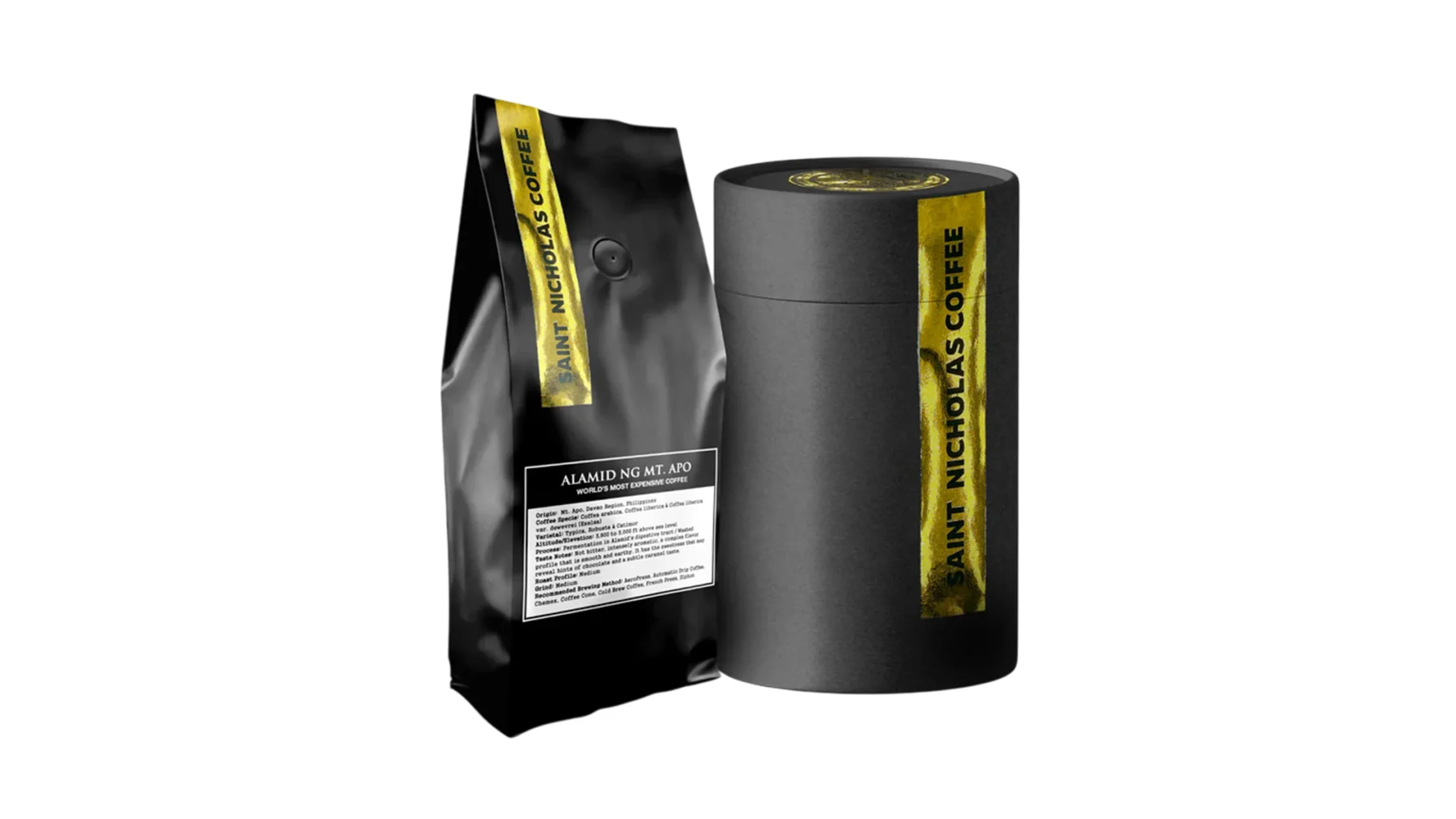
$320 per kilo
Origin: Indonesia and the Philippines
Cupping notes: hints of chocolate and subtle caramel
These beans are from coffee pits partially digested by the Asian Palm Civet. This process produces beans with a lack of bitterness, and perfect for a light roast. A Philippine varietal boasts of only picking pits that have come from wild, free-roaming civets.
The beans produce an intensely aromatic, smooth and earthy cup with hints of chocolate and caramel.
Available at Saint Nicholas Coffee.
7. St. Helena Coffee
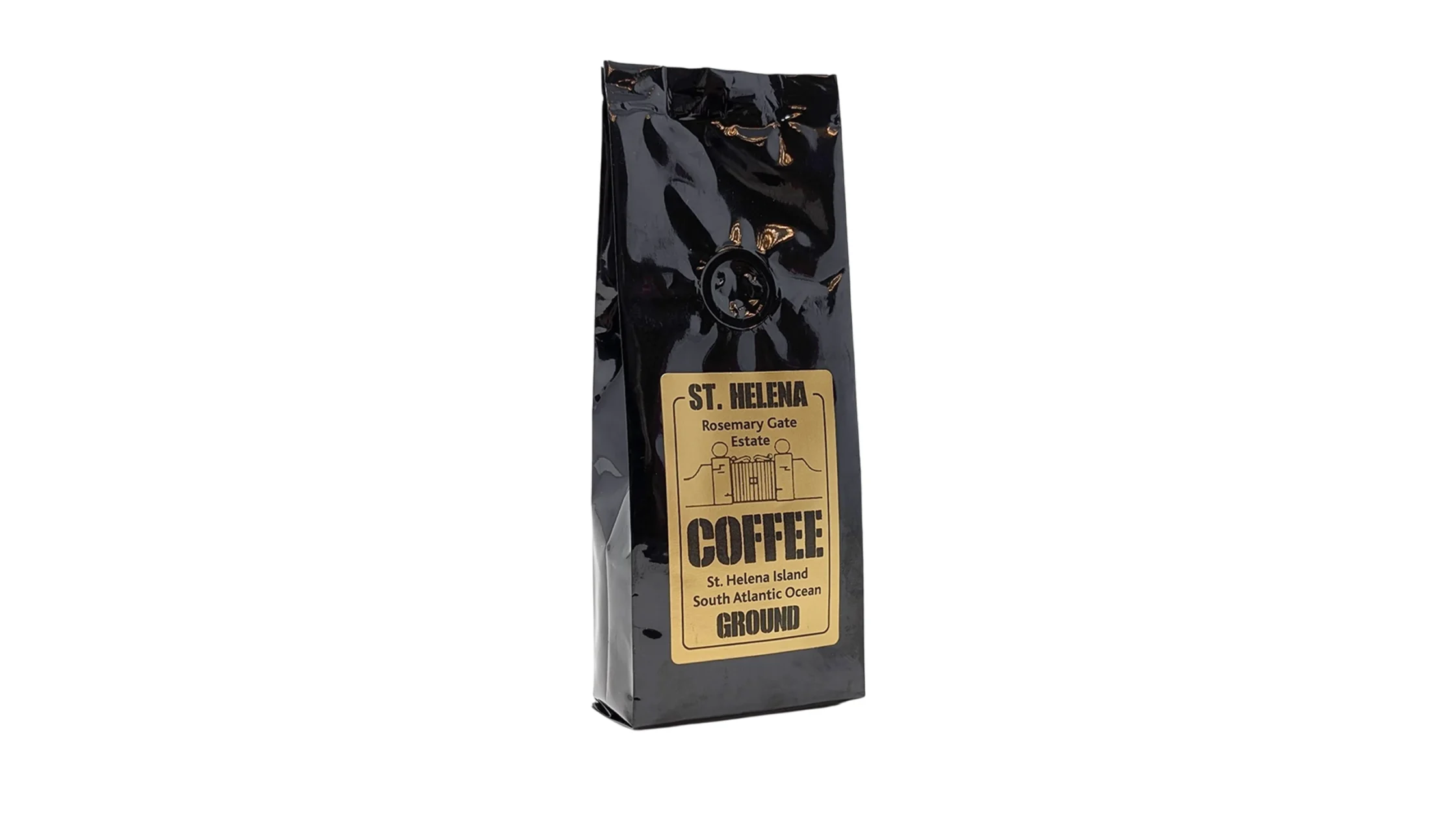
$290 per kilo
Origin: St. Helena Island
Cupping notes: rich black cherry, chocolate, spice
Grown in the remote island of St. Helena in the South Atlantic Ocean, this coffee variety was made famous by Napoleon Bonaparte, who was exiled there from 1815 to his death in 1821. He may or may not have said that “the only good thing about St. Helena is the coffee”.
The island’s remote location and limited crop yield contribute to this coffee’s rare status. The cup has a smooth, velvety flavor, with notes of cocoa, nuts, and a subtle hint of spice.
Available at St. Helena Coffee.
8. Blue Mountain Peaberry Coffee
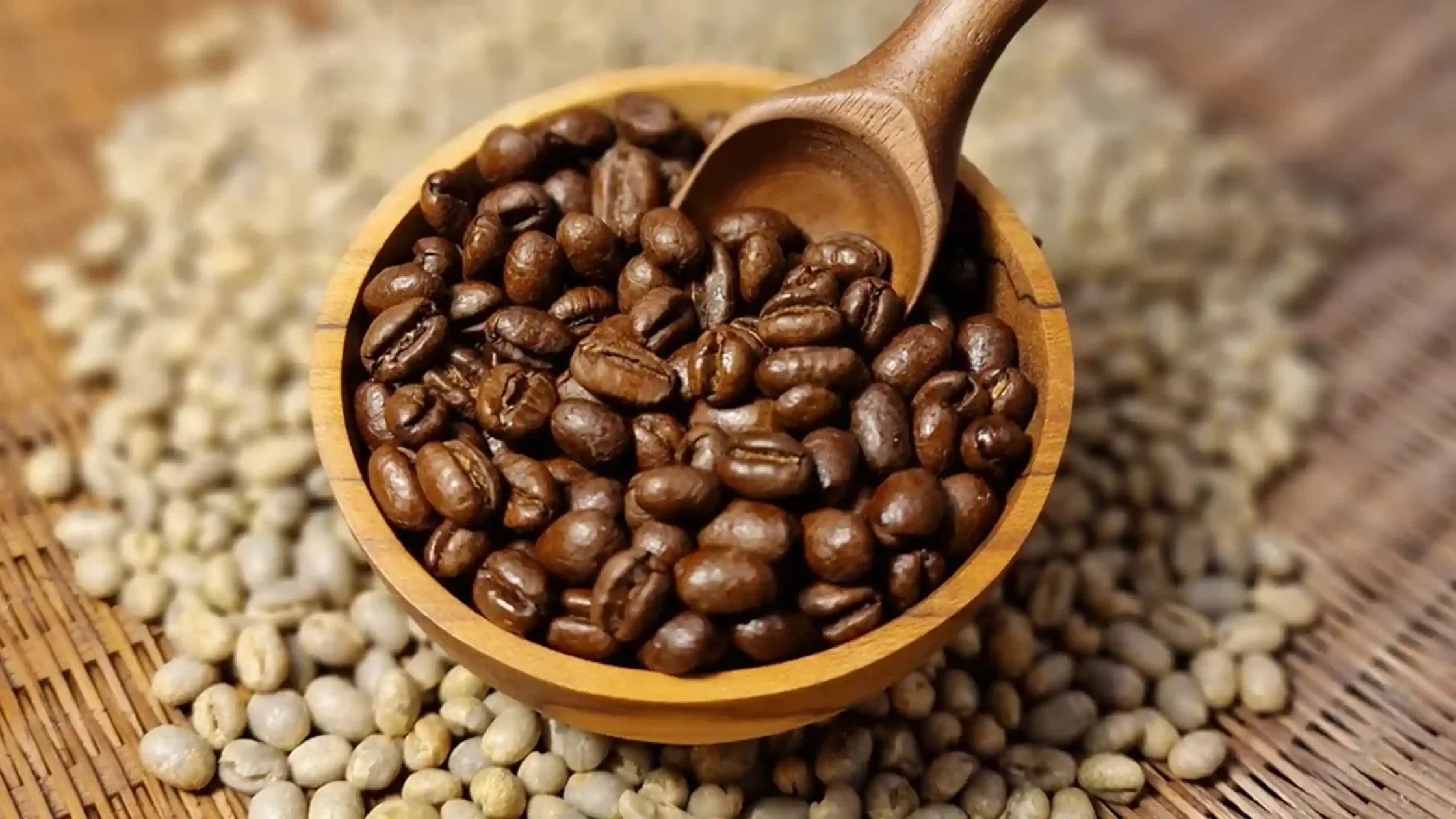
$200 per kilo
Origin: Jamaica
Cupping notes: orange, floral and butterscotch flavor
Described as producing a well-balanced cup that has a clean taste and almost no bitterness, with a bright acidity and nutty overtones, this varietal comes from only 5% of the Jamaican Blue Mountain crop. 90% of the crop is cornered by the Japanese market, leaving only 10% for the rest of the world to enjoy, making it one of the rarest coffee beans in the market.
Available at Blue Mountain Coffee.
9. Guatemala Huehuetenango Coffee
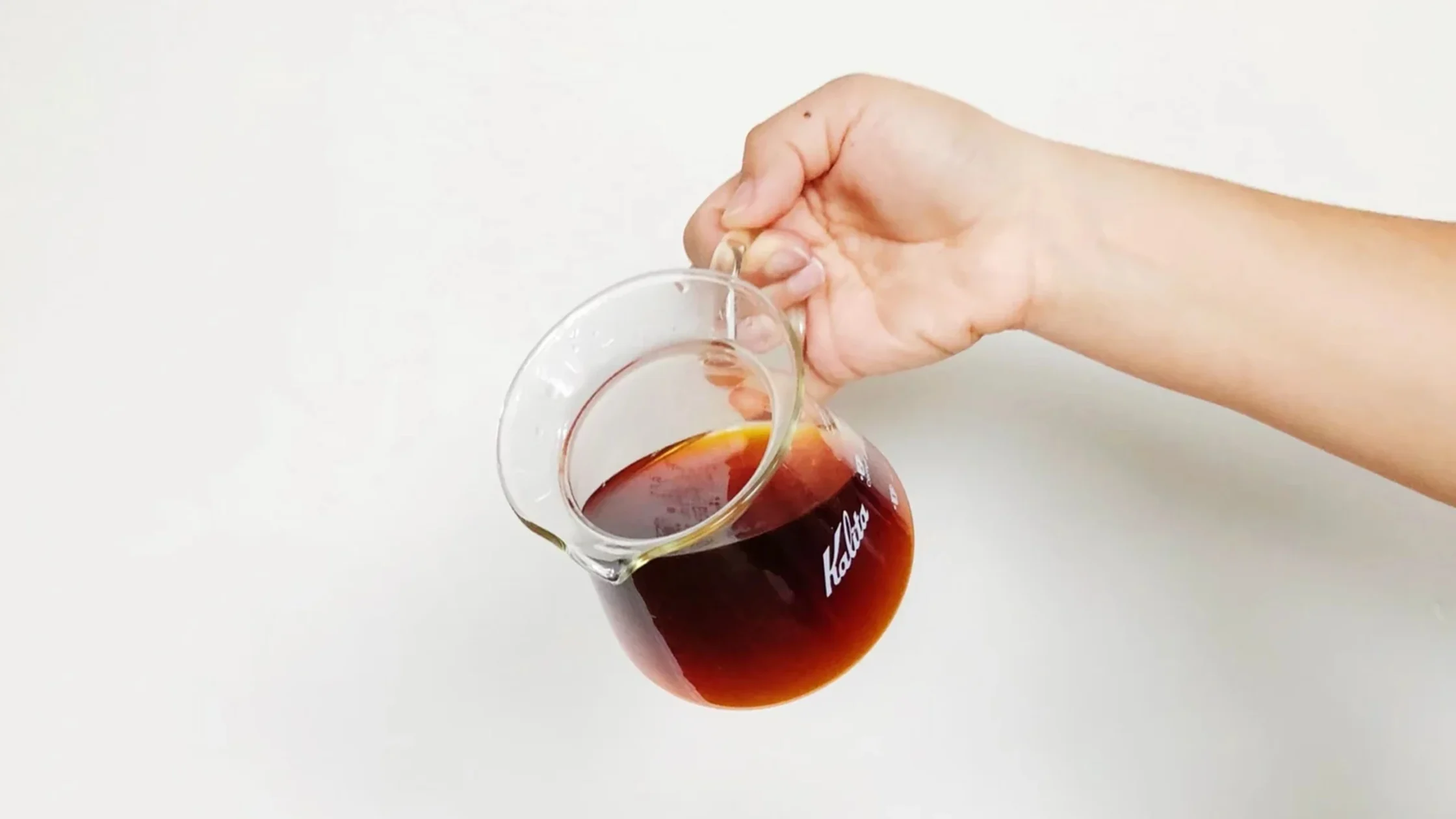
$100 per kilo
Origin: Guatemala
Cupping notes: maple, orange, milk chocolate and fruit notes
Grown in the highland regions of Guatemala, at elevations between 5,000 to 6,000 feet above sea level, where the average temperature is 23 degrees Celsius.
The Huehuetananggo cup has a light body and sweet floral aroma, perfect for a cup enjoyed any time of the day.
Available at Good Manner.
10. Hawaiian Kona Coffee
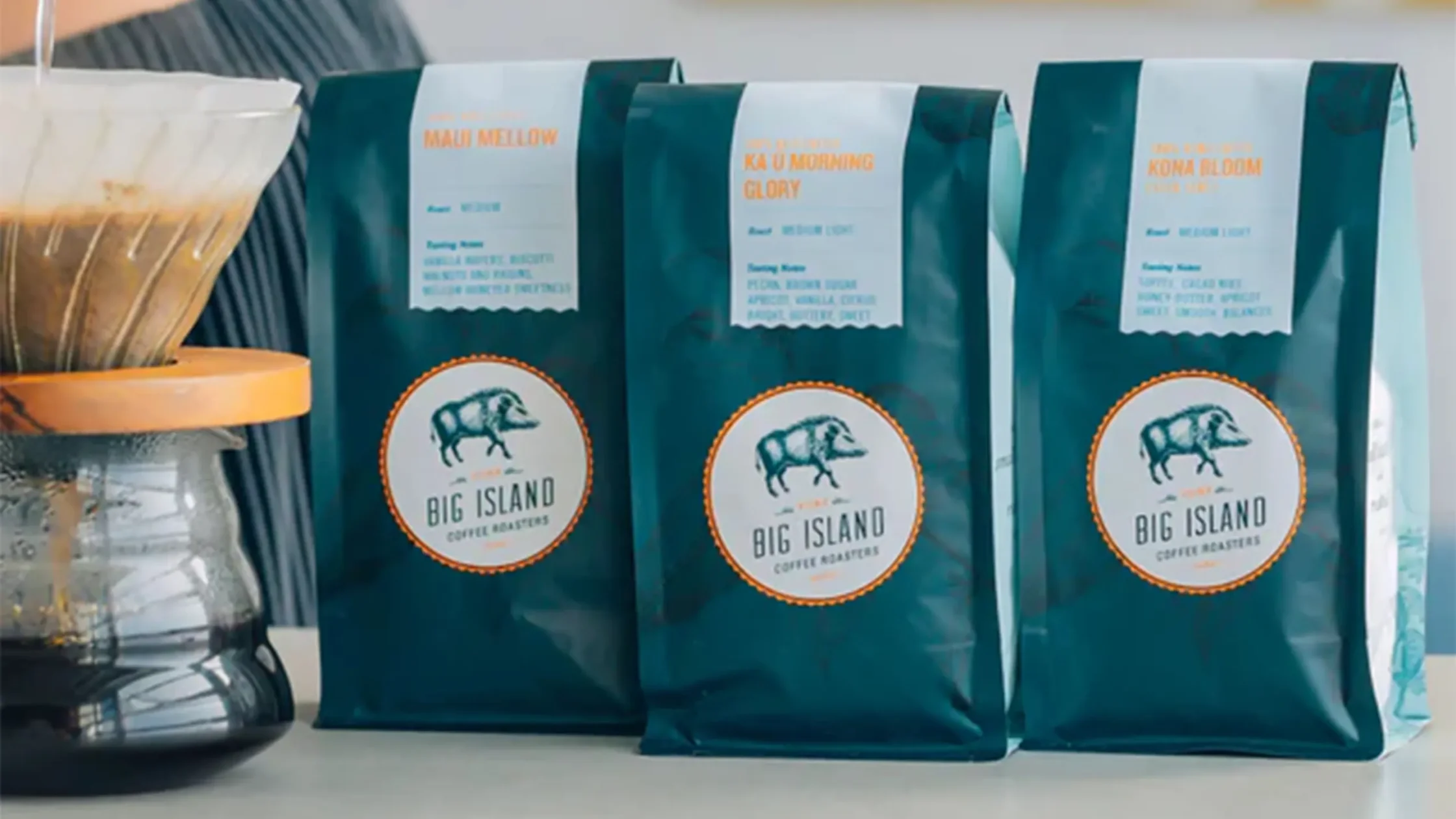
$60 per kilo
Origin: Hawaii
Cupping notes: chocolate, praline, toasted nuts and stone fruit
Authentic Kona coffee is grown in what is known as the Kona coffee belt, a narrow 20-mile strip of rich volcanic land, spanning across portions of the Hualalai and Mauna Loa mountains on Hawaii’s west coast. Small Kona coffee farms adhere to slow farming and harvesting practices, with harvest time lasting up to nine months, with skilled laborers doing repeated passes, hand-picking only fully-ripened cherries, ensuring peak flavor.
This cup has a silky, creamy mouthfeel, with notes of chocolate, praline, toasted nuts and stone fruit.
Available at Big Island Coffee Roasters.