Are the World’s Most Expensive Foods Healthy?




Editor’s Note: The following information, while researched and based on published studies, is not medical advice. Consult your physician or a registered dietitian for guidance specific to your health, dietary needs and medical conditions.
As wellness increasingly influences even the world’s finest restaurants, diners are becoming as curious about nutrition as they are about provenanceProvenanceThe documented history of an object's ownership, origin, and authenticity, particularly important for classic cars, watches, art, and wine. Strong provenance can dramatically raise an item's value, and collectors andGo to Provenance Glossary. The result is an interesting question: do the world’s most expensive ingredients actually offer exceptional nutritional value?
Whether it’s a spoonful of glistening caviar harvested from centuries-old sturgeon, paper-thin slices of Jamón Ibérico de Bellota carved from acorn-fed pigs, or the intoxicating aroma of white truffles unearthed in Italy’s Piedmont forests, the world’s most celebrated ingredients owe their status to craftsmanship, provenanceProvenanceThe documented history of an object's ownership, origin, and authenticity, particularly important for classic cars, watches, art, and wine. Strong provenance can dramatically raise an item's value, and collectors andGo to Provenance Glossary, and scarcity as much as flavor. Their value lies not only in what they taste like, but in the stories behind them: stories of meticulous farming, centuries-old traditions, and production methods that often cannot be rushed or replicated.
Some luxury foods are among the most nutrient-dense ingredients available anywhere, packed with omega-3 fatty acids, vitamins, minerals, and antioxidants, while others offer little nutritional value. And then there are those that occupy a fascinating middle ground: foods whose scientific profiles are far more complex than their reputations suggest.
None of this should be mistaken for medical advice. Nutrition is deeply individual, and no single ingredient, however celebrated, determines the quality of an overall diet. Fine dining is about craftsmanship, artistry, and the pursuit of extraordinary flavors. Understanding the nutritional qualities of these ingredients simply offers another way to appreciate them.
Caviar: Tiny Pearls With Outsized Benefits
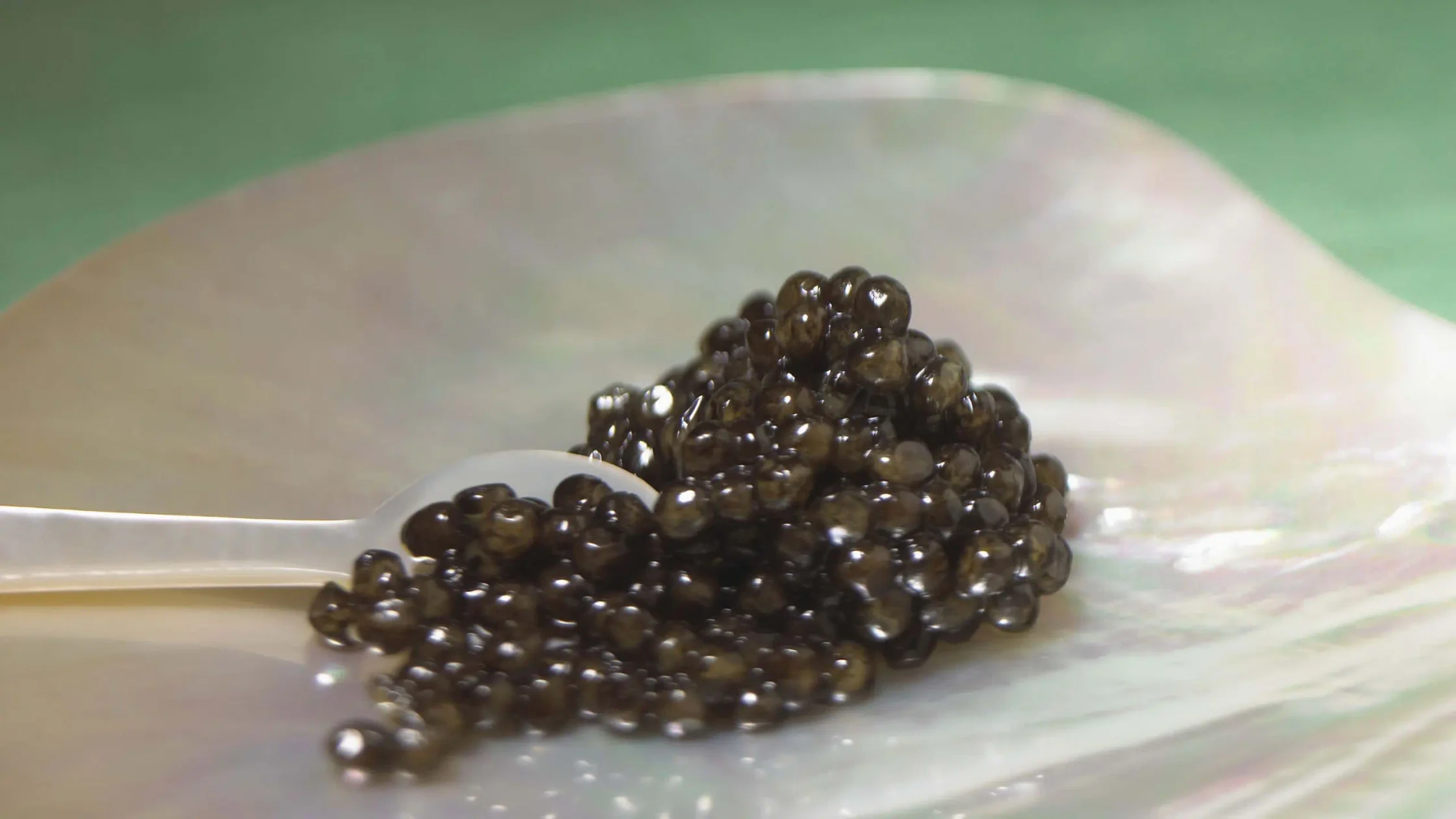
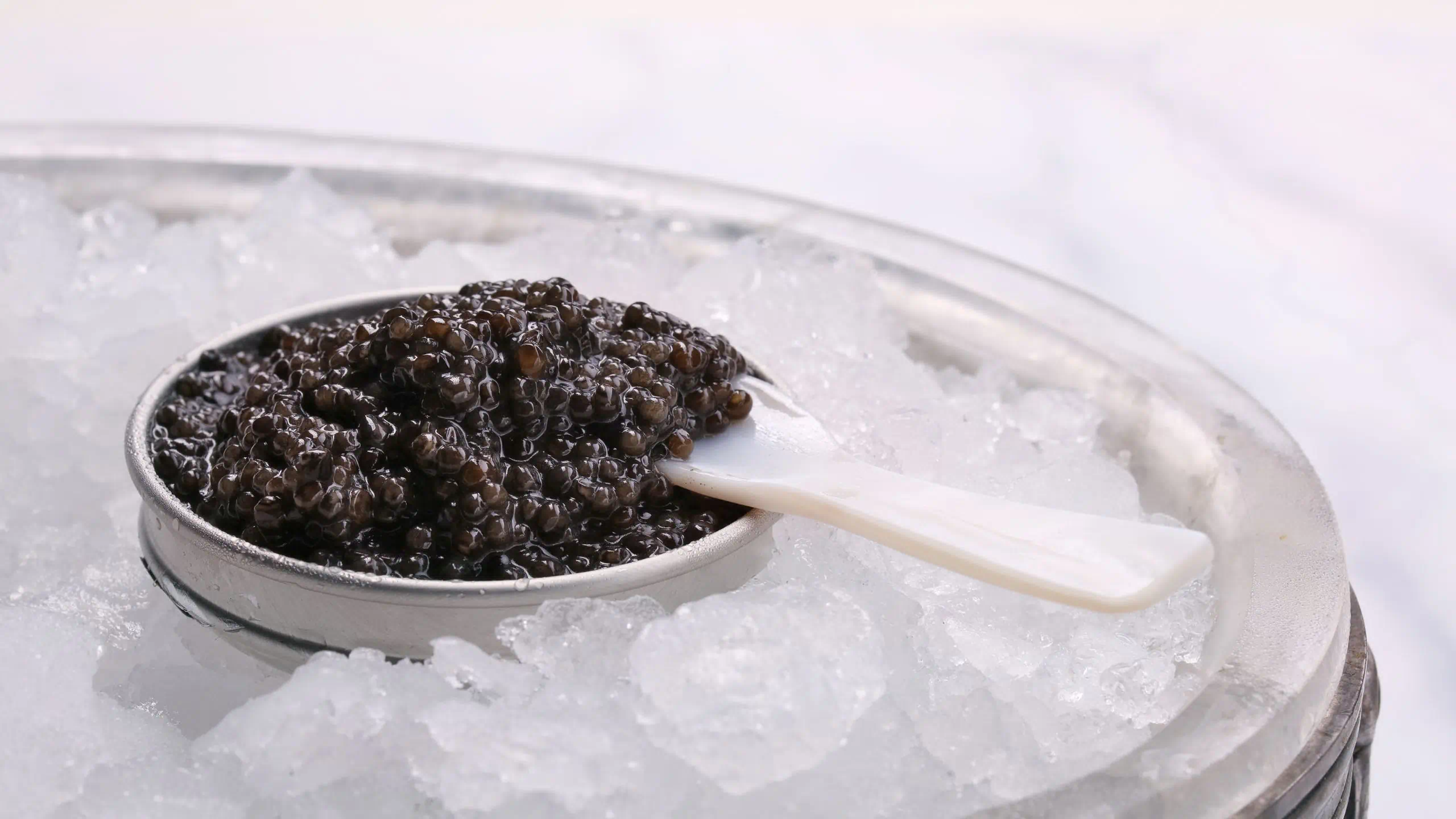
Long associated with imperial Russia and European aristocracy, true caviar refers only to the salted roe of sturgeon, a family of fish that can take well over a decade to reach maturity. That lengthy production cycle, combined with stringent conservation measures protecting wild sturgeon populations, explains why exceptional caviar remains among the world’s most expensive foods.
Gram for gram, caviar is very nutrient-dense. It is an exceptional source of the marine omega-3 fatty acids EPA and DHA, which have been extensively studied for their role in supporting cardiovascular health, brain function, and normal inflammatory responses. Unlike plant-based omega-3s, these forms are immediately usable by the body.
Caviar also ranks among the richest natural dietary sources of vitamin B12, an essential nutrient involved in nerve function, DNA production, and the formation of healthy red blood cells. A modest serving supplies meaningful amounts of selenium, which helps protect cells from oxidative stress, along with vitamin D and complete protein containing all nine essential amino acids.
Its drawbacks are the relatively small amount one consumes—too little to make much difference—as well as the consequences of preservation. Salt curing increases its sodium content. Caviar is also naturally high in cholesterol.
Oysters: Nature’s Multivitamin in a Half Shell
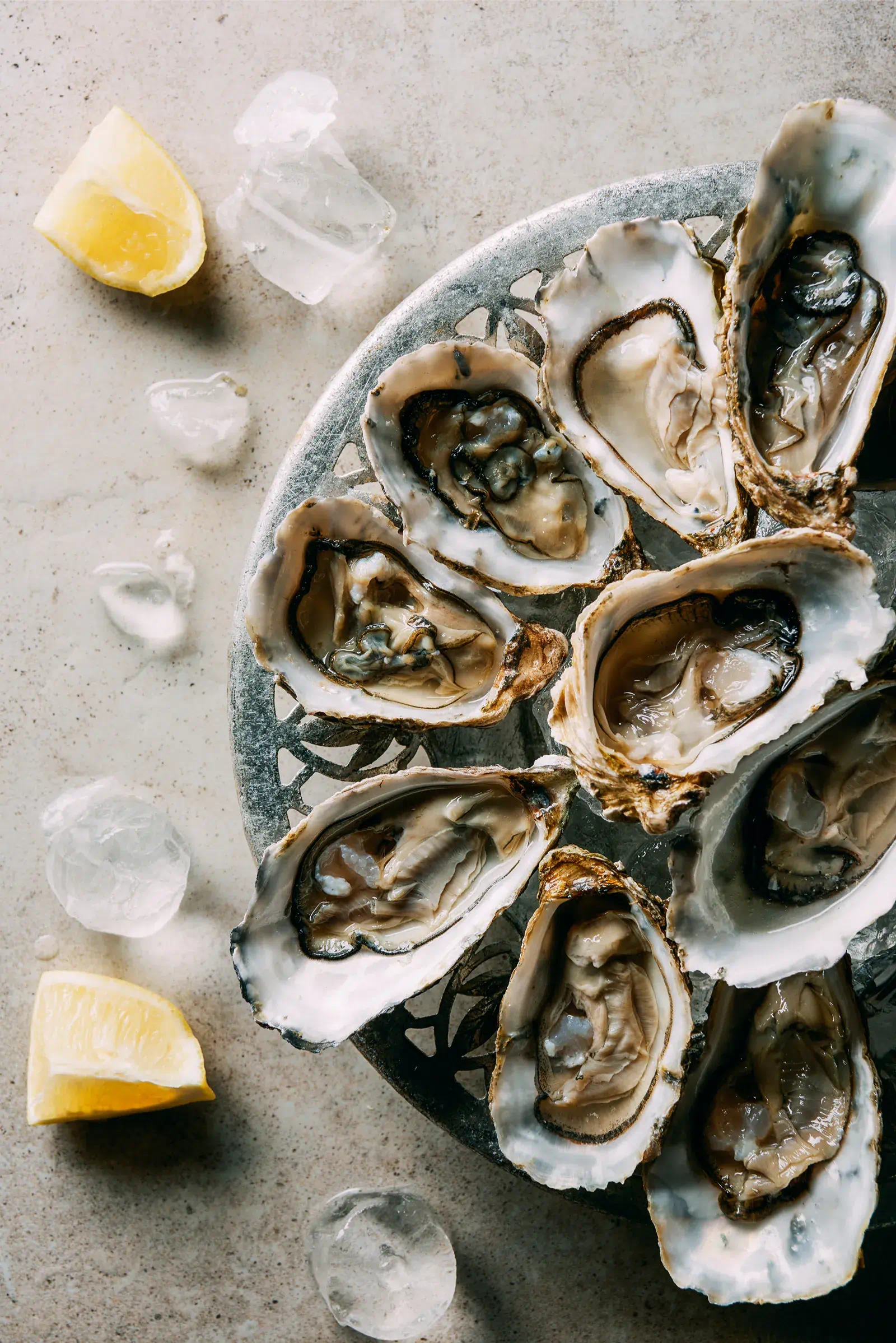
Oysters’ reputation as an indulgence obscures an extraordinary nutritional profile: they are a superb source of zinc, and several oysters can provide several times the recommended daily intake of the essential mineral, which supports immune function, wound healing, DNA synthesis, and healthy taste and smell.
Oysters are equally impressive sources of vitamin B12, selenium, copper, and lean complete protein while remaining naturally low in calories. Like caviar, oysters also provide marine omega-3 fatty acids.
The primary concern about oysters is food safety. Raw oysters can harbor naturally occurring bacteria, including Vibrio species, which present greater risks for individuals with compromised immune systems or certain underlying medical conditions. Responsible harvesting and proper refrigeration can reduce these concerns.
Environmental quality also matters. Oysters naturally filter seawater, meaning their nutritional quality is closely tied to the health of the waters from which they are harvested. Premium producers invest heavily in monitoring water quality, making provenance just as important nutritionally as it is gastronomically.
Estate Extra Virgin Olive Oil: The Multi-Use, Low-Profile Luxury
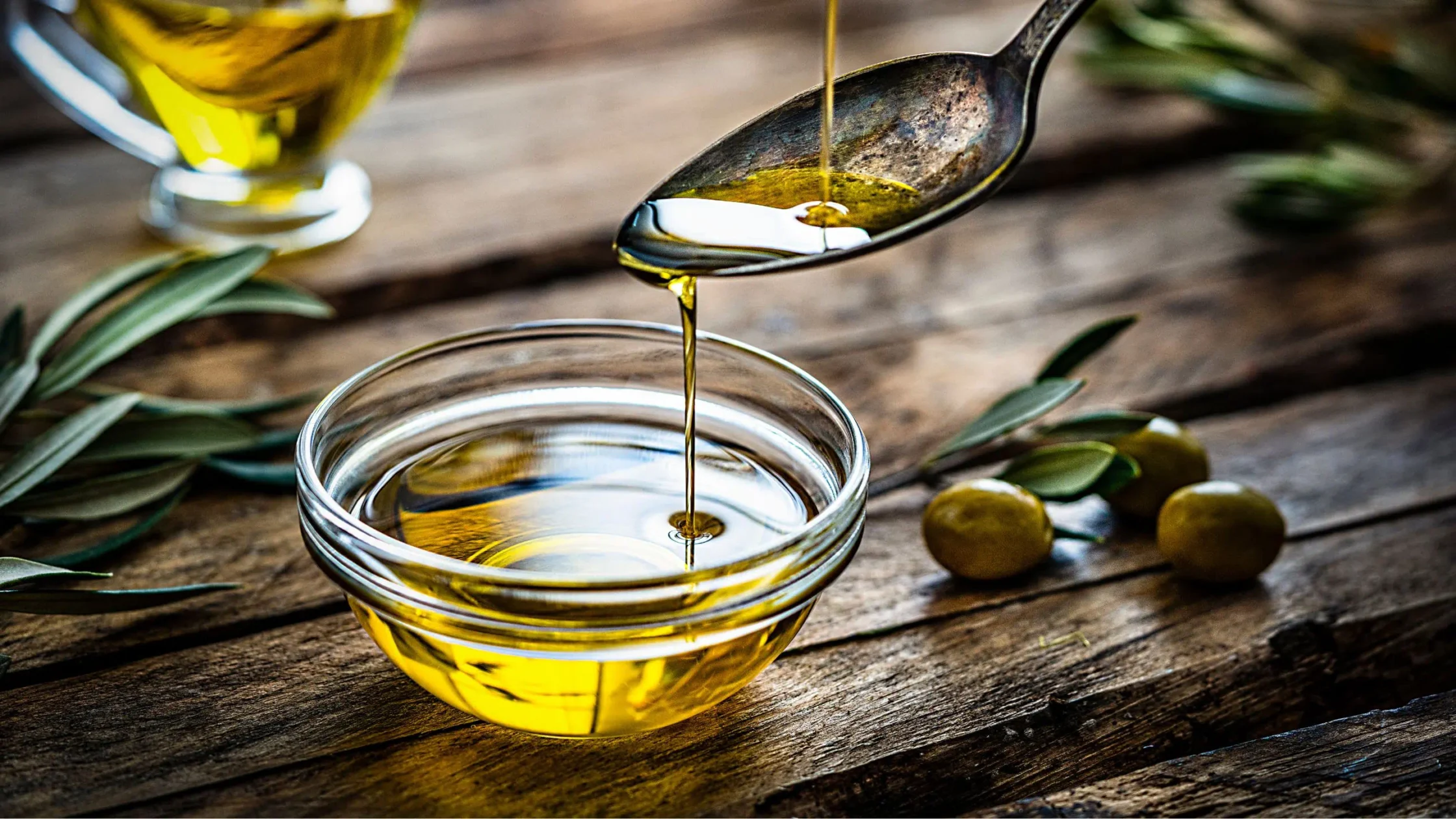
The finest estate-produced extra virgin olive oils are made solely through mechanical extraction, preserving naturally occurring antioxidants known as polyphenols alongside abundant monounsaturated fats, particularly oleic acid. Peppery bitterness is often an indicator of high polyphenol content, which is associated with improved cardiovascular health and reduced markers of inflammation.
Freshness is part of the nutritional equation. Premium oils harvested during the most recent season generally contain substantially higher levels of beneficial polyphenols than bottles that have spent years exposed to heat, oxygen, or supermarket lighting.
Its only nutritional compromise is one shared by every culinary fat: calories. At approximately 120 calories per tablespoon, even the healthiest oils should be appreciated with awareness. Among luxuryLuxuryA lifestyle defined by exceptional quality, craftsmanship, exclusivity, and sophistication, encompassing the finest products, services, and experiences that represent the highest standards of refinement and excellence.Go to Luxury Glossary ingredients, few combine gastronomic excellence with such overwhelming scientific support.
Uni: A Delicacy Richer Than Its Texture Suggests
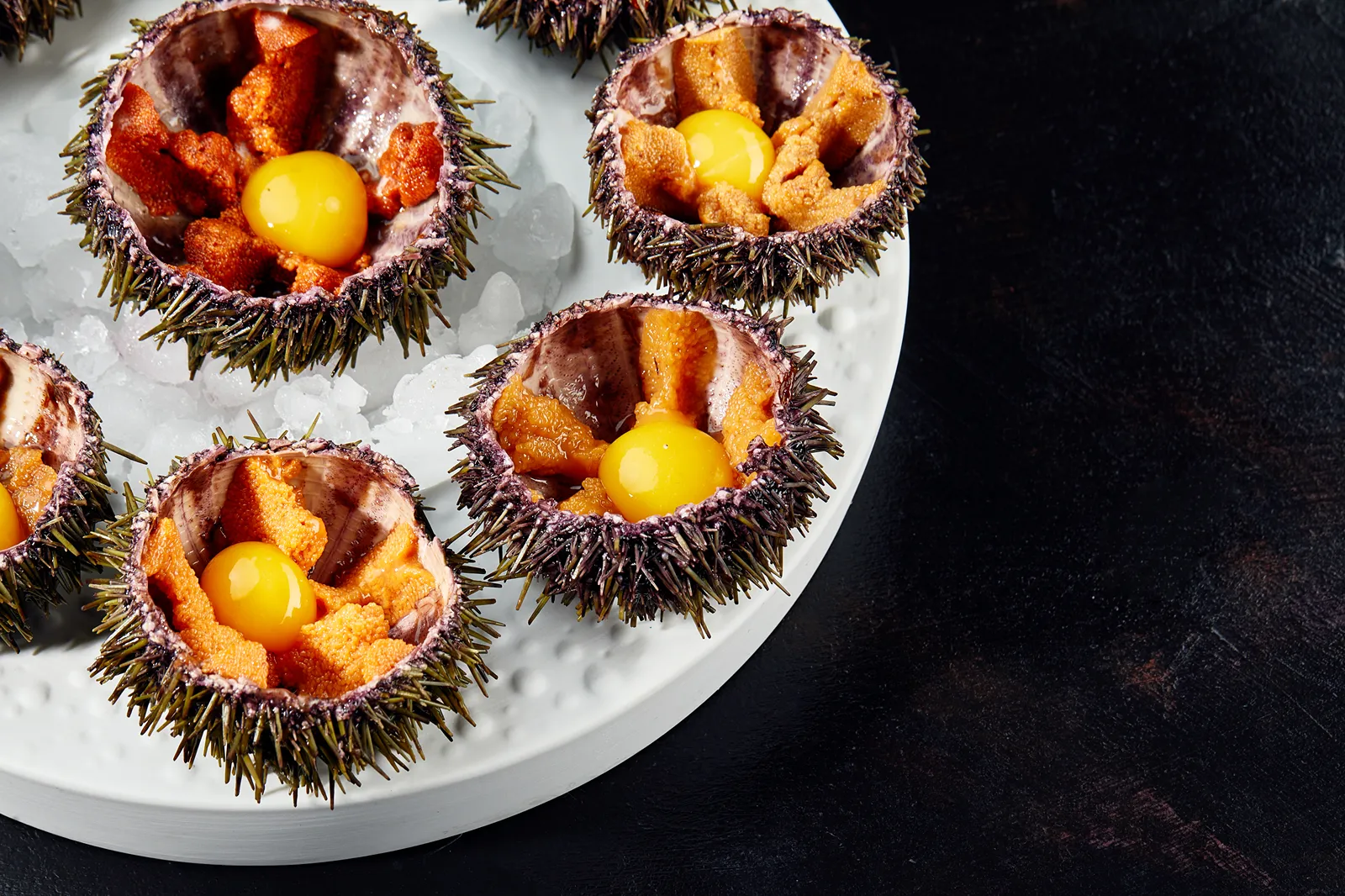
Uni’s luxurious mouthfeel often leads diners to assume it is nutritionally indulgent, but it actually offers a surprisingly balanced profile. It provides complete protein alongside meaningful amounts of marine omega-3 fatty acids, vitamin A, and iodine, the trace mineral essential for normal thyroid hormone production. Vitamin A supports vision and immune function, while iodine remains one of the nutrients most closely associated with healthy metabolism. The vibrant orange color comes from carotenoid pigments, including echinenone, another antioxidant being studied by researchers. Like many seafoods, uni does contain cholesterol, although its overall nutritional profile compares favorably with many terrestrial luxuryLuxuryA lifestyle defined by exceptional quality, craftsmanship, exclusivity, and sophistication, encompassing the finest products, services, and experiences that represent the highest standards of refinement and excellence.Go to Luxury Glossary foods.
A5 Wagyu: The World’s Most Marbled Beef
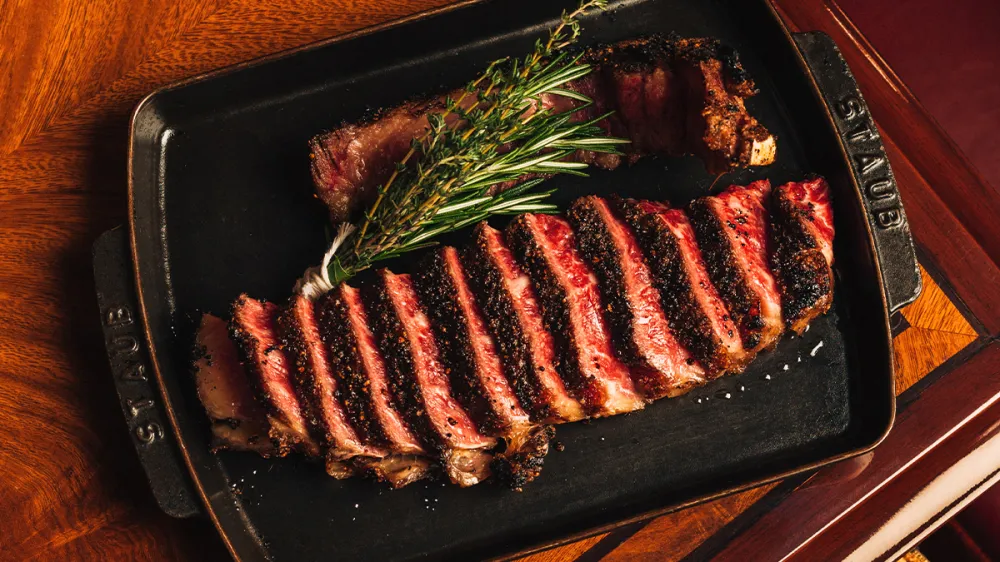
Like all beef, A5 wagyu is an excellent source of complete protein, providing every essential amino acid the body needs to build and repair muscle. It also delivers generous amounts of iron, zinc, vitamin B12, niacin, and vitamin B6, nutrients that support oxygen transport, immune health, and energy metabolism.
What distinguishes wagyu from conventional beef is not merely the quantity of fat, but its composition. Studies have shown that wagyu contains a higher proportion of monounsaturated fats, particularly oleic acid—the same heart-friendly fatty acid that makes extra virgin olive oil a cornerstone of the Mediterranean diet. The higher concentration of monounsaturated fats lowers the melting point of the fat itself, explaining why wagyu begins to soften almost immediately on the tongue.
None of this transforms wagyuWagyuA Japanese beef breed celebrated for intense marbling that creates a buttery, melt-in-the-mouth texture, graded on a scale where A5 is the highest. Wagyu is a luxury dining staple prizedGo to Wagyu Glossary into health food; it’s exceptionally calorie-dense, with significantly more total fat than leaner cuts of beef. The nutritional distinction lies in the quality of that fat rather than the amount.
Fortunately, culinary tradition has already solved the problem. Japanese chefs rarely serve A5 wagyuWagyuA Japanese beef breed celebrated for intense marbling that creates a buttery, melt-in-the-mouth texture, graded on a scale where A5 is the highest. Wagyu is a luxury dining staple prizedGo to Wagyu Glossary in the generous portions common to Western steakhouses. Diners savor small slices instead.
Jamón Ibérico de Bellota: A Ham Unlike Any Other
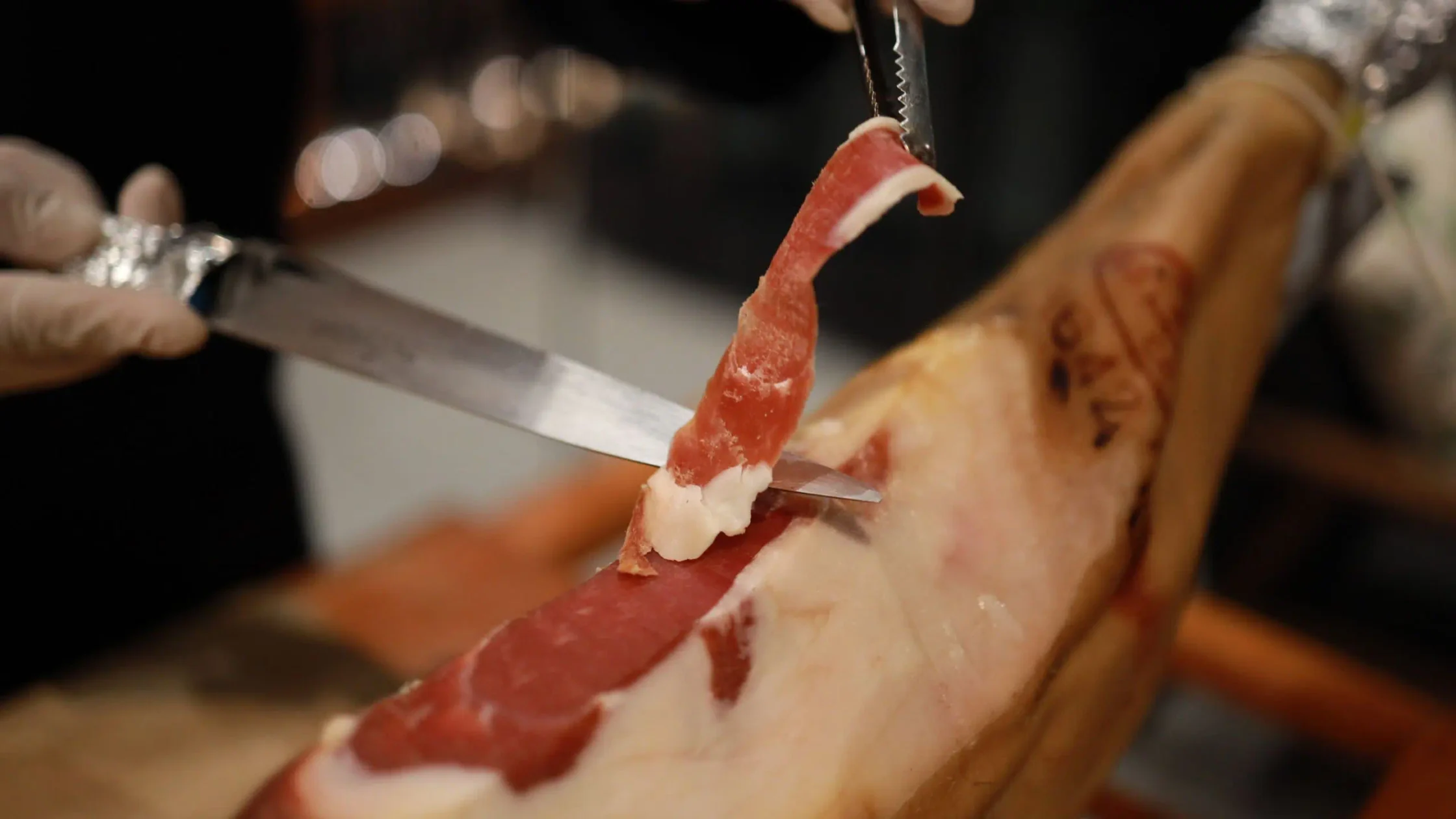
Raised across Spain’s ancient dehesa woodlands, free-roaming Iberian pigs spend the final months of their lives feeding almost exclusively on fallen acorns during the annual montanera. The result is visible before the first bite. Rather than the opaque white fat seen in many cured hams, Jamón Ibérico develops translucent streaks that soften at room temperature, a hallmark of its unusually high oleic acid content.
Oleic acid is the same monounsaturated fatty acid found in olive oil, and it gives Jamón Ibérico a fatty acid profile unlike most pork products. While it still contains saturated fat, the proportion of heart-friendlier monounsaturated fat is significantly higher than that found in conventionally raised pork.
Beyond its fats, Jamón Ibérico supplies high-quality protein, iron, phosphorus, zinc, and several B vitamins. During its lengthy curing process, which may extend for three to four years, naturally occurring enzymes gradually break down proteins into smaller peptides.
Scientists continue to study these bioactive compounds for their potential physiological effects, although much remains to be understood.
Its principal nutritional drawback is familiar to anyone who enjoys cured meats: sodium. Salt is indispensable to preservation, texture, and flavor, making even modest servings relatively high in sodium. Like all cured hams, Jamón Ibérico is also classified as processed meat, although it belongs to a very different category from hot dogs or supermarket cold cuts.
White and Black Truffles: Worth Their Weight in Gold, Not Nutrients
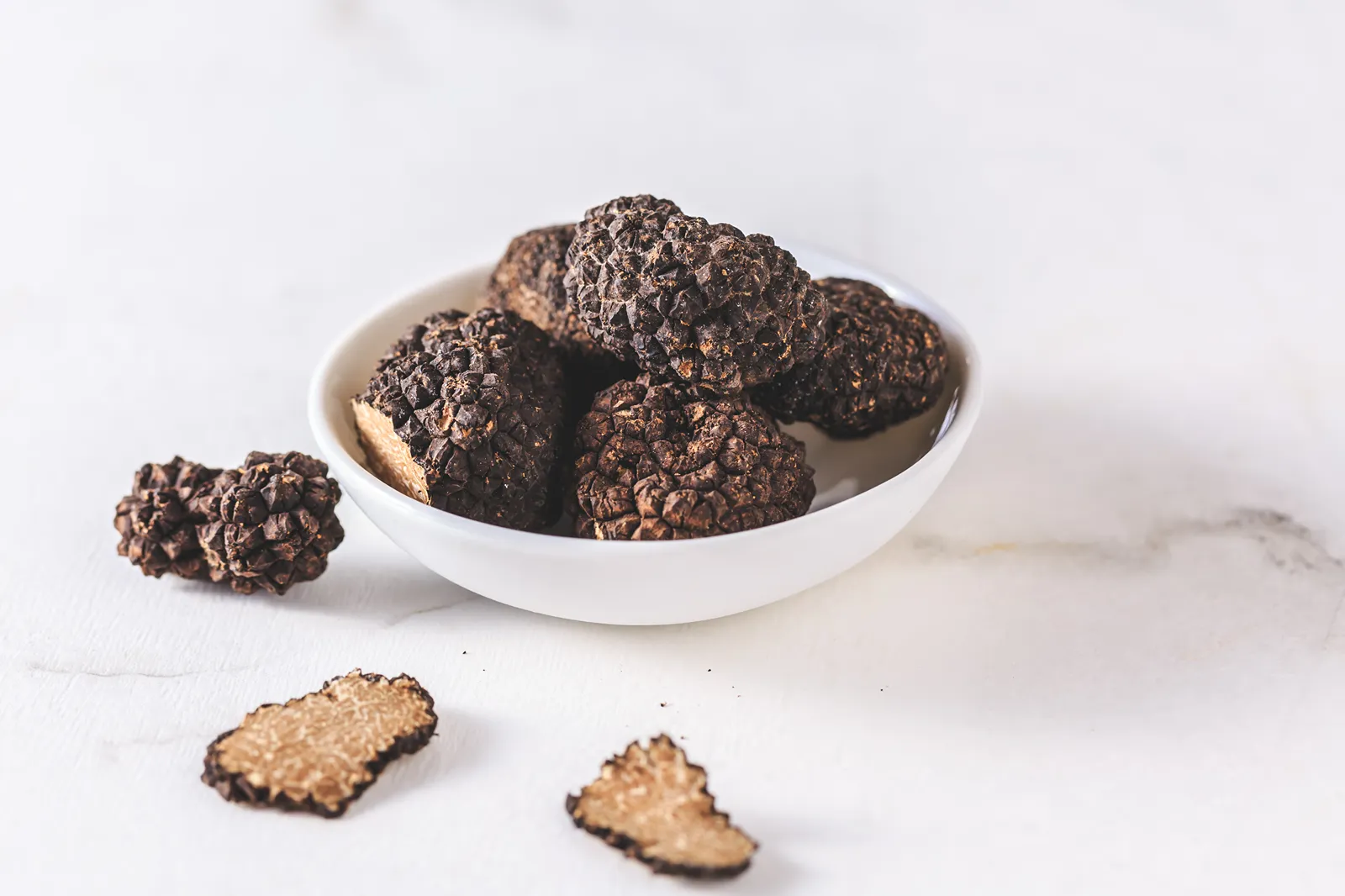
Every autumn, the hills of Italy’s Piedmont region come alive before dawn as trained dogs and their handlers search beneath oak, hazelnut, and poplar trees for one of gastronomy’s greatest treasures: the Alba white truffle.
Unlike cultivated mushrooms, white truffles have never been reliably farmed. Their growth depends on an intricate underground relationship with tree roots and soil microorganisms that scientists still struggle to fully understand. Their rarity, fleeting season, and intoxicating aroma explain why exceptional specimens routinely command thousands of dollars per pound.
Black truffles, particularly the celebrated Périgord variety from France, are somewhat more predictable thanks to carefully managed orchards, yet remain among the world’s most expensive ingredients.
Nutritionally, both white and black truffles are surprisingly modest. They contain antioxidants, trace minerals, small amounts of dietary fiber, and naturally occurring plant compounds that continue to interest researchers. They are also extremely low in calories.
The challenge is one of scale. Even an indulgent serving may consist of only five to ten grams of shaved truffle—far too little to meaningfully affect overall nutrient intake. Their contribution to a meal is sensory rather than nutritional.
Foie Gras: An Indulgence Best in Moderation
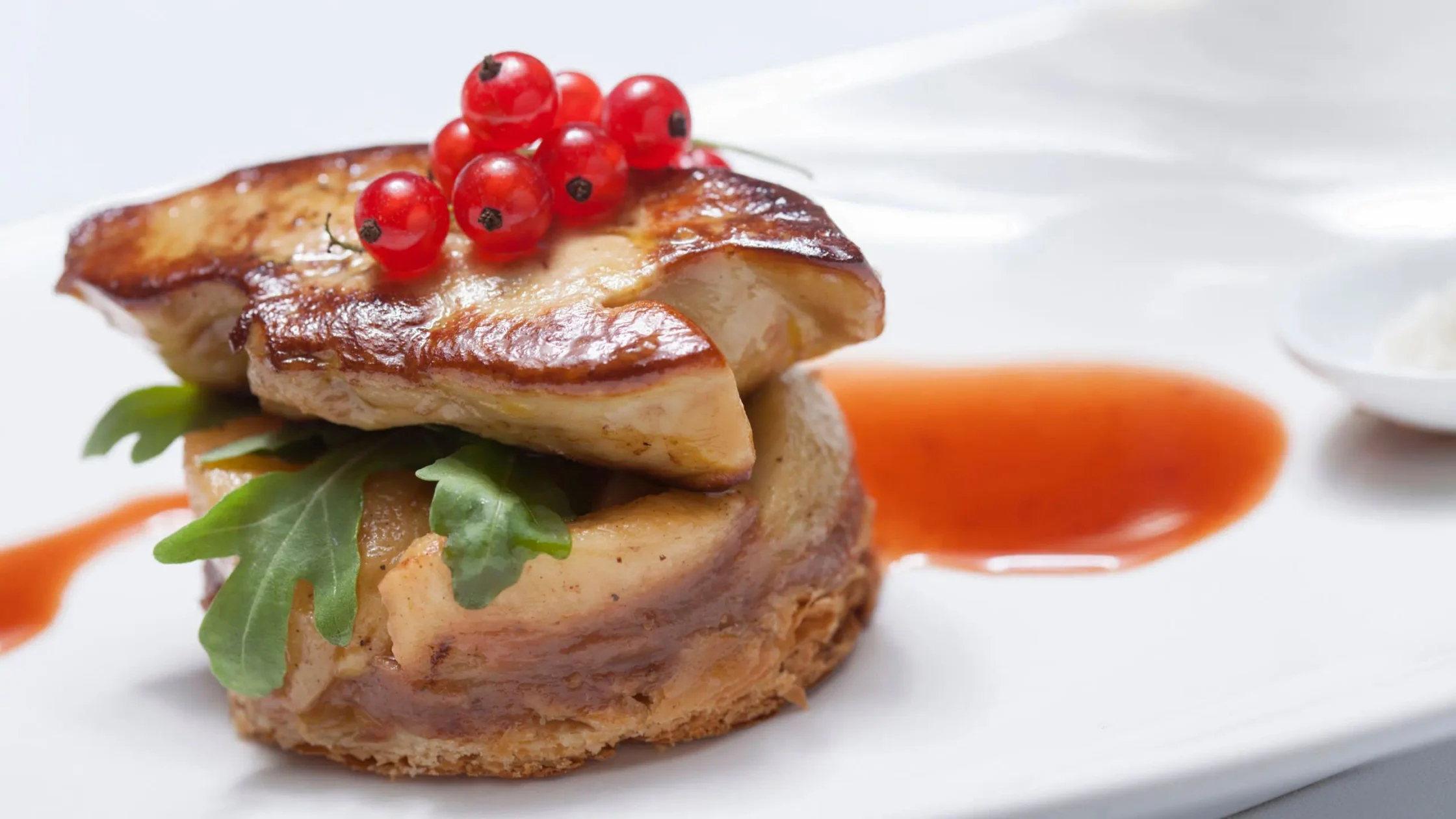
For centuries, chefs have celebrated foie gras’ smooth texture and delicate richness, elevating it into terrines, torchons, and perfectly seared escalopes.
Its nutritional profile is exactly what its luxurious mouthfeel suggests. Foie gras is exceptionally rich in fat (and its consequences), making it one of the most calorie-dense foods found in fine dining. It also contains significant amounts of cholesterol, along with substantial quantities of vitamin A, iron, folate, and several B vitamins.
Vitamin A, in particular, supports vision, immune function, and healthy skin. But because foie gras contains such concentrated amounts, portion size becomes especially relevant. Unlike caviar or oysters, whose nutritional strengths extend beyond indulgence, foie gras is intended to be enjoyed no more than one or two ounces.
Saffron: Threads Worth More Than Gold
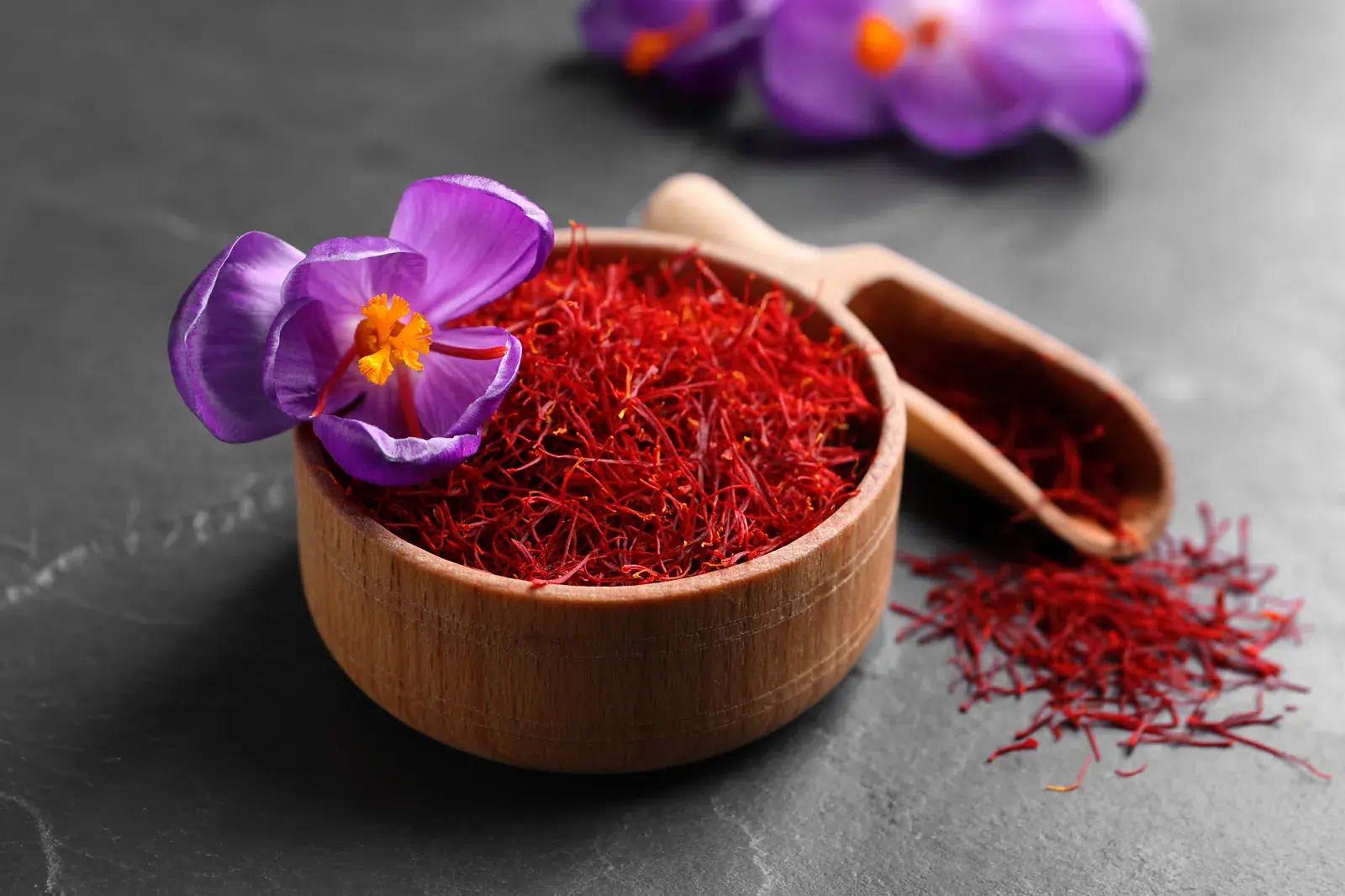
By weight, saffron has often been called the world’s most expensive spice. Its value stems from extraordinary labor rather than scarcity alone. Every crimson thread is the dried stigma of Crocus sativus, harvested entirely by hand. It takes approximately 150,000–200,000 flowers to produce a single kilogram of finished saffron.
Long before modern laboratories began studying saffron, ancient civilizations prized it for both culinary and medicinal purposes. Today, researchers continue to investigate its unique compounds—particularly crocin, crocetin, and safranal—for their antioxidant, anti-inflammatory, and potential neuroprotective properties.
Some clinical studies have explored saffron’s possible role in supporting mood, cognitive function, and eye health, producing intriguing and evolving findings.
Most recipes use only a pinch, just enough to impart saffron’s unmistakable golden hue and floral aroma. Clinical research typically relies on standardized extracts or amounts substantially greater than those used in everyday cooking.
Like truffles, saffron’s greatest contribution to luxury dining lies in its ability to transform flavor, aroma, and visual beauty.
Otoro: The Ultimate Cut of Bluefin
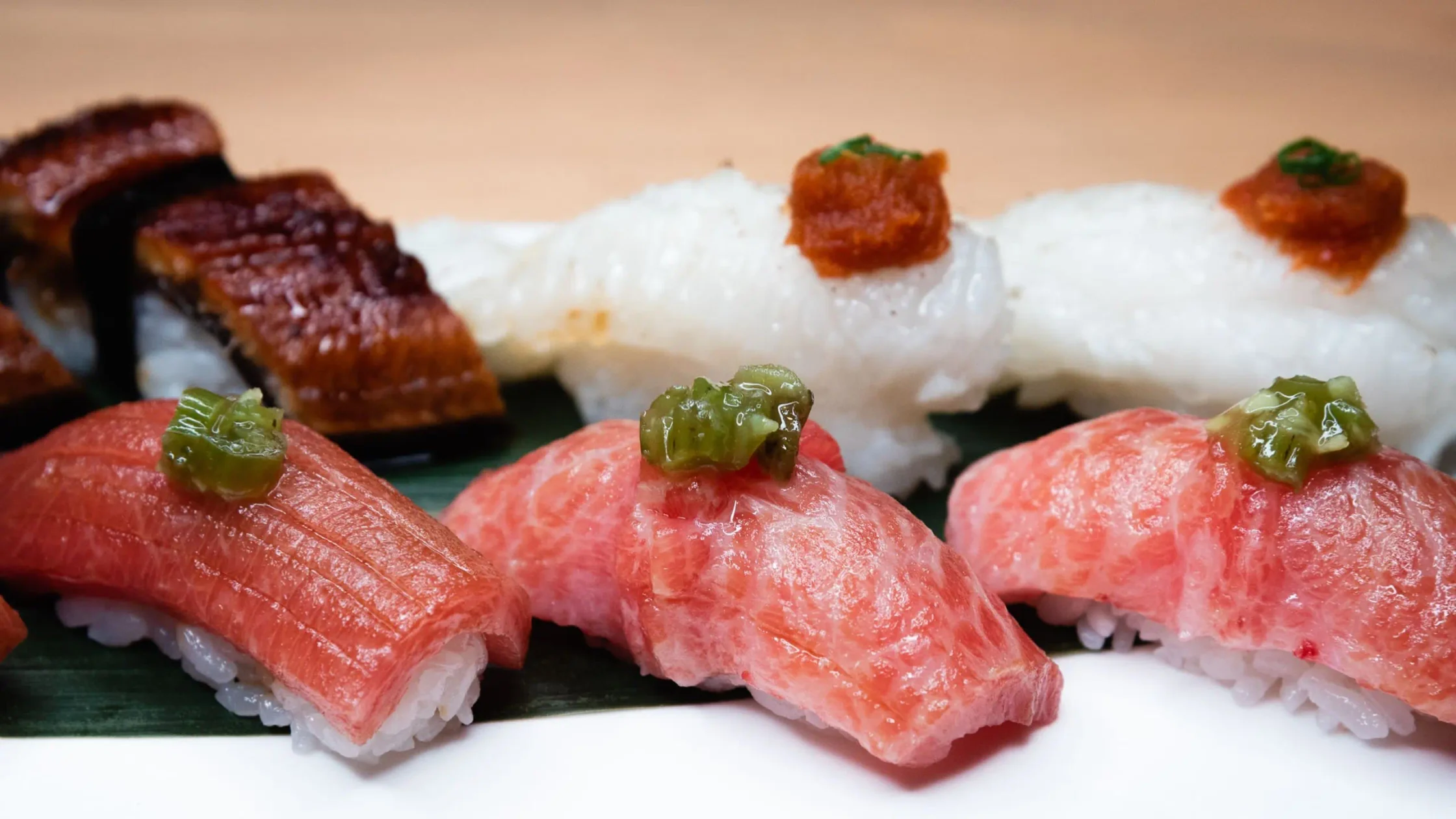
For sushi aficionados, few moments rival the first bite of otoro, the prized fatty belly of bluefin tuna, where a single slice can command astonishing prices. Its luxurious texture comes from abundant intramuscular fat, much like wagyuWagyuA Japanese beef breed celebrated for intense marbling that creates a buttery, melt-in-the-mouth texture, graded on a scale where A5 is the highest. Wagyu is a luxury dining staple prizedGo to Wagyu Glossary beef, yet nutritionally the comparison ends there.
Because bluefin is an oily fish, otoro is naturally rich in the long-chain omega-3 fatty acids EPA and DHA, nutrients consistently associated with cardiovascular and cognitive health. It is also an excellent source of complete protein, vitamin D, vitamin B12, selenium, and phosphorus.
As one of the ocean’s largest predatory fish, bluefin accumulates mercury over its long lifespan, leading most health authorities to recommend moderation, particularly for pregnant women and young children.
There is another issue that increasingly shapes conversations around otoro: sustainability. Intensive fishing placed Atlantic and Pacific bluefin populations under severe pressure for decades. Although improved fisheries management has led to encouraging recoveries in some regions, discerning diners increasingly look beyond flavor, asking not simply how fresh the fish is, but how responsibly it was caught.
King Crab: Sweet, Lean, and Surprisingly Light
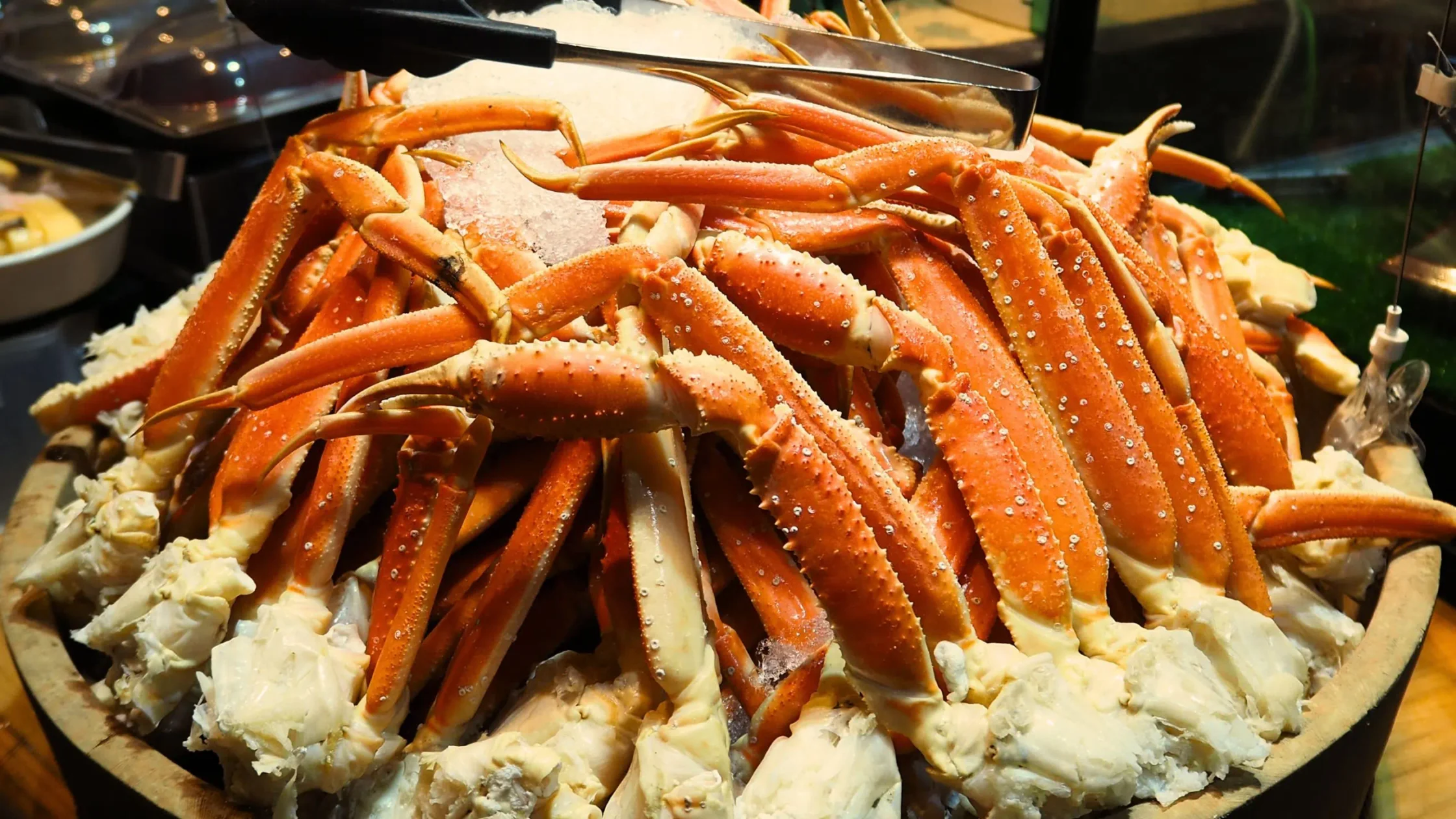
Despite its dramatic size and naturally sweet flesh, Alaskan king crab is surprisingly restrained nutritionally.
The meat is exceptionally lean while providing generous amounts of complete protein. It also supplies vitamin B12, selenium, zinc, copper, and phosphorus: minerals essential for immune function, metabolism, and bone health.
Prepared simply, steamed or gently poached, king crab remains naturally low in saturated fat. The nutritional equation changes only when clarified butter enters the picture. Most of the richness diners associate with king crab comes from the sauce rather than the crab itself.
As with many luxuryLuxuryA lifestyle defined by exceptional quality, craftsmanship, exclusivity, and sophistication, encompassing the finest products, services, and experiences that represent the highest standards of refinement and excellence.Go to Luxury Glossary seafoods, sustainability varies by fishery. Well-managed Alaskan fisheries are widely regarded as among the world’s most responsibly regulated.
Parmigiano Reggiano: More Than a Finishing Touch
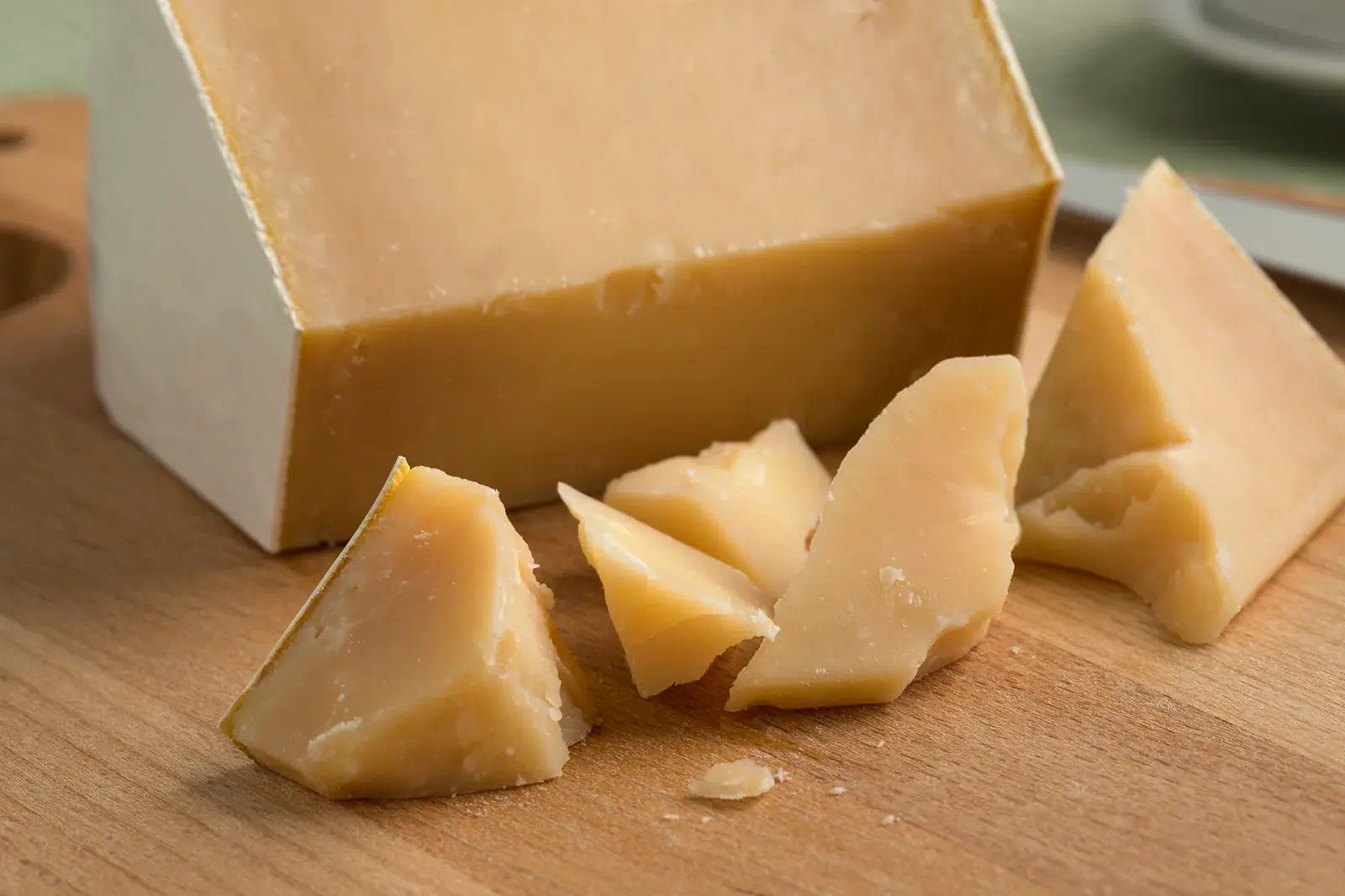
Protected by one of Europe’s oldest appellation systems, true Parmigiano Reggiano can only be produced in designated provinces of northern Italy using strict traditional methods. Wheels must age for a minimum of 12 months, while many of the most coveted examples mature for 36, 48, or even 60 months, developing complexity. Because much of the lactose is consumed during fermentation, many people with lactose sensitivity tolerate aged Parmigiano surprisingly well.
Nutritionally, long aging transforms the cheese in fascinating ways: It becomes easier to digest while remaining an outstanding source of complete protein. It is naturally rich in calcium, phosphorus, vitamin B12, and zinc, making it one of the most nutrient-dense cheeses available. While it remains calorie-dense and contains meaningful amounts of saturated fat and sodium, only a modest shaving is enough to transform an entire dish.
Traditional Balsamic Vinegar: Time in a Bottle
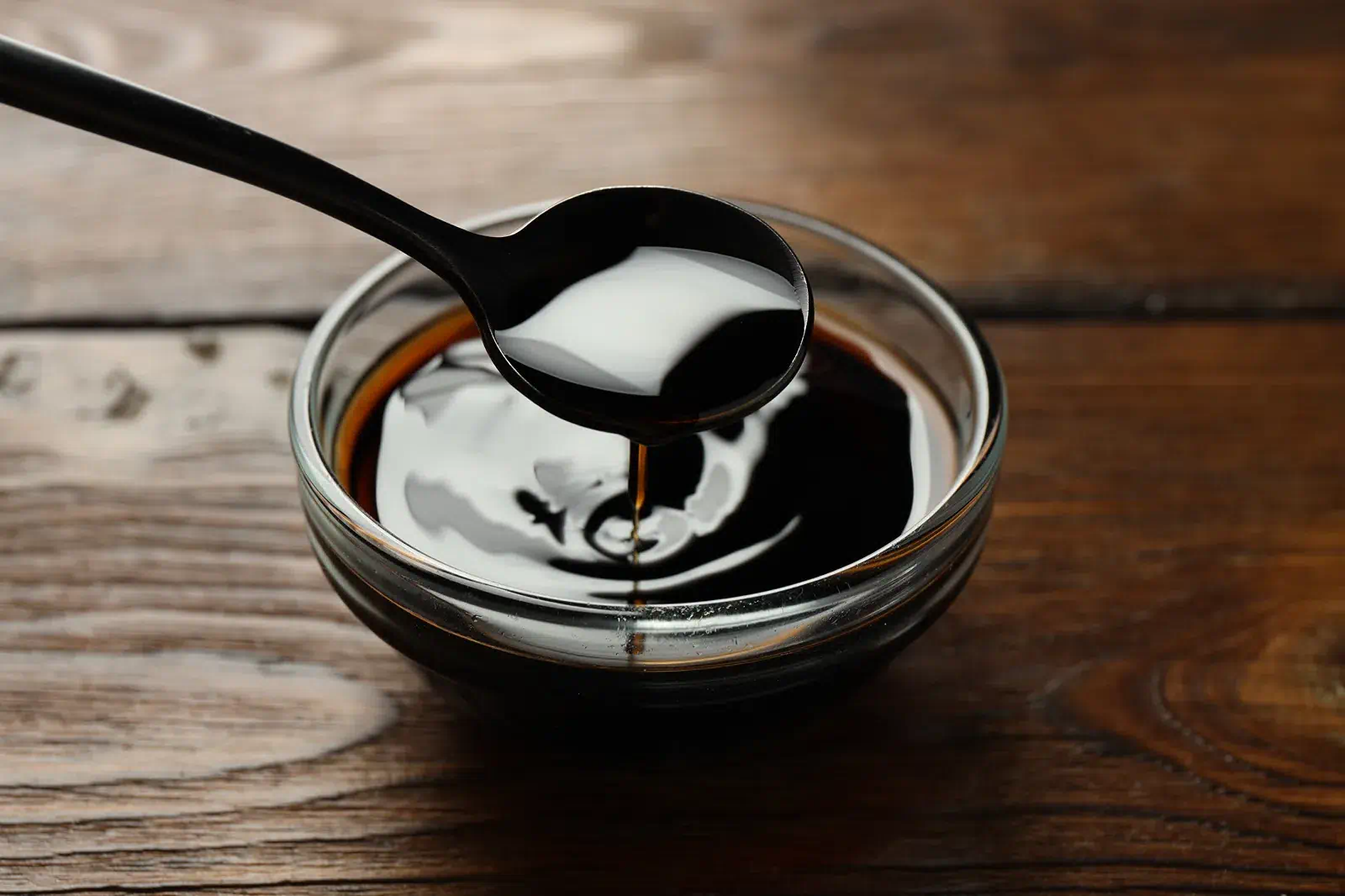
Unlike commercial versions blended with wine vinegar, caramel coloring, and thickeners, traditional balsamic begins as freshly cooked grape must that slowly ages in a succession of wooden barrels for at least 12 years, and often more than 25.
The resulting syrup possesses extraordinary concentration, balancing sweetness, acidity, and complexity in just a few precious drops.
From a nutritional standpoint, its contributions are modest. It contains naturally occurring polyphenols derived from grapes and wood aging, compounds with antioxidant activity. Because it is used sparingly, the overall nutritional impact is relatively small. A teaspoon can elevate aged Parmigiano, ripe strawberries, or grilled wagyu without requiring butter, cream, or heavy sauces.
Single-Origin Dark Chocolate: Science’s Favorite Indulgence
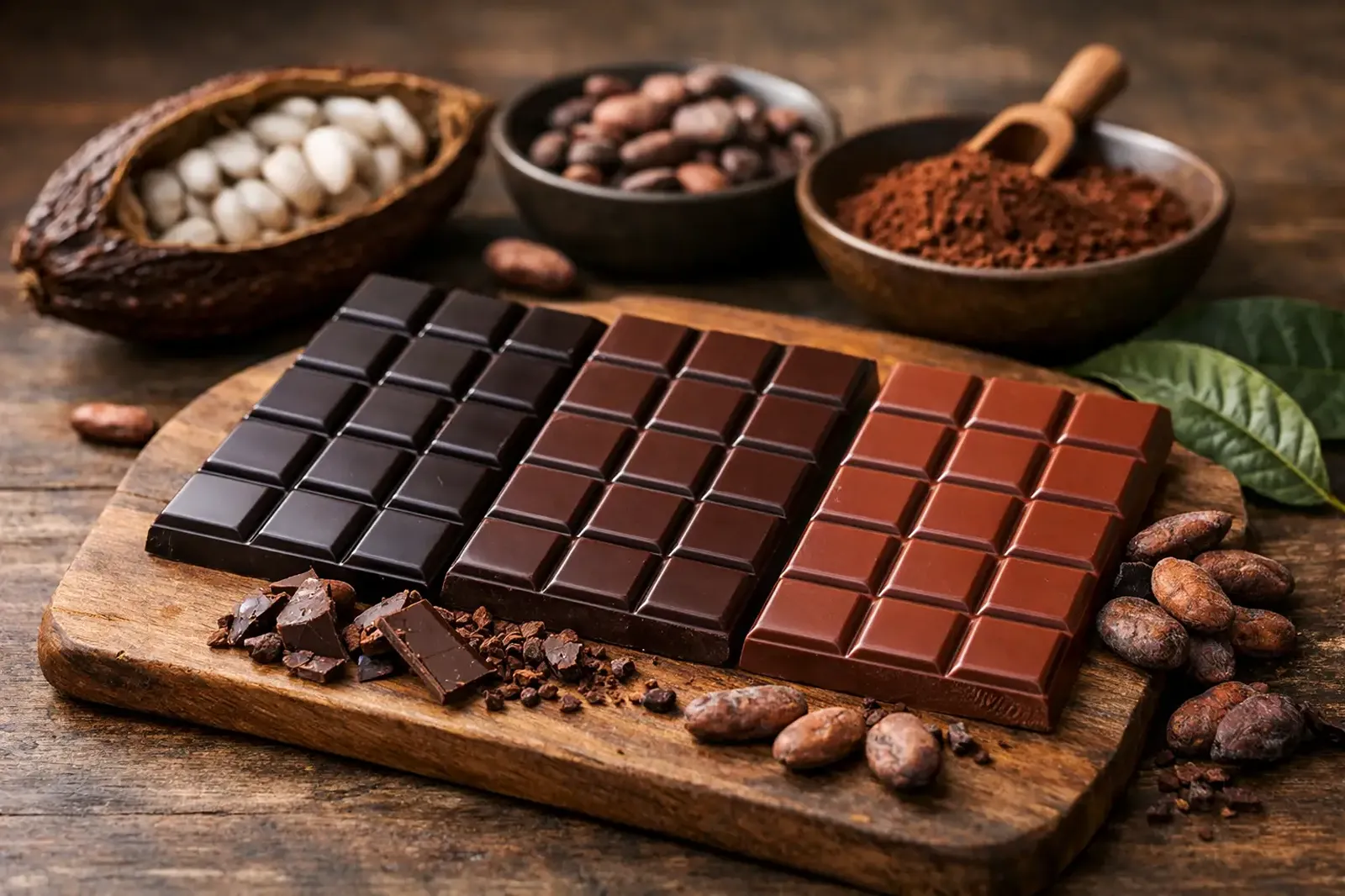
The finest chocolatiers treat cacao much like winemakers treat grapes, emphasizing terroir, harvest conditions, fermentation, and origin. Single-origin chocolate from Madagascar may burst with bright red fruit notes, while Ecuadorian cacao leans floral and Peruvian beans offer earthy flavors.
High-cocoa dark chocolate is naturally rich in flavanols, plant compounds studied extensively for their potential effects on vascular health by helping blood vessels remain flexible and supporting healthy circulation. It also provides magnesium, iron, copper, manganese, and dietary fiber.
Milk chocolate and heavily sweetened formulations contain substantially more sugar and considerably fewer flavanols. For those seeking both flavor and nutritional value, chocolates containing at least 70 percent cocoa generally offer the best balance.
As always, moderation matters. Chocolate remains energy-dense, but few desserts deliver such a compelling combination of pleasure and scientific interest.
The Real Luxury Is Knowing the Difference
One of the enduring pleasures of fine dining is its ability to transform ingredients into experiences, albeit the finest ingredients were never meant to be consumed in excess. They are served in measured portions, appreciated slowly, and remembered. Their value lies not in quantity but in quality. Understanding what they offer nutritionally simply adds another dimension to that appreciation, allowing us to recognize that beneath every indulgence lies an intersection of agriculture, science, culture, and craftsmanship.
FAQs
Not necessarily. Price usually reflects scarcity, provenance, production time and craftsmanship rather than nutritional value. Oysters and caviar are nutrient-dense, while truffles provide relatively little nutrition in customary serving sizes.
Oysters, caviar, otoro and king crab provide combinations of complete protein, vitamins, minerals and marine omega-3 fatty acids. Their nutritional value still depends on serving size, preparation and individual dietary requirements.
A5 wagyu generally contains a higher proportion of monounsaturated fat, including oleic acid, than conventional beef. It also contains considerably more total fat and calories, making portion size important.
Truffles contain antioxidants, trace minerals and small amounts of fiber. Because diners typically consume only a few grams at a time, their practical contribution to overall nutrition is minimal.
Potential concerns include sodium in caviar and cured ham, mercury in bluefin tuna, foodborne illness from raw oysters, and high levels of fat or calories in foie gras and wagyu. Sustainability and provenance also matter, particularly with seafood.