How Leica Built a World Beyond the Camera




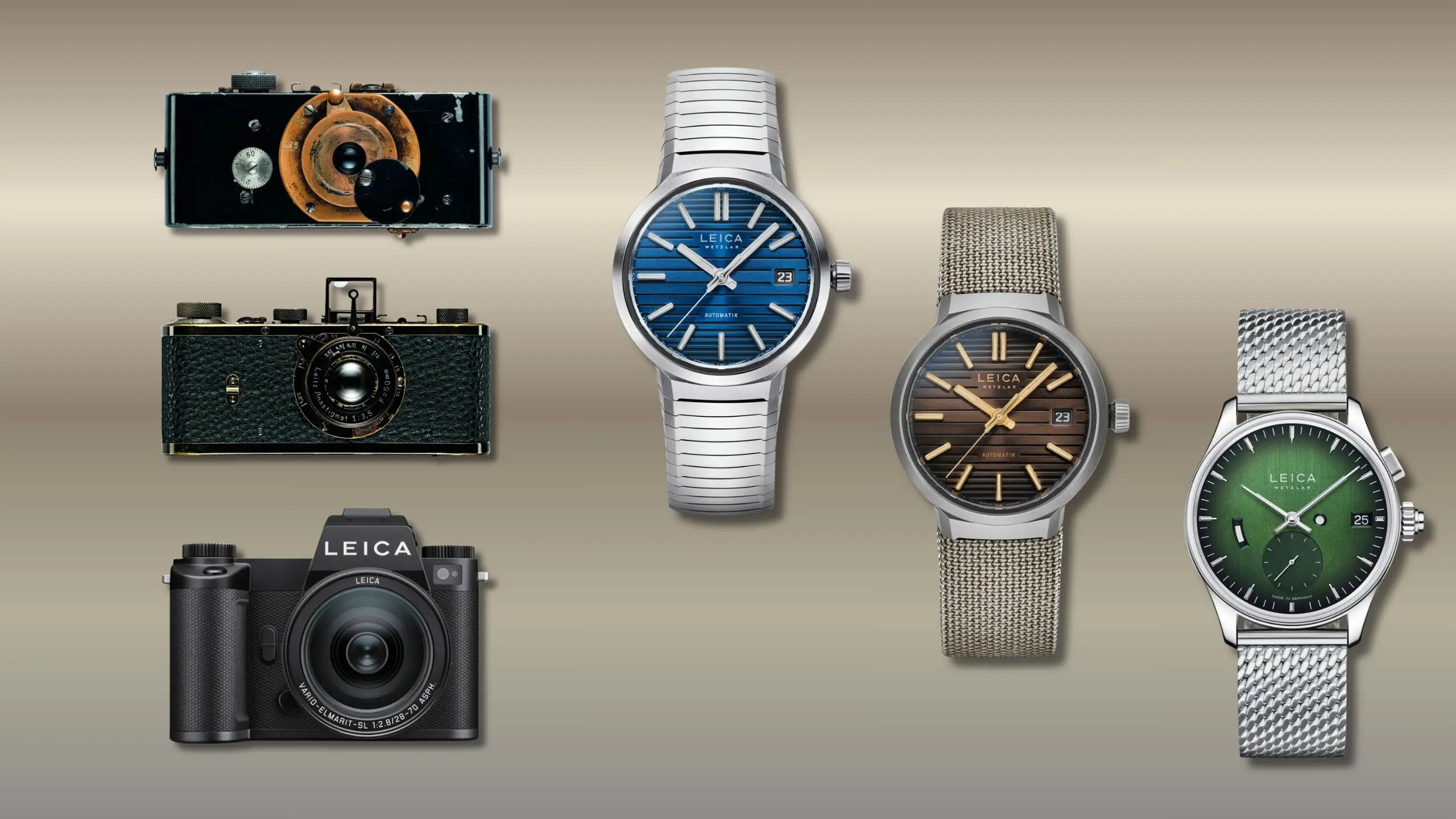
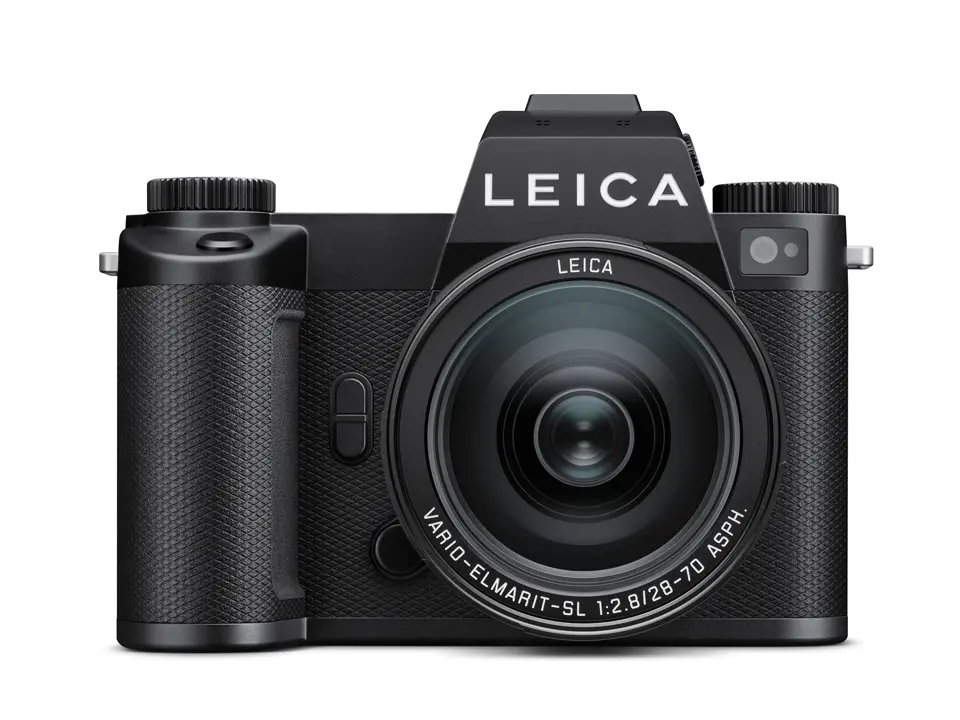
When we look at Leica, it is useful to look further back into its history to better understand what the company is trying to do today. We know Leica as an iconic and historic camera manufacturer whose products have moved deeply into collectible territory while maintaining extremely high levels of technological capability in still and moving images, for enthusiasts and professionals alike.
How Leica Helped Define 35 mm Photography
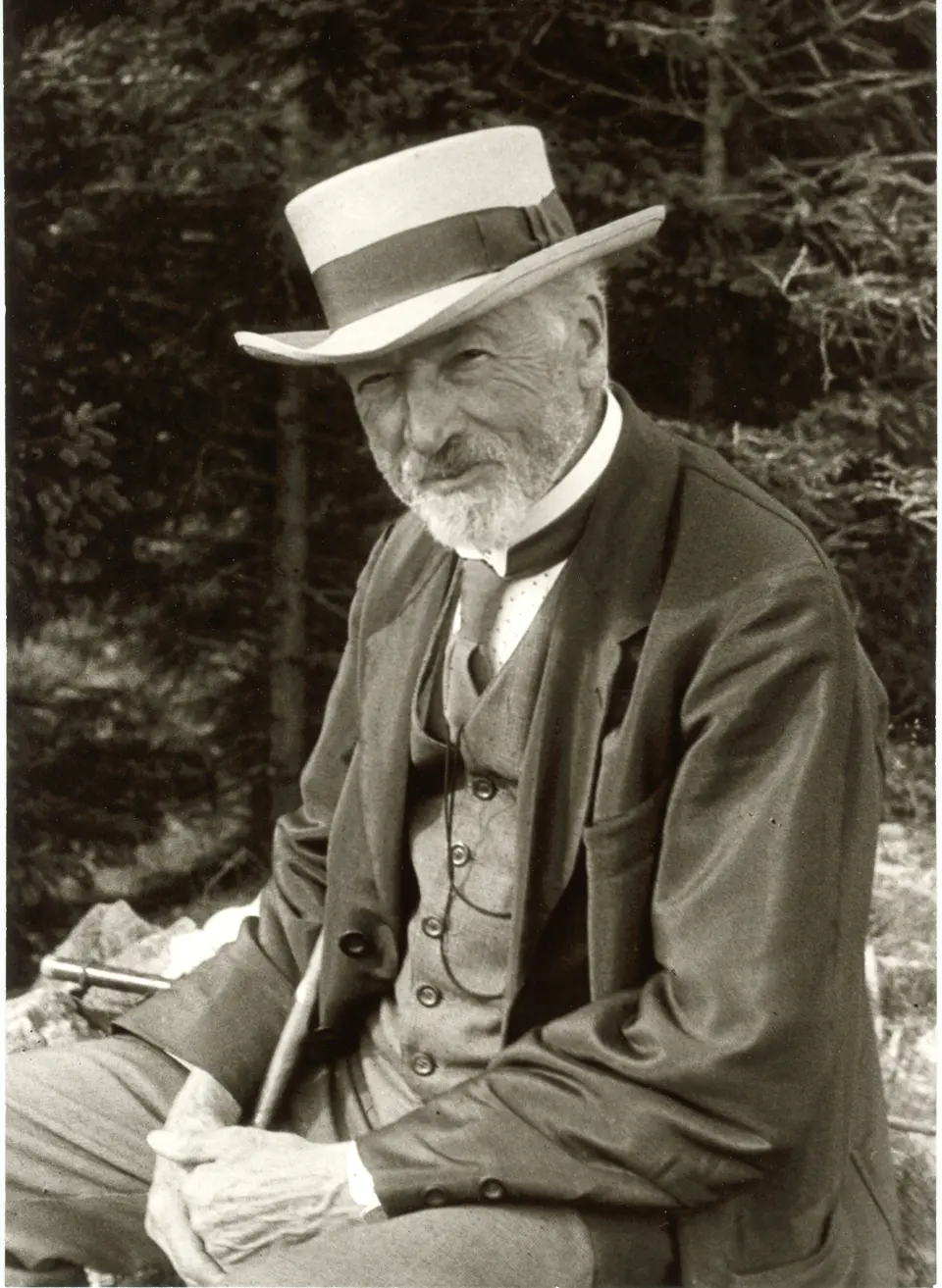
Now, let’s also look at how Leica started, because its roots actually have a connection to watchmaking. Before joining the Optical Institute founded by Carl Kellner in Wetzlar, Germany, precision mechanic Ernst Leitz had spent time in Switzerland learning watchmaking. He joined the institute in 1864, became a partner in 1865, assumed sole ownership in 1869, and renamed the business the Ernst Leitz Company. Under his direction, it became a leading microscope manufacturer.
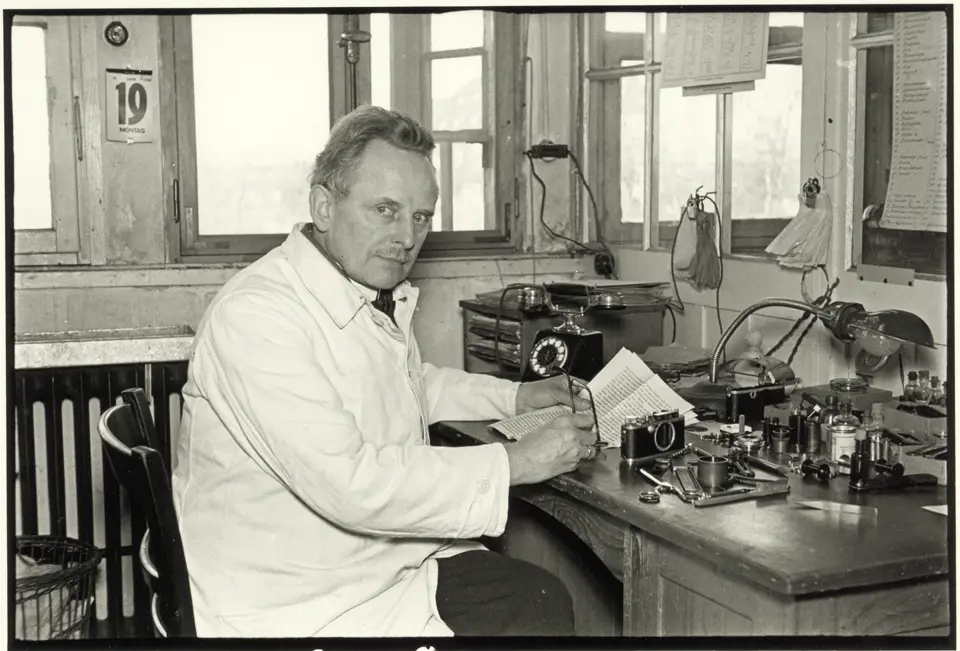
Oskar Barnack joined Leitz as a precision mechanic in 1911 and soon became head of development for cinema and measuring technology. He was also an amateur photographer. At the time, photography generally required large, heavy cameras, while the intricate gears and mechanisms involved remained relatively advanced technology, especially when combined with the developing capabilities of film.
Barnack applied that mechanical knowledge to the challenge of creating a camera system that was genuinely portable.
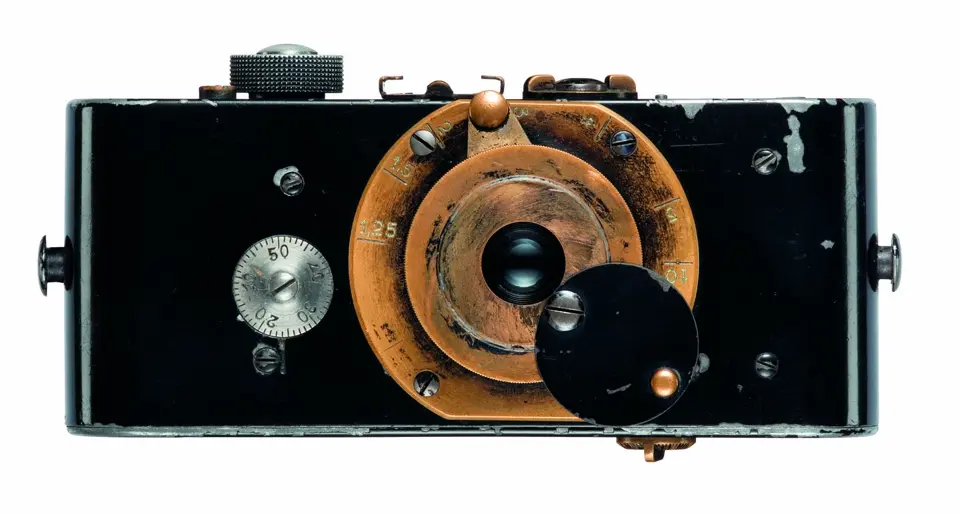
He also changed how cinema film was used, running 35 mm film horizontally through his prototype and enlarging the frame. The resulting format helped establish the standard that would shape 35 mm still photography.
Why Using a Leica Is Part of Its Appeal
Add to that a vision that combined that type of complicationComplicationAny function on a mechanical watch beyond telling the hours, minutes, and seconds, such as a calendar, chronograph, moon phase, or tourbillon. Complications demonstrate a watchmaker's technical skill, and moreGo to Complication Glossary of movement with a relatively stark and minimalist look. While at the time this may all have been a relatively technological exercise, nowadays it combines engineering and tactile appeal. It also pulls people into the moment rather than simply capture that moment on film, or, nowadays, on digital media. People like, collect, and use Leica cameras because of the process and because of how they feel, just as much as, if not more so than, the output itself.
Andreas Kaufmann and the World of Leica
Now let’s look at the modern Leica Camera AG, which has been owned primarily by and grown by Dr. Andreas Kaufmann, who took majority control in the mid-2000s when the company was in crisis. He understood the vision and had ideas about how to grow it.
This is quite often the path taken in the watch industry itself.
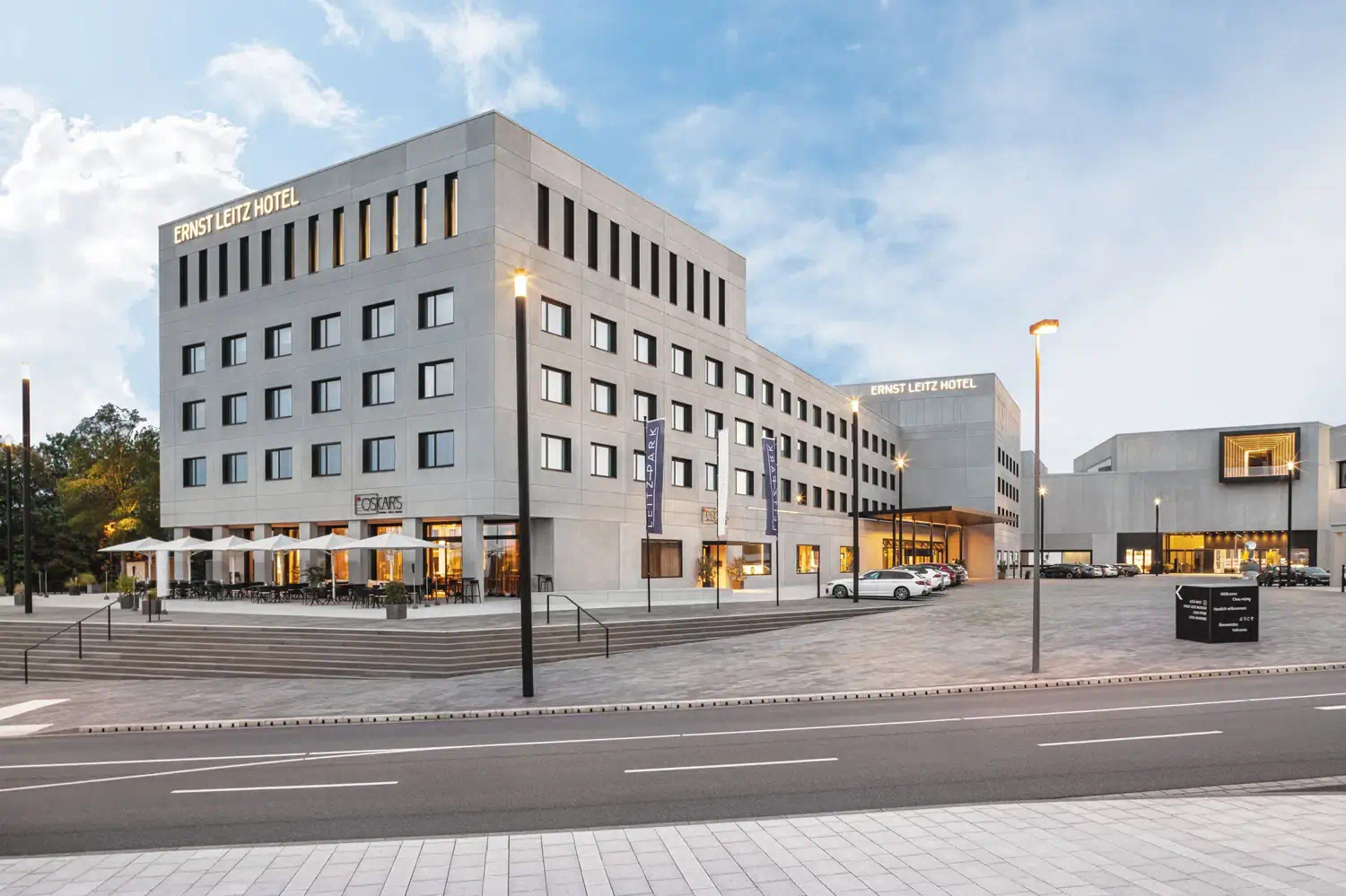
Leica’s philosophy can now be experienced at different scales. At its largest is Leitz-Park in Wetzlar, a campus that translates the company’s ideas about precision, efficiency and design into an entire environment. Its 2018 expansion introduced the World of Leica experience, new company facilities, and the Ernst Leitz Hotel.
From Leica Cameras to Mechanical Watches
Then let’s go to the reverse. Let’s go smaller. Leica started making wristwatches a while back.
Now, it did this toward the late 2010s, at a time when the fine-watchmaking industry was going rather strong and brands were looking toward increased complicationComplicationAny function on a mechanical watch beyond telling the hours, minutes, and seconds, such as a calendar, chronograph, moon phase, or tourbillon. Complications demonstrate a watchmaker's technical skill, and moreGo to Complication Glossary as a way to move up the price ladder.
Leica had become a growing luxuryLuxuryA lifestyle defined by exceptional quality, craftsmanship, exclusivity, and sophistication, encompassing the finest products, services, and experiences that represent the highest standards of refinement and excellence.Go to Luxury Glossary brand that was expanding into different markets and tapping collectors and enthusiasts relatively well. So it decided to take its vision of design, engineering, mechanical feel, and efficiency into the wristwatch world.
The company developed its first watches with designer Achim Heine, former A. Lange & Söhne product-development head Reinhard Meis and Markus Lehmann of Lehmann Präzision in Germany’s Black Forest. Watchmaker Andreas Strehler also contributed to the project’s technical development.
The Leica L1 and L2 Watches
From this, it went in the direction of creating what were then called the L1 and L2 watches, which were somewhat independent-watchmaking-level pieces and priced accordingly.
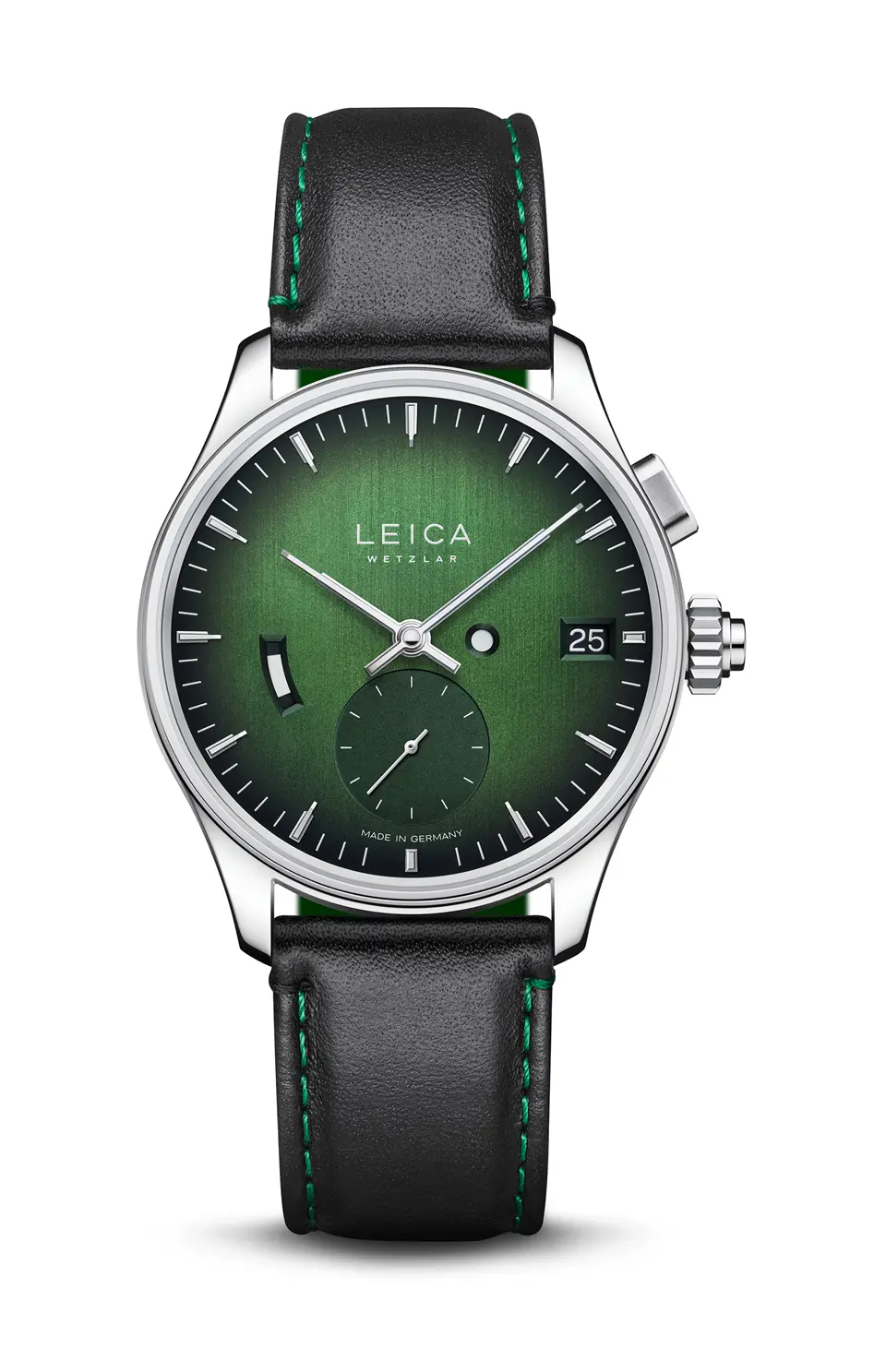
In this case, they were manual-wind movements that showed their design, as well as the finishing, through open casebacks. They were tremendously interesting, but they were also quite niche and still in the developmental stage.
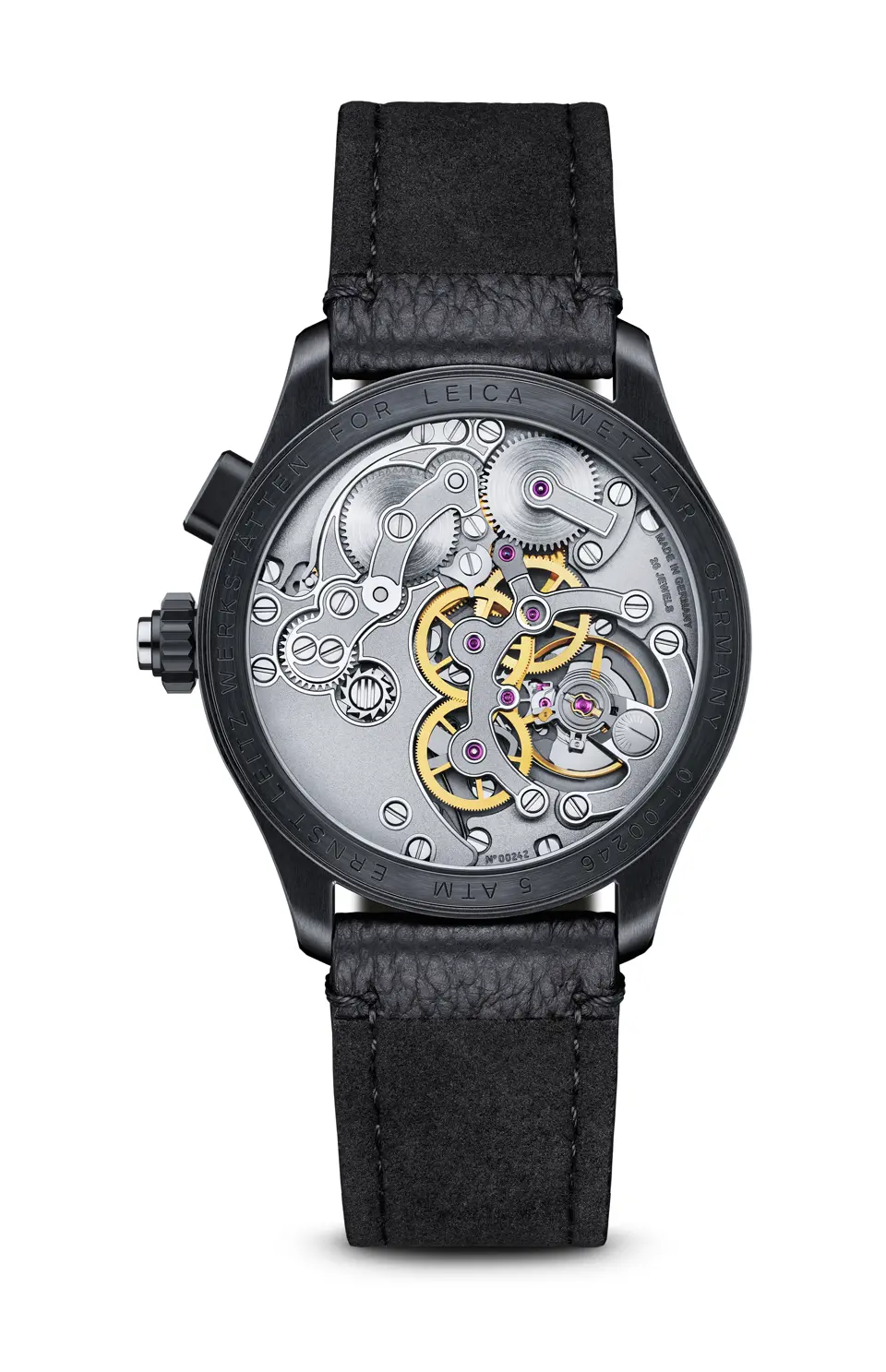
They were introduced to the world largely at the same time the Leitz-Park Wetzlar facility was expanding and, indeed, had just opened its own hotel. Moving forward over the last few years, the company went in a slightly different additional direction. Those initial watches, named the L1 and L2, became the ZM 1 and ZM 2, which were and are made-in-Germany manual-wind watches.
The Leica ZM 11 and ZM 12
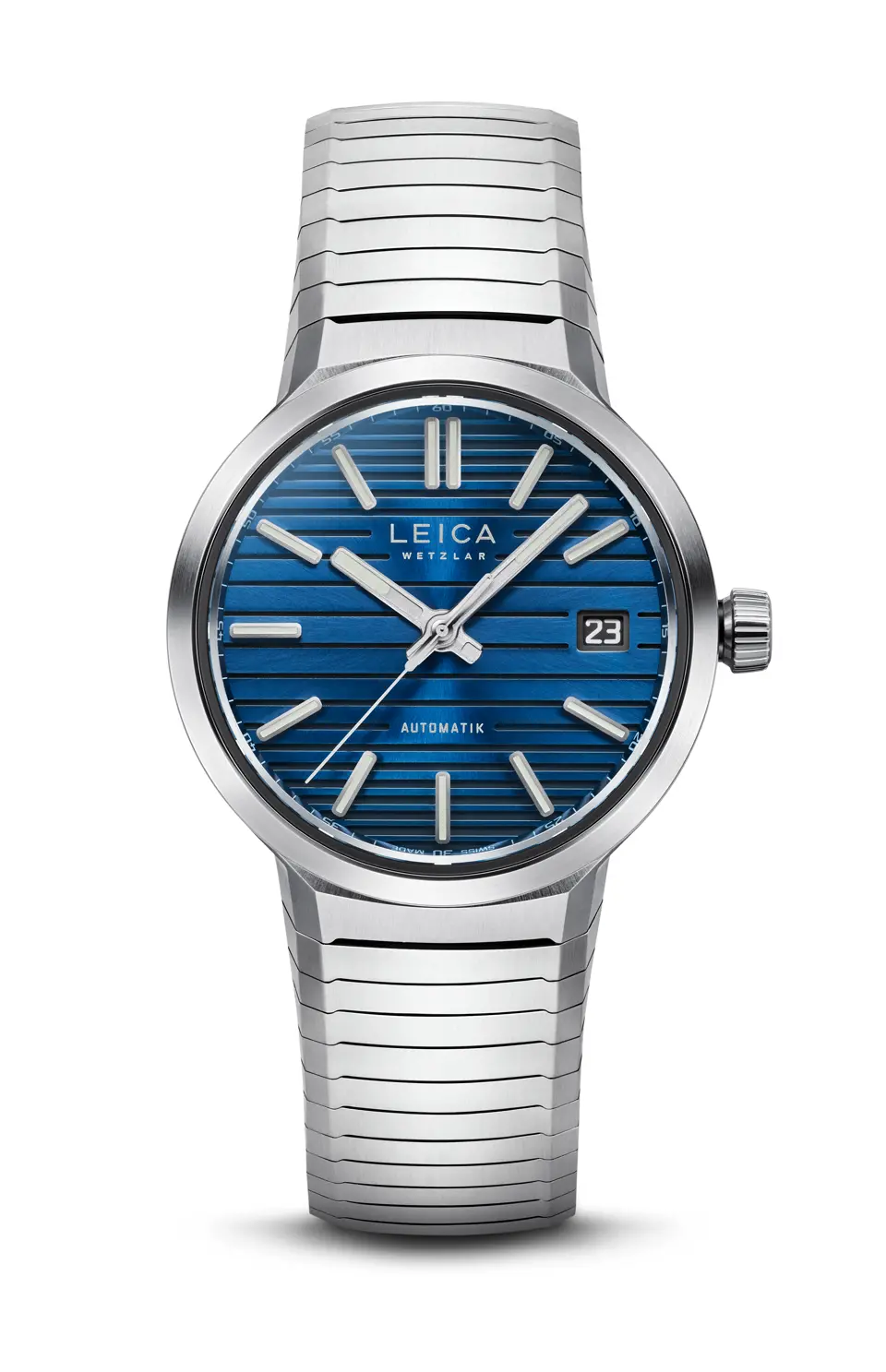
But Leica added two new models, which became the ZM 11 and ZM 12.
Developed in collaboration with Swiss movement specialist Chronode, they adopt the familiar format of a three-hand watch with a date display while introducing distinctive dial treatments, case finishes and interchangeable bracelets.
One Design Language Across Cameras and Watches
So what we are looking at here is not so much the different types of watches that Leica is now offering, but rather the fact that Leica sees itself as a company that is about a very particular design language and a very different or particular experience for the user.
Certain themes follow along all these different products or experiences, with visual design perhaps being the most obvious. But even how you use the products and how they feel when you use them—such as the clicking, pushing, and texture in the cameras—can be felt in the watches.
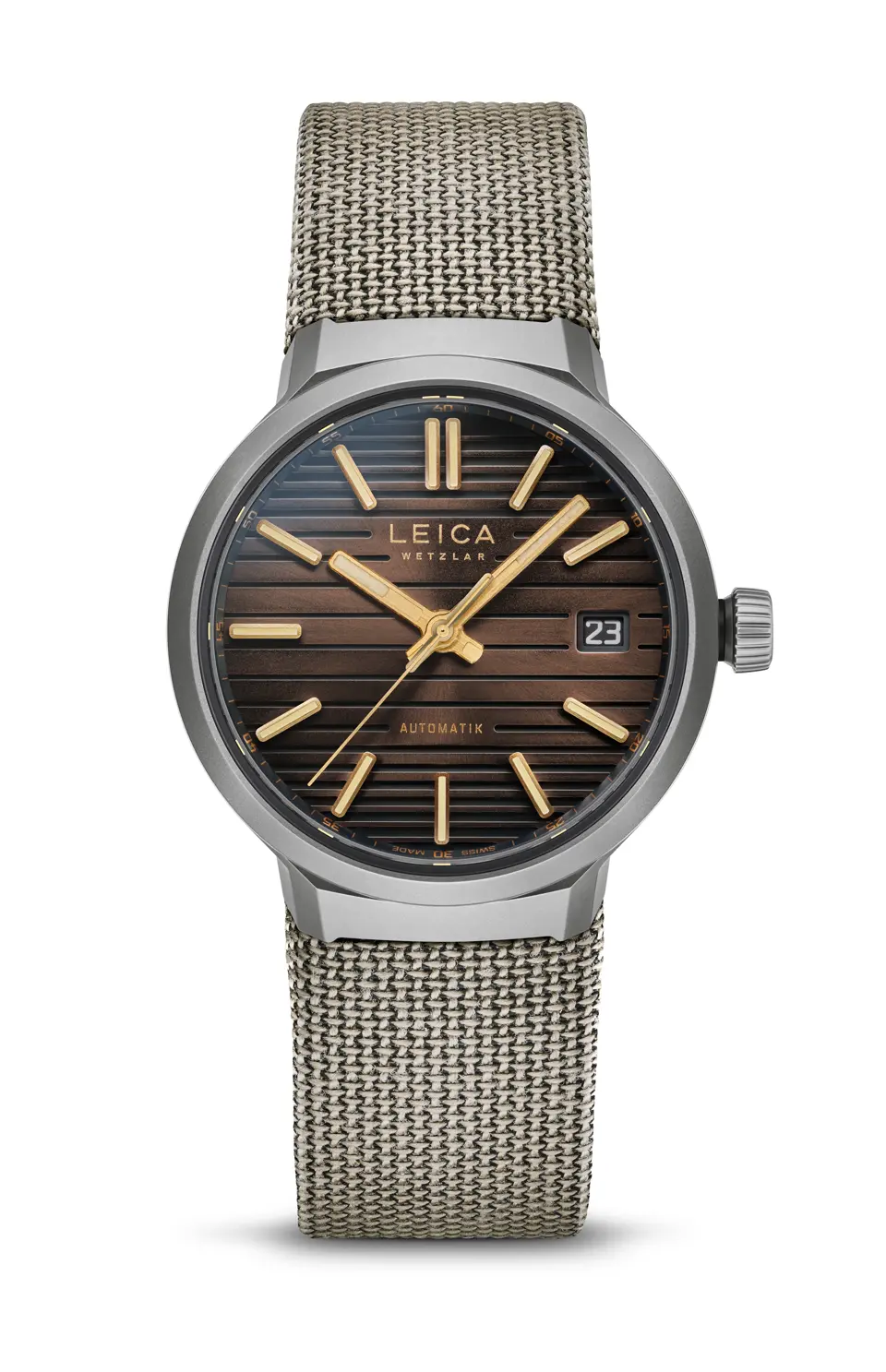
This is also evident in the special bell-jar-type cases for the watches, with screw-in glass, bayonet-type mounts and very practical watch-holding frames. Certain details, such as the red dot, are used across the board in elements including the quick-release bracelets of the newer ZM 11 and ZM 12 watches and the releases for the watch cases.
On the ZM 1 and ZM 2, pressing the crown selects the watch’s operating mode rather than requiring the wearer to pull it outward. These are all little details, but they contribute to a whole.
This is an example of a company that realizes that, as much as its technical abilities lie in creating products such as cameras, its true draw is the experience and the feeling that they give to those who understand and appreciate their proper fit within their lifestyle and their life.
FAQs
Leica traces its history to the Wetzlar optical institute founded by Carl Kellner in 1849. Ernst Leitz joined the company in 1864, became a partner in 1865 and assumed sole ownership in 1869.
Oskar Barnack developed a portable camera that ran 35 mm cinema film horizontally, producing a larger photographic frame. His work helped establish the 35 mm format used in still photography.
Yes. Leica produces manual-winding ZM 1 and ZM 2 watches in Germany, alongside the automatic ZM 11 and ZM 12 models developed with Swiss movement specialist Chronode.
Leitz-Park is Leica Camera AG’s campus in Wetzlar, Germany. It encompasses company facilities, production, exhibitions, the Ernst Leitz Museum, hospitality venues and a hotel.
Both reflect Leica’s emphasis on restrained design, precise engineering and tactile operation. Details such as push mechanisms, red accents and quick-release systems carry the company’s visual and mechanical language into watchmaking.
Visit the local Leica website here.