What Else We Do at the d’Horlogerie de Genève Academy




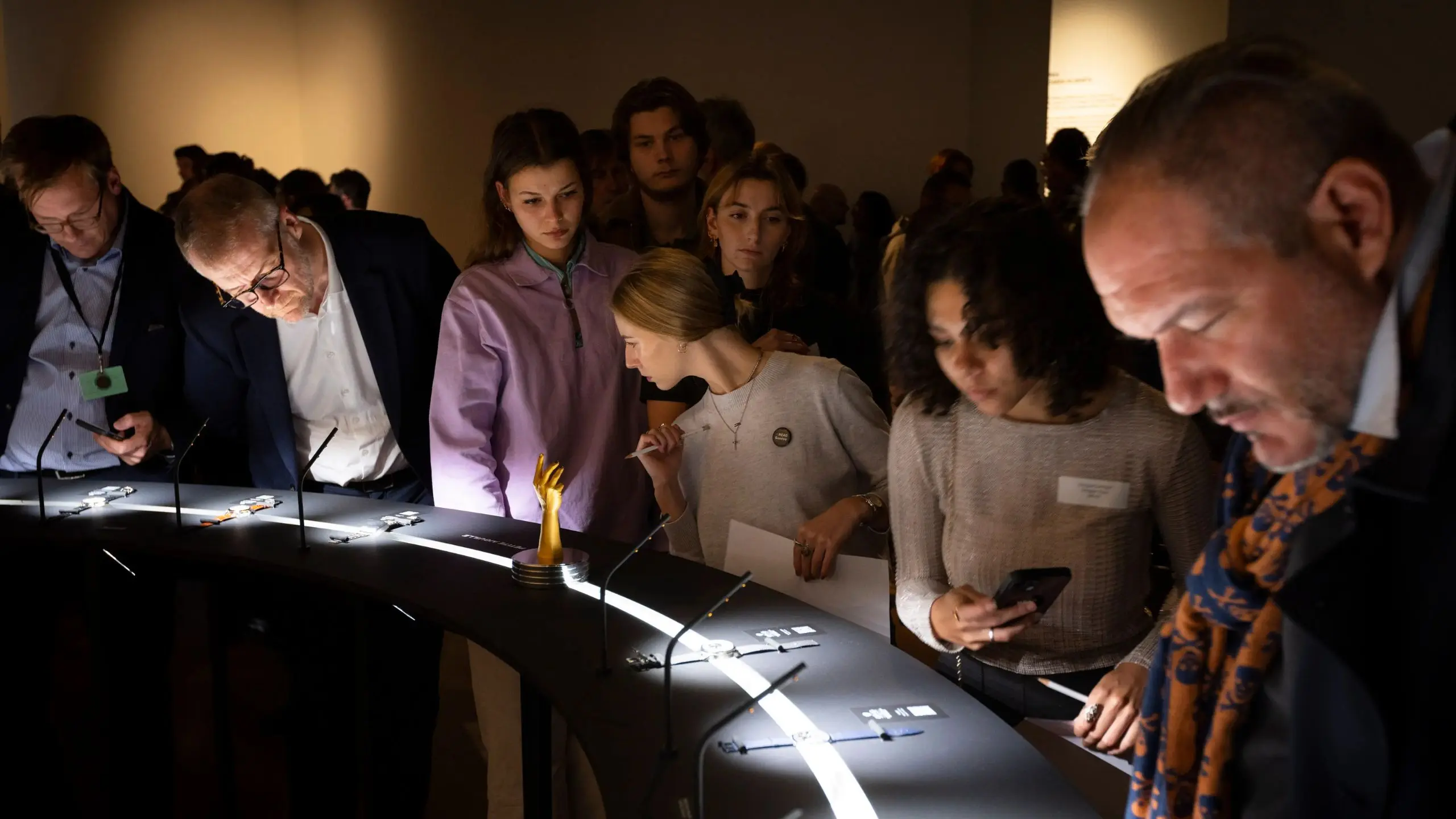
As part of the GPHG, or Grand Prix d’Horlogerie de Genève Academy, one of our jobs is to choose the most important watches of the year on a global basis. This is what gives the organization the most visibility.
However, the other activities within the group focus more on understanding watchmaking, supporting the industry, and helping others learn about it. This includes discussions, events, and talks, both physical and online. Last month, we held a round table for those who attended Geneva Watch Days, and just the other week we had another online presentation on the issue of sustainability within the watch world.
The organization views the watchmaking industry as relatively small but highly influential due to its visibility. While it is true that some companies engage in “window-dressing” by making claims of being environmentally friendly, many key players have been implementing real changes for quite some time. These efforts come both from ethical and moral conviction and from sound business sense. For example, Chopard has been sourcing more ethically produced materials and gemstones, while Tudor has built its new manufactureManufactureA watchmaking term for a company that designs and produces most of its movements and components in-house, rather than relying on outside suppliers. Being a true manufacture signals deep expertise,Go to Manufacture Glossary facility in a way that minimizes its transport and logistics footprint by keeping operations centered around its region in Switzerland.
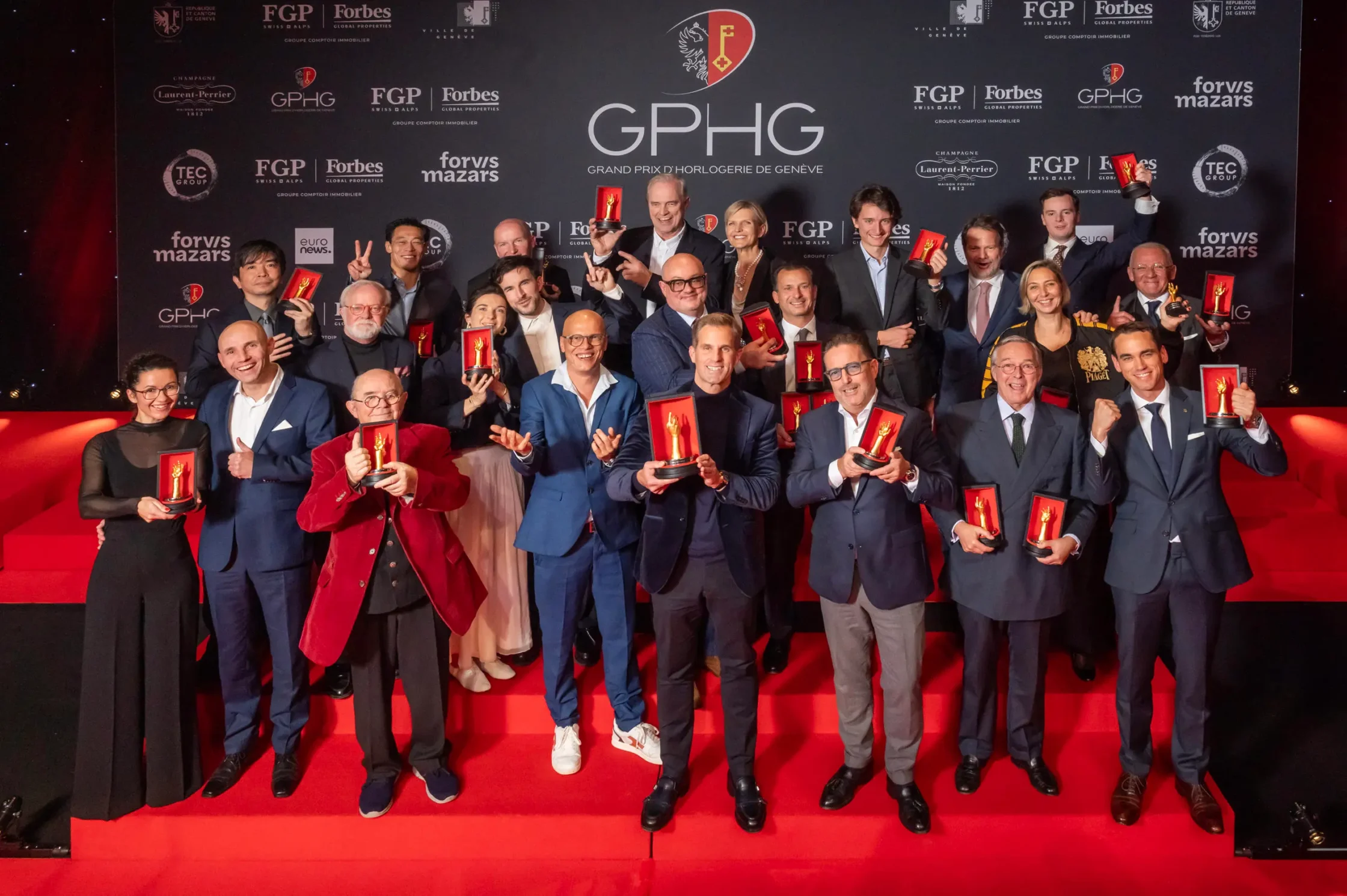
Because of the visibility these companies enjoy, they play an important role in showing mainstream audiences both the challenges involved and the practical steps that can make a difference. So while the GPHG is best known for the “Aiguille d’Or” Grand Prix, or the Golden Hand Award—often considered the Oscars of watchmaking—the truth is that it is deeply involved in the industry on several levels. In this way, it holds a unique position to help not only the watchmaking industry itself but also the wider world around it.