Inside Goldman Sachs’s First Guide on Collecting Watches and Jewelry


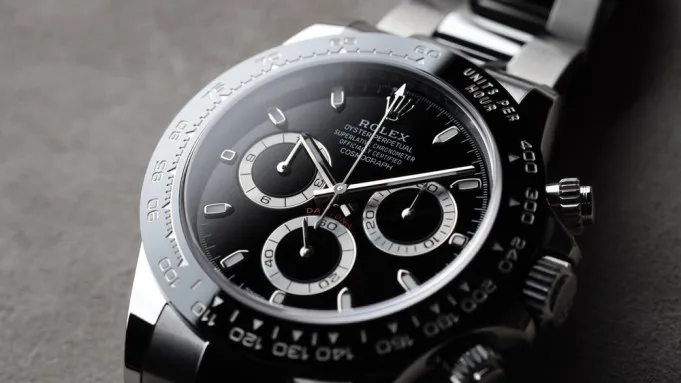
Another sign that wristwatches are fast becoming an asset class like art and other sought-after collectibles? Last September 28, 2026, Goldman Sachs released its first guide to buying and collecting luxury jewelry and watches.
Monica Heslington, head of the Goldman Sachs family office art and collectibles strategy practice, said the guide is designed for the bank’s private wealth clients. “In the past, we’ve focused a lot of our efforts on art,” she tells Robb Report. “But there definitely is a burgeoning interest in jewelry and watches, particularly amongst our next-gen clients.”
She said the firm often holds gatherings for younger clients featuring speakers on various investment topics. During the pandemic, it became clear that interest in alternative asset classes such as jewelry, watches, wine, musical instruments, classic cars, Pokémon cards, and Hermès handbags was rising to the fore. Even after the pandemic-era hype settled down, watches remained top of mind for the bank’s clients.
“We thought we should spend some time delving into this asset class,” Heslington says. “Jewelry and watches especially are very emotionally and aesthetically driven. You’re often buying things because it’s going to be a gift to someone, there’s some sentimental reason behind it, or you just want to buy something that you want to wear and that fits into your lifestyle. And so people aren’t always putting on their more analytical, strategic hats when they’re buying these types of assets.”
Heslington acknowledges that in many cases, strategy doesn’t factor into a buying decision because the timepiece is desirable for personal reasons, “but there are situations where you might be spending an amount or buying something on the secondary market or at auction, and if you’re going to spend this type of money, you want it to be able to hold its value over time,” she says. “In those situations, a lot of times people don’t know what they don’t know. And so if you’re new to the space, we wanted to throw out some factors and some guidance so that they can be more informed buyers.”
The first piece of advice the guide offers is time-tested: Before you buy, understand what makes a watch right for you. Are you looking for a daily wearer, a building block of a collection or an heirloom to pass down to the next generation? “Your objectives will determine the degree of due diligence you should perform,” says the guide. “If your priority is everyday wear, take some time to explore different cuts, styles, models, and brands before making a purchase, so you have a clearer sense of what is available and what feels right for you.”
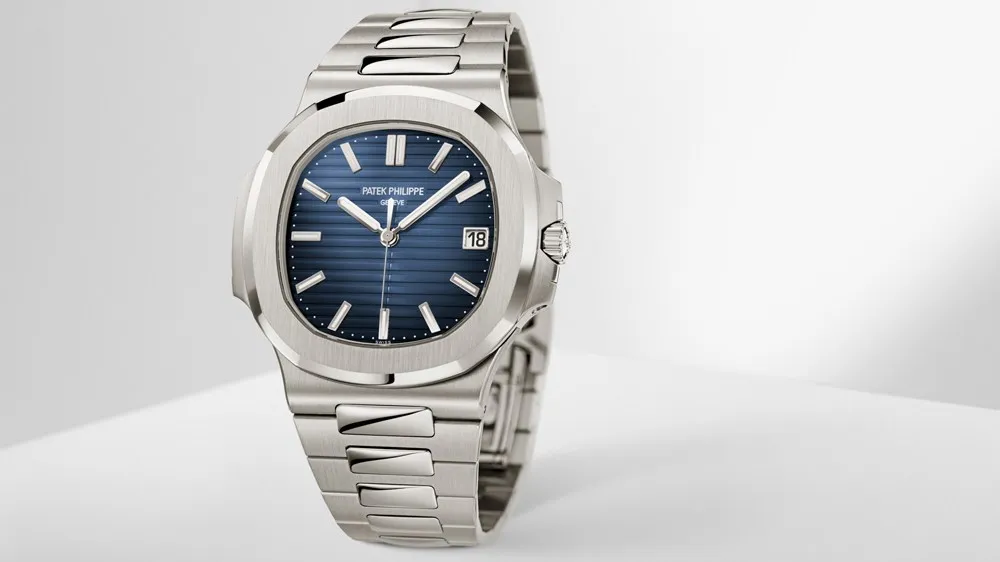
The guide goes on to say that in determining what makes a watch a collectible investment asset, “brand name alone is not enough.” All purchases should be judged on a case-by-case basis. “For example, if you’re buying a watch that’s B-minus quality in terms of condition and you’re buying it because you just really love this piece and you don’t care if it’s going to go up or down in value, that watch could be right for you,” Heslington says. “But if you’re approaching it from an investment point of view, a B-minus quality or condition watch could be a problem. Or maybe it could not be because sometimes there aren’t any A-pluses around.
“We really try and avoid throwing out the names of brands because that can lead people down a path of false security,” she adds.
Instead, the guide advises prospective buyers to consider five factors that help determine long-term investment value: rarity (is the watch one-of-a-kind or part of a very limited series?), historical significance (does it come with a good story or documented provenanceProvenanceThe documented history of an object's ownership, origin, and authenticity, particularly important for classic cars, watches, art, and wine. Strong provenance can dramatically raise an item's value, and collectors andGo to Provenance Glossary?), craftsmanship (is the design or execution exceptional?), condition (does it have its original components?), and authenticity (does it come with reliable documentation?).
“Most importantly,” the guide says, “if the price point is significant for you, an independent specialist should vet the transaction and diligence of each of these factors.”
The guide also includes a discussion of estate planning. “I’m working with a lot of newer collectors, but at the same time, I’m also working with a lot of collectors who are further along the path and even people who don’t have huge collections but they have grandpa’s watch and there are three potential grandkids that could get it,” Heslington says. “You cannot divide a watch in the same way that you could a stock portfolio—no one’s bickering over who gets the California or the New York muni bonds.”
Given the emotional and sentimental value that so many timepieces hold, it’s critical to manage a collection with an eye toward minimizing future conflicts. Other key wealth planning considerations include preserving all original documentation and maintaining an organized and updated inventory for insurance, estate tax and other purposes; knowing the limits of your insurance policy and whether a rider or specialized policy is required; and keeping your appraisals current. “Appraisals are also often the first step toward an effective legacy plan, as knowing the current market value of your collection can allow for more accurate tax and liquidity calculations when assessing different planning strategies,” says the guide.
And don’t forget about proper storage and care. “For watches, make sure that key external parts are not replaced during servicing without your consent, as this could greatly diminish value in certain situations,” the guide says.
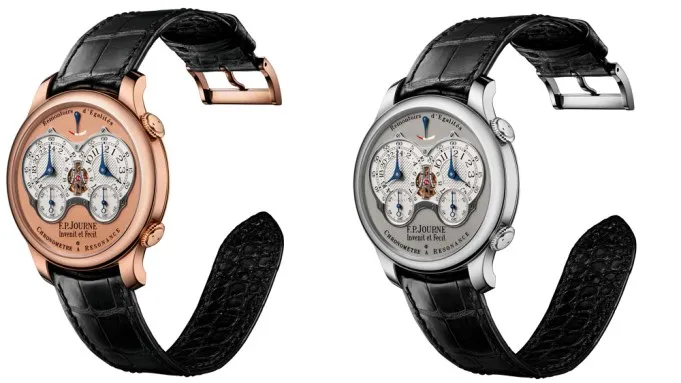
The guide concludes with a note that underscores the degree to which watches are being viewed in the same light as art: “Many of these acquisition and wealth planning considerations extend beyond jewelry and watches to other passion assets, such as art, handbags, wine, classic cars, and other collectibles,” the guide says. “Whether you are acquiring a rare Hermès bag, a Picasso, or an F.P. Journe, an informed buyer is likely to raise similar questions related to quality, authenticity, condition, and investment potential.”
And yet Heslington, who has worked at Goldman Sachs for 14 years, says watches differ from fine art in several important ways. “Almost everyone has a watch,” she says. “There’s a much broader market of people. They don’t take up as much space.”
The learning curve in watches can also be less intimidating. “You don’t need to know about iconography and history and all kinds of things to be able to look at a watch and appreciate it,” she says. “They’re a bit more approachable. A watch doesn’t have the same intimidation factor as walking into a museum or a gallery.”
And then there are the values. It’s taken this long for watches to be considered assets because it’s taken a while for prices to reach a point that makes people sit up and take notice, Heslington says.
“For a very long time, they’ve been selling works of art for $50 million, $100 million, $450 million” she says. “There’s yet to be a watch that’s sold for $100 million. The category is a little behind in terms of value. And I think that’s really what gets people’s ears to perk up is when they see these big numbers. I don’t even know if there are any collections of watches worth $100 million. I mean, there might be, but it’s unlikely.”
This article originally appeared in Robb Report US.
FAQs
It offers guidance on buying, assessing, and managing luxury jewelry and watches, including their place in wealth and estate planning.
Some may retain or increase their value, but a prestigious brand or high purchase price does not guarantee investment potential. Each watch requires individual assessment.
Goldman Sachs identifies rarity, historical significance, craftsmanship, condition, and authenticity as five key considerations.
Buyers should examine documentation, provenance, original components, and condition. For a significant purchase, the guide recommends independent specialist assessment.
Watches can carry financial and sentimental value. Clear succession plans, current appraisals, and organized records can help heirs manage a collection and avoid disputes.