Luxury, Sustainability, and the Sea: How Blancpain is Protecting Paradise in Palawan




In recent years, luxuryLuxuryA lifestyle defined by exceptional quality, craftsmanship, exclusivity, and sophistication, encompassing the finest products, services, and experiences that represent the highest standards of refinement and excellence.Go to Luxury Glossary brands have moved beyond the singular focus on beautiful objects and into more meaningful territory—aligning their values with pressing global concerns. Nowhere is this shift more evident than in the rise of sustainability initiatives led by legacy maisons: whether it’s carbon-neutral ateliers, ethical sourcing, or long-term environmental partnerships, the new measure of luxury includes a commitment to the planet. For Swiss watchmaker Blancpain, this ethos finds powerful expression in its dedication to ocean preservation—most recently through a landmark project in the Philippines.
This year, Blancpain inaugurated the Blancpain x Sulubaaï Marine Research Center in the Palawan archipelago. Located in the coastal village of Sandoval, the facility is a collaborative initiative between Blancpain and the Sulubaaï Environmental Foundation, a nonprofit dedicated to rehabilitating fragile reef ecosystems and empowering local communities. The project is an expansion of Blancpain’s ongoing Sea Academy program, which began in 2020 and champions a four-pronged approach: protection, restoration, education, and replication.
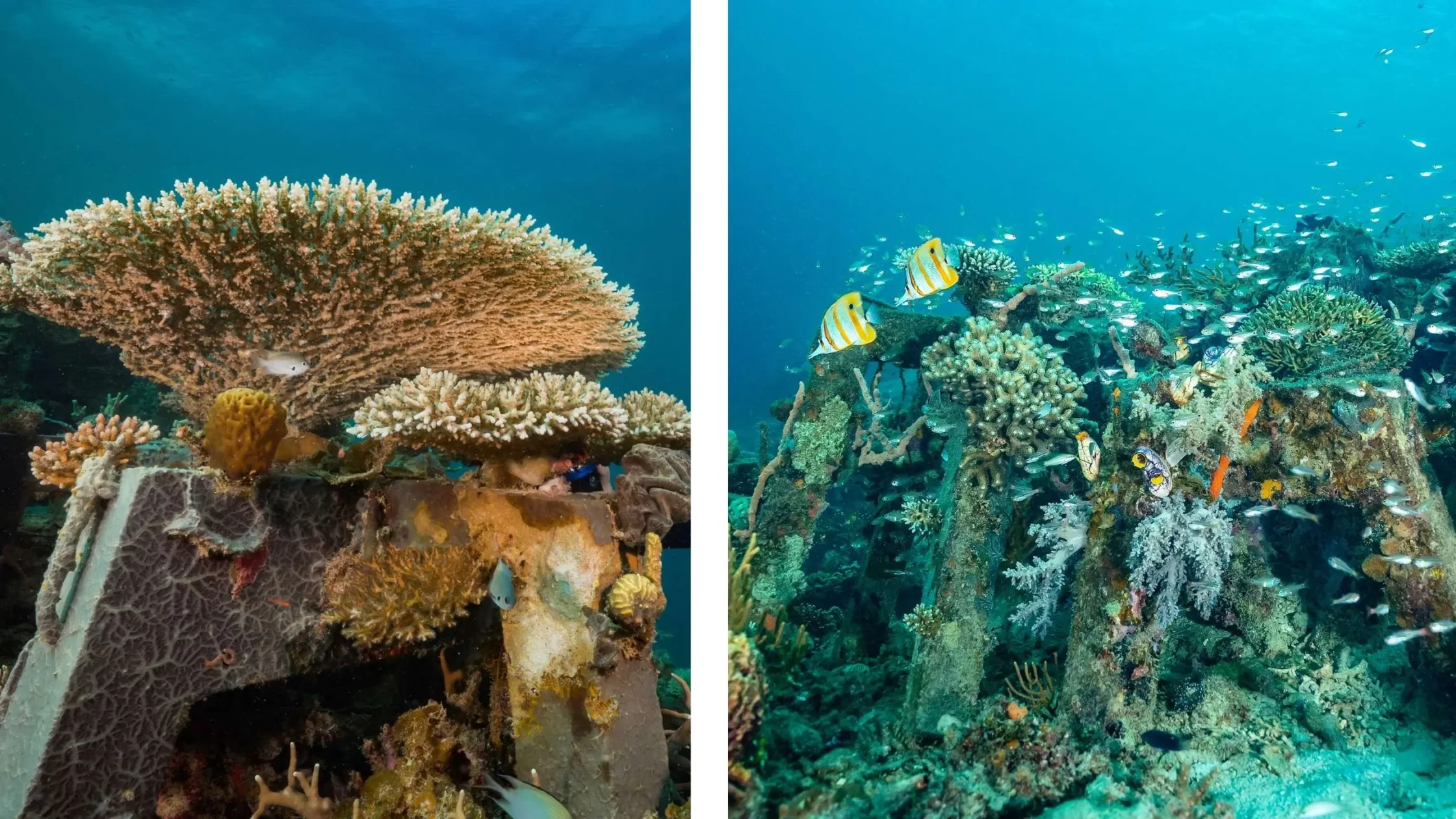
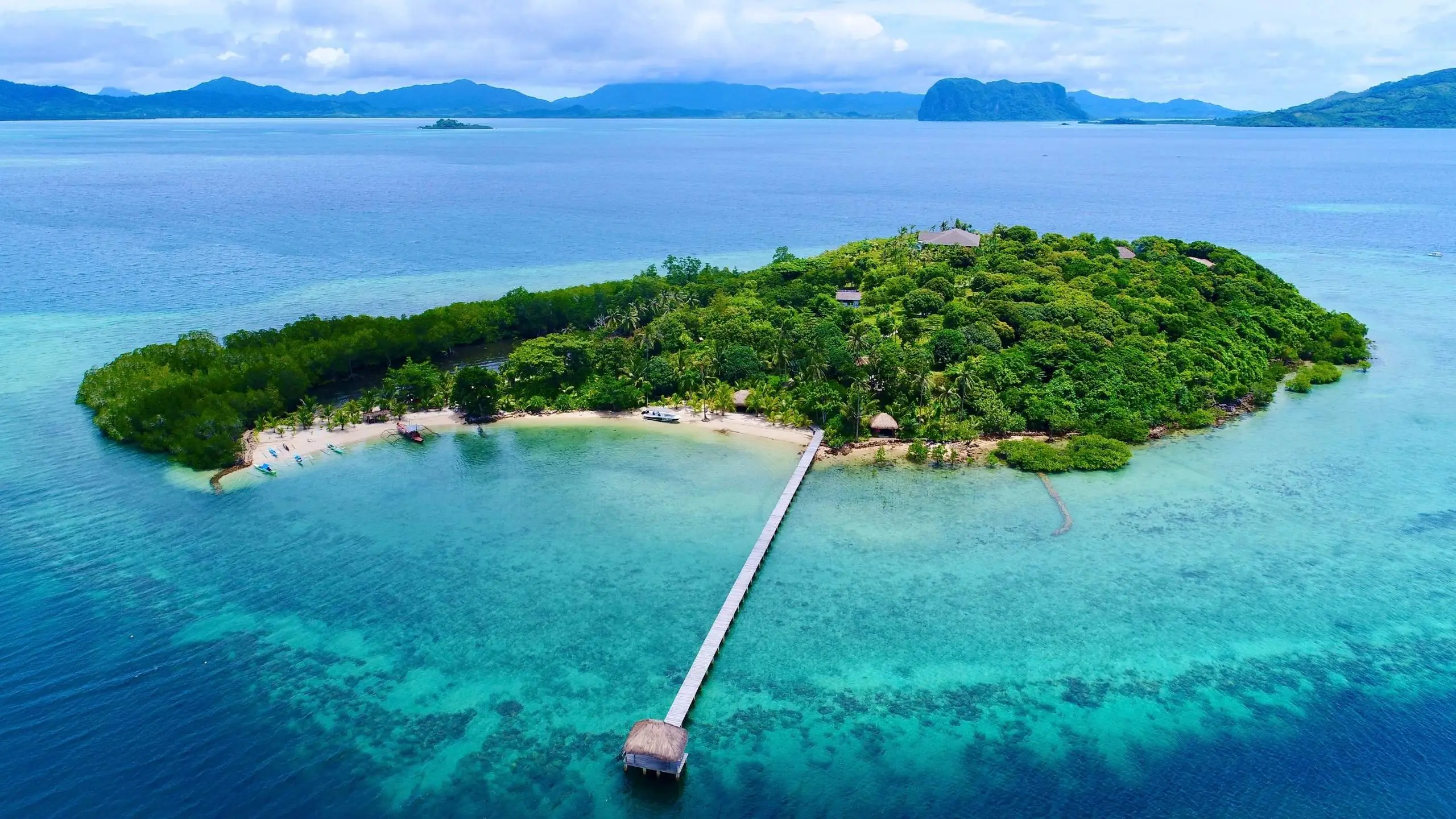
Palawan, a UNESCO biosphere reserve, is often hailed as one of the most beautiful island chains in the world. But beneath its turquoise waters lie fragile coral reefs that have suffered from decades of overfishing, climate change, and destructive practices like blast and cyanide fishing. The new research center is situated at the heart of this threatened ecosystem and is designed to be both a scientific outpost and a community resource. Fully powered by renewable energy, the center is equipped for marine biodiversity studies, coral reef restoration, and educational outreach with local residents.
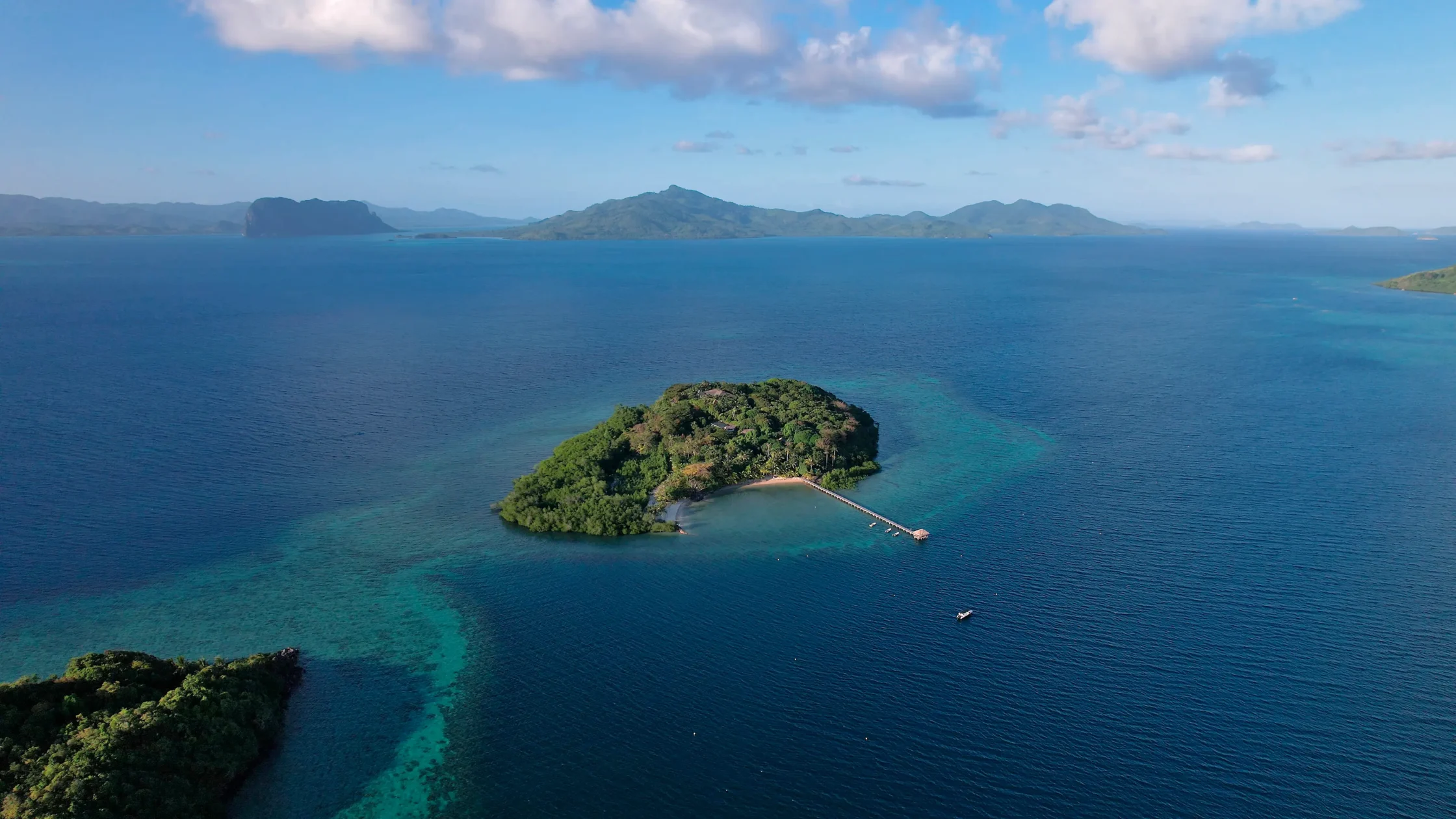
One of the center’s strategic advantages is its proximity to five marine protected areas (MPAs) in Shark Fin Bay. These MPAs serve as a living laboratory for researchers and marine biologists, enabling the kind of long-term, in-situ studies that are essential for effective conservation. Just as importantly, the center fosters a spirit of inclusivity—inviting collaboration between scientists, policymakers, and local fishers whose livelihoods are directly tied to the health of their surrounding waters.
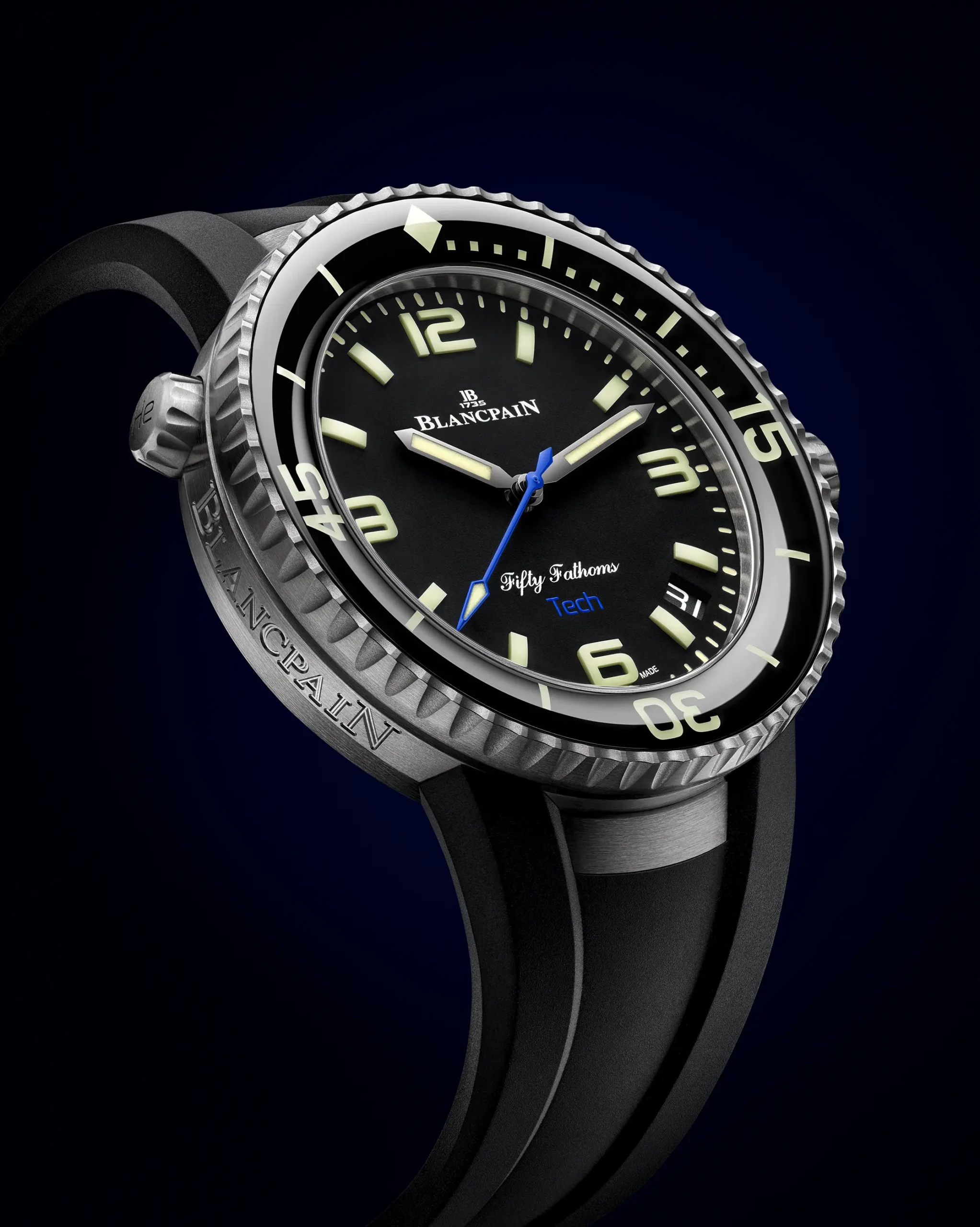
To support the center’s launch, Blancpain unveiled the Fifty Fathoms Tech BOC IV, a limited-edition dive watch that doubles as a philanthropic gesture. For every unit sold, €1,000 is donated to the center, with the 100-piece run contributing a total of €100,000. Each timepiece comes with a photograph by marine biologist and photographer Laurent Ballesta, depicting a horseshoe crab native to the region—an ancient species and a quiet emblem of Palawan’s rich but endangered biodiversity.
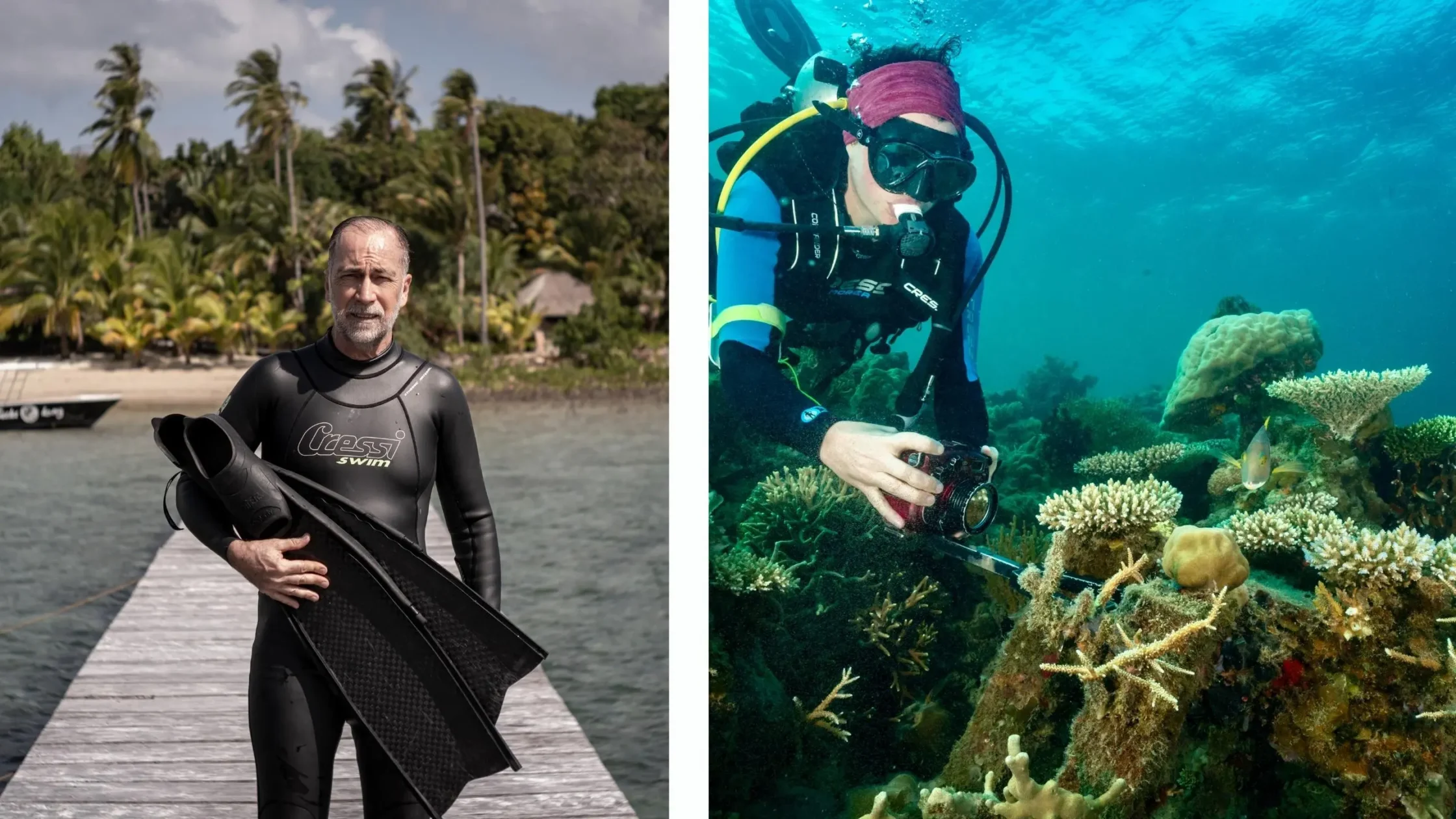
Blancpain’s engagement in the Philippines is not a one-offOne-OffA single, unique item created for one client, with no duplicates, such as a custom car, watch, or yacht. One-offs offer the highest exclusivity, and commissioning one requires working closelyGo to One-Off Glossary gesture, but part of a broader, long-term initiative known as the Blancpain Ocean Commitment. Since its inception, the program has supported over 20 major oceanographic projects and contributed to the creation or expansion of more than four million square kilometers of marine protected areas worldwide. Past collaborations have included expeditions with Laurent Ballesta’s Gombessa project, partnerships with the World Ocean Summit, and support for documentary films that raise awareness of the ocean’s most delicate ecosystems.
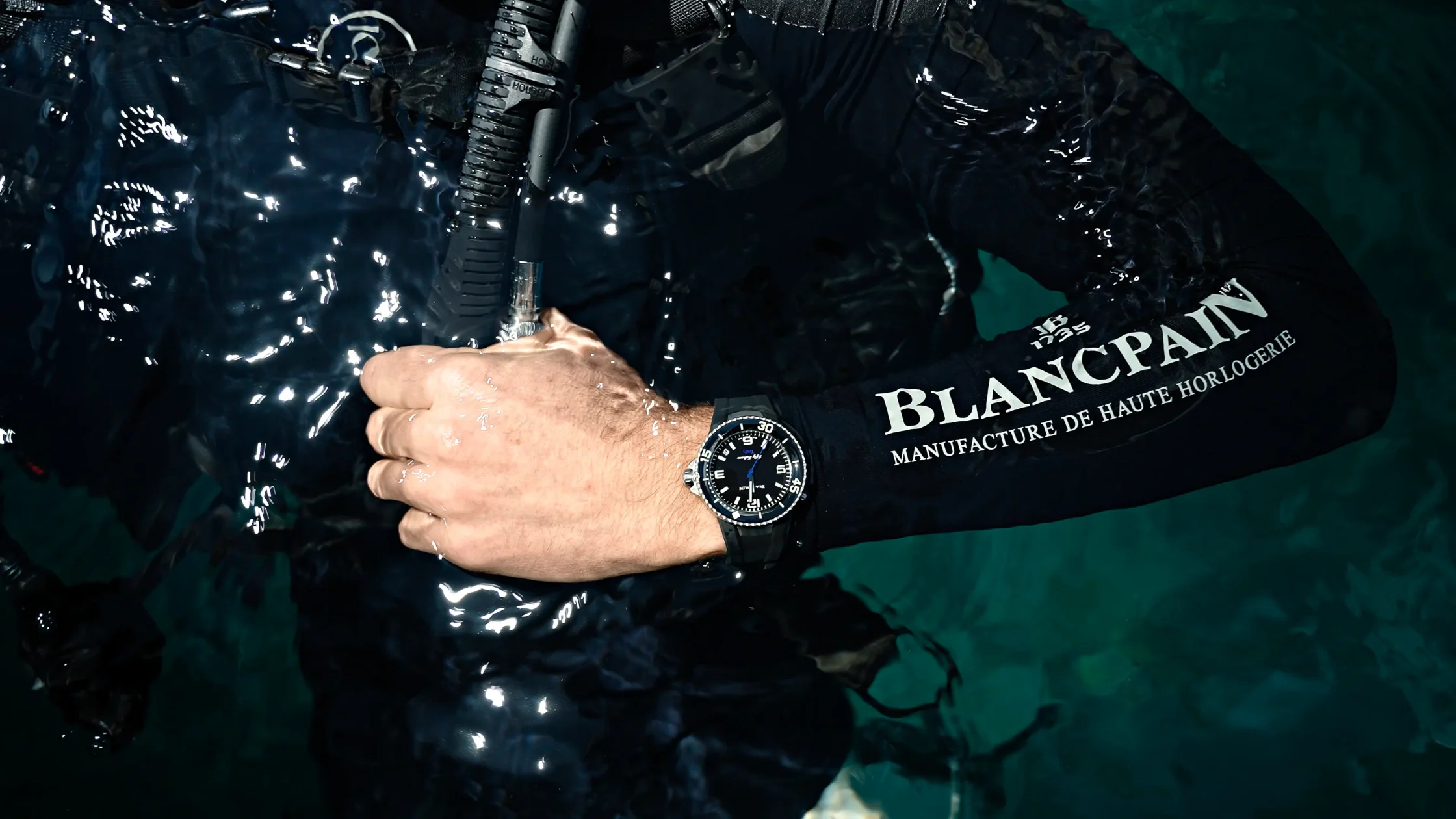
The brand’s devotion to ocean conservation is not incidental—it’s a return to its roots. In 1953, Blancpain released the Fifty Fathoms, the world’s first modern dive watchDive WatchA water-resistant timepiece built for underwater use, typically featuring a rotating bezel, luminous markers, and a case, rated to at least 100 meters. Originating as professional tools, dive watches suchGo to Dive Watch Glossary. Initially developed for elite military divers, it became an essential tool for pioneers of underwater exploration. That early alliance with the sea set the tone for everything that followed, as they approach a deep sense of responsibility to the ocean, finding inspiration for their models and having built their identity from the seas.
In an era when the meaning of luxuryLuxuryA lifestyle defined by exceptional quality, craftsmanship, exclusivity, and sophistication, encompassing the finest products, services, and experiences that represent the highest standards of refinement and excellence.Go to Luxury Glossary is rapidly evolving, Blancpain reminds us that heritage and innovation can coexist—and even thrive—in service of something far larger than ourselves. A watch may tell the time, but here, it’s also helping to shape the future.