Bhutan Mystique: A Journey Beyond the Ordinary




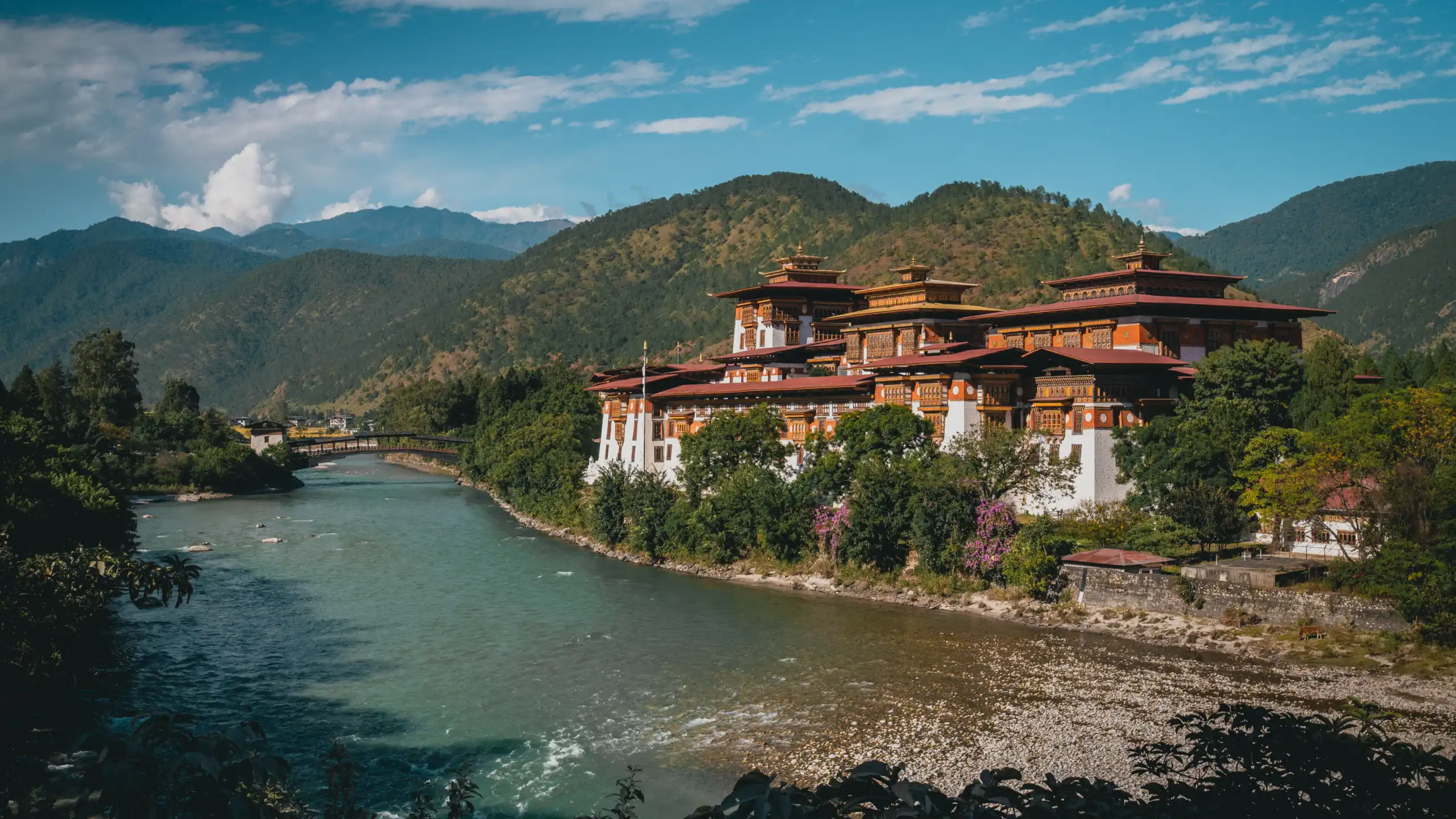
They say Bhutan measures its success in Gross National Happiness — and after eight days of riding through its cloud-kissed valleys and dragon-wrapped passes, it’s easy to see why.
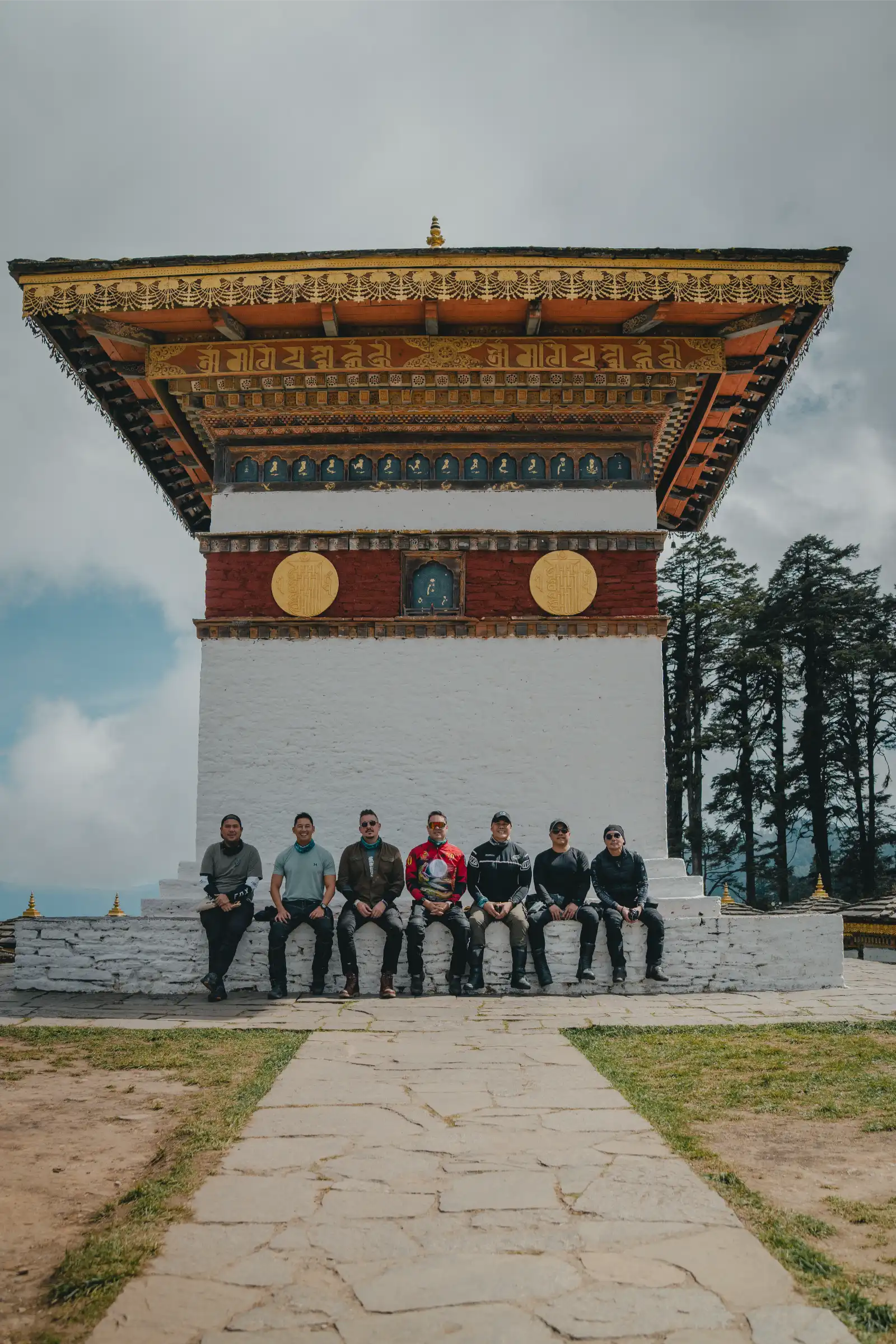
This wasn’t your typical motorcycle tour. This was an expedition — a gathering of minds and machines, a brotherhood forged in the thin Himalayan air. The crew? A fascinating mix of adventurers and storytellers: businessmen Jacques Branellec, Derrick Chiongbian, and Marco Viray; French artist Thomas Godin; Gianni Grifoni, our resident biologist; TV’s dynamic duo Rovilson Fernandez and Marc Nelson. And somewhere in the middle of all that throttle and laughter, yours truly.
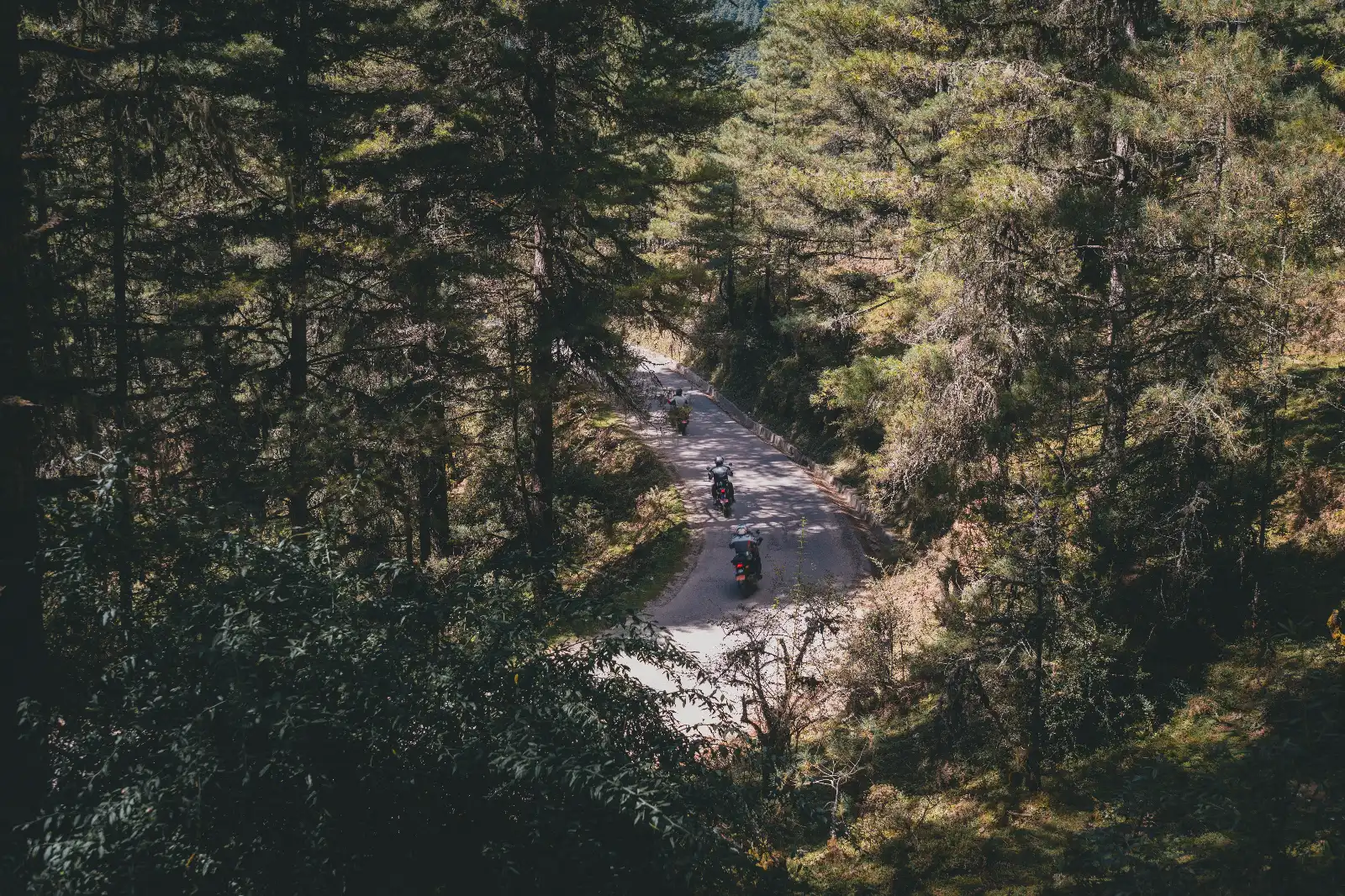
Our flight landed in Bagdogra, India, a humid prelude to what awaited across the border. A Colokal Experience representative greeted us, and soon we were on a four-hour drive to Phuentsholing, Bhutan’s southern gateway.
The contrast was immediate: chaos gave way to calm, traffic to tranquility. The air felt lighter, the smiles more genuine. That night, over yak cheese and laughter, we toasted to the unknown roads ahead.
Morning brought engines, permits, and the thrill of ignition. After a few adjustments to our steeds and a hearty breakfast, we rode out toward Thimphu, Bhutan’s capital. The city, perched between modernity and mysticism, surprised us. Crimson-robed monks brushed past chai-sipping locals. Ancient fortresses stood beside cafés. A stop at the cultural center gave us a deeper appreciation of the local vibe.
It was also here where we realized that the phallus carvings and murals we were seeing weren’t crude jokes; they’re charm, culture, and cosmic humor rolled into one. Known as the “Thunderbolt of Wisdom,” these bold symbols trace back to Tibetian monk, poet and missionary Drukpa Kunley. He was said to have used wit, wine, and other unconventional methods to spread enlightenment. Today these symbols are proudly painted or carved on homes to ward off evil and invite fertility–proof that in Bhutan, even enlightenment has a sense of humor.
The road to Punakha via the famed Dochula Pass is the stuff of motorcycling folklore: 108 chortens lining the ridge, clouds parting to reveal Himalayan peaks. It felt cinematic, the kind of ride where you forget to breathe.
Punakha greeted us with its iconic dzong or fortress monastery, perched at the confluence of two rivers. It was serenity in stone, a place that offered a deeper understanding of Bhutan’s people and their spirit.
We pointed our front wheels toward Phobjikha Valley, home of the rare black-necked cranes. This was a dream for any motorcyclist: perfect weather, no traffic, endless twisties, and views that took your breath away. To add to the fun, we took the long way ’round to our homestead and got some off-road action to boot.
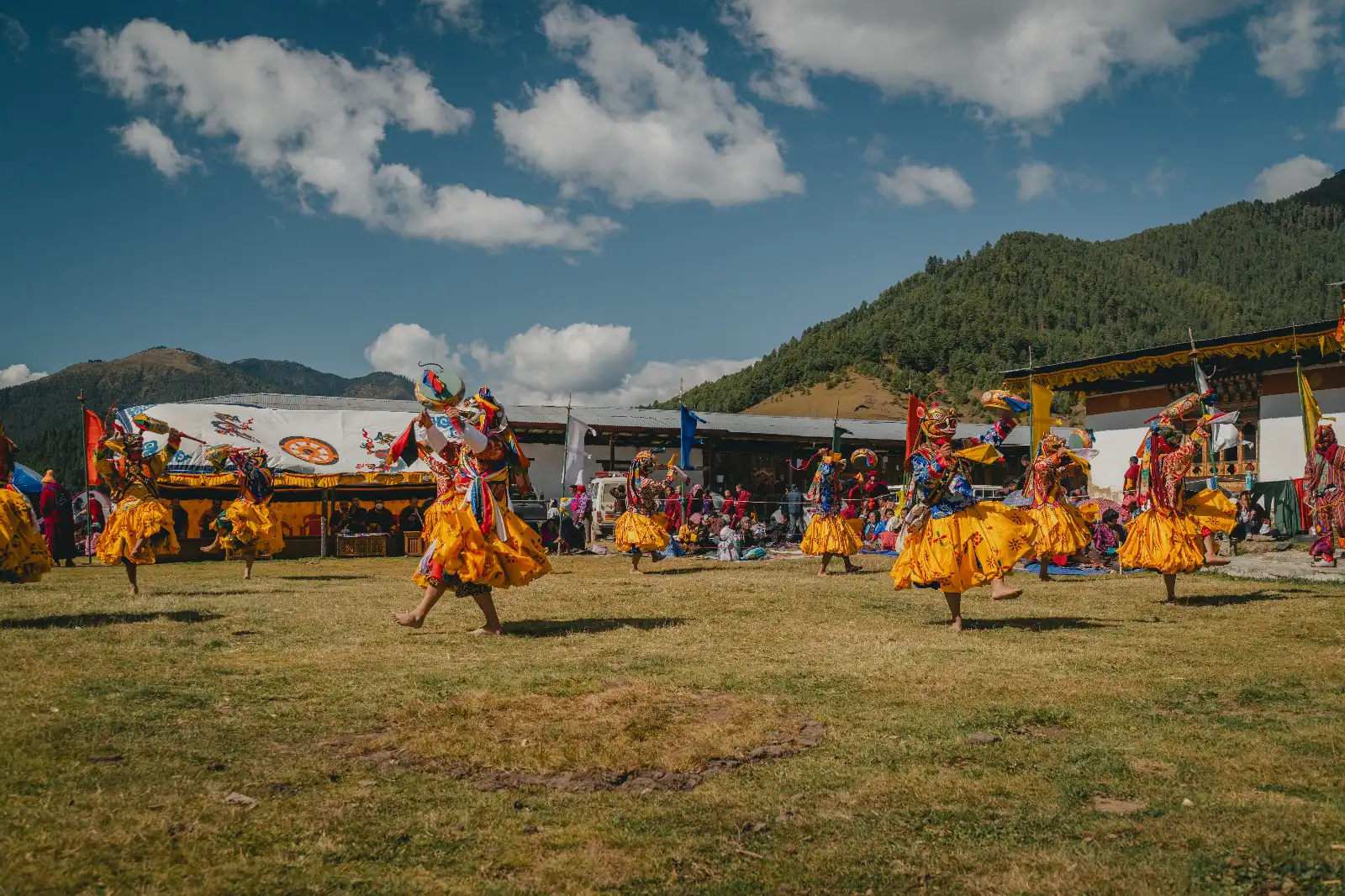
We didn’t spot the cranes, but fate led us to a local festival where cheerful villagers showcased their traditional dances and shared a feast with us. We also found ourselves in perhaps the most beautiful valley we’d ever seen. The setting demanded a stop, prayer flags fluttering beside us, engines cooling as we soaked it all in. The day was pure magic.
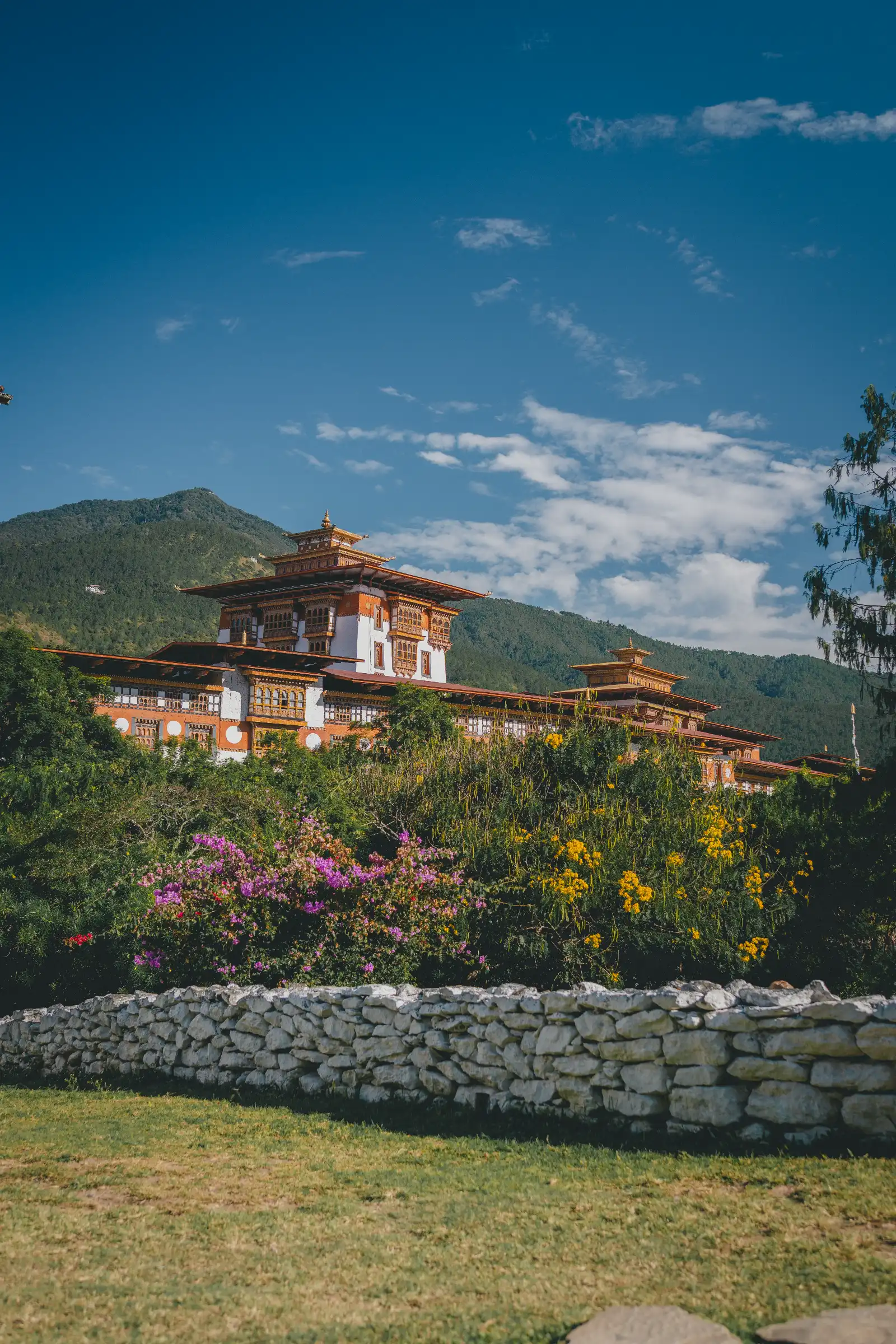
That night in Gangtey felt like a warm embrace, with firewood crackling, stars spilling across the Bhutanese sky, and a local family serving what we all agreed was the best meal of the trip. Nothing beats a home-cooked meal after a long ride.
Adventure took a contemplative turn as we rode to Khotokha Valley, a lesser-known slice of paradise. The route was rough, remote, and breathtaking. But Mother Nature had other plans: fallen trees made the trail impassable, forcing us to retrace our path. When we rolled back into Punakha that evening, caked in dust and glory, we realized that comfort meant little if you haven’t earned it.
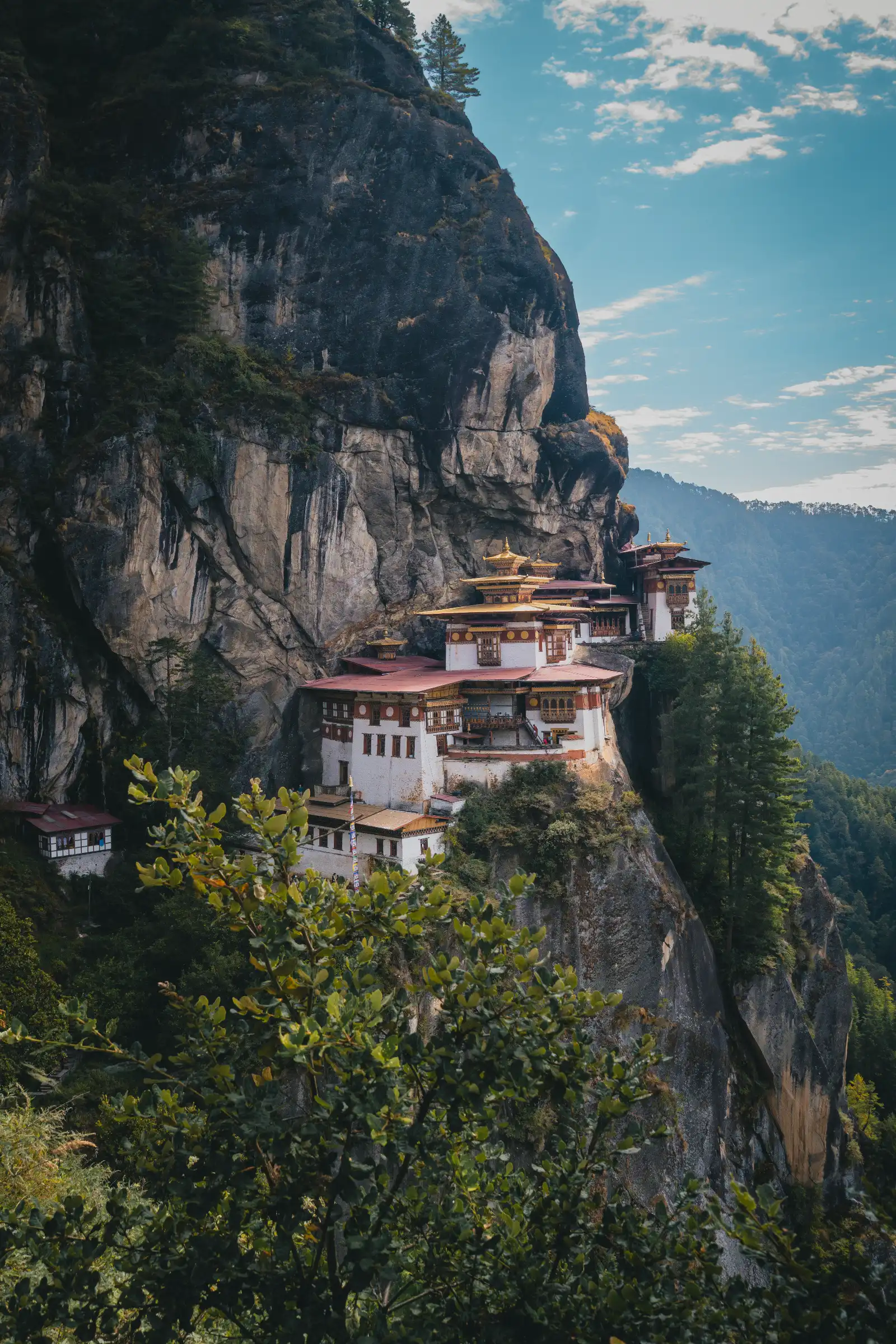
Every great story deserves a climax, and ours came in the form of Paro, home to the legendary Tiger’s Nest Monastery. At over 10,000 feet above sea level, the ascent was grueling, but the view was transcendent. It wasn’t just a hike, it was a pilgrimage. Each step felt like a quiet confrontation between spirit and self. The Tiger’s Nest lay within the monastery walls, serene, spiritual, and humbling. Reaching Bhutan’s most famous landmark was worth every step, a true bucket-list moment.
After days of throttle and altitude, Paro invited us to slow down. We explored, reflected, indulged. Over cups of chai, butter tea, and local whiskey, conversations drifted from business to philosophy. Bhutan might be the only place where even Wi-Fi signals meditate; being this disconnected made the trip more meaningful. With fewer distractions, I felt more present, fully immersed in every moment. In a world obsessed with speed, Bhutan forces you to slow down. To listen. To feel. To live.
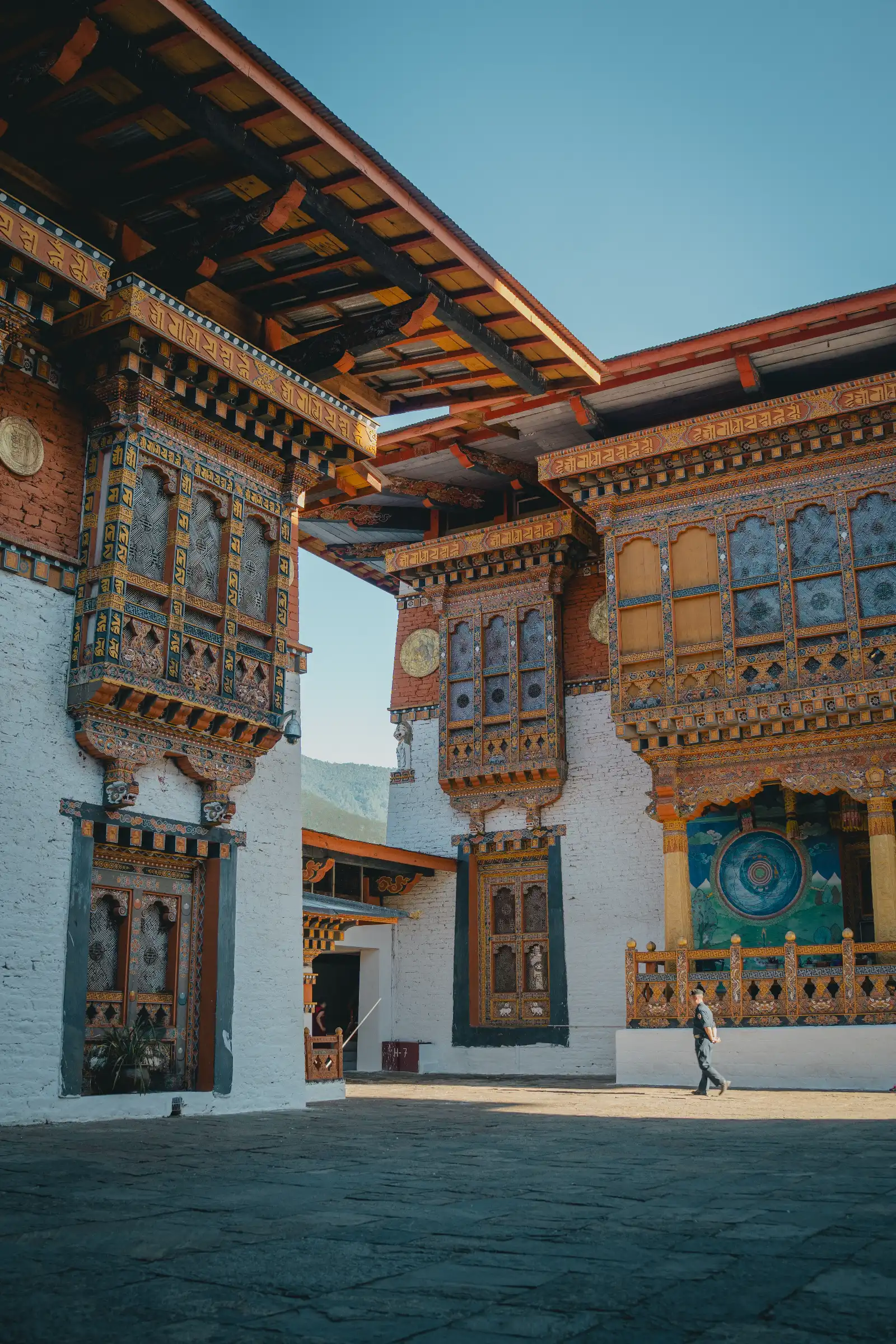
Exploring a new place is always better on two wheels: your senses are heightened, and every moment feels more alive.
The descent back to Phuentsholing was literally and figuratively like winding down from enlightenment to the reality of the everyday. The laughter grew softer, the helmets quieter. By dinner, nostalgia had already set in.
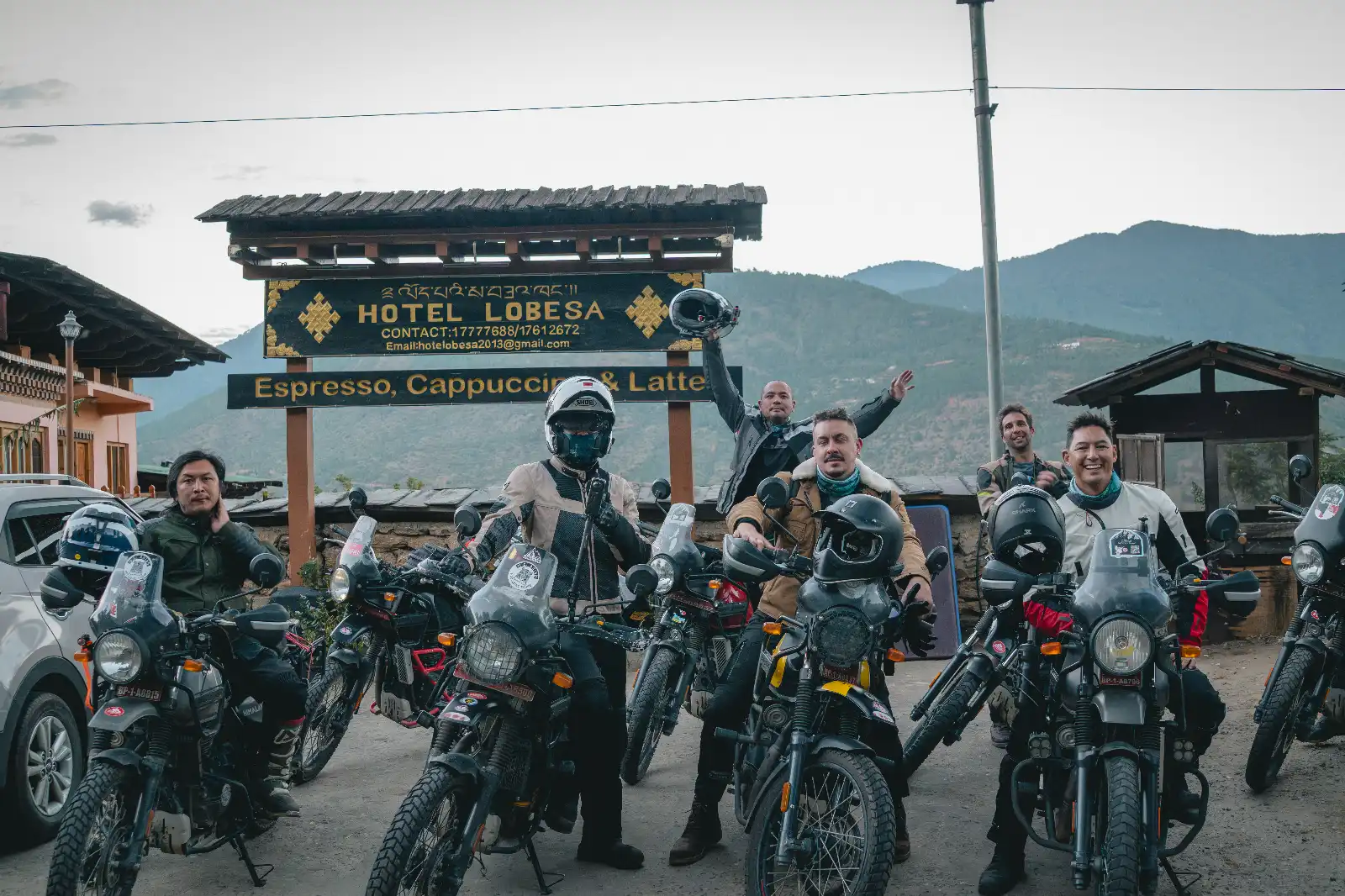
Back in Bagdogra, we exchanged handshakes and man-hugs that felt like silent promises. Nine days, hundreds of kilometers, countless memories, and one truth: Bhutan doesn’t just change the way you travel. It changes the way you see the world.
Bhutan measures happiness differently, and after this ride, maybe we all should. Because we’ve discovered that true luxuryLuxuryA lifestyle defined by exceptional quality, craftsmanship, exclusivity, and sophistication, encompassing the finest products, services, and experiences that represent the highest standards of refinement and excellence.Go to Luxury Glossary is found in the rare silence between throttle bursts, the laughter of friends on foreign soil, and the realization that happiness, indeed, has an altitude.
This article originally appeared in Robb Report Philippines’ Travel Issue, December 2026.