The Enduring Light of Takazawa Candles





Candlelight has always played a special role in human life, but few makers embody both history and craftsmanship as deeply as Takazawa Candle, a Japanese candle maker whose tradition of handcrafted, plant-based candles stretches back to the late 19th century. What stands out about Takazawa’s candles beyond their being decorative objects is a blend of heritage technique, unique materials, and a nature-oriented design philosophy that have helped preserve an artisanal craft few contemporary brands can match.
Video:
Takazawa Candle was established in 1892 in Nanao, Ishikawa Prefecture, on Japan’s Noto Peninsula, a region historically known for maritime trade and traditional crafts. The company takes pride in its location, a place where candle making became a local industry centuries earlier because of easy access to raw materials and waterways that facilitated distribution throughout Japan.
The craft itself draws from the ancient Japanese tradition of wa-rousoku, or traditional Japanese candles. This style traces its lineage back to the Nara period (710–794 AD) when candles arrived in Japan with the introduction of Buddhism.
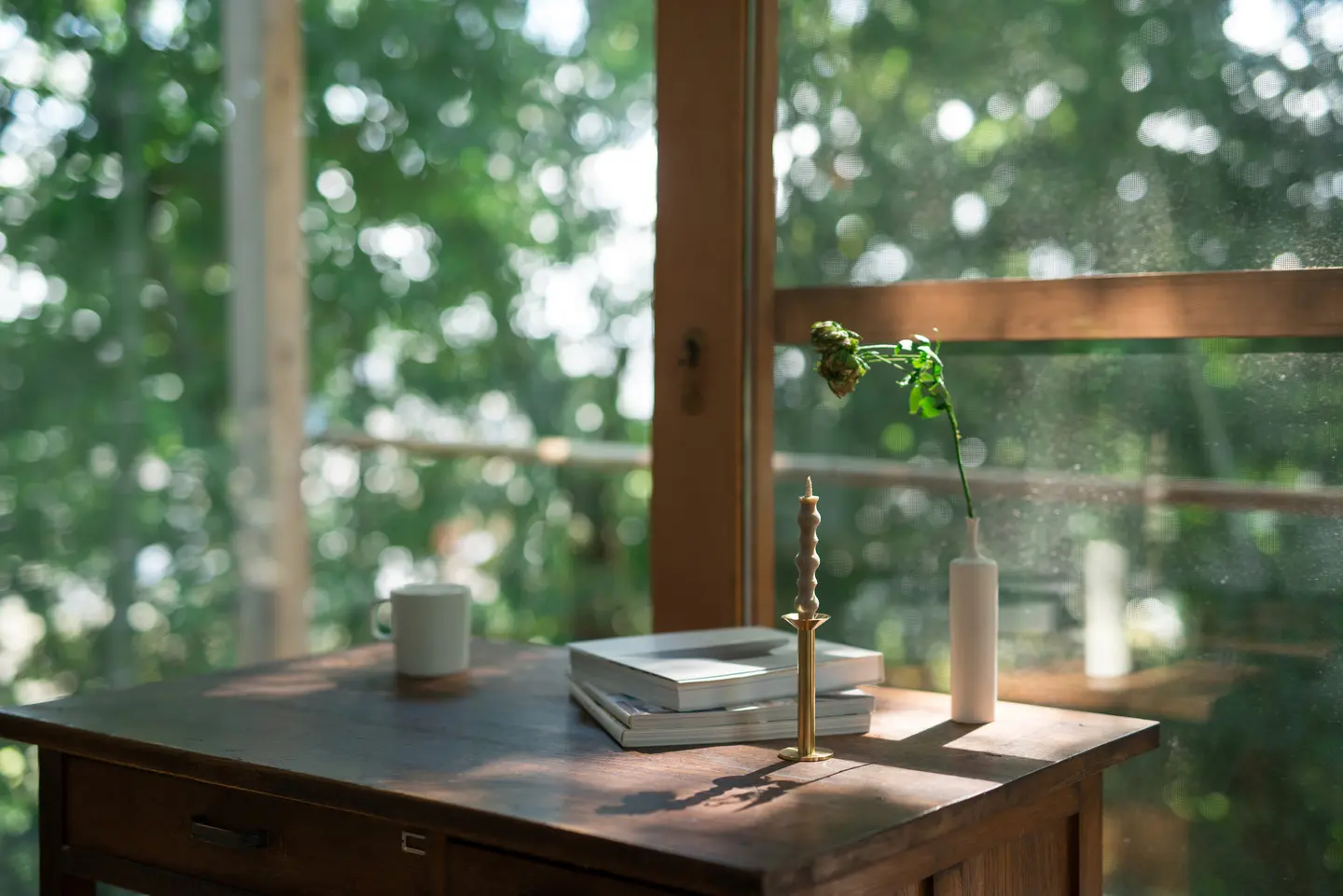
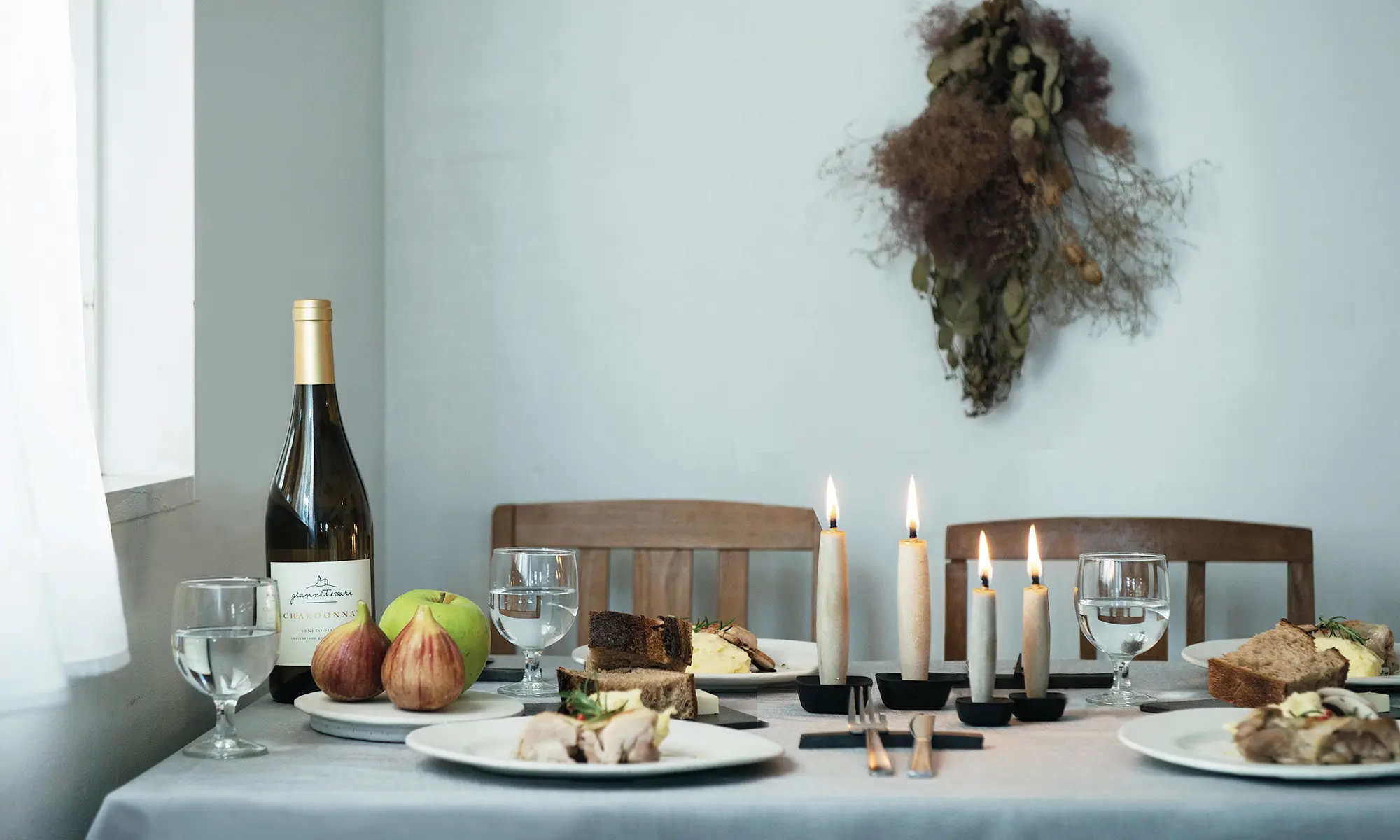
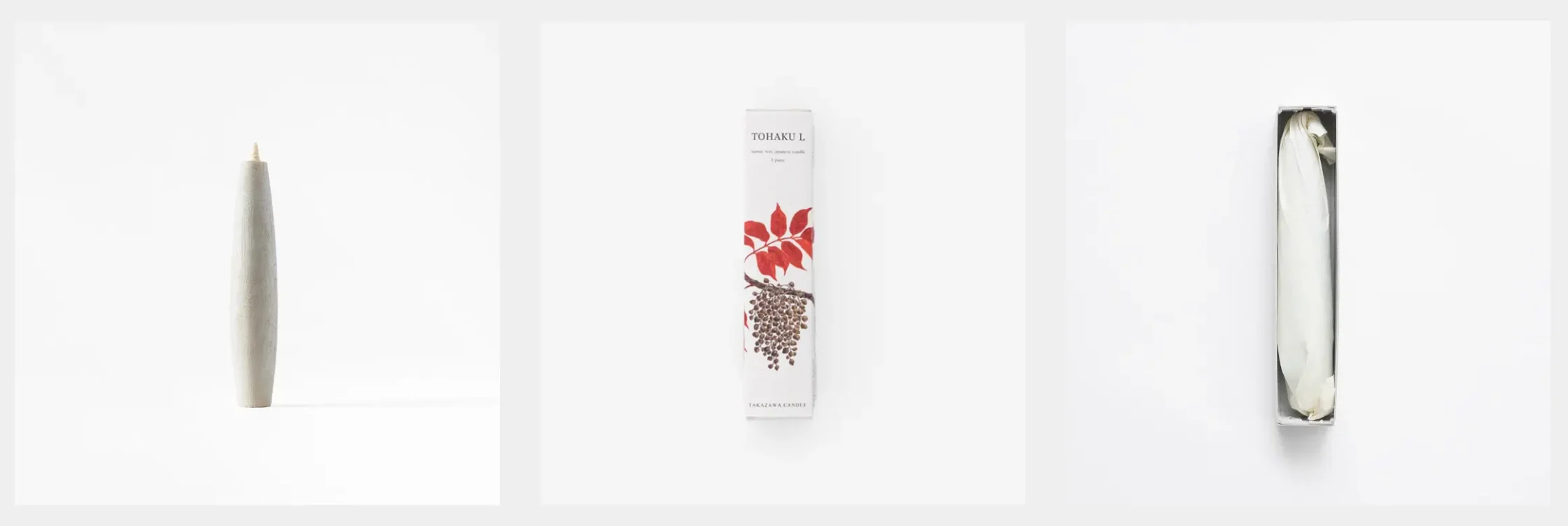
Unlike most modern candles made from paraffin or soy blends, Takazawa uses natural substances like sumac (haze) wax, rice bran wax, and rapeseed (canola) oil wax, which are all sustainably sourced plant derivatives. These waxes are unscented and made from plant-based materials, which offer a clean burn with minimal soot and odor, aligning with contemporary preferences for natural, low-impact living practices. They also make ideal tabletop candles for restaurants, used in several Michelin-starred Japanese restaurants.
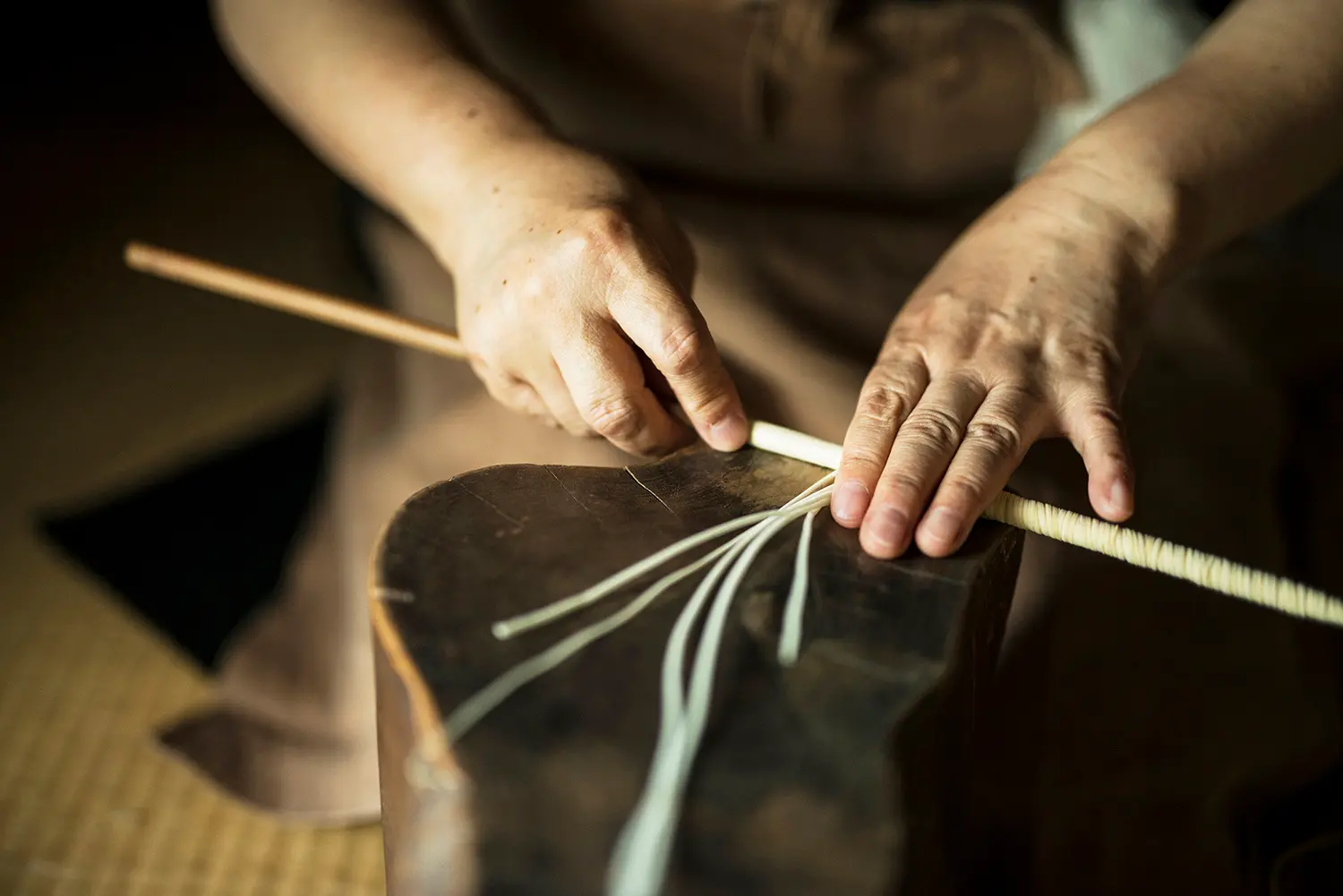
Aside from the clean burning wax, contributing to a flame quality that is both bright and pure is each candle’s wa-rousoku wick. Rather than the cotton cores typical in Western candles, Takazawa wicks are hand-constructed from traditional Japanese washi paper wrapped around dried rush and sometimes silk fibers, forming a hollow center.
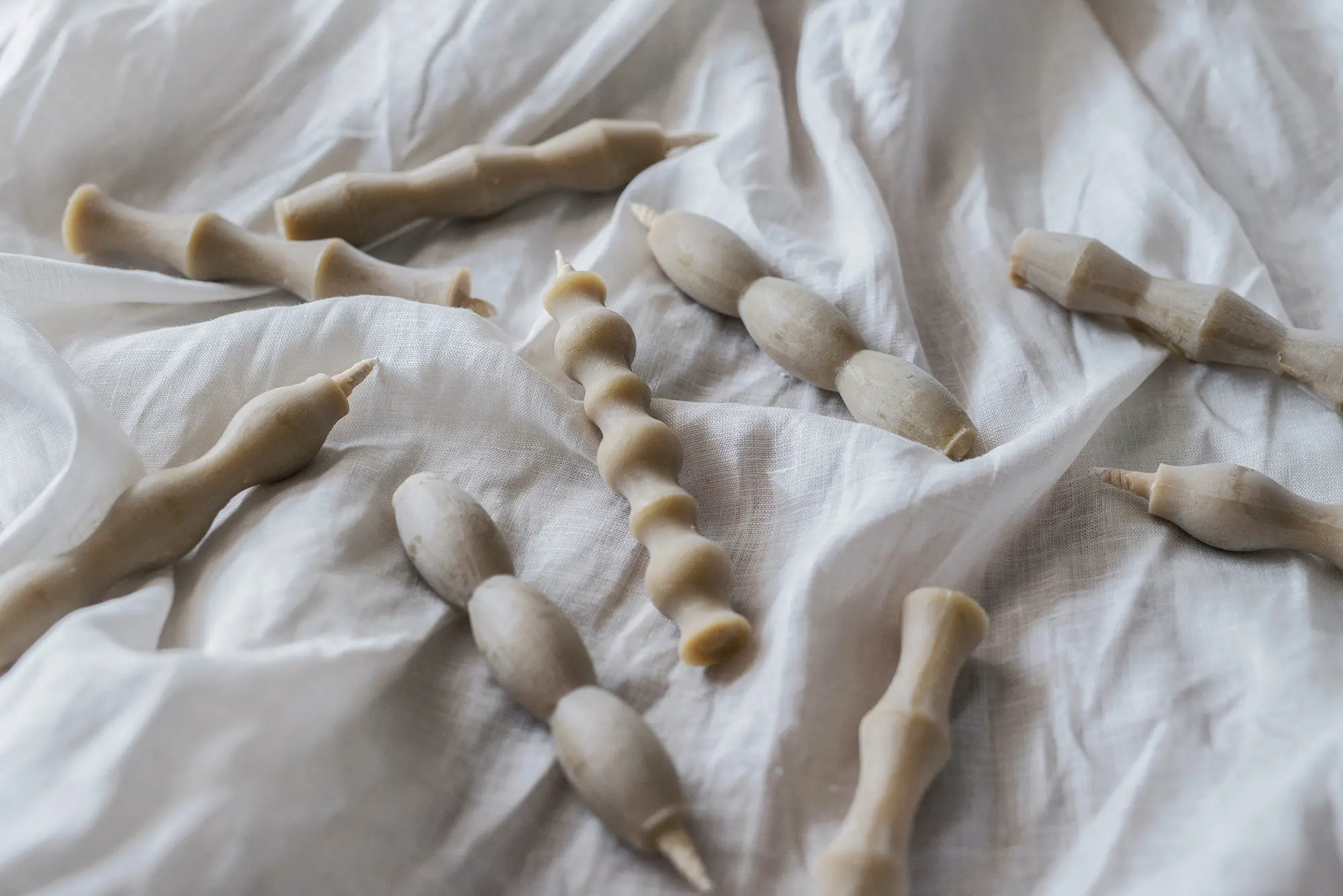
This structure allows oxygen to flow through the core, enabling a bigger, brighter flame and more efficient combustion—a hallmark of Takazawa candles.
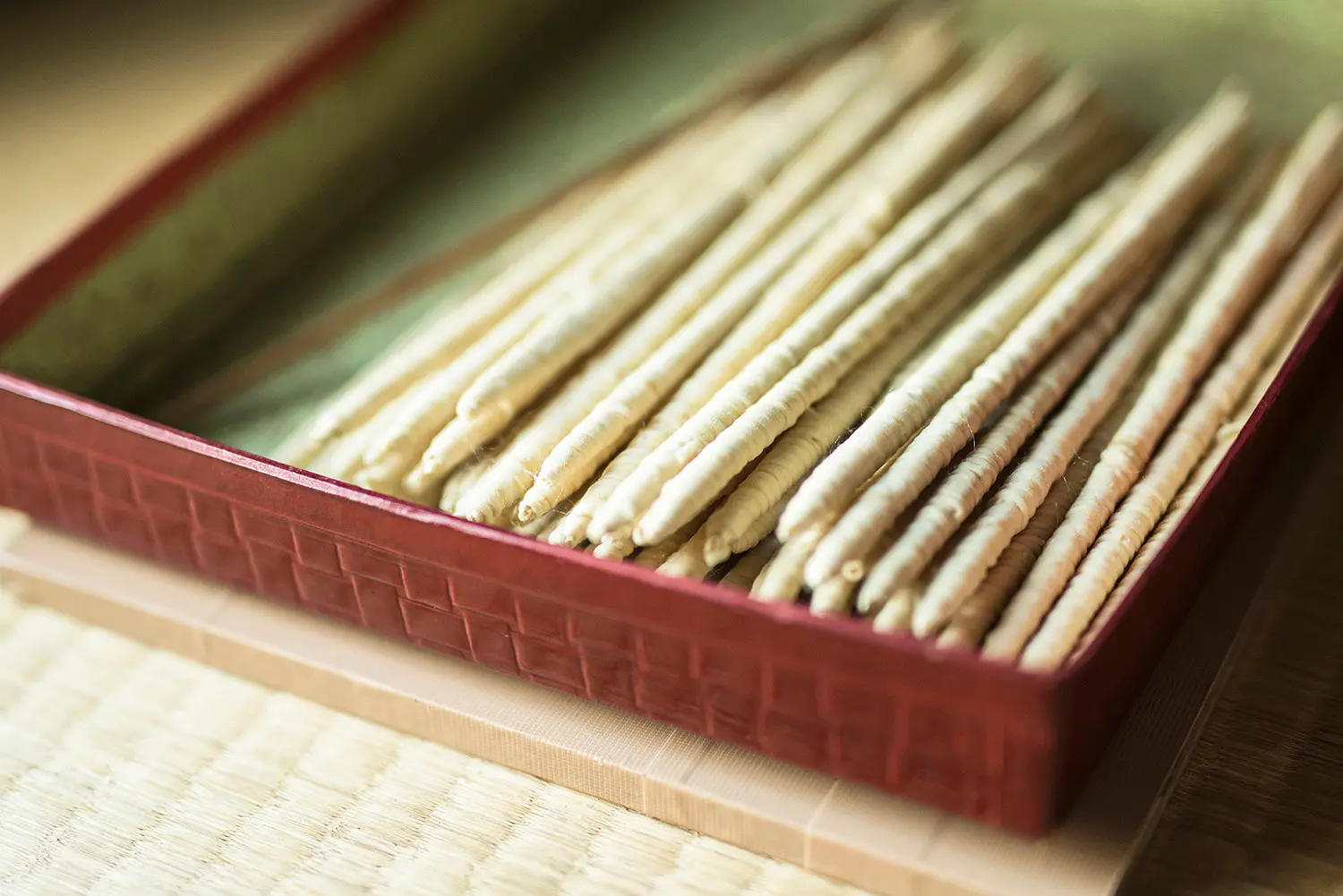
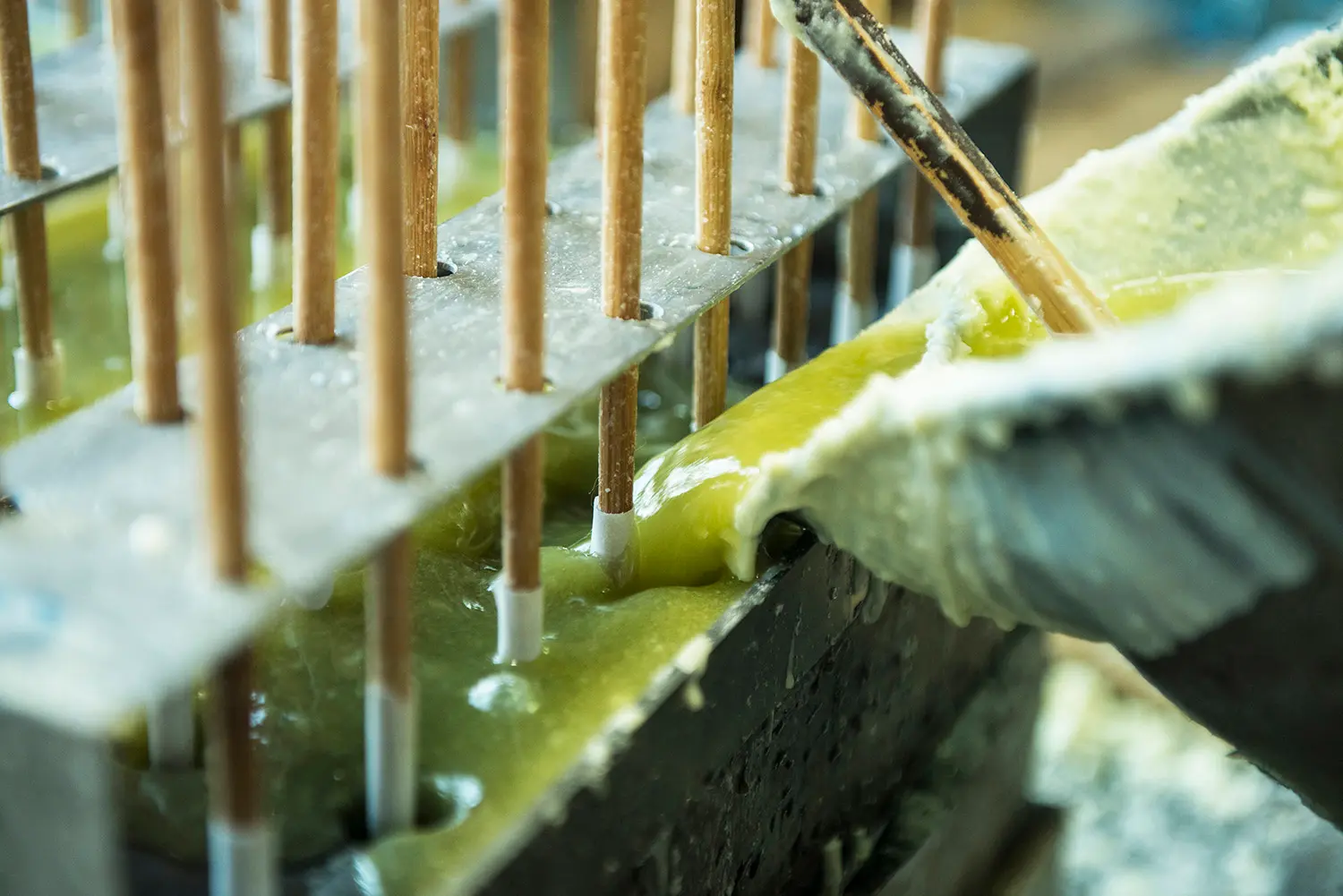
The production process remains largely hands-on and artisanal. Craftspeople set wicks into molds, pour melted wax, allow it to set, and finish each candle by hand. With such a high demand for candles all over the world, most candle production has become industrialized, which makes Takazawa’s devotion to centuries-old methods rarified.
In contemporary lifestyle discussions, candlelight is often linked with wellness practices such as meditation and relaxation. Takazawa Candle’s offerings dovetail with this trend precisely because their products promote more than mere fragrance or décor. Because of their engineering, Takazawa candles burn slowly and evenly, with sizes calibrated to burn for specific durations. In traditional Japanese households, this consistency allowed candles to function as informal clocks—an attribute that still holds today.

Takazawa Candle is not alone in Japan, but it is the oldest and most respected, and among a diminishing number of workshops still practicing this lineage at scale. Its survival speaks less to revival than to continuity: Why abandon what already works?
Footage and photography courtesy of Takazawa Candle
Editing and Color grading: Aqi Ticzon