Royal Pineda Designs the Ultimate Travel Companion




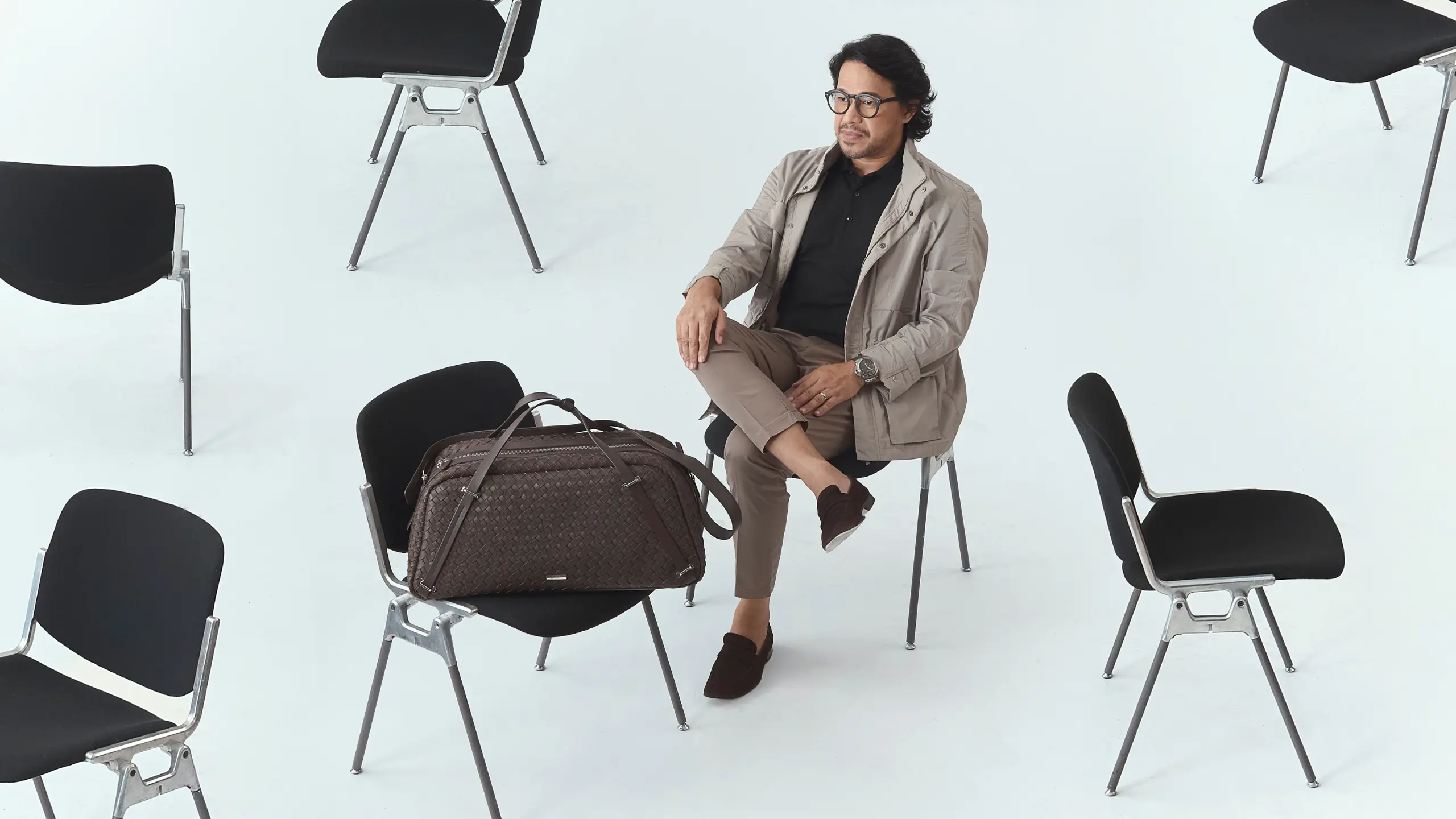
For the longest time, luxuryLuxuryA lifestyle defined by exceptional quality, craftsmanship, exclusivity, and sophistication, encompassing the finest products, services, and experiences that represent the highest standards of refinement and excellence.Go to Luxury Glossary in the Philippines meant looking outward, to Paris ateliers, Milanese leather houses, Swiss watchmakers, and the like. But a subtle shift from this has been happening the past few years. Filipino designers, it seems, are beginning to define luxury on their own terms.
The Royal Atlas, a collaboration between architect Royal Pineda and Fino Leatherware, captures the changing times perfectly with a collection shaped by indigenous weaving traditions, architectural discipline, and the confidence of a design culture that takes ownership of what it is.
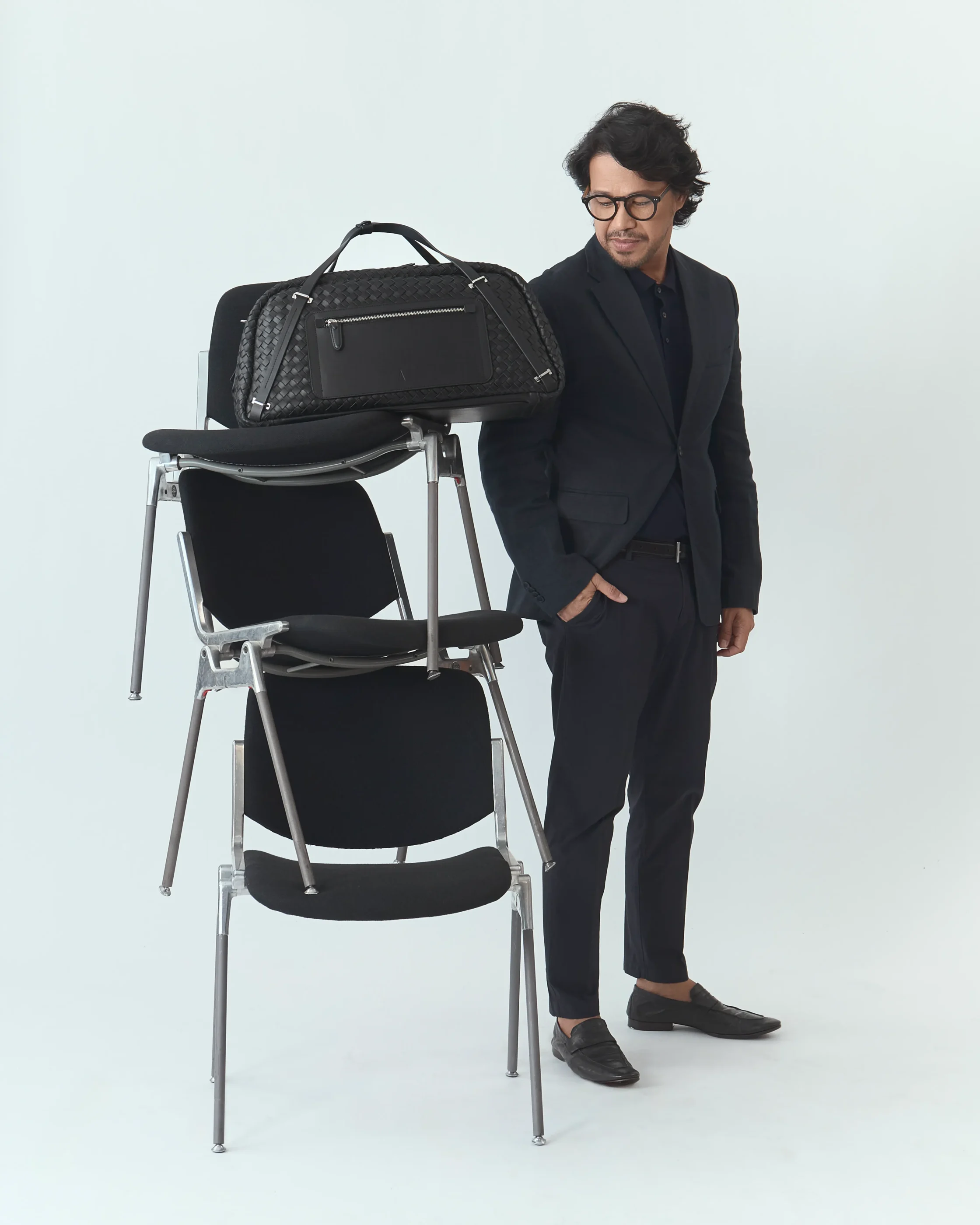
Pineda, whose work weaves together modernism with vernacular Filipino influences, approached the project by beginning with the practical. “I always design things that are relatable to me, something that I can use every day,” Pineda says. “As an architect, I wanted something that I can use everyday—from the site to the office, the city to the airport and other destinations. Functionality is very important for me.”
Among his most notable works is the Clark International Airport, indicative of such utilitarian thought. The terminal’s sweeping roofline echoes the silhouette of the Zambales mountain range, while its warm palette and the use of lahar subtly reference the region’s volcanic terrain. In nearby New Clark City Athletics Stadium and the New Clark City Aquatics Center, meanwhile, the architect again turned to nature and tradition, drawing inspiration from Mount Pinatubo and the geometry of the humble fish trap to shape structures that feel both fresh and unmistakably Filipino.
Evolving Ideas of Luxury
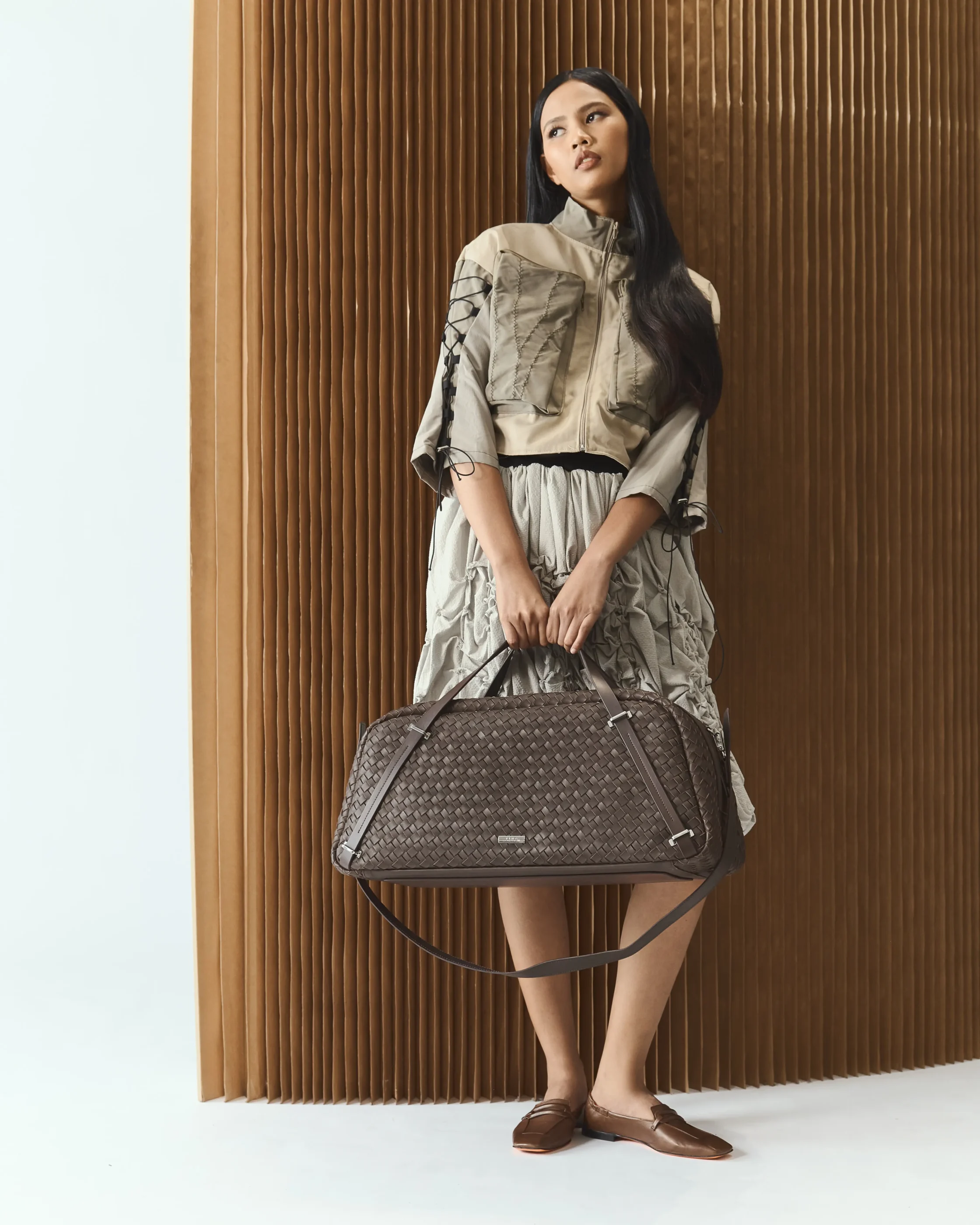
In the case of the Royal Atlas collection, travel is central to the bag’s identity, and the name itself suggests a cartographic metaphor. The bag isn’t just meant to carry objects but also experiences accumulated over time, with an emphasis leaning towards the owner’s journey: full-grain leather that records its owner’s trips, artisanal construction that reveals rather than hides the hand of the maker, and design that prioritizes longevity over novelty.
Interestingly, it was on a quiet street in Germany that the idea started to take shape. A photograph captured an unlikely moment of national pride. The esteemed Filipino architect stood on a curb, a leather overnight bag at his side. The bag was not one of the usual European suspects. Instead, it was made by the Philippine leather house. For Dr. Rommel Bautista, Fino’s founder, the image was quietly revelatory. “For someone of his caliber, it was striking and refreshing to me that Royal would choose a locally made bag over the usual luxuryLuxuryA lifestyle defined by exceptional quality, craftsmanship, exclusivity, and sophistication, encompassing the finest products, services, and experiences that represent the highest standards of refinement and excellence.Go to Luxury Glossary brands,” he later recalls.

The collaboration with Fino results in what its design team calls an “architect’s bag.” In a poetic way, it traverses disciplines and environments, the way its owner does on the regular through construction sites, airports, boardrooms, and studios.
That means thoughtful proportions, durable full-grain leather, and compartments designed for real work without sacrificing style. More importantly, it means an object shaped by a philosophy rather than a trend. The Royal Atlas draws a lot from guiding principles like nature, peace, and variety, things that underpin Pineda’s own architectural practice.
In a sense, such an approach is a kind of facsimile of architecture’s very relationship with materials, where stone, wood, and steel are valued not just for appearance but for how they age. Creases deepen, edges soften, and over time, the bag becomes less pristine and more personal.
Weaving the Contemporary and the Indigenous
Perhaps the most compelling aspect of the Royal Atlas lies in its cultural roots. The bag’s design draws heavily from the pasiking, this traditional Cordilleran backpack woven from bamboo, rattan, and nito vine. Used for centuries by communities in Northern Luzon to transport crops and goods across mountainous terrain, the pasiking embodies a form of design intelligence that predates contemporary industrial design.
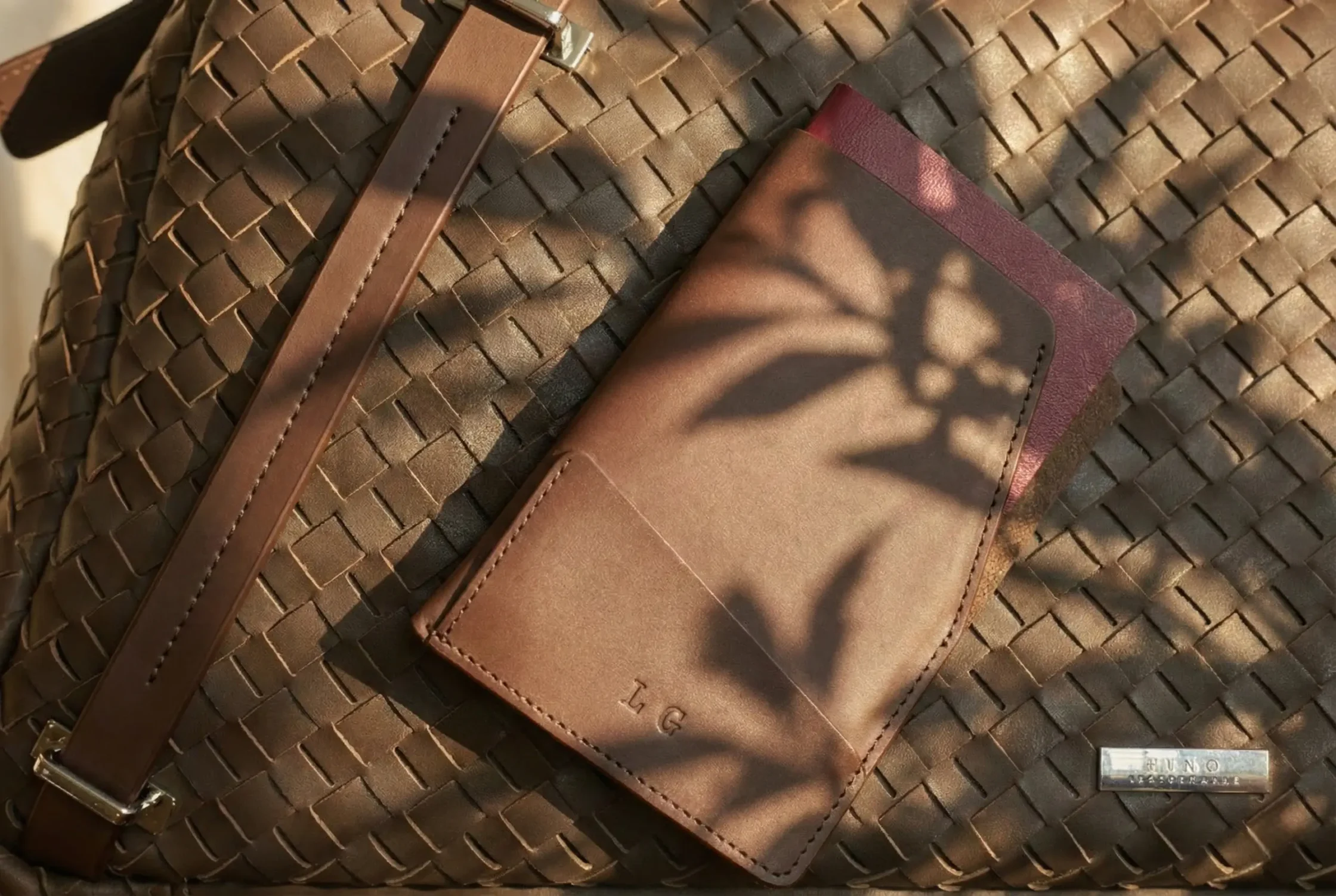
Pineda’s interest in weaving traditions runs deep. “I was searching for something authentic and came across the ancient weaving skills of Filipinos,” he explains. Rather than replicate indigenous craft directly, the Royal Atlas translates its logic into leather. The bag’s most distinctive feature—a pattern called the “Royal Weave”—is created by punching precise slots into full-grain leather panels before threading strips through them diagonally. The process demands exceptional precision, according to Fino, where even a minor mistake means discarding the entire panel.
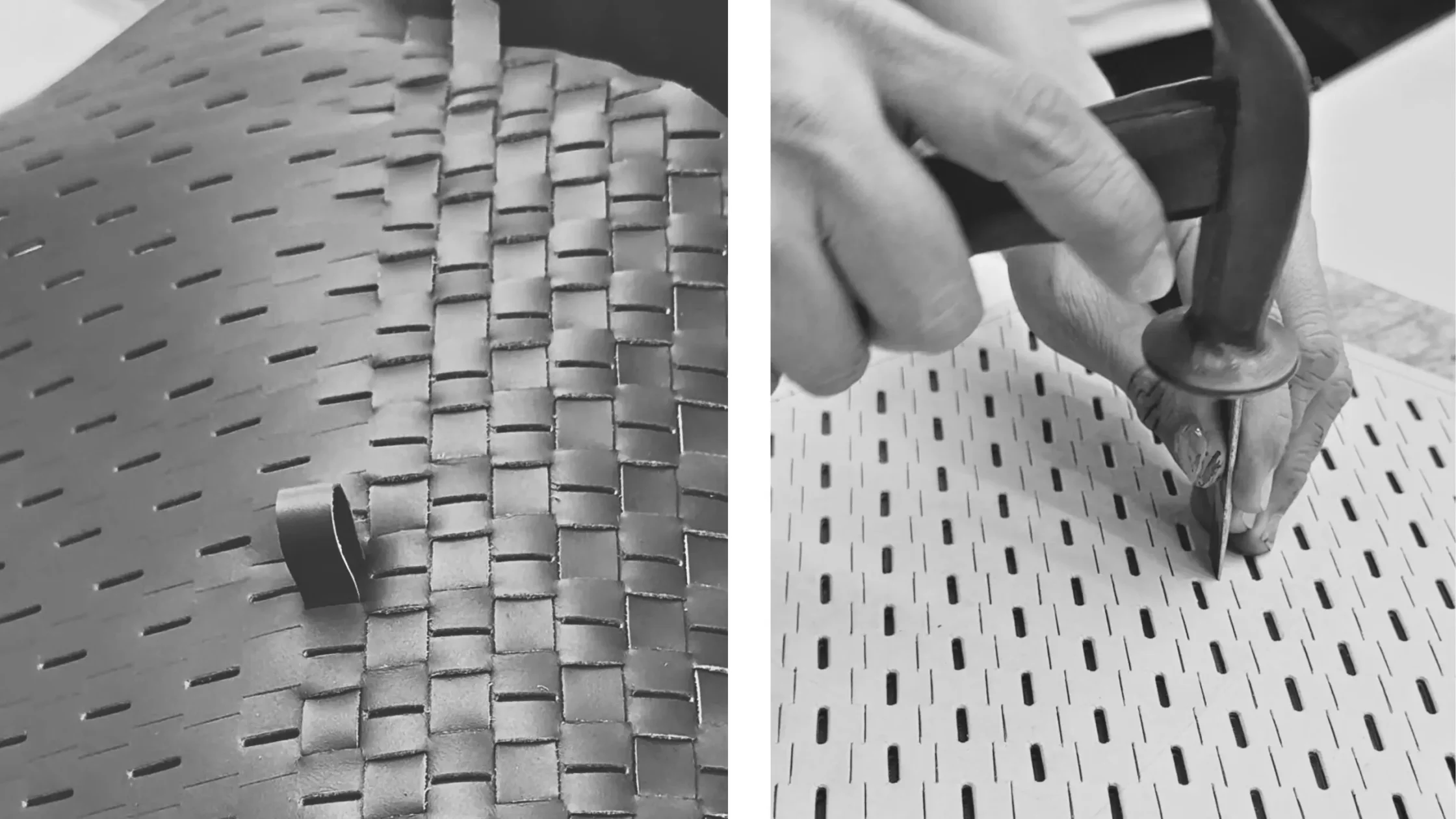
The result is a surface with unusual depth and dimension, more sculptural than it is decorative. It has functional advantages, too, of course. The woven structure allows the leather to breathe and adds a measure of water resistance.
There’s also something to be said about its form and structure. Beyond the weave, the bag’s details carry their own charm. The sides taper to frame the brand’s minimalist logo. Straps form an A-shaped divider, inspired by nautical navigation tools, reinforcing the Atlas theme of travel and direction. “It is not just about aesthetics,” Pineda says. “It’s structure, dimension, depth all woven together. Every detail is formed by intention.”

The Royal Atlas was conceived as a companion for the modern Filipino professional. Picture someone whose daily life moves fluidly between creativity and discipline. “It is for creative Filipinos who are proud to carry their identity through cities, airports, studios, and landscapes,” Pineda notes. That ethos informs the broader Atlas collection, which includes an overnighter, tote, crossbody, and clutch. Each piece is produced in limited quantities and individually numbered.
Architects like Pineda tend to believe that good design reveals itself slowly. The Royal Atlas works the same way. In an elevator pitch, we can say it is simply a well-made bag. Spend enough time with it, however, and we begin to notice the structure, the history, the references, and the quiet intelligence behind its form. Much like the bridges, pavilions, and buildings Pineda envisions, really—only this one fits in the overhead compartment.
Royal Atlas Collection is available in Fino Leatherware boutiques located at Trinoma, Mistukoshi Mall BGC, Power Plant Mall, Robinsons Magnolia, Alabang Town Center, Estancia, Podium, Shangri-La Plaza, and Glorietta.