A Look Inside the Cartier Exhibit at the National Gallery of Victoria in Melbourne




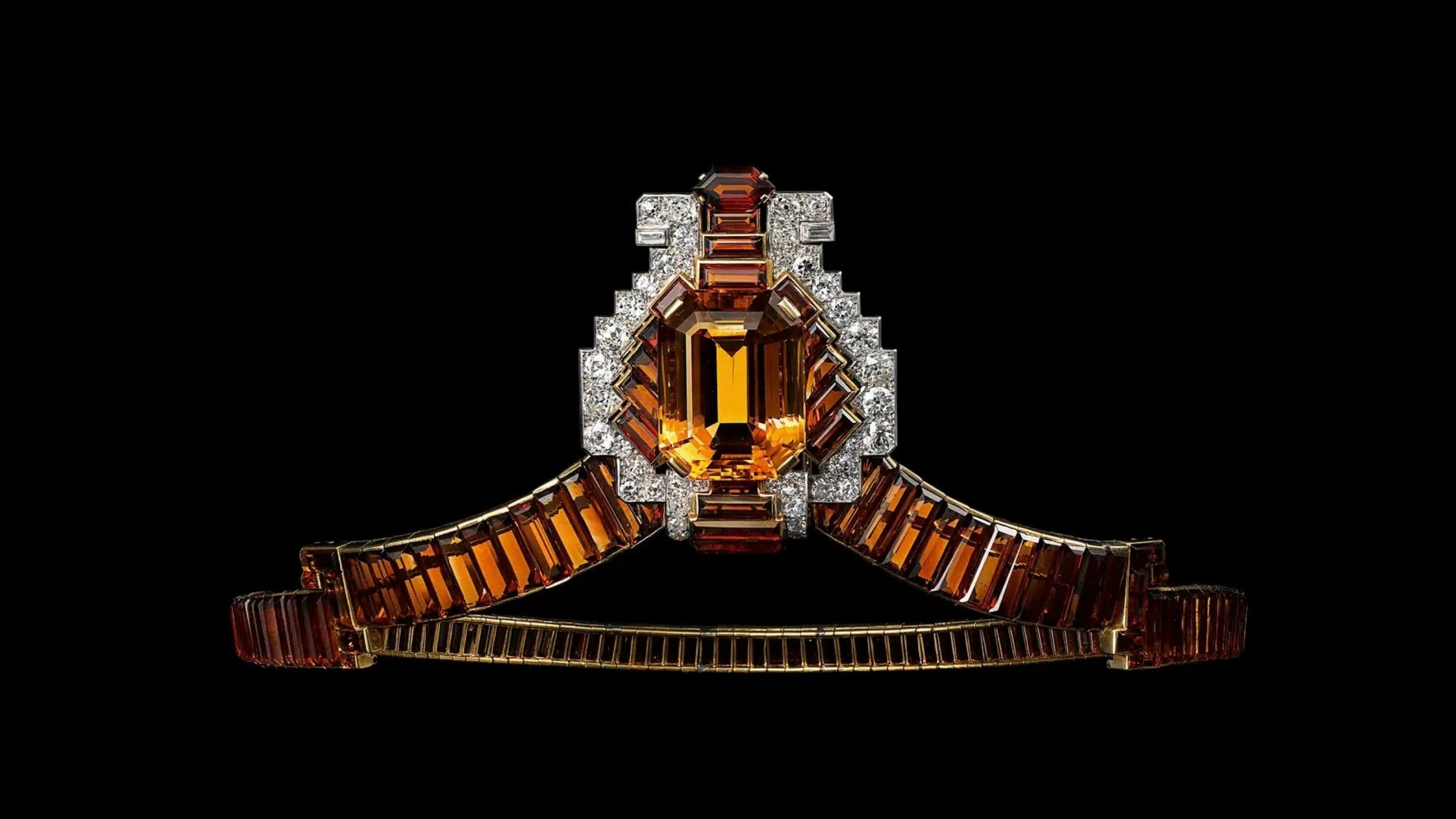
Cartier, on exhibition at the National Gallery of Victoria in Melbourne, begins with a tiara and ends with 24 of them.
The first, the Manchester Tiara made in 1903 for Consuelo Montagu, Dowager Duchess of Manchester, occupies a nook of its own. Over 1,500 diamonds rise in a lattice inspired by 18th-century French architecture and ironwork. The presentation has an unintended democratic charm: visitors crouch beneath the case for a photograph, adjusting their position until the crown appears to rest on their heads.
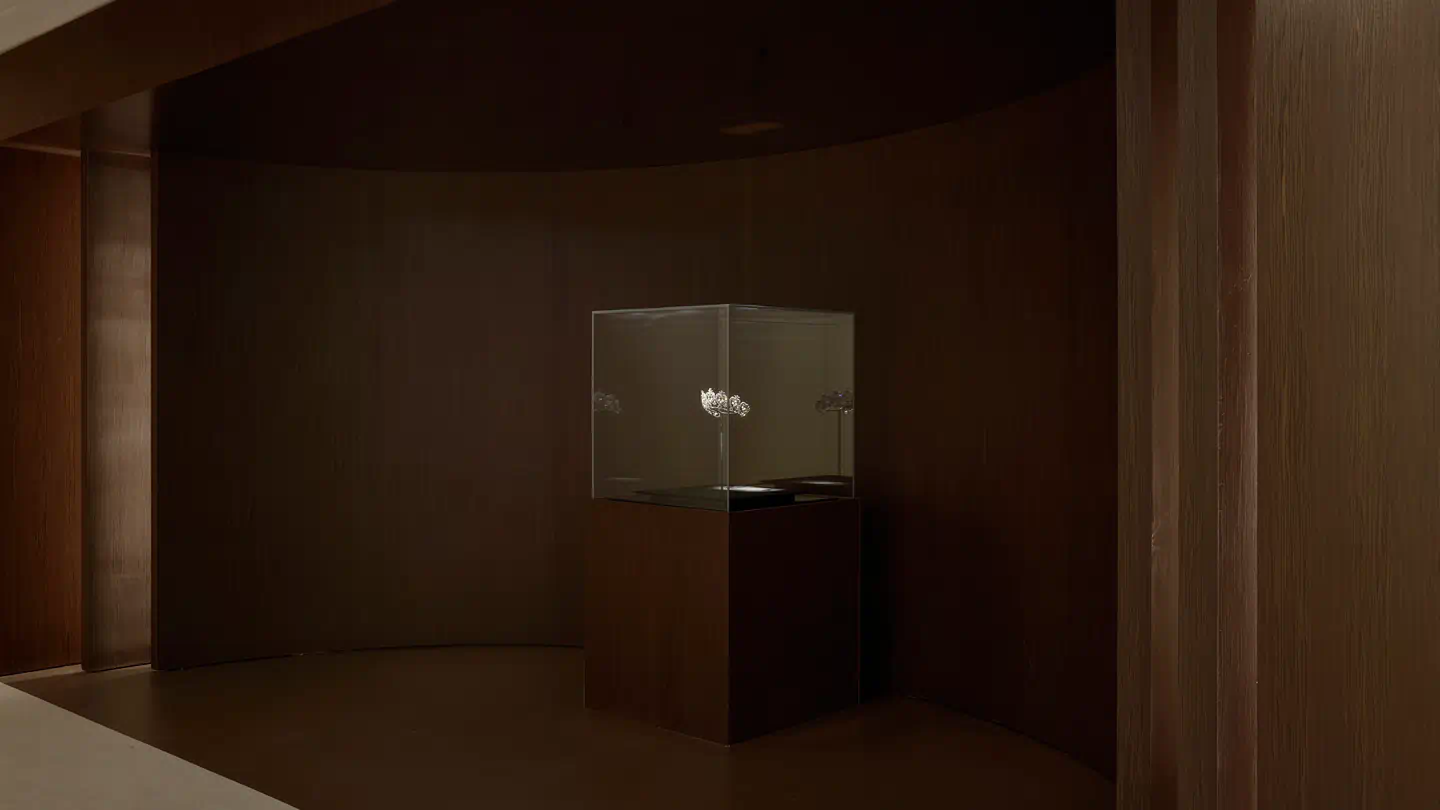
It is a playful, if stunning, opening to an exhibition freighted with aristocracy, celebrity, and wealth. Nearly 400 jewels, timepieces, and precious objects fill the galleries alongside drawings, photographs, and records that expose the thinking behind their construction by the storied Cartier, which Edward VI dubbed “the jeweler of kings and the king of jewelers.” First presented in London at the Victoria and Albert Museum in partnership with Cartier, the exhibition runs in Melbourne until October 4.
The Making of the Cartier Style
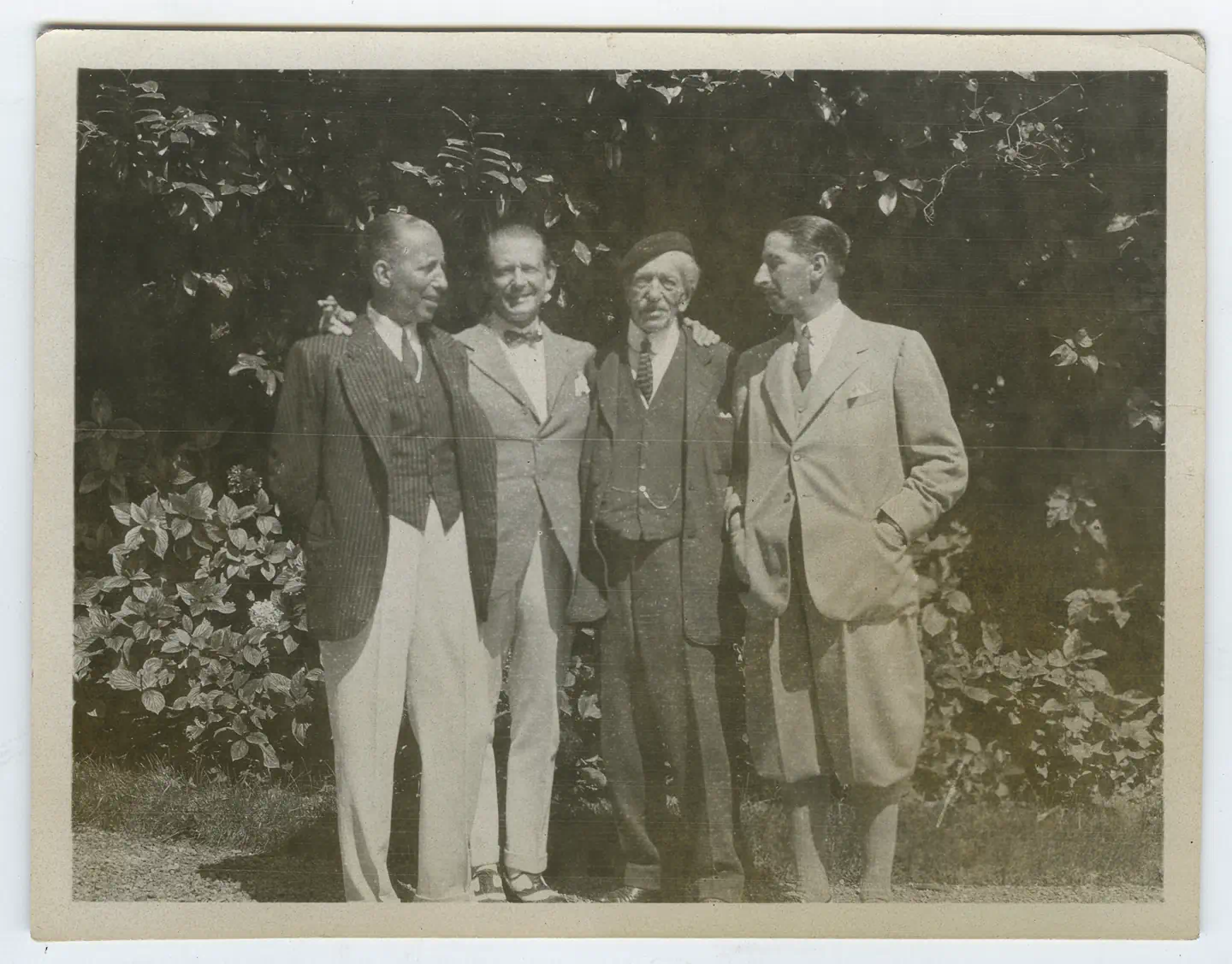
The chronology establishes the maison’s history, beginning with the founder Louis-François Cartier and the international expansion led by his grandsons Louis, Pierre, and Jacques. Yet, dates and dynasties soon give way to a richer account of how a design language is formed. Cartier looked widely and voraciously: at Egyptian antiquities, Indian jewelry, Japanese lacquer, Persian manuscripts, Chinese ceramics, and European architecture.
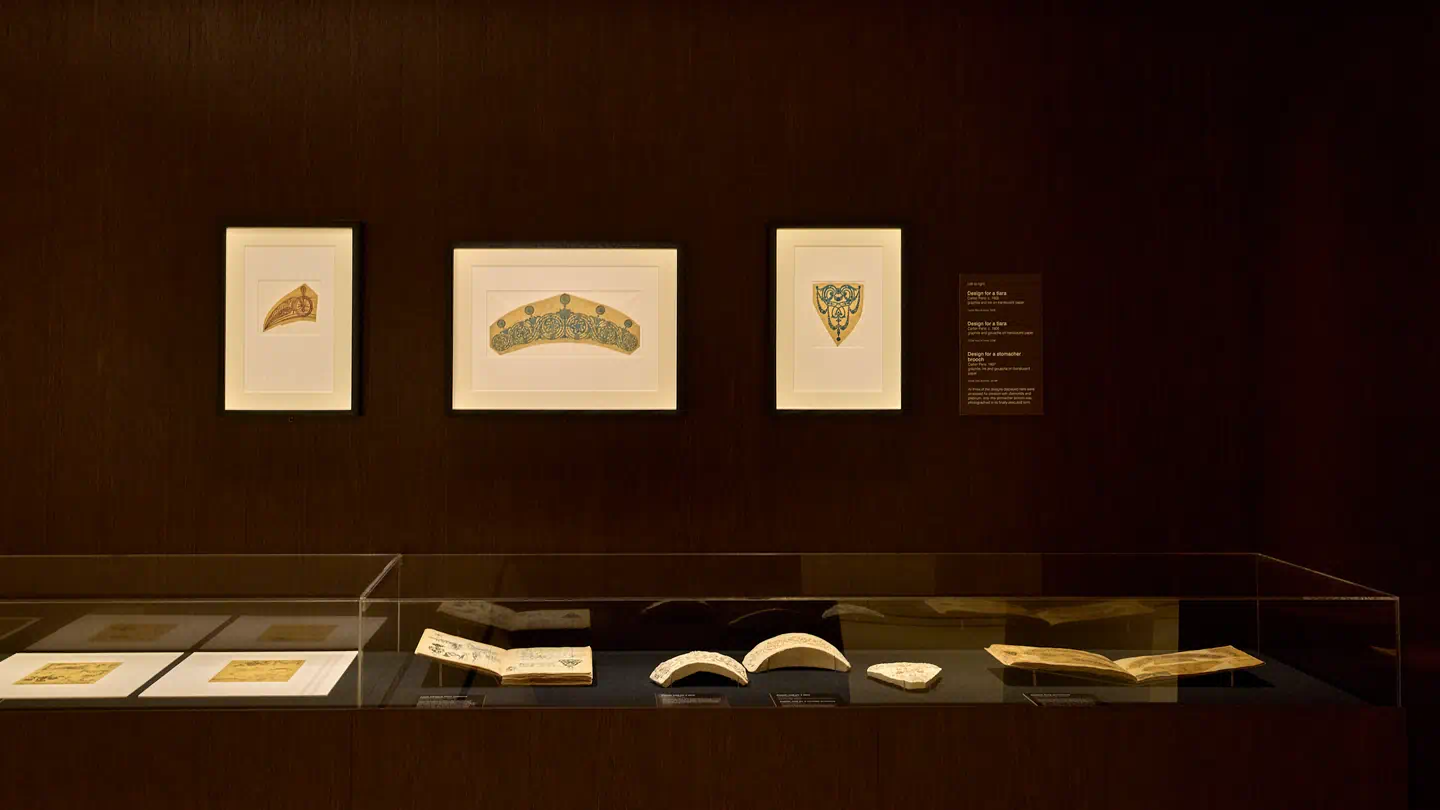
These references appear with enough supporting material to make their routes visible. Books, sketches, and archival photographs sit near the finished objects, showing how motifs were studied, dismantled, and reassembled.
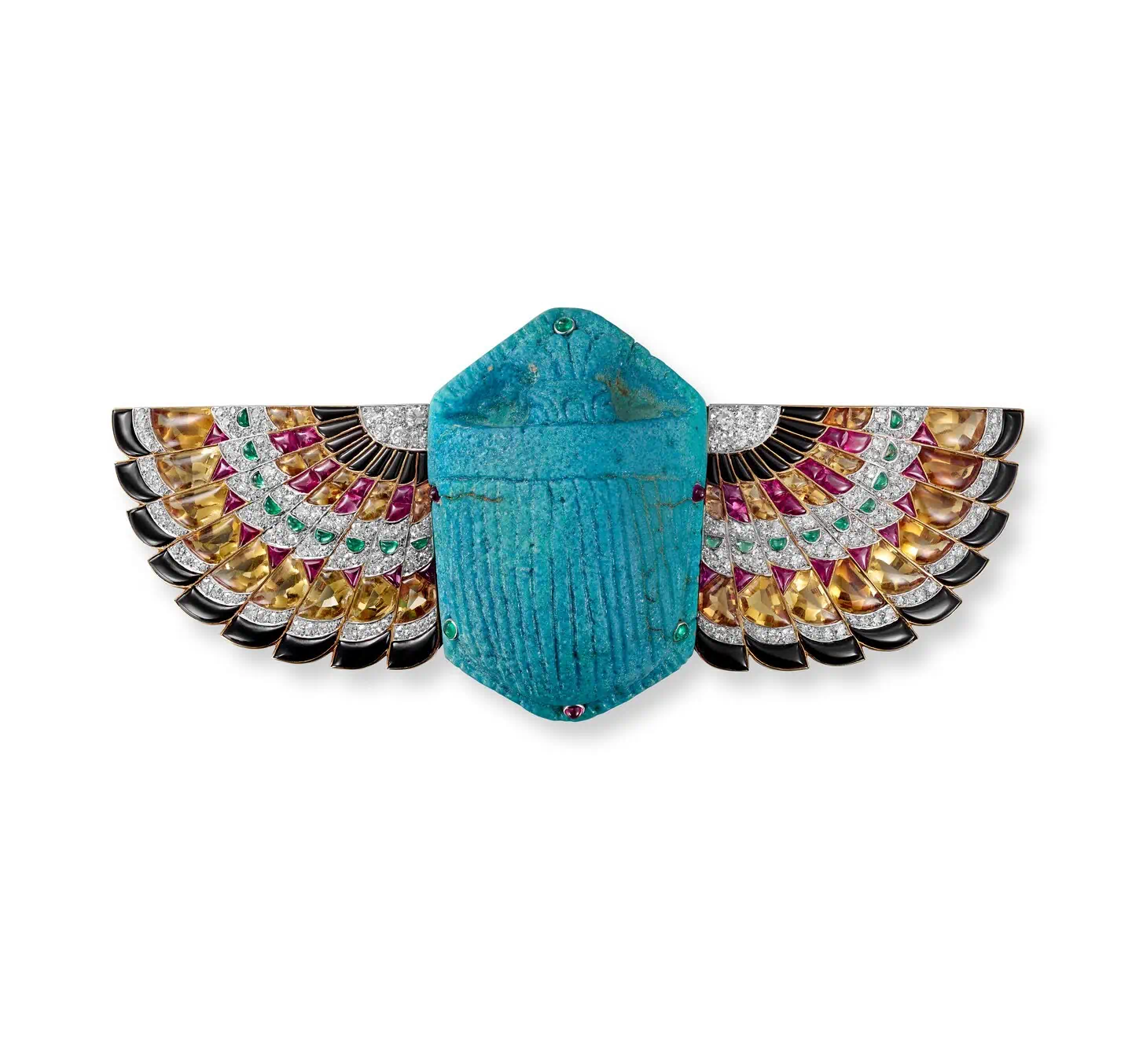
A motif drawn from one culture might be paired with a stone from another, then adapted for a client in Paris, London, or New York. The finished jewel reveals the tastes, wealth, and power of its time.
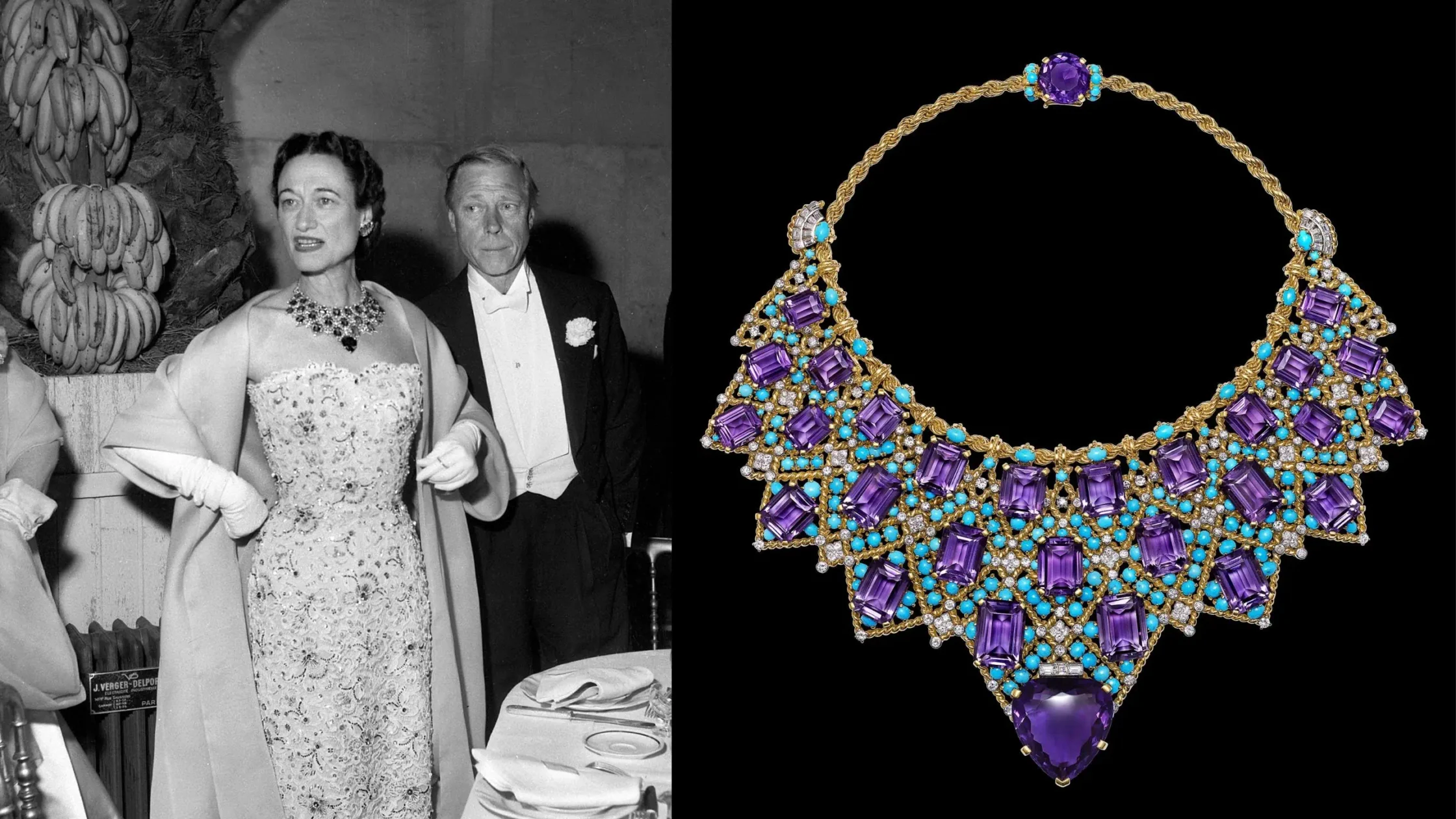
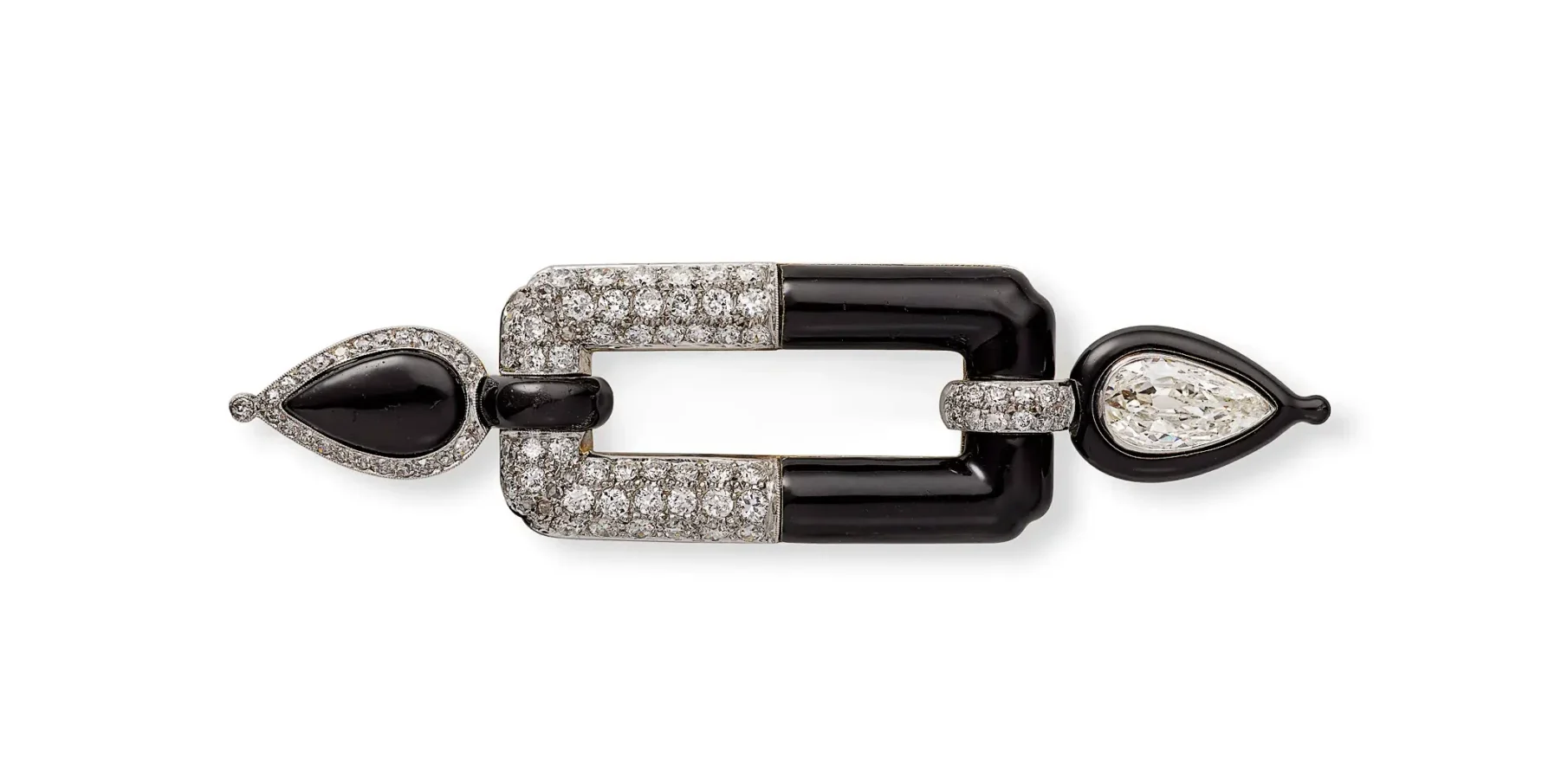
Then, Cartier’s familiar color combinations—coral and black, turquoise and purple, emerald and ruby—emerge as deliberate acts of composition. Materials could also be freed from their social associations: diamonds and onyx had long belonged largely to mourning jewelry, but in a 1910 notebook, Louis Cartier proposed the black-and-white pairing for daytime wear; by the end of the 1920s, it had become a language of evening glamour. Convention, in Cartier’s hands, supplied material for experiment.
Jeanne Toussaint and the Rise of the Panther
No figure understood that possibility better than Jeanne Toussaint, who began designing leather goods for Cartier in the early 1920s, ran its department for useful luxuryLuxuryA lifestyle defined by exceptional quality, craftsmanship, exclusivity, and sophistication, encompassing the finest products, services, and experiences that represent the highest standards of refinement and excellence.Go to Luxury Glossary objects and became creative director of Cartier Paris in 1933, remaining in the post until 1970. Her taste favored volume, color, and animals rendered with startling physicality, and it’s not surprising that she was allegedly known as La Panthère. In 1917, Louis Cartier gave her a diamond-and-onyx vanity case decorated with the first figurative panther to appear on a Cartier jewel.
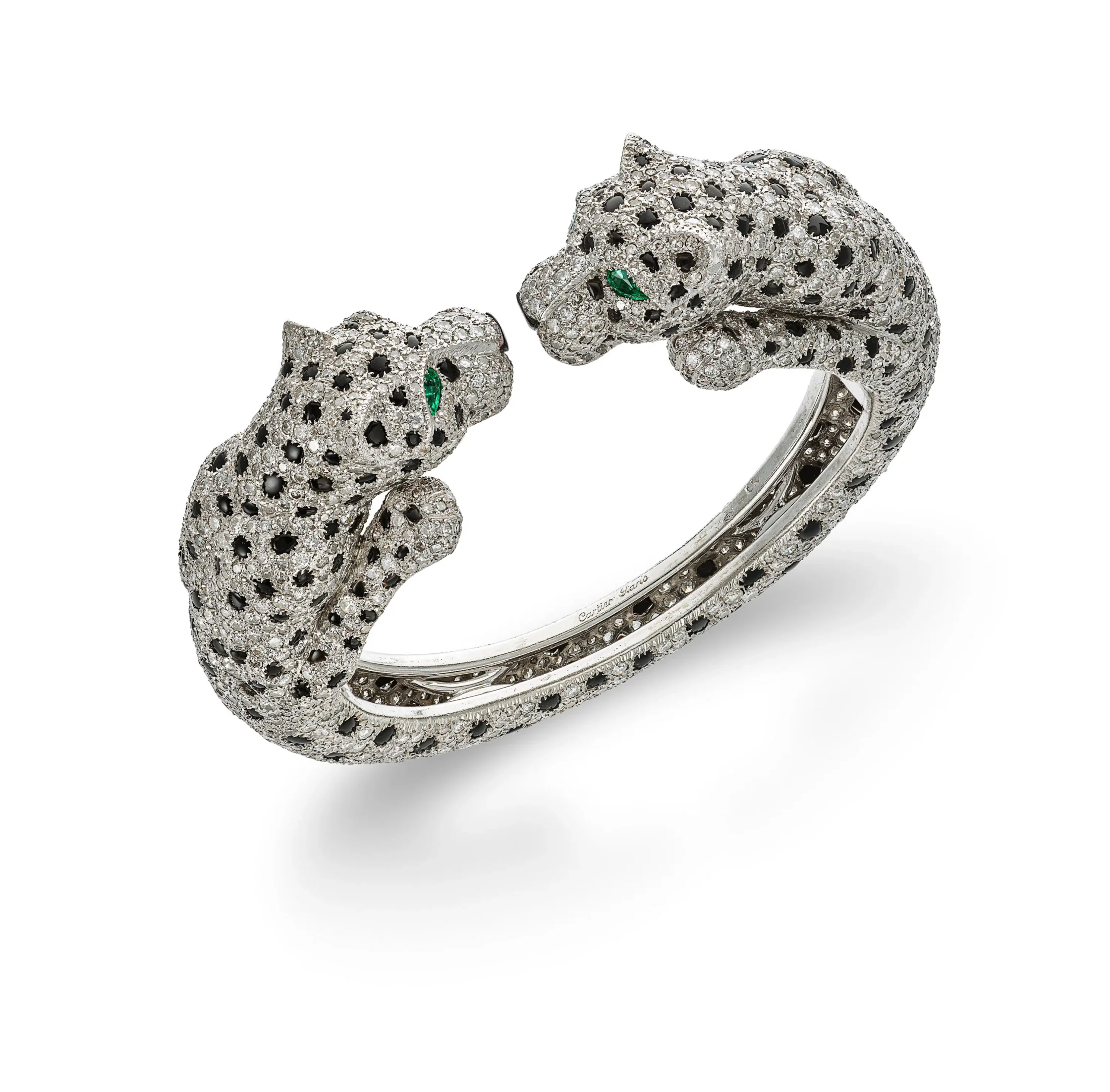
Under her direction, the cat became one of the house’s most persistent signatures and easily reached iconic status, prowling across brooches and bracelets, playful and imposing, yet always elegant.
Jewels With Famous Histories

Elechiguerra/Ignacio Castillo. María Félix La Doña is a trademark of Fomento Social María Félix, A.C. and the Estate of María Félix, S.A. de C.V.
The jewels gathered here have also accumulated meanings through their owners, which makes for a delicious serving of fun celebrity trivia. Grace Kelly, Elizabeth Taylor, the Duchess of Windsor, Princess Margaret, and María Félix appear throughout, including a poem about jadeite written in 1939 by a besotted Barbara Hutton.
Craftsmanship Becomes Art
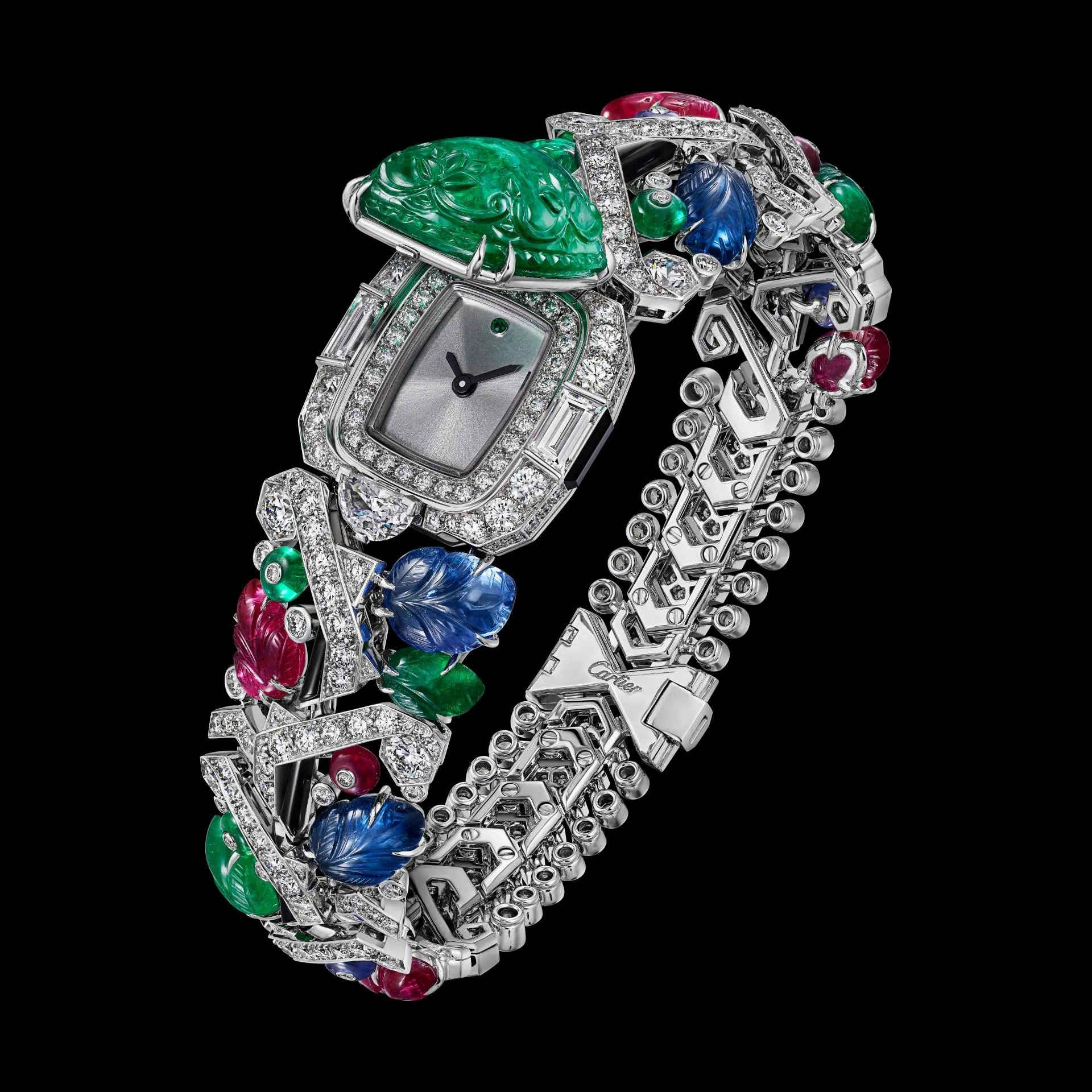
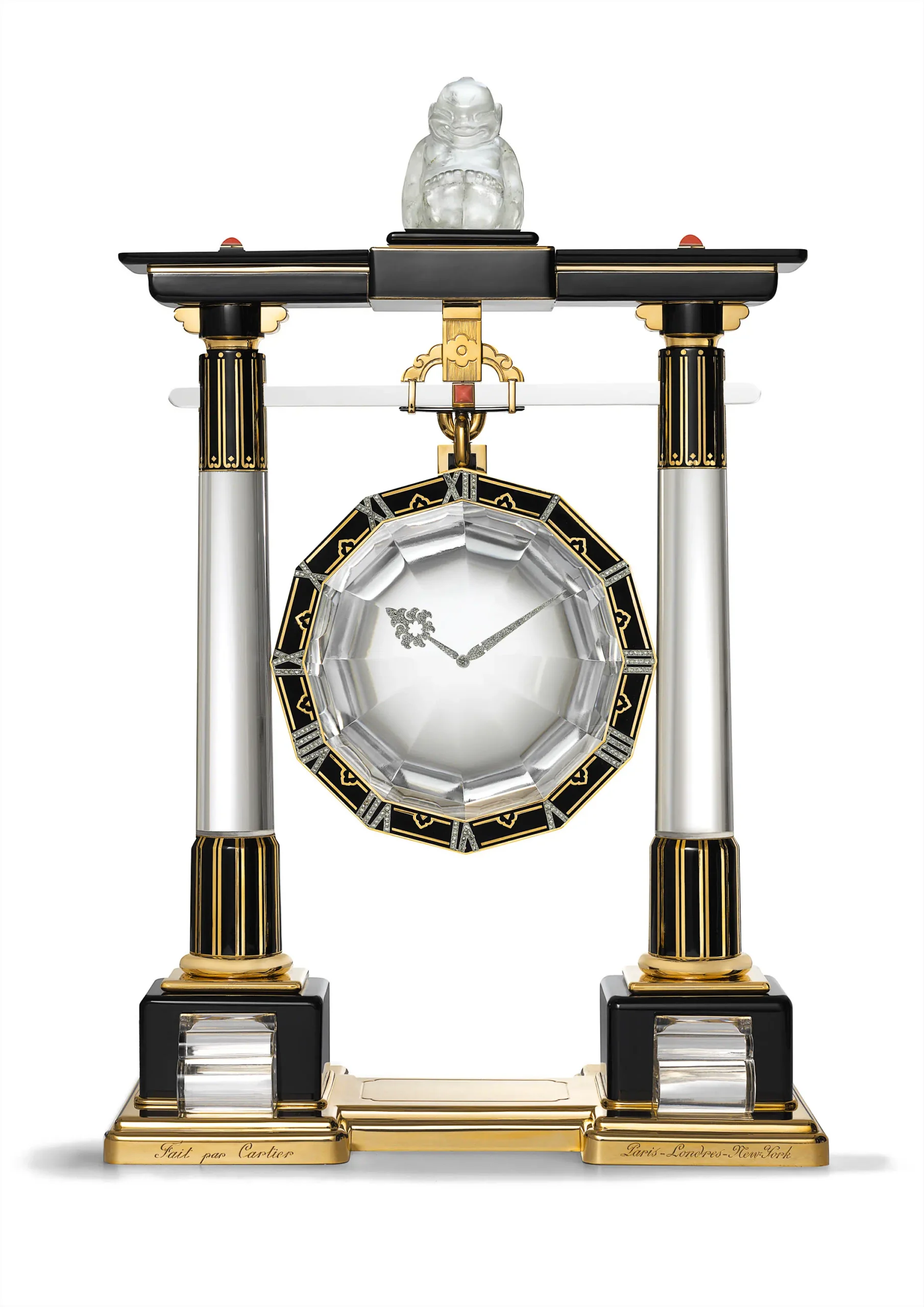
Artistry is often described as the meeting of hand, head, and heart. All three are present in Cartier’s work: the hand in its exacting workmanship; the head in its mechanics, proportion and ingenious conversions; the heart in the wit and desire that turn a utilitarian object into something worth contemplating. A telescopic mechanical pencil becomes a composition of emeralds, diamonds and enamel. A paper knife contains a watch. Clocks obscure their own mechanisms, while brooches detach and transform with a simple loosening of a latch.
Inside the Exhibition Design
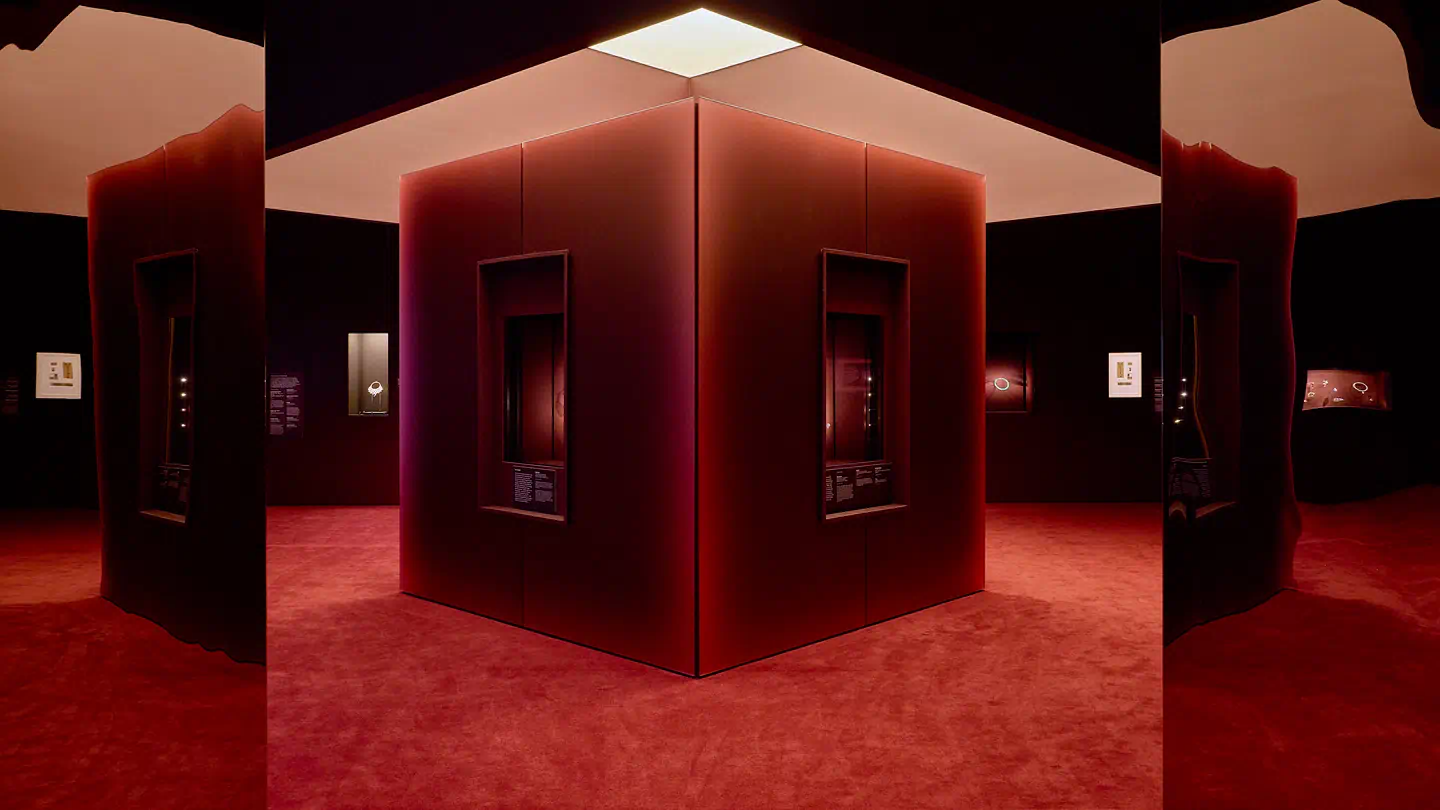
The galleries are a study in design and display, executed by NGV with Studio Sabine Marcelis and Cloud, two multidisciplinary design practices based in Rotterdam, The Netherlands. The exhibition is theatrical and modern, with some rooms giving the feel of what one might imagine the inside of a Cartier box might feel like, but never as though you’re looking into your grandmother’s jewelry case, and neither does it make it too precious or give a sense of musty history.
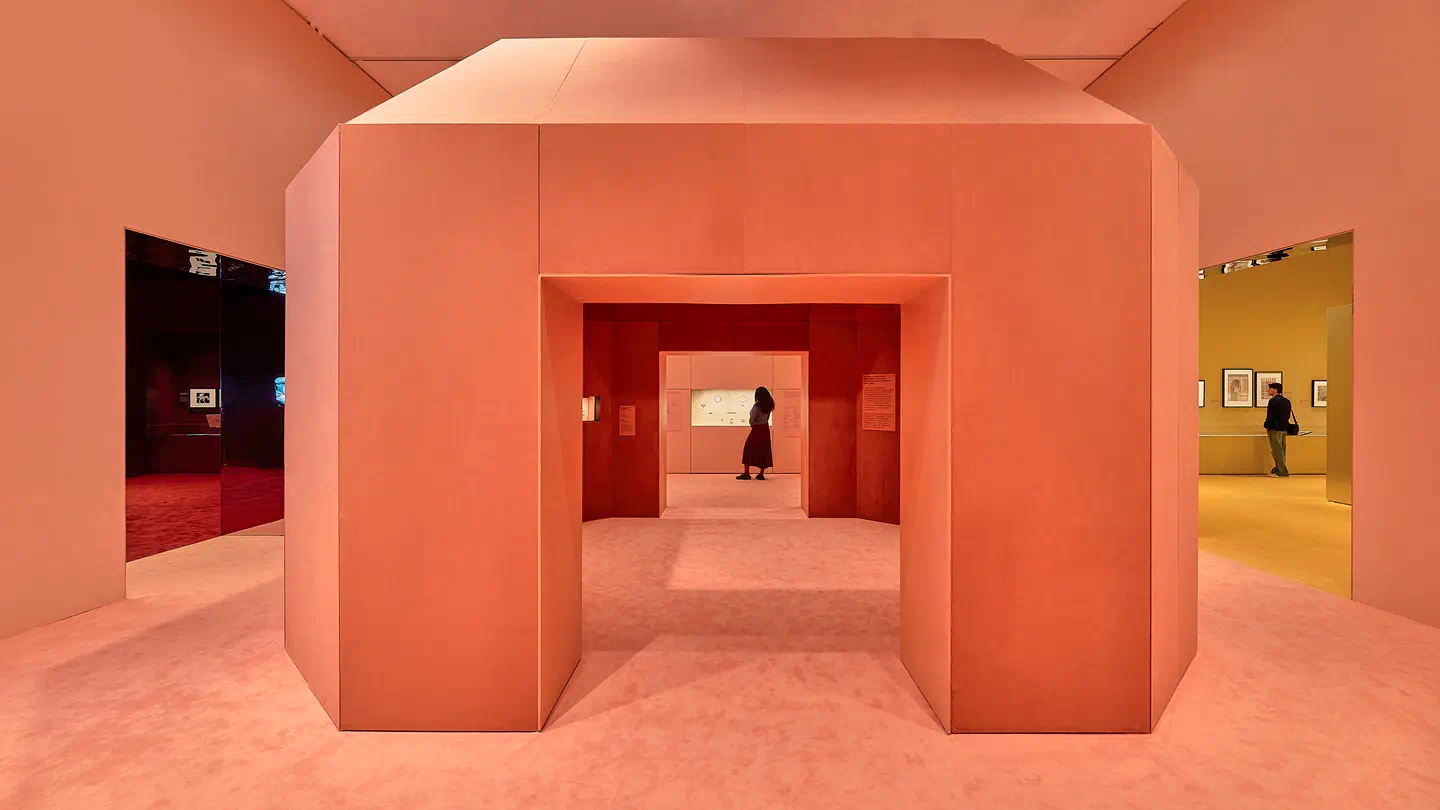
It’s intelligently laid out, immaculately lit, fresh, and immediate, making it gorgeous in its own right. The exhibition even plays an original soundtrack by Japanese electronic auteur Ai Yamamoto and Finnish composer Erkki Veltheim, creating a little bit of an ethereal electronic vibe.
A Regal Final Gallery
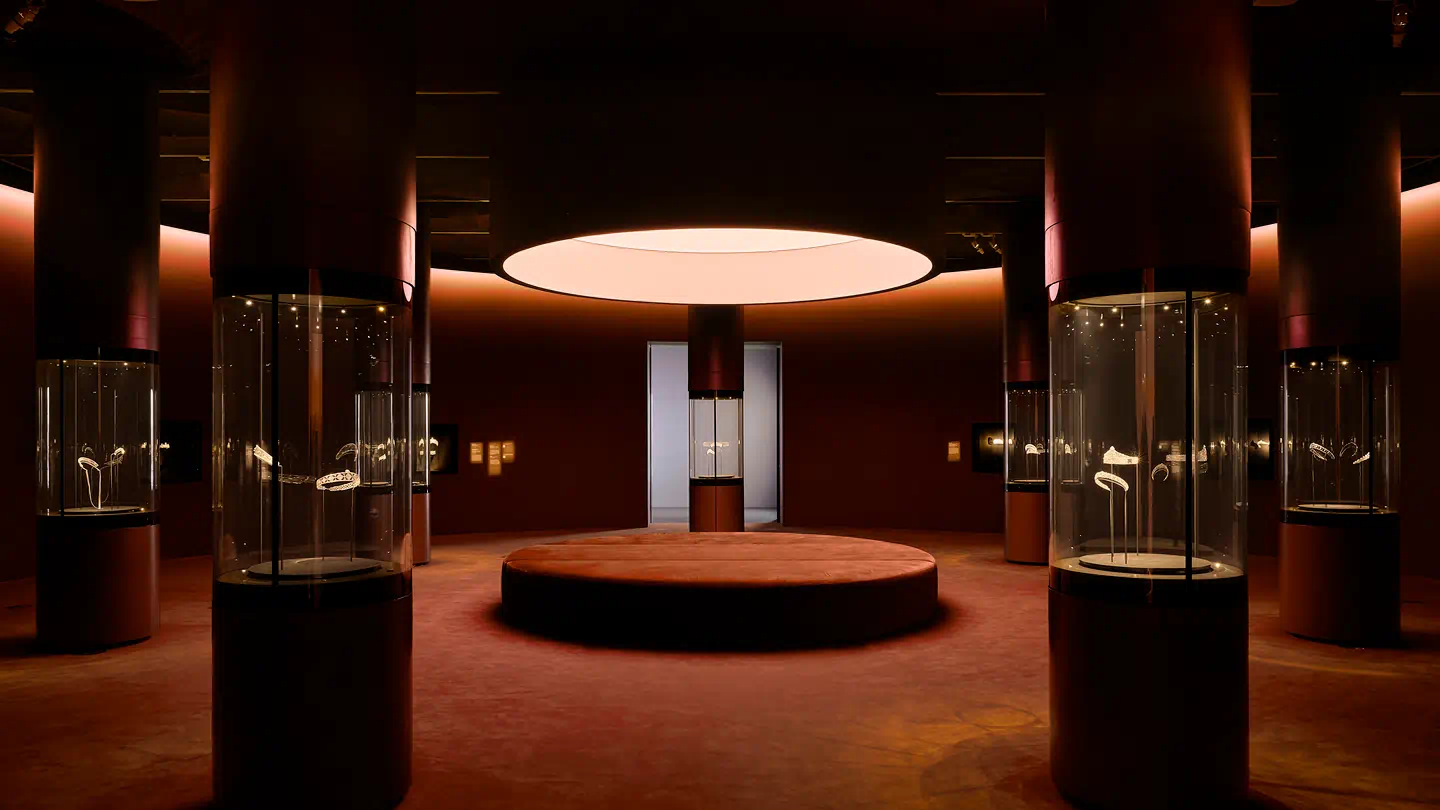
Cleverly, the exhibition concludes as regally as it began: tiaras stand in aquarium-like vitrines under dramatic light, appearing to float in the dark. Removed from heads, courts, and ceremonies, they become exercises in line, balance, and engineering.
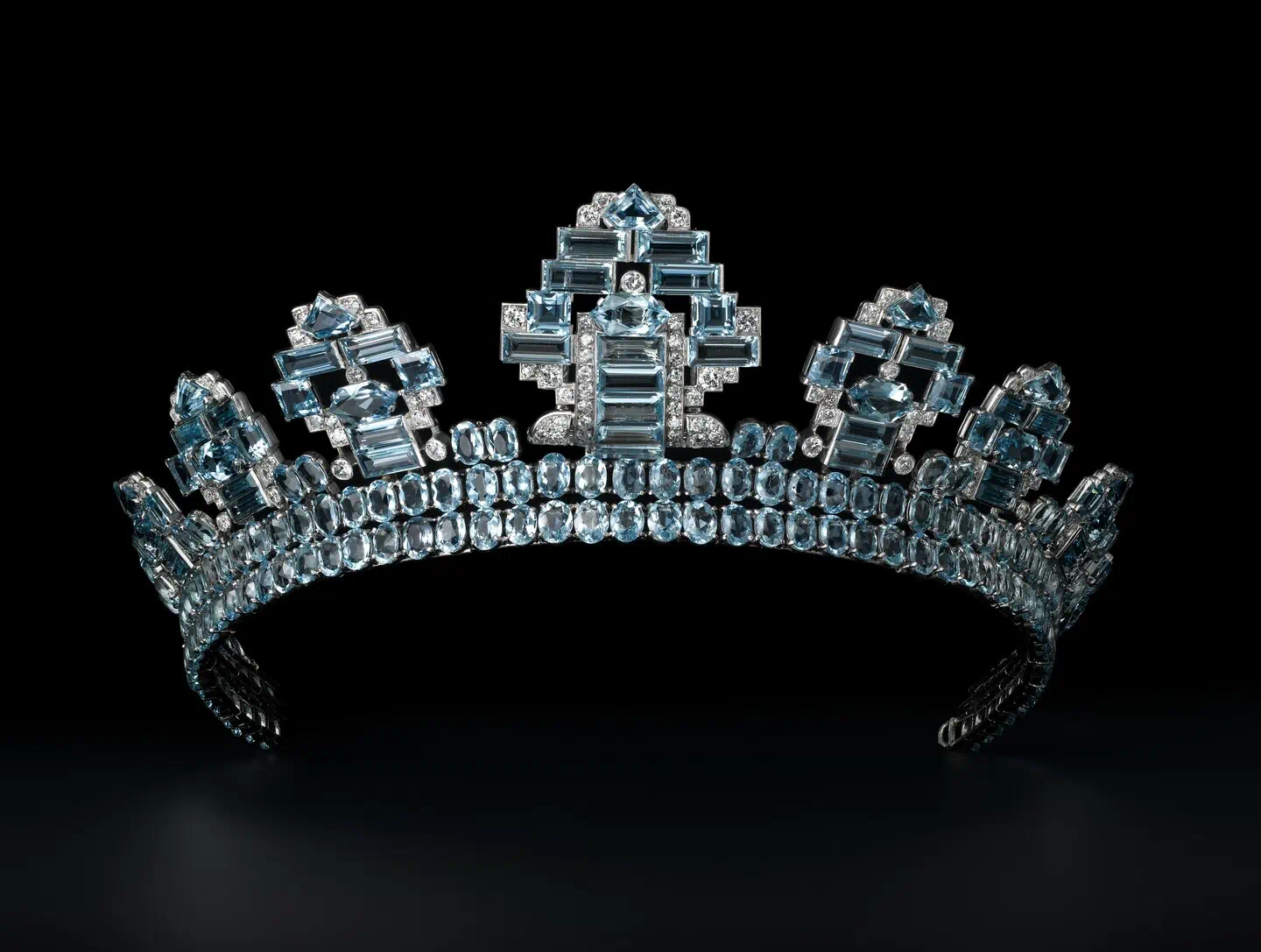
At the exhibition, the grandeur felt beside the point: the real luxuryLuxuryA lifestyle defined by exceptional quality, craftsmanship, exclusivity, and sophistication, encompassing the finest products, services, and experiences that represent the highest standards of refinement and excellence.Go to Luxury Glossary lies in the quality of the idea, and in the astonishing skill the house required to give it form.
Cartier is on exhibit until 4 October 2026, at the National Gallery of Victoria International, 180 St. Kilda Road, Melbourne, Australia.