The Exacting Eye of Kit Roxas: The Life and Legacy of Ma. Cristina Consing Ongpin Roxas




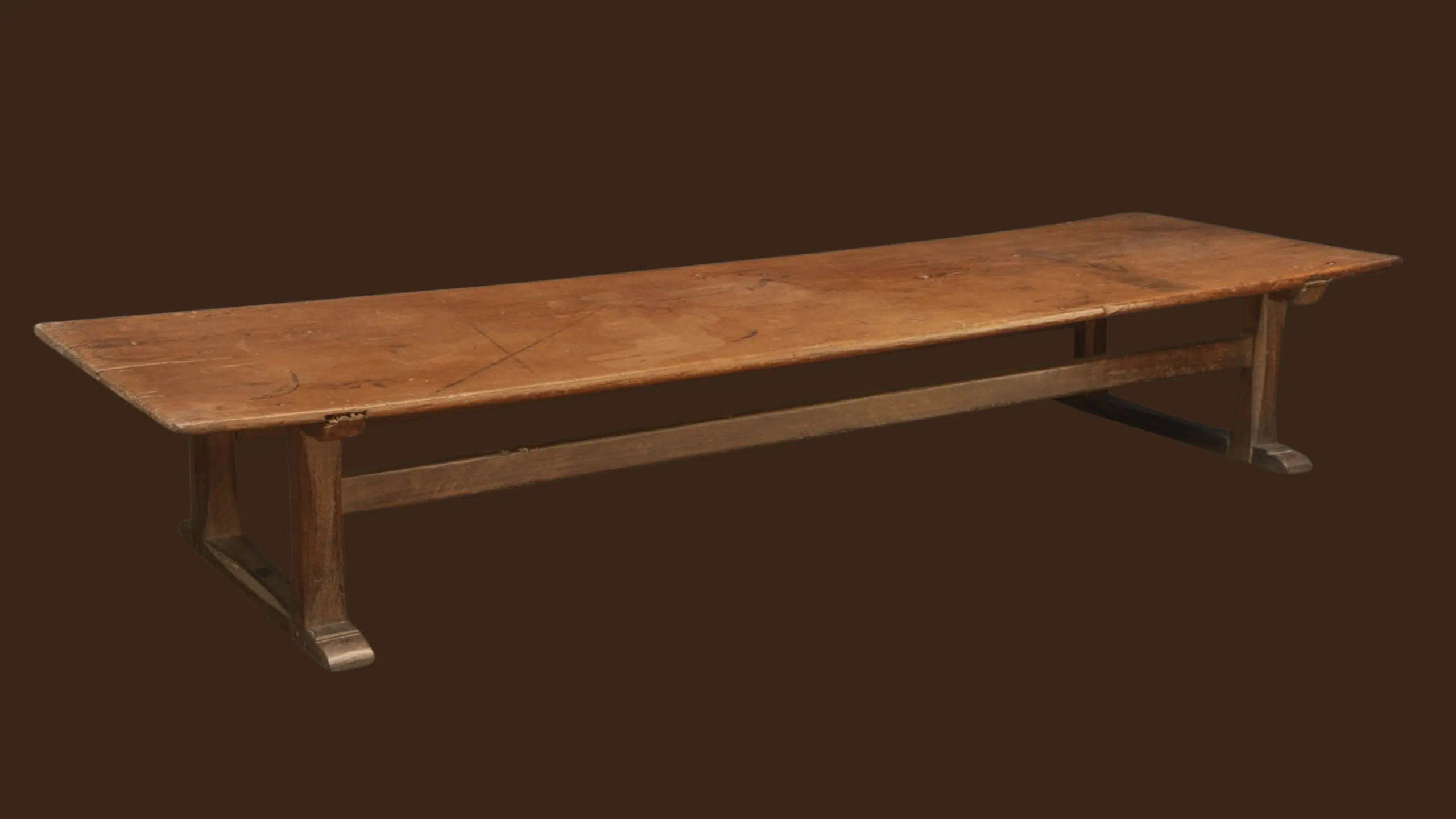
Ma. Cristina Consing Ongpin Roxas, or “Kit,” had an excellent eye. No one had a better, more exacting knowledge and feel for antique Oriental ceramics, an expertise honed while working alongside her mother, Fe Ongpin, the original Oriental ceramics expert. Through decades of experience and handling the finest of objects, Kit could tell a lot about Oriental ceramics with just one glance: its glaze, its kiln of origin, possibly even its excavation site, and know more just by running her hands through it and then gently tapping it, knowing if it’s pristine or repaired/restored, quickly assessing its current market value.
She also had an unerring eye for quality, and was known for selling blue-chip Filipino artists Fabian de la Rosa, Fernando Amorsolo, Vicente Manansala, Victorio Edades, H R Ocampo, Jose Joya, Fernando Zobel de Ayala Montojo, BenCab, et al. She often engaged with leading art critics and collectors.
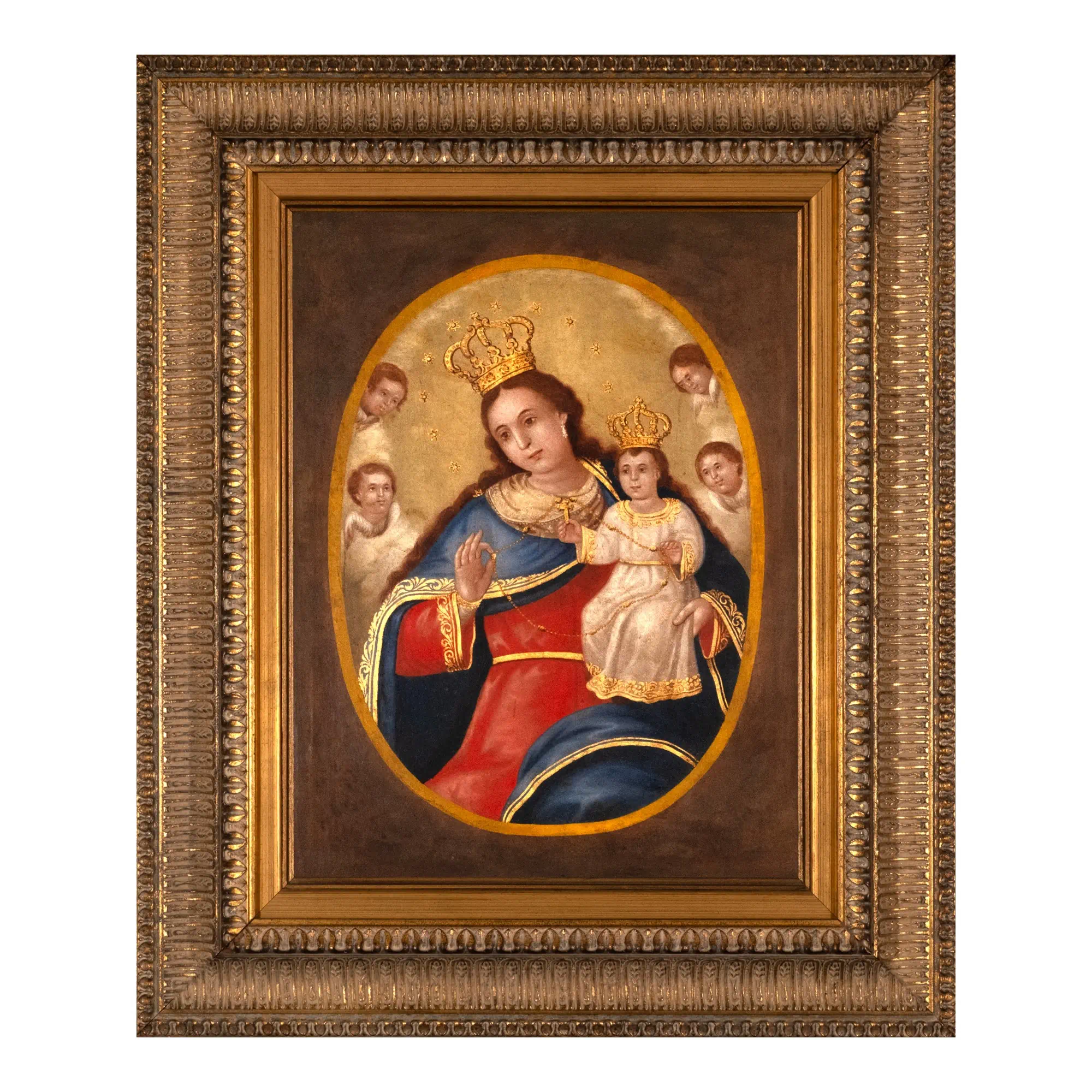
The true Indiana Jones of the Philippine antiques trade, Kit traveled locally and internationally to discover hidden gems. Her background in architecture and civil engineering informed her expertise in antique Filipino and Chinese furniture. She knew the various Philippine hardwoods, had a feel for old wood, understood classical furniture construction, thoroughly researched repairs and restorations, and kept herself up to date on materials, finishes, and techniques.
She had a distinct aesthetic that left its mark in many finely furnished distinguished collector’s homes today.
As for the decorative arts, Kit had visited the most beautiful houses in Manila for decades, and through her, appreciation of them grew. Her quiet elegance drew people to her and forged deep friendships that helped build the finest collections. She understood intuitively how her world lived, what they desired and required.
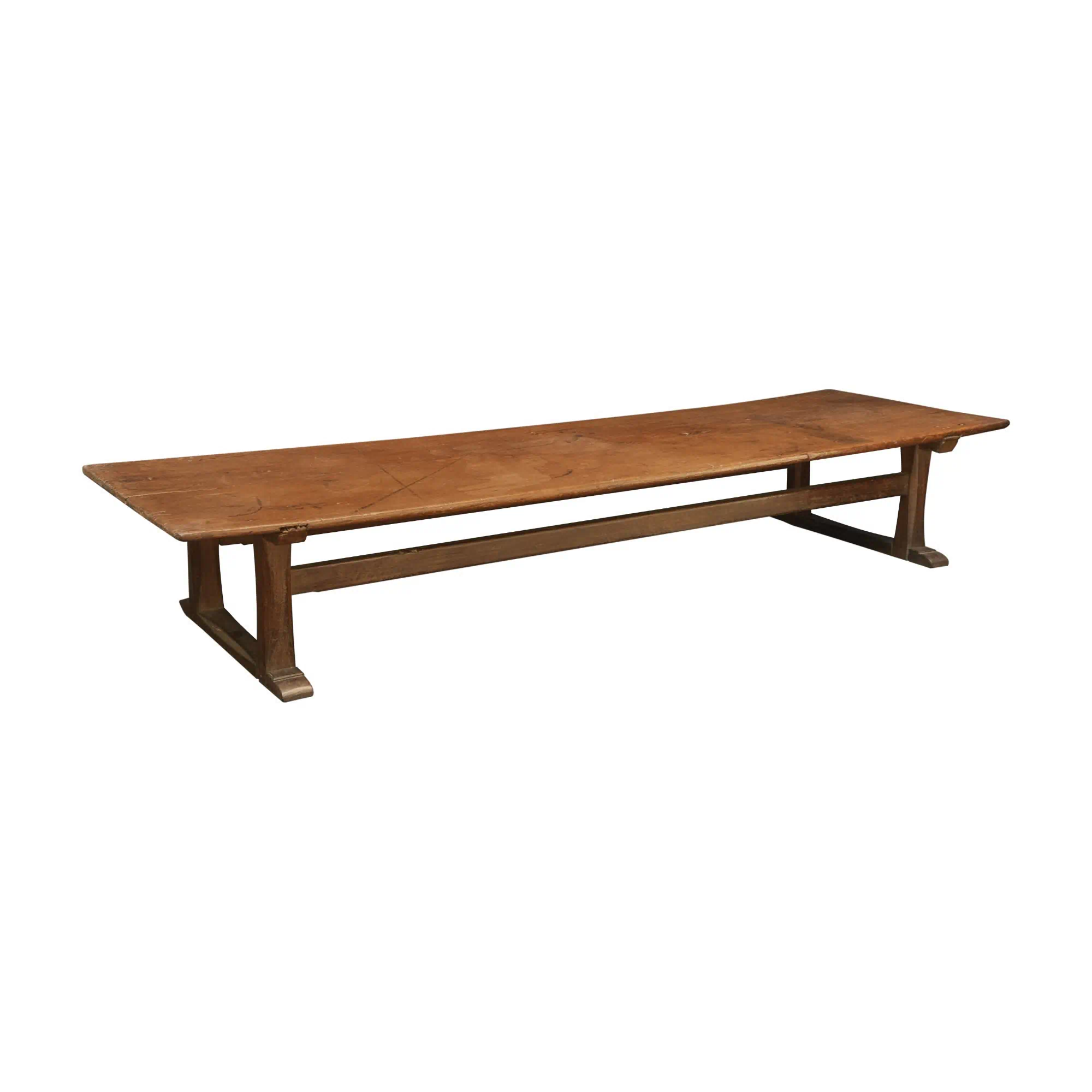
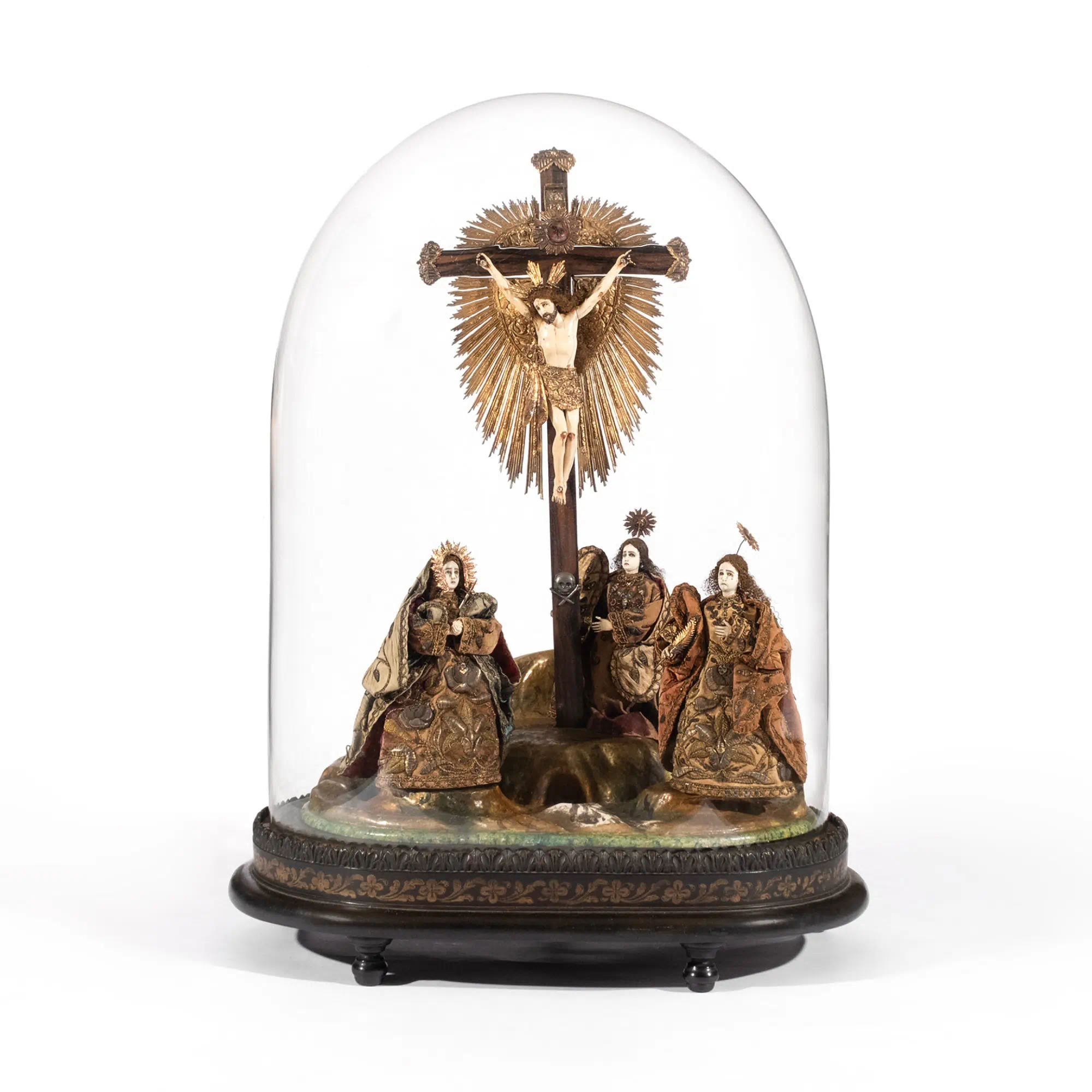
Her Tawalisi store inventory reflected that discernment: upscale paintings, excavated Oriental ceramics, Oriental jars, Manila kamagong aparadors, Batangas hardwood mesas altares, Bulacan bone-inlaid mesas altares, long narra dining tables, elegant chairs, antique sofas and lounging chairs, tester beds, antique chandeliers, hanging lamps, church silver, antique glass. It was everything that defined a truly upper-class Filipino home. At least, until mass-market, senseless modernism crept in, yet again.
Crème de la crème of the antique world
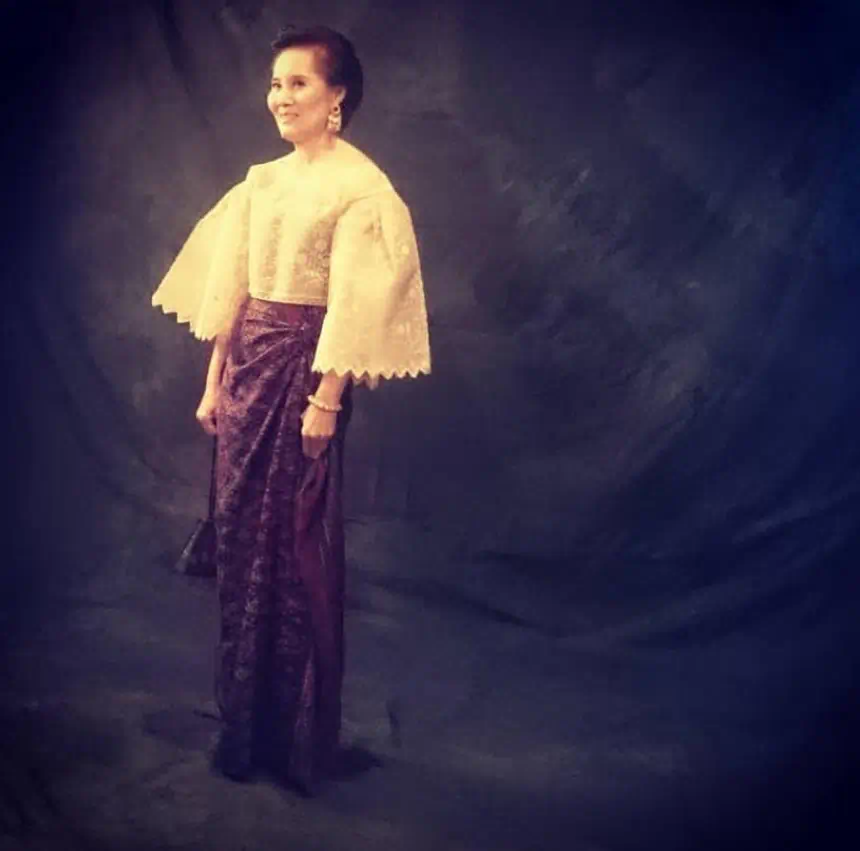
Kit had taste. Kit had style. She was pretty, slim, and chic. Effortlessly. She dressed with understated elegance; she always looked good. She remained so to the end.
Her clients were the same: attractive, intelligent, fascinating, stylish, rich people. Very rich people. After all, one had to be very rich to buy from Kit’s “Tawalisi” and Boy’s “Katutubo.”
The hobby of collecting art and antiques is a very expensive pastime, once reserved only for royalty and aristocracy.
Kit was born to Magin Tempongco Ongpin, an engineer, and Fe Calo Consing, an architect, on 3 June 1942, during the early years of World War II. Kit was named after her paternal grandmother Dona Cristina Tempongco y Calixto, Sra de Ramon Bartolome Ongpin y Domingo (Lola Tinay). Don Ramon was a son of the famous Chinese–Filipino community leader Don Roman Ongpin y Tanbensiang and his wife Dona Pascuala Domingo y Encarnacion, a descendant of the pioneer Filipino painter Damian Domingo. Don Ramon was the father of Magin Ongpin, Kit’s father.
Kit spent her formative years in Cebu and attended Saint Theresa’s High School. Even at a young age, Kit was developing a taste for fine art and upscale antiques, which wasn’t surprising considering she was a grandniece of Don Alfonso Tiburcio Ongpin y Domingo (Lolo Poncho), her grandfather Don Ramon’s younger brother, the pioneer and foremost art scholar, aesthete, connoisseur, and dealer in Manila during the first half of the twentieth century. Art was a traditional Ongpin involvement.
College was in Manila. She took care of her younger siblings. Her architect mother Fe was widowed early and occupied herself with commercial construction projects in Cebu and Iloilo. It was during excavations for Shell gasoline stations that Fe first encountered the antique Oriental ceramics that would be her second career. And later on, Kit’s. Those early ceramic finds are now exhibited in London and elsewhere in Europe, taken there by the expatriate executives who funded those construction projects.
Fe Calo Consing, Mrs. Magin Tempongco Ongpin, was a daughter of Don Rafael Consing y Soriano (Lolo Pael) and Dona Emilia Calo of Butuan, Agusan del Norte. Don Rafael married three times, the second to Dona Porfiria Quintana, and the third to Dona Remedios Pagkatipunan. Don Rafael Consing y Soriano was a cousin to prewar Iloilo Governor Don Timoteo Consing y Yusay. Fe’s half-brother, the World War II hero Horacio Quintana Consing, was killed in Fort Santiago for refusing allegiance to Japan. The famous young banker Rafael Jose Consing Jr. (Joel) is descended from Don Rafael and Dona Remedios. It was from the Consing and Soriano lines that Fe and Kit were related to all of Old Iloilo—Lopez, Ledesma, Jalandoni, Yulo, Montinola, Sanson, Villanueva, Araneta, Lacson, Yusay, Locsin, et al. It was from the Calo line that Fe and Kit were related to all of Butuan, Agusan del Norte. That was Fe’s and Kit’s social network, to which Ongpin–Binondo and Roxas–Capiz were added later by marriage.
As a young student, Kit was always a whiz at numbers. She was the first female Architecture and Civil Engineering graduate of the Mapua Institute of Technology along with her sister Leni (Elena Consing Ongpin–Haag). Bert finished Architecture at Mapua, and became President of the Roxas family business, RECCI Roxas Electric & Construction Company.
Kit (Maria Cristina Consing Ongpin) and Bert (Roberto Berja Roxas) married on 19 December 1965 at the Mary the Queen church in Greenhills. They had 4 children: Bamm (Jose Maria Ongpin Roxas), Pebbles (Maria Teresa Ongpin Roxas–Lichauco), Ginger (Anna Maria Ongpin Roxas–Arzt), and Pepper (Maria Isabel Ongpin Roxas-Houhoulis).
During the 1960s, Fe Consing–Ongpin maintained an informal antique shop in the garage of her home at #1191 San Marcelino street, Manila. It was there that the young Imelda Romualdez–Marcos and the “Blue Ladies” (Marcos Sr–affiliated society matrons) would sit on the floor and study the excavated genuine Oriental ceramics which were all the rage for collectibles at that time in Manila high society. Kit’s kids Bamm, Pebbles, Ginger, and Pepper remember all sorts of curious and strange objects at Lola Fe’s home, like ancient celadon plates and barnacles immersed in buckets of fresh water to separate them and old burial jars that would rattle at night. Fe’s antiques business grew organically to a second location at Padre Faura street in Ermita.
It was a very good time, a burgeoning time, for the antiques business, so Kit and Bert bankrolled the #1191 Art & Antiques shop of her mother Fe at the new and fashionable Quad Theater and Shopping Arcade at the MCC Makati Commercial Center because they wanted to establish the business in a better, busier place than Fe’s home at #1191 San Marcelino street and the second shop at Padre Faura street, Manila.
Opening Fe’s antiques business at the Quad Theater and Shopping Arcade in Makati, the third iteration of #1191 Art & Antiques, improved access to the most affluent clientele. Kit followed her footsteps to become the principal doyenne of the Manila art and antiques world, following the 2002 demise of the senior Viring de Asis, who dominated that realm during the late Marcos Sr era (1980–1986) and beyond.
A highly experienced Kit finally came into her own when she established “Tawalisi Art and Antiques” in the early 1980s on Burgos street, Makati. A cerebral and exceptionally well-read lady, the unusual name Tawalisi was not a random choice from nowhere; it was an esoteric one. Kit had always admired the national hero Dr Jose P Rizal. She recalled that Rizal had read with great interest about ancient and medieval accounts of what seemed to be Las Islas Filipinas: Claudius Ptolemy, a Greco–Roman mathematician, astronomer, and geographer from the 2nd century Alexandria, Ptolemy discussed the emergent science of cartography and the known Greco–Roman world, including China (and by extension, Filipinas); Ibn Battuta, a Moroccan traveler from the 14th century/1300s, had visited Tawalisi in Southeast Asia and encountered its warrior princess Urduja. And so, Tawalisi it was.
The “Tawalisi Art and Antiques” store on Burgos street became a de facto hangout for the city’s affluent culturati, who admired, desired, and acquired Kit’s constantly replenished stock of Filipino and international fine art, antique classical Filipino furniture, and Filipino and European decorative items.
After some years at Burgos street, Kit transferred “Tawalisi Art and Antiques” to a prime and spacious location on the ground floor of the new LaO’ Center building along Pasay road/Arnaiz avenue. When Boy Villegas’ “Katutubo Arts & Crafts,” Omeng Esguerra’s “Osmundo Gallery,” opened shop as well, LaO’ Center became the best destination for the finest art and antiques in Manila, bar none.
Kit was an Ongpin of Binondo (a patrician Chinese–Filipino clan steeped in big business and the fine arts), a Consing of Iloilo (a respected sugar planter and political clan), and a Mrs Roxas of Capiz province to boot (a prominent landed and political family, relatives of President Manuel Acuna Roxas and famous soprano Jovita Flores Fuentes [who were closely related by blood, according to family, not geni.com]; and that guaranteed unquestioned entrée to privileged Manila circles.
When Kit passed away on 17 January 2026, it was the end of a memorable golden era of art and antiques in Manila. – Augusto Marcelino Gonzalez III
Leon Gallery’s The Magnificent September Auction will be held on September 12, 2026. More details here.
Proceeds from the sale of the Kit Ongpin-Roxas curated lots will directly support a definitive technical and scientific study on the history of Philippine furniture, to be featured in LIKHA 5 at the Likha Filipino Exhibition Halls in October 2026, highlighting the evolution of contemporary craftsmanship. Through the work of a team of specialists in heritage conservation and material science, this initiative honors the legacy of Kit Ongpin-Roxas, reflecting her enduring passion for Philippine art and heritage.
Written by Augusto Marcelino Gonzalez III and reprinted with permission from Leon Gallery.