How Art Handlers & Logistics Specialists Move the Philippines’ Most Valuable Art




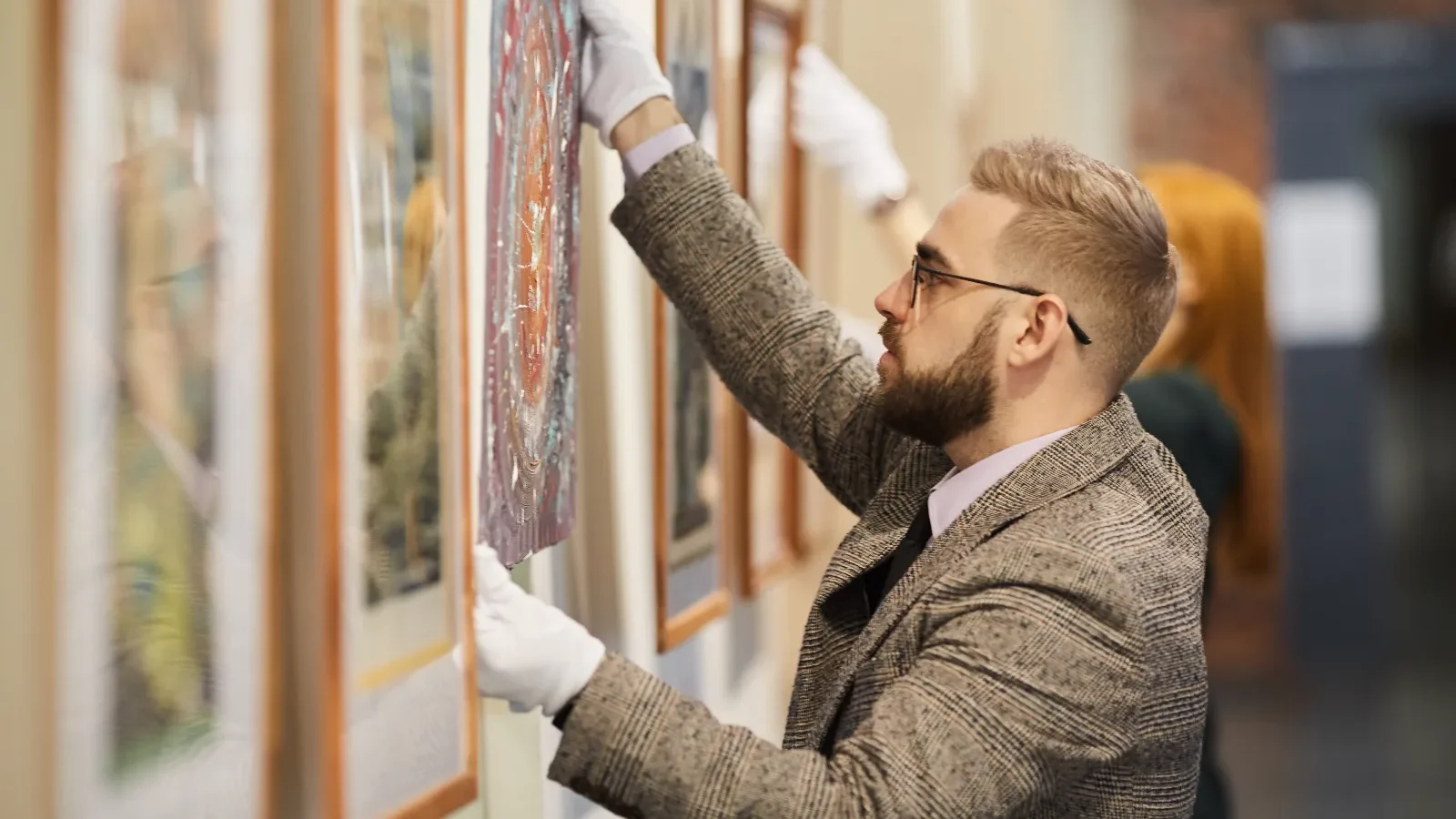
In the world of art collecting, the logistics of moving art is a specialized discipline. For every masterpiece hanging in a private residence, every museum loan crossing continents, and every acquisition arriving from an international auction house, there is an invisible network of specialists working behind the scenes to ensure the irreplaceable works arrive exactly as intended.
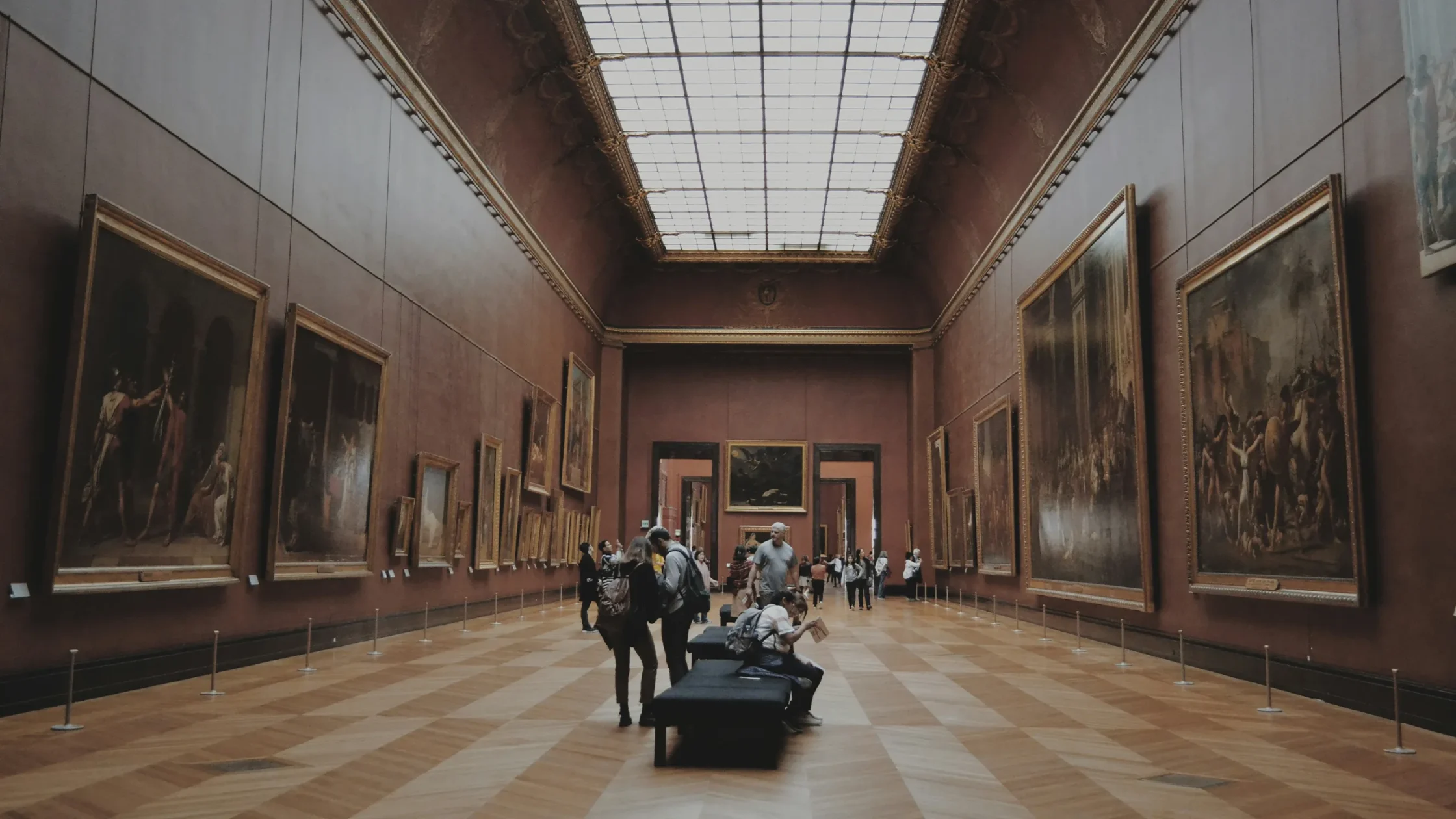
Acquiring a work by Juan Luna, Fernando Zóbel, Yayoi Kusama, or Antony Gormley is only the beginning. The greater challenge often lies in literally moving the piece, whether the destination is a penthouse in Singapore, a museum in Europe or a collector’s residence in Manila. Climate control, museum-standard packing, customs documentation, conservation protocols, and installation requirements all become part of the ecosystem.
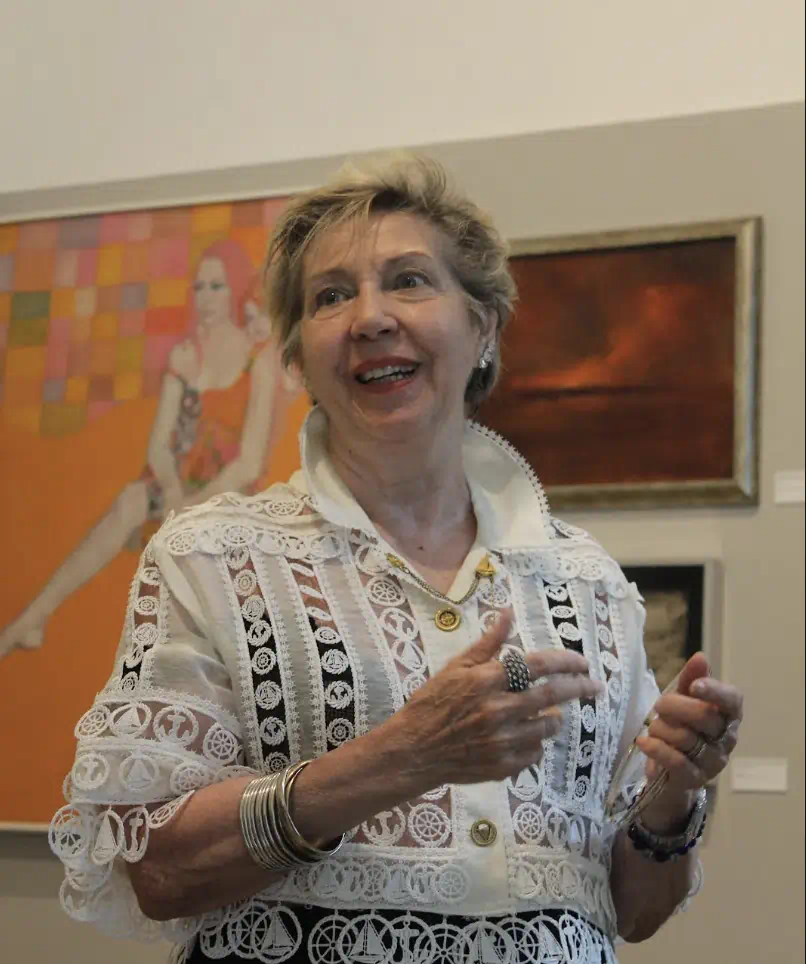
“When galleries like ours ship artworks overseas for fairs and international exhibitions, these art transport companies know exactly what is necessary for shipping the artworks: first, in taking it out of the country, and second, in entering the country where they will be taken to, whether in North America, Europe, or Asia,” says Silvana Diaz, owner of Galleria Duemila, one of the Philippines’ most respected art galleries.
The Hidden Industry Behind Great Collections
Over the past four decades, Asian Tigers Group has handled works by some of the country’s most celebrated artists, supporting exhibitions and institutional projects across the globe. Among its most notable assignments was overseeing the transport and installation of the Vatican’s La Pietà Collection at the Metropolitan Museum Manila in the 1990s.
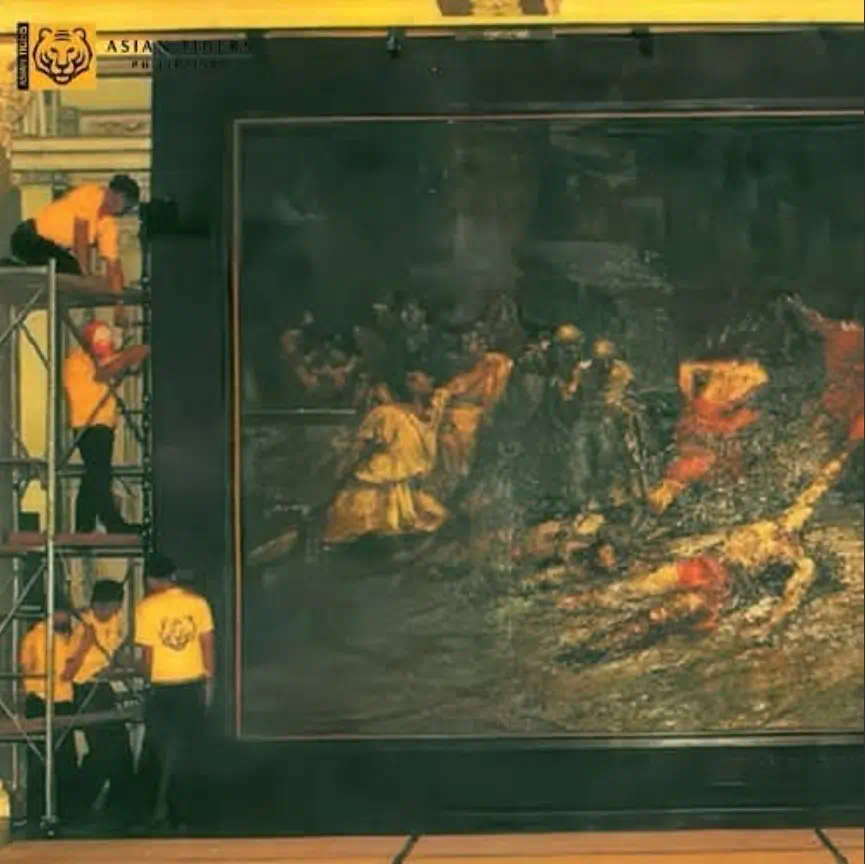
According to Asian Tigers, the exhibition marked the first time the treasures had been moved from the Vatican. The company has also managed the movement of Juan Luna’s Spoliarium within the National Museum, coordinated the export and return of Luna’s Parisian Life, and supported international exhibitions by National Artists BenCab and Kidlat Tahimik.
Moving the Irreplaceable
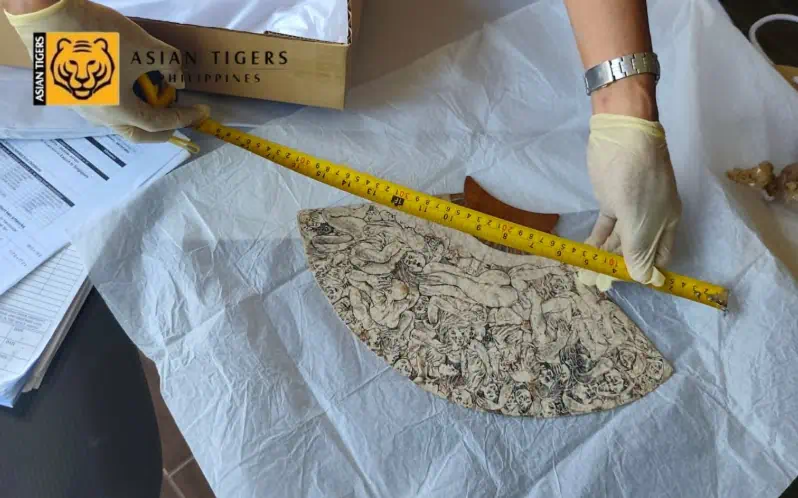
States Virginia Lane, Vice President, Treasurer and CEO of Asian Tigers Philippines, “Art handlers [like us] are responsible for the safe, professional handling of works of art, and are experts in all aspects of packing, installation, and de-installation for local and international moves. We offer a complete package in handling artwork [which includes] packing and crating as per museum or gallery standards.
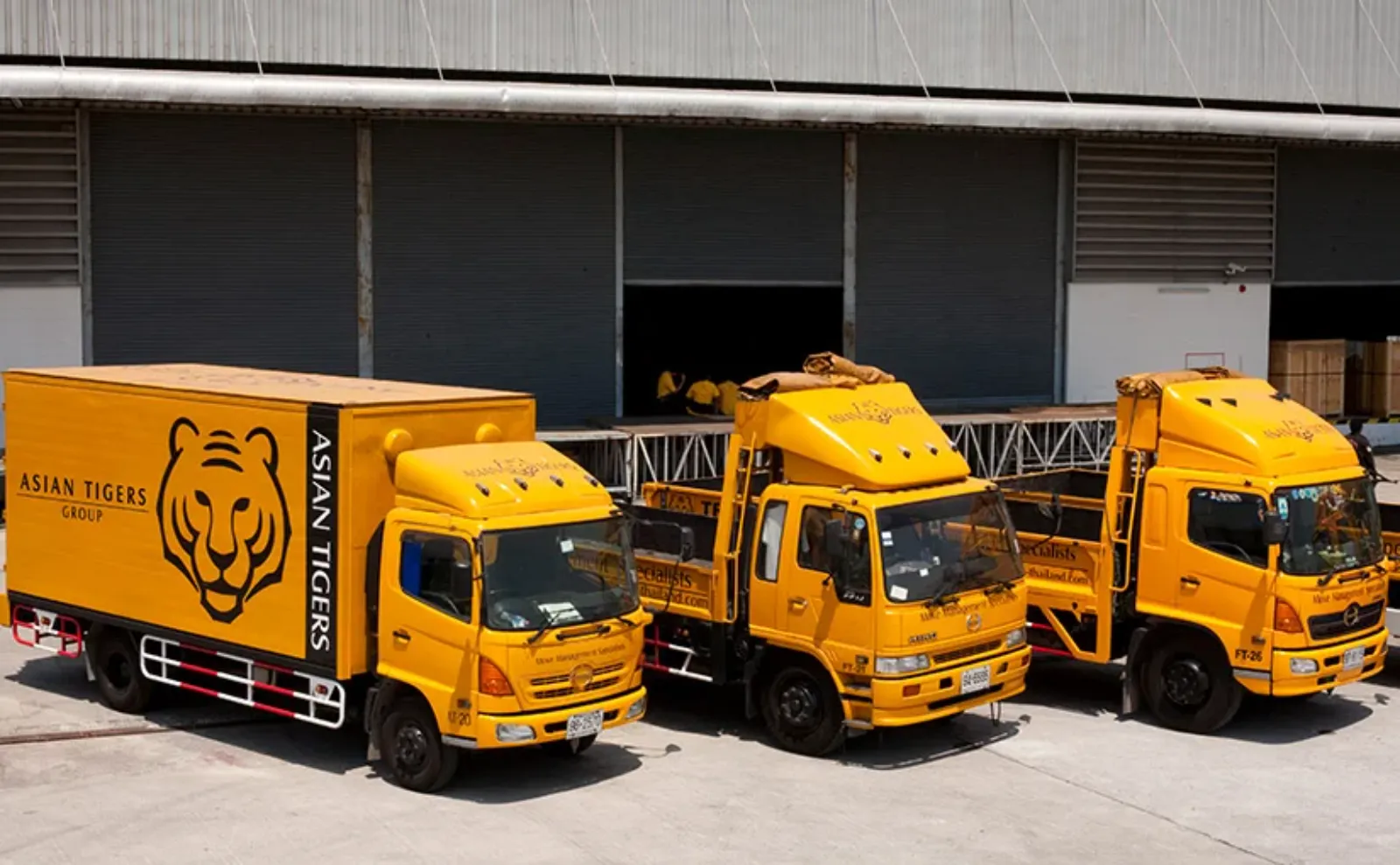
“Contemporary art versus art made by art masters or national artists differ in terms of documentation requirements for export, as well as in the packaging materials required and handling,” Lane explains. “While both necessitate professional care, the primary difference lies in complying with customs regulations in both the origin and destination countries in the case of international shipments.”
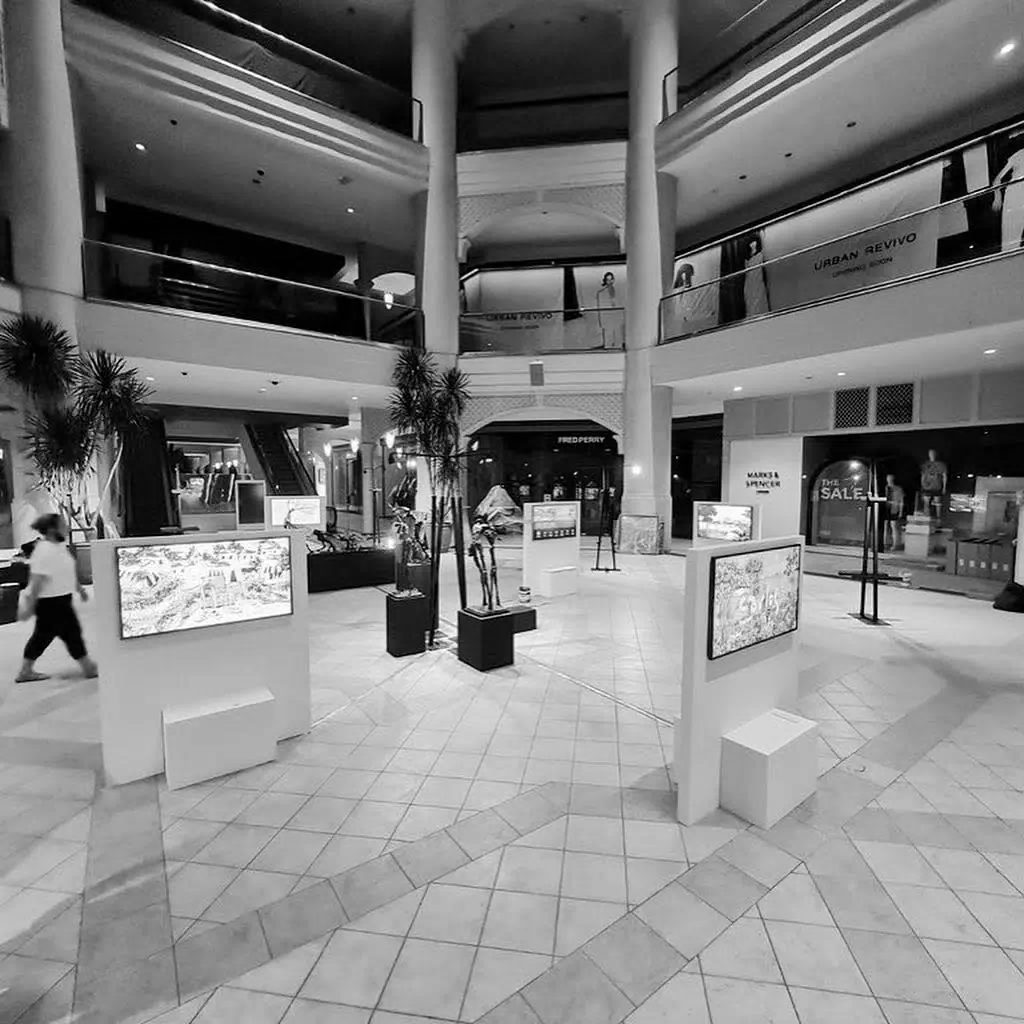
Georgia Chu, director of Galeria Paloma, a gallery whose model is centered around traveling exhibitions and pop-up events, explains that artworks originating from the Philippines by contemporary Filipino artists are subject to specific clearances by the National Commission for Culture and the Art (NCCA) for export. “As a gallery, we procure and facilitate the documentation needed, like the Certificates of Authentication, Letters of Agreement between exporting and receiving parties, notarized application forms, Letters of Intent, photographs,” she explains. “The NCCA is very quick to process the permits, provided the application is complete, straightforward, and above board.”
The New Luxury: Trust

For Crown Worldwide Movers, Inc., whose Fine Art division serves collectors, galleries, and institutions throughout the region, the role extends far beyond the fundamental: transportation, site assessments, custom crating, condition reporting, secure transport, customs coordination, and climate-controlled storage. “It’s not just about the logistics,” says James Enciso, Crown’s Workspace and Moving Services Manager. “It’s about confidence, discretion and trust at every stage.”
What Separates Art Logistics Specialists From Traditional Movers
“These logistics and freight providers are professional companies who also know exactly what has to be used to pack different art pieces: framed paintings, ceramics, sculptures, glass, objects and more,” explains Diaz.
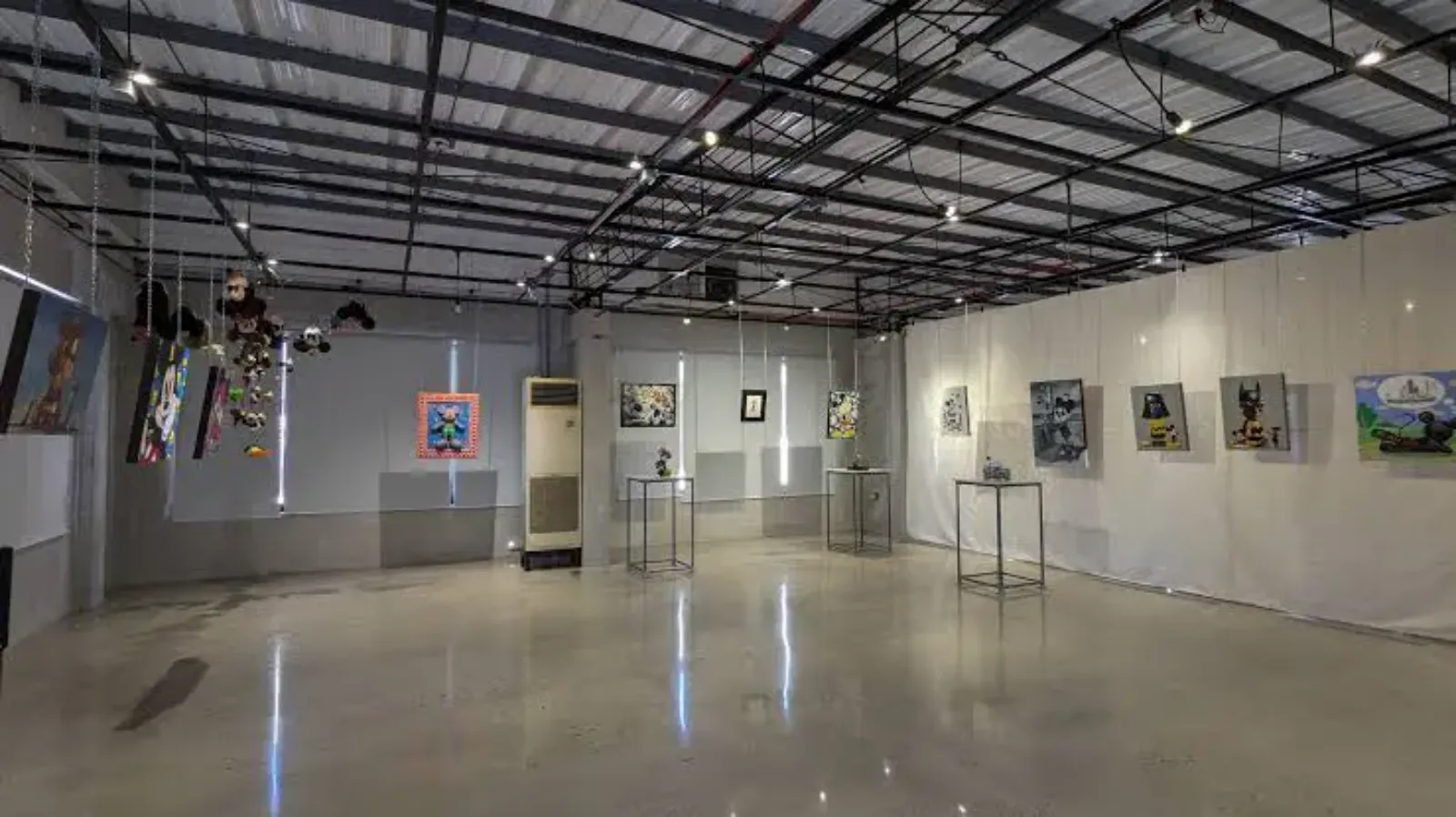
A fragile glass sculpture presents vastly different requirements from a monumental bronze work, while paintings on canvas may react differently to temperature compared to works on paper. Historic objects often require conservation oversight and contemporary installations can involve dozens of components that must be assembled precisely. “Older art can be brittle, dry, or cracked,” explains Lane. “Light exposure must be strictly limited to prevent fading, particularly for works on paper or textiles.” Damage can happen via improper packing materials, building access challenges, and inexperienced handling during installation, among other things.
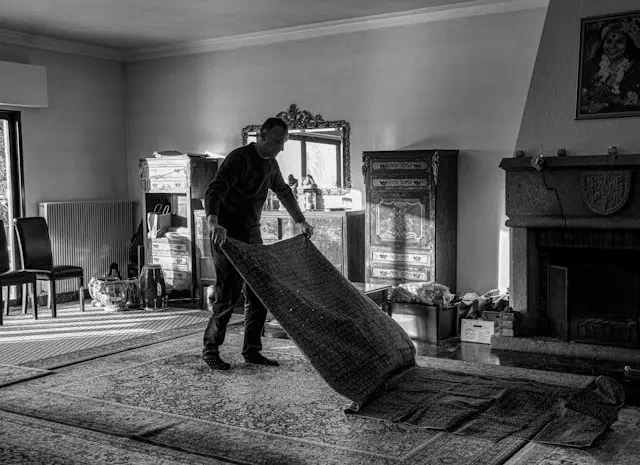
Enciso says humidity changes, non-archival packing materials, and last-mile delivery constraints are some of the most underestimated threats to valuable works. These details separate a standard premium mover from a true fine-art logistics specialist. “The distinction lies in specialization and mindset,” Enciso says. “We have an art-first approach.”

For galleries, collectors, and institutions, the expertise of moving art has become indispensable. Lane explains their clients’ mindset: “Discerning art patrons value their precious works of art, which cannot be replaced like general cargo. They will trust only a professional, specialized fine arts handler with many years of experience and understanding of the irreplaceable works of art they handle, store, and transport. We listen, understand and learn their concerns about art handling and we value their inputs. They sharpen our eyes for details of art handling techniques. We apply the new knowledge and skill gained and seriously include these concerns in the way we handle the artwork.”
Unlike luxuryLuxuryA lifestyle defined by exceptional quality, craftsmanship, exclusivity, and sophistication, encompassing the finest products, services, and experiences that represent the highest standards of refinement and excellence.Go to Luxury Glossary goods, rare automobiles, or fine jewelry, many artworks are fundamentally irreplaceable. It’s why white-glove handling has evolved from a premium add-on into an industry standard, dependent on a level of coordination most collectors and viewers never see. Whether a work is traveling from Manila to Madrid, Singapore or New York, the journey of the artwork must be as carefully considered as its destination.