Asador Alfonso Offers Two Ways to Dine—Both Worth the Detour




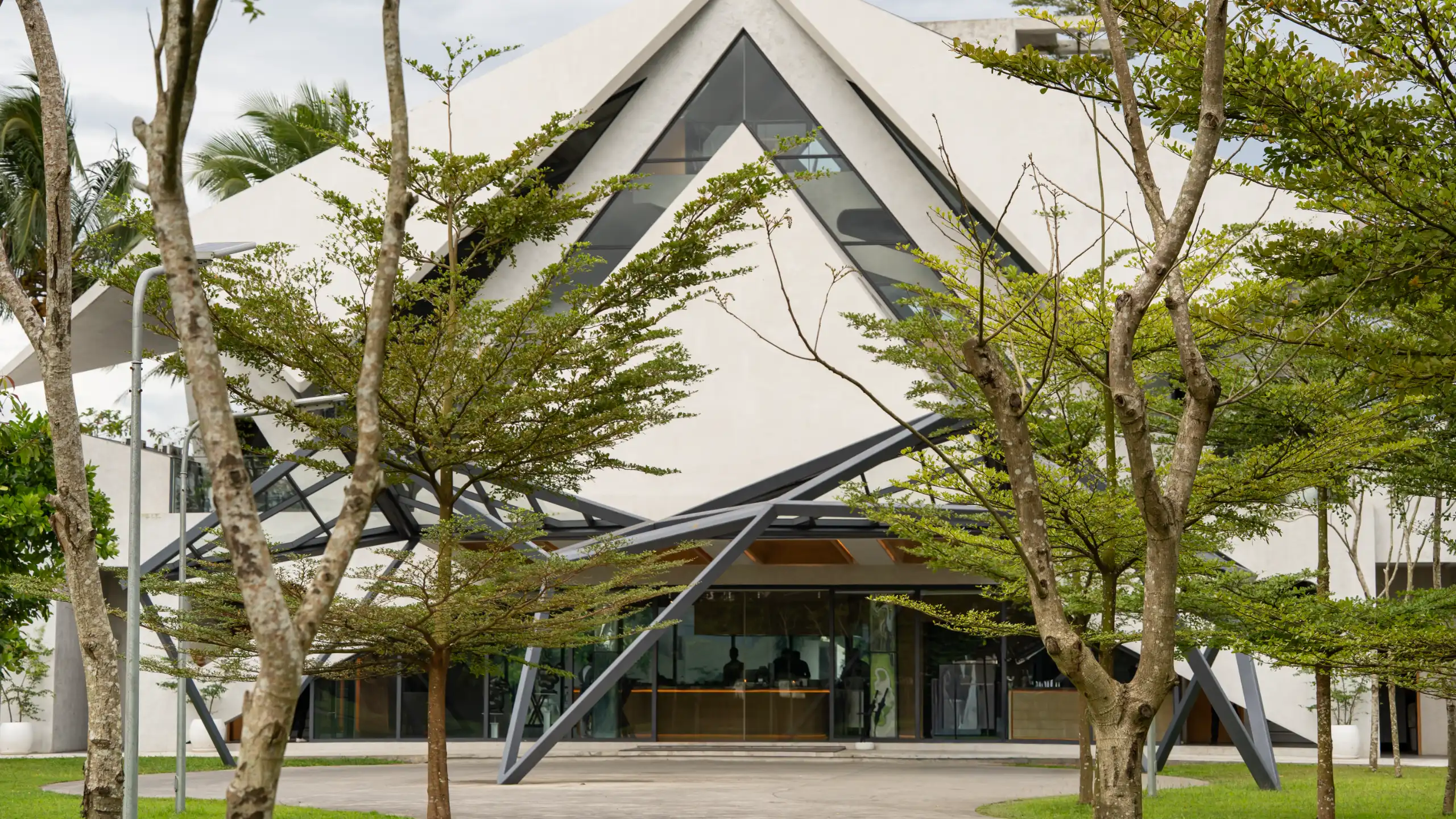
A Michelin starMichelin StarA prestigious rating awarded by the Michelin Guide to restaurants of exceptional quality, with one, two, or three stars. A Michelin star confers global recognition and can transform a restaurant'sGo to Michelin Star Glossary often comes with a simple definition. One star, according to the Michelin Guide, denotes “a very good restaurant in its category” and is a place worth stopping for if you happen to be nearby.
Some restaurants exceed that definition. They are worth the detour. Asador Alfonso is one of them.
What began as a pandemic-era project—initially serving as an escape to a bucolic setting—has since evolved into something far more enduring, far more indelible. Over the past few years, the now one-Michelin-starred restaurant has grown in reputation, attracting guests who arrive with very different expectations.
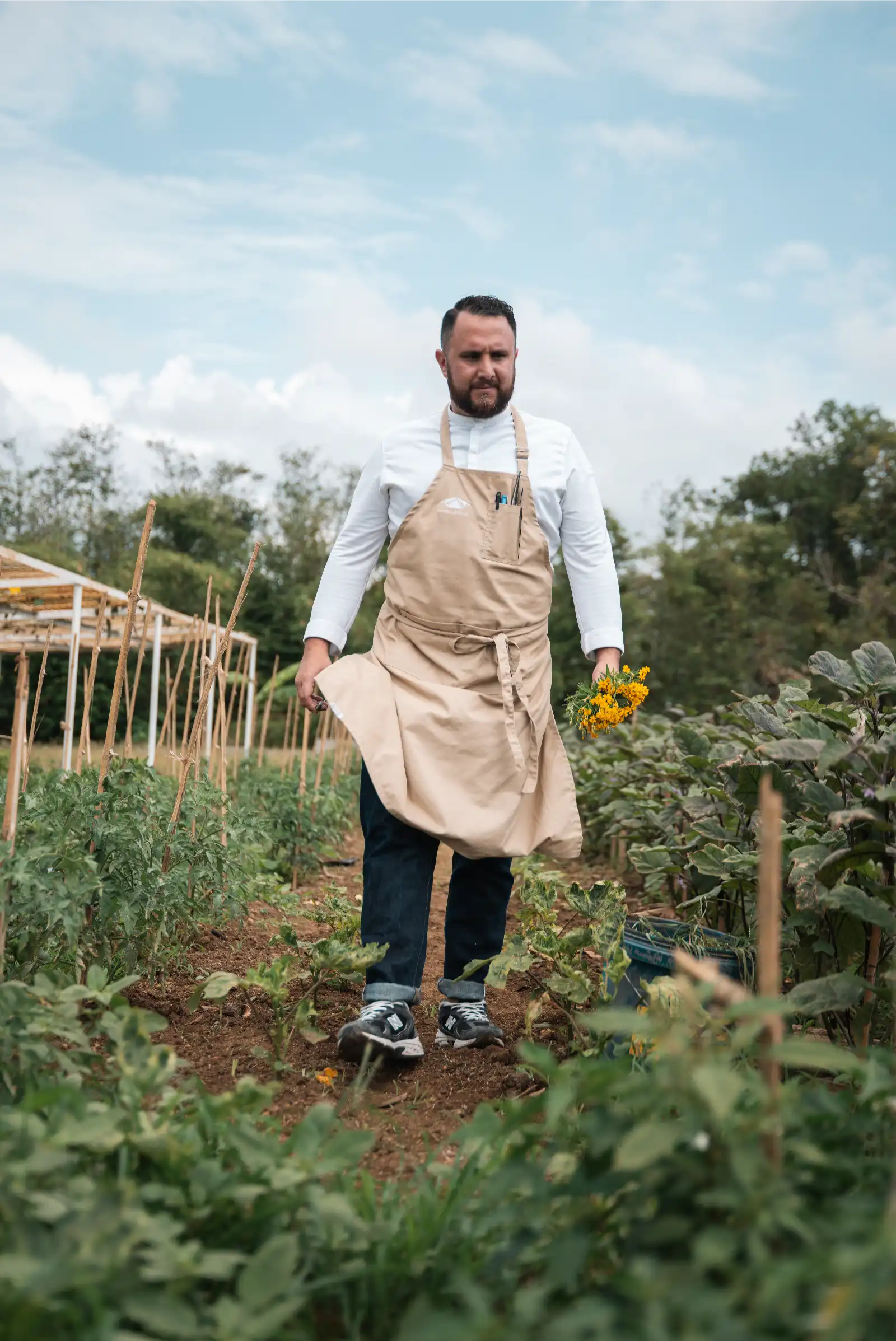
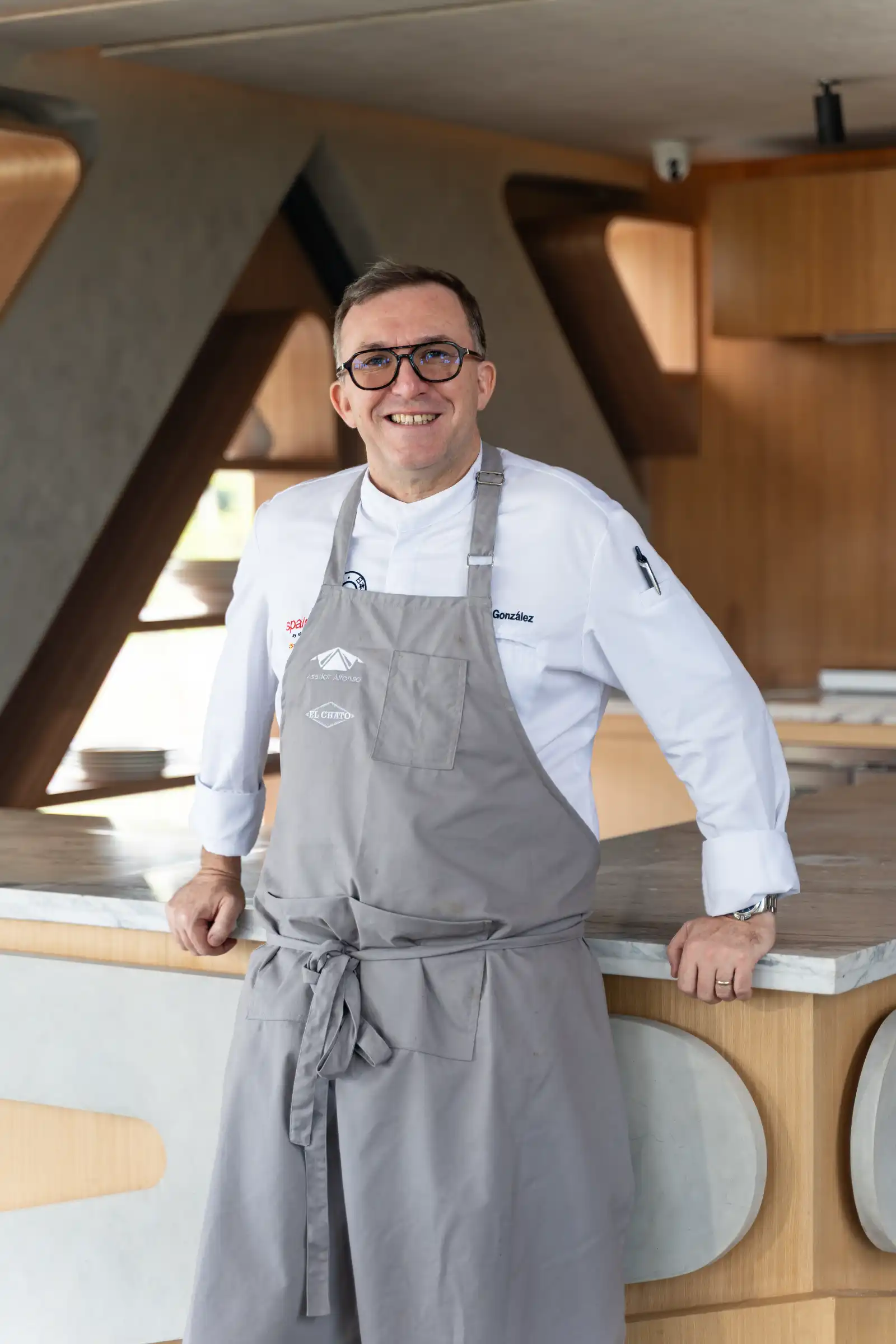
While some seek out the calm structure of fine dining, others are in search of a gathering place for long meals with family and friends. Rather than forcing these experiences to coexist in a single room, chefs Chele Gonzalez and Rodrigo Osorio made a thoughtful decision to separate them entirely.
Today, Asador Alfonso offers two distinct ways of experiencing its cuisine.
Guests are given the choice of how they want to dine—and it is a meaningful one. This duality reflects an understanding of how people eat today. Some days call for structure and focus. Others call for laughter and long conversations over a table filled with food. While I would usually opt for the latter, the new tasting menu is an experience I wanted to explore.
On the ground level, Alfonso Roasting Room serves a relaxed, à la carte menu designed for generous meals meant to be shared. Families and friends gather around large tables and shared plates. The atmosphere is warm and animated.
Upstairs, however, is where the restaurant’s most focused expression unfolds, offering a refined tasting journey.
The experience begins outdoors, where guests are welcomed with drinks and delicate bites in a striking structure that appears to float within the property’s lagoon. Among the offerings, a small pot of crab potato salad topped with salmon roe stands out, hinting at the care and creativity that will follow.
The journey continues across the grounds into the Carlo Calma–designed structure, where the second floor hosts the formal dining room, now entirely dedicated to the tasting-menu experience. The high-ceilinged space is designed with restraint: white-clothed tables are set with ample distance between them, while the open kitchen allows chefs to move freely without disrupting the room.
Asador Alfonso’s tasting menu unfolds as a structured narrative. Guests may choose between two formats: Heritage, a six-course menu, or Journey, a more expansive ten-course experience. Both draw from the traditions of Spanish roasting, guided by seasonality and ingredient-led cooking.
Produce is sourced locally and from abroad, often from Spain, allowing each dish to reflect the clarity of its origins. Courses arrive with a strong visual sense. One dish, a composition of crab and roe, is as precise as it is expressive. Another, the molleja y guisante Lagrima, surprises even this confessed non–sweetbreads enthusiast: sweetbreads with black truffle, snow peas, and a perfectly cooked egg yolk, yielding something velvety and deeply satisfying.
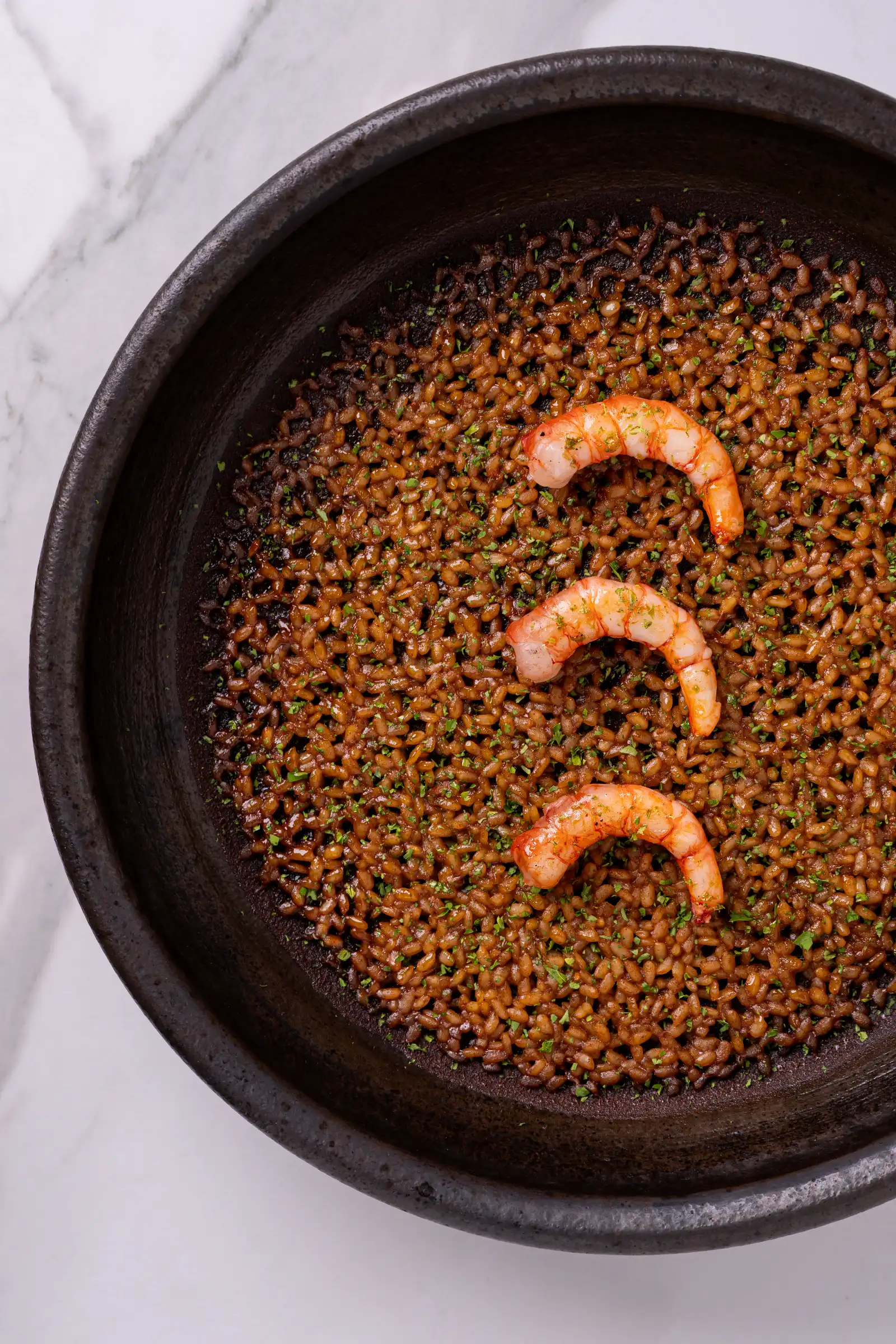
Spanish roots come through most clearly in the signature paella with carabinero shrimp and in the classic asador dishes. The suckling pig carries the richness of traditional roasting, while the suckling lamb arrives with a simple salad of greens and red onion, the vinaigrette cutting through the meat’s depth. Each dish reinforces the idea that here, innovation is present but tradition remains intact.
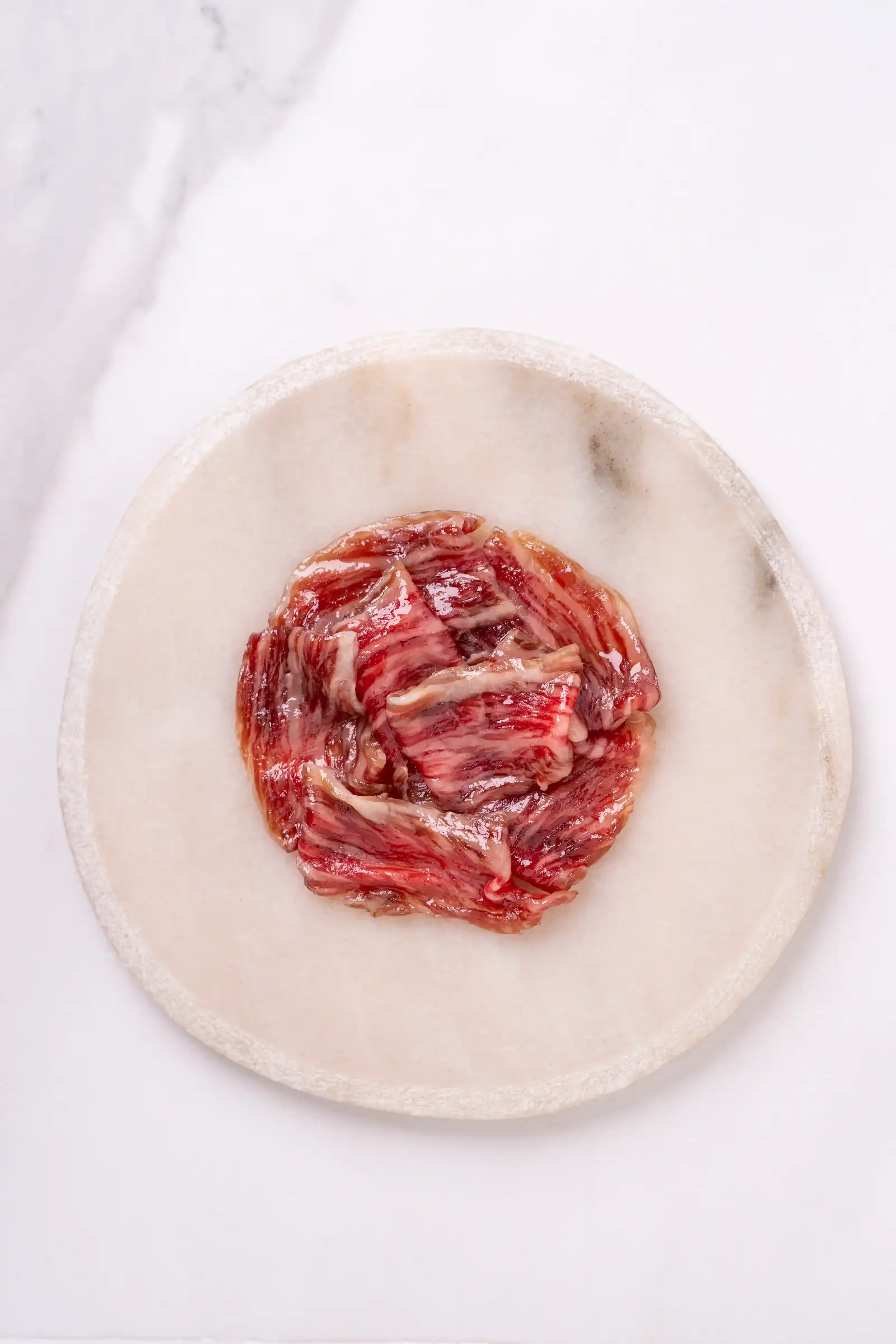
The menu continues with moments of contrast and detail. The jamón de WagyuWagyuA Japanese beef breed celebrated for intense marbling that creates a buttery, melt-in-the-mouth texture, graded on a scale where A5 is the highest. Wagyu is a luxury dining staple prizedGo to Wagyu Glossary, made from A5 Japanese beef, is richly marbled. It is served alongside a hot béchamel croquette drawn from a family recipe—chef Chele’s mother’s. Paired with sourdough and anchovy butter, the result is both indulgent and exacting.
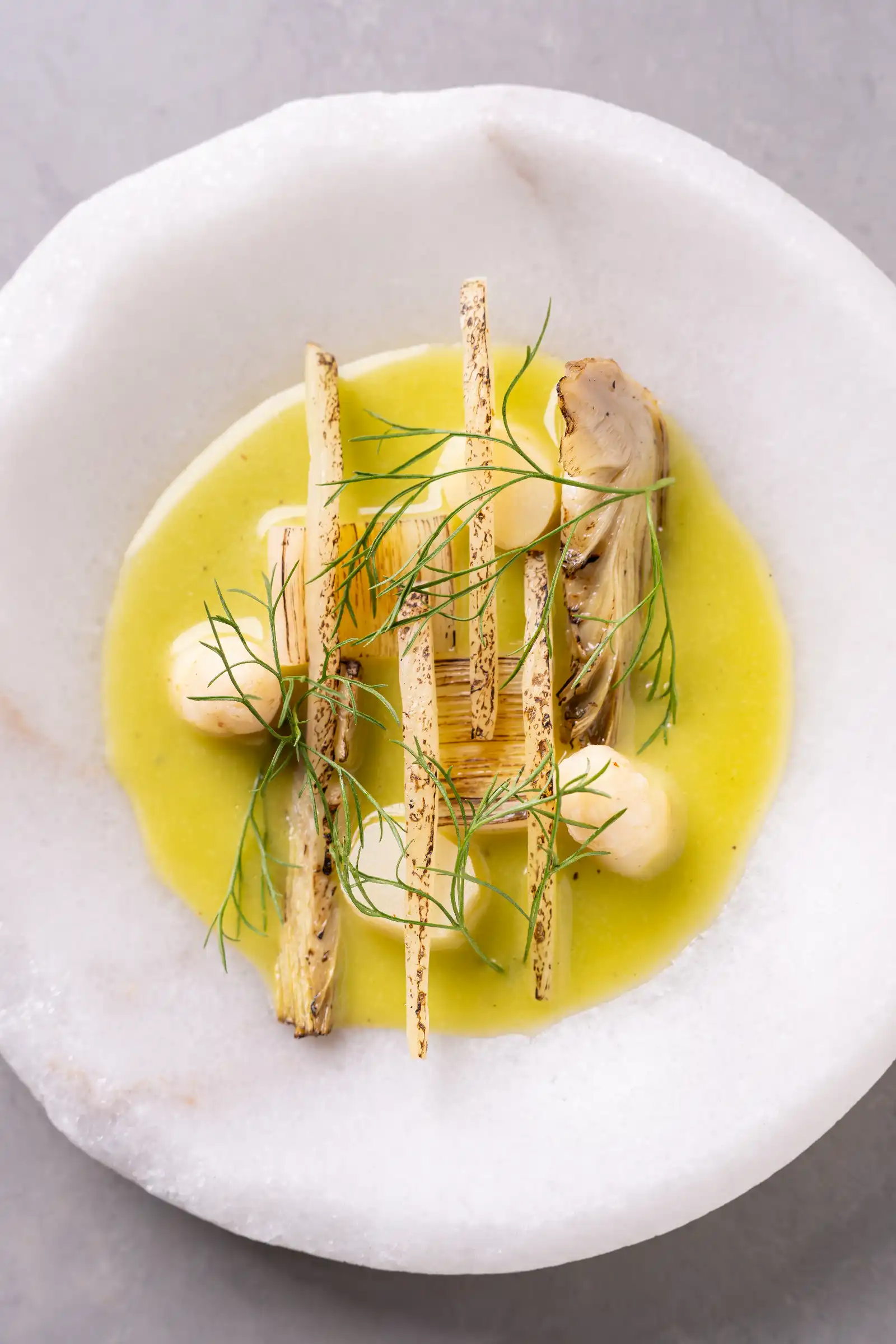
The Verdura de Temporada offers a quieter study: roasted artichokes, leeks, fennel, and a celeriac toffee purée, arranged with care and finished with a fresh green sauce. Even for a diner familiar with tasting menus, the balance feels considered.
Dessert closes the experience on a high note. A flan topped with grated manchego stands out—sweet, savory, and well paired with the digestifs crafted onsite to end the meal.
Reservations: https://www.asadoralfonso.com/
This article originally appeared in Robb Report Philippines’ Food & Drink Issue, April 2026.