The 11 Best Japanese Whiskies to Buy Now




If you’re in the market for the best Japanese whiskyJapanese WhiskyWhisky produced in Japan, inspired by Scottish traditions but known for precision, balance, and subtlety. Rare Japanese bottlings have become prized collectibles and are fiercely sought at auction, and distilleriesGo to Japanese Whisky Glossary available, there are some factors to consider. A few years ago, many distilleries and brands signed onto guidelines set by the Japan Spirits & Liqueurs Makers Association, an attempt to more clearly define the category. In the past, some bottles labeled as Japanese whisky actually contained whisky produced in Scotland or other countries. This new agreement labels those as “world whiskies,” with the requirement that true Japanese whisky be distilled and aged in Japan (among a few other rules). There are different styles of Japanese whisky to consider, including single malts, blends, peated, grain, and different cask finishes. The good news is that there are many excellent Japanese whiskies out there, so we’ve put together this list to help steer you towards some of the best bottles to buy in different categories. Happy hunting, and cheers.
Best Overall Japanese Whisky: Hakushu 12
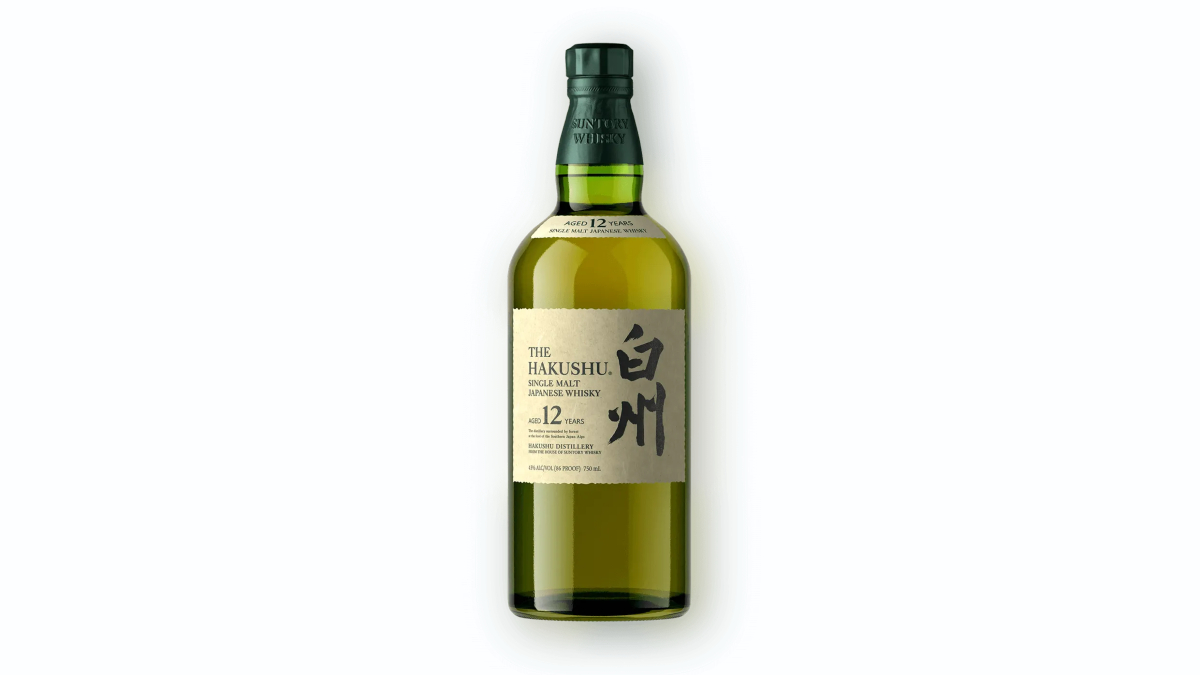
Suntory, the biggest name in Japanese whiskyJapanese WhiskyWhisky produced in Japan, inspired by Scottish traditions but known for precision, balance, and subtlety. Rare Japanese bottlings have become prized collectibles and are fiercely sought at auction, and distilleriesGo to Japanese Whisky Glossary, operates two different malt whisky distilleries, as well as one that makes grain whisky. While the company’s Yamazaki operation has a very popular, high-quality lineup, its Hakushu facility is arguably making even better whisky. Located in the mountains outside of Tokyo, the distillery produces gently smoky and brightly flavored single malts, with the 12-year-old anchoring the portfolio. Green apple, lemon, vanilla and caramel notes intermingle, making this a whisky you won’t soon forget.
Best Single Malt: Yoichi Single Malt 10-Year-Old
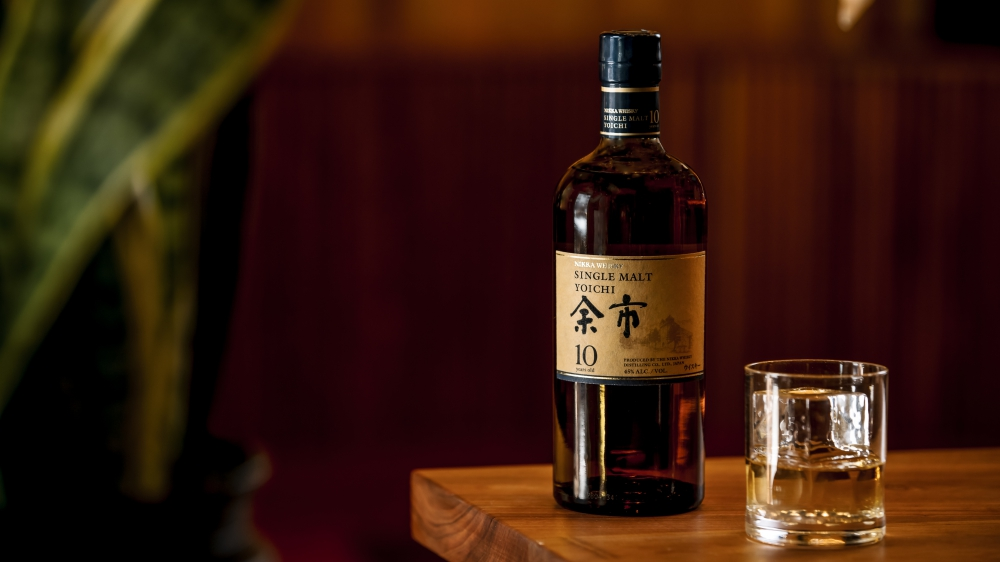
Nikka removed the age statements from its Yoichi whisky brand more than a decade ago in 2015 (Yoichi is one of the two distilleries operated by Nikka, the other being Miyagikyo). So the return of Yoichi Single MaltSingle MaltA whisky made at a single distillery from malted barley, typically distilled in pot stills and aged in oak. Single malts display distinct regional character and style, from smoky IslayGo to Single Malt Glossary 10-Year-Old a few years back was a big step for the company, which is second only to Suntory as far as sales and name recognition. This 10-year-old expression is a lovely single malt, with notes of stone fruit, honey, oak, and caramel on the palate making it a must try for anyone interested in the category.
Best Blended Japanese Whisky: Mars Iwai 45
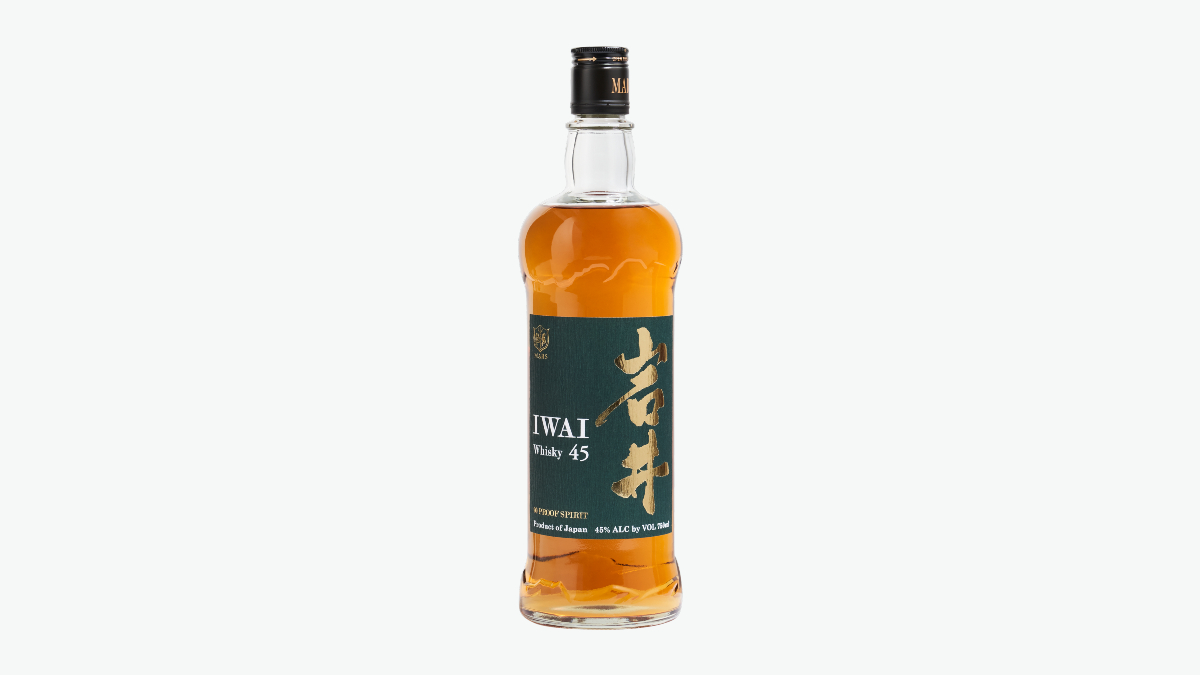
One of the best Japanese blends comes from Mars Shinshu, which holds the title of being Japan’s highest elevation whisky distillery. This expression is distilled in Nagano at Mars’ Komagatake Distillery, and at 90 proof (hence, the 45 in the name referring to the ABV), it’s stronger than the core expression. This is a blend of whiskies aged in ex-bourbonBourbonAn American whiskey made from at least fifty-one percent corn and aged in new charred oak barrels, noted for sweet notes of caramel, vanilla, and spice. Rare, limited bottlings haveGo to Bourbon Glossary barrels, mostly grain with some malt in the mix, that is a great choice to use in cocktails but good enough to sip on its own as well.
Best Grain Japanese Whisky: Nikka Coffey Grain
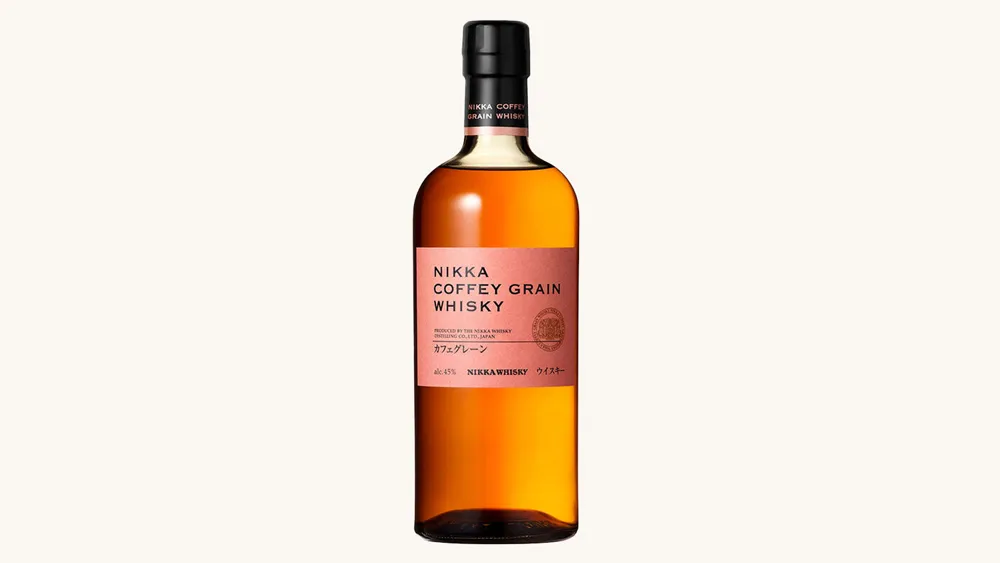
Nikka Coffey Grain is made from a mashbill that is mostly comprised of corn, as opposed to a single maltSingle MaltA whisky made at a single distillery from malted barley, typically distilled in pot stills and aged in oak. Single malts display distinct regional character and style, from smoky IslayGo to Single Malt Glossary which is made from 100 percent malted barley. This is a Japanese whisky for bourbon lovers, produced in continuous column stills instead of pot stills and matured in American ex-whiskey barrels. The liquid is full of notes of caramel, vanilla, fruit, and butterscotch, with a bit of spice on the finish. Try this next to the Coffey Malt from Nikka to really see the difference in styles.
Besk Cask Finish Japanese Whisky: Iwai Tradition Sherry Cask Finish
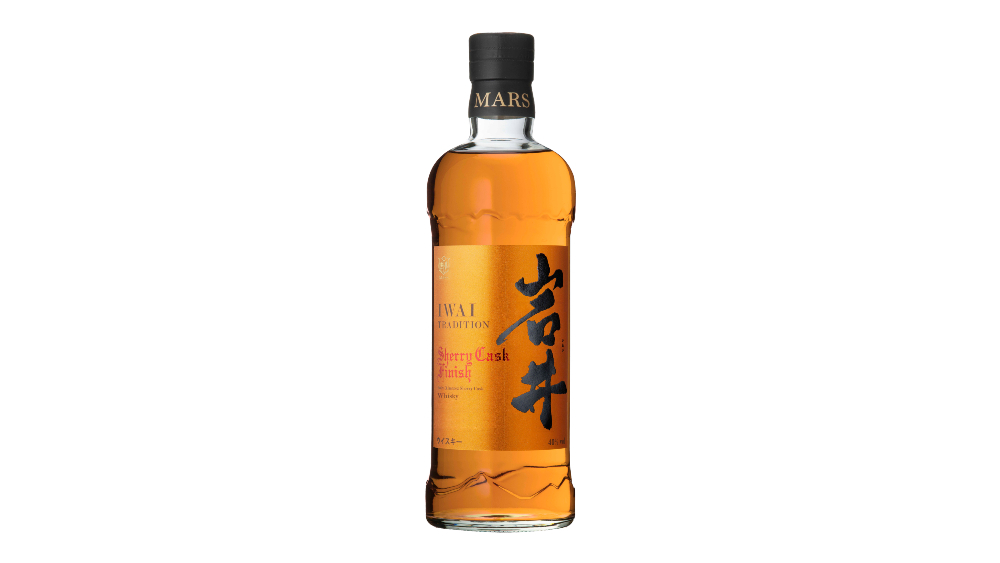
While not nearly as common a practice as it is in the world of scotch, Japanese whiskyJapanese WhiskyWhisky produced in Japan, inspired by Scottish traditions but known for precision, balance, and subtlety. Rare Japanese bottlings have become prized collectibles and are fiercely sought at auction, and distilleriesGo to Japanese Whisky Glossary is sometimes finished in sherry casks. This blend from Mars Whisky takes the original Iwai Tradition expression and finishes it in sweet Pedro Ximenez sherry barrels for nearly a year, imbuing the whisky with notes of raisin, fig, and baking spice. If you’re a fan of the Macallan, give this bottle a try to see how differently the styles of whisky react to this type of secondary maturation.
Best Cask Strength Japanese Whisky: Asaka Bourbon Cask Reserve
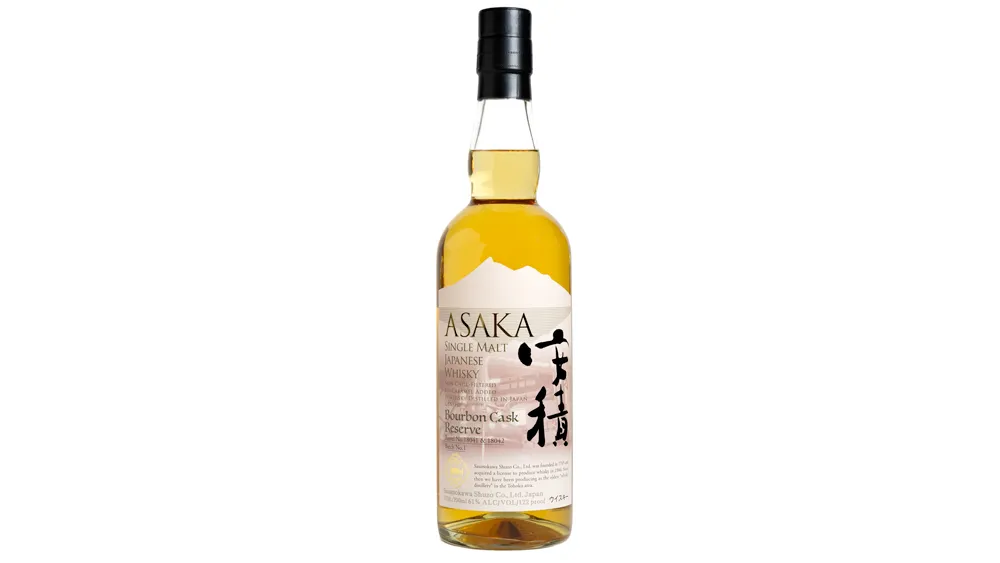
BourbonBourbonAn American whiskey made from at least fifty-one percent corn and aged in new charred oak barrels, noted for sweet notes of caramel, vanilla, and spice. Rare, limited bottlings haveGo to Bourbon Glossary Reserve Cask was the first release from Asaka available here in the U.S. when it came out a few years ago. This batch was bottled at a hefty cask strength of 61 percent ABV, or “genshu” as it’s referred to on the label (a term that is usually used for unfiltered sake). The whisky is non-chill filtered, has no color added, and was limited to just 480 bottles from the two barrels used for this release. Look for notes of mango, pineapple, vanilla custard, and lemon zest on the palate. And don’t be afraid to add a few drops of water to open this high-proof whisky up.
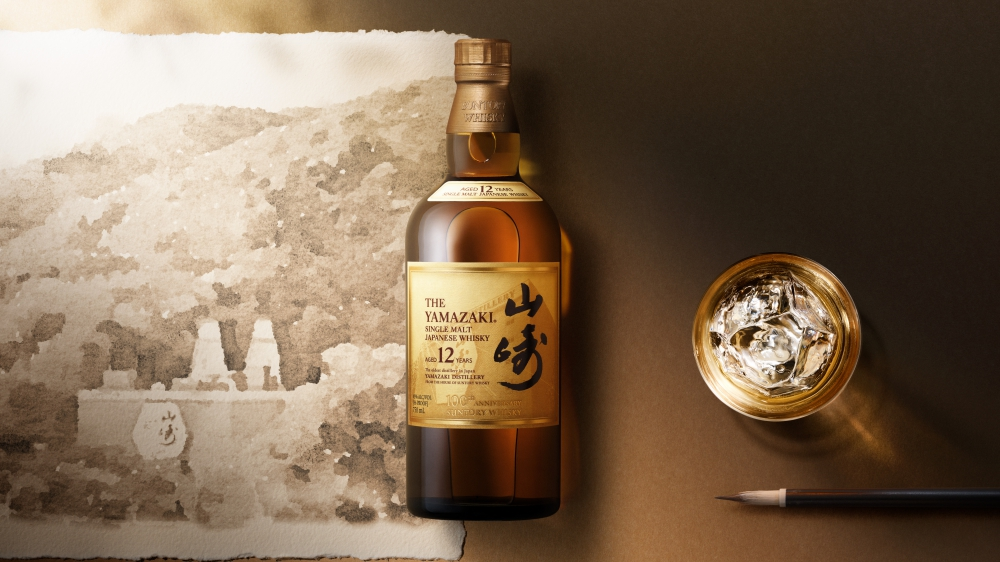
Best Age Statement Japanese Whisky: Yamazaki 12
This is the bottle that started the journey into the world of Japanese whiskyJapanese WhiskyWhisky produced in Japan, inspired by Scottish traditions but known for precision, balance, and subtlety. Rare Japanese bottlings have become prized collectibles and are fiercely sought at auction, and distilleriesGo to Japanese Whisky Glossary for so many people, a classic expression aged for 12 years that is as dependable and solid a pick as you can find. Yamazaki 12, produced by Suntory at its eponymous distillery, has become more expensive and rare over the years, but it’s still worth buying when you can find a bottle. This flagship expression has been around since 1984, and has a nice balance of malt, spice, and fruit notes on the palate.
Best World Whisky: Nikka From the Barrel Extra Marriage
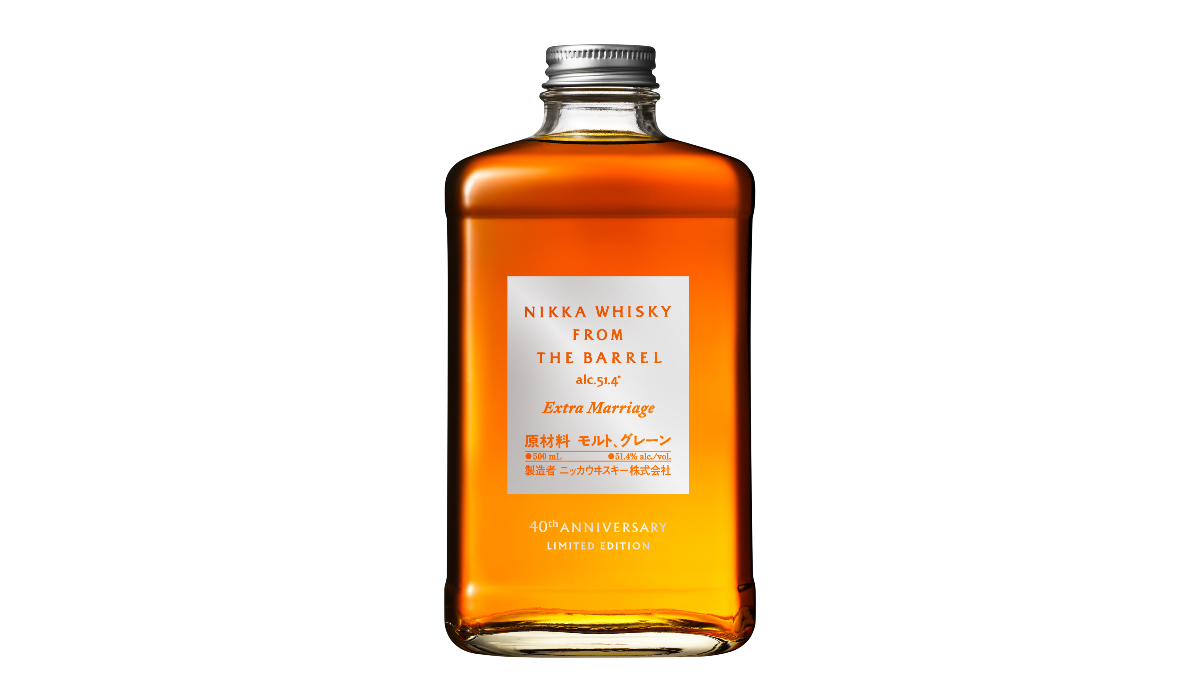
Nikka From the Barrel Extra Marriage is a riff on the original expression which arrived here in the U.S. in 2018. To celebrate the whisky’s 40th anniversary, Nikka decided to extend the time that the components in the blend are married together before bottling (hence, the name). From the Barrel is actually a world whisky because it incorporates whiskies that were not distilled in Japan, and therefore does not meet the (still totally voluntary) guidelines that define Japanese whisky. The majority of those components, which number more than 100, are malt and grain whiskies from two of Nikka‘s distilleries, Yoichi and Miyagikyo, but there are also component whiskies distilled in Scotland in the mix.
Best Japanese Whisky Under $50: Toki Black
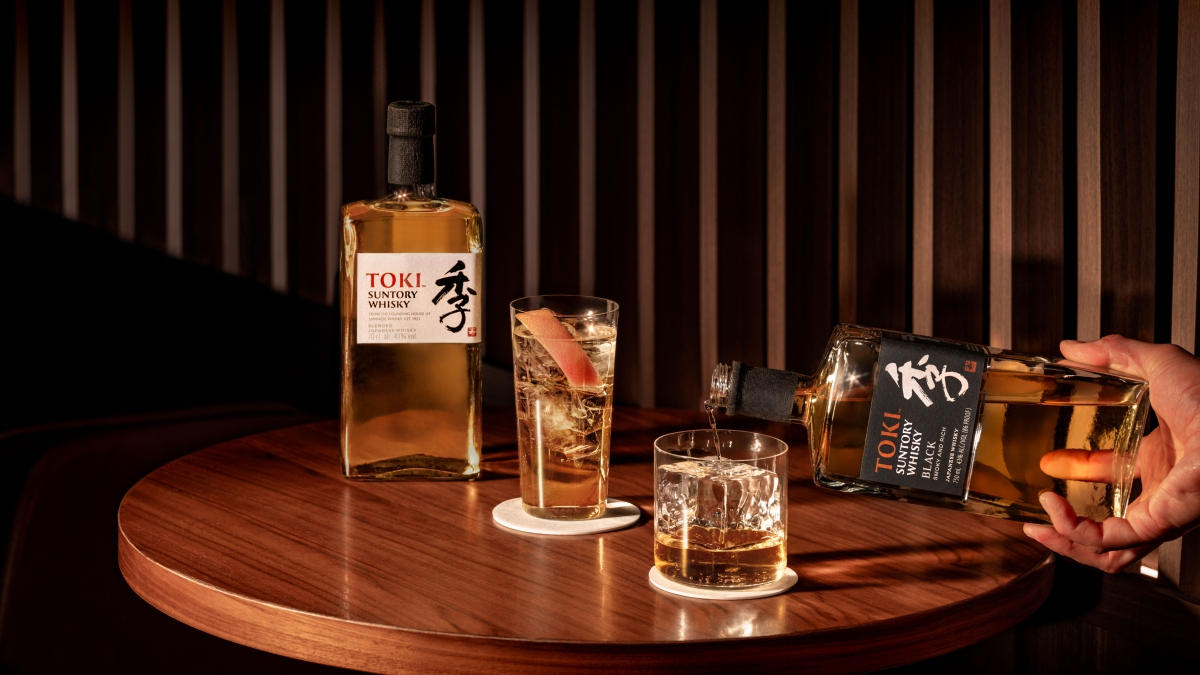
Suntory launched its non-age statement blended whisky, Toki, a few years ago. The intention for this affordable expression was to be used in cocktails, specifically highballs, and it served that purpose well. But last year Suntory launched Toki Black, a smokier version of the original. It’s a blend of malt and grain whisky, with the most prominent component—flavor-wise—being peated malt whisky from Hakushu, along with some grain whisky produced at that distillery (a first for Suntory). The result is a whisky that is arguably better than the original, but still very affordable.
Best Japanese Whisky Under $100: Fuji Single Malt
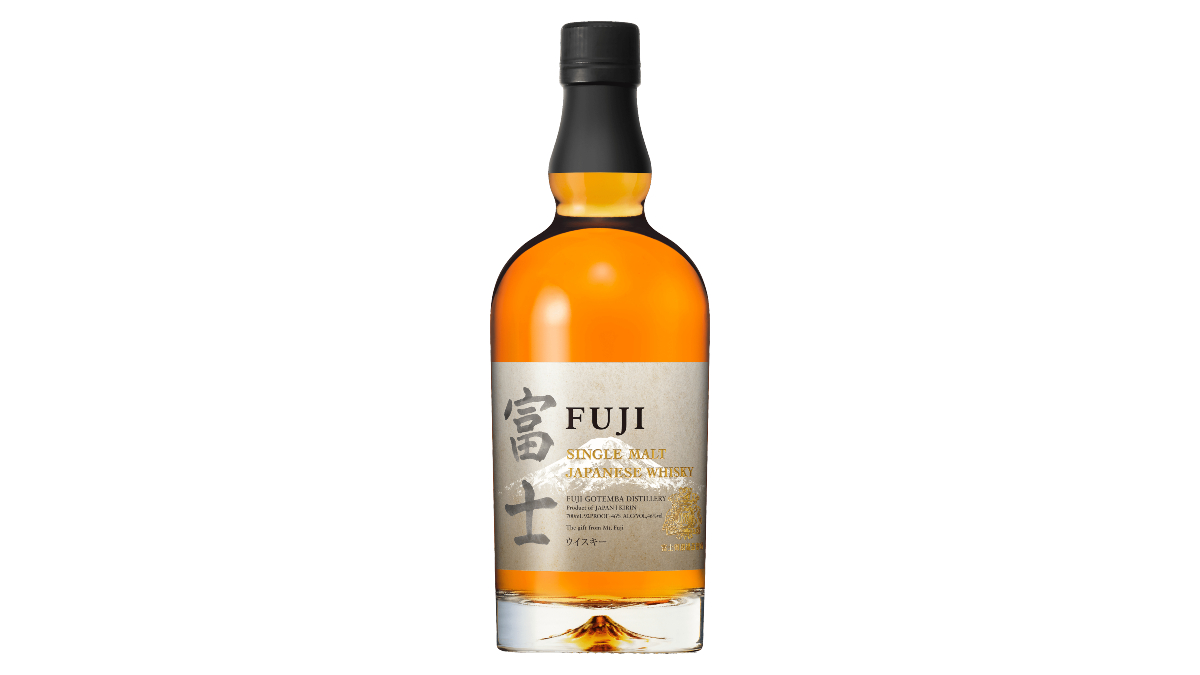
Fuji introduced this new single malt to its U.S. portfolio last fall, adding to a lineup that included a single grain whisky and a blended whisky. The whisky is made at the Fuji Gotemba Distillery from a mashbill of 100 percent malted barley and aged in a variety of casks, including American white oak and French oak red wine barrels, before being bottled at 92 proof. This is a great new Japanese single malt that will cost you less than 100 bucks, a relative bargain in a world of extremely high-priced age statement expressions.
Best Splurge Japanese Whisky: Hibiki 21
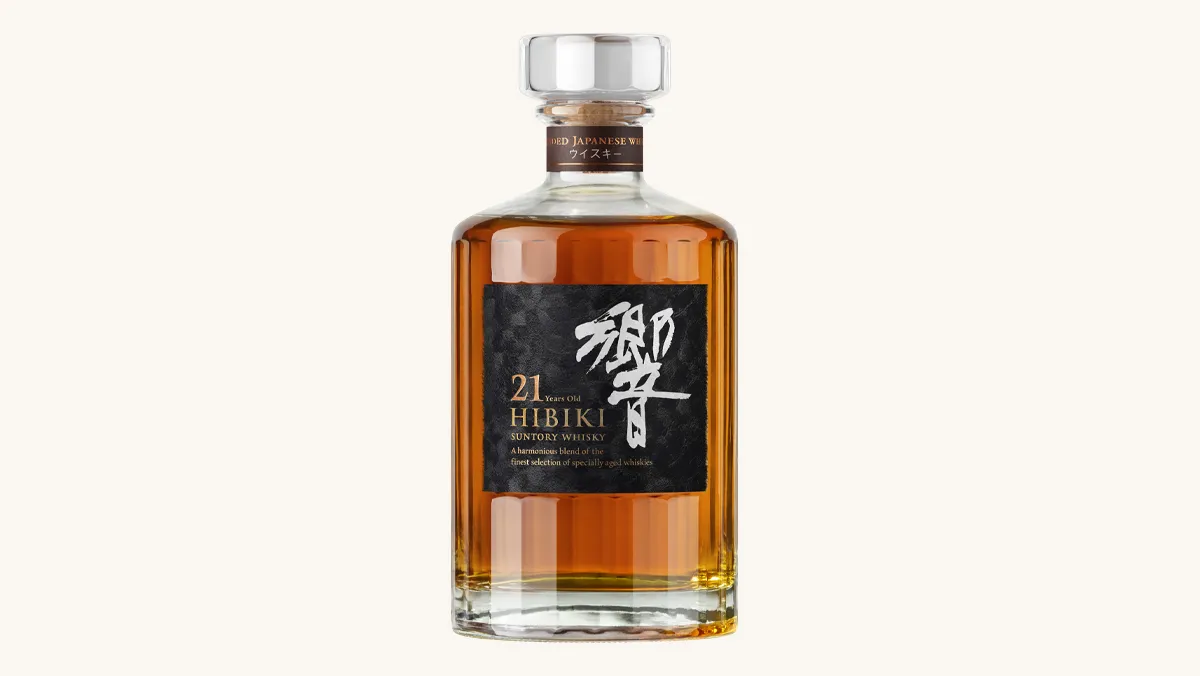
Suntory’s Hibiki label is one of the best in the blended whisky category. The company discontinued the 17-year age statement expression a while back, and while there are some more affordable non-age statement expressions to try, the 21-year-old (now the youngest age statement in the lineup) is absolutely worth the splurge. Of course, you could really step up your game and try the 30 or 40-year-old versions, but for about a thousand bucks this whisky, which is a blend of liquid from all three of Suntory’s malt and grain distilleries, delivers in terms of flavor and texture.
How We Selected Our Japanese Whisky
What is Japanese whisky?
As mentioned in the introduction, there are some guidelines set by the Japan Spirits & Liqueurs Makers Association that define Japanese whisky, but these are not yet legally binding (most major producers voluntarily follow them, however). The rules are as follows: malted grain must be in the mashbill, along with other cereal grains; the water used must be from Japan; all production steps must take place in Japan; the whisky must be aged for a minimum of three years; caramel coloring is allowed to be used (similar to scotch); and whisky must be bottled at a minimum of 80 proof.
How should you drink Japanese whisky?
The short answer is however you like it—there is no wrong or right way to enjoy Japanese whisky. That being said, it’s a good idea to at least taste it neat to really discover its character. From there, drink it however you like—over ice, with some water added, or in any cocktail you can think of, with the most popular being the classic highball.
How did we choose the Japanese whisky on this list?
We considered different factors when picking these whiskies, with the emphasis being on taste. Because after all, despite a bottle’s availability or the hype surrounding it, that is the most important thing. Tasting Japanese whisky involves a combination of sensations, including the nose, palate, mouthfeel, and finish. And each category has different characteristics, so part of the process is to consider how an individual pick fits into its style overall. The bottles on this list represent the best whiskies based on all of these options, providing a good overview of selections you can easily purchase in person or online that are good examples of each individual category.
Why should you trust us?
Jonah Flicker has been writing about whiskey and other spirits for over a decade, visiting distilleries around the world to meet the people behind the bottles and find out more about their stories. He is a judge for the John Barleycorn Awards and New York World Wine and Spirits Competition and leads private tastings, and his work has appeared in many national other lifestyle outlets besides Robb Report, including Esquire, Food & Wine, Men’s Journal, CNN, USA Today and more.
- Best Overall Japanese Whisky: Hakushu 12
- Best Single Malt: Yoichi Single Malt 10-Year-Old
- Best Blended Japanese Whisky: Mars Iwai 45
- Best Grain Japanese Whisky: Nikka Coffey Grain
- Besk Cask Finish Japanese Whisky: Iwai Tradition Sherry Cask Finish
- Best Cask Strength Japanese Whisky: Asaka Bourbon Cask Reserve
- Best Age Statement Japanese Whisky: Yamazaki 12
- Best World Whisky: Nikka From the Barrel Extra Marriage
- Best Japanese Whisky Under $50: Toki Black
- Best Japanese Whisky Under $100: Fuji Single Malt
- Best Splurge Japanese Whisky: Hibiki 21
This article originally appeared in Robb Report US.