Why Super Midsize Jets Have Become the Hottest Category in Private Aviation




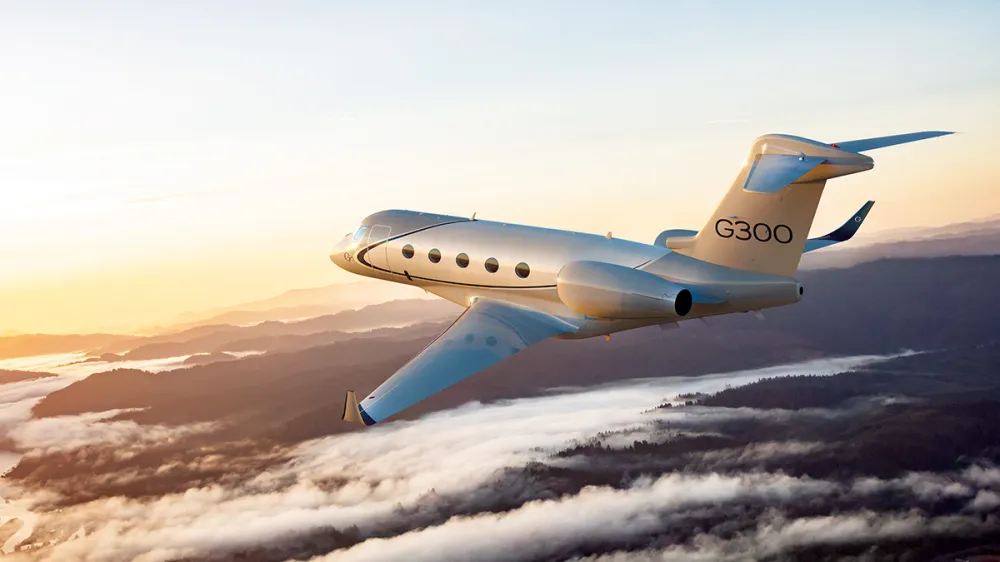
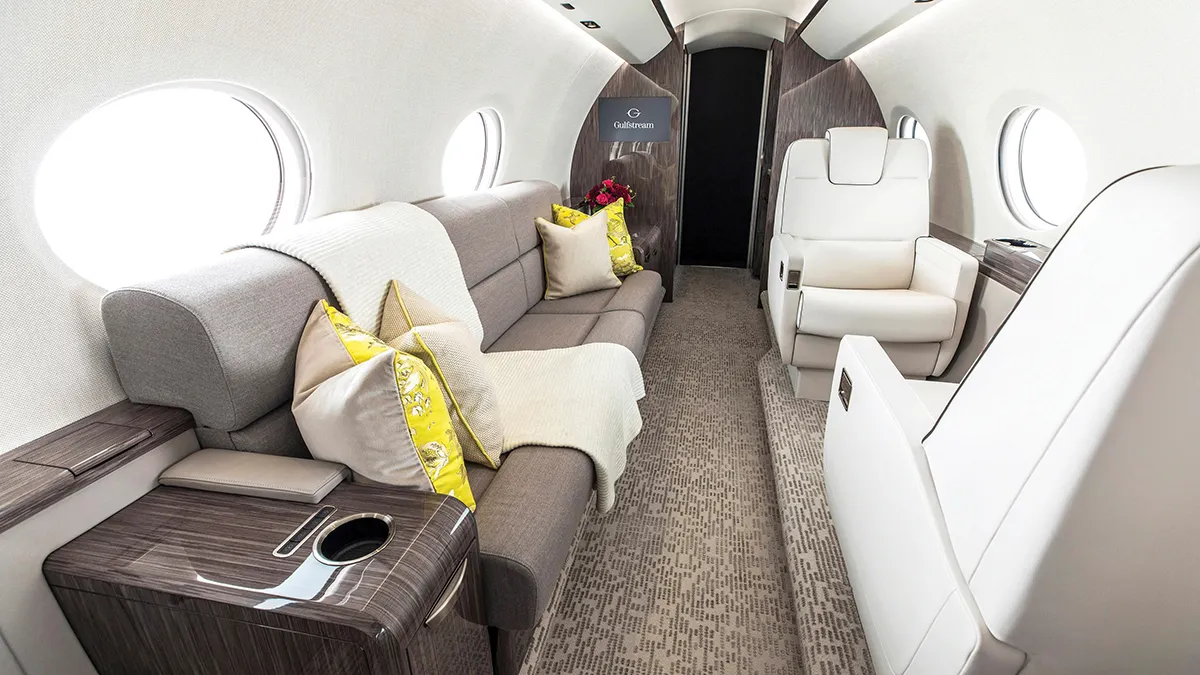
At the end of September, GulfstreamGulfstreamAn American manufacturer of long-range business jets, known for large cabins, speed, and range, and often considered a benchmark in private aviation. Models such as the G650 have long beenGo to Gulfstream Glossary launched its G300—a clean-sheet design that replaces the G280—showcasing an interior volume nearly 100 cubic feet greater than that of its predecessor. It also offers the lowest cabin altitude in its class, as well as the new Harmony Flight Deck avionics suite with six touchscreens, synthetic-vision 3-D runway displays, and Gulfstream’s Predictive Landing Performance system. Citing the new technology and safety features, Gulfstream’s president Mark Burns says the G300 will “reenergize” the super midsize jets category. Not that the segment was slacking—far from it.
Blending transcontinental range with manageable operating costs, super midsize jets have become the sweet spot of private aviationPrivate AviationAir travel by privately owned, chartered, or fractionally owned aircraft, offering fully customized schedules, privacy, and access to smaller airports. Private aviation saves time and enables flexible itineraries, and interestGo to Private Aviation Glossary, especially as they close in on the space, performance, and technology of their larger-cabin counterparts, without as heavy a price tag. “We’re very bullish on the super mids—they’re eight full seats in a stand-up cabin with a lot of space,” says Rolland Vincent, president of his namesake aviation-consulting firm, Rolland Vincent Associates. “They’ve got corner-to-corner range, so Seattle to Miami or New York to London, and that covers so many missions. They really hit that balance of comfort, capability, and cost.”
That balance explains the surge of investment from both manufacturers and fleet operators such as Flexjet and NetJets. Flexjet now flies more than 100 super mids, up from about half of that five years ago, making the class the most popular among its fractional owners. “People used to wait until they were in their 60s to start flying private,” says Michael Silvestro, Flexjet’s C.E.O. “Now we’re seeing people in their 40s. This category is perfect for younger customers who are skipping light jets for bigger jets and flying farther right off the bat. For this group, the trip is part of the overall experience.”
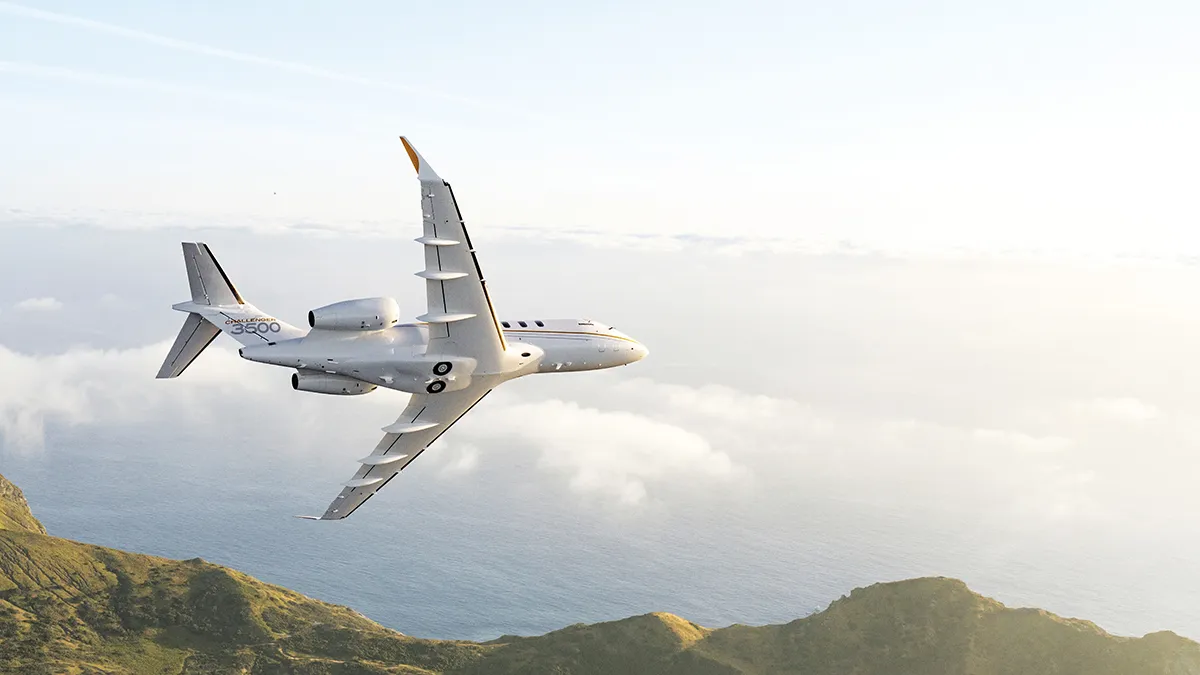
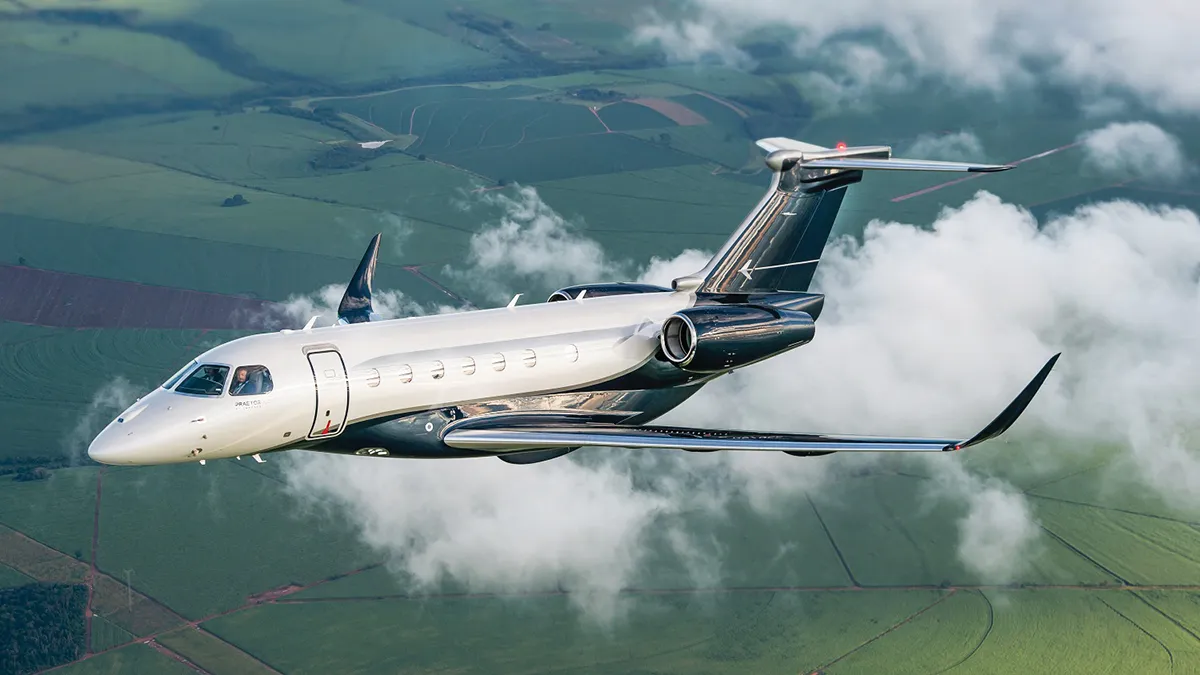
Flexjet recently announced a $7 billion commitment to new Embraer aircraft, a major share being the super mid Praetor 600, which has been in the fleet for several years. Deliveries of the new Praetors will begin next year. The model brings fly-by-wire controls, turbulence-reduction technology, and optional in-flight service capability with a flight attendant—features rare at this size—with even more advances rumored to be in the works. Flexjet’s offerings in the class also include the Challenger 3500—part of the Bombardier series that has delivered more than 1,000 aircraft since its Challenger 300 debuted in 2004.
The 3500 has zero-gravity seating, voice-controlled cabin systems, and a refined interior layout that echoes Bombardier’s flagship Global 8000. Another good example of how manufacturers continue to upgrade the category is the Citation Ascend. With expected certification in 2026, it updates the popular Longitude platform with Garmin’s G5000 Avionics Suite, upgraded Pratt & Whitney engines, and redesigned cabin lighting and sound insulation.
The new fractional-ownership firm Bond and charter providers such as AB Jets are buying into the category in volume. The former launched with an order for 50 new Bombardiers, as part of a $1.7 billion deal including super mids, while the latter recently announced it was moving from light jets to super mids with the purchase of multiple Challenger 3500s. “This category is not going away,” says Vincent.
If there’s one frontier left to conquer, it’s speed. Most models in the class rely on propulsion from Honeywell’s HTF 7000 series, which means they top out at around Mach 0.83. “We’re expecting new engines and maybe even new entrants that push toward Mach 0.9,” says Vincent. Having such equal measures of comfort, capability, and cost further enhanced by an even faster rate of travel—now wouldn’t that be super?
This article originally appeared in Robb Report US.