Here’s What to Expect as Air Taxis Actually Begin to Take Off




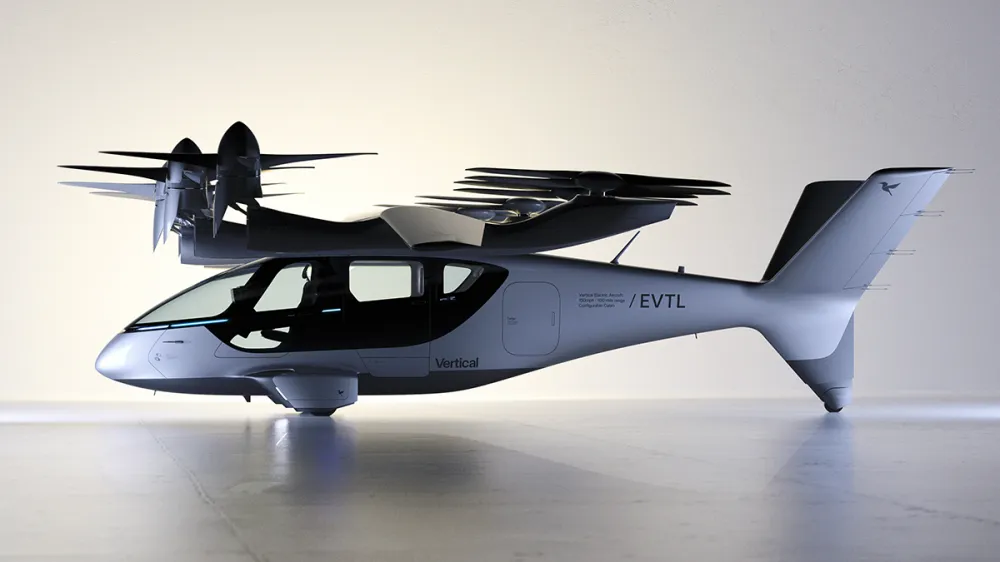
Following a slew of promises, taxis are finally preparing to carry passengers. But don’t expect a Blade Runner skyline anytime soon. The first limited commercial services could start this year, most likely with California-based Joby Aviation, though it remains unclear whether the debut will come in Dubai or the U.S. Either location will mark a milestone for urban air mobility—but the revolution will unfold one carefully certified flight at a time.
In 2016, Uber Elevate published a white paper outlining a future of urban air mobility (U.A.M.) built around zero-emission, low-noise electric vertical takeoff and landing (eVTOL) aircraft. These scaled-up drones promised inexpensive air-taxi service that could sail above traffic, and a design boom followed. Two years ago, 1,200-plus eVTOL proposals had been documented by evtol.news, many predicting they’d be flying passengers by 2025 or 2026.
So where are they?
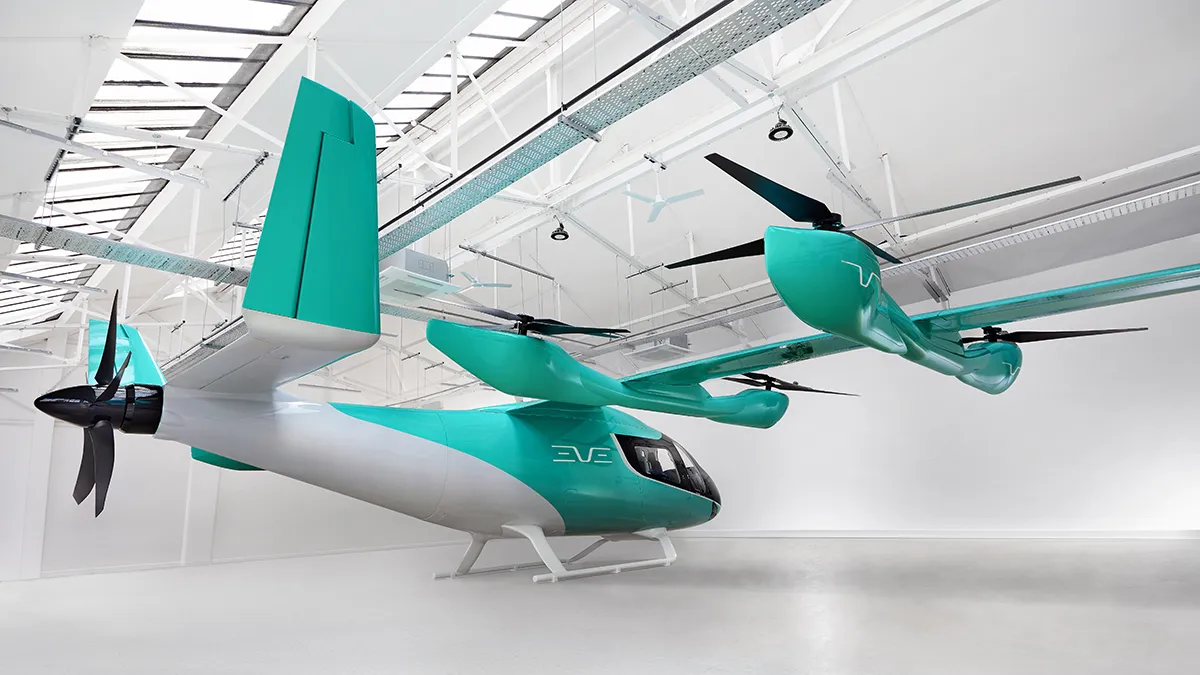
Most never made it past the press-release phase. Others raised money, burned through it, and disappeared. Even Uber exited the business, selling Elevate to Joby. Today, Joby, Archer, Wisk, Eve, Beta Technologies, and Vertical Aerospace are the leading contenders in the U.S. and Europe. “People will see them, at least the ones that are that far advanced, flying in different places around the country within the year,” says Mike Hirschberg, a veteran aviation consultant who previously ran the Vertical Flight Society, which helped promote the largely aspirational eVTOL world about 15 years ago.
The sector’s recent increased visibility is largely due to the eVTOL Integration Pilot Program (eIPP), created by a presidential executive order in June 2025 to accelerate the safe deployment of advanced air mobility vehicles. The program allows companies with working aircraft to conduct demonstration flights at participating sites before gaining final F.A.A. type certification.
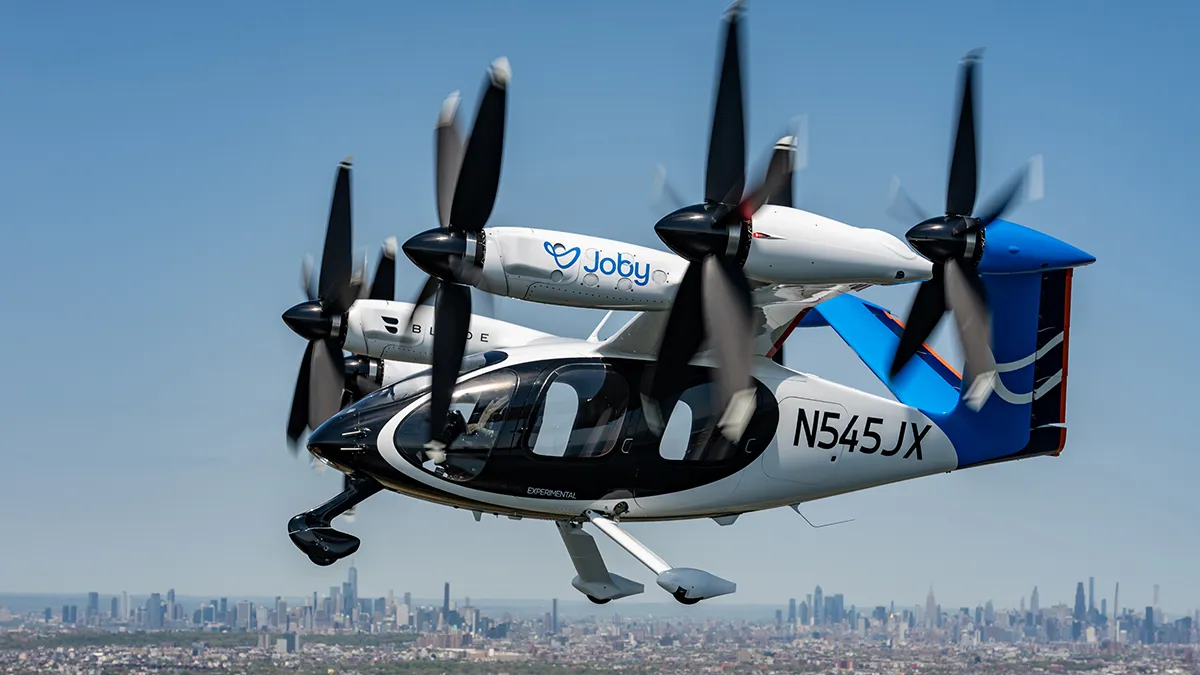
“I think you’ll see more momentum building as we drive toward carrying passengers and starting to really exercise these aircraft under the eIPP,” says Eric Allison, Joby’s chief product officer. “We’re embracing that opportunity. I think it’ll help people understand how these aircraft work [in practice], which then also helps all the other work that has to happen for type certification to play out even faster.”
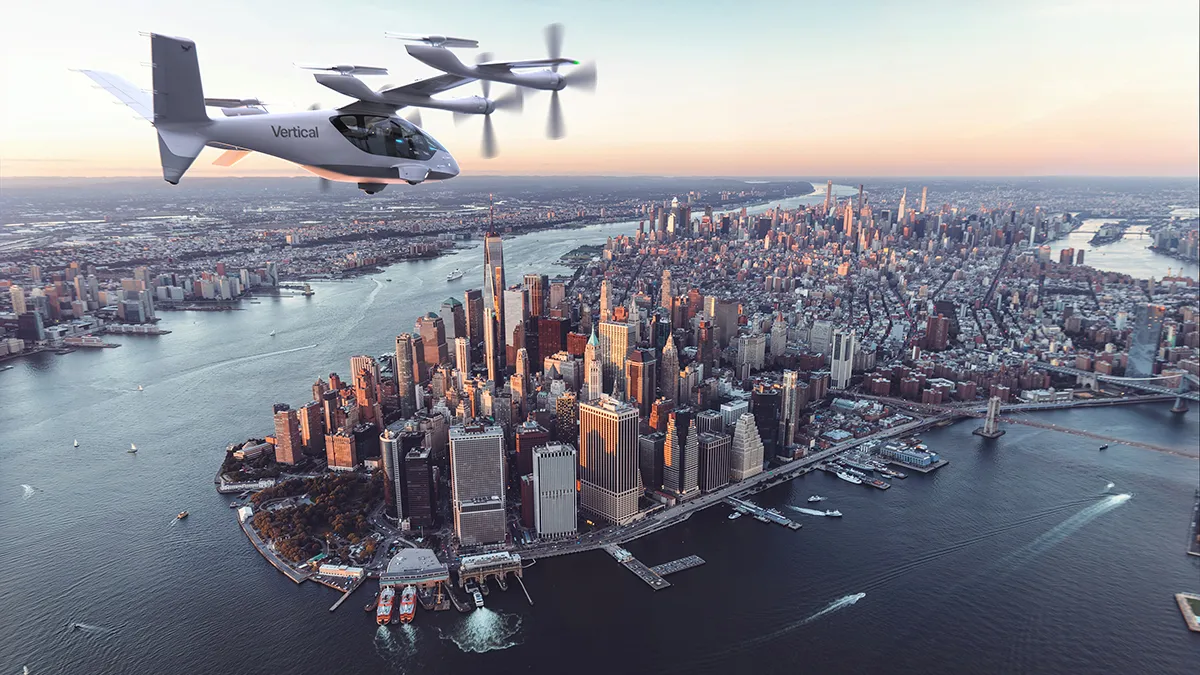
For travelers, the city-based air-taxi model has emerged as the leading use case over longer-distance regional travel. “We’re looking at what problem the eVTOL solves,” says Megha Bhatia, Eve’s chief commercial officer. “It’s being able to carry out the last-mile mission or short urban hops.” Initially, that will mean flights lasting just minutes—from an airport to a heliport or purpose-built vertiport on a city’s edge. Think JFK to Midtown Manhattan, MIA to downtown Miami, LAX to Malibu, or a quick arrival at the Masters, the Kentucky Derby, or a Formula 1 race.
The first commercial services will be modest: small fleets operating on a handful of routes while manufacturers scale production and regulators gain operational knowledge. Widespread adoption remains years away. “The technology may be [initially] reserved to higher earners. Like other technologies, the price will eventually come down,” says Sergio Cecutta, managing partner at SMG Consulting. Joby remains the frontrunner in terms of F.A.A. certification. SMG believes that company will achieve final certification within the next two years, with other manufacturers expected to follow later in the decade. “I think the demand will go on from there,” Cecutta says. “Supply will catch up to the demand in the mid-2030s. We’ll see a $1 trillion market by 2050.” Very soon, the first commercial flights will cap a decade of development. Then comes the much longer process of transforming how people travel.
This article originally appeared in Robb Report US.
FAQs
The first limited commercial eVTOL services could begin in 2026, with Joby Aviation among the companies closest to launching passenger operations.
Early routes will likely focus on short urban trips between airports, city centers, heliports, and purpose-built vertiports in congested markets.
Leading eVTOL developers include Joby Aviation, Archer, Wisk, Eve Air Mobility, Beta Technologies, and Vertical Aerospace.
Early services are expected to target higher-income travelers willing to pay a premium for faster urban trips, with prices potentially falling as fleets and infrastructure expand.
Widespread adoption is still years away. Industry forecasts suggest supply could begin catching up with demand in the mid-2030s as certification, production, and infrastructure mature.