How the Lamborghini Gallardo Brought the Raging Bull Into the Big Leagues




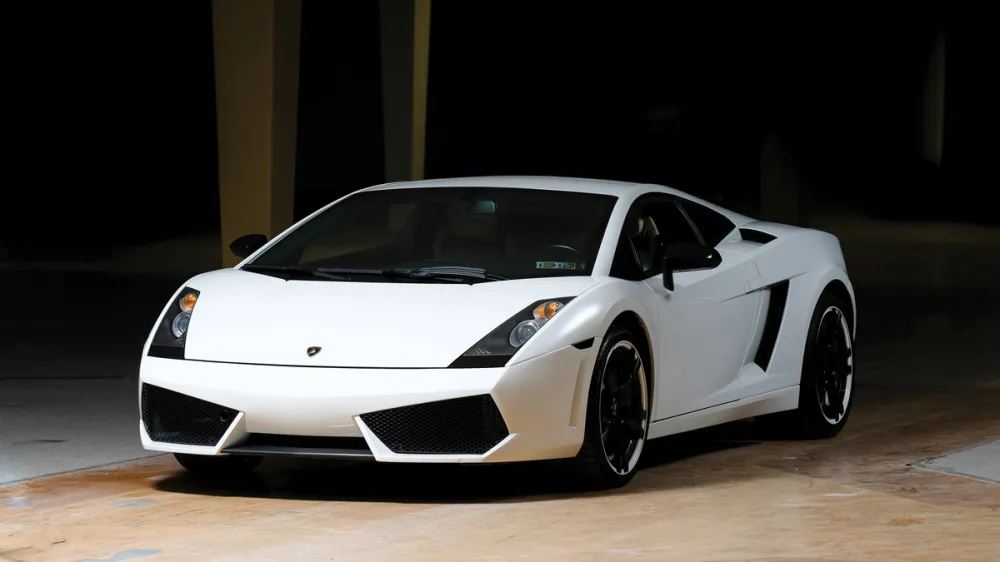
With Automobili Lamborghini‘s founding in 1963, the marqueMarqueA brand name of a car manufacturer, particularly one associated with prestige, such as Ferrari, Rolls-Royce, or Aston Martin. The term emphasizes a make's heritage and identity beyond product lines,Go to Marque Glossary became just another small-volume Italian car manufacturer, with a trickle of units coming off the production line. But Audi took over the reins in 1998, and with the introduction of the Gallardo in 2003, the Raging Bull entered an elite ring. The second Lamborghini released under Audi (the first was the 2001 Murciélago), the Gallardo was a smaller sibling powered by a V-10, and became a colossal success. When production finally ended in 2013, 14,022 examples had been built. As for its replacement, the Huracán, that success story is still being written.
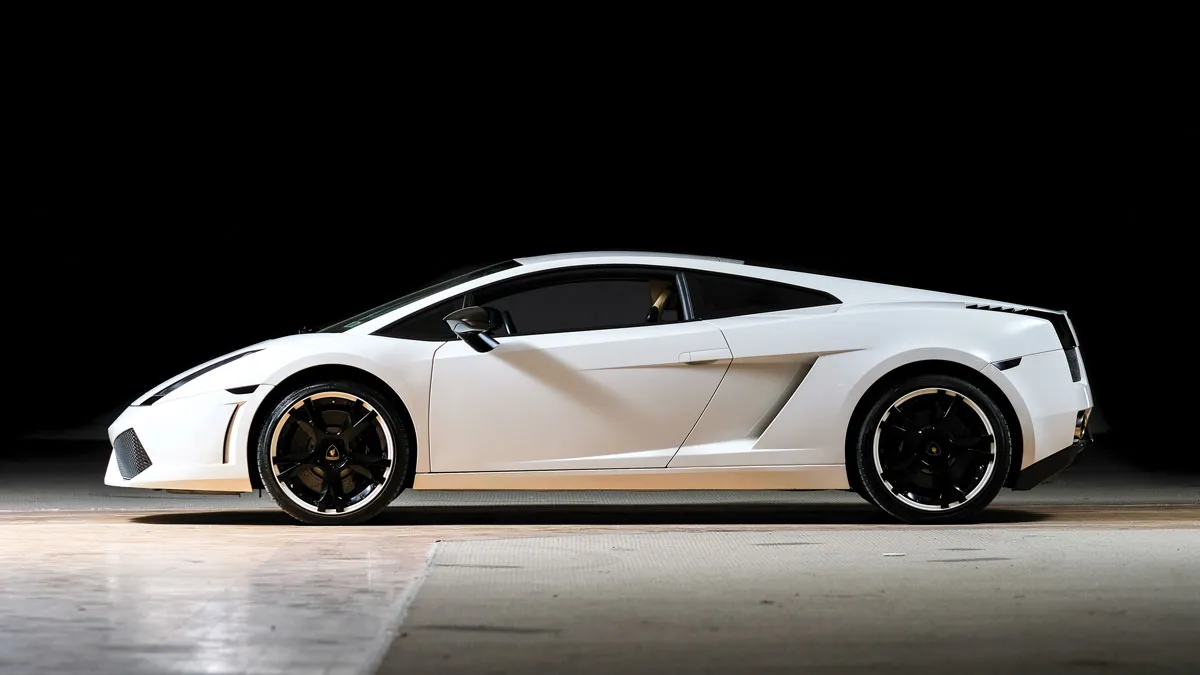
It was just a matter of time until Lamborghini, the “other” Italian super-marqueMarqueA brand name of a car manufacturer, particularly one associated with prestige, such as Ferrari, Rolls-Royce, or Aston Martin. The term emphasizes a make's heritage and identity beyond product lines,Go to Marque Glossary, hit a commercial home run. The Gallardo was unlike previous models in that it was extreme but friendly, uncompromising but comfortable, and amazingly easy to pilot. There is no contradiction of terms here—the Gallardo blends seemingly disparate attributes and comes out on top as one of the most usable sports cars of its day.
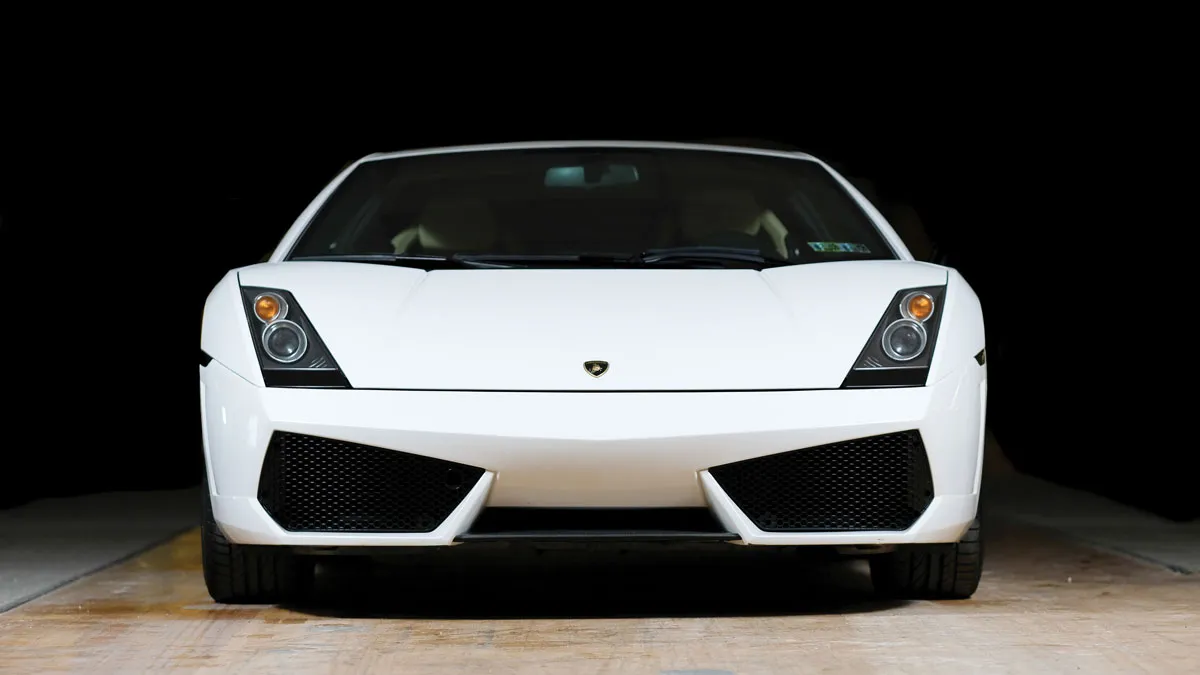
The shape expresses a clarity of line and freedom from embellishment, suggesting this car was made by designers for designers. Compared to the Murciélago, the Gallardo is smaller in scale and looks more balanced from every angle. Its smaller size makes the Gallardo easier to use on real-world roads, while conventional doors—rather than unwieldy scissor-style contraptions—allow normal ingress/egress, and once inside, even tall drivers can see and function with relative ease.
Creature comforts abound, thanks to Audi-influenced ergonomics, with fit and finish—inside and out—that reflect high German standards. Picky types should note that this car exhibits build quality unknown in previous Lamborghinis, which, like so many Italian and British exotics of the 20th century, have shown marginal attention to details, large and small. But the infusion of Audi sensibilities in no way makes the Gallardo a less exciting Lamborghini than its forebears. In fact, the “entry-level” model, priced at more than $100,000 less than its V-12 sibling when introduced, was arguably the best Lamborghini to that point.
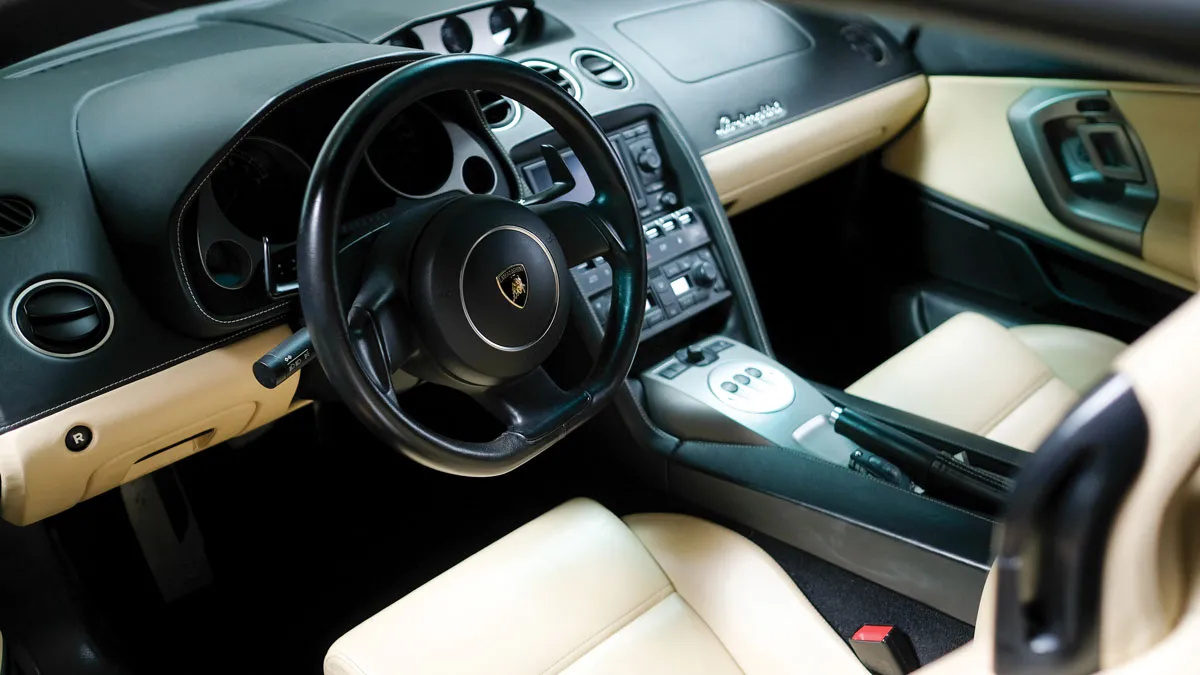
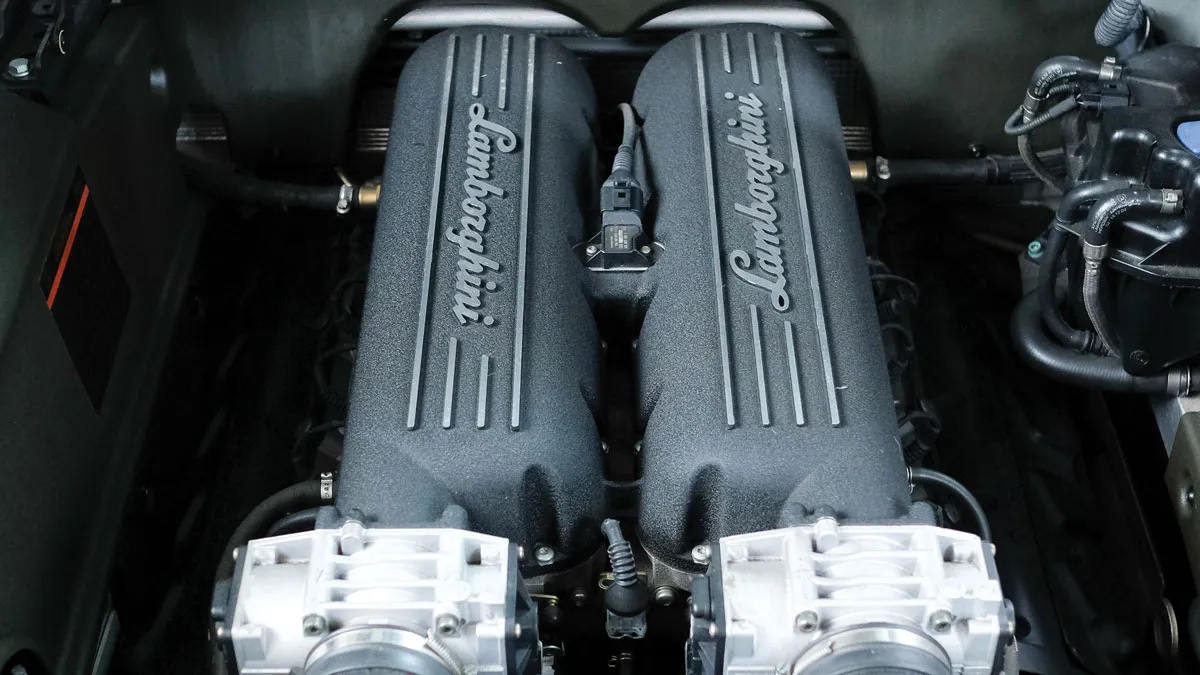
Mechanically minded sorts will appreciate the fact that the Gallardo was Lamborghini’s first foray into V-10 territory. At launch, the then-new 5.0-liter power plant produced 493 hp at 7,800 rpm, with plenty of flexible torque. Placed longitudinally amidships and driving all four wheels, the naturally aspirated motor eschews the pyrotechnics of turbos or a finicky powerband that makes extracting performance a chore. Displacement and output slightly increased over time, and RWD variants eventually became available.
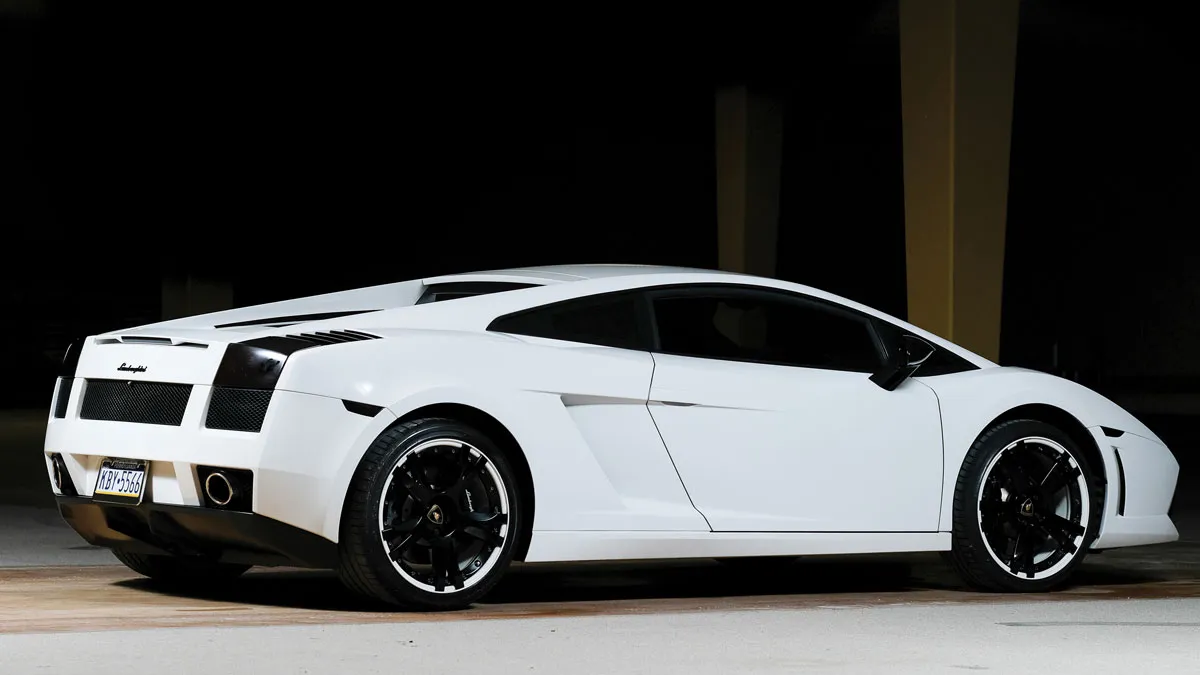
At about 3,200 pounds, the Gallardo coupe is more flickable than its weight suggests, with handling that is sure-footed and beautifully neutral, but hardly unexciting. Less-than-expert drivers can have fun in great measure; those more talented will be rewarded further still. The six-speed manual gearbox is the transmission of choice, though the corporate spiel was that the electronic paddle shift—Lamborghini e-Drive—was better. It’s not more fun, unless you spend many hours parked as a rush-hour sardine.
Today, cars equipped with a six-speed manual gearbox command a huge premium. Coupe and spider versions in dozens of iterations exist, with prices ranging from $90,000 for an early example in good condition, to well over $225,000 for later models in pristine condition.
This article originally appeared in Robb Report US.