Fabergé Eggs: A Gilded Easter Legacy




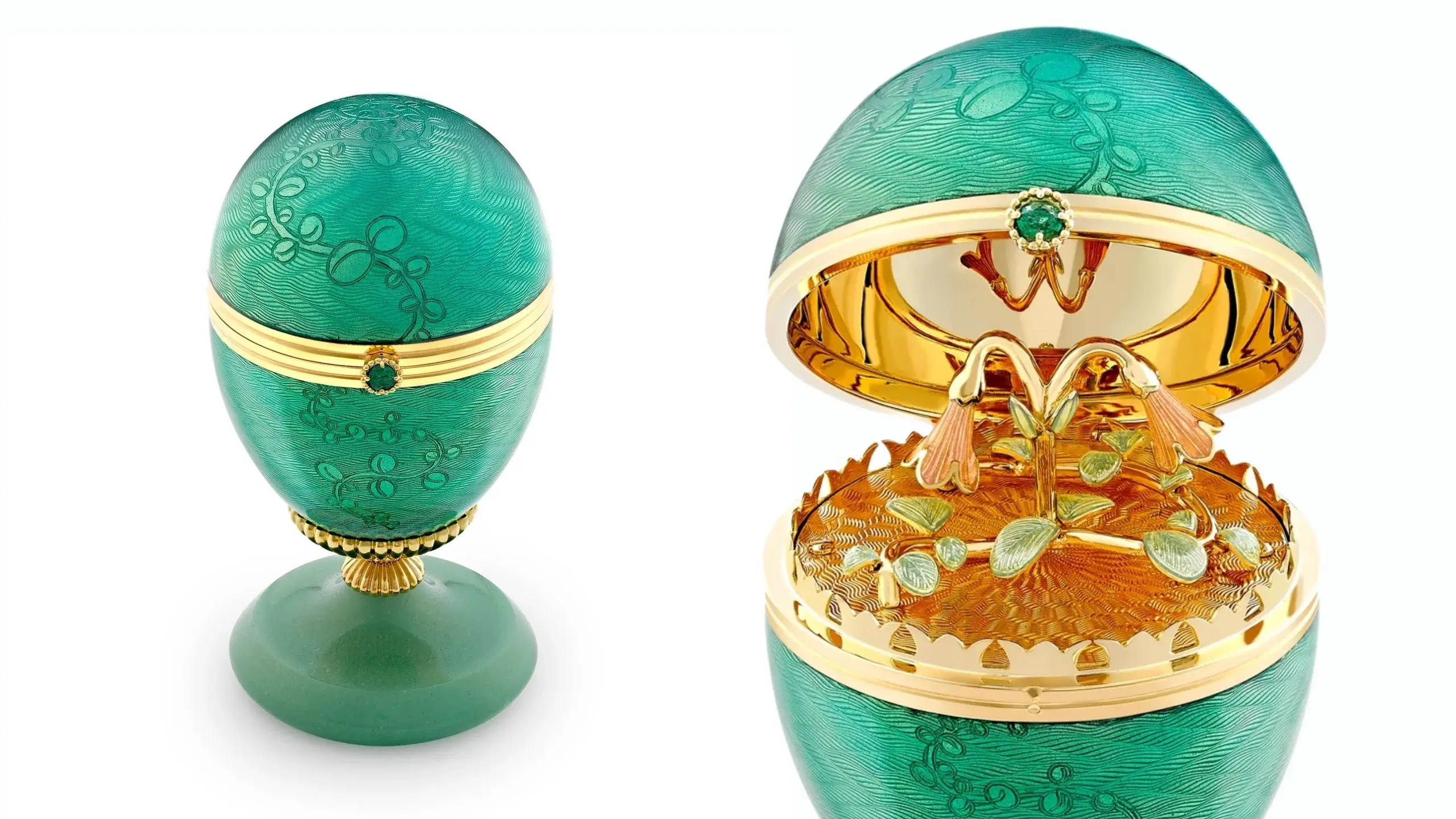
Easter may conjure up images of pastel-dyed eggs and chocolate bunnies, but in the world of high jewelry, the holiday finds a more extravagant expression in the form of the legendary Fabergé Eggs—bejeweled masterpieces that have long captivated collectors and connoisseurs alike.
While Easter eggs have been both a Christian and pagan tradition for centuries, the story of the Fabergé Egg began in 1885—not in a jewelry atelier, but rather in the court of the Russian Empire. Peter Carl Fabergé, a young jeweler with a growing reputation for exquisite craftsmanship, was commissioned by Tsar Alexander III to create an Easter gift for his wife, Empress Maria Feodorovna.
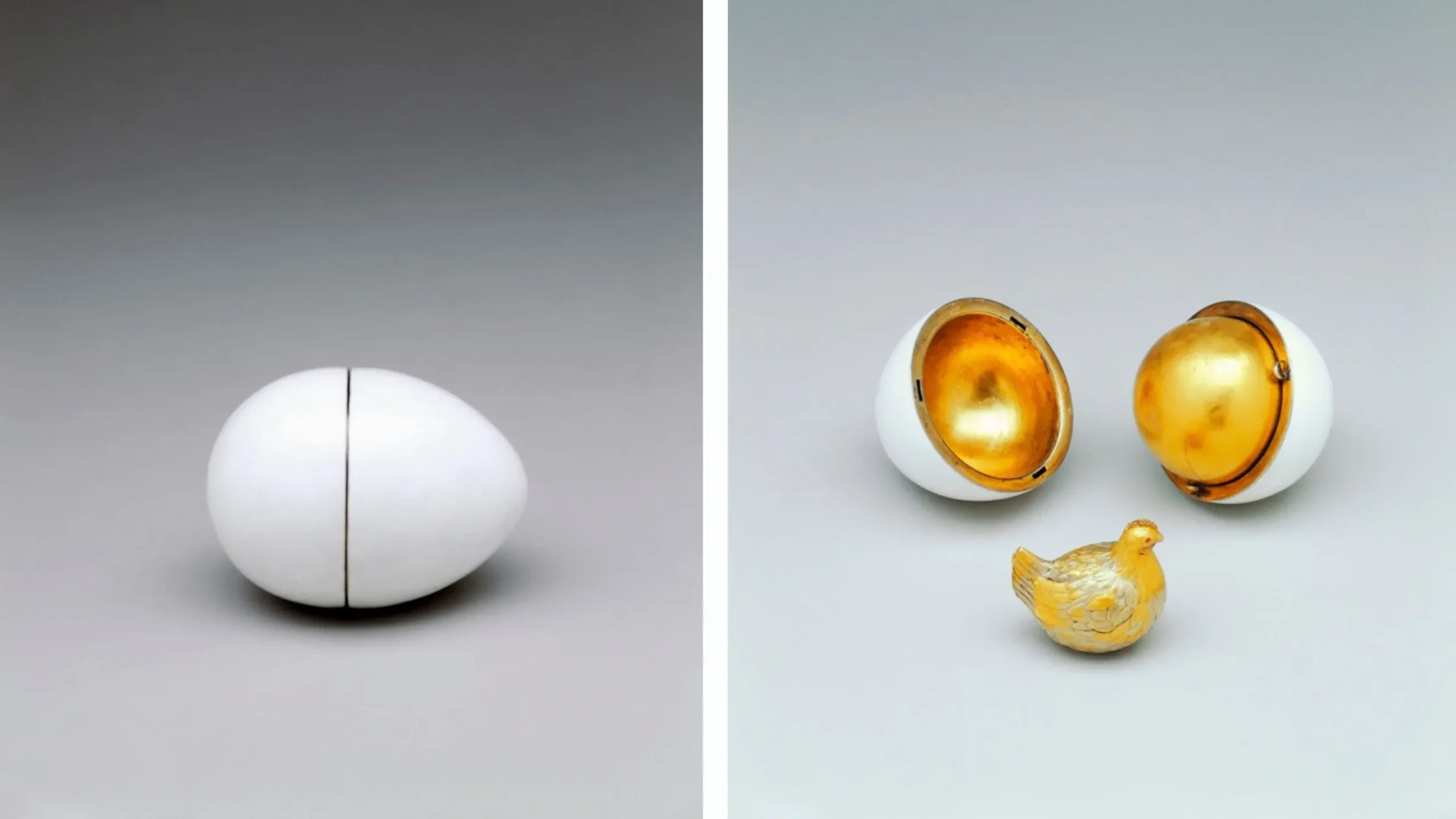
What he delivered was the first Imperial Fabergé Egg—an unassuming, white enameled shell that opened to reveal a golden yolk, which in turn encased a golden hen, and inside that, a miniature diamond crown and ruby pendant. A marvel of creativity and mechanical ingenuity, it set the standard for what would become a cherished imperial tradition. Every year thereafter, until the fall of the Romanovs in 1917, a new and increasingly elaborate egg was created for the royal family.
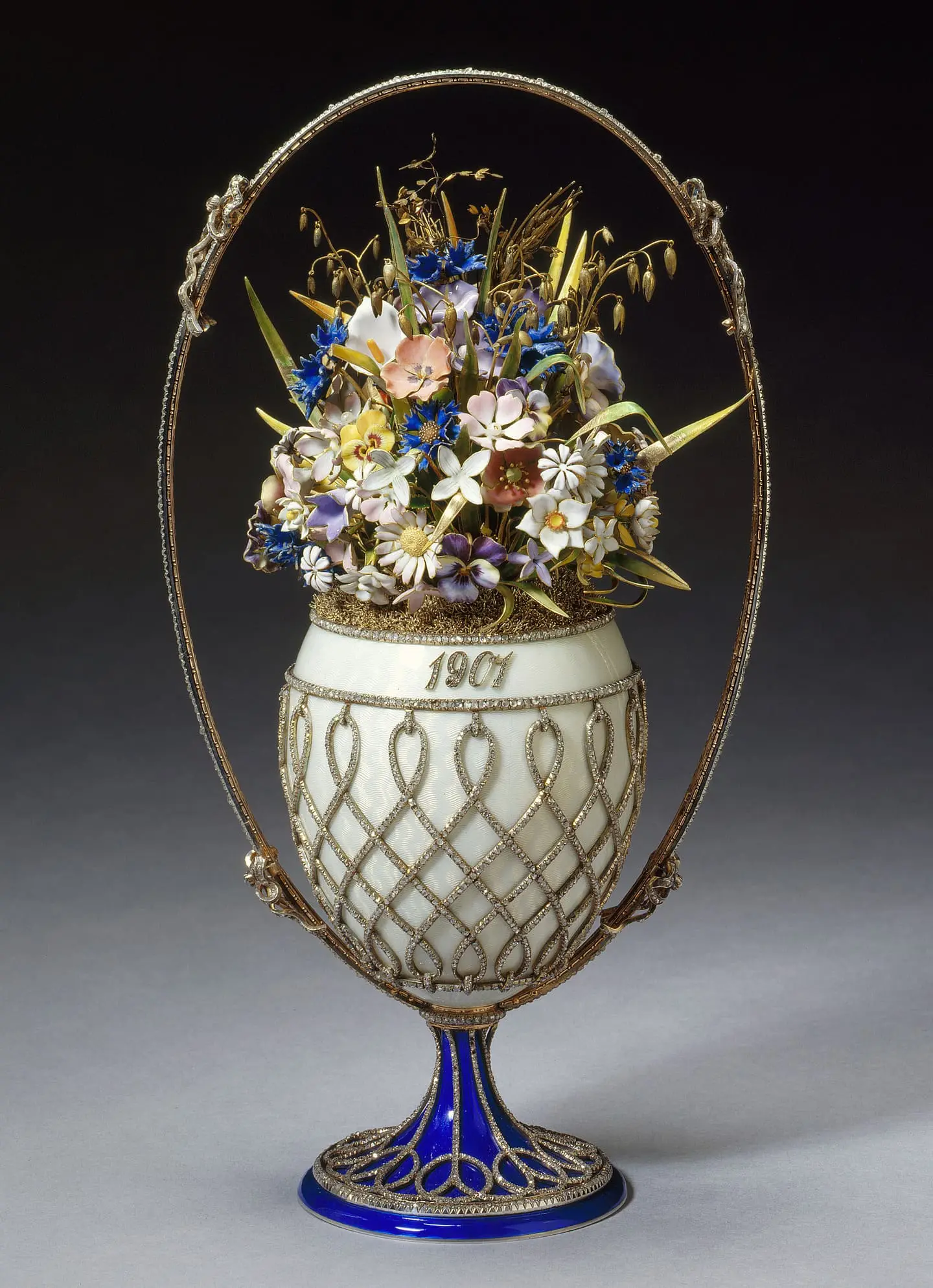
Over three decades, the House of Fabergé created 50 Imperial Eggs, each unique, each hiding a surprise: a tiny train, a working clock, a miniature portrait gallery. These weren’t merely ornamental—they were symbolic, intimate gifts that often commemorated milestones or historical events. The 1913 Winter Egg, encrusted with rock crystal and platinum, is considered one of the most extravagant, its frosted shell concealing a platinum flower basket set with over a thousand diamonds. (It later sold at auction in 2002 to the Emir of Qatar, Hamad bin Khalifa Al Thani, for over $9 million.)
But Fabergé’s gilded age ended abruptly with the Bolshevik Revolution. The Russian imperial family was executed, the House of Fabergé was nationalized, and Peter Carl fled the country, never to return. For decades, the legacy of the Fabergé name drifted—passed through different owners, diluted by licensing deals that ranged from perfumes to even Aqua Net, when the license was owned by Unilever in the ’90s. For a time, it seemed that the artistry behind the Fabergé name would remain a relic of a lost empire.
That changed in the early 2000s, when Fabergé’s brand rights were reacquired by Fabergé Limited, a company determined to restore the house’s original identity as a maker of extraordinary jewelry and objets d’art. In 2009, Fabergé, now a wholly owned subsidiary of Gemfields Ltd., a world-leading supplier of responsibly sourced colored gemstones, relaunched with a new generation of egg-inspired designs—works that nodded to their imperial forbears while embracing a more contemporary design philosophy.
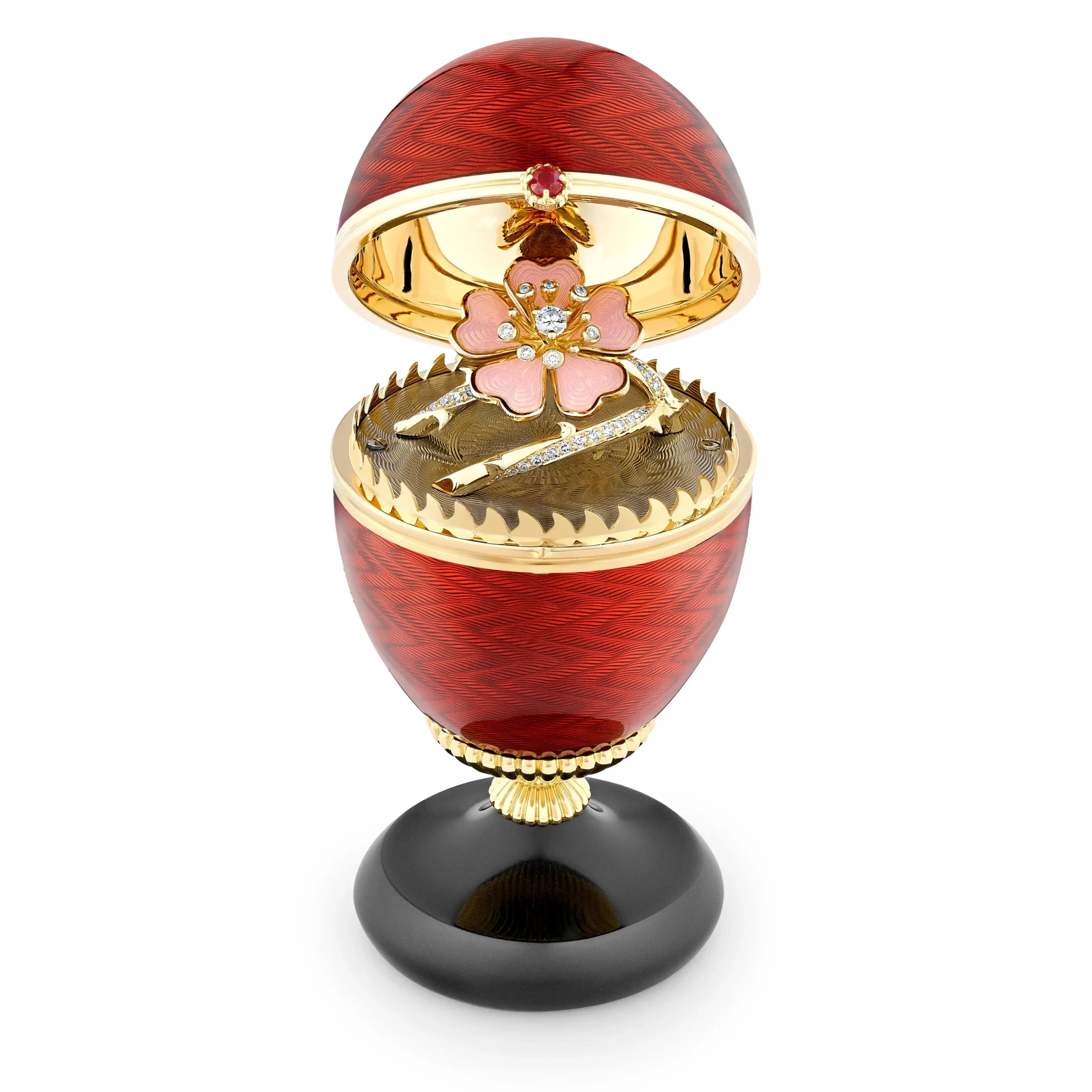
Today, Fabergé’s modern egg pendants and objets are no less precious, though more accessible than their Tsarist counterparts. The house’s Heritage Collection makes these precious treasures wearable, featuring miniature eggs crafted in guilloché enamel and set with diamonds or colored gemstones—still hiding surprises inside, though now on a scale that fits the neck rather than a palatial ballroom.
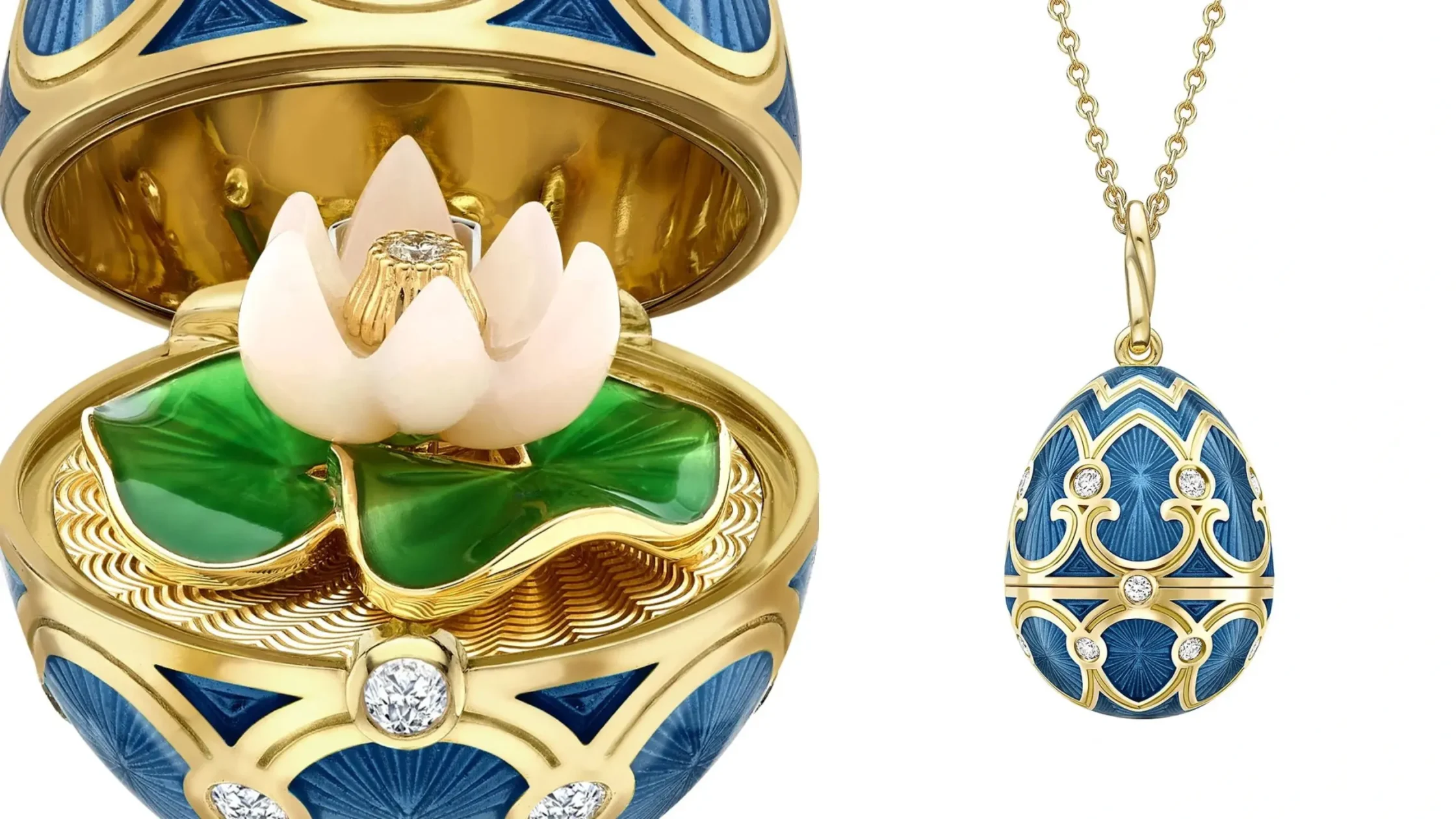
The house’s one-of-a-kind Egg Objets are more in line with its history, featuring a no-holds-barred approach to design and materials. The Fabergé x Game of Thrones High Jewelry Egg, unveiled in 2021, marked an ambitious new chapter—melding fantasy and regal tradition in a collector’s piece that took over 2,500 hours to complete.
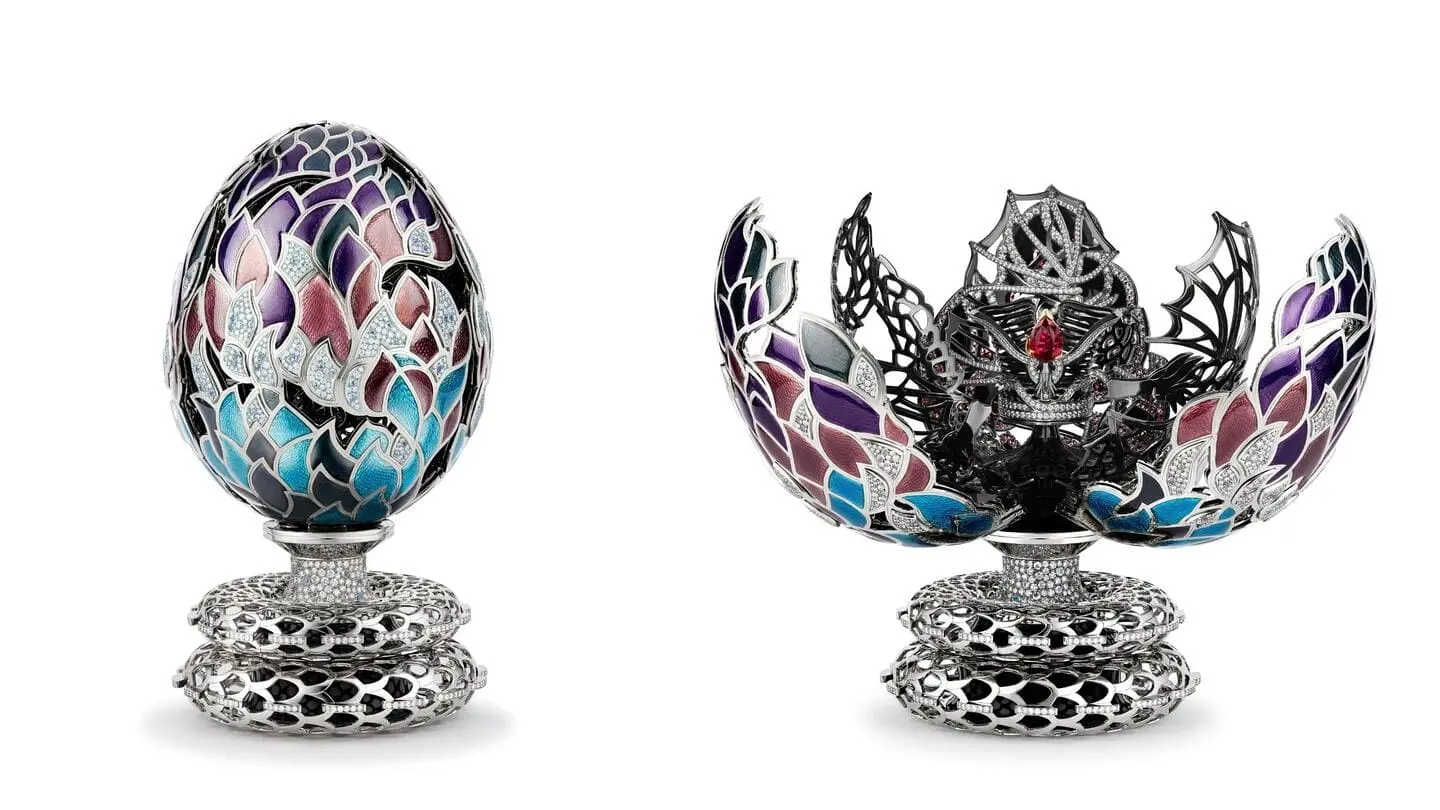
These intricate creations stand as enduring symbols of artistry, devotion, and the beauty of tradition. For some, they are marvels of engineering; for others, heirlooms of a vanished dynasty; and for a new generation of collectors, they represent a return to craftsmanship in a world of fast luxuryLuxuryA lifestyle defined by exceptional quality, craftsmanship, exclusivity, and sophistication, encompassing the finest products, services, and experiences that represent the highest standards of refinement and excellence.Go to Luxury Glossary.
In a time when “quiet luxuryQuiet LuxuryA style philosophy favoring understated, high-quality goods without visible logos, centered on exceptional materials and craftsmanship. Quiet luxury appeals to discerning clients who value subtlety, and it has influenced watches,Go to Quiet Luxury Glossary” is ascendant and the appetite for legacy and heritage is stronger than ever, the Fabergé Egg continues to embody a rare and unapologetic opulence—and though a lucky few of us may find one in our Easter baskets, the fantasy remains part of the charm.
Fabergé’s Egg Objets can be found in their website.