How the GPHG-Nominated Watches Give the Calendar a Different Face


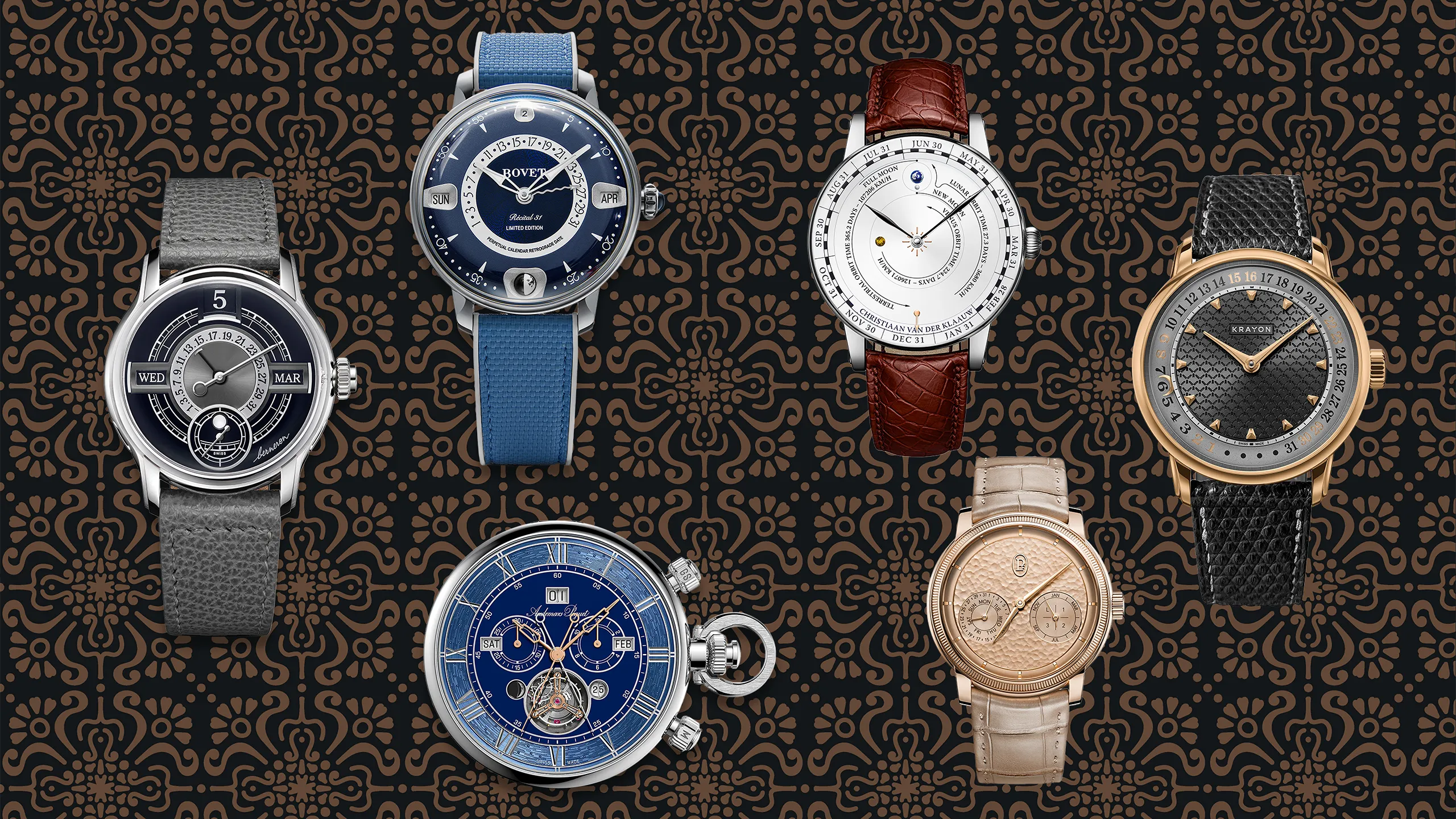
Often when we look at watches in what is called the calendar and astronomy field, people expect to see these wonderful expressions of galaxies and stars and the night sky, and indeed there are very special pieces for that. But that’s not exactly where this section of watchmaking actually came from.
This year at the Grand Prix d’Horlogerie de Genève (GPHG), an annual awards competition recognizing excellence in watchmaking across multiple categories, there are six finalists for the calendar and astronomy prize. These particular timepieces need to have at least one calendar and/or astronomical complicationComplicationAny function on a mechanical watch beyond telling the hours, minutes, and seconds, such as a calendar, chronograph, moon phase, or tourbillon. Complications demonstrate a watchmaker's technical skill, and moreGo to Complication Glossary. This doesn’t mean that they have to be visible; for example, a perpetual calendar or an equation of time may be completely complex behind the dial, but very clean at the front because all it’s doing is maintaining time, date, month, year, and leap year accurately and not necessarily showing it. Of course, there are others with moon phase displays and so on.
Looking at the calendar and astronomy watches we have for this year’s finalists, they all have some indication past just the most basic, but they all have different interpretations.
Audemars Piguet 150 Heritage
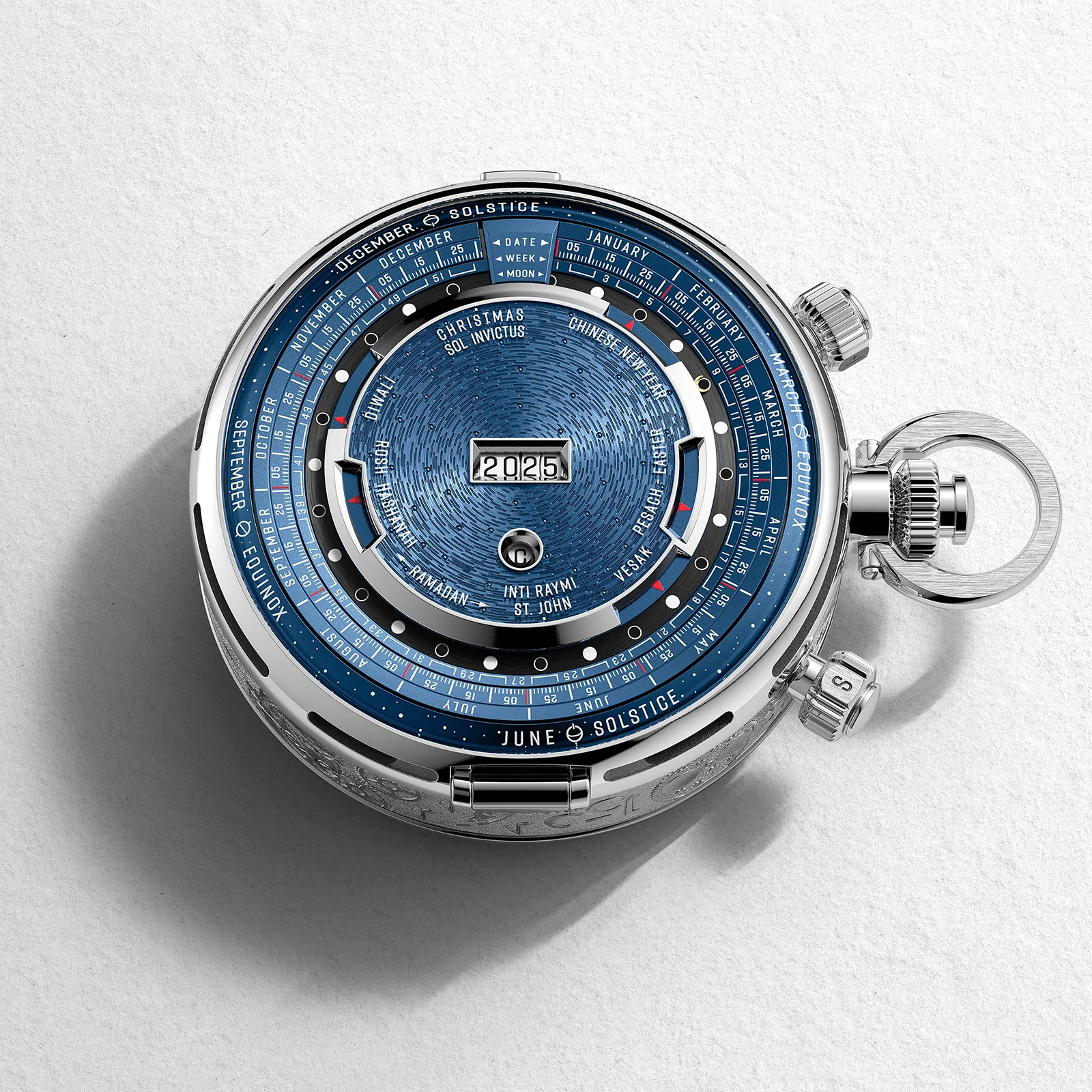
The Audemars Piguet 150 Heritage is a manual-winding mechanical pocket watch, and it is relatively complicated on the front. But even more so behind, with 47 functions including 30 complications.
Berneron Quantième Annuel and the Bovet 1822 Récital 31
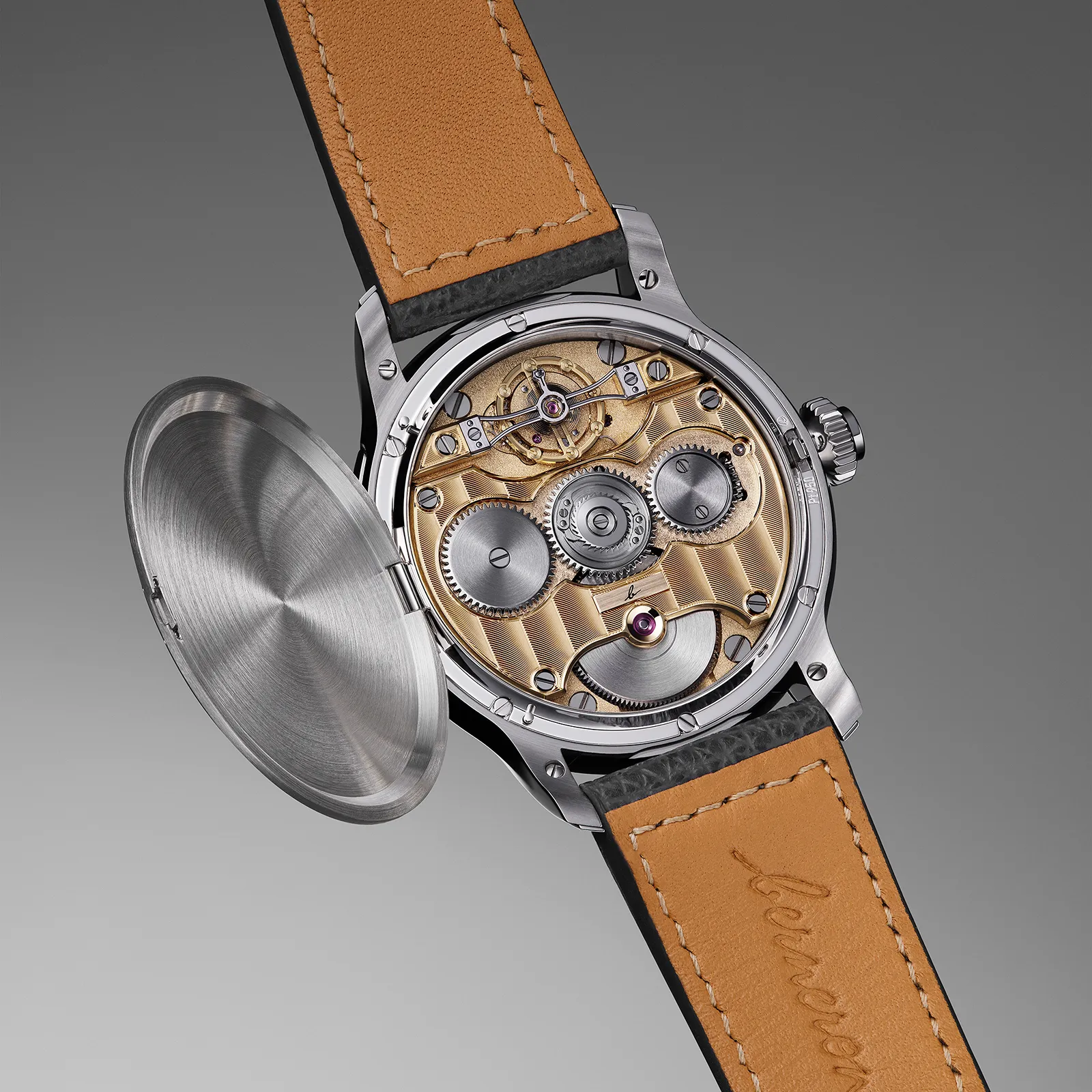
Then you have pieces such as the Berneron Quantième Annuel and the Bovet 1822 Récital 31 that have similar layouts using sub-dials or pointers for date, day, month, and moon phaseMoon PhaseA watch complication that displays the current phase of the moon through a small aperture on the dial, usually accurate to within a day for years. Romantic, the moon phaseGo to Moon Phase Glossary complications. The Berneron uses a single double-regulator dial layout, and time is read top to bottom (the hour is digital and in the aperture at 12 o’clock) and the calendar complication left to right.
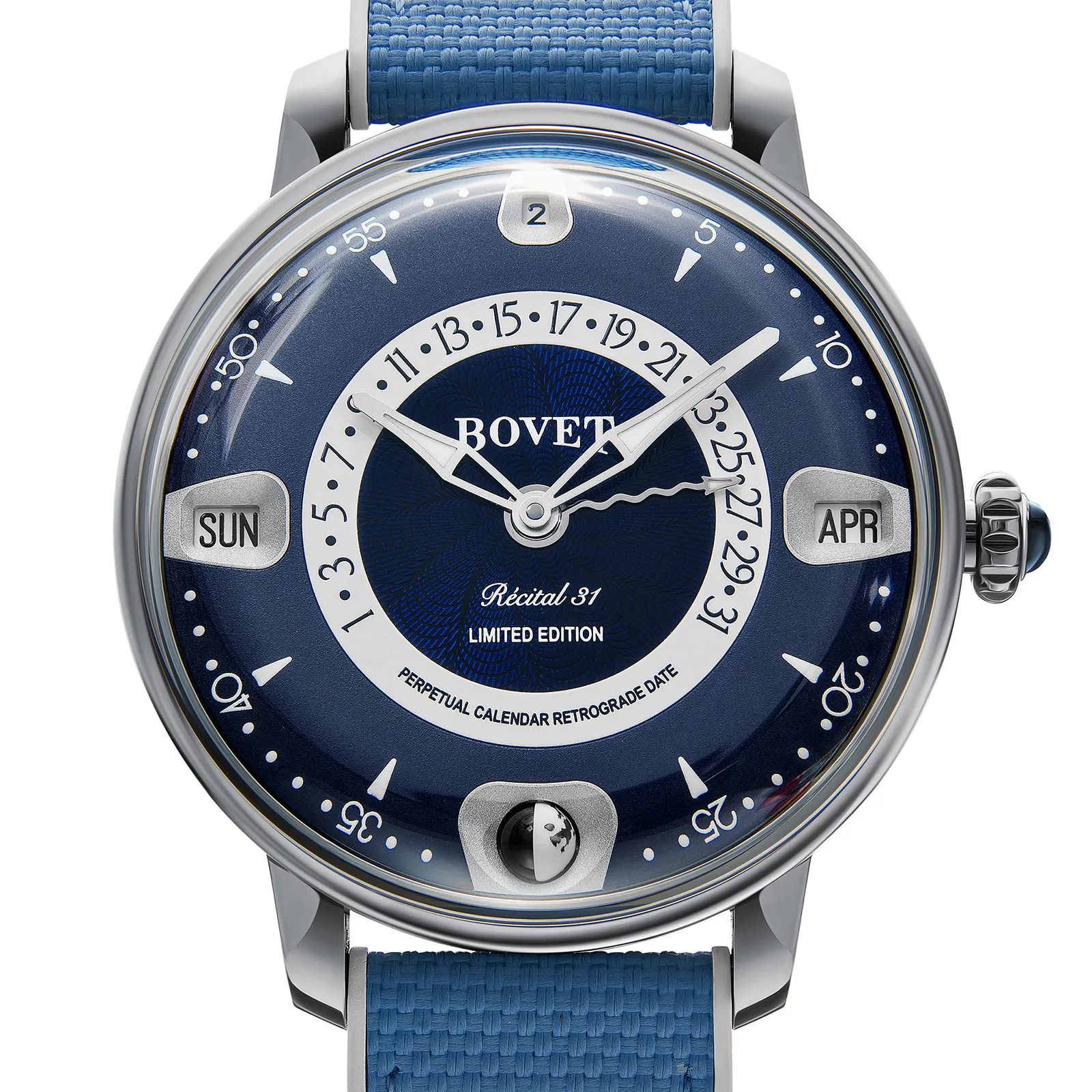
The Bovet may look somewhat similar but uses the traditional two-hand layout as opposed to the double regulator of the Berneron.
Christiaan van der Klaauw CVDK Venus Annual Calendar, Krayon Anyday Rose Gold, and Parmigiani Fleurier Toric Perpetual Calendar 30th Anniversary
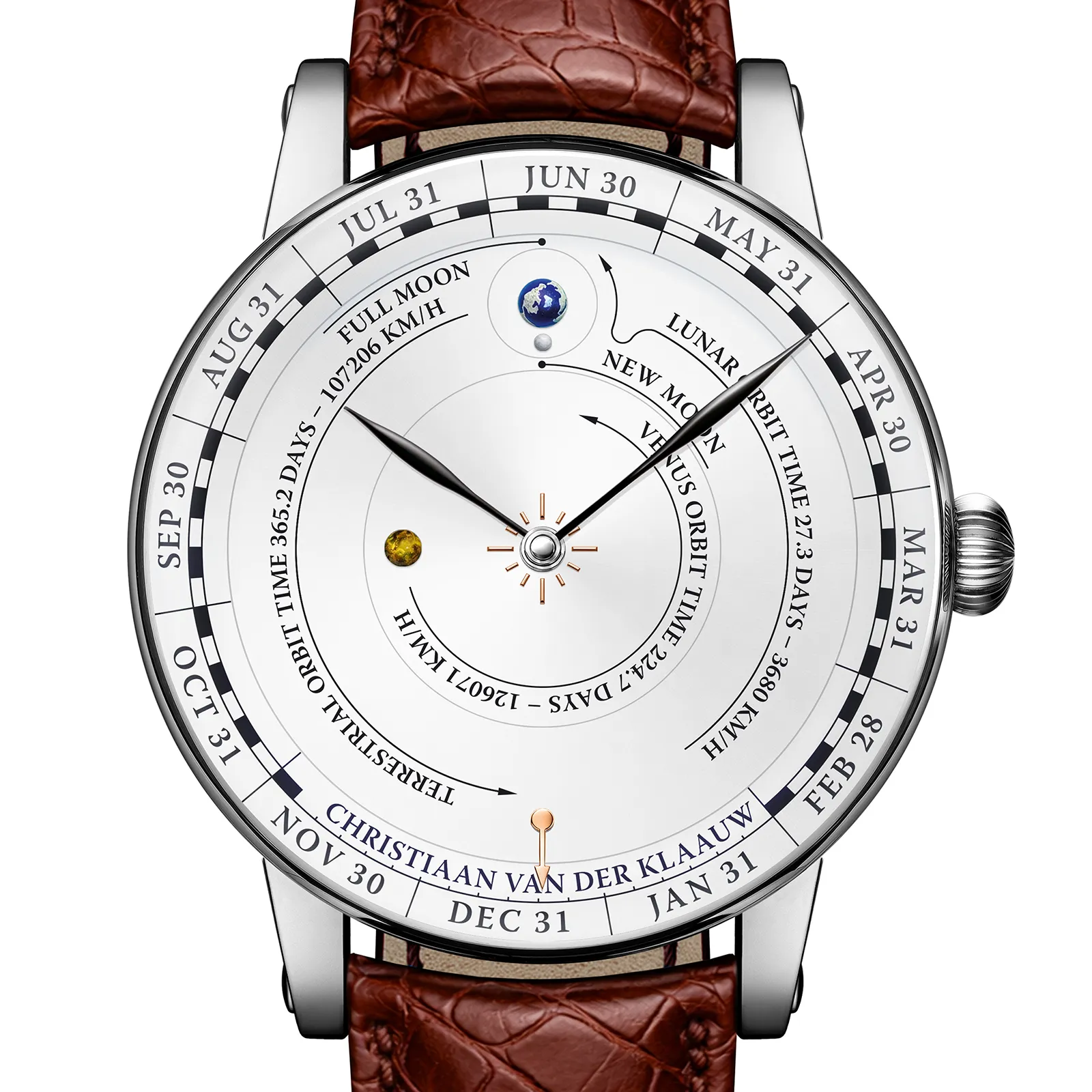
The other three watches are visually a bit different. The Christiaan van der Klaauw CVDK Venus Annual Calendar looks more minimalist and stark, and, true to the form of the Maison, makes kind of a design statement more than the others.
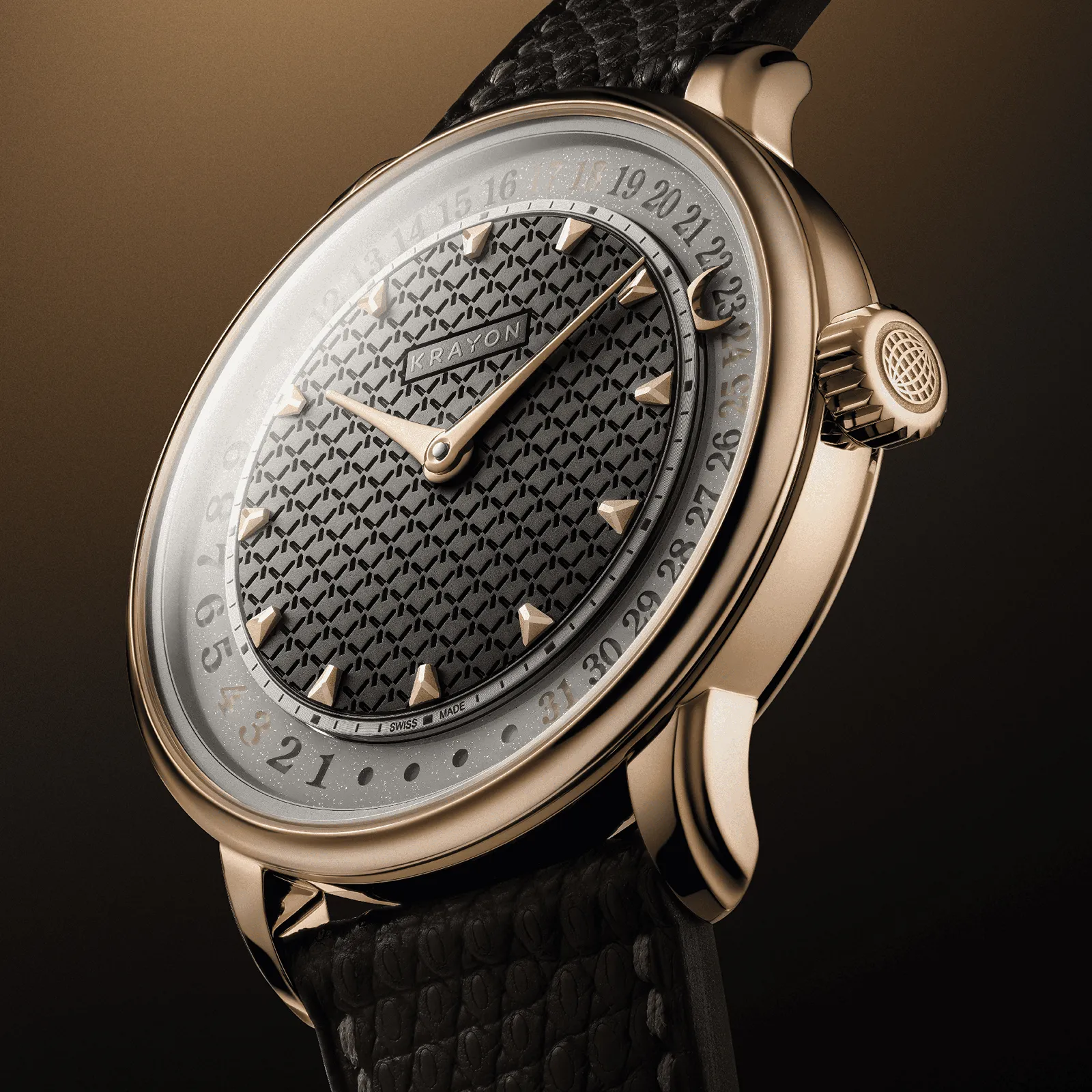
The Krayon Anyday Rose Gold is clean and elegant, using an interestingly different way to display the date.
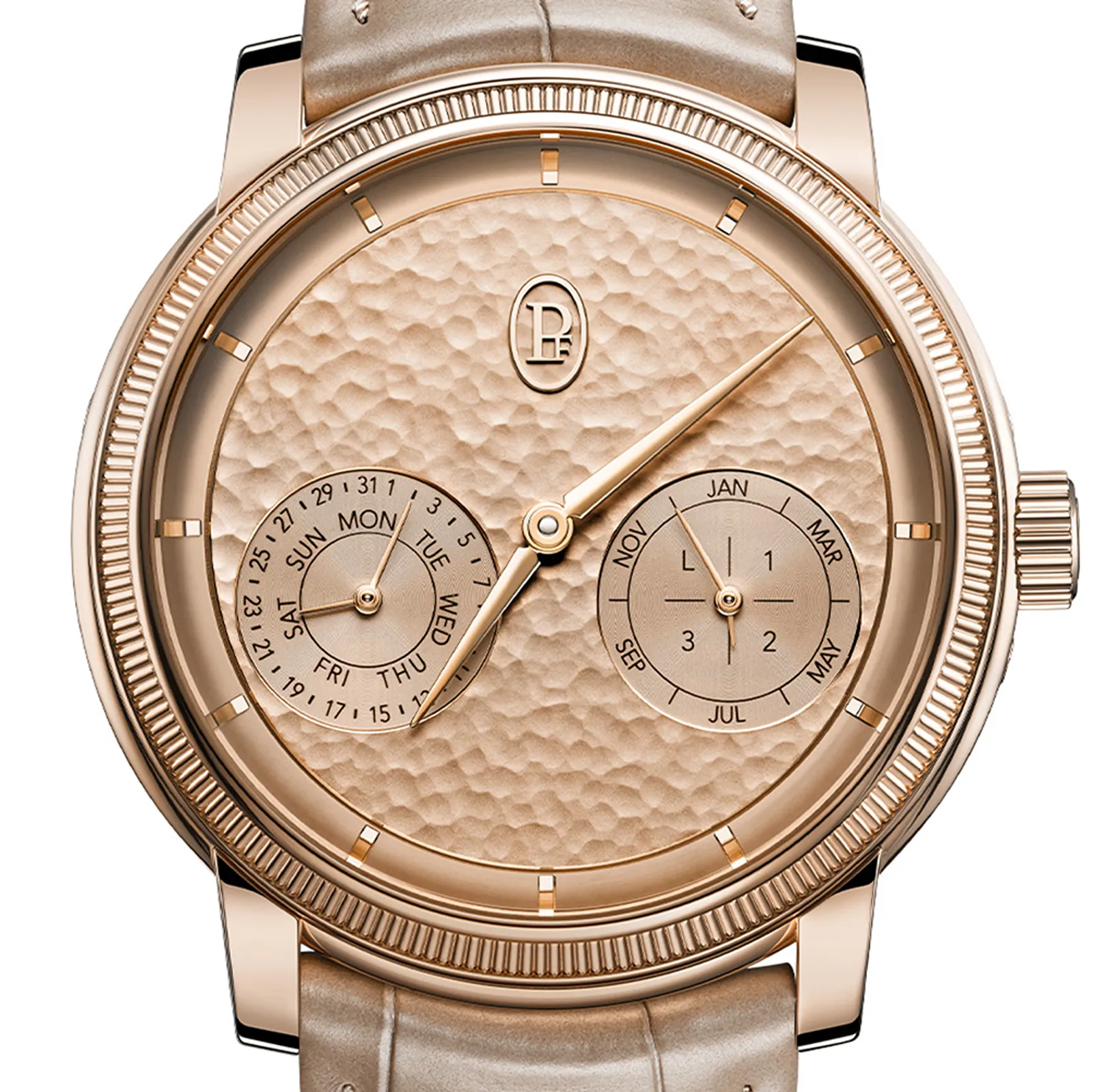
The Parmigiani Fleurier Toric Perpetual Calendar 30th Anniversary perhaps stands out from all of them because it is very true to form for the maison, and yet manages to put the displays on the dial in a very clean way, using two sub-dials on the lower half of the watch, set against its nicely textured face.
So if you look at how they interpret these complications, the first three are in some ways a bit more typical of what you would expect and are interpretations of classic fine watchmaking visuals, whereas it’s the last three that seem to be looking more at their own vision and aesthetic and DNA, and then using their mechanical abilities to create the end result.
The winners will be announced at the GPHG awards ceremony in Geneva on November 7, 2026. For more articles by Carl Cunanan about the 2026 GPHG nominees, click here.
FAQs
GPHG stands for Grand Prix d’Horlogerie de Genève, an annual awards competition recognizing excellence in watchmaking across multiple categories.
The category recognizes mechanical watches with at least one calendar or astronomical complication. These can include annual calendars, perpetual calendars, moon phase displays, and an equation of time.
A complication is a function beyond the display of hours, minutes, and seconds. Calendar and astronomical complications track information such as the date, month, leap-year cycle, or phases of the moon.
An annual calendar accounts for months with 30 or 31 days but requires adjustment at the end of February. A perpetual calendar also accounts for February and the leap-year cycle, allowing it to maintain the correct date for much longer, provided the watch remains running.
No. The category also includes watches that track calendar or astronomical information through discreet apertures, hands, or sub-dials. Much of their mechanical complexity can remain hidden beneath a relatively simple dial.