How Some of the Top Maisons Balance Luxury With Sustainable and Eco-Conscious Practices


LuxuryLuxuryA lifestyle defined by exceptional quality, craftsmanship, exclusivity, and sophistication, encompassing the finest products, services, and experiences that represent the highest standards of refinement and excellence.Go to Luxury Glossary and sustainability were once seen as opposites, with the former contributing significantly to global carbon emissions and wastes. In the early 1990s, fast fashion emerged, accelerating trend cycles and pushing brands to prioritize mass production over environmental responsibility. High-end labels, traditionally associated with exclusivity and craftsmanship, were not immune to these pressures, relying on materials and production methods that weren’t
always eco-friendly.
Additionally, high jewelryHigh JewelryHigh jewelry refers to the most exclusive tier of fine jewelry, typically one-of-a-kind or extremely limited pieces created using rare gemstones and exceptional, time-intensive craftsmanship techniques. Maisons present high jewelryGo to High Jewelry Glossary and luxury watch maisons have historically depended on newly-mined precious metals and gemstones, sometimes sourced through processes that raise ethical and environmental concerns. The industry’s reliance on intensive extraction and energy consuming production methods further contributed to its ecological footprint.
But a new era is dawning—one where leading luxuryLuxuryA lifestyle defined by exceptional quality, craftsmanship, exclusivity, and sophistication, encompassing the finest products, services, and experiences that represent the highest standards of refinement and excellence.Go to Luxury Glossary brands are taking responsibility, pioneering sustainable materials, ethical production, and making conservation efforts that prove elegance and environmental responsibility can coexist. Here, we explore the high-end brands that are setting new standards for sustainability without compromising on quality, heritage, and desirability.
High Fashion, Low Emissions
One of the trailblazers in sustainable luxury is Stella McCartney, a London-based fashion house that has championed eco-friendly practices from the start. Known for its commitment to cruelty-free materials, the brand avoids leather, fur, and exotic animal skins. Instead, it opts for innovative alternatives, like Mylo mushroom leather and regenerated cashmere. These materials are used on the brand’s iconic pieces, like the sustainable faux-leather Falabella bag and cruelty-free Elyse platform shoes, which have become synonymous with high-end, environmentally friendly fashion.
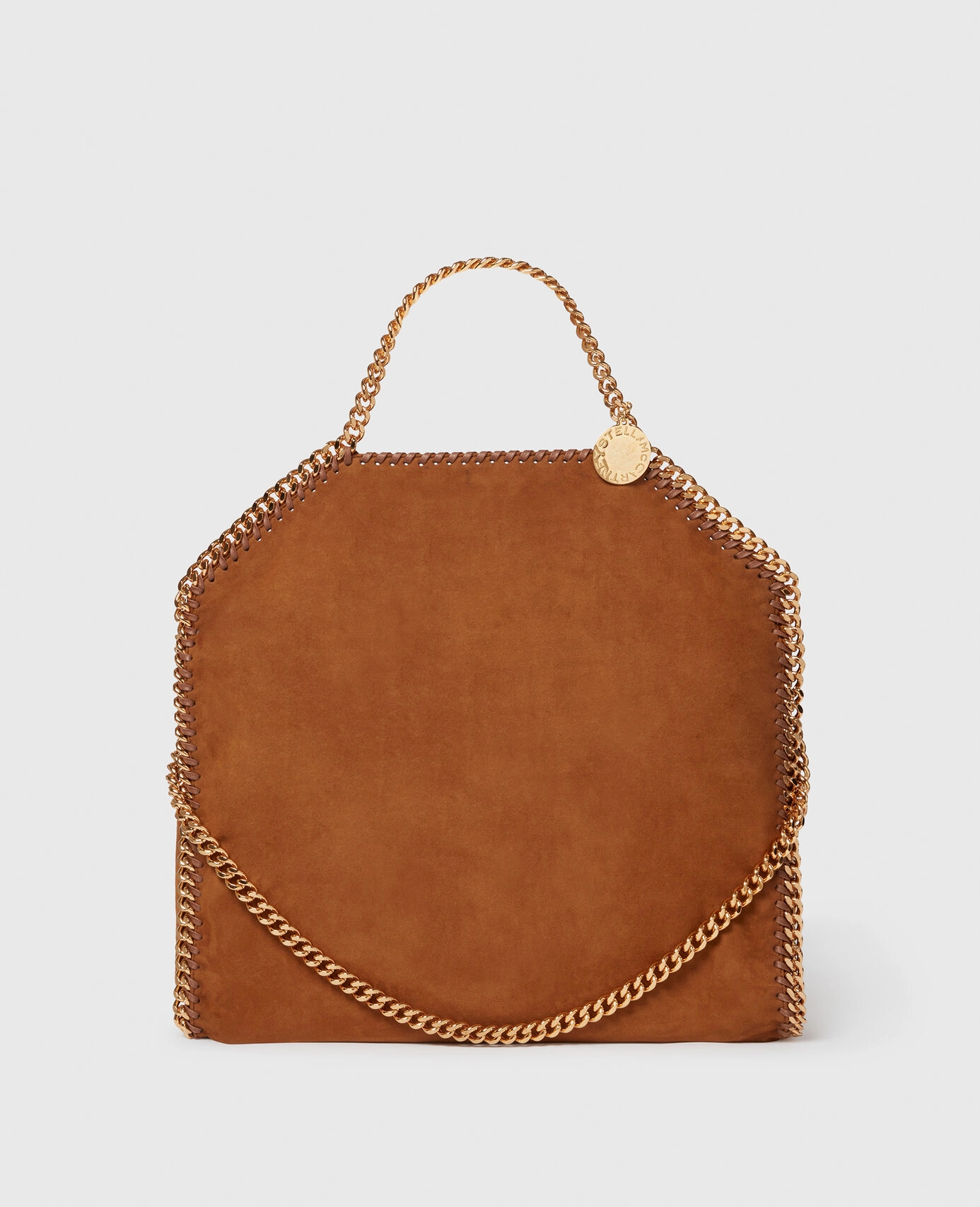
Stella McCartney’s packaging is also made of recycled and certified sustainable materials, ensuring that the brand’s commitment to sustainability extends beyond its clothing and accessories. From shopping bags to garment covers, every element is designed to minimize waste and environmental impact.
While the British fashion house may have set the benchmark for sustainable luxury, it is not alone in redefining eco-conscious elegance. Other high-end brands are also making significant strides, blending traditional craftsmanship with innovative sustainability efforts. Loro Piana and Loewe, for instance, are proving that heritage and environmental responsibility can go hand in hand, each bringing its own unique approach to ethical luxury.
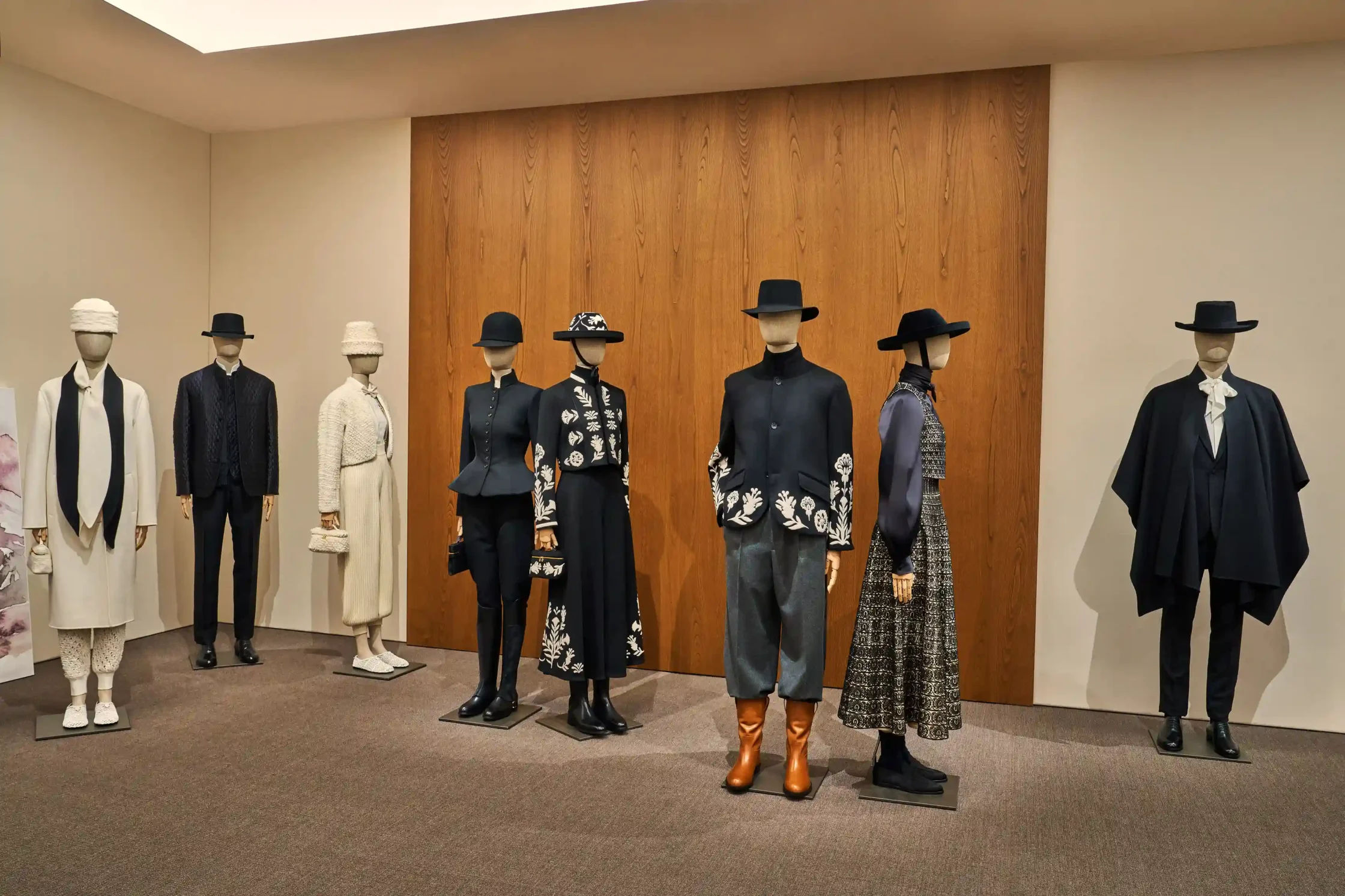
Loro Piana, renowned for its ultra-luxurious cashmere and wool pieces, has been actively working towards more sustainable sourcing and production. The Italian brand prioritizes traceability, ensuring that its raw materials—such as Vicuña wool and baby cashmere—are ethically and responsibly harvested.
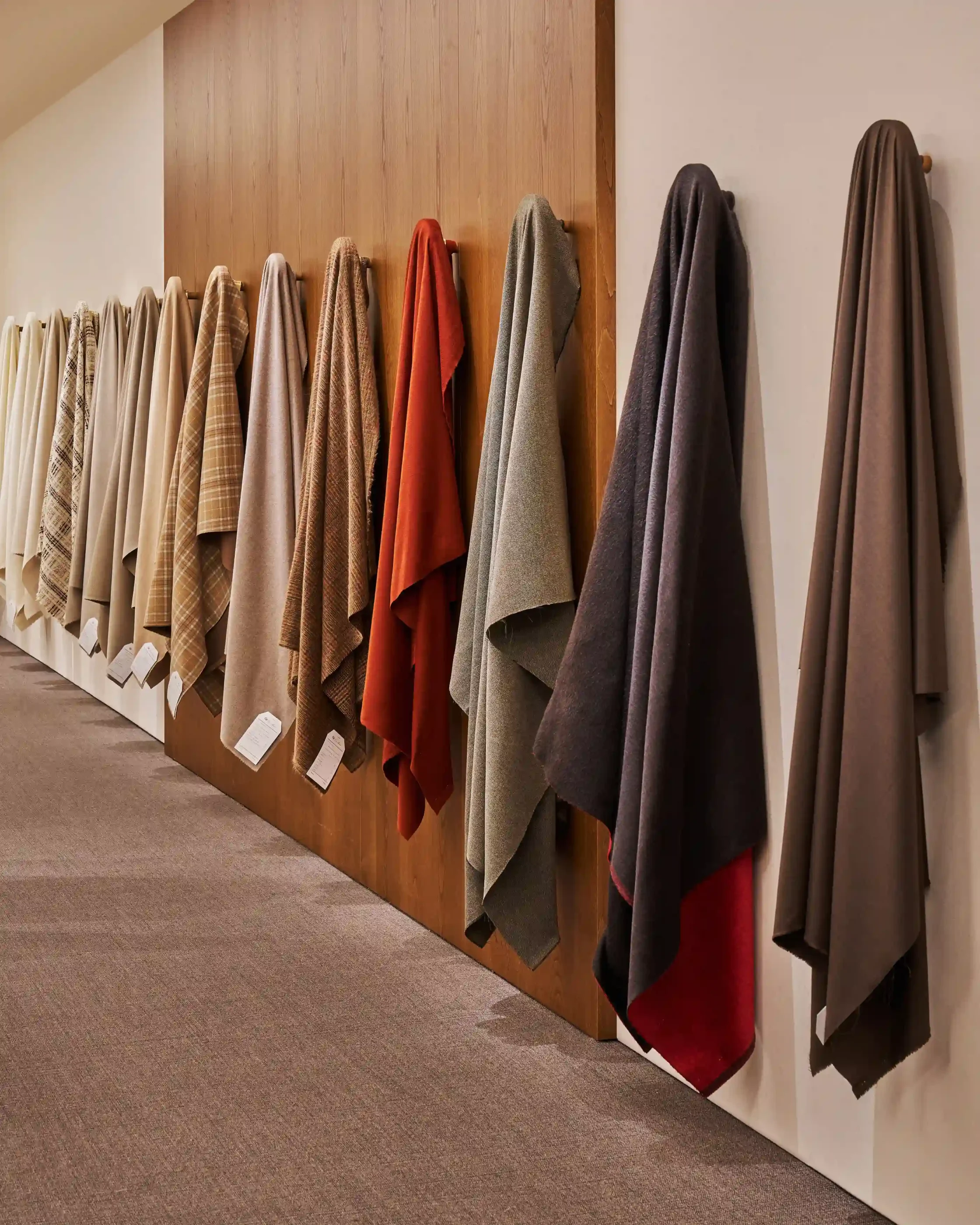
Additionally, Loro Piana has invested in regenerative farming practices to revive the vicuña population in Peru.
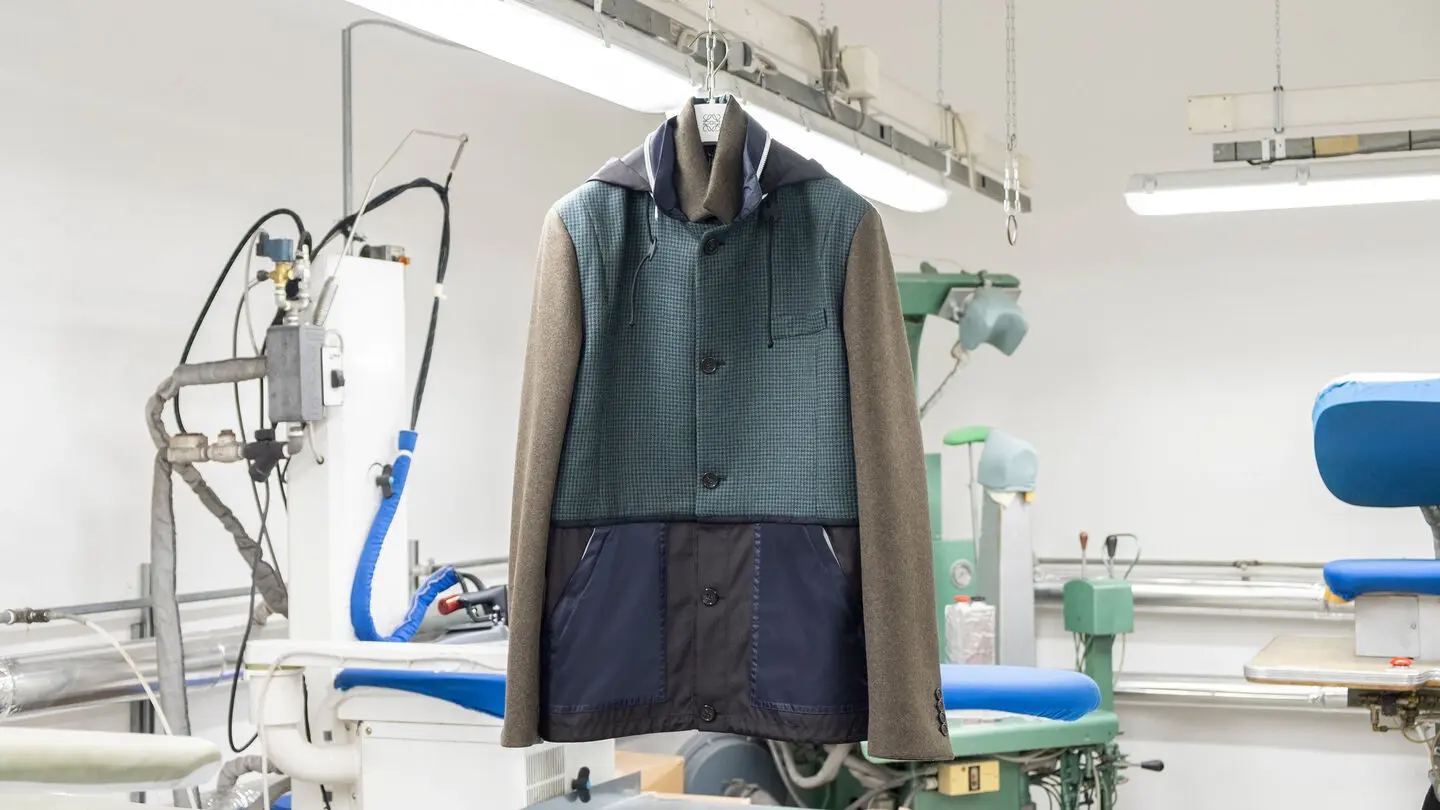
Loewe, on the other hand, is integrating sustainability into both its materials and craftsmanship. The Spanish luxuryLuxuryA lifestyle defined by exceptional quality, craftsmanship, exclusivity, and sophistication, encompassing the finest products, services, and experiences that represent the highest standards of refinement and excellence.Go to Luxury Glossary house has introduced upcycled leather collections and works with artisans to preserve traditional techniques while minimizing waste. Loewe’s commitment to sustainability is also evident in its Eye/Loewe/Nature collection, which features garments made from organic and recycled fibers.
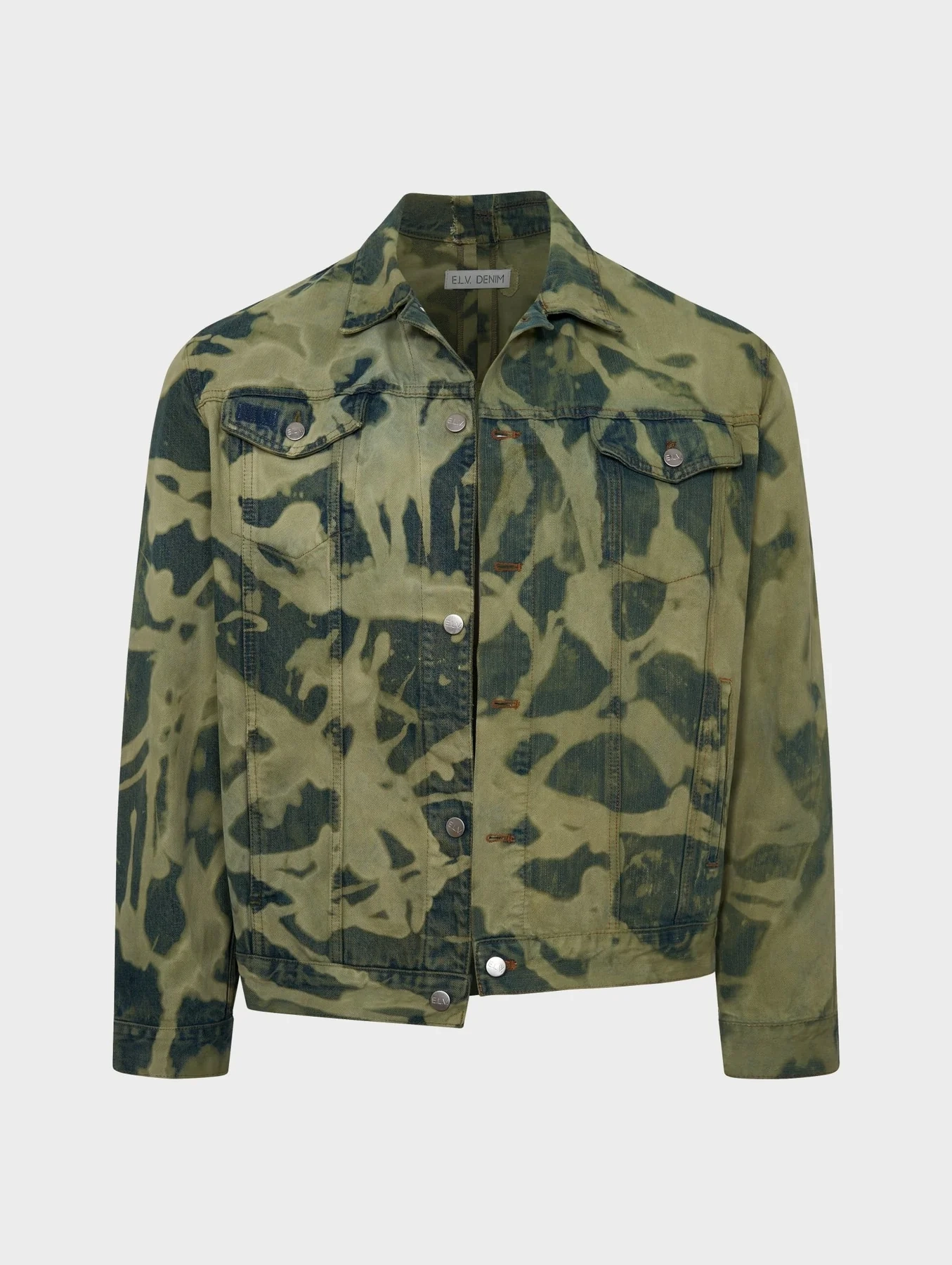
Another brand that uses 100% upcycled materials is the British streetwear luxuryLuxuryA lifestyle defined by exceptional quality, craftsmanship, exclusivity, and sophistication, encompassing the finest products, services, and experiences that represent the highest standards of refinement and excellence.Go to Luxury Glossary label ELV Denim. The brand champions upcycling as a way to give discarded materials a second life, scouring through vintage warehouses across the UK for high-quality denim and other secondhand garments that would otherwise end up in landfills. These materials are then transformed into modern, sophisticated pieces, including tailored jeans and patchwork jackets, each with a unique character. By using a waterless production process and keeping manufacturing local, ELV Denim not only reduces waste but also minimizes its carbon footprint.

ELV Denim’s commitment to upcycling highlights how sustainability can be woven into every stage of fashion production. However, some luxuryLuxuryA lifestyle defined by exceptional quality, craftsmanship, exclusivity, and sophistication, encompassing the finest products, services, and experiences that represent the highest standards of refinement and excellence.Go to Luxury Glossary brands are taking a broader approach, integrating environmental conservation into their heritage. Zegna, an Italian fashion house renowned for its bespoke menswear and fine tailoring, has long embraced sustainability through Oasi Zegna—a vast nature reserve in northern Italy. Established in the 1930s, Oasi Zegna spans over 100 square kilometers in the Biella Alps, serving as a protected natural area and a symbol of the brand’s commitment to sustainability. What began as a reforestation project has grown into a large-scale environmental initiative, with over 500,000 trees planted, 33 hectares of forest under intensive care, and 166 hectares more set for restoration. This effort has revitalized the ecosystem and created a thriving habitat for local wildlife.

Beyond conservation, Zegna ensures its high-quality wool, including Oasi Cashmere, is produced responsibly. The brand carefully tracks where its materials come from and works with farmers who use eco-friendly practices, helping to protect the environment while maintaining its legacy of luxuryLuxuryA lifestyle defined by exceptional quality, craftsmanship, exclusivity, and sophistication, encompassing the finest products, services, and experiences that represent the highest standards of refinement and excellence.Go to Luxury Glossary.
Timeless Sustainability
While fashion houses work towards sustainability, luxury watchmakers are also stepping up, embracing eco-friendly materials and responsible craftsmanship.

Panerai
One standout example is Panerai’s Submersible eLAB-ID, released in 2021. Made with 98.6% recycled materials, it holds the highest percentage of recycled content ever used in a timepiece, setting a new benchmark for sustainable watchmaking and reinforcing Panerai’s commitment to environmental responsibility.
While most of its components are recycled, it does not make it less of a high-performance timepiece. The Submersible eLAB-ID maintains the Maison’s signature durability and precision, featuring a case, dial, and movement crafted from EcoTitanium, a recycled aerospace-grade titanium alloy. Even its Super-LumiNova and silicon escapement are sourced from recycled materials, proving that sustainability can coexist with cutting-edge innovation.
Panerai isn’t the only watchmaker incorporating recycled materials into its craftsmanship. In 2021, IWC Schaffhausen introduced TimberTex watch straps, made from a low-impact, paper-based material. Composed of 80% natural plant fibers, these straps offer a sustainable alternative to synthetic leather or rubber.

The fibers are ethically sourced from Forest Stewardship Council-certified trees grown in responsibly managed European forests. The material is then crafted in Italy using traditional papermaking techniques and dyed with plant-based pigments. Its irregular grain gives each strap a unique texture, ensuring that no two watches are exactly alike.
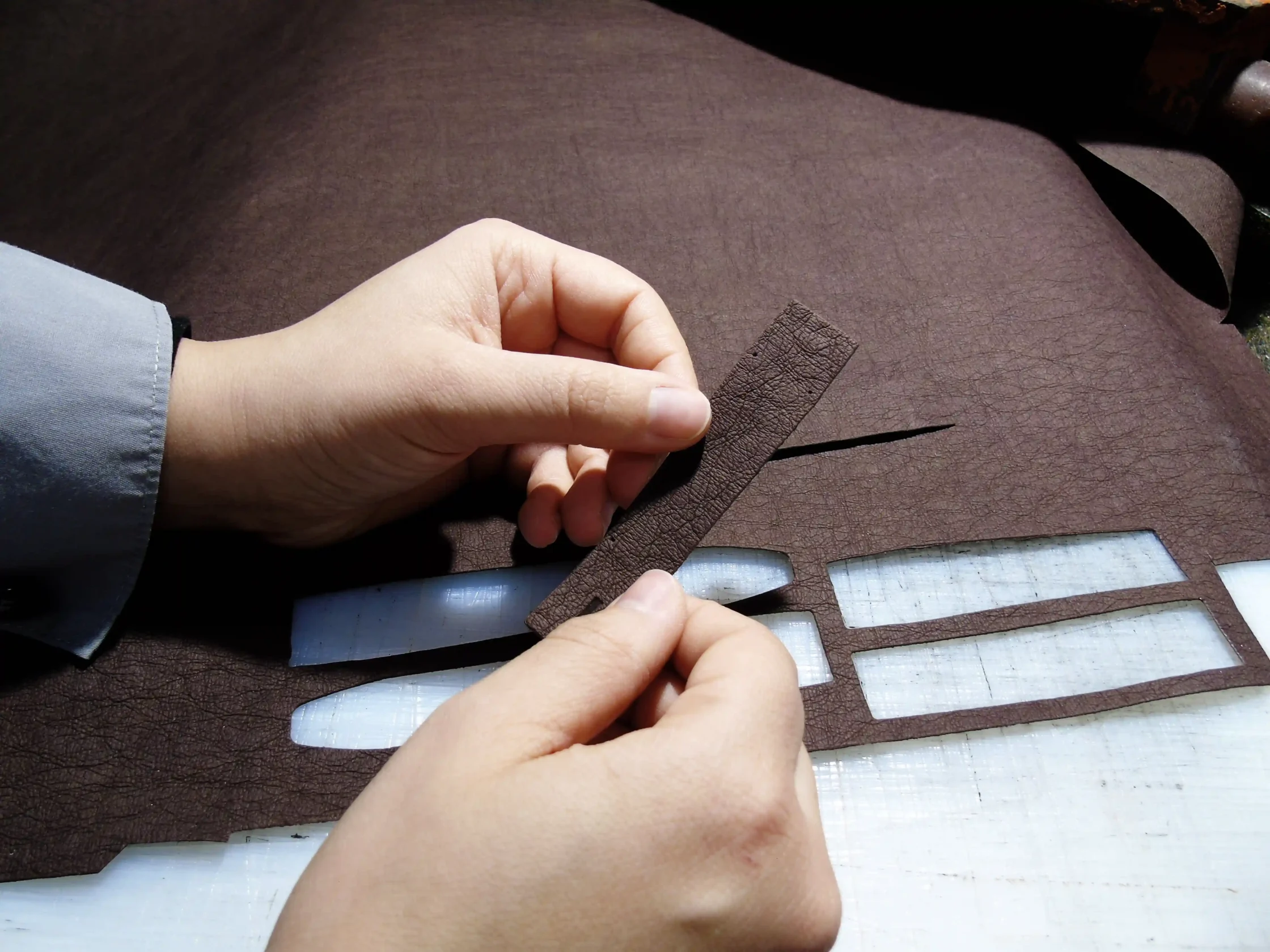
Beyond using recycled materials and sustainable practices, some watchmakers are creating timepieces that directly support conservation efforts, ensuring that each watch sold contributes to a greener future.
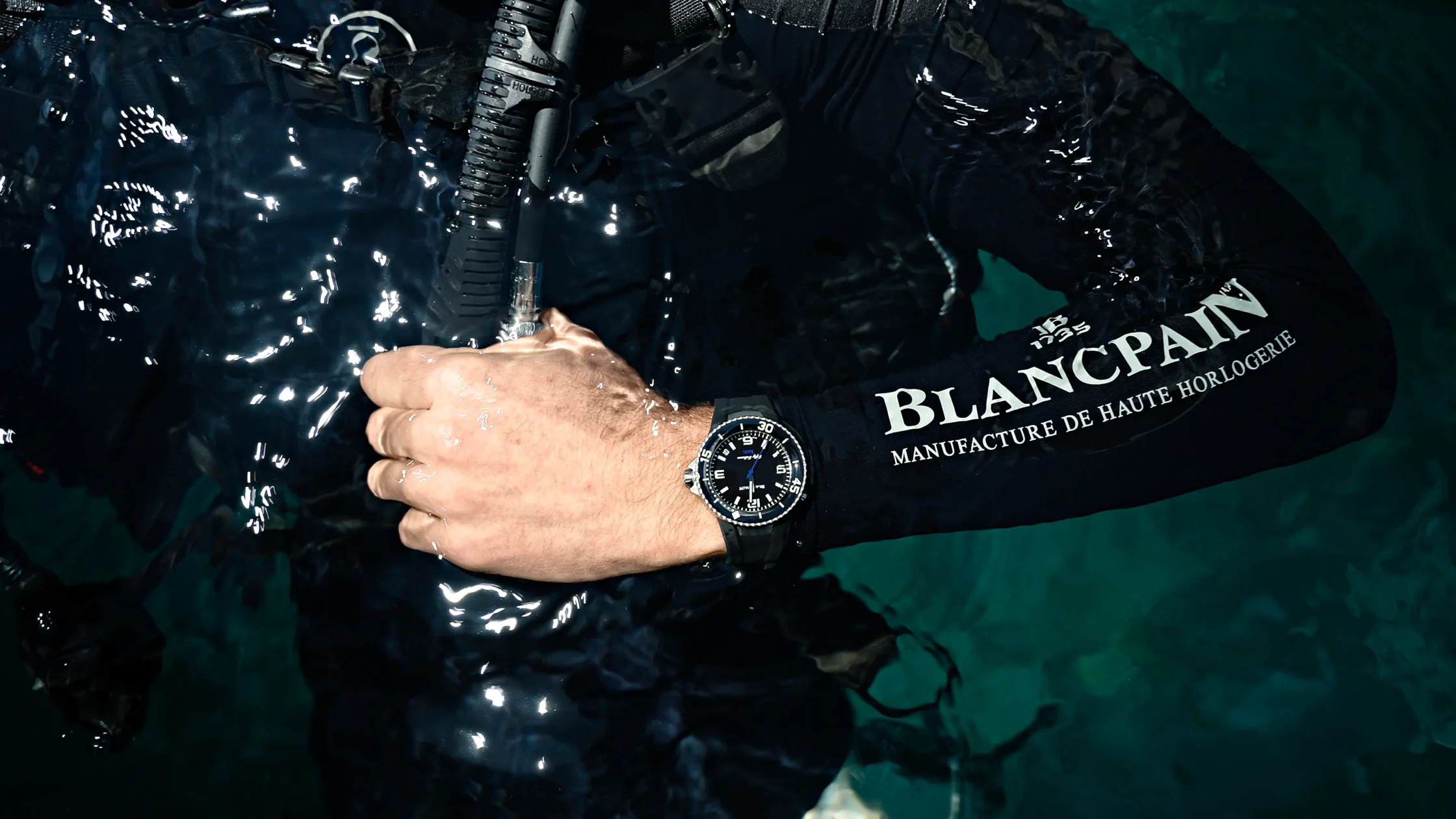
Take Blancpain’s latest release, the Fifty Fathoms Tech Ocean Commitment IV (BOC IV), for example. Limited to just 100 pieces, this exclusive timepiece debuts the Fifty Fathoms Tech line in a new 45 mm format, designed for both professional diving and everyday wear. What sets this timepiece apart is its direct support for ocean preservation—for every watch sold, €1,000 is donated to the Blancpain x Sulubaaï Marine Research Center. This initiative builds on the maison’s support of the Sea Academy program since 2020, which has helped establish marine protected areas in Shark Fin Bay, Palawan. In 2023, Blancpain expanded its efforts by building the Sulubaaï research center in the Pangatalan Islands, working alongside local communities to study, restore, and protect fragile marine ecosystems. The BOC IV exemplifies Blancpain’s commitment to environmental stewardship, giving collectors the opportunity to own a remarkable timepiece while actively supporting ocean conservation efforts.
Eternal Brilliance, Ethical Origins
High jewelry is evolving beyond elegance and exclusivity—today, it also represents responsibility and sustainability. Leading Maisons are setting new standards for conscious luxury by using responsibly sourced gemstones, recycled precious metals, and ethical craftsmanship in their masterpieces.
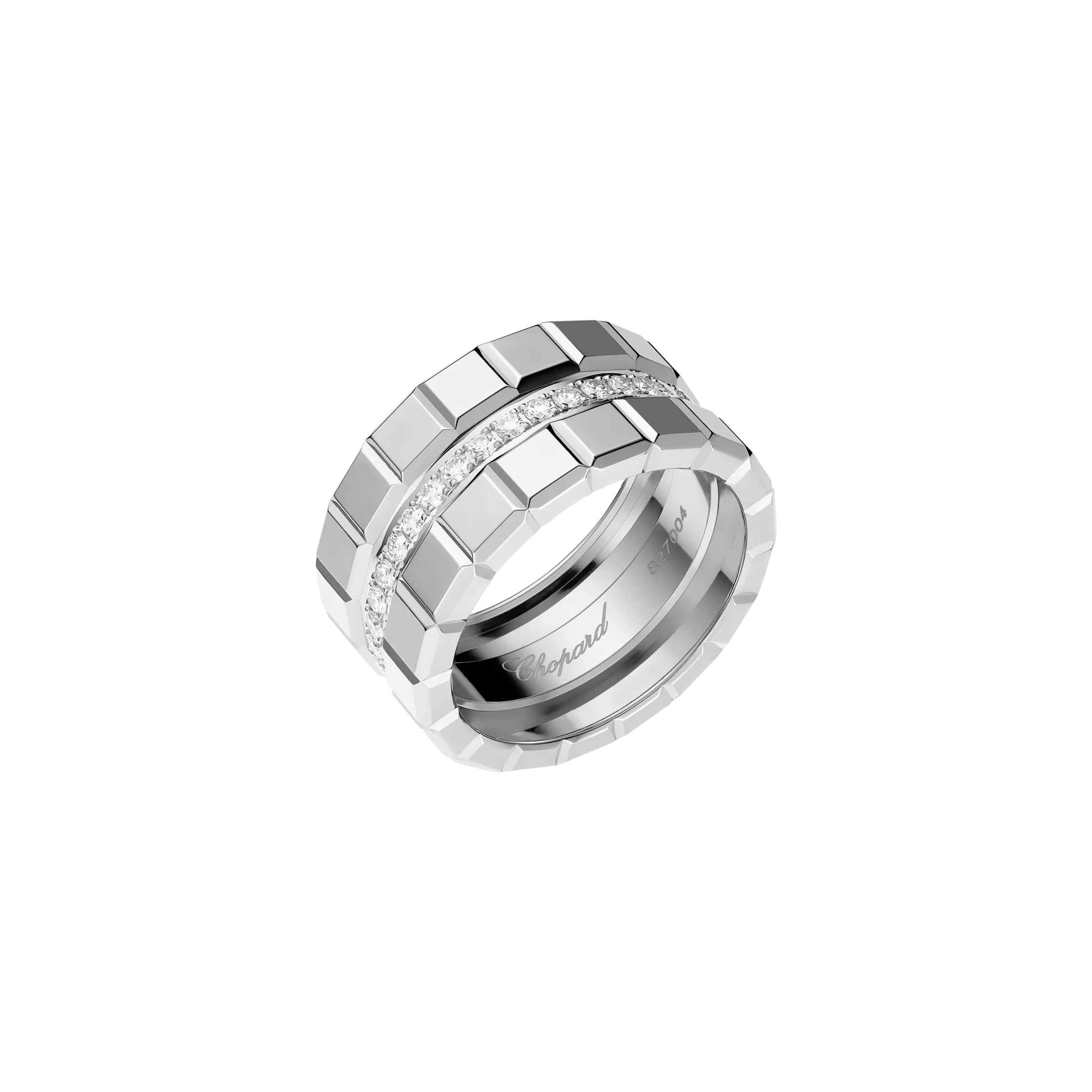
For instance, Swiss luxuryLuxuryA lifestyle defined by exceptional quality, craftsmanship, exclusivity, and sophistication, encompassing the finest products, services, and experiences that represent the highest standards of refinement and excellence.Go to Luxury Glossary brand Chopard has long been known for its elegant jewelry, but since 2018, it has also been committed to using ethically sourced gold. Working with artisanal and small-scale mining groups worldwide, the Maison ensures its gold meets Fairmined and Fairtrade Standards, promoting fair wages, safe working conditions, and environmental protection.
Chopard also recycles gold from scraps and sources the materials from refineries certified by the Responsible Jewellery Council—an organization that sets global standards for ethical, social, and environmental practices in the industry.
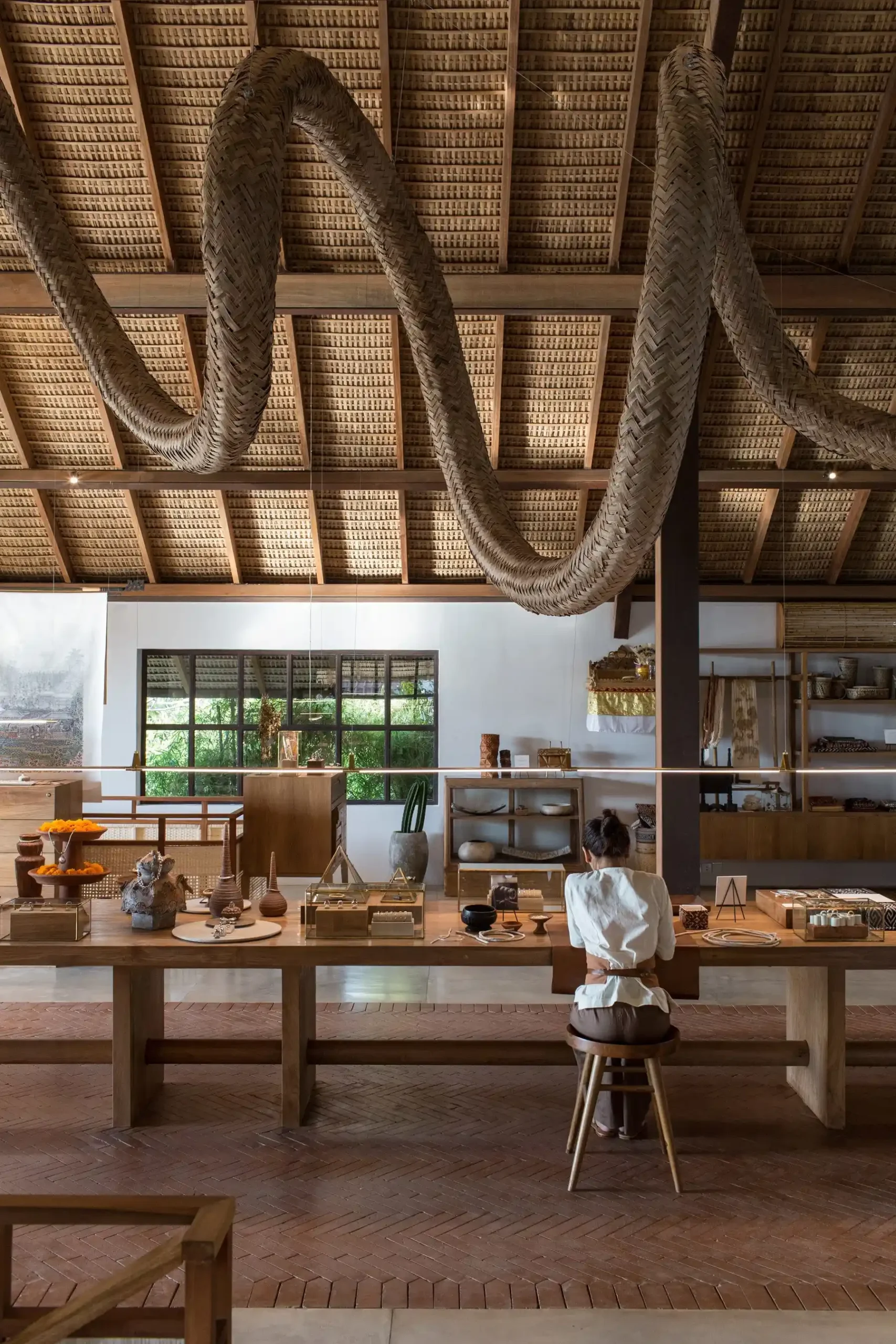
Similarly, John Hardy places sustainability at the heart of its brand, emphasizing fair trade practices and traditional handcrafted techniques. The Bali-based jewelry house works with local artisans, using recycled silver and ethically sourced gold to create intricate, nature inspired designs.
Beyond materials, John Hardy is also dedicated to low-impact production, utilizing responsible water and waste management in its workshops. The brand’s “Wear Bamboo, Plant Bamboo” initiative further reinforces its eco-conscious ethos, with each purchase contributing to reforestation efforts.
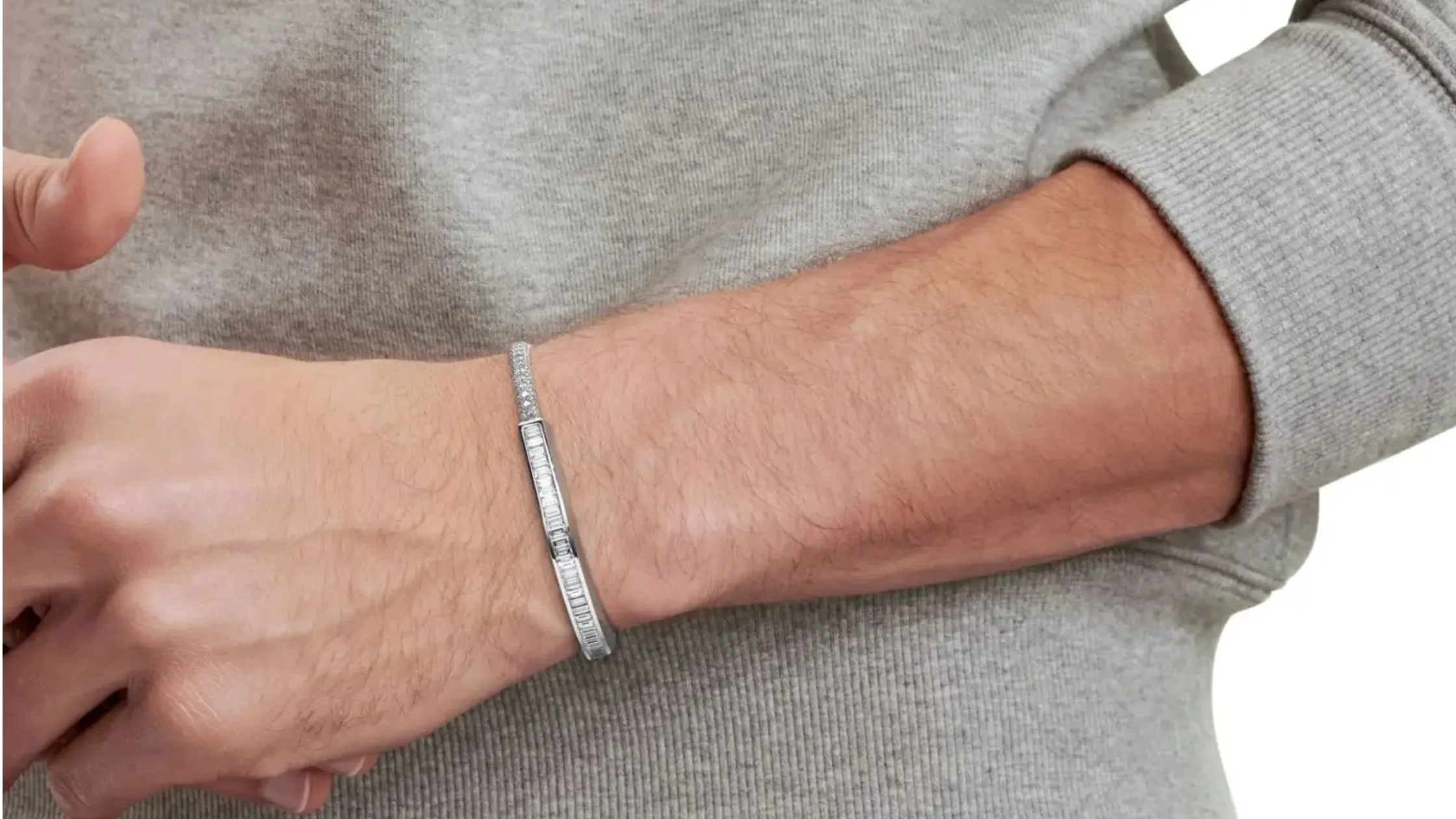
Meanwhile, Tiffany & Co. has taken a transparent and ethical approach to diamond sourcing. The iconic jeweler ensures its diamonds are traceable back to their origins, sourcing only from mines that uphold environmental and human rights standards. The Maison also prioritizes responsible mining by working with suppliers who minimize ecological damage, reduce carbon emissions, and rehabilitate land post-extraction.
These luxury brands prove that sustainability and sophistication can coexist. From eco-friendly fabrics to responsibly mined gemstones and timepieces that support conservation, their efforts reflect a growing industry shift—one that values both artistry and accountability. As more brands follow suit, the future of high fashion, haute horology, and fine jewelry will be both radiant and responsible.