From Sophie, With Love


As she did when she first showed in Paris way back in 2012, Sophie Hong sent her models down the runway of Fashion Week Asia wearing getas or traditional wooden clogs. Their eerie click-clacking against the dark catwalk echoed the sounds of an ancient world finding its way to the present. “Daily life is a stage. Wherever I travel, I always enjoy meeting people and observing how they dress,” muses Sophie, who believes that art and design must draw from life. “In the old days in Taiwan, people wore these to the fish market because the floors were slippery. High heels are too tiring, but you can still get the same lifting effect from the geta.”
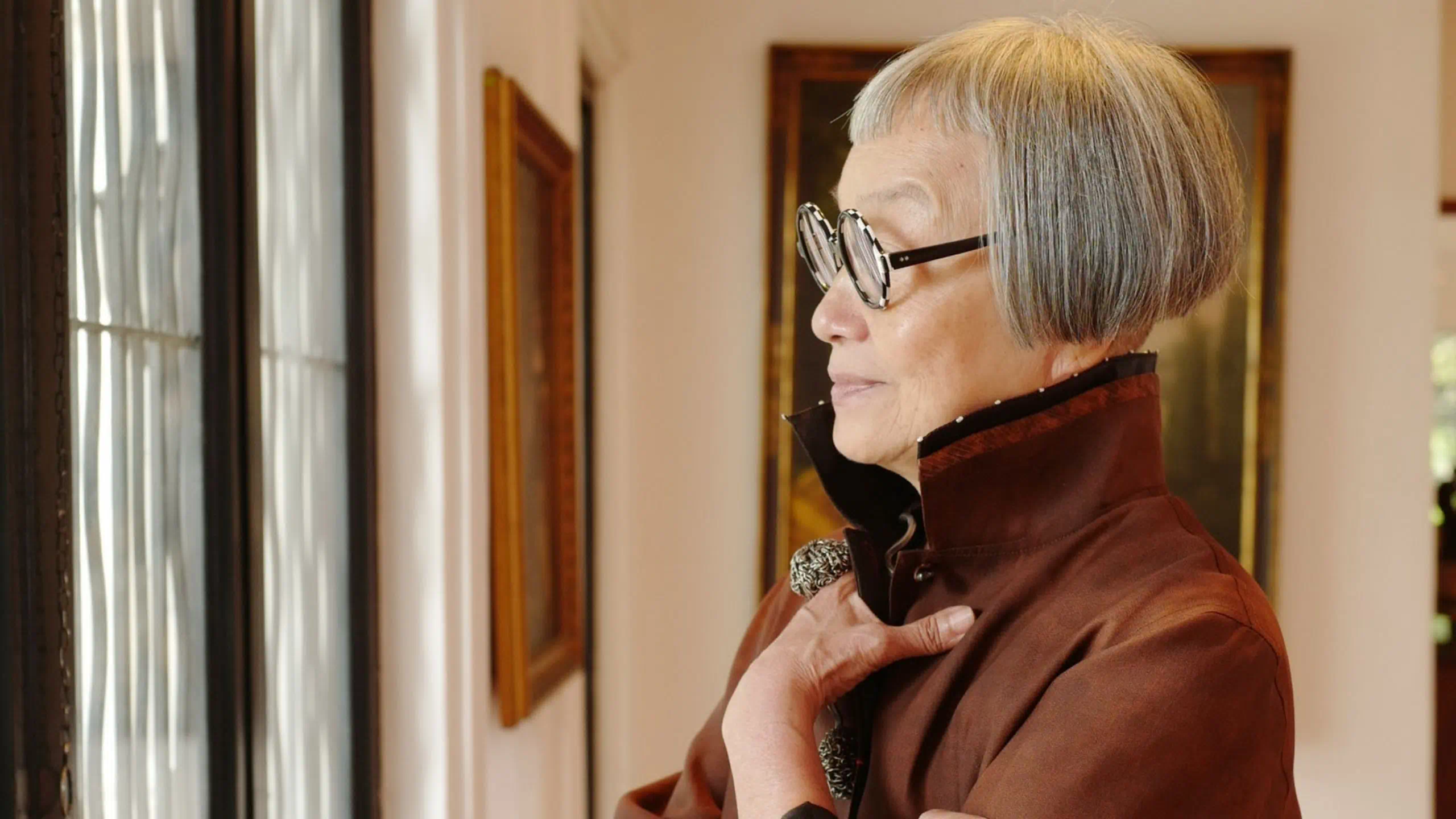
Sophie Hong (Hong Lifen) is one year shy of celebrating 50 years in fashion. Her creative journey began immediately after she graduated in 1977 from the Shih Chien University Department of Fashion Design. Further studies brought her to France, Tokyo, and New York, where she immersed herself in various contemporary art forms. By 1982, Sophie had established her eponymous label and opened the doors to her first boutique in Taipei.
During a trip to Hong Kong some years later, she came across “a bundle of black fabric in the dark corner of a small gift shop. The fabric was almost like lacquerware–shiny, stiff, and stunning.” Her first encounter with lacquered or gambiered silk would later fuel a life-long calling shaped by the elements, craft, culture, and preservation. “I wanted to give this traditional technique a new life, something different from what most designers or artists were doing.”
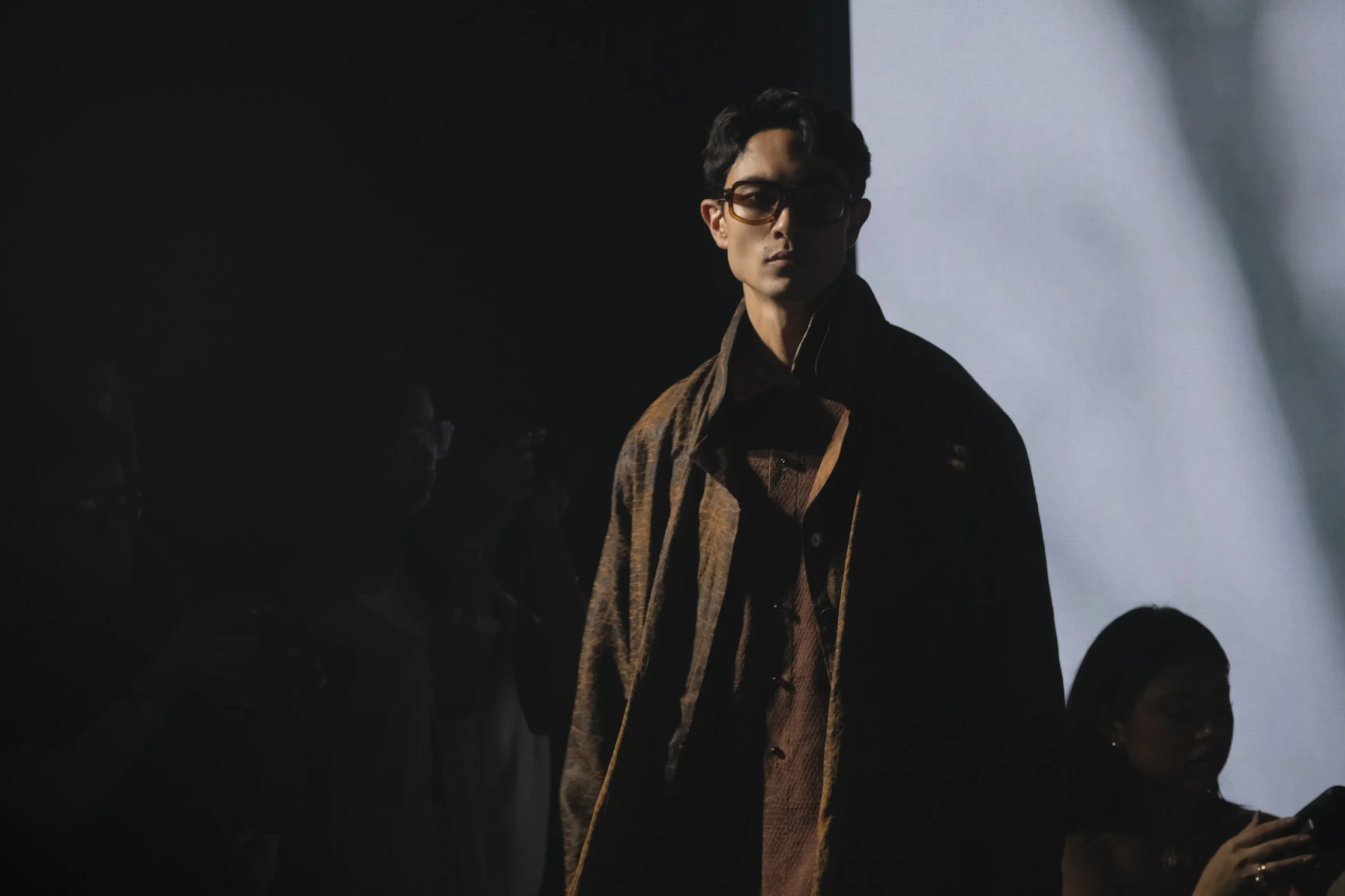
Over the course of almost five decades, Sophie’s body of work has homed in on the revitalization and modernization of time-honored Southern Chinese craft. Through her minimalist, architectural designs, she has transformed gambiered silk into wearable pieces of contemporary art, transcending time and trend. “They are pieces you can keep and wear in any season,” she says. “It’s important to create things that last. I don’t think of clothes as something you throw away. No. When I do exhibitions in the museums, I collect things I’ve already worn and do a lot of collage, painting…It’s more interesting that way.”
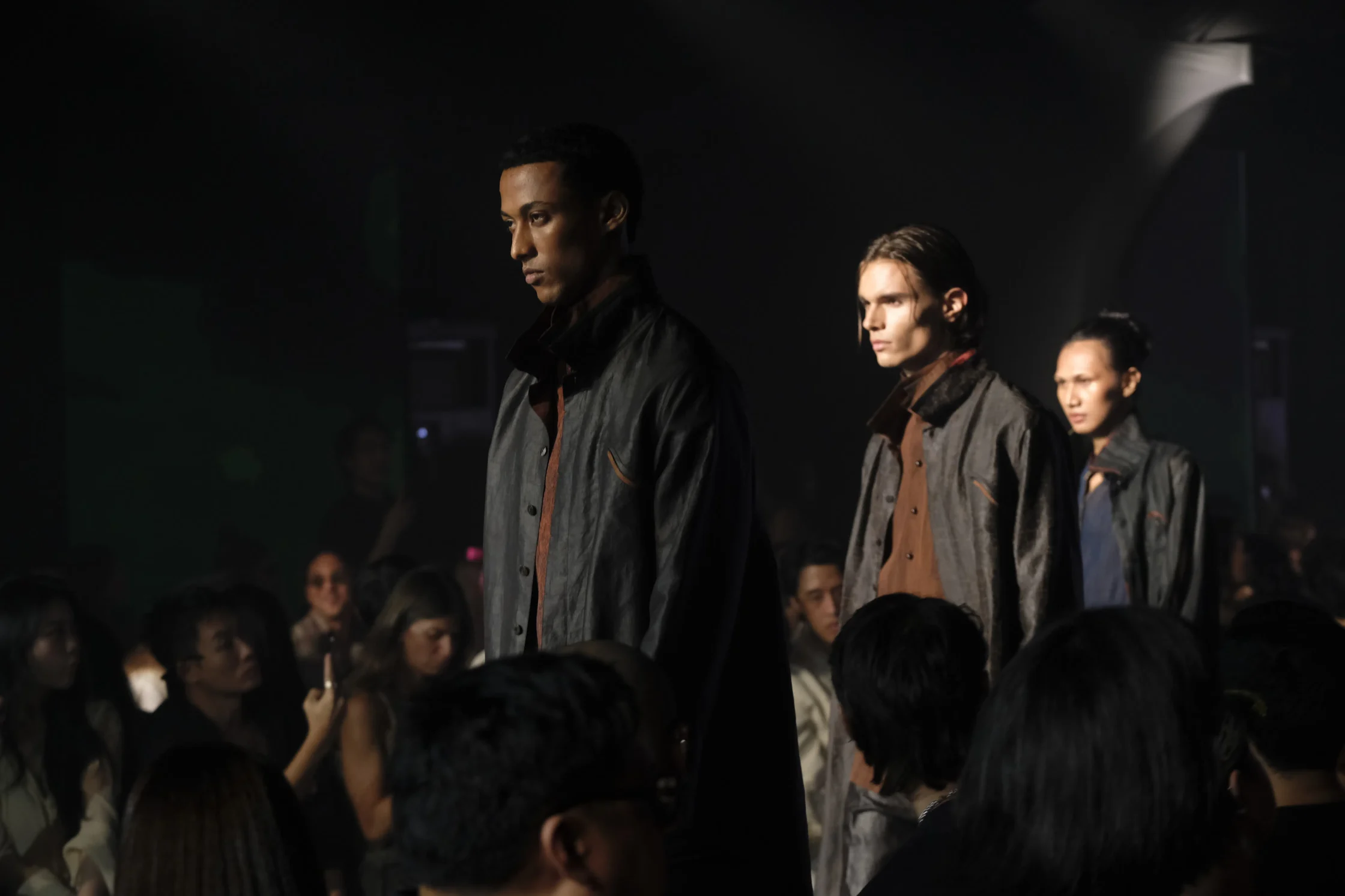
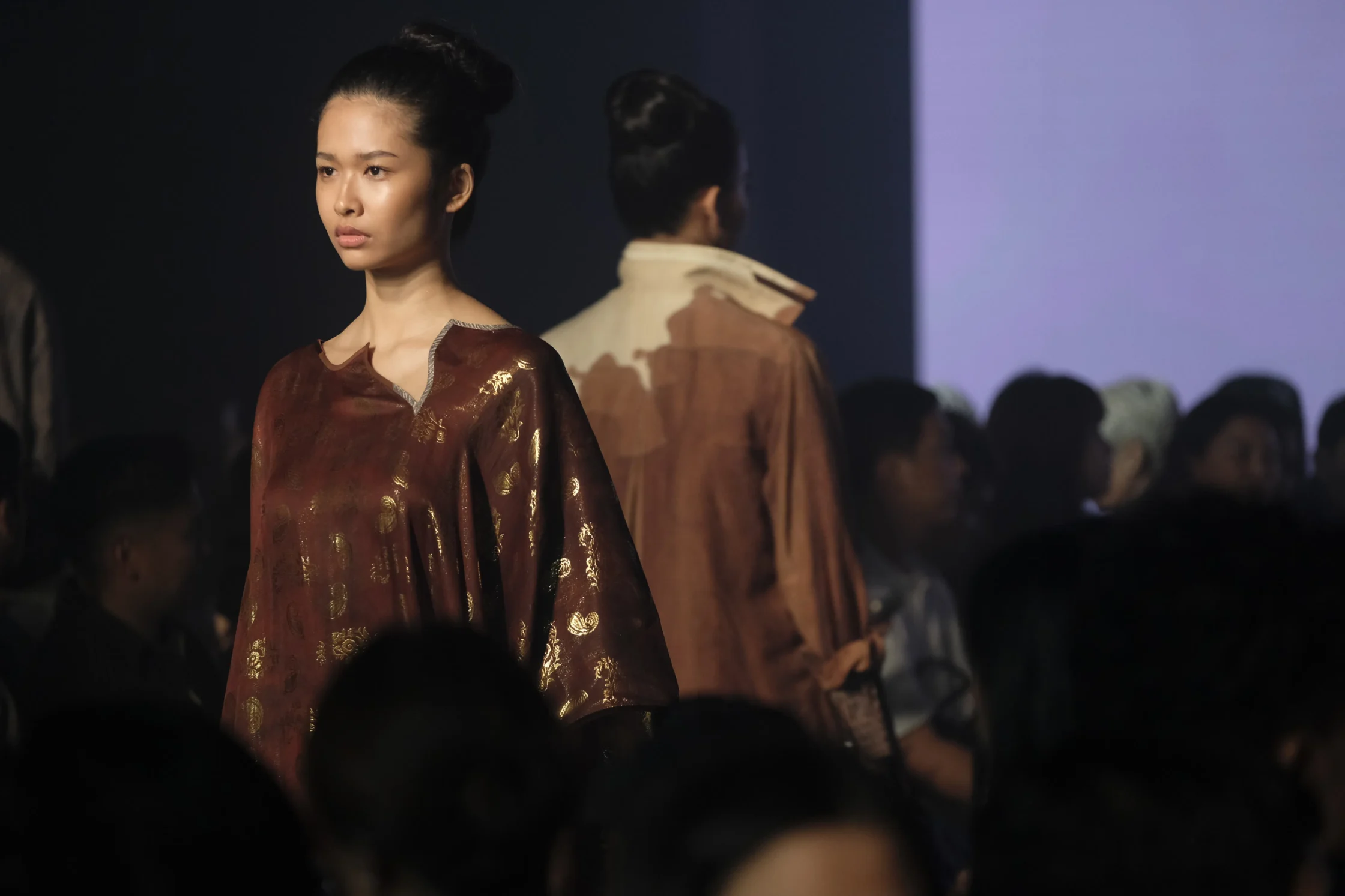
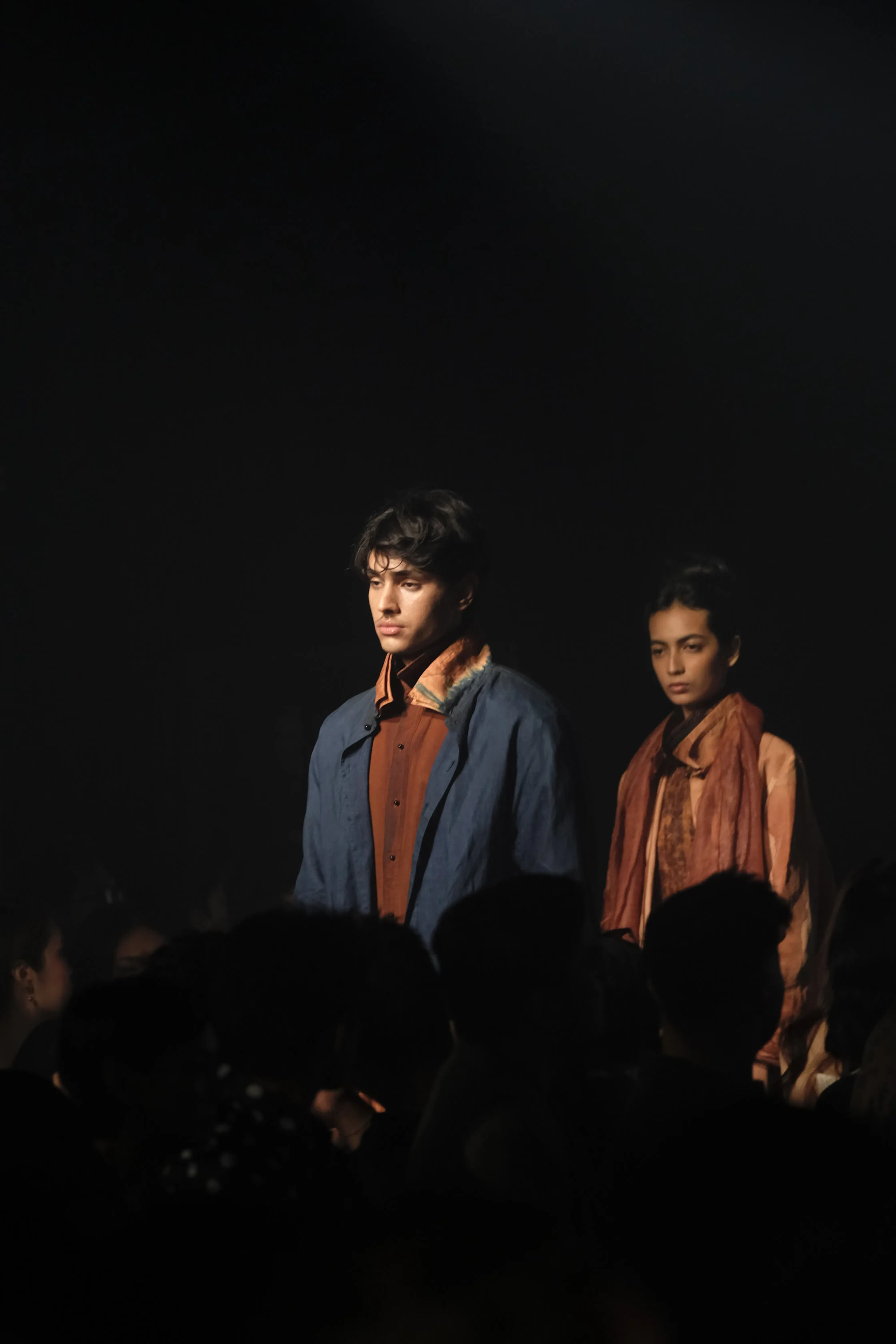
Apart from art expositions, Sophie has been presenting her wearable art pieces on the runways of the world’s key style capitals. Her recent participation in Fashion Week Asia last week showcased the designer’s Hong silk as a canvas for nature, tradition, and the wearer. She elaborates, “I’m always drawn to nature, to earth, to sunshine. Everything is connected to nature. But for this collection, I also added some pops of indigo. Colors of the sky.”
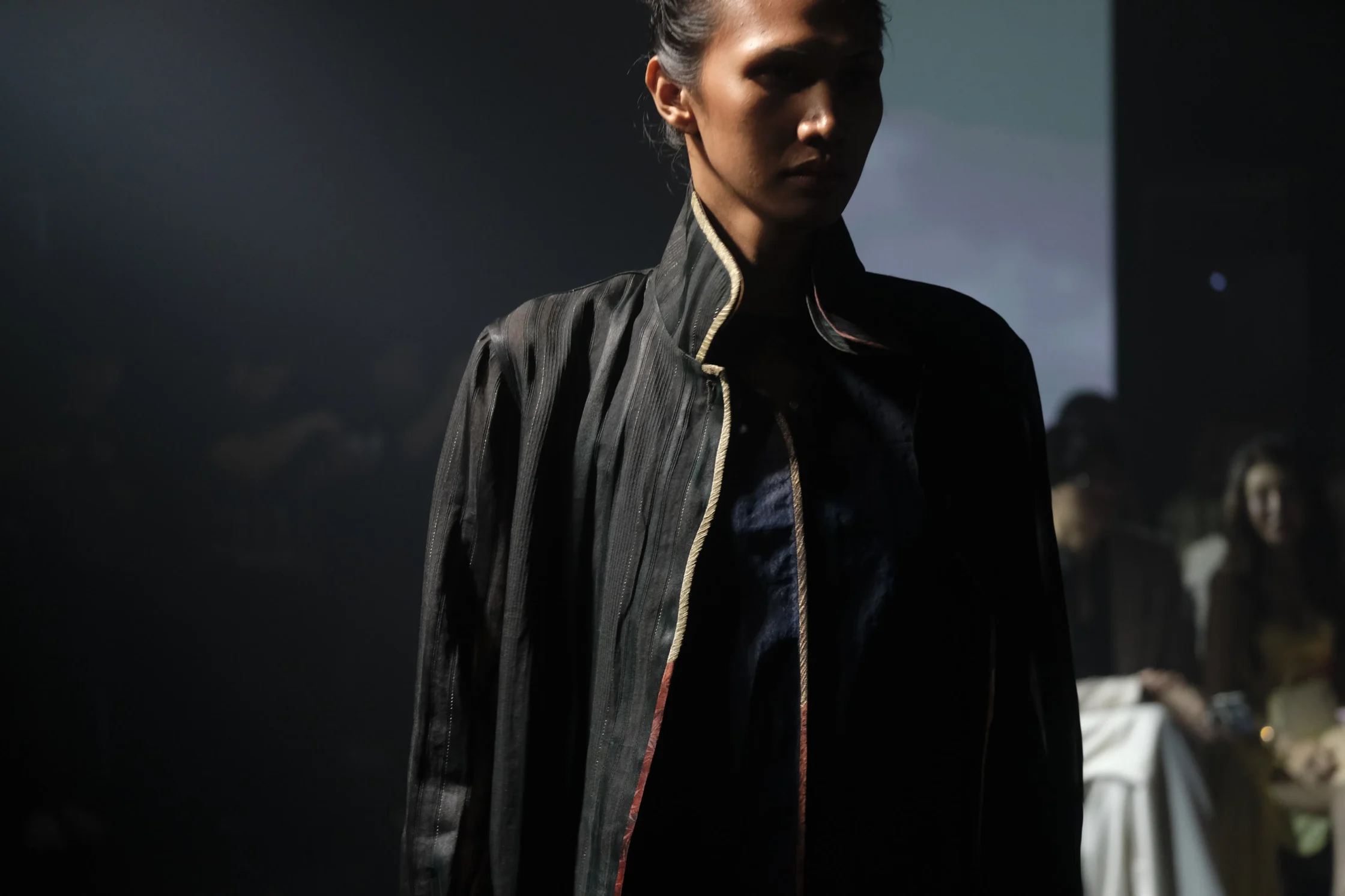
Sophie’s creative process begins with earth and tradition. Out of a 500-year-old dyeing technique rooted in Xiangyun or the Guangzhou/Tang Dynasty, the textile artist and designer harnesses a combination of natural nectars, river mud, sun, and wind to capture nature’s colors on silk. Now known as the Sophie silk, the material is distinguished by its leathery yet paperlike texture and rich, earthy patina.
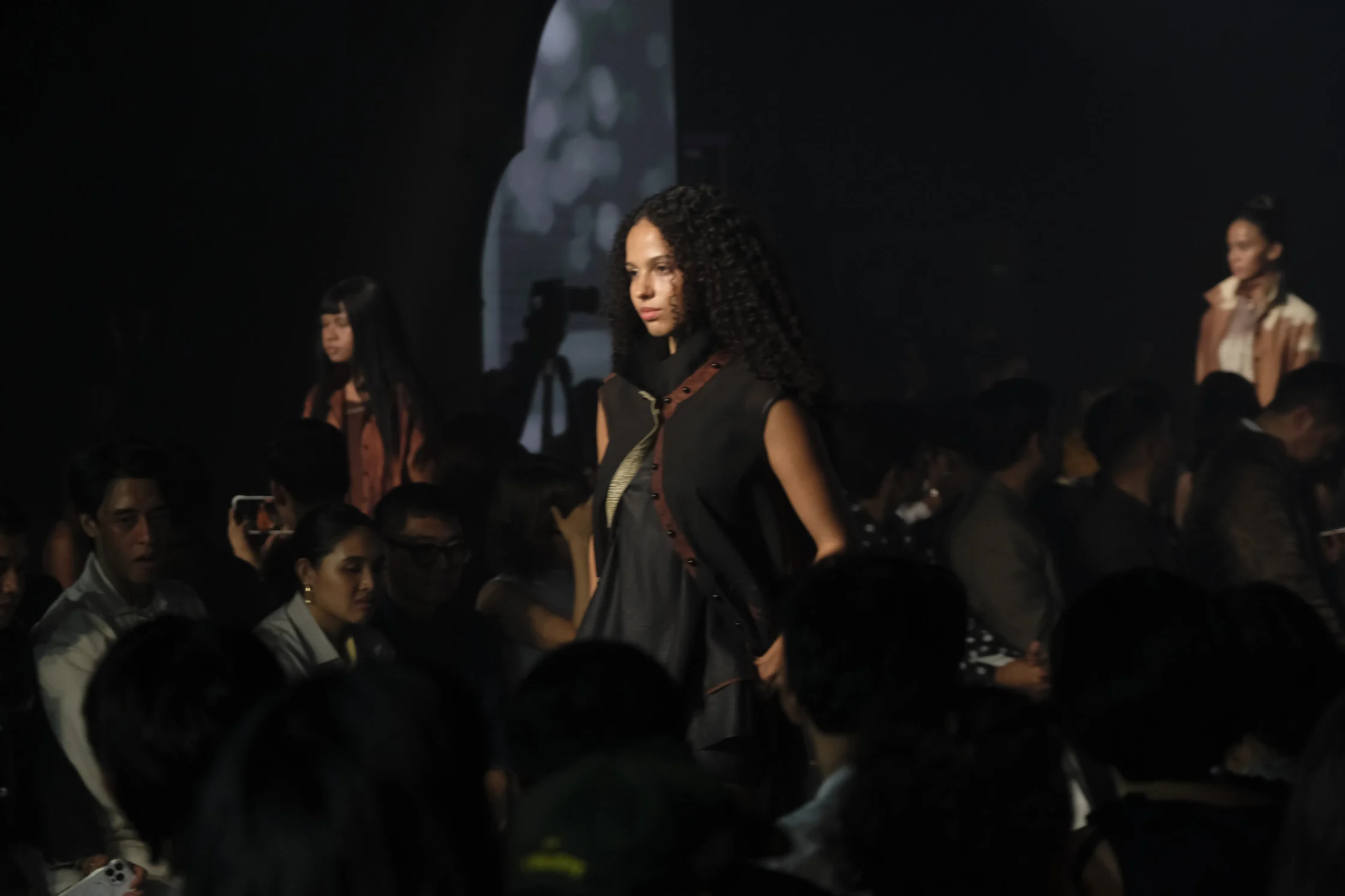
Her minimalist, architectural silhouettes underscore a visual language that honors the natural properties, textures, and patina of mud silk. “The Sophie Hong style is different. Simplicity is at the core of my design,” she declared. “It is a principle that will never change. I design clothes that you can feel, clothes for life. So it’s important that they are comfortable and can easily breathe.”
Sophie once explained that high necklines are preferred to give prominence to the wearer’s visage. Her effortless tailoring favors ease of movement, a sense of freedom, and versatility. She crafts garments that can be worn on either side, mixed, matched, and layered in a multitude of ways. “A lot of work goes into these pieces—dyeing, cutting, details, and finishing are all very important,” she intimates, “because I make pieces that are not just for now, but for the future. They are not just for the runway, but for people of all ages or backgrounds living actual lives.”
Sophie’s fabrics and garments have been exhibited extensively at the Taipei Art Museum. The textile artist’s works have also become a part of the permanent collection of Palais Galleira or Musée dela Mode del Ville de Paris. In 2023, her Des feuilles du mûrier, le temps fait de robes de soie was showcased at the Musée de La Piscine. Last year, she unveiled Obsessions Chromatiques at the Palais Royale, a solo exhibition that presents the artist’s ruminations on tradition, modernity, and the relationships between material, color, and form.
Immediately after presenting her collection for the inaugural Fashion Week Asia, Sophie returned to Amsterdam, where Wearable Art Pieces: Sophie Hong’s Fusion of Tradition and Modernity is currently on exhibit at the Asian Pavilion of the Rijksmuseum. In his notes, art historian and East Asia art curator Ching Ling Wang writes: “By fusing modernity with tradition, [Sophie’s] designs achieve an aesthetic that is simultaneously avant-garde, elegant, and imbued with cultural depth, demonstrating that fashion can serve as both artistic expression and social commentary.”
Sophie likens her collection to a love letter and concludes, “The story is: Sophie Hong with love. Everything is made from the mind, by hand, and realized with heart. I always create with love. Love for people and love for life.”
FAQs
Sophie Hong, also known as Hong Lifen, is a Taiwanese textile artist and fashion designer known for architectural silhouettes and her work with gambiered silk. She established her eponymous label and opened her first Taipei boutique in 1982.
Her signature material is gambiered silk, also called mud silk. Its production combines traditional dyeing techniques with natural materials and exposure to sun and wind, creating a leathery yet paperlike texture and an earthy patina.
Hong presented wearable art pieces featuring her signature silk, minimalist silhouettes, and touches of indigo inspired by the sky. Models wore traditional wooden clogs, echoing her 2012 presentation in Paris.
Her designs emphasize comfort, breathability, and versatility. High necklines draw attention to the wearer’s face, while garments can be layered, combined, or worn on either side.
Hong designs clothes to be kept and worn across seasons. She also incorporates previously worn pieces into collage and painting for museum exhibitions, extending their creative life.