The House of Krigler: History, Tradition, and True Luxury




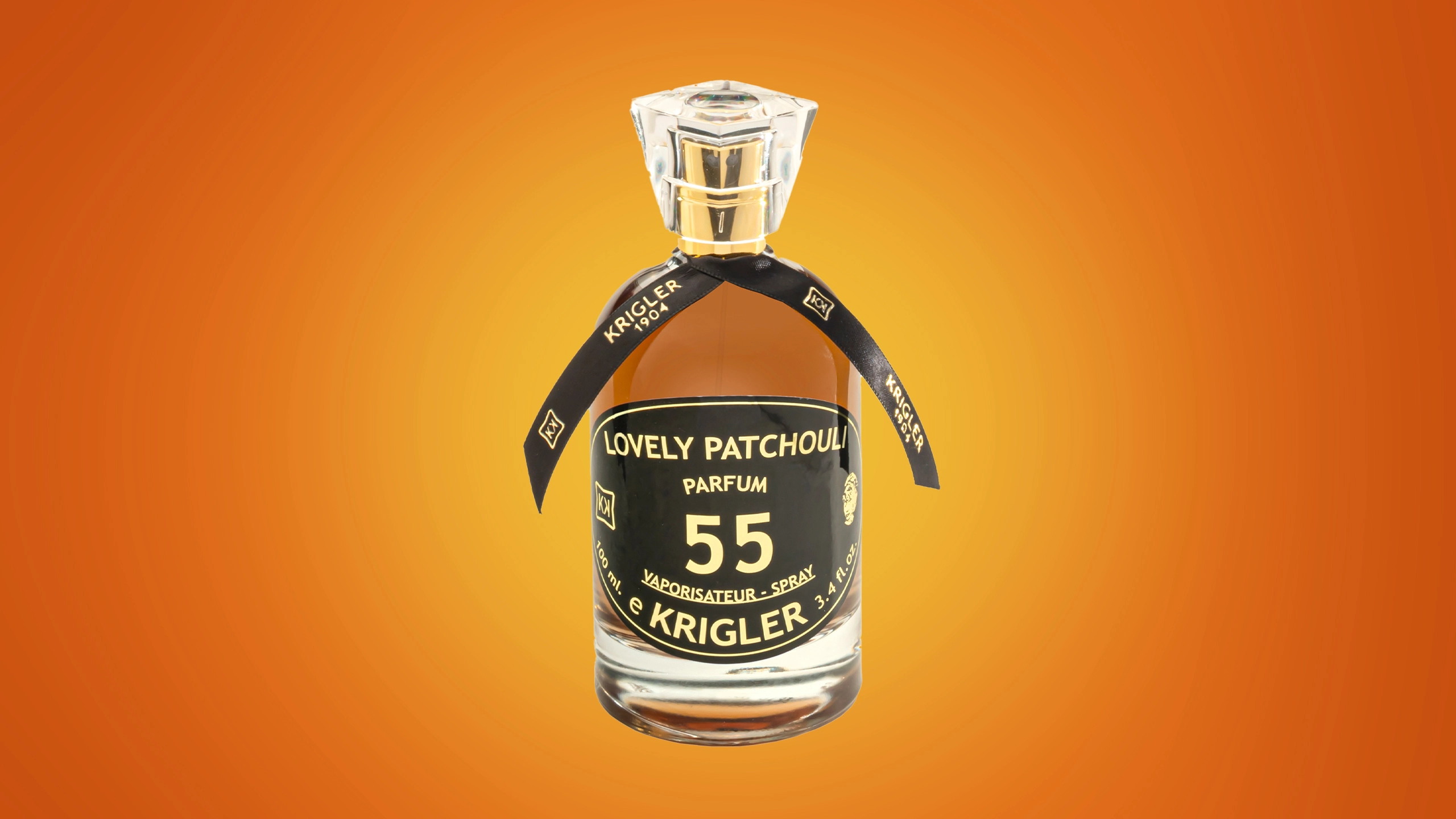
In the world of luxuryLuxuryA lifestyle defined by exceptional quality, craftsmanship, exclusivity, and sophistication, encompassing the finest products, services, and experiences that represent the highest standards of refinement and excellence.Go to Luxury Glossary perfumery, few names resonate with the same gravitas and tradition as the House of Krigler. The story of one of the brand’s most iconic fragrances is intertwined with a remarkable journey to the Philippines—one that encapsulates founder Albert Krigler’s commitment to perfection and the enduring legacy of the 120-year-old perfume house.
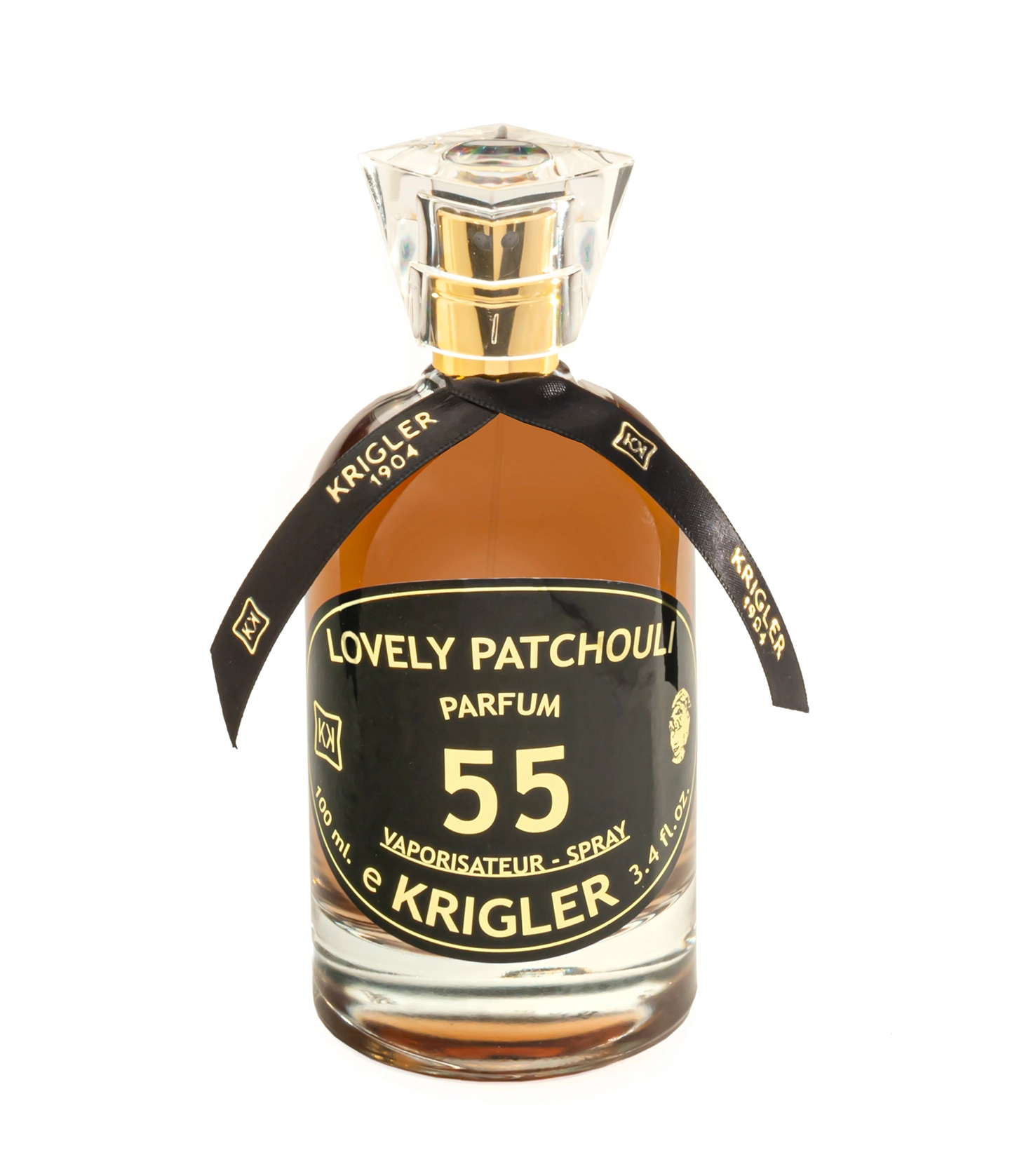
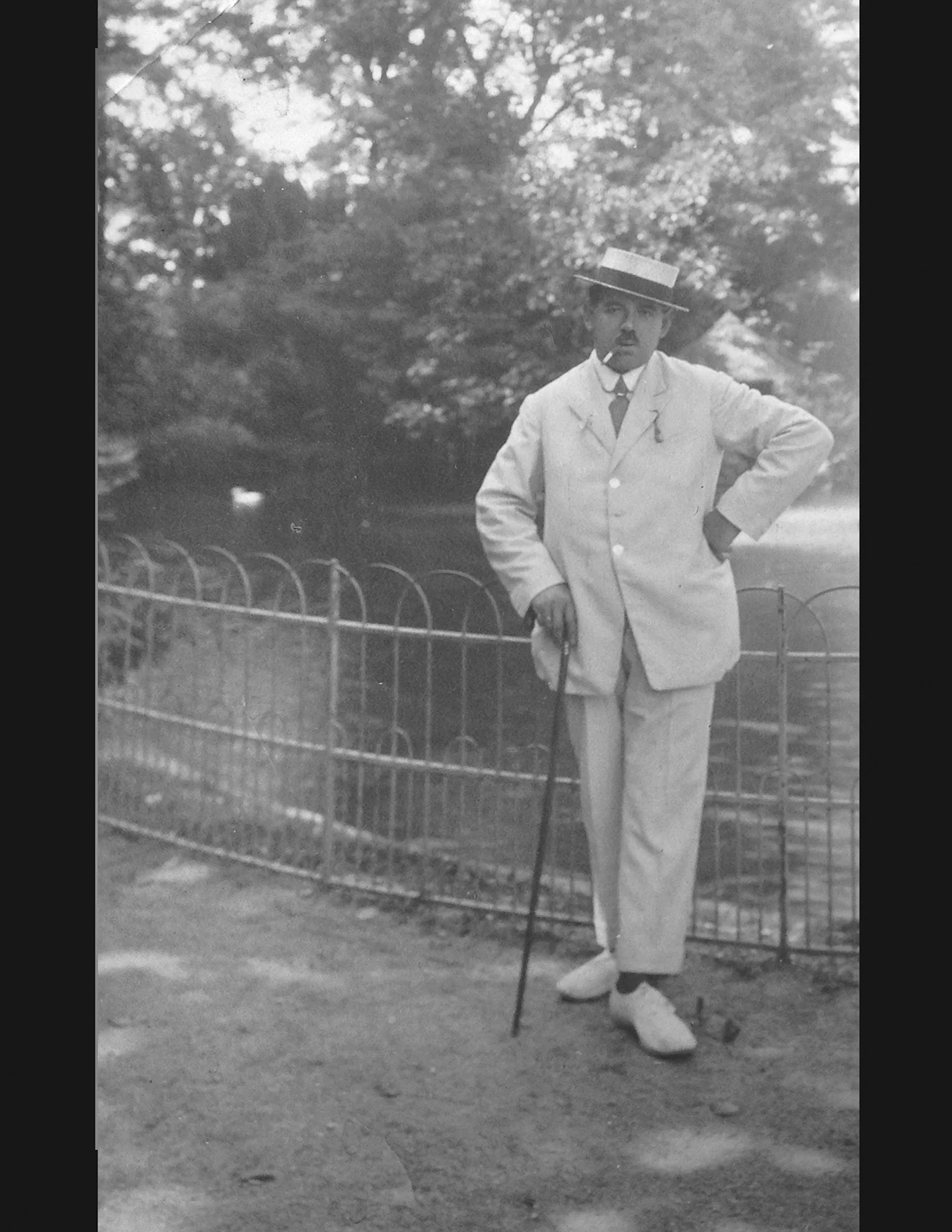
Half a century old by the 1950s, the House of Krigler had, with Albert’s exacting standards, cemented its reputation among devoted fans like F. Scott and Zelda Fitzgerald, Ernest Hemingway, Marlene Dietrich, John F. Kennedy, and Grace Kelly, who wore one of his perfumes the night she won the Oscar. (“My lucky charm,” she reportedly said.) But it was also in that decade when Albert, already in his 90s, flew across the globe from Germany to the Philippines to secure the rarest, most exquisite patchouli. It was a pursuit that would define the creation of Lovely Patchouli 55, the last fragrance Krigler personally developed for the house and which celebrates its 70th anniversary this year. It’s one of Krigler’s best-selling
perfumes—a rich, intoxicating blend of amber, musk, red fruits, vanilla, and, of course, patchouli. It is said that Jackie Kennedy received the fragrance as a gift the evening Aristotle Onassis proposed, and it became one of her lifelong favorites.
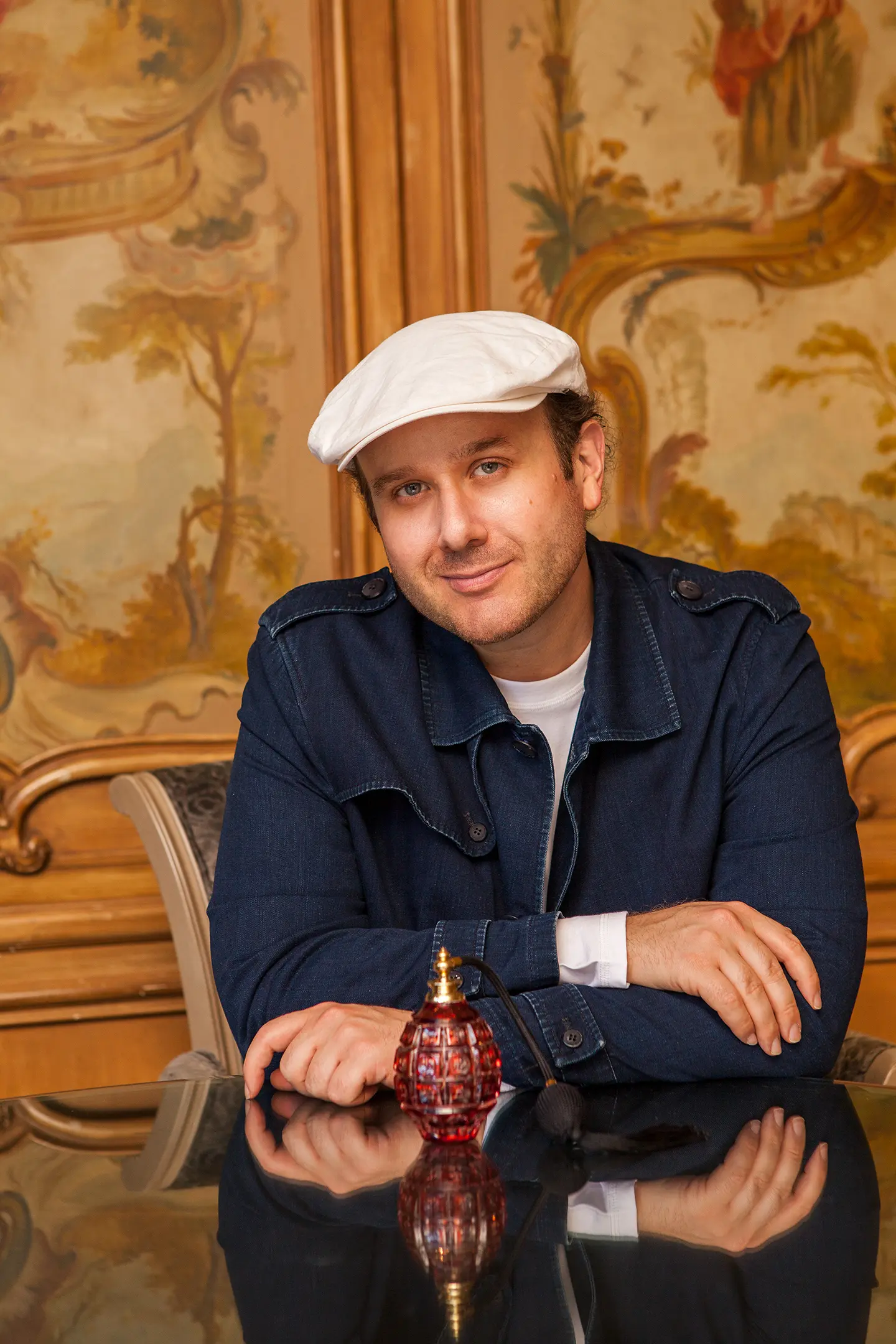
Albert Krigler’s unwavering dedication to quality is a commitment now carried forward by his great-great grandson, Ben Krigler, a fifth-generation perfumer, who has ensured that Krigler thrives in the modern era while preserving its artisanal heritage.
“Krigler is a 100 percent family owned company. We are independent, and people can be certain that we are still very exclusive, and try to remain, I would say, artisanal,” says Ben. “Krigler has not only the passion, but the desire to preserve the same ways things were done before.”
And why not, as it is a formula that has worked for over a century now?
“Where we’re going is to preserve the history of the company, because when people come to Krigler, they don’t come to a brand that’s on to the latest trend, for sure. I realize that people have such a high expectation of Krigler, and are looking for a kind of meaning, the fundamentals, its history, a legacy.”
While rooted in tradition, Ben has not shied away from embracing modernity, at least in the way he manages the family business. Under his leadership, Krigler was one of the first luxury perfume brands to enter e-commerce and accept cryptocurrency, signaling a willingness to adapt without compromising the brand’s core values. However, the creation process remains deeply traditional: Scents are still distilled and macerated in the south of France for years before being used in any fragrance, ensuring the same high standards Albert established. The brand’s creative soul still lives on, however, in new, best selling scents developed by Ben, such as Extraordinaire Camelia 209 and Villa Isar 224, scents so beloved they’re on their way to iconic status.
“What makes a Krigler a Krigler is that the perfumes are inspired by a moment in life, by a place,” he says, referring to the house’s penchant for creating scents based on specific moments or places, exemplified by some of the perfumes’ names and each one’s number (signifying the year it was made).
“Hermitage Heritage 04, for example, was created in 1904 and was inspired by the Hermitage Museum in St. Petersburg, Russia, where Albert used to go with his family on the weekends. He loved that museum,” he says. “Then we have Chateau Krigler 12, which was inspired by a property that he bought in 1912 in Champagne, a little chateau surrounded by flowers.”
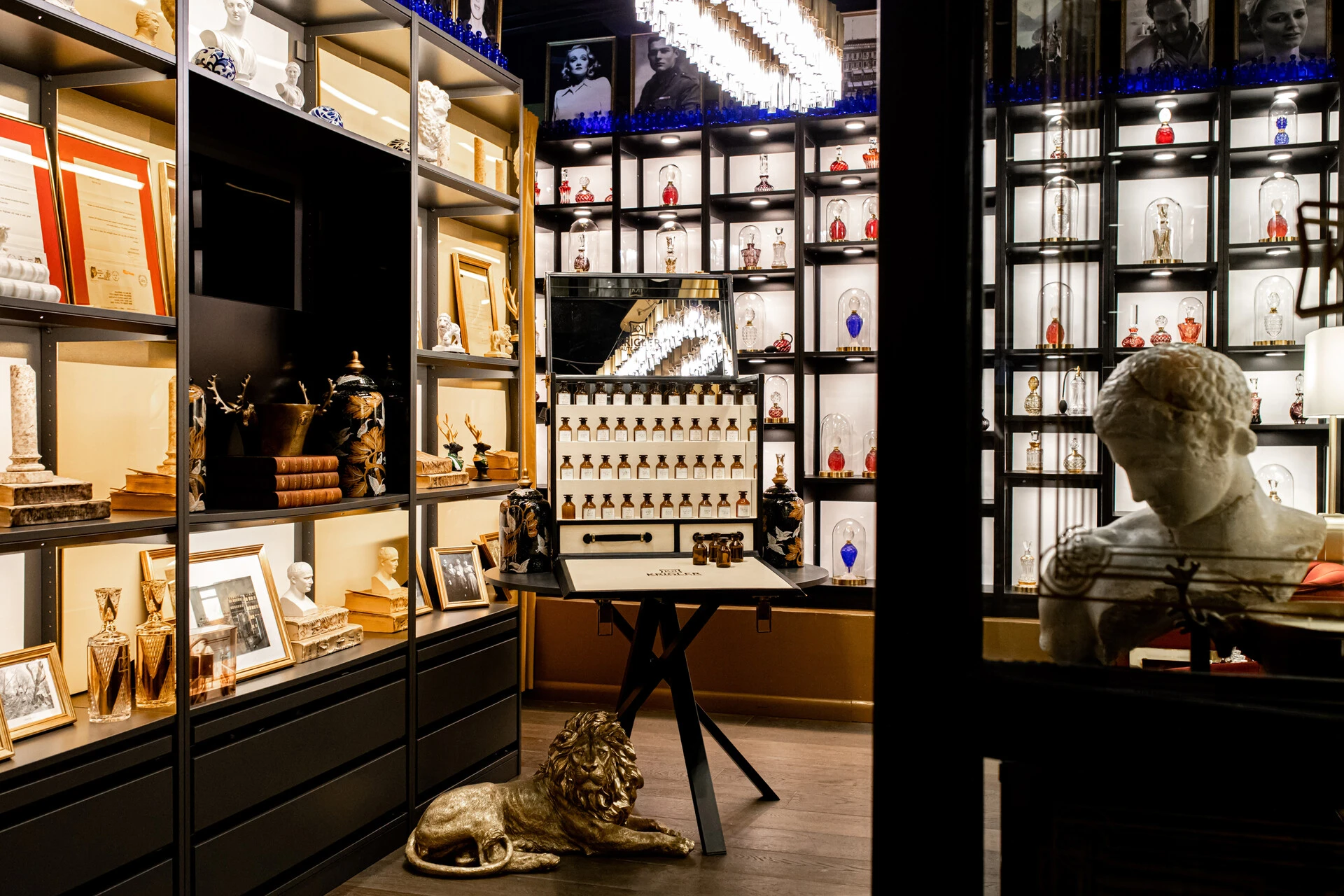
The immortalization of these moments and special places is a stamp of Krigler’s perfumes, so it’s not difficult to understand why a large portion of the Krigler perfumery is focused on bespoke fragrances; it’s in the brand’s DNA. Starting at almost Php 5 million, its bespoke service begins with a friendly conversation and a Proust questionnaire, delving into your favorite childhood memory, among other topics personal, special, and abstract. (Ben also
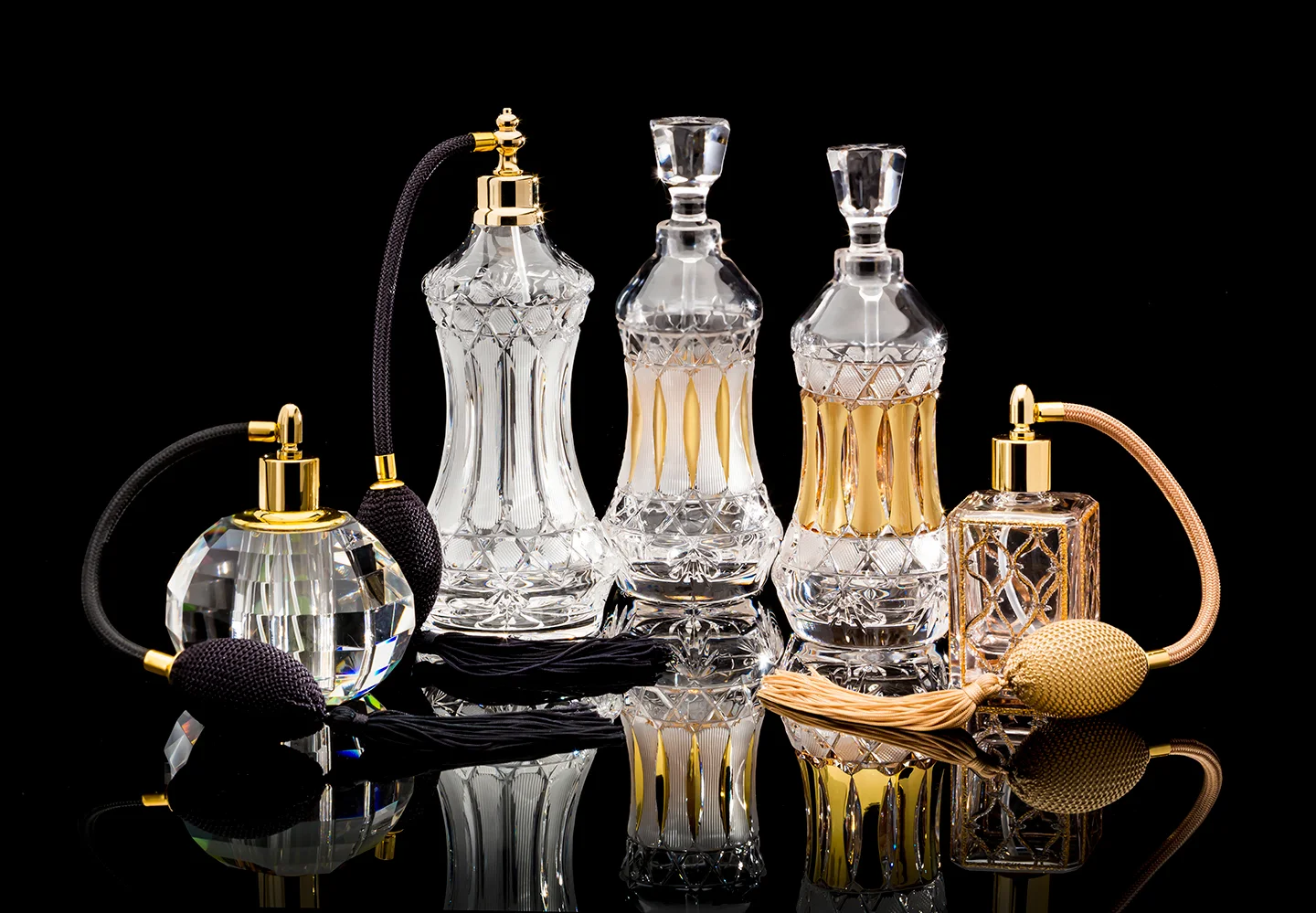
charmingly and disarmingly asks, “What do you dream about?”) After more conversations, flights, meetings on your yacht in the Mediterranean if needed, and even more conversations over tea in hotels all over the world, your fragrance is delivered in a bespoke trunk, and, if desired, in a Baccarat or Lalique crystal atomizer. Bespoke perfumes are more straightforwardly developed at Le Salon Krigler, a boutique that opened last year at the Four Seasons in Houston, the first since the 1970s in Monaco. The salon hosts the bespoke service, private parties, and candle making, where clients can sip Champagne and nibble on petit fours while poring over the Krigler archives.
While many smaller brands are eager to relinquish equity in exchange for the alluring promises of expansion, Ben Krigler remains fiercely protective of the house’s status as an artisan brand. They have a limited number of boutiques, all in the best hotels in the world. “I would say they are more costly than expensive, as they are costly to make. Our perfumes take about a year and a half to three years to be made, and contain 80 to 90 percent natural ingredients,” Ben
explains. “The perfume itself contains between 25 to 45 percent fragrance.” In contrast, many popular luxury brands only go as far as 18 percent.
“We are still artisan; we cannot be artisan and have a hundred stores,” Ben says. “There are waiting lists; there is a limited number of perfumes that we create. There is a choice to be made, and that’s a choice I made—to remain an artisan in a modern world.” But in an era
where almost everything can be obtained at the snap of a finger, remaining steadfast as a rare beacon of heritage and painstakingly crafted traditions is very, very modern indeed.