The Monogram at 130: How Louis Vuitton Turned Travel Into a Luxury Signature




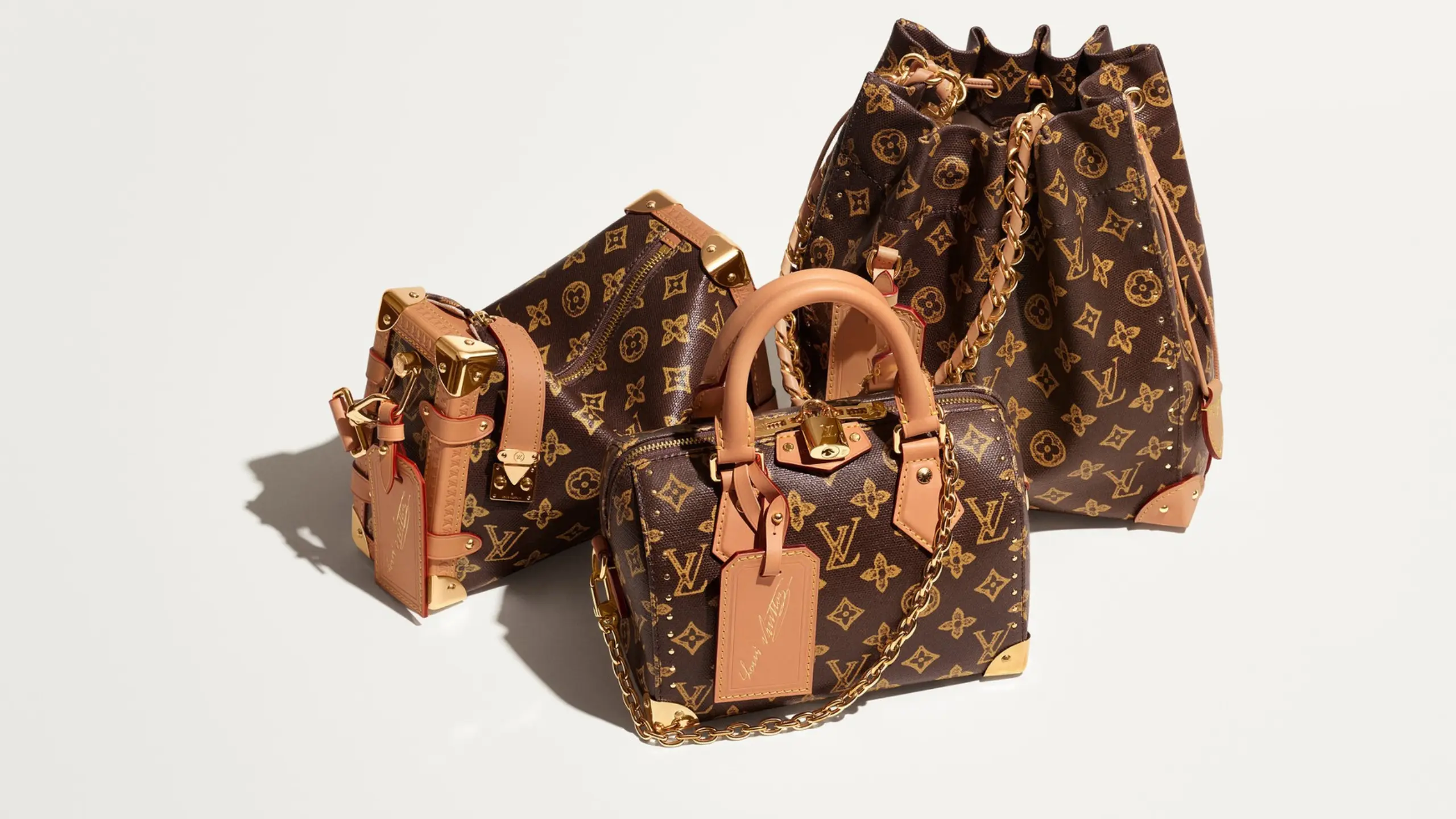
For Louis Vuitton, travel has always been an aesthetic discipline. Movement, in itself, can be beautiful. Function, when polished enough, can be engineered into desire.
If the House has a single glyph that captures this philosophy in full, it’s the Monogram canvas—a signature so familiar it risks being mistaken for inevitability. In 2026, Louis Vuitton marks 130 years of the Monogram by reflecting on its heritage while unveiling a new generation of collections.
The Monogram has become one of fashion’s rare living codes, a kind of identity system that stays fiercely protected, yet endlessly porous to interpretation. Created in 1896 by Georges Vuitton as a tribute to his father, Louis, it was also a solution to the copycat problem every successful maison eventually faces.
A pattern that speaks across time and material
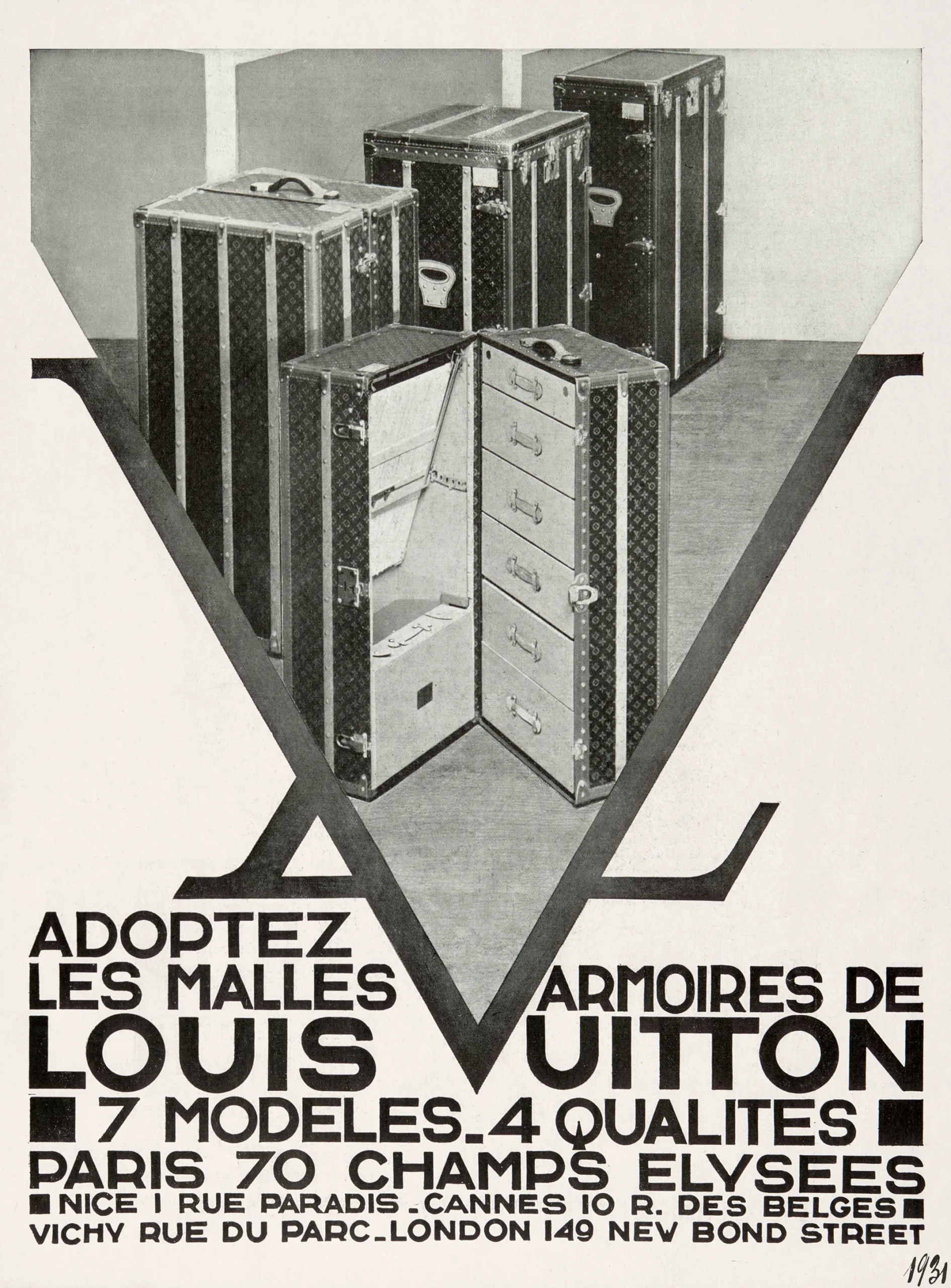
Registered as a patent on January 11, 1897, the pattern was conceived not as a single motif but as a system “capable of being printed or embossed in any colour, on any surface,” from canvas and leather to paper. It built on earlier patented signatures, including the Striped canvas of 1872 and the Damier of 1888, but went further by turning protection into pure artistic expression.
The patent renewals of 1905 and 1908 only confirmed what history has since made obvious. Georges Vuitton had effectively created one of the first modern logos. That duality still explains the Monogram’s strange durability. It is decorative, but it is also technical. It is indulgent, but it was born from necessity.
The Monogram never belonged to a single era, really, which is precisely why it has outlived so many rivals. Conceived in a Paris animated by Neo-Gothic revival, Japonism, and the emerging language of Art Nouveau, it absorbed a city fascinated with symbolism, repetition, and structure.
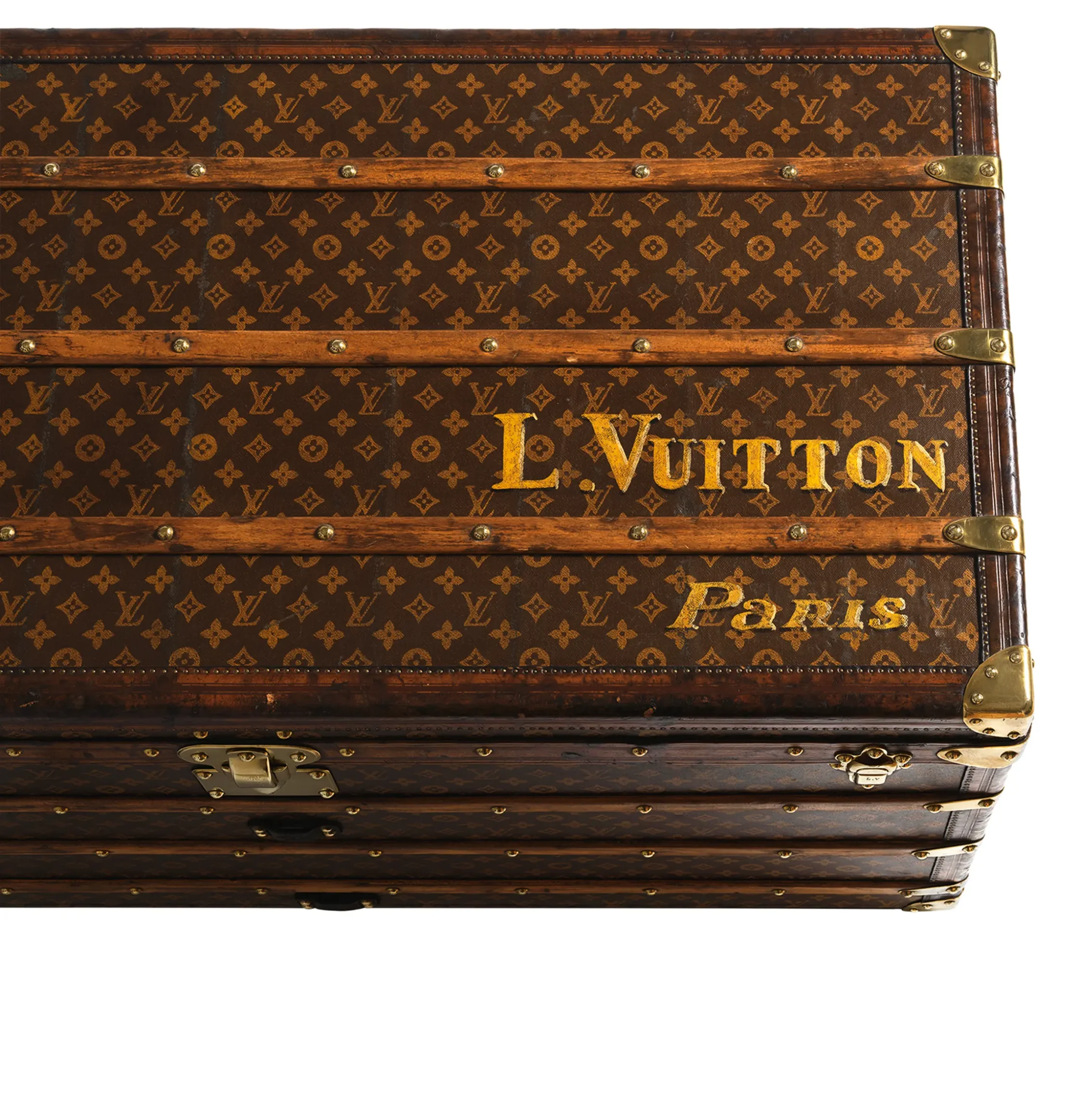
Its interlaced LV initials and stylized flowers feel like a meeting point between cathedral ornament and the distilled geometry of Japanese mon, the family crests that compress lineage into abstraction. Gaston-Louis Vuitton later described the pattern’s construction with near-architectural clarity. It reads like a blueprint, and perhaps that is the point. Over 130 years, the Monogram has proven itself endlessly adaptable without ever losing coherence.
The Monogram began as a jacquard-woven linen canvas in ecru and earthy Terre de Sienne tones, producing a subtle tonal relief built for light and motion. Circa 1902, the House perfected the pochoir stencil technique, layering pigments by hand to sharpen precision and improve resistance to humidity and light.
Then came the pivotal shift in 1959: a more supple, lightweight, waterproof canvas on a cotton base with a protective vinyl coating. This single innovation allowed Louis Vuitton to move beyond rigid trunks and expand into soft leather goods, laying the foundation for the bags that would define modern luxuryLuxuryA lifestyle defined by exceptional quality, craftsmanship, exclusivity, and sophistication, encompassing the finest products, services, and experiences that represent the highest standards of refinement and excellence.Go to Luxury Glossary. Even, let’s say, the Monogram Eclipse, which was only introduced in 2017 in graphite and black, follows that same logic.
Travel translated into everyday mythology
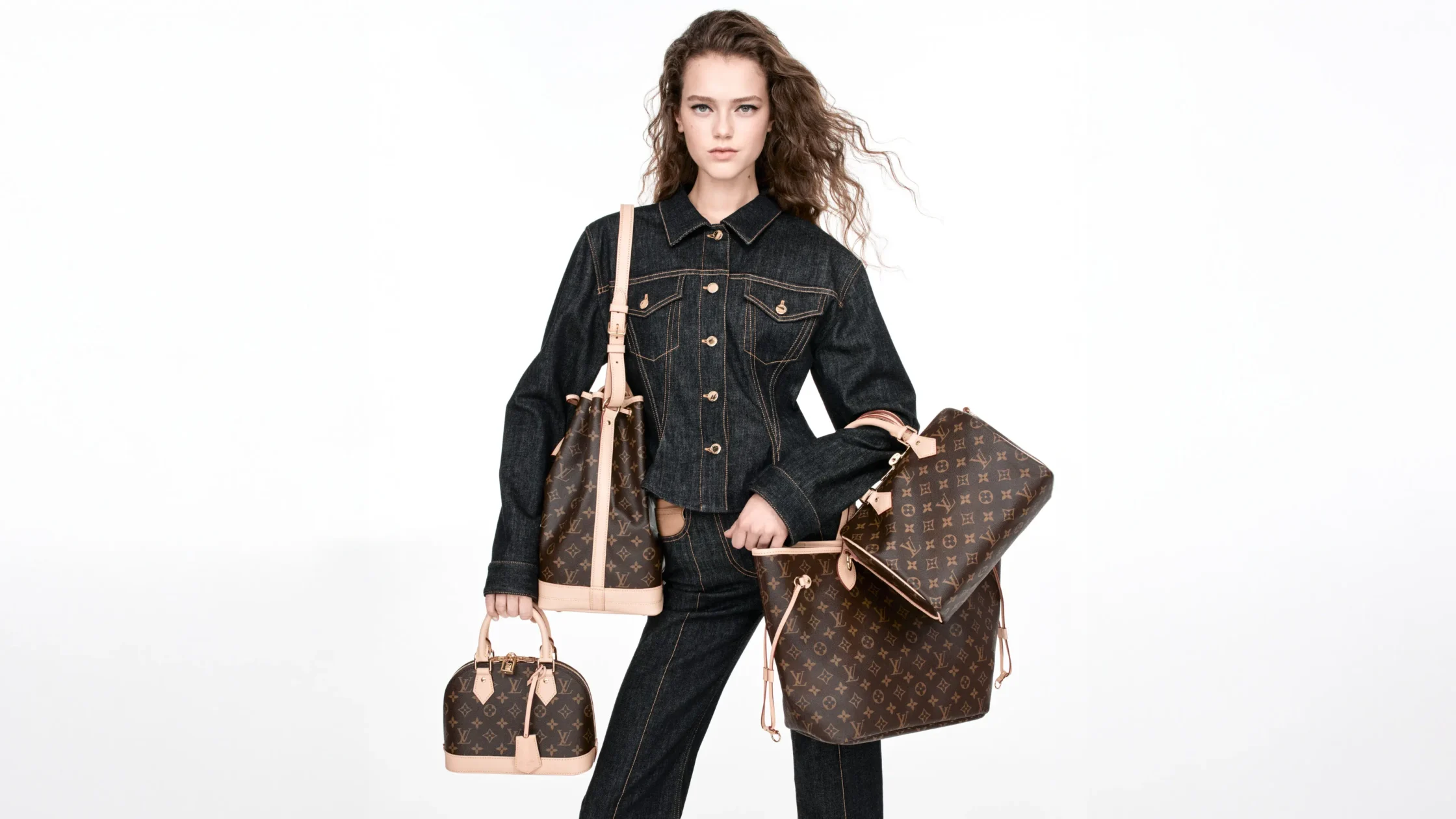
To open its anniversary year, Louis Vuitton turns to five Monogram bags that trace the House’s worldview across decades: the Speedy (1930), Keepall (1930), Noé (1932), Alma (1992), and Neverfull (2007). Read together, they form a quiet timeline of modern life, shaped by mobility, leisure, urban rhythm, and the understated heroism of what we carry each day.
The Speedy, originally named the Express, distilled the romance of movement into a compact form. Structured yet flexible, it could be folded flat inside a suitcase and unfolded upon arrival, a small gesture that captured Louis Vuitton’s belief in travel as both practical and poetic. Introduced alongside it, the Keepall marked a more radical shift. Rigid trunks gave way to supple freedom, with a bag that was soft, spacious, and astonishingly light. Its early nickname, Tientout, said it plainly: a bag designed to hold everything, and to move effortlessly while doing so.
The Noé began with an even simpler request from a Champagne producer. The brief was to carry five bottles, four upright and one inverted at the centre. With its rounded base and drawstring closure, the Noé became a case study in Louis Vuitton’s enduring instinct for turning a utilitarian problem into an object with lasting attitude, relaxed yet refined.
Then came the Alma. Architectural and unmistakably Parisian, it draws on Art Deco geometry and takes its name from Place de l’Alma, where the grandeur of the 8th arrondissement meets the flow of the Seine. Its curved silhouette, double-zip closure, and sculptural handles give it a sense of quiet authority, the kind that never needs to announce itself.
The story ends, for now, with the Neverfull. A modern phenomenon engineered into elegance, it is extraordinarily light yet remarkably strong, translating trunk-era logic into contemporary life and proving that everyday utility can still feel luxurious.
The anniversary collections
If the Monogram existed only as heritage, it would belong in a museum. Instead, it has remained culturally alive through collaborations that treat it as a medium rather than a relic. From Takashi Murakami’s Colorful Monogram to Yayoi Kusama’s polka dots and Richard Prince’s reworkings, the pattern has repeatedly been opened to artistic interpretation. Later came Jeff Koons’ Masters overlays, Urs Fischer’s distortions, and landmark projects like the 1996 centennial reinterpretations and the 2014 Celebrating Monogram initiative, which brought together voices from fashion, art, and architecture.
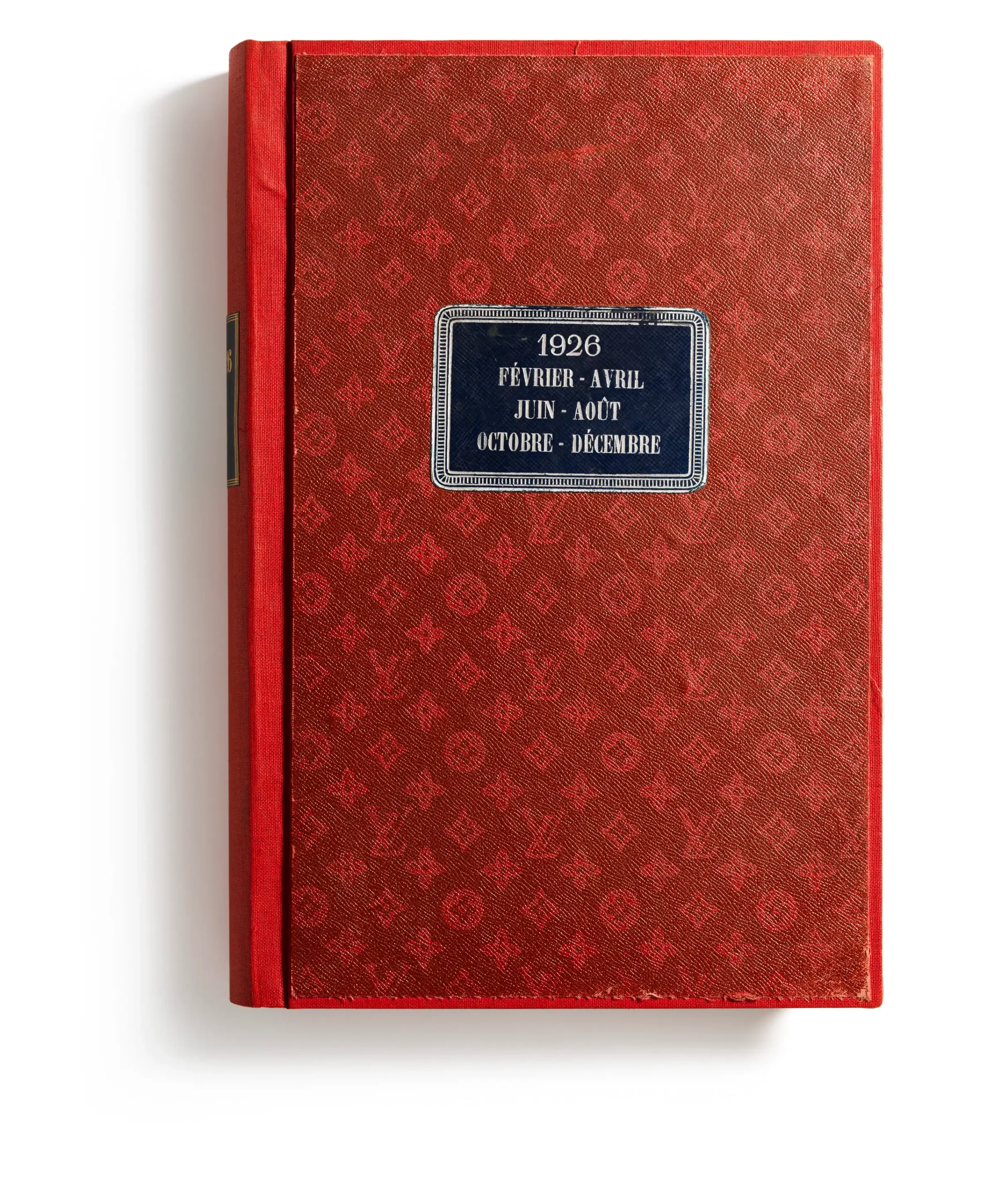
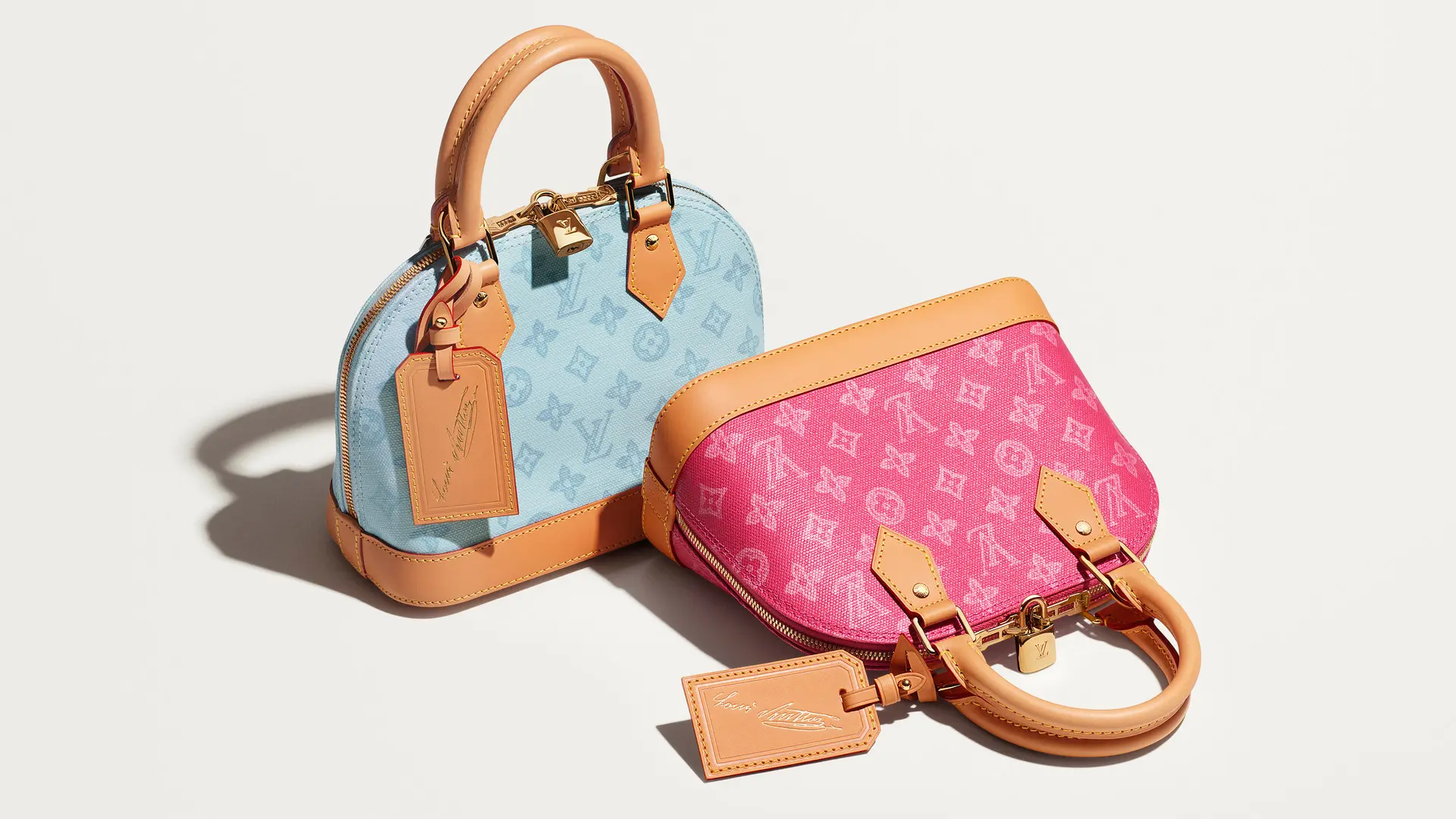
The anniversary collections themselves are a sort of three-part argument for why heritage still matters when handled with intelligence. The Monogram Origine Collection revisits the original 1896 pattern through a new jacquard canvas crafted from a linen-cotton blend in soft pastel hues, inspired by an archival client register.
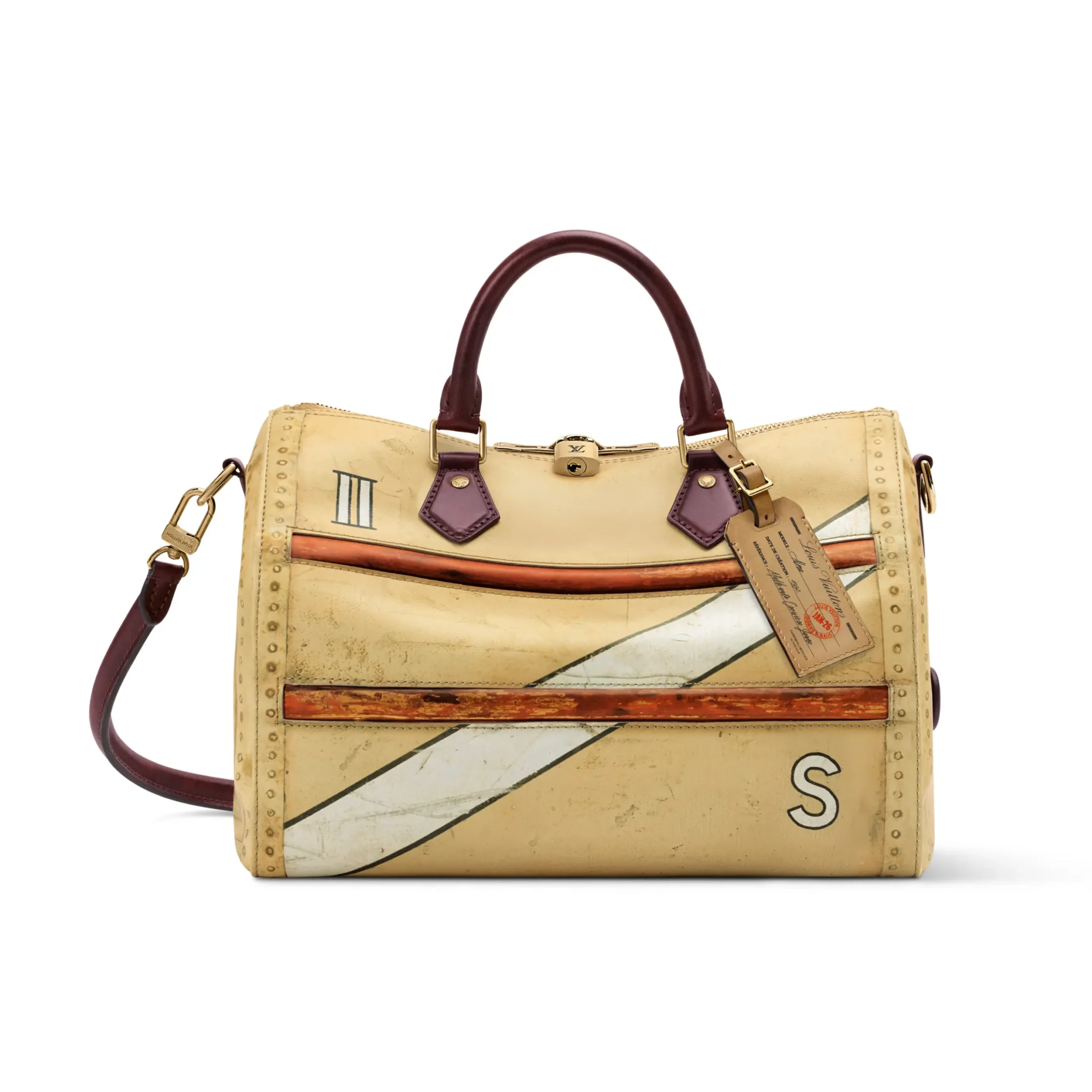
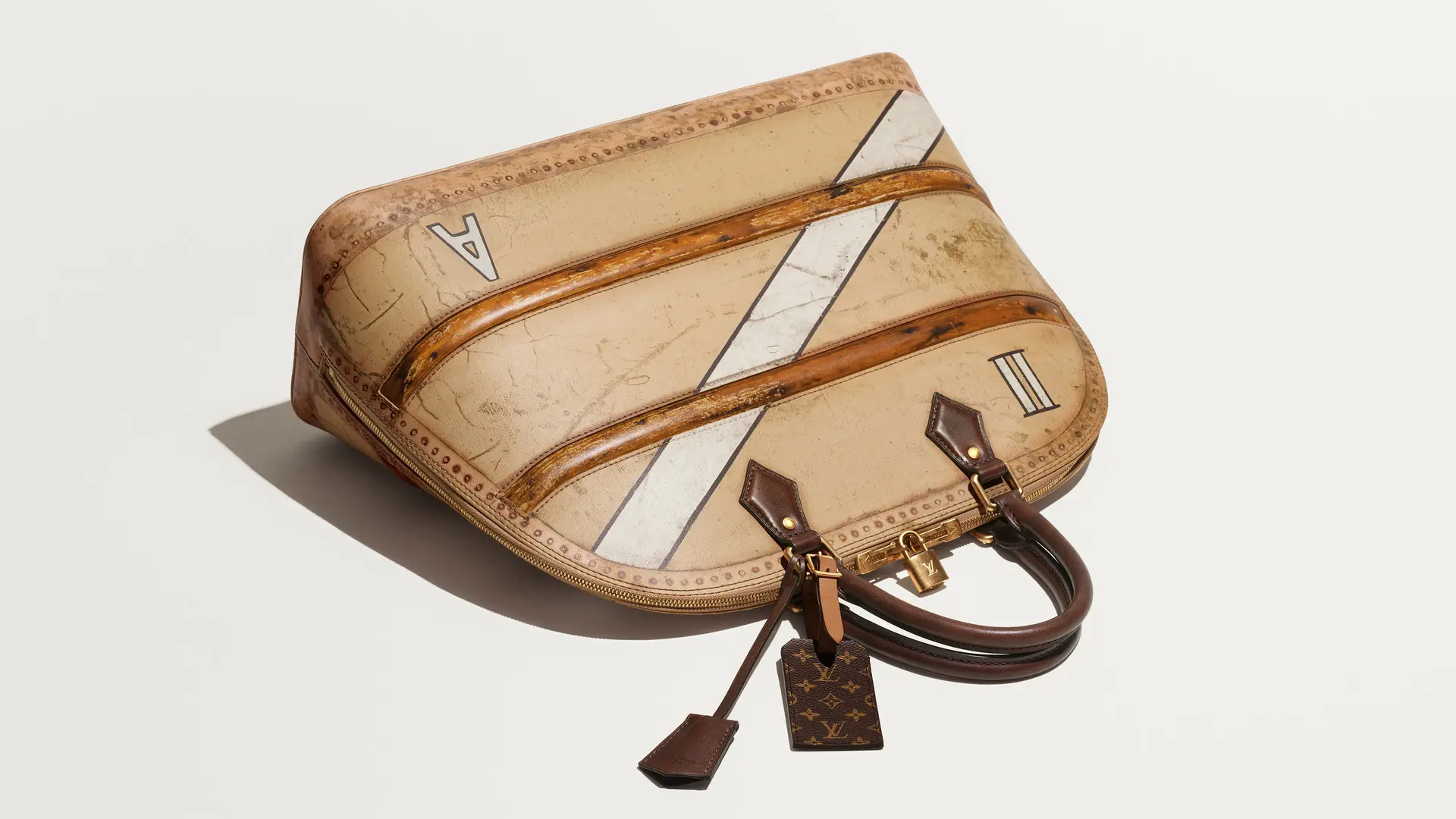
The VVN Collection is grounded in material truth, crafted from natural cowhide designed to develop a singular patina over time. Meanwhile, the Time Trunk Collection bridges past and present through trompe-l’oeil printing that recreates the textures and metallic details of historic trunks, turning memory into surface.
See, after 130 years, the Monogram’s real achievement is not ubiquity, but elasticity. It has survived every attempt to reduce it—either to mere pattern or mere logo—because it was always both, and perhaps always something more. True icons stay in motion.
More information here.