Aisha Ibrahim: From Michelin Kitchens to Mindanao


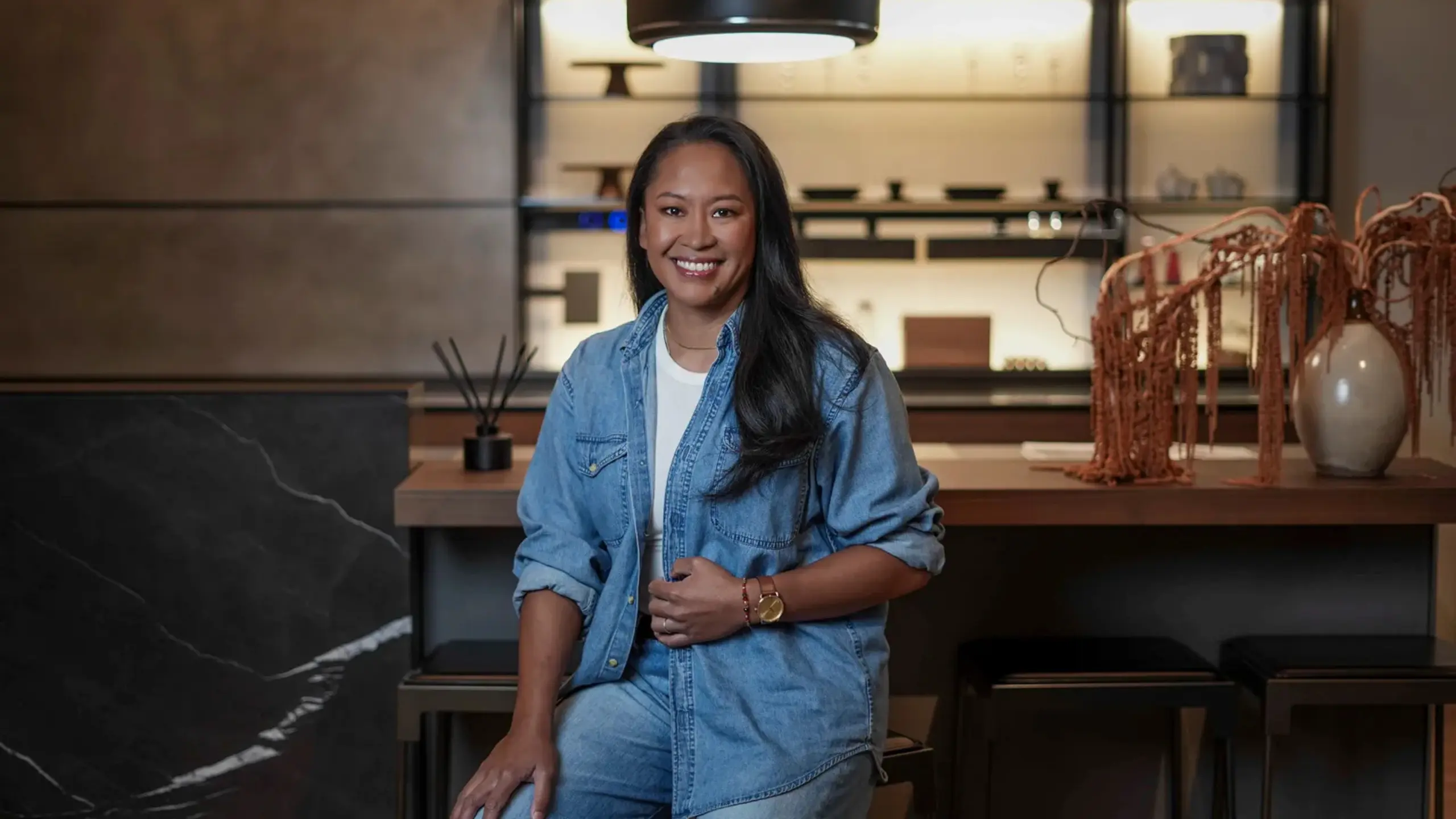
There is a meal Aisha Ibrahim ate in San Francisco in 2011 that changed the direction of her ambition. She was a young cook already several years into the gruelling apprenticeship that fine dining demands when she sat down at Korean-American Corey Lee’s Benu, then newly minted with three Michelin stars, and saw kimchi on the menu.
“It really just made me understand that there was space for my story in this profession,” she says. “It took me a long time to feel comfortable even trying to cook fine dining Filipino cuisine, and once I had the courage to start, it just kept going and going.” (Article continues after the video.)
Video:
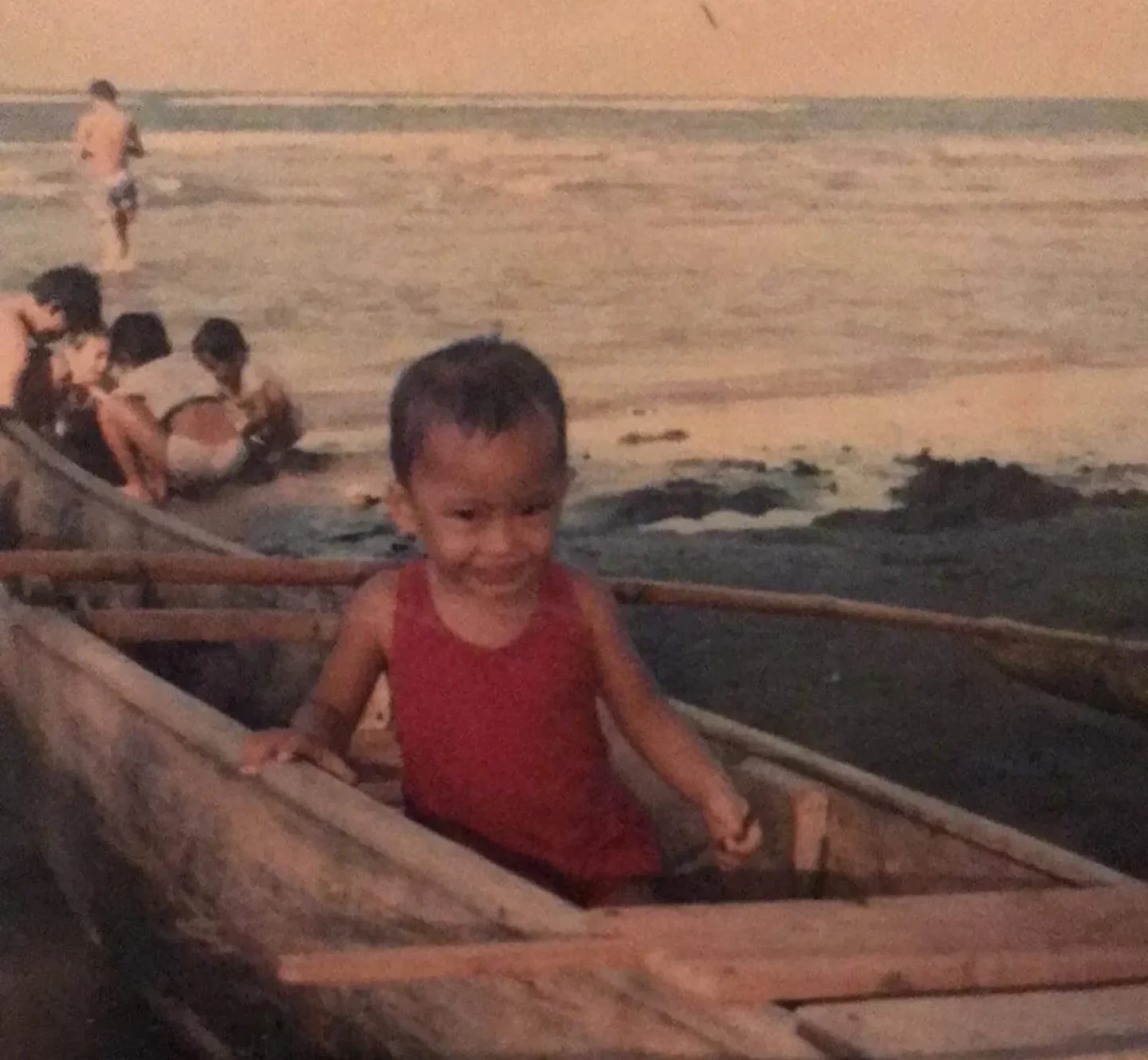
That courage has taken her far. Born in Iligan City, Aisha emigrated to the United States at age 6, eventually landing in West Virginia—about as far from the world of Michelin stars as geography can arrange. Her earliest ambition had nothing to do with kitchens: She played basketball from the age of 6, worked toward a professional career with the single-mindedness of someone who had never considered an alternative.
“My life’s work up until I was 18 was to play professional basketball,” she says. An injury changed everything, but, sidelined and restless, she started cooking and discovered that it satisfied something basketball never quite had. “I found in it this incredible opportunity to be creative and to really set my intentions forward into a new path.”
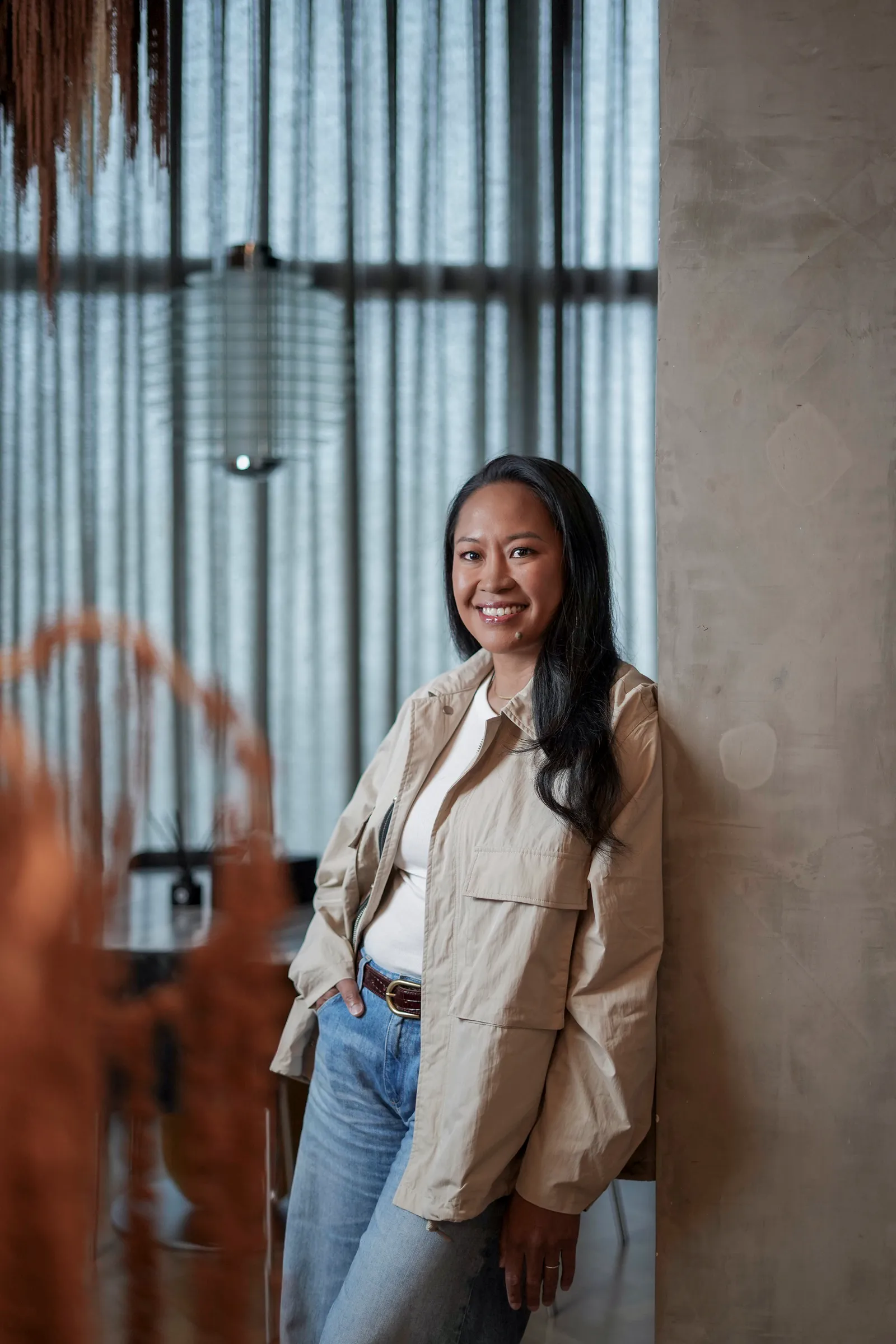
What followed was a decade of globe-spanning self-construction, which included 10 years in California learning to cook reactively, to understand and honor produce—and, as it turned out, to find her voice. At Manresa, the celebrated three-starred Bay Area restaurant, she was tasked as sous chef with putting a dish on the menu. She kept returning to her mother’s arroz caldo—fortified chicken fat, heavy with ginger and garlic, a dish she had eaten all her life.
“I made this base of arroz caldo and made an abalone porridge,” she says. “Braised abalone on top, with abalone liver as an emulsion, and then crispy textures from the puffed rice—trying to utilize every bit of byproduct, because that is the way that we operate as Filipinos.” When Manresa was awarded its third Michelin starMichelin StarA prestigious rating awarded by the Michelin Guide to restaurants of exceptional quality, with one, two, or three stars. A Michelin star confers global recognition and can transform a restaurant'sGo to Michelin Star Glossary, the inspector singled out that dish on social media. “It was like putting my mom’s soul food on a three-Michelin-star menu,” she says. “It really gave me some confidence.”
Then, in Tokyo, she worked in three-Michelin-star kaisekiKaisekiA traditional multi-course Japanese dining experience, built around seasonal ingredients, artistic presentation, and precise technique. Regarded as the pinnacle of Japanese haute cuisine, kaiseki offers a refined, quiet, contemplative meal,Go to Kaiseki Glossary restaurants and absorbed the discipline and reverence for ingredients that she carries into every kitchen to this day.

Then there was Spain’s Basque region where she followed Eneko Atxa at Azurmendi not only for the food, but for the quality of his leadership. (Eventually, she became chef de cuisine of Atxa’s restaurant Aziamendi in Thailand.) “A lot of cooks only look at chefs they want to work for based on the food,” she says. “I think leadership and mentorship is just as important.”
From Azurmendi she took a practice she still speaks of with evident feeling: the handshake rule, where every shift begins and ends with a handshake from the leadership team, and everything in between is understood to be professional, not personal. “To me, the deepest act of care as a leader is holding somebody accountable,” she says.
That philosophy, as well as other residencies in Kagurazaka Ishikawa, Kohaku, L’Effervescence, and Ryugin, shaped her tenure at Canlis, the 75-year-old Seattle institution where she made history as the restaurant’s first female, first Filipino, first person of color, and first queer executive chef, arriving in 2021 and spending nearly four years building a body of work that earned her a Food & Wine Best New Chef recognition, a spot on TIME magazine’s TIME100 NEXT list, and a James Beard Award nomination. She led a team of 40 cooks alongside her wife and executive sous chef Samantha Beaird, normalizing feedback and threading her heritage into a menu that had stood largely unchanged in spirit for seven decades.
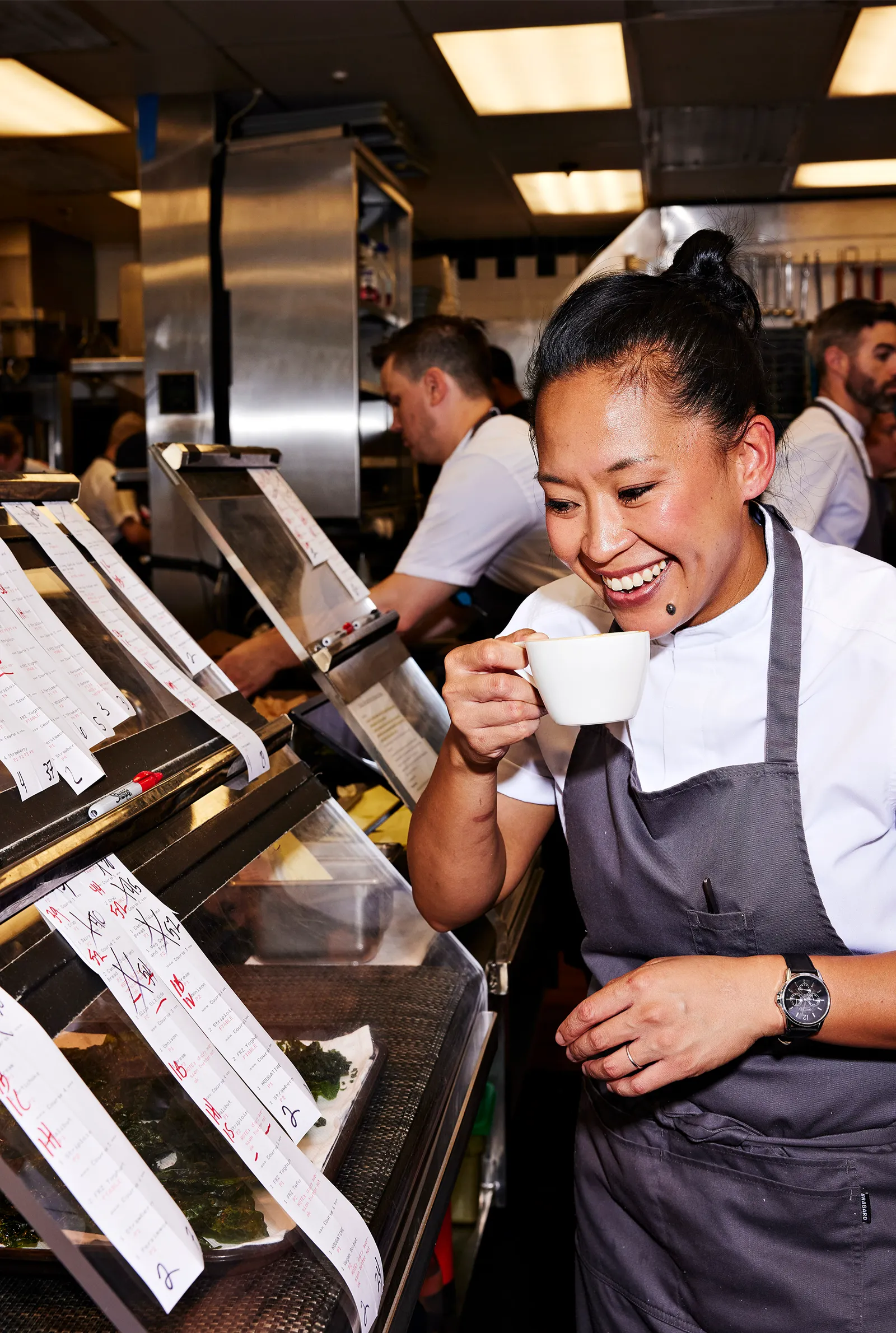
“It’s not about white plates and tweezers and making Filipino cuisine look like French food to fit in.”
A key moment in that threading was again deeply personal, and what she calls one of the hardest she’s had to execute, more because of its personal nature rather than technical complexity. In 2023, Aisha lost Nanay—her grandmother Florita—mid-service.
“I was in my chef’s coat, on the phone while she was passing,” she says. “It was the first time my team really saw me cry.” In response, she did something that required more nerve than any cooking she had ever done: She put the last dish her grandmother prepared for her on the menu.
“I called it the Escabeche Florita. It was probably the most vulnerable thing I’ve ever done in my career—not hiding from sadness or grief,” she says. “If you’re touching something every day that matters to you, that was gifted to you, it really forced me to trust my team and that process.” (The dish stayed on the menu for seven months.)
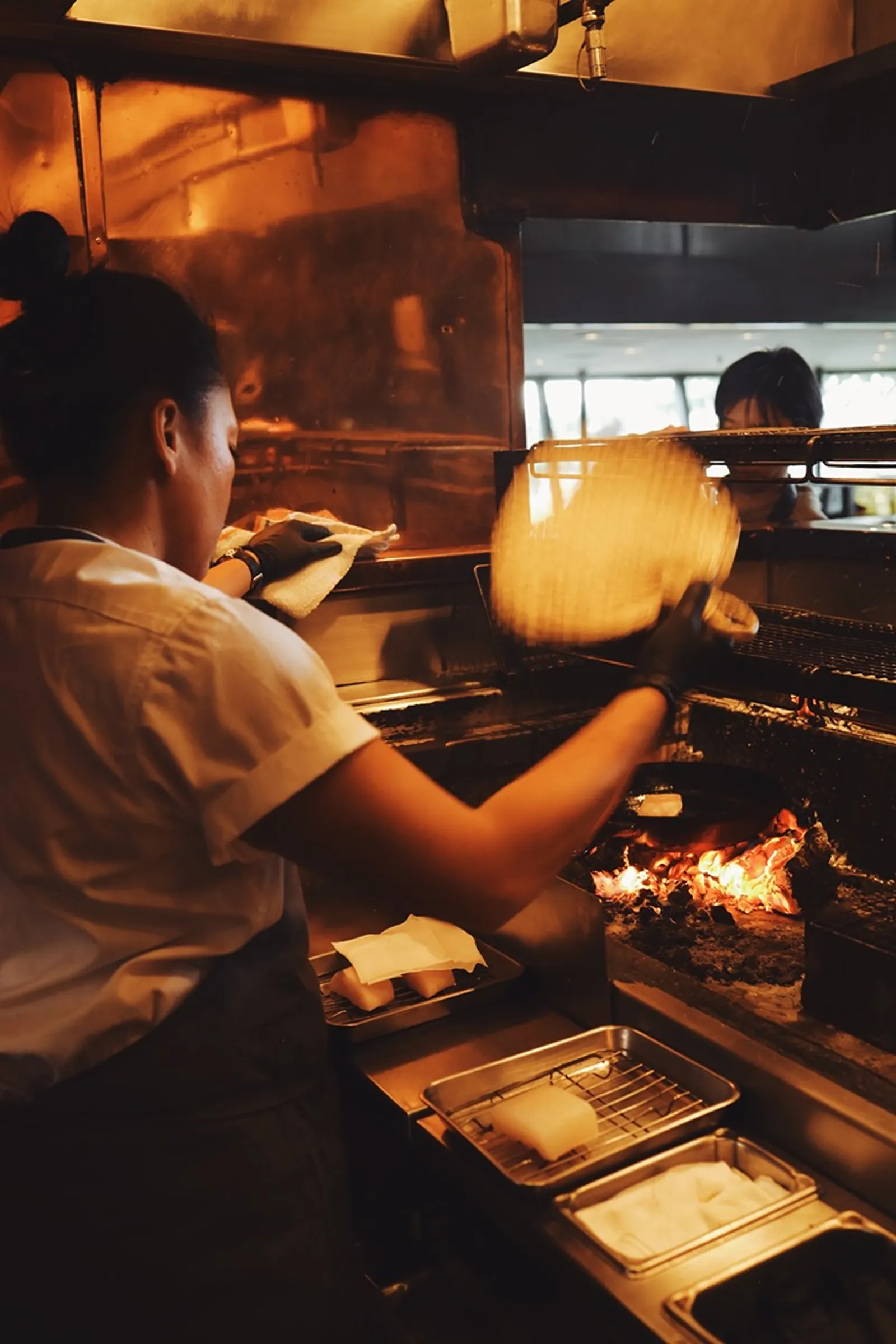
If executing dishes with personal meaning poses its difficulties, we can surmise that now, Aisha is building toward something even more challenging. Last year, she and Beaird left Canlis to devote themselves fully to their own restaurant. At the time of this interview, the research had already begun in the form of journeys through Cotabato City, Zamboanga, Marawi, and Basilan. She sat with women, bearers of the region’s culinary traditions, asking how they prepare their food, learning traditions passed through kitchens across generations. She met members of seven of the region’s 13 Moro ethnolinguistic groups and ate dishes that surprised her—the heat, the spice, flavors that recalled other cuisines in Southeast Asia rather than the Filipino food most of the world thinks it knows. She cites the versatility of the coconut, used as a structural, savoury force rather than a sweet flourish, which struck her as something close to a “superpower.” “I want the food to be unapologetic and bold in those ways,” she says.
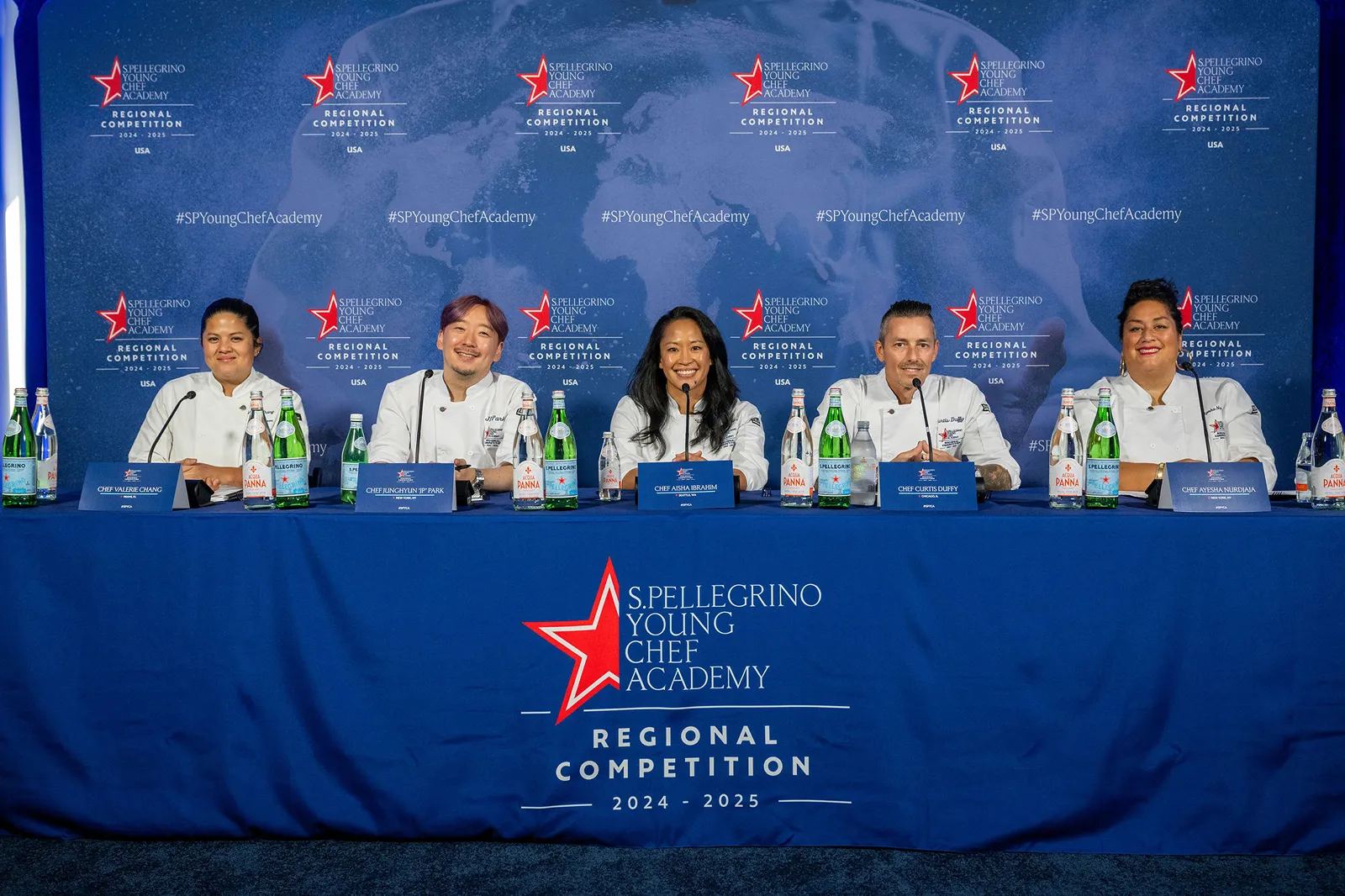
Her father’s side of the family is Maranao, one of the indigenous Muslim communities of Lanao del Sur, and it is their cuisine, along with the broader food traditions of the south, that she intends to bring to fine dining. The restaurant she is building, still much of a secret, will draw on the kaiseki philosophy she absorbed in Japan, with its insistence on narrative and emotional coherence while keeping the soul firmly in the Mindanaoan cuisine.
The ambition is not only culinary; Aisha points to the trajectory of other Asian cuisines’ fine dining—virtually absent from serious international conversation fifteen years ago, now commanding Michelin stars in different parts of the world—as both precedent and provocation. “We have not yet created a value system around Filipino cuisine on a wide scale,” she says.
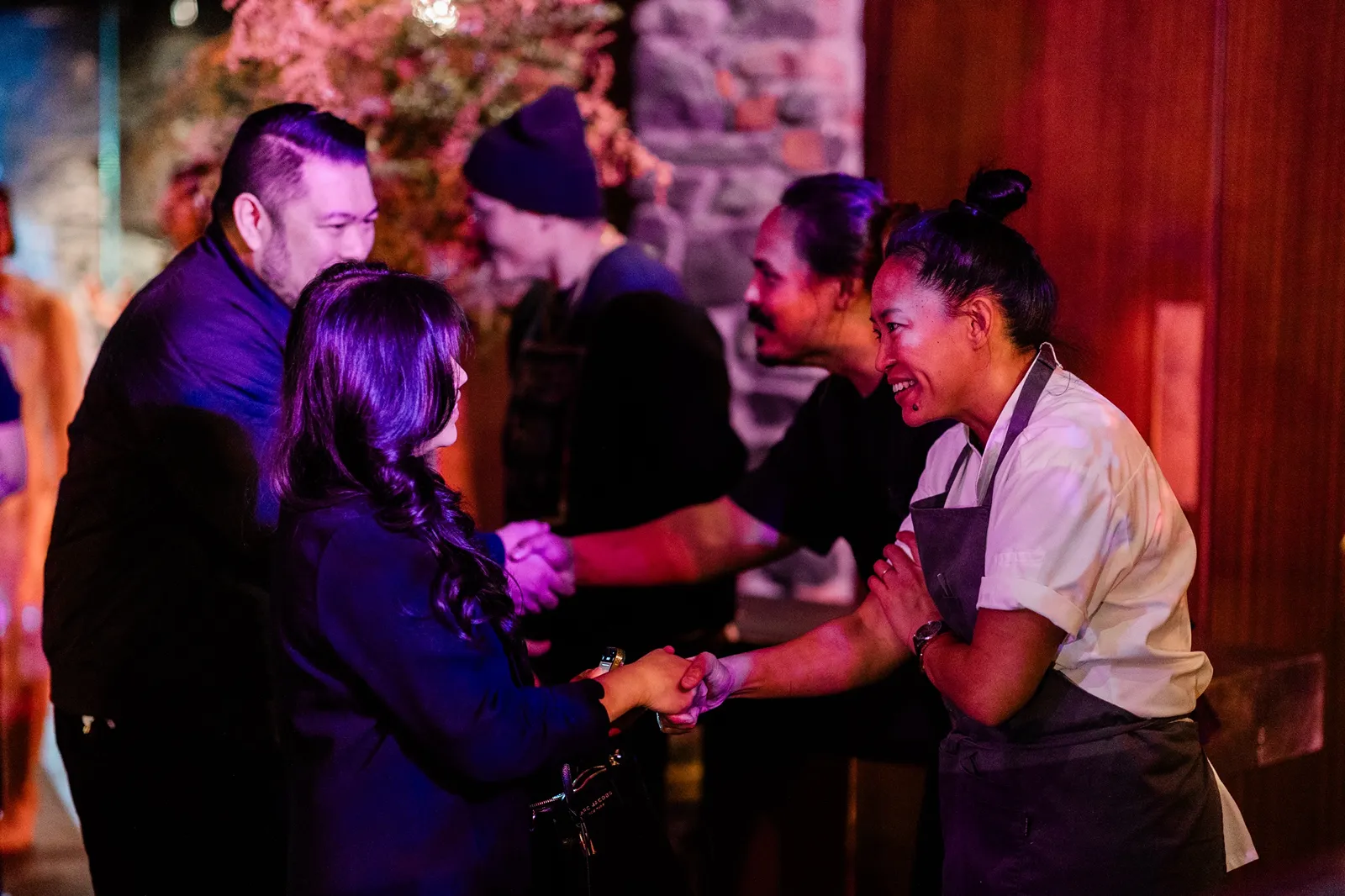
Her goal is to be progressive yet introduce flavors that have been around for centuries to a new audience. In Filipino culture, she reflects, love is not always spoken, but rather moves through food, through the act of feeding people you care about. “I want to make sure that people walk away feeling that it was intentional and that they were treated with care,” she says. “It’s not about white plates and tweezers and making Filipino cuisine look like French food to fit in. We’ve got to make it look like what it looks like and give it the best representation of itself possible.”
This article originally appeared in Robb Report Philippines’ Muse Issue, July 2026.
Filmed and shot at Valcucine, The Proscenium, Rockwell Center, Makati City. Special thanks to Valcucine.
Video Credits:
Director: Ken Dimaano
Producer: Anton Molina
Editors and DOPs: Jomar Allan and Aqi Ticzon
Writer and Line Editor: Kimberly Rocha-Delgado
Production Associate: Megan Lim
FAQs
Aisha Ibrahim is a Filipino-American chef born in Iligan City who has worked at acclaimed restaurants across the United States, Japan, Spain, and Thailand. She later became executive chef of Canlis in Seattle.
Ibrahim became Canlis’s first female, first Filipino, and first person of color executive chef in 2021. During her tenure, she incorporated elements of her Filipino heritage into the restaurant’s cooking and earned recognition from Food & Wine, TIME, and the James Beard Awards.
Personal dishes such as her mother’s arroz caldo and her grandmother Florita’s escabeche have shaped Ibrahim’s approach to fine dining, allowing memory, family, and Filipino culinary traditions to become part of her professional vocabulary.
Ibrahim is developing a restaurant inspired by Mindanaoan cuisine and the food traditions of the southern Philippines, informed by research trips through Cotabato City, Zamboanga, Marawi, and Basilan.
She plans to draw on the narrative discipline she learned from Japanese kaiseki while keeping the flavors and identity of Mindanaoan cuisine intact, presenting centuries-old traditions without reshaping them to resemble European fine dining.