7 of the World’s Most Prized Teas




If coffee is associated with a jolt of energy, quick action, and alertness, fine teas connote a deliberate luxuryLuxuryA lifestyle defined by exceptional quality, craftsmanship, exclusivity, and sophistication, encompassing the finest products, services, and experiences that represent the highest standards of refinement and excellence.Go to Luxury Glossary of slowing down, stillness, slowness, and savoring time. Even the process of growing and harvesting fine tea is pure poetry.
Grown in the quieter regions of China, India, Japan, and Sri Lanka, tea plantations are usually in elevated terrain with gentle and cool climates and an abundance of sunshine and rain. The most expensive teas are those that are still meticulously harvested by hand by tea experts who pay close attention to the ripeness of the tea buds, plucking them only two leaves and a bud at a time.
Here are some of the most prized teas in the world.
- Da Hong Pao – known for its complex flavor profile which features a blend of roasted, floral and mineral notes, often described as having a “rocky” or “mineral” taste, with hints of fruit, and a smooth and lingering aftertaste.
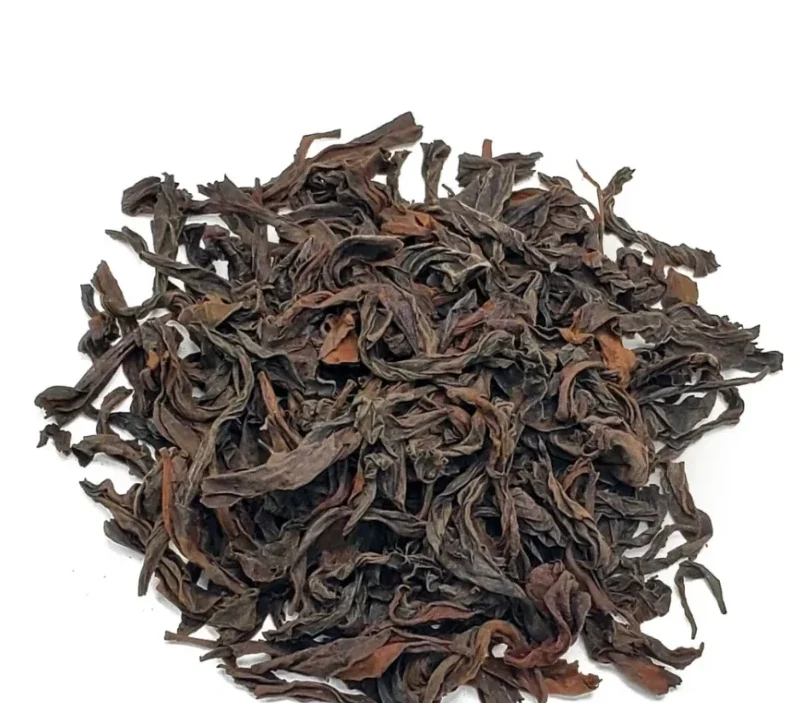
The Big Red Robe, a direct translation of “Da Hong Pao,” come from tea shrubs that grow on a Jiulong Ke rocky cliff on the Wuyi mountain in China, and was famously auctioned off for RMB 208,000 (P1,634,956.17) for 20 grams. Legend has it that the mother of a Ming Dynasty emperor was healed by this tea, and out of gratitude, the emperor draped red robes on the miraculous tea bushes, hence its name. These tea bushes were such a heavily guarded treasure that in 1849, a British botanist disguised himself as a wise official traveling from afar to study tea. He managed to smuggle out seeds, seedlings and cultivation secrets to India, where the plant was merged with the indigenous India tea.
Harvest from the six original “mother trees” was discontinued in 2005, so it’s now impossible to enjoy this tea. However, one can still have the Purebred Da Hong Pao, which is tea produced from the cuttings of the mother tree. This variety took more than 30 years of careful cultivation to produce an excellent tea that could rival the Big Red Robe.
Purebred Da Hong Pao — $160 for 170g at teaandwhisk.com
2. Darjeeling First Flush – delicate, floral aroma, with crisp, fresh notes.
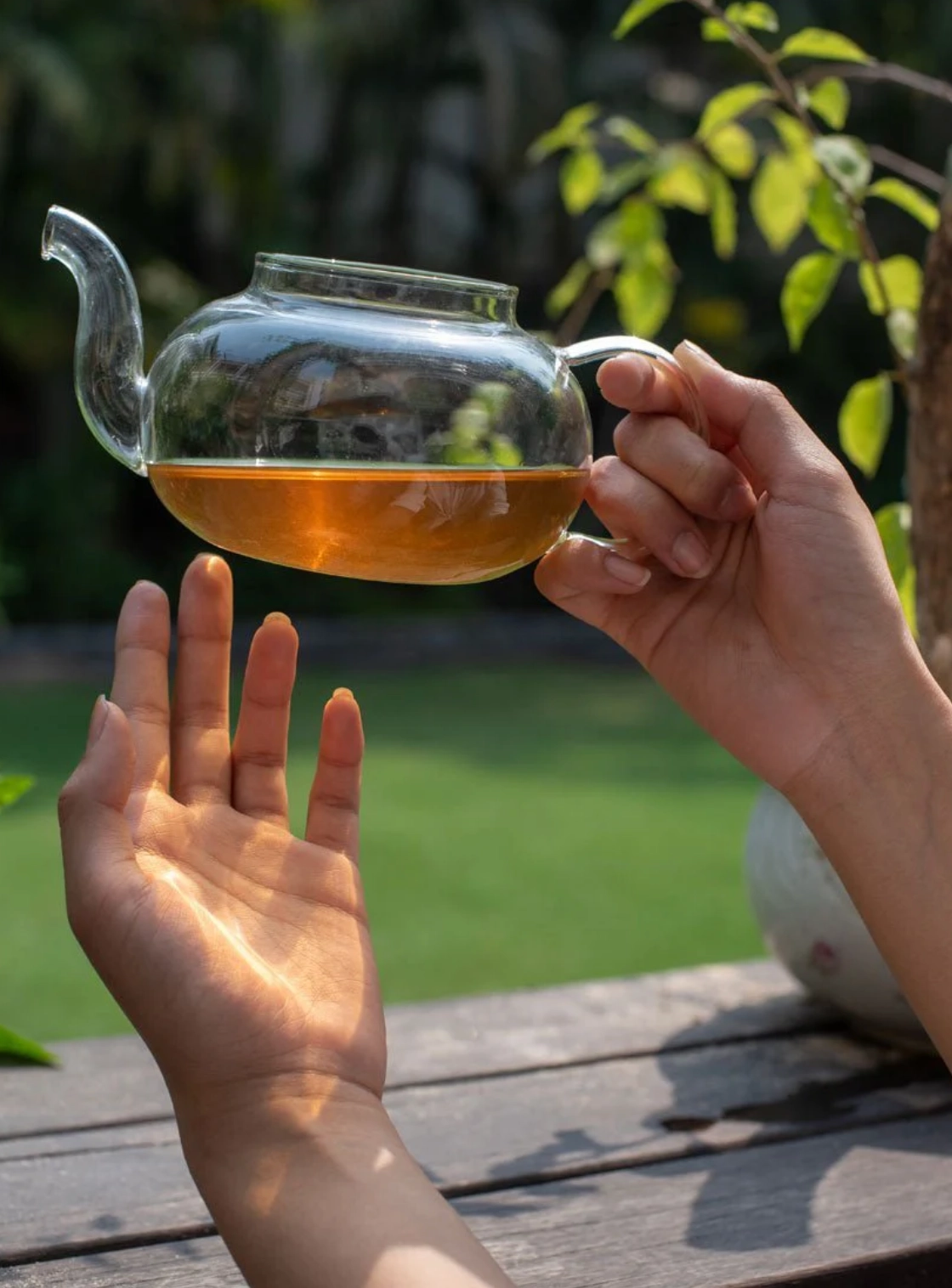
Fine tea has two major harvest seasons: spring and summer. Spring harvest is called the First Flush. The long, cold winter and the crisp, early days of spring produce tender, delicate buds that have a concentrated yet lighter aroma and flavor, compared to the more robust and stronger flavor of tea buds harvested during the Second Flush when the tea leaves are more mature, having remained on the plant longer.
First planted in the early 1800s, Darjeeling tea is grown in the Darjeeling district of West Bengal, India, on the foothill of the Himalayas.
Makaibari Springtime Bloom — $9 for 50g at makaibari.in
3. Pu-erh — full-bodied tea with earthy, woody, sometimes smoky notes
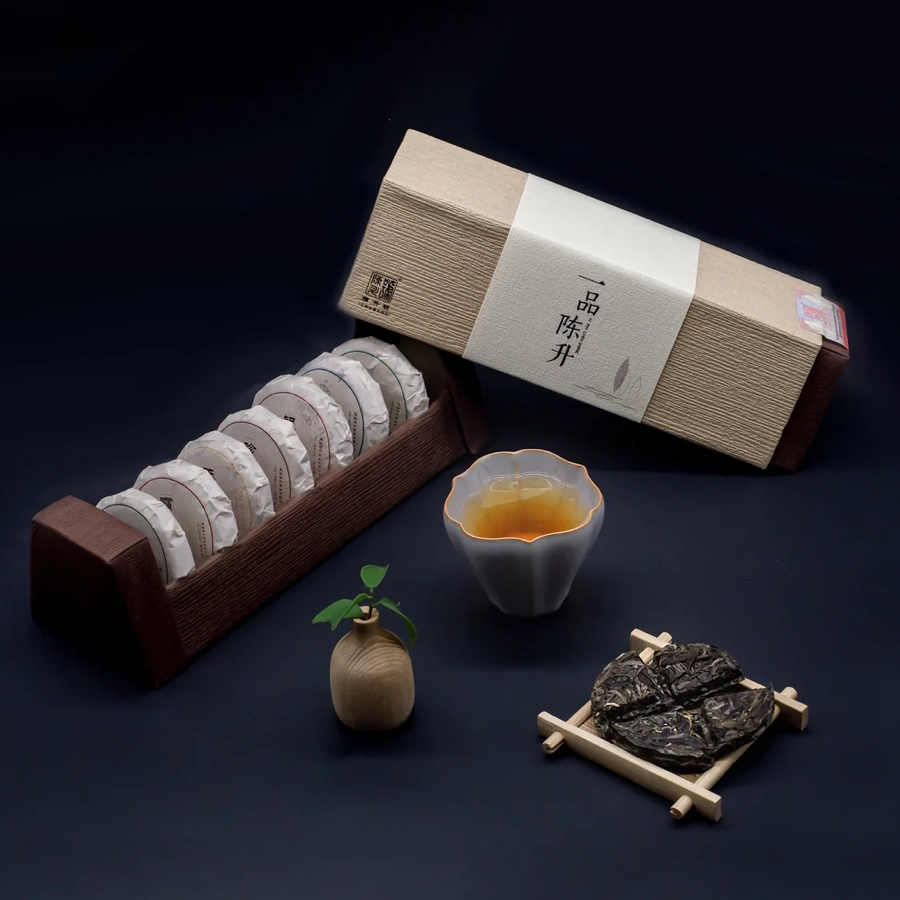
There are two varieties of this famous, luxurious Chinese tea grown in Yunnan, China: Sheng Pu-erh (raw) and Shou Pu-erh (cooked). The Sheng variety is the most coveted of the two, as it goes through a more careful, painstaking process of aging or maturing, that involves harvesting, withering, drying, and pressing the leaves into cakes or other shapes. Then one must wait until it is properly aged and just right to enjoy, before it reaches seven, and then when it is beyond 16 years old.
2022 Yi Pin Chen Sheng Raw Pu-erh Tea — $75 for 196g at cspuerh.com
4. Gyokuro – known for its distinctive sweet and savory taste and rich, umami flavor.
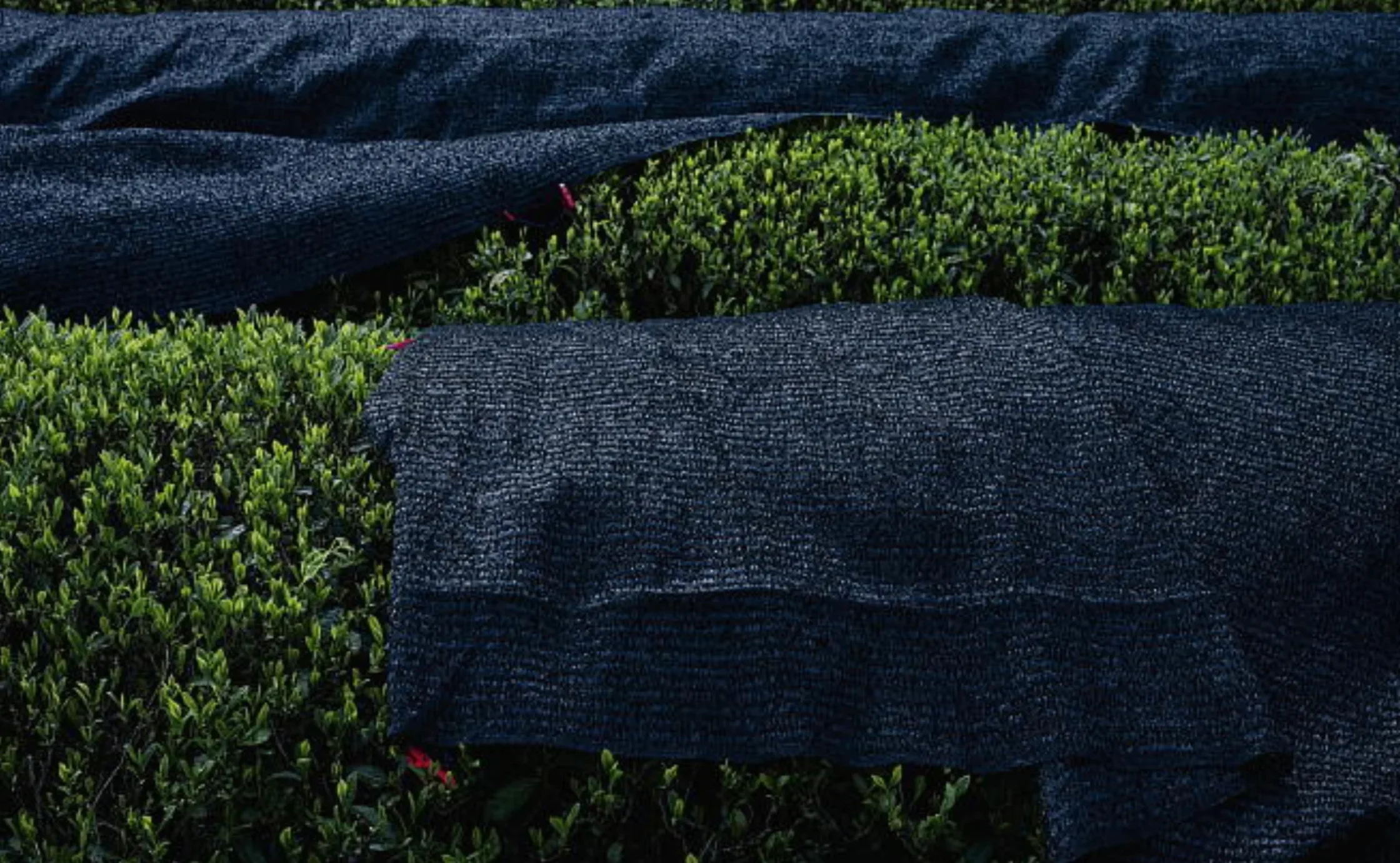
Japan’s Green Emerald, also called Jade Dew, is considered the most exquisite of all Japanese teas. It’s so special that it was once reserved exclusively for the Japanese Emperor. It is grown in three regions: Uji (Kyoto), Yame (Fukouka), and Okabe (Shizuoka). What makes this tea special is the final step before it is harvested. Tea shrubs are deprived of sunlight with the use of special canopies for up to 30 days before it is harvested, which increases the levels of L-theanine, an amino acid that contributes to its distinctive sweet and savory taste.
Shincha Gyokuro — $23 for 80g at hibiki-an.com
5. Panda Dung Tea – woody and chocolatey flavor notes, with fruity and floral undertones.
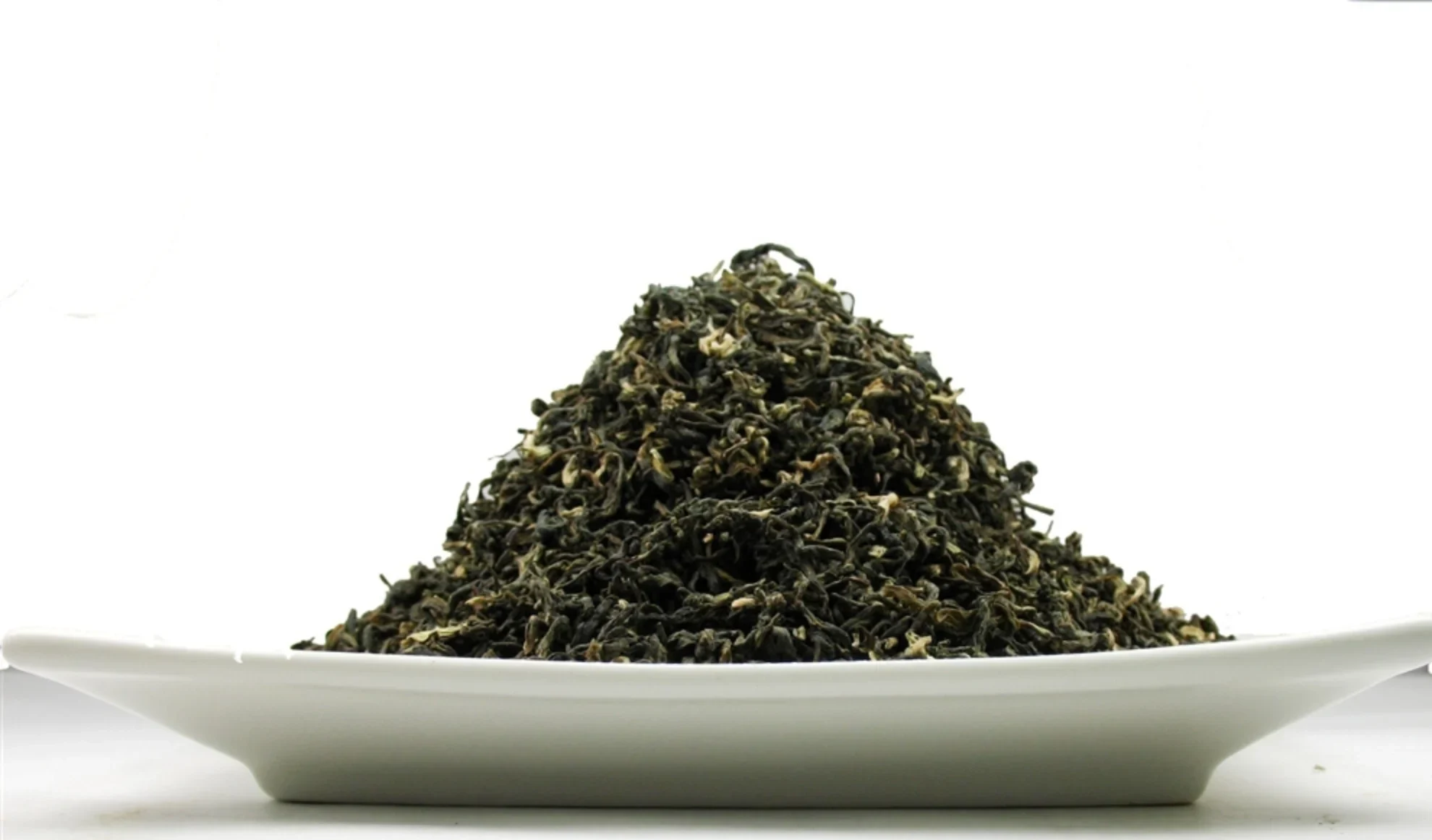
Cultivated in Ya’an, Sichuan, China, what makes this tea special is its health benefits, owing to the use of panda dung as its fertilizer. Pandas are said to absorb only 30% of the nutrients from their main diet of bamboo, thus making their dung rich in antioxidants, which then enriches this type of tea. It is sought after for its anti-inflammatory and anti-cancer benefits.
Organic Panda Green Tea — $12 for 113g at greenhilltea.com
6. Ceylon White Tea — citrus and honey flavor.
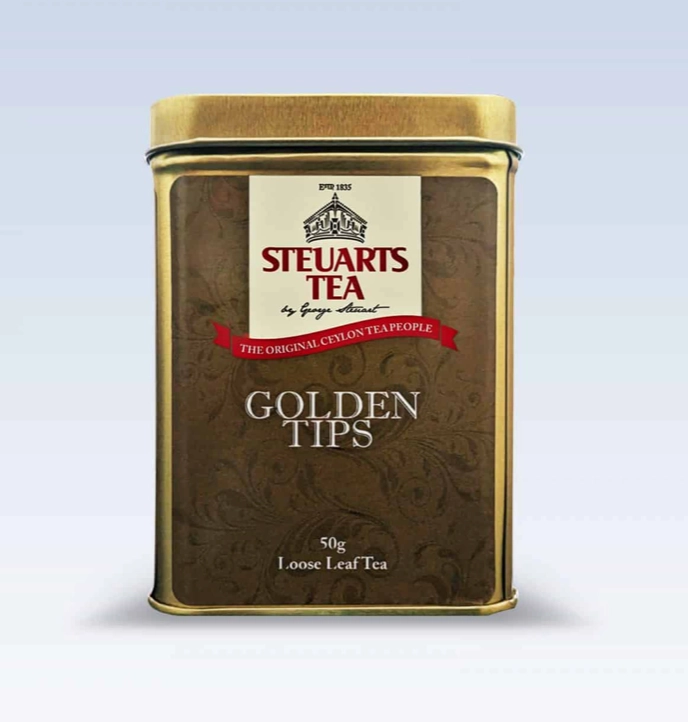
Celebrated for its light, honey color and fruit flavor, this Sri Lankan tea is best enjoyed on its own, without milk or any sweetener.
There are two varieties of this white tea: silver tips and golden tips. Silver tips are small, unopened leaves, harvested just before sunrise. Golden tips are also small and unopened tea leaves, but are the rarest and finest of Sri Lankan teas due to an additional labor-intensive process prior to harvest. The tea leaves are misted while it soaks up the sun. This process requires years of experience to get right, thus making the golden tips variety exquisite.
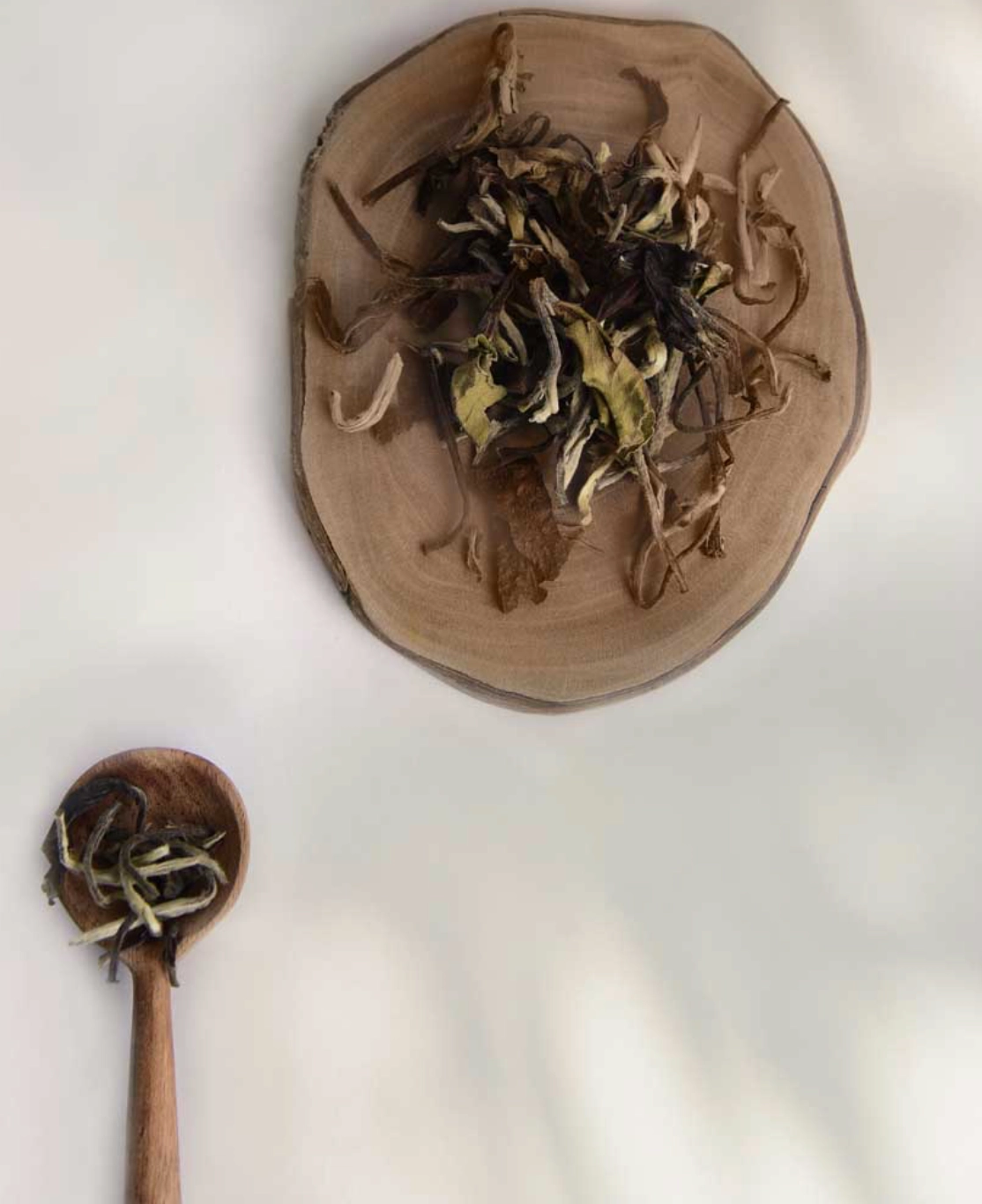
Ceylon Golden Tip Premium Loose Leaf Tea — $16 for 50g at steuartstea.com
7. Silver Tips Imperial Tea — flavors of mango and frangipani flower.
The Makaibari Tea Estates grows the finest and most expensive Indian tea in Darjeeling, India. It was founded in 1859 and traces the roots of its tea shrubs to the Da Hong Pao seeds that were smuggled by the British out of China.
The estate uses organic farming techniques, and a proprietary fertilizer made of oak bark, valerian flower, and natural crystals, amongst other exotic ingredients. Specially-trained tea-pickers harvest two leaves and a bud from each bush, only on a full moon. The high tide during this time is believed to draw moisture from the plant, concentrating the flavors.
So special is this tea that PG Tips, in celebration of its 75th anniversary in 2005, featured the Silver Tips Imperial Tea in its diamond tea bag, which was adorned with 280 2.56 carat diamonds and attached to a delicate white gold chain.
Silver Tips Imperial Loose Leaf Tea — $32 for 50g at makaibari.com