The Return to Feel: Lexus IS Sharpens the Connection Between Driver and Machine




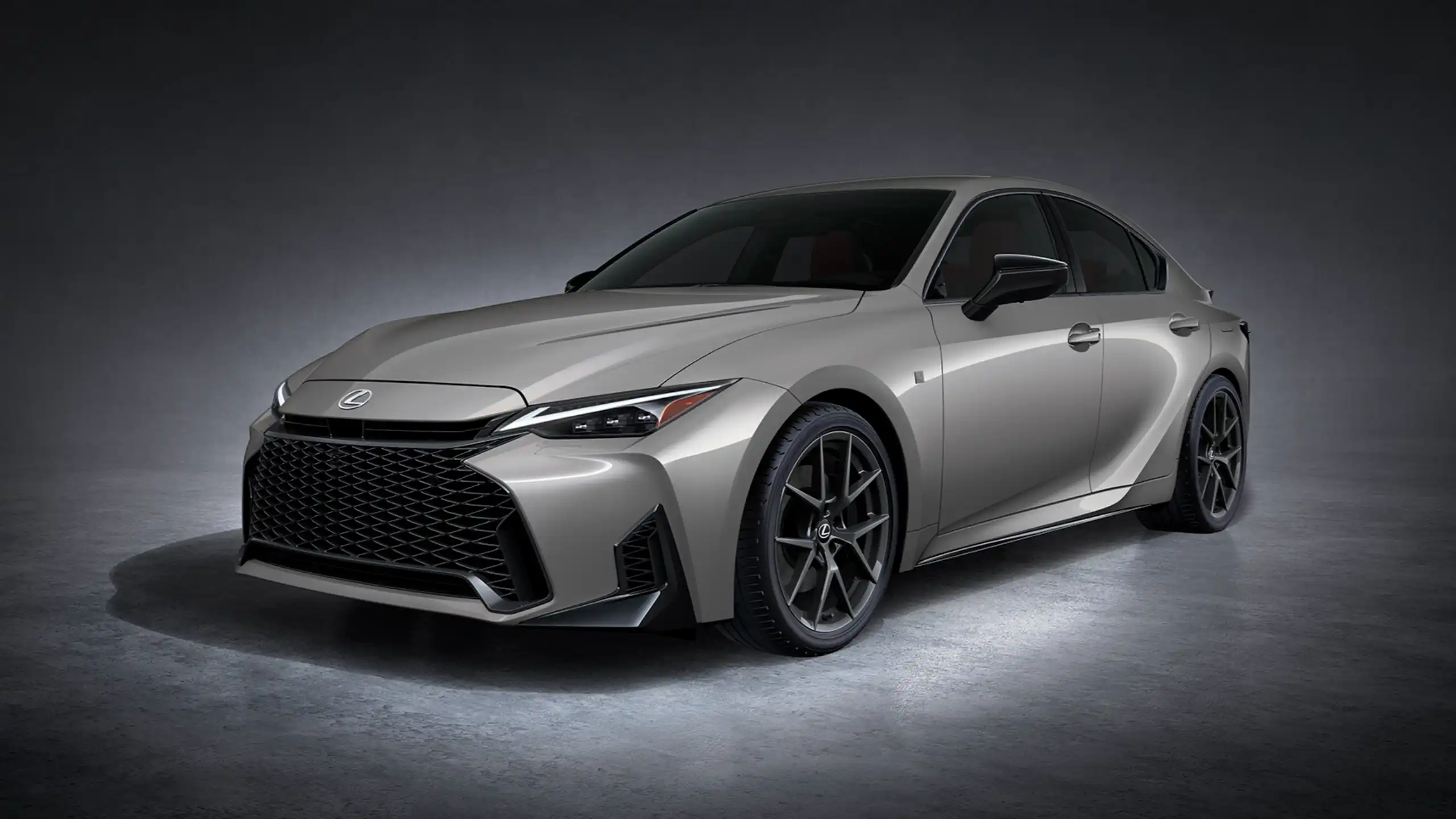
There are brands that make a car better without feeling the need to announce it. They have that particular kind of confidence. The new Lexus IS reflects that.
The companies making the key decisions in the automotive world right now are not necessarily the loudest ones. They are the ones that have learned to adjust quickly, with discipline, and with real conviction about who they are and who they are building for.
In that context, the arrival of the latest Lexus IS, announced in the final months of 2025 and coming to market in 2026, is important, but it also says rather more than its modest billing might suggest.
This is not a segment-redefining revolution. Lexus has not framed it that way, and rightly so. What it is, instead, is a lucid and considered answer to a question the broader industry has been fumbling: The market has shifted toward crossovers and electrification. So where does that leave a rear-wheel-drive sport sedan with a naturally aspirated engine, one built around the connection between driver and machine? The IS, now entering its third decade, makes that case more persuasively than ever.
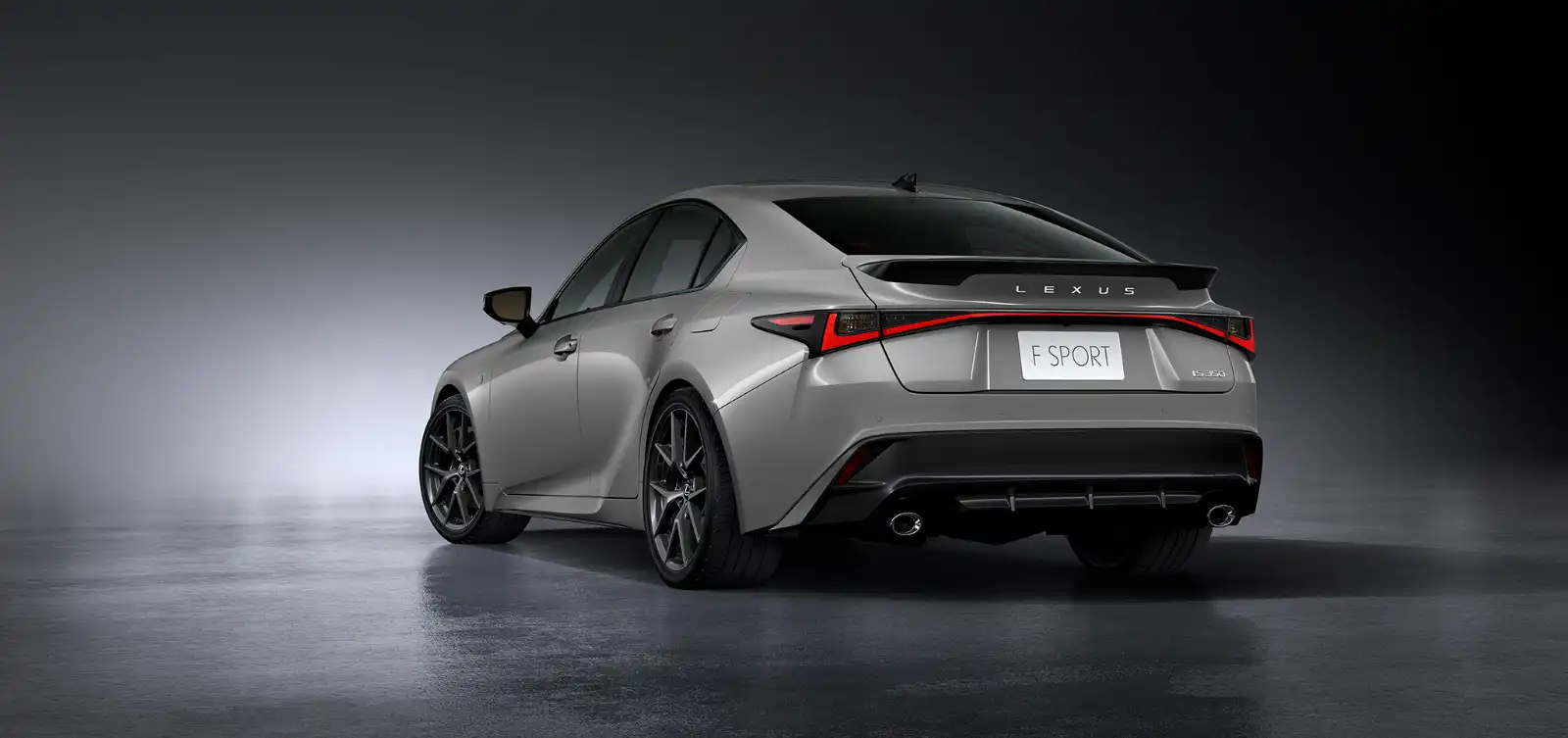
The Lexus IS debuted in 1999, built on the bones of the Japanese market Toyota Altezza, a sports sedan that had developed a devoted following in touring car racing across Asia and Europe but had yet to make its mark in the crucial United States market. It was meant to prove that Lexus, a brand whose reputation had been built almost entirely on whisper-quiet mechanical refinement, could also stir the soul.
When Lexus first arrived in 1989, its promise was specific and audacious: smoother V8s than the Americans, more reliable engineering than the Europeans, and luxuryLuxuryA lifestyle defined by exceptional quality, craftsmanship, exclusivity, and sophistication, encompassing the finest products, services, and experiences that represent the highest standards of refinement and excellence.Go to Luxury Glossary delivered at a level the market had not seen before. The original LS 400 made good on that promise so convincingly that it genuinely unsettled the establishment. But serenity, however well executed, is not the same as engagement. The IS was Lexus’s answer to that distinction, a car designed not to insulate the driver from the road, but to put them in direct conversation with it, albeit within a more luxurious context.
That was a significant bet for a marqueMarqueA brand name of a car manufacturer, particularly one associated with prestige, such as Ferrari, Rolls-Royce, or Aston Martin. The term emphasizes a make's heritage and identity beyond product lines,Go to Marque Glossary so committed to silence. It paid off. Over 25 years and three generations, the IS has sold more than 1.3 million units in over 40 countries.
There is something interesting about how Lexus, and Toyota culture more broadly, approaches improvement. It happens constantly, and it is often done without announcement. This is both an engineering virtue and a commercial peculiarity, and understanding it is essential to understanding what the 2026 IS represents.
In a previous IS generation, Lexus introduced a meaningful and substantive technology-based upgrade to the chassis and driving mid-cycle. The engineering work was genuine. The result was real. And Lexus said essentially nothing about it publicly. No campaign. No press release. The car was simply better.
The only people who noticed were those who drove both versions back to back, putting the IS alongside the BMW 3 Series and other benchmark sport sedans on real roads and real tracks. Suddenly the cars were carrying more speed through corners. Lap times were tightening. And the car still felt unmistakably like a Lexus, the comfort and refinement intact, the luxuryLuxuryA lifestyle defined by exceptional quality, craftsmanship, exclusivity, and sophistication, encompassing the finest products, services, and experiences that represent the highest standards of refinement and excellence.Go to Luxury Glossary uncompromised. They had done something technically difficult and chosen not to celebrate it publicly.
It reveals something true about the company’s hierarchy of priorities: The work matters more than the announcement. For those who pay close attention, it also creates a kind of trust. A Lexus improved in silence is still improved.
The 2026 Lexus IS debuted in September 2025 and should arrive at dealers through 2026. Lexus is not exactly calling it a new car; that framing is deliberate and worth taking seriously. Their language speaks of improvement along a journey, of refinement as an ongoing discipline rather than a destination. That is a very Toyota way of thinking, and in this context it functions as a statement of confidence: They believe they have something worth perfecting.
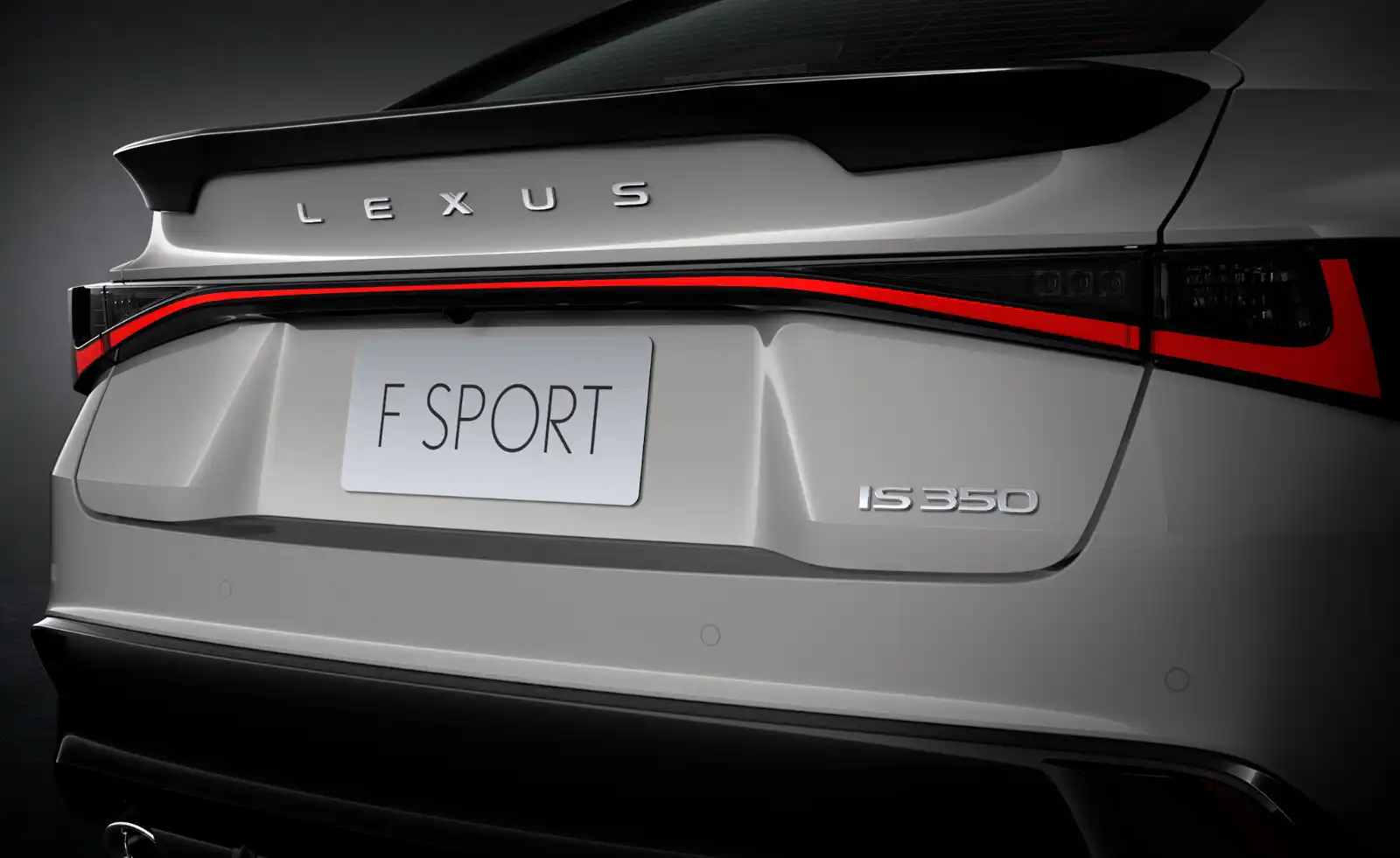
The lineup has been focused. Listed at the launch were the IS300h and the IS350. Lexus spoke more about how it was using technologies than about the specifics of the powerplants. The h model follows a very successful and proven hybrid lineage, while the 350 remains internal combustion only. Full specifications will likely be released on a considered timeline rather than all at once, and will probably be increasingly market-specific. What this signals, intentionally, is that Lexus is comfortable with the conversation unfolding over time, and that the car is strong enough to sustain interest without relying on a single data dump at launch.
On the dynamics front, Lexus has gone deep in precisely the area where it matters most for this car’s identity. In an enthusiast world increasingly anxious about the erosion of driving feel, and about the creeping electronic mediation between the human and the road, the 2026 IS moves in the opposite direction.
The steering system has been completely redesigned, adopting a rack-parallel configuration with a variable gear ratio engineered for linearity. The language is technical, but the outcome is tactile. Behind the wheel, inputs are answered honestly. The wheel communicates rather than merely responds, and the low-speed numbness that plagues many electric steering systems has been addressed with real seriousness.
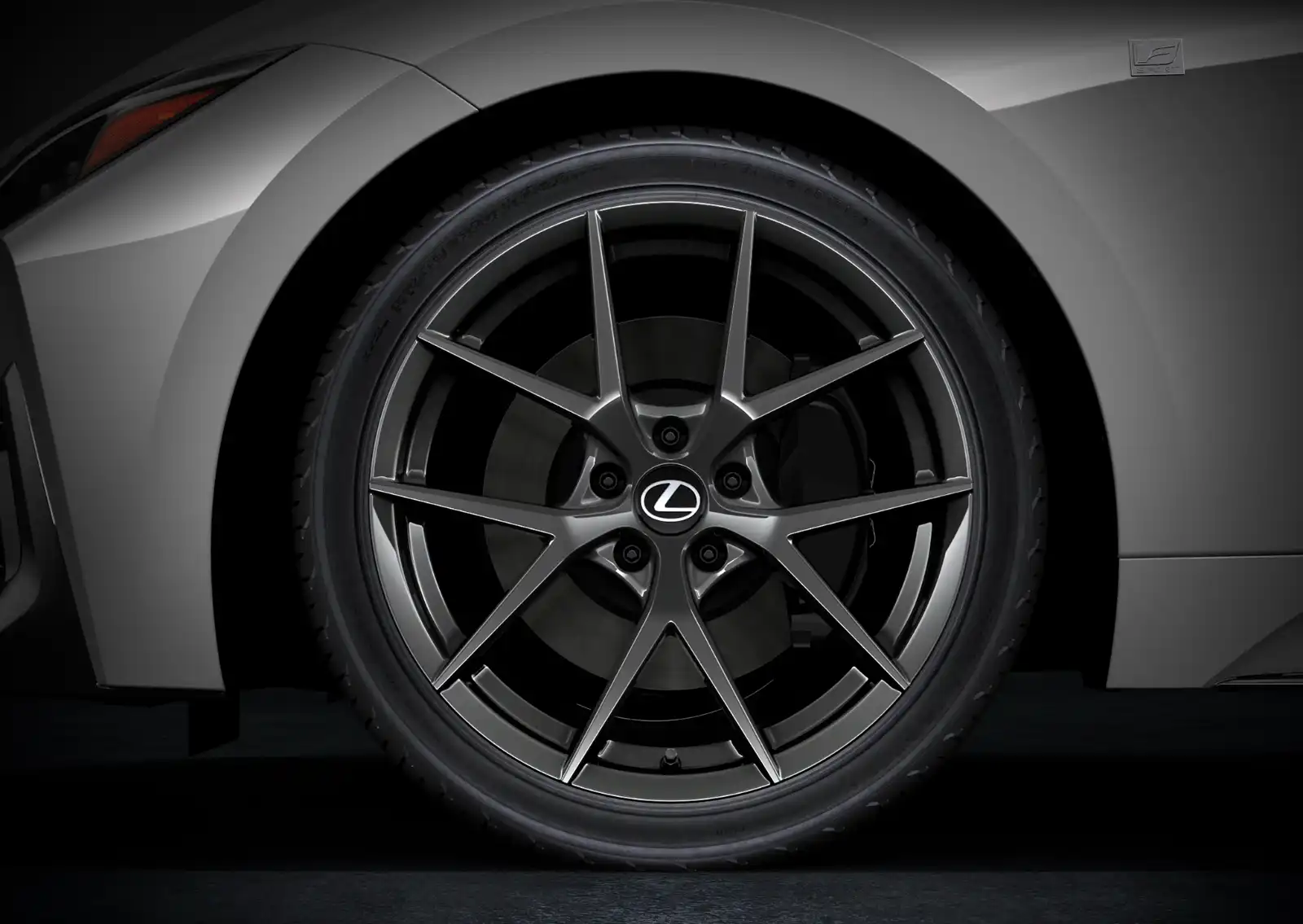
The suspension calibration has been revised throughout, with attention not just to how the car behaves under load, but to how it composes itself when that load is released. The way the steering returns to center, the way the chassis settles after a direction change—these are the calibration details that separate a car that feels engineered from one that feels alive. Lexus has committed to the latter. It is the sort of work they have done before, including the quiet but significant mid-cycle change mentioned earlier.
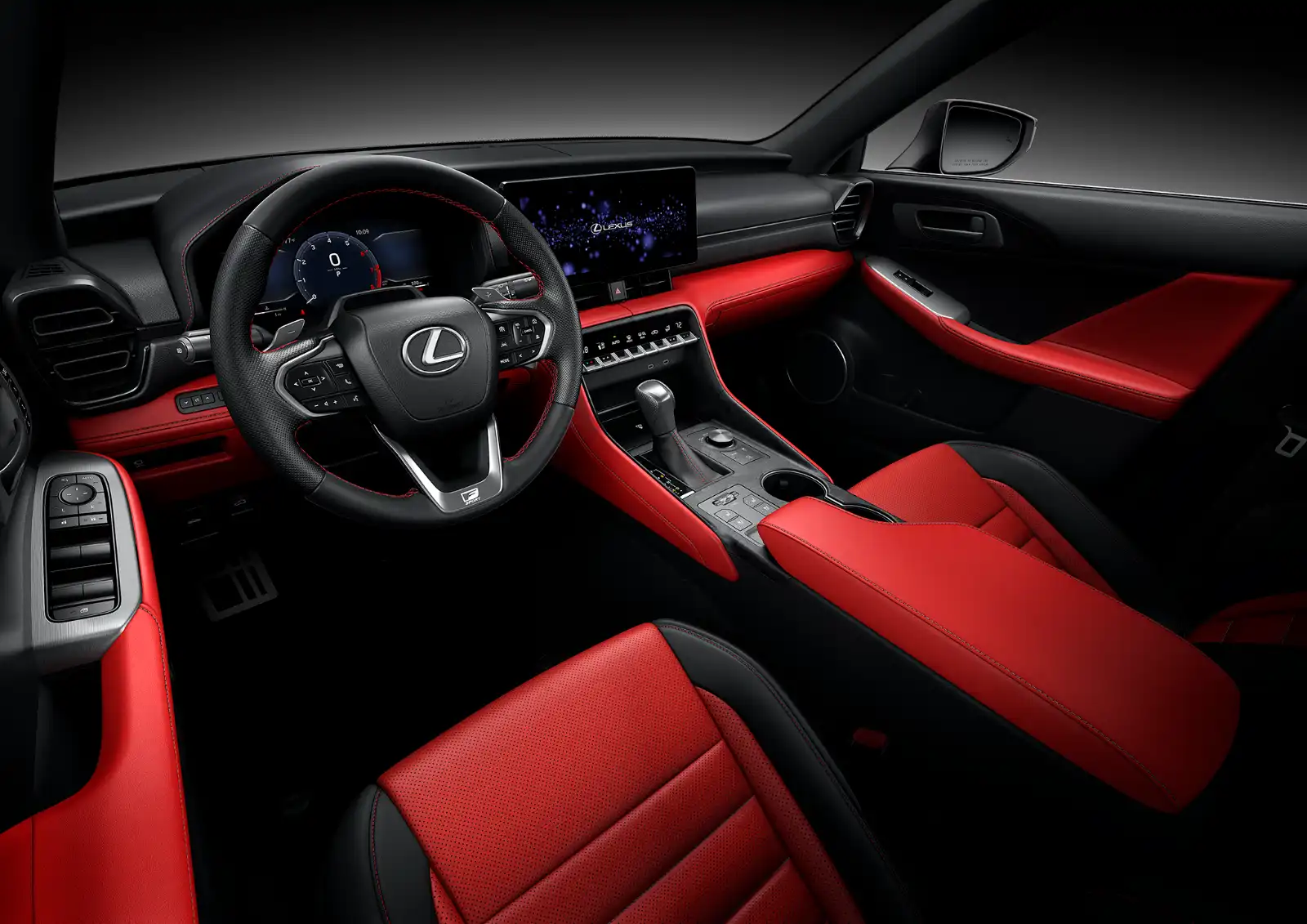
The interior has been designed with a clarity of intent that mirrors the chassis work.
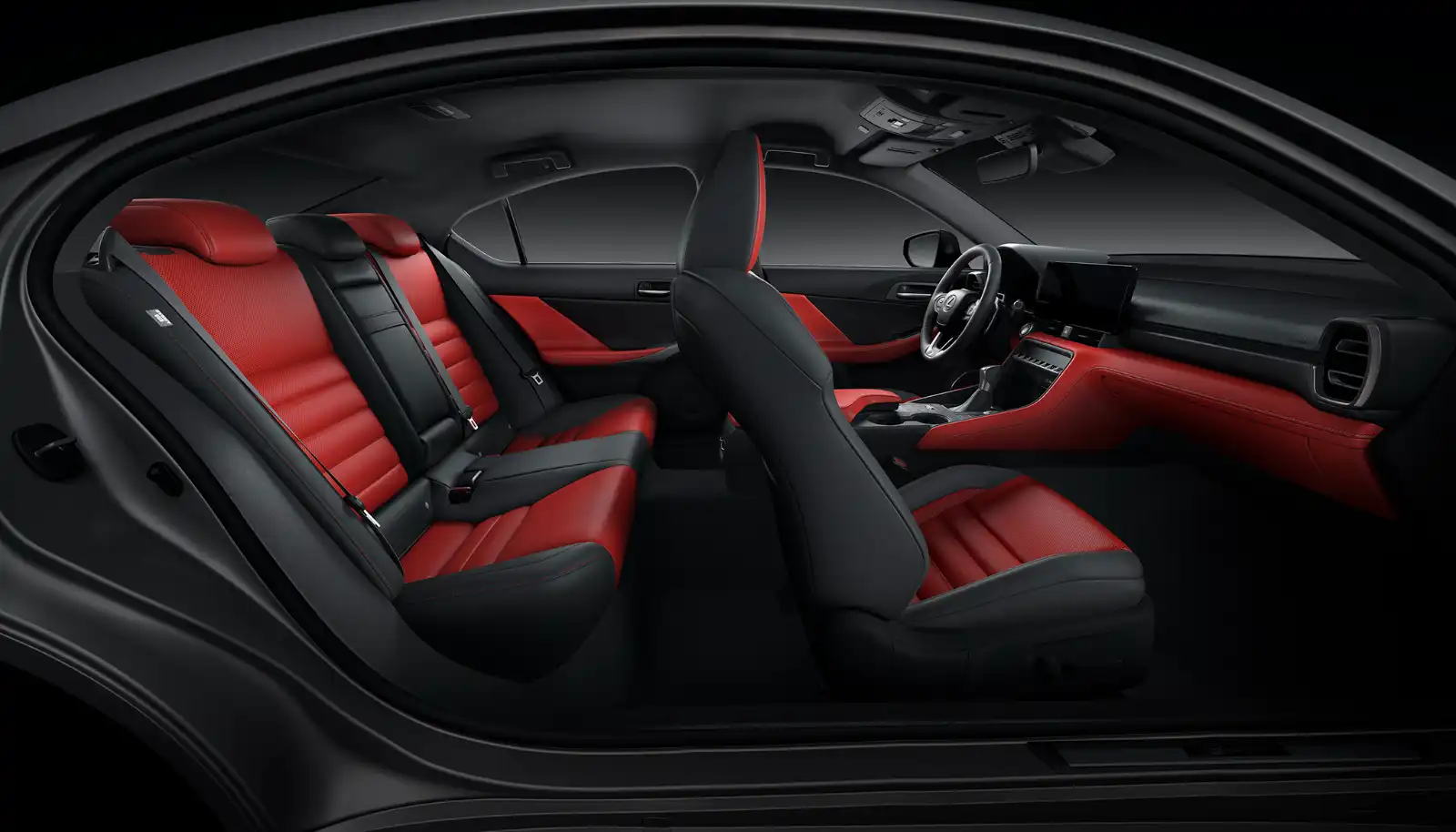
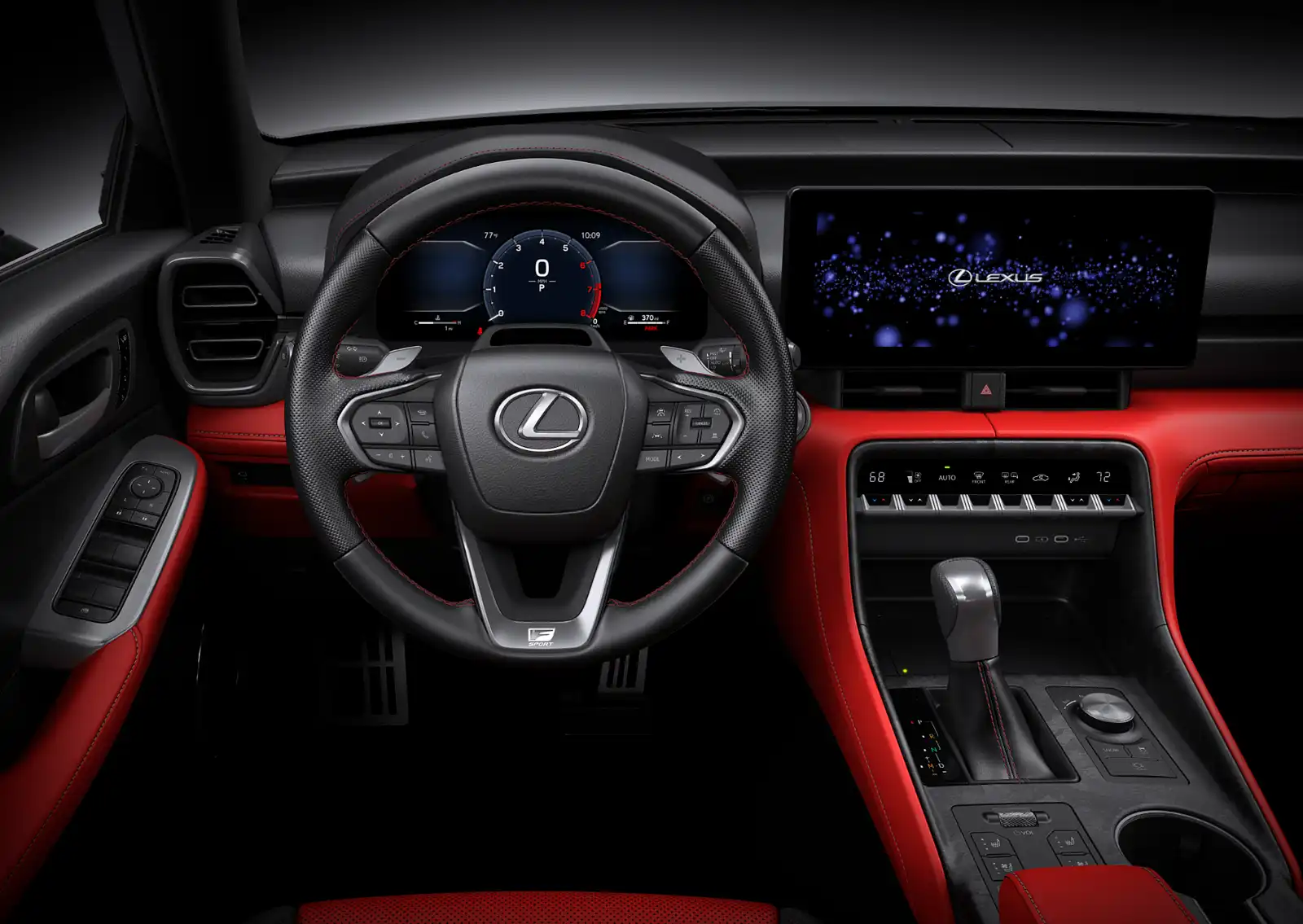
A 12.3-inch digital instrument cluster now faces the driver, paired with a matching 12.3-inch touchscreen beside it that replaces the previous 8-inch display. Two large screens placed side by side represent a legitimate challenge for any interior designer. There is a risk of technological intrusion into a space that should prioritize connection, something that we are seeing far too often in other cars. Lexus has addressed this by treating the screens as features of the architecture rather than its focal points. The dashboard has been redesigned to receive them, not merely accommodate them.
The climate controls, critically, remain physical. There is a row of dedicated buttons that can be operated without removing one’s eyes from the road.
New trim options mentioned at launch include Forged Bamboo ornamentation, a material that uses natural fiber variation to produce a distinctive shadowing effect Lexus calls In-ei, a reference to the Japanese concept of graduated shadow. It is a subdued detail, the kind that reveals itself slowly with familiarity. A new interior color option, Prominence, is intended to bring warmth and balance, an interesting contrast to the car’s sporty and energetic character. The expected and specifically tuned Mark Levinson audio system will be available as well, completing an interior package that has earned the right to call itself genuinely premium.
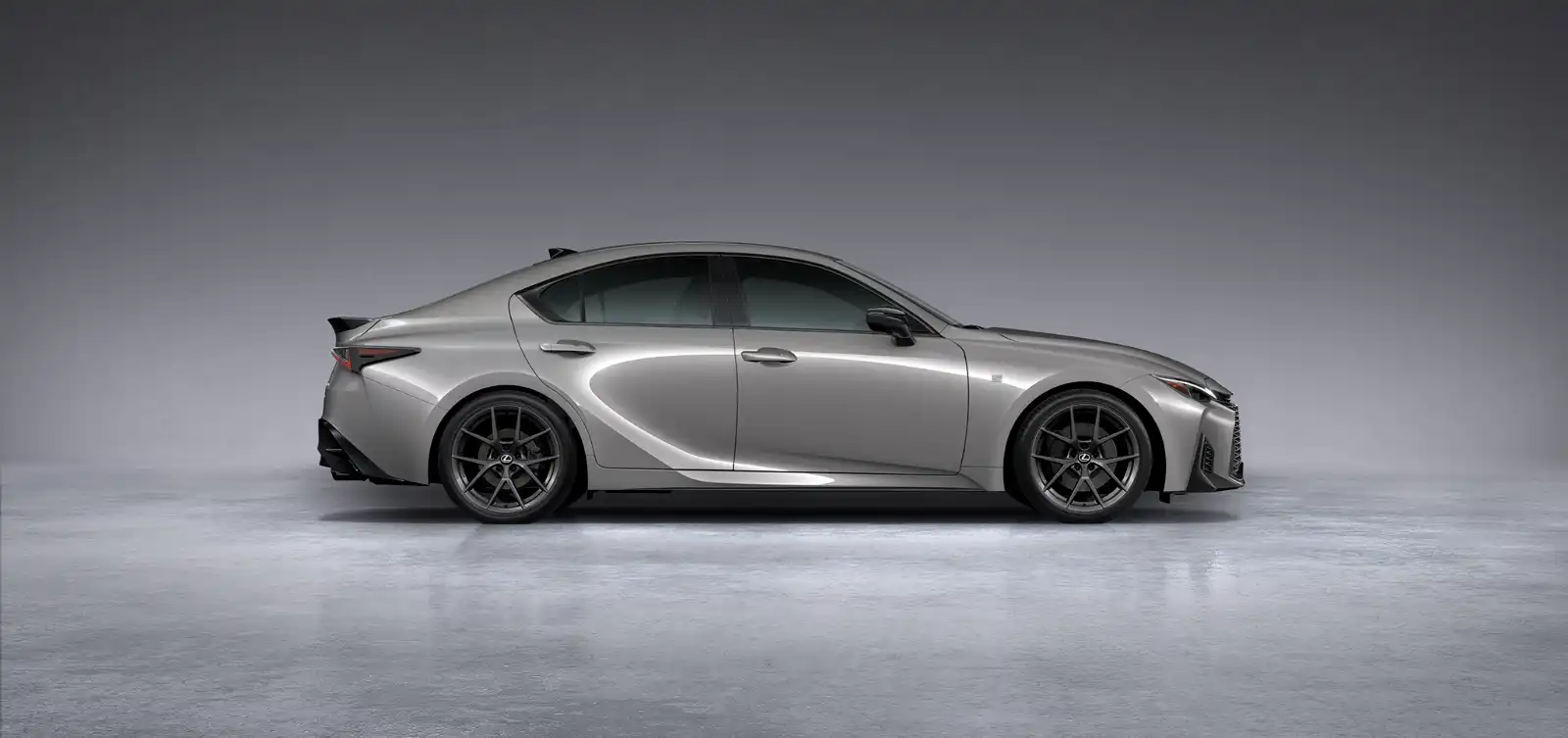
The powertrain strategy of the 2026 IS is a product decision made in direct alignment with the philosophy Akio Toyoda has pushed publicly and consistently. Toyota and Lexus will produce the best powertrain for the specific driver and the specific use case, rather than insisting that a single technological path is best for everyone. The IS 350, with its possible combustion V6, will serve one kind of driver. The hybrid, whose specifications are still forthcoming, will serve another. Both are valid. Both should be excellent.
The IS hybrid has historically been well-received, not as a compromise between efficiency and performance, but as a genuinely distinct driving experience that complements rather than replaces the pure combustion version. Lexus understands that these are not the same car for different buyers; they are different cars for buyers who know exactly what they want.
The decision to release technical information incrementally rather than comprehensively at launch is also worth noting. It is increasingly common today. Part of it is strategy, sustaining momentum by stretching the story over a longer period toward the sale date and beyond. But it also reflects something more adaptive: the acknowledgment that even companies that must plan years in advance need to remain more flexible than they once thought necessary. Holding back specifications preserves options. It allows planning and agility to coexist, which is not as easy as it sounds.
Lexus has always been precisely who it is. That has not always been a commercially comfortable position. The IS exists because the company decided to build a sport sedan that would feel the way a Lexus should feel, and then committed to that decision across generations. The stated design philosophy for this car is to improve the dialogue between man and machine. That phrasing, in 2026, is almost quaint. It is also exactly right.
There is a generation of buyers increasingly interested in feel, in authenticity, and in genuine engagement with the objects they choose to spend their money on. They are not looking to be managed by their technology. They want to use it. They want, in the oldest and most essential sense, to drive.
The IS, sharpened, refined, and more communicative than ever, is built for exactly them. It is the whole point.