Jaguar’s Type 01 Is Finally Here. Here’s Everything You Need to Know.




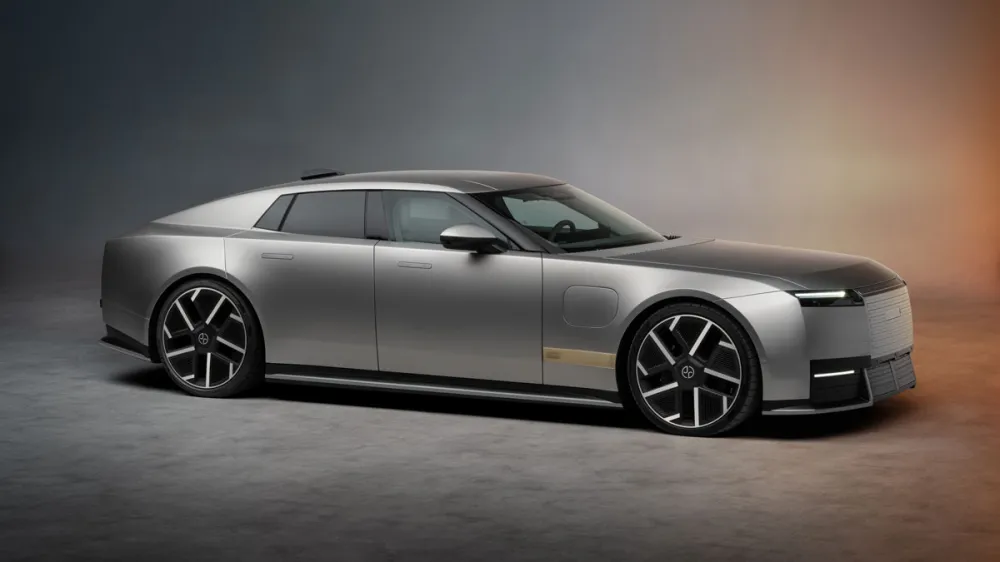
When Jaguar unveiled the E-Type in 1961, the world sat up and was stunned. When the XJS was unveiled in 1975, the world sat up and argued. The new Type 01—revealed earlier this month in New York—will be judged similarly to the latter, with the arguments already begun and the marqueMarqueA brand name of a car manufacturer, particularly one associated with prestige, such as Ferrari, Rolls-Royce, or Aston Martin. The term emphasizes a make's heritage and identity beyond product lines,Go to Marque Glossary, again, putting its future on the line.
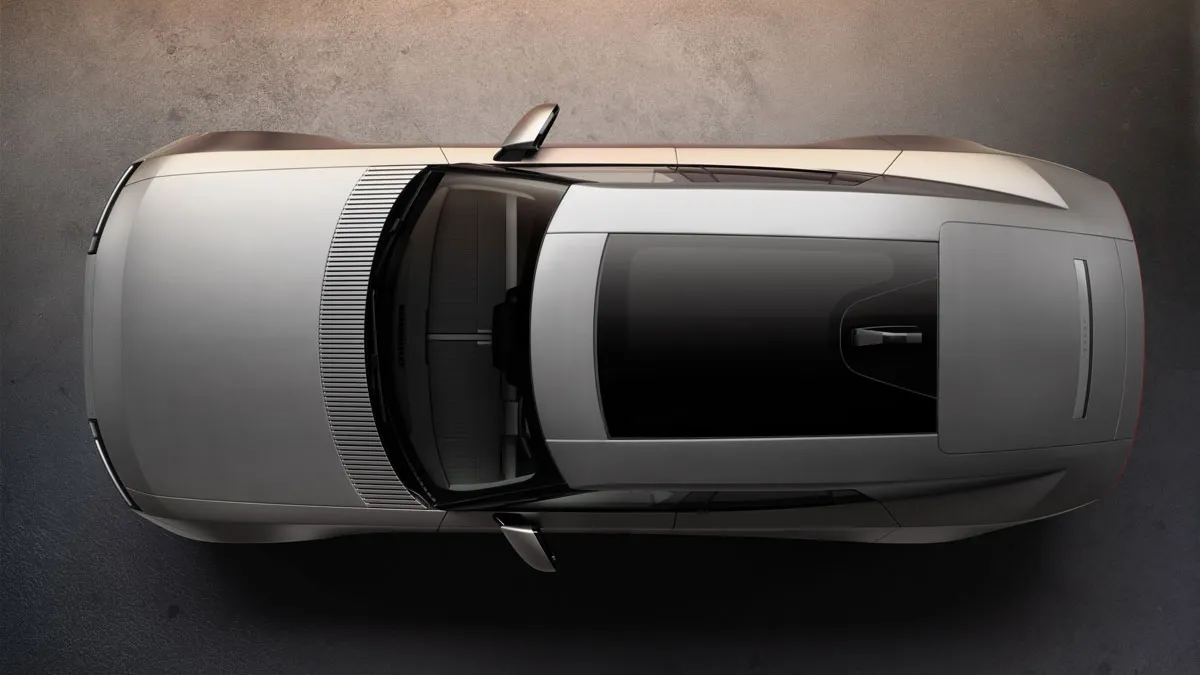
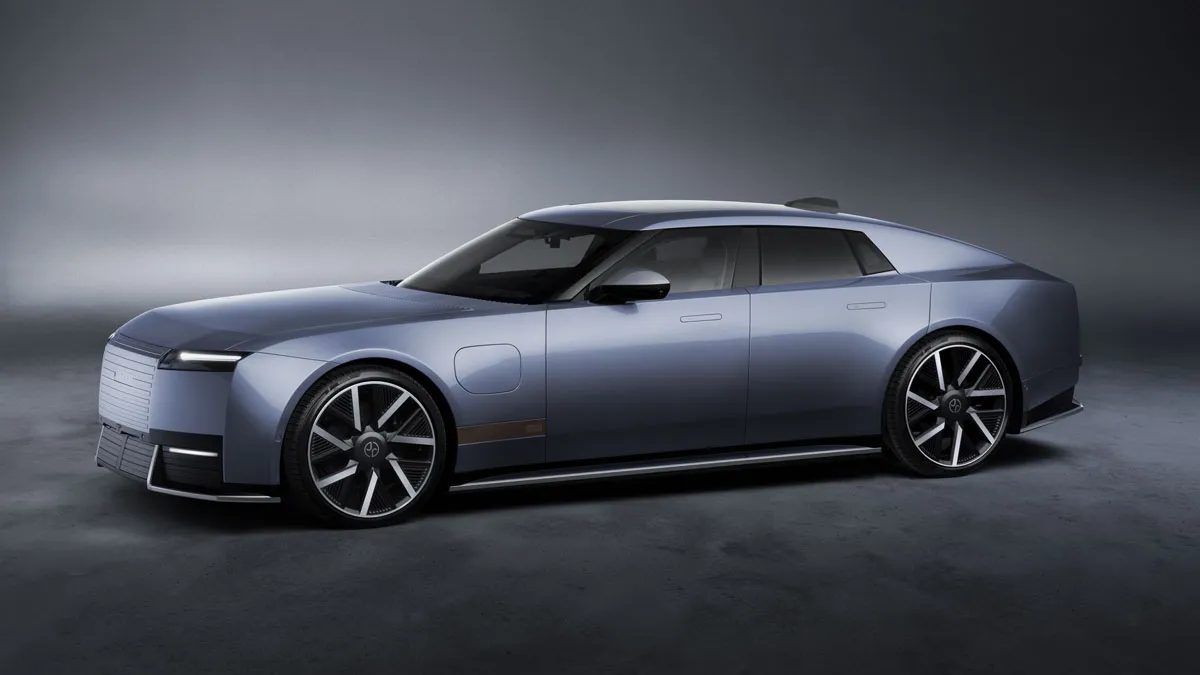
The Type 01 is the first production car since the brand’s reinvention, and the most powerful, most aerodynamic, and most technologically advanced car Jaguar has ever built. The four-door grand tourer makes more than 1,000 hp from three motors, two at the rear and one up front. The trio allows the vehicle to cover zero to 60 mph in a claimed 3.1 seconds. The electric motors run on an 850-volt architecture that promises up to 400 miles of range, with up to 200 miles added in as little as 13 minutes of charging.
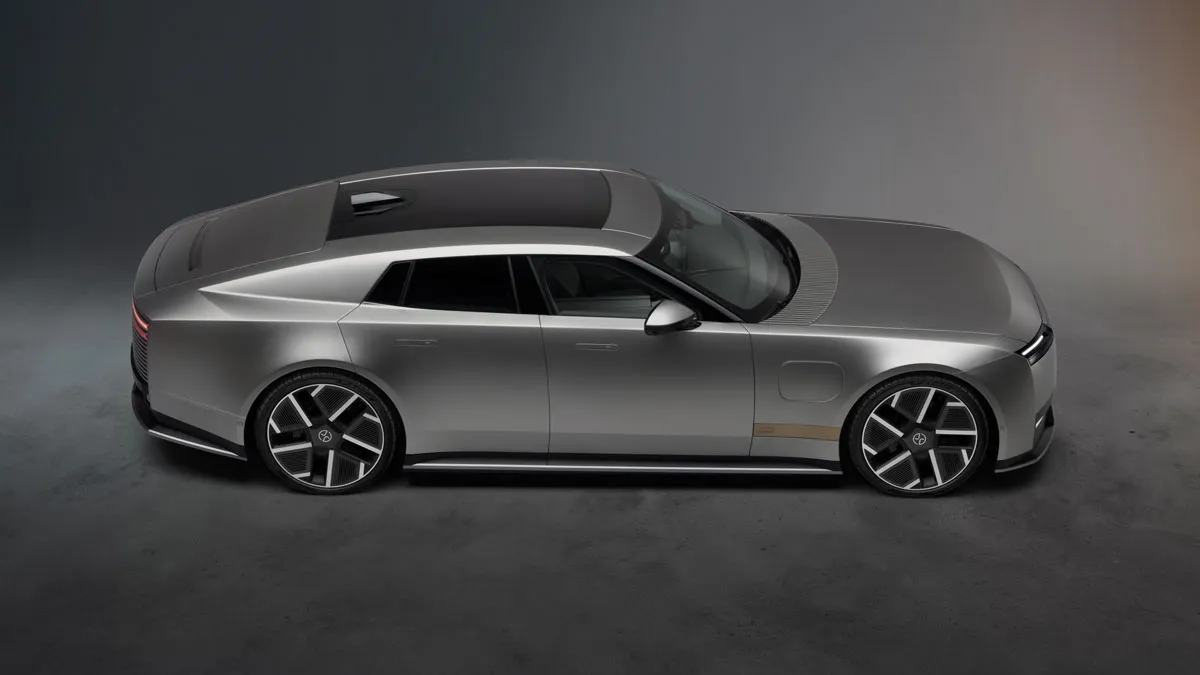
“Iteration is easy,” Rawdon Glover, Jaguar’s managing director, said at a preview for journalists, describing why he felt the brand needed a new car that is unlike anything it has previously built. Jaguar’s customers were also aging, and its competition—previously BMW, Mercedes, Lexus, Audi, and the like—were going electric, too. “It was very clear that we didn’t need to make incremental steps,” Glover said. “It was time for a much bolder change of direction.”
That change also means a big increase in price. Glover said Jaguar’s average U.S. transaction price had been around $60,000 to $70,000, while the Type 01 will start at $130,500. “If we double the price point, the expectation is going to double in terms of how you treat this individual,” he said. In practice, that means Jaguar will bring a test car to a potential customer’s doorstep.
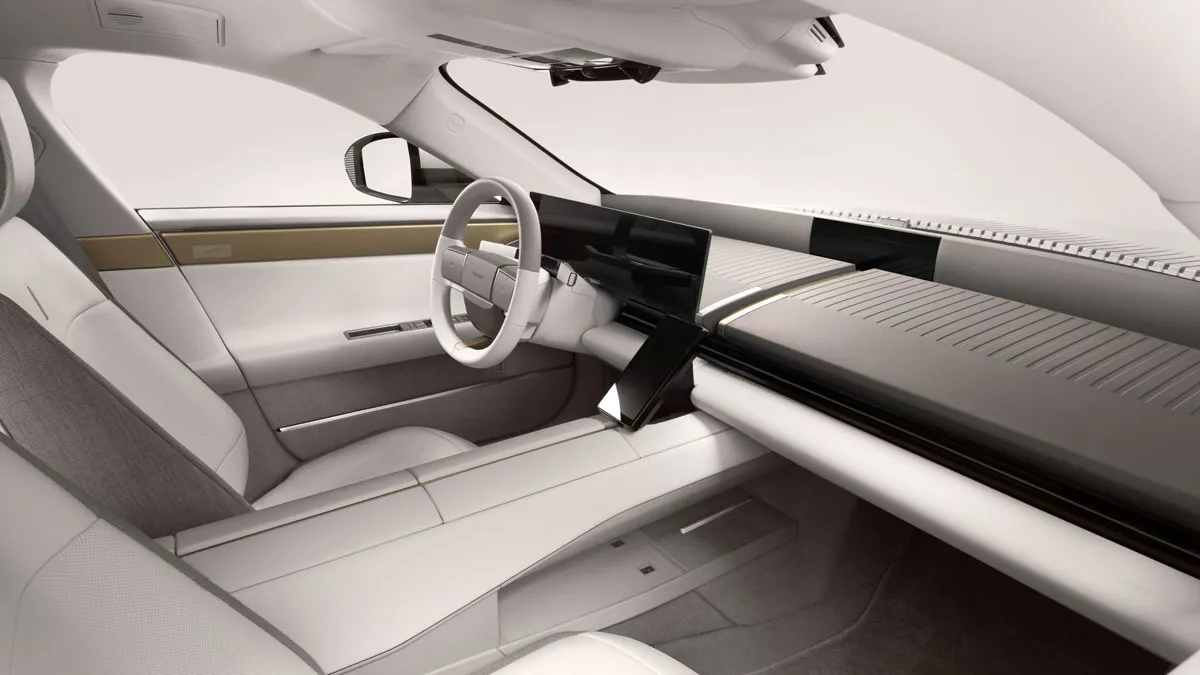
Jaguar also built a car with long, low proportions that are unique in its segment and required a new platform. “We realized it actually didn’t work on any of our architectures,” Glover said. “We looked at everybody else’s architectures, and it didn’t work on theirs either.” The Jaguar Electric Architecture gives the car near 50/50 weight distribution and the stiffest structure of any Jaguar ever.
Initially, 18 full-size models were built during an internal competition called Project Renaissance, from which the winning design was selected. Jaguar knew it would be a departure, which is exactly what it wanted, according to Andy Wheel, who led the design work. Wheel remembers seeing the XJS’s debut as a kid, and the controversy around it. “Try and do something that meets all requirements and you tend to end up with something which is vanilla,” Wheel said. He cited a German idiom one of his designers brought with them, the “wooly egg-laying milk pig”: a creature built to do everything, and one that doesn’t exist.
For engineers, having a blank slate was both an appeal and a terror. Jon Darlington, a chief engineer for Jaguar who’s been with the company for decades, said he had to ask himself an uncomfortable question: “Do I want to be the one who tells them they can’t do it?” He decided he didn’t. “This was a true, true clean sheet of paper,” Darlington said. “In 31 years, that’s the first time that’s ever truly been the case.”
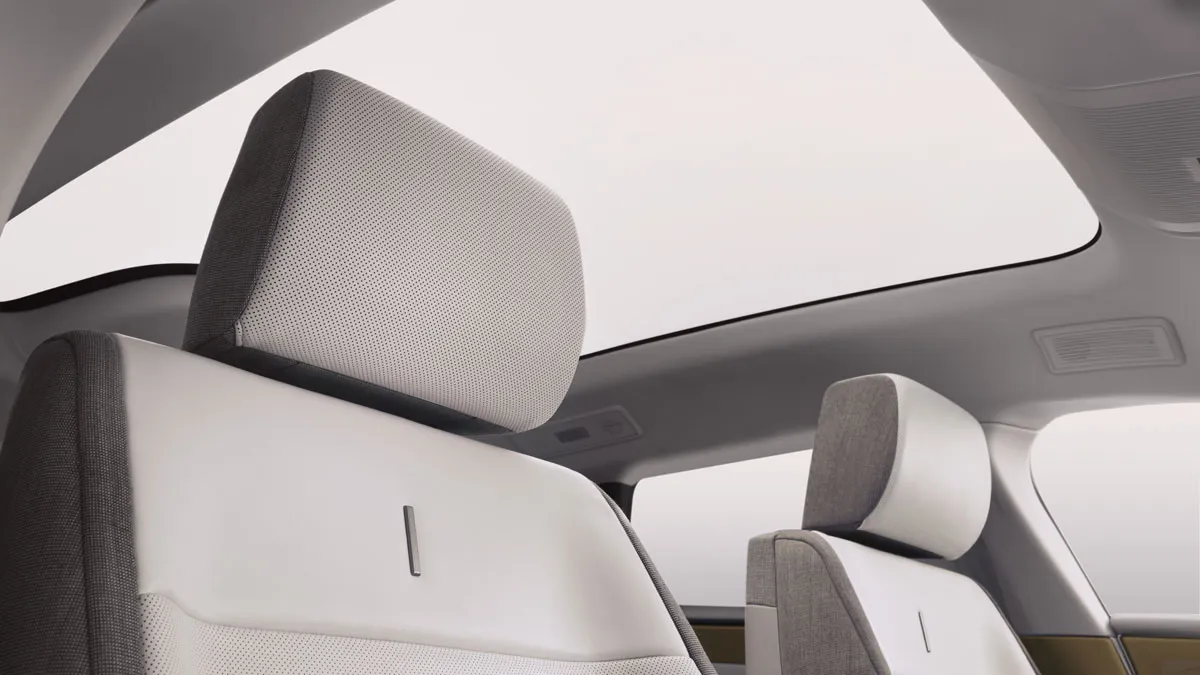
Tom Holden, chief designer for interiors, said the core team started with just over a dozen people, and every Friday for a year they printed a full-size section of the car, spread it across a table, and went at it with marker pens. Meetings routinely ran for five or six hours. But will all of that work pay off?
Jaguar’s wager is as big as it gets for a legacy automaker, especially as the marque hasn’t had much to sell in two years. It is doubling prices and staking its future on an all-electric grand tourer in a time when the market for EVs in America has cooled significantly and the federal tax credit no longer exists. Jaguar has also said that about a quarter of its existing customers won’t consider buying an EV, period. “Jaguar is seemingly walking away from a customer base that others are walking towards,” former Aston Martin CEO Andy Palmer told journalist Ben Oliver in his feature for Robb Report last year.
Instead, Jaguar wants younger, more design-obsessed customers who are new to Jaguar completely and may not be familiar with the E-Type to begin with. Success probably looks a bit like what happened with Lamborghini and the Urus, which was initially dismissed by purists before becoming Lamborghini’s best-selling model ever and virtually remaking the company. The Cybertruck is the other side of that coin, a car that was supposed to do something similar for Tesla before becoming a punchline.
In our opinion, the safest bet is that the Type 01 will be at one of those extremes rather than fall anywhere in between. The outcome should be clear soon enough, as first deliveries are expected in the second half of 2027, though orders open early in the year.
This article originally appeared in Robb Report US.
FAQs
The Type 01 is a four-door electric grand tourer built on the dedicated Jaguar Electric Architecture. It is the first production model under the marque’s new design philosophy.
Its three electric motors deliver up to 1,015 hp. Jaguar claims a zero-to-60-mph time of 3.1 seconds.
Jaguar anticipates up to 400 miles, or approximately 644 kilometers, on a full charge. This remains a manufacturer estimate.
Jaguar says compatible 350-kW DC charging can add up to 200 miles, or approximately 322 kilometers, of range in as little as 13 minutes.
Jaguar lists a U.S. starting MSRP of $130,500, with orders opening in early 2027. This is U.S. pricing, rather than a Philippine retail price.