Defining Luxury and Defining Cars: Where Does Tesla Fit Into the Picture?




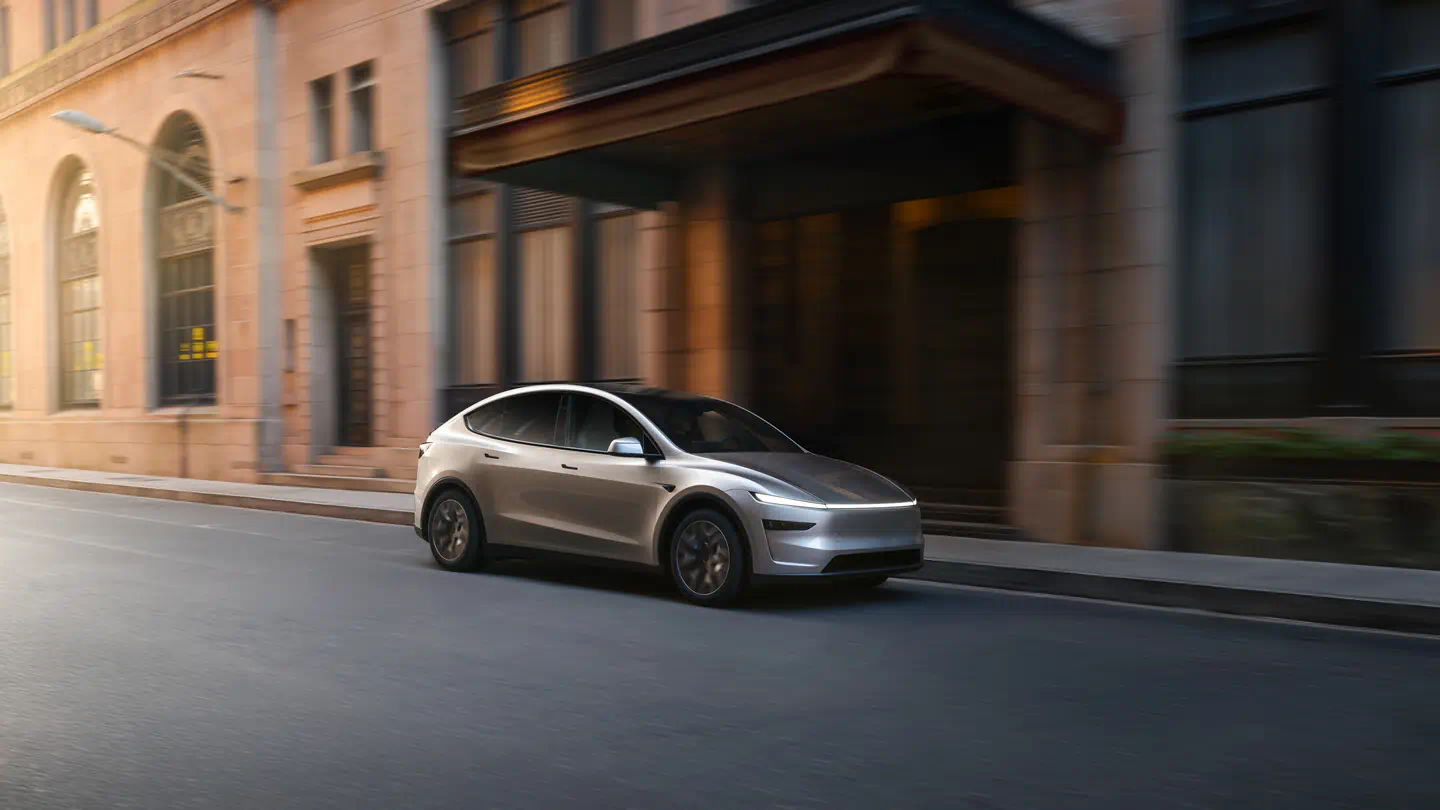
If luxuryLuxuryA lifestyle defined by exceptional quality, craftsmanship, exclusivity, and sophistication, encompassing the finest products, services, and experiences that represent the highest standards of refinement and excellence.Go to Luxury Glossary is something that enters your life and enriches it, that may be the best way to understand what Tesla is doing. The company makes cars, certainly, although the larger proposition encompasses software, charging infrastructure, energy products and services. It behaves as much like a technology company as it does an established automaker.
For a traditional car enthusiast, its vehicles do not necessarily push all the familiar buttons. I used to complain about how furniture-like some of Tesla’s unseen hinges appeared, especially beside the beautifully engineered structures found in certain Land Rovers. To most drivers, however, this is a non-issue.
Luxury as an Ecosystem
Consider Tesla in the way one might consider the iPhone and the wider family of Apple products. Deeply technical users do not always believe Apple offers the greatest flexibility or the highest specification in every category. What Apple does particularly well is construct a system that makes everyday tasks easier.
The iPhone, MacBook, iPad and Apple Watch operate as parts of an integrated ecosystem. Their individual appeal is strengthened by how easily they work together. Apply that thinking to Tesla, and its broad appeal becomes easier to understand.
Why Tesla Attracts Different Kinds of Buyers
Tesla draws customers from different points in the automotive market. Some arrive after experiencing relatively inexpensive Chinese electric vehicles and discovering that they want a more developed ownership ecosystem. Others previously drove European sports or luxury sedans.
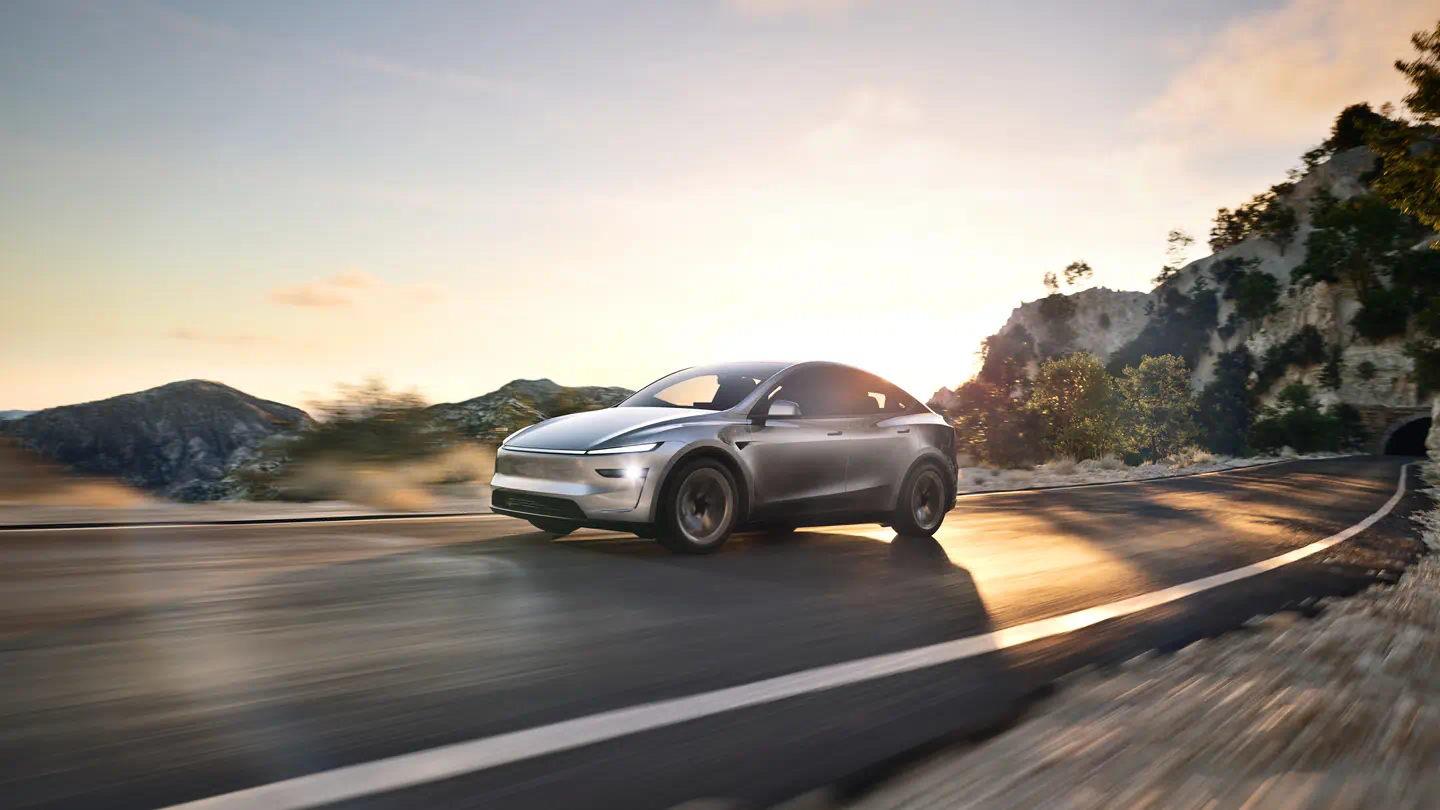
The common attraction is the overall experience.
Inside, Teslas generally feel fresh and minimalist, an approach that tends to appeal to younger buyers. Drivers familiar with current technology also understand what the company is attempting, even when they are unconvinced by the industry’s reliance on large touchscreens.
The market may already be reconsidering how many essential functions should be buried inside a screen. China’s new safety standard, for example, will require mechanical interior and exterior door releases on new vehicle models beginning in 2027. The regulation concerns access and safety rather than a wholesale requirement for physical dashboard controls, but it reflects a broader reassessment of technology that complicates basic vehicle operation.
Large screens may still be presented as premium features. Physical switches can nevertheless be faster, clearer and more reassuring for frequently used controls.
Convenience Is the Product
Tesla’s strongest advantage is the world it has built around its cars. The company has made it comparatively easy for drivers to enter electric ownership.
In the Philippines, Tesla currently lists Superchargers at Shangri-La Plaza, SM Mall of Asia, Uptown Mall and Opus Mall. Its navigation system can direct the driver to a charger, while the mobile app displays stall availability and charging progress.
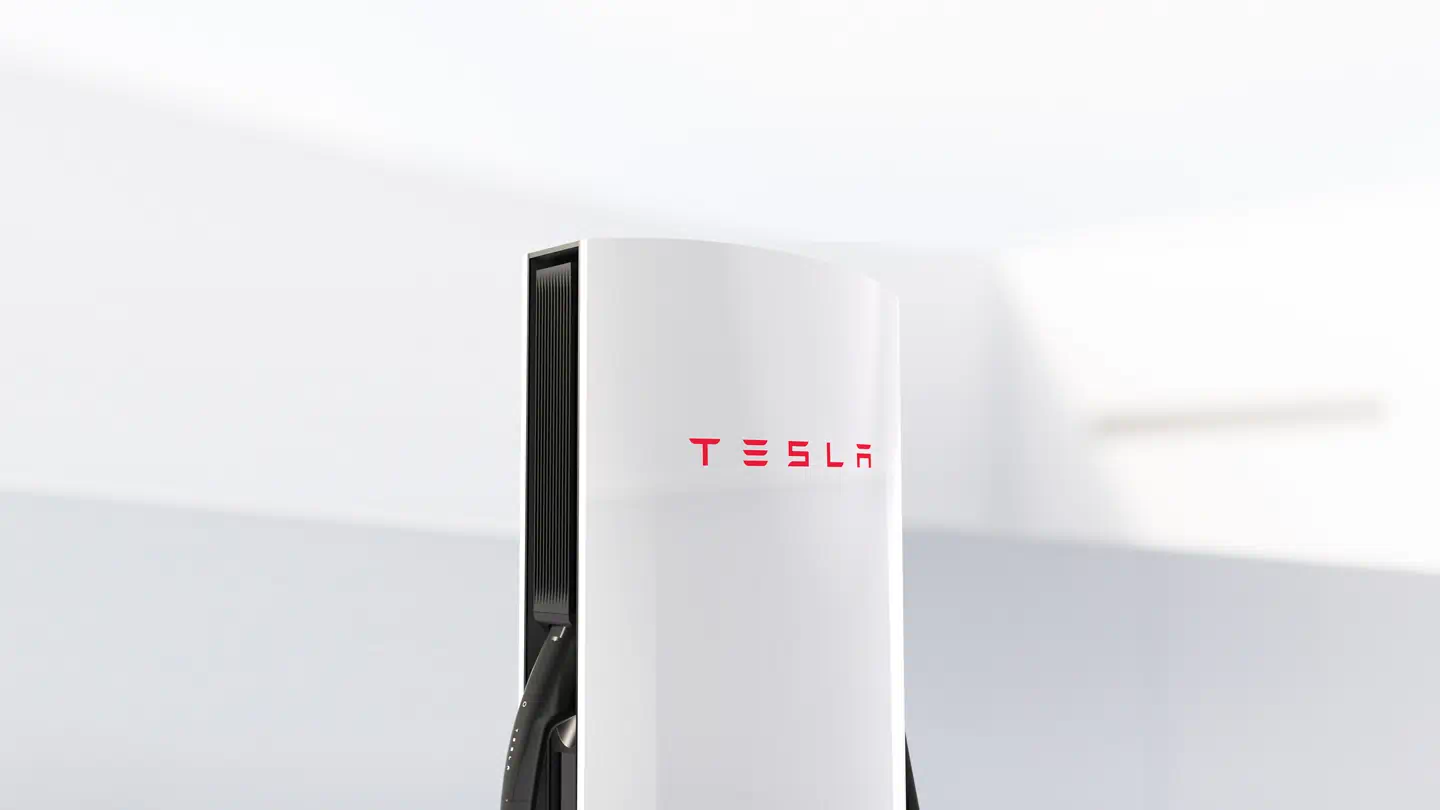
The network also discourages drivers from leaving cars in charging bays after a session has ended. Tesla applies idle or congestion fees under certain conditions, encouraging owners to free the charging space for the next user. The motivation may be financial, but the practical result is a system designed to keep chargers available.
The mobile app removes several other points of bother. Owners can check charging progress, control certain charging settings, lock or unlock the vehicle and cool the cabin before getting inside. Software updates arrive over the air and can add features or make changes without a conventional workshop visit.
Tesla ownership does not eliminate preventive maintenance altogether. The cars avoid oil changes, spark-plug replacements and emissions checks, while regenerative braking can reduce brake-pad wear. Owners must still attend to tires, filters, brake fluid, air-conditioning components and other recommended inspections. The maintenance burden is different and often lighter, though it does not disappear.
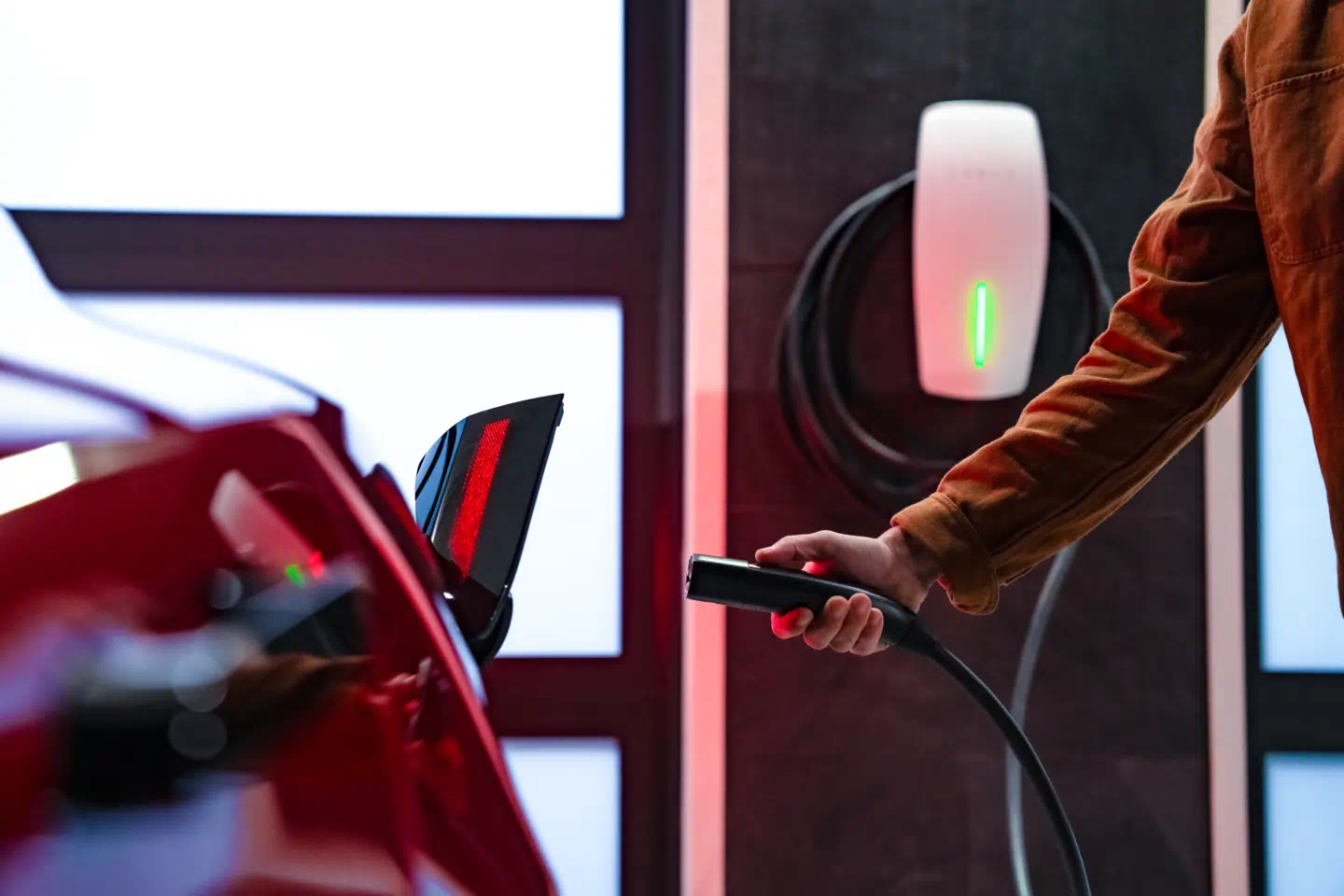
For drivers whose routines provide dependable access to Tesla’s existing chargers, fully electric ownership may be possible even without home or workplace charging. That calculation still depends on where one lives, how far one drives and whether the available stations fit naturally into a regular route.
Buying Into Tesla’s System
Receiving all these benefits requires a commitment to Tesla’s ecosystem.
The vehicles do not natively offer Apple CarPlay, for example. Drivers use Tesla’s own interface and navigation rather than accessing Waze through CarPlay. Destinations can be shared to the car through the Tesla mobile app, but the experience remains distinctly Tesla’s.
What the customer buys, therefore, is partly a lifestyle change. But there are physical compromises as well. Full-glass roofs create an impressive sense of space, although some owners—including me—find them less than ideal in intense tropical heat, even with the glass treatments Tesla uses.
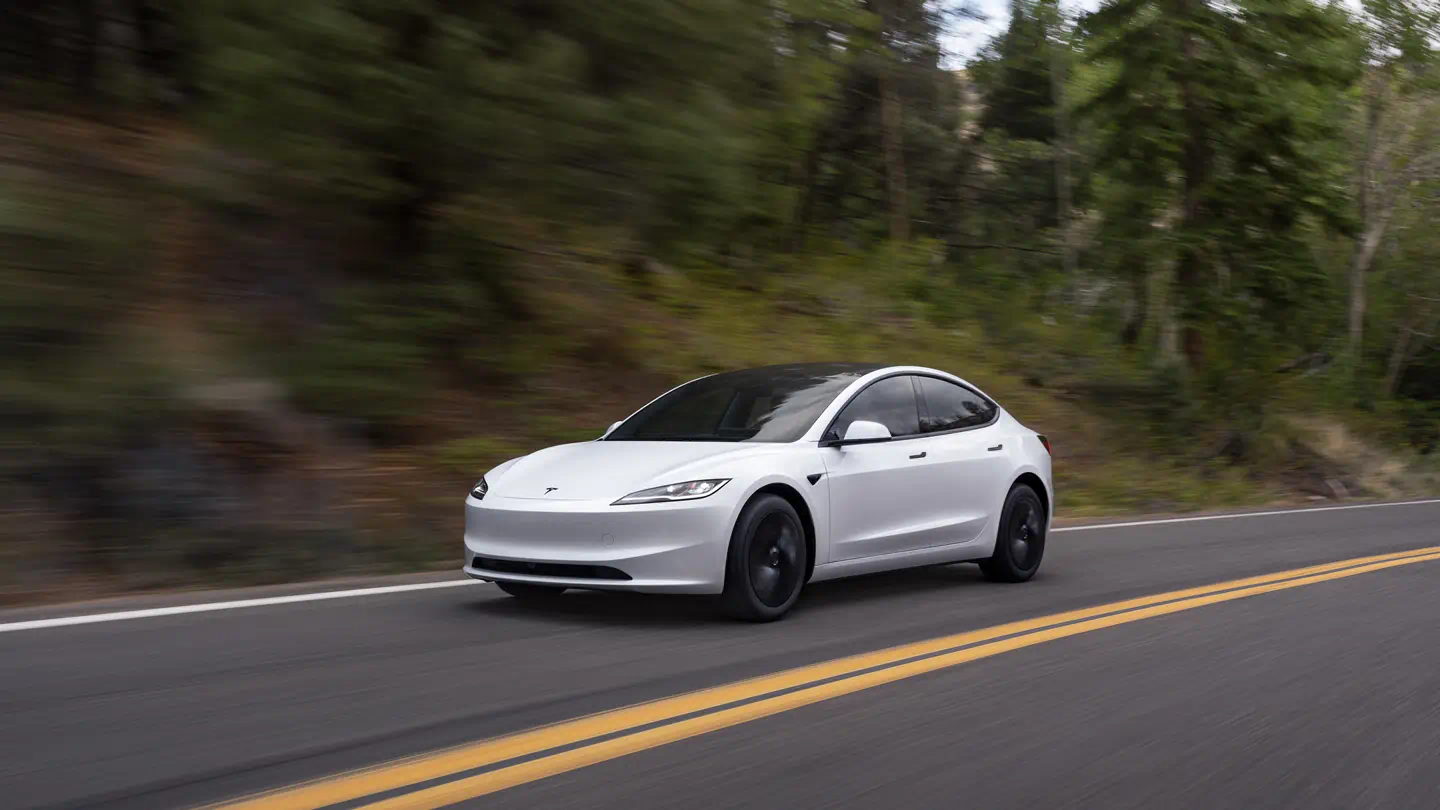
The accumulation of small, carefully addressed details nevertheless makes the overall package feel remarkably sorted. As with Apple, the decision depends on whether its particular combination of integration and control suits you.
A Different Expression of Luxury
LuxuryLuxuryA lifestyle defined by exceptional quality, craftsmanship, exclusivity, and sophistication, encompassing the finest products, services, and experiences that represent the highest standards of refinement and excellence.Go to Luxury Glossary is increasingly defined by how smoothly something fits into one’s life and how it makes its owner feel. That definition can carry more weight than an overt display of expense, even in a world of fast, throaty cars and highly collectible machines.
Tesla’s real proposition lies here. The appeal extends beyond acceleration figures, battery range or the restrained interior. It is found in the removal of inconvenience: the car that cools itself before you arrive, the charger incorporated into the navigation system, the app that tells you when it is time to leave and the software that continues to change after purchase.
For the right driver, that ease can feel genuinely luxurious. Tesla may ultimately be most refreshing when it encourages us to reconsider what a luxury car is supposed to provide.
FAQs
Tesla combines the vehicle with proprietary software, mobile-app controls, navigation, charging infrastructure and over-the-air updates. Owners join an integrated system that affects how they drive, charge and maintain the car.
Tesla vehicles do not natively support Apple CarPlay. They use Tesla’s infotainment and navigation interface, although drivers can share destinations from a compatible phone through the Tesla app.
It may be practical for drivers with convenient access to public charging. Suitability depends on driving distance, routine and proximity to available chargers.
Tesla currently lists Superchargers at Shangri-La Plaza in Mandaluyong, SM Mall of Asia in Pasay, Uptown Mall in Taguig and Opus Mall in Quezon City.
Teslas do not require oil changes, spark-plug replacements or emissions checks. Owners must still monitor tyres, filters, brake fluid, air-conditioning components and other items listed in Tesla’s maintenance recommendations.