Cruising the Coast in the New Lexus ES




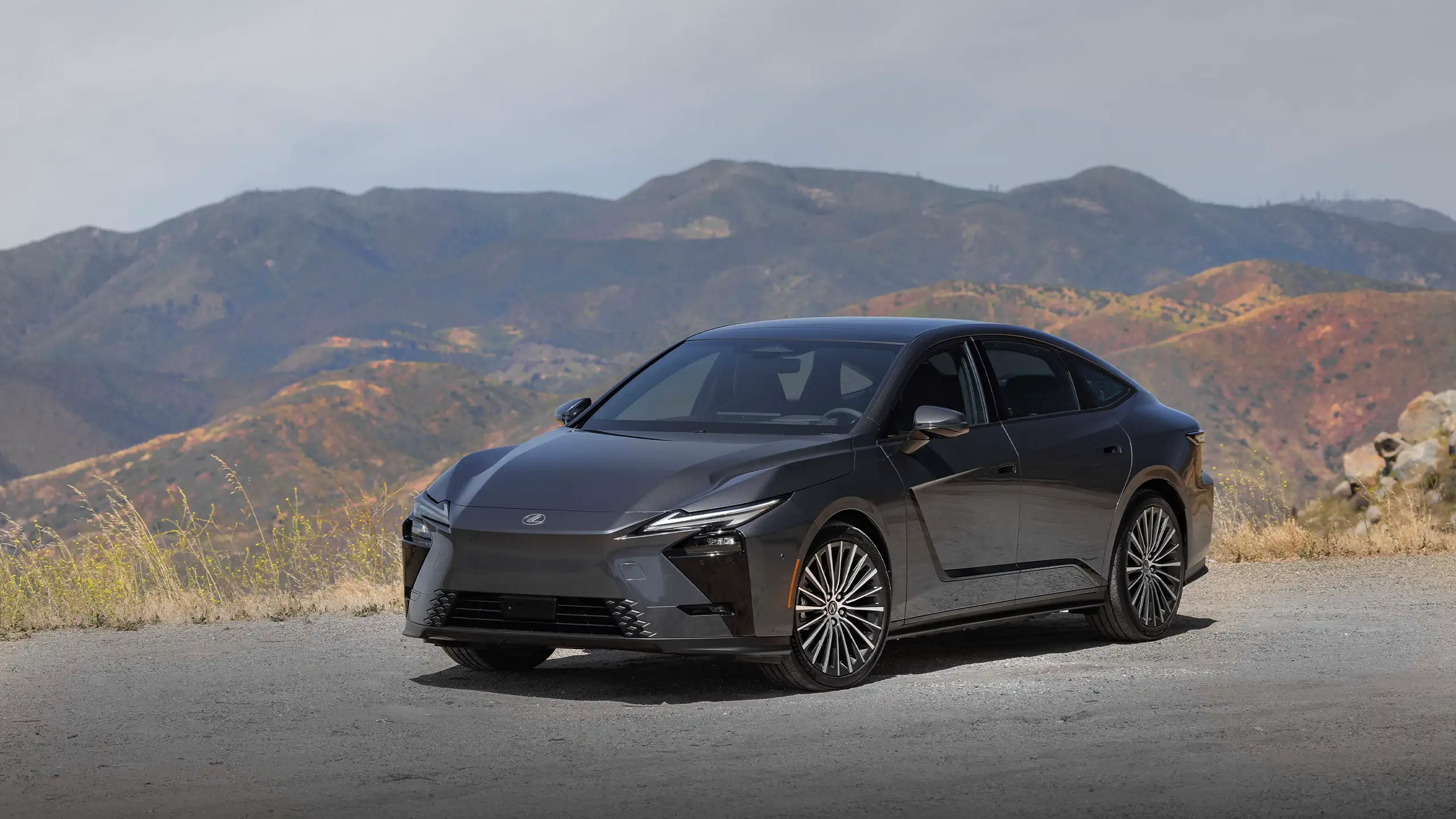
When Lexus Philippines invited me to the global launch of the new Lexus ES in La Jolla, California, not far from San Diego, I was upfront in telling Mike Santos, the trip lead, that the last time I had driven more than a kilometer was 34 years ago.
No worries, Mike said. I could focus on the rear-seat experience. After all, that’s how many Lexus owners across Asia experience the sedan.
So that’s where I sat as we started our drive.
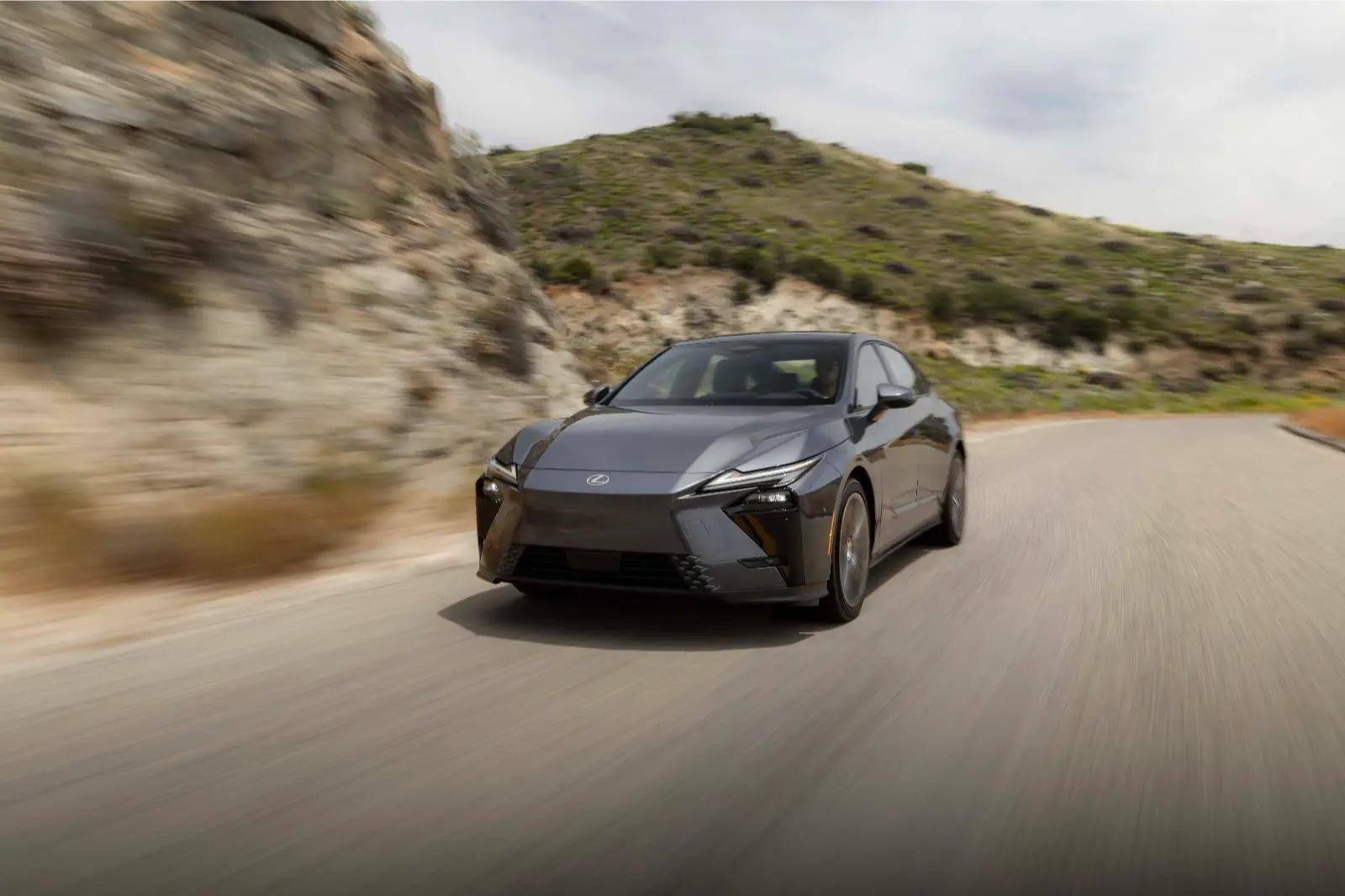
The new ES is noticeably larger than the model it replaces. Its length has increased by 165 mm to 5,140 mm, width by 55 mm to 1,920 mm, and wheelbase by 80 mm to 2,950 mm. The result: a cabin that feels more spacious, particularly for rear-seat passengers.
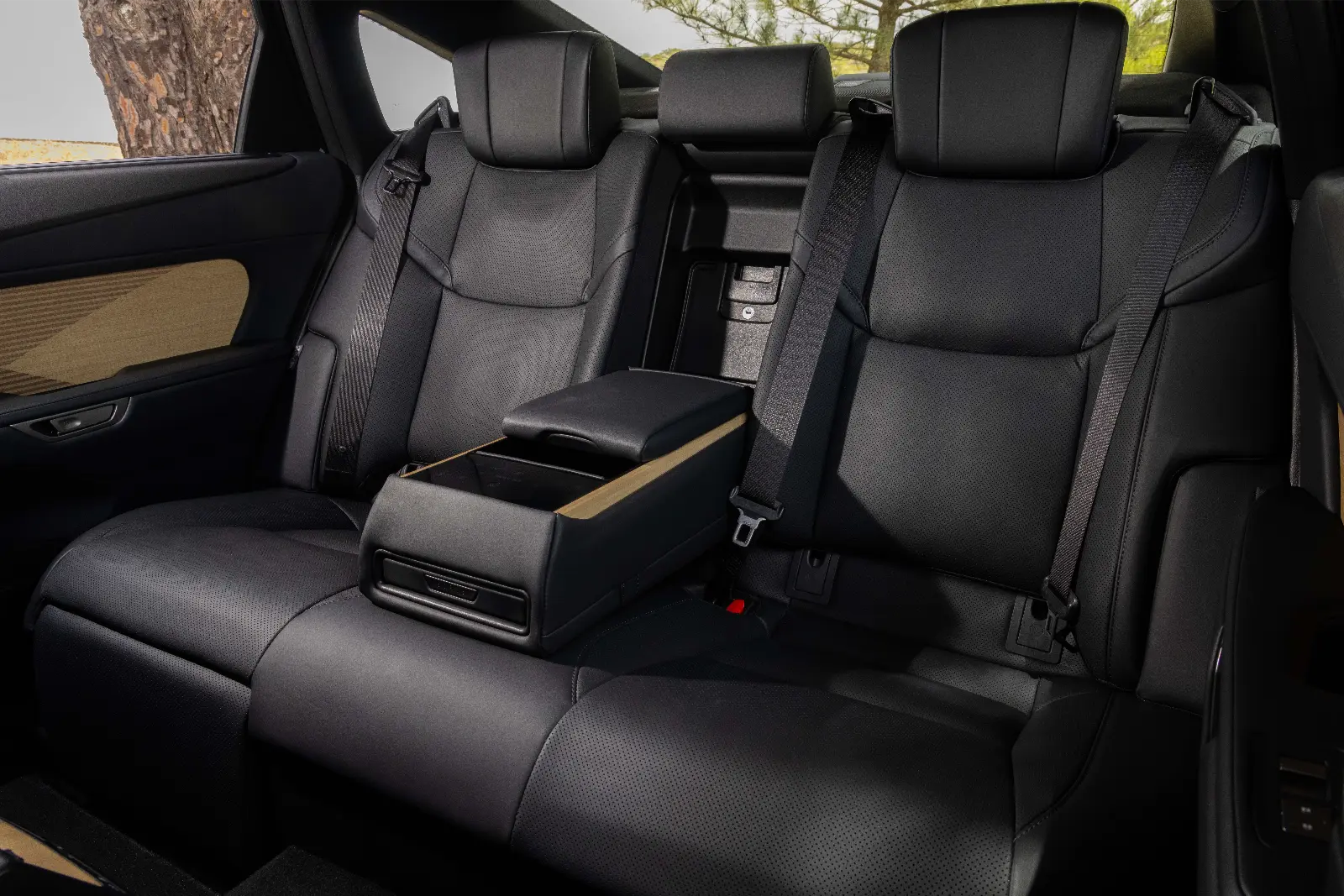
That matters particularly in the Philippines and other Asian countries, where many luxuryLuxuryA lifestyle defined by exceptional quality, craftsmanship, exclusivity, and sophistication, encompassing the finest products, services, and experiences that represent the highest standards of refinement and excellence.Go to Luxury Glossary vehicle owners spend much of their time being driven by someone else. Buyers often evaluate a car from the rear seat, paying close attention to legroom, ride quality, and how silent the cabin remains. After all, we all know how short our tempers become when we’re stuck in traffic for hours on end.
Passenger comfort has always been one of the ES’s strengths, and through the years, the sedan has earned a reputation for making long journeys remarkably easy. Rear seats on some global-market ES versions can recline up to 38 degrees, underscoring how much attention Lexus paid to passenger comfort during development.
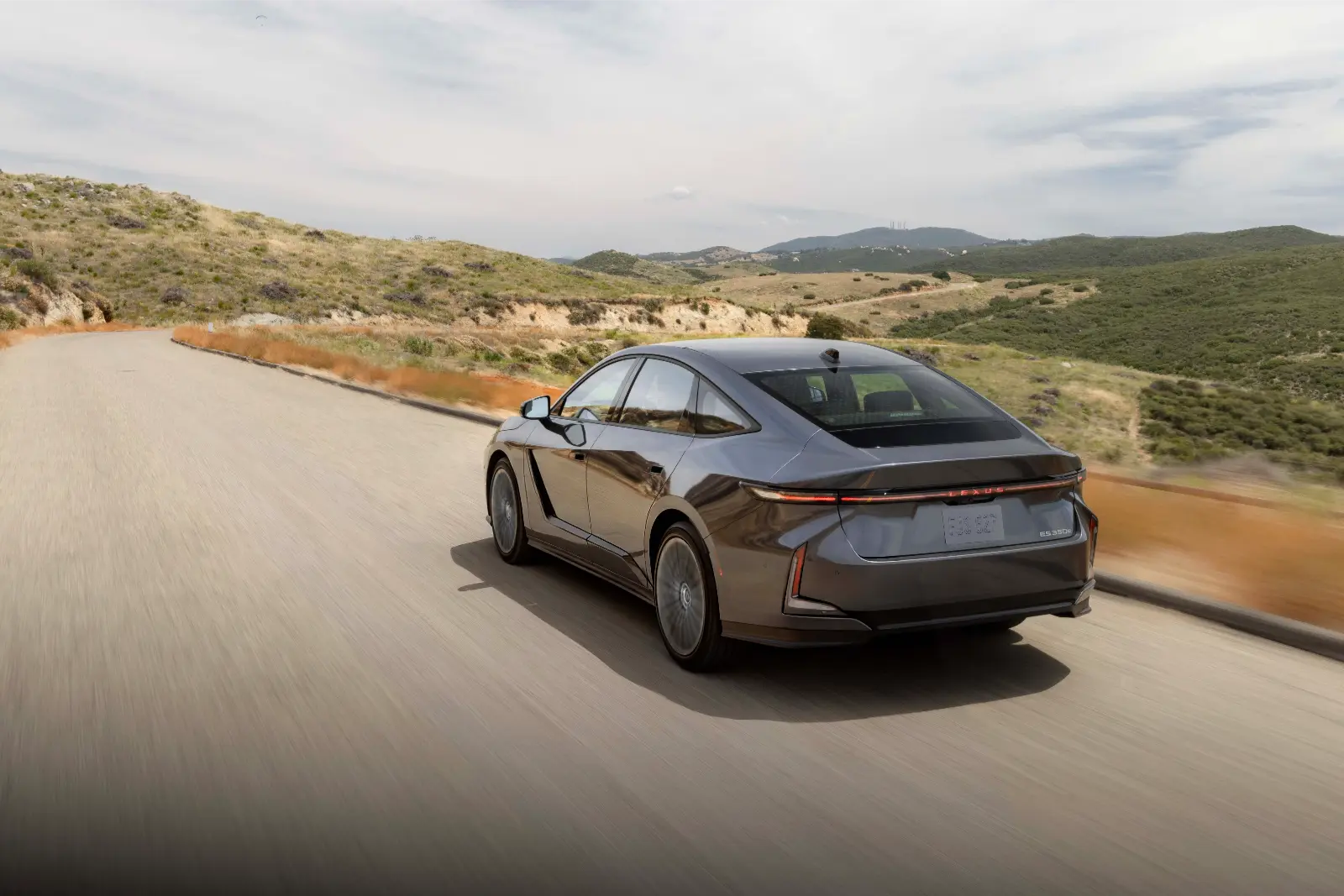
Not too long after being driven around, however, curiosity got the better of me. I found myself wanting to get to know the Lexus ES better from the driver’s seat.
So with the encouragement of Mike and Kap Maceda Aguila, a media colleague, that’s what I did.
“It’s just like riding a bike,” said Kap. “You never forget.”
Apparently, I hadn’t.
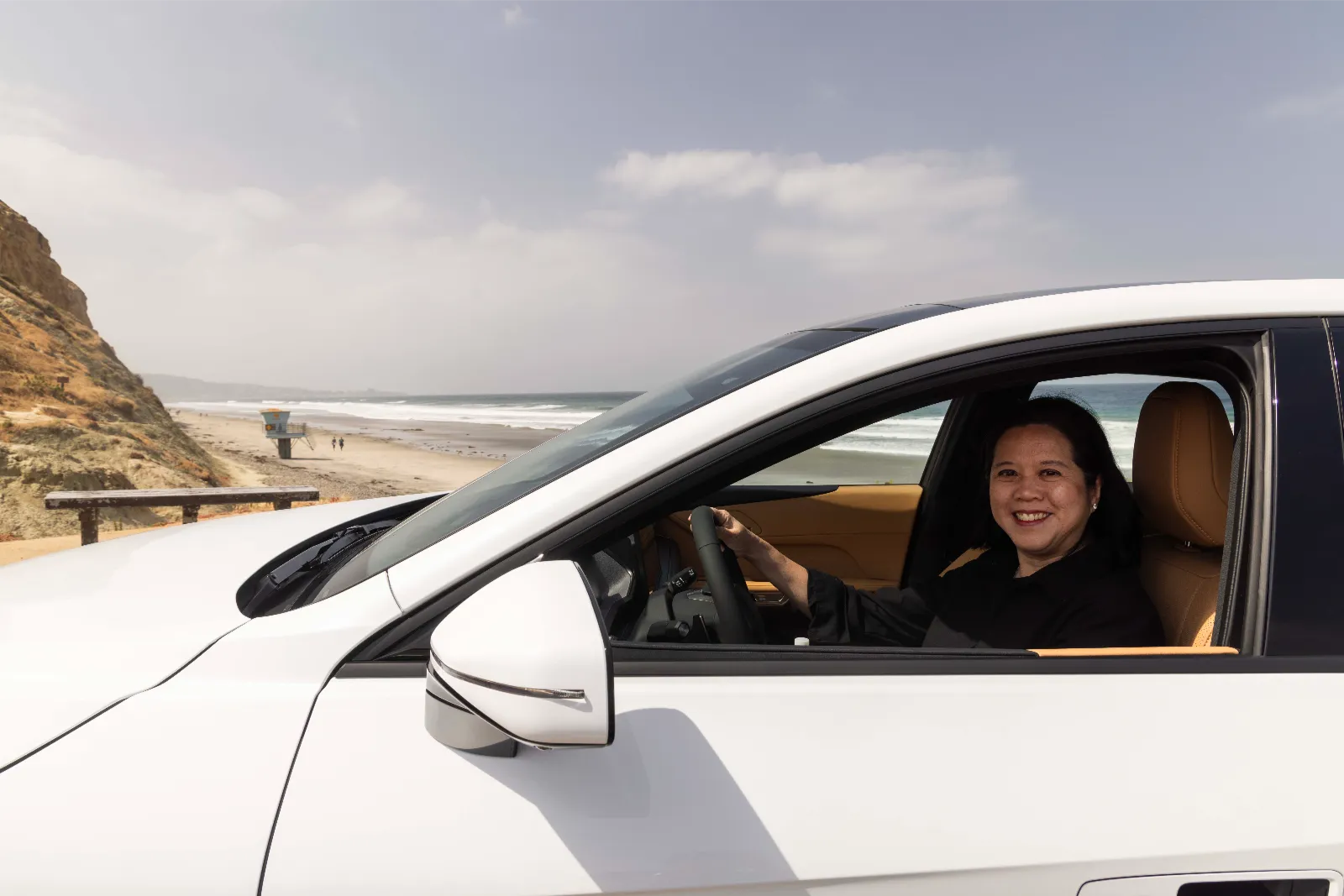
What impressed me most was how natural the car felt, and after a few moments of awkwardness, my confidence began to build. The controls were easy to understand and the car settled into a reassuring hum almost immediately.
I stepped on the accelerator and off we went, under the glorious Southern California sunshine as we rolled past the coast of the Pacific Ocean.
The new ES is one of the most significant models Lexus has introduced in years, and the brand has invested heavily in this latest generation, giving it a complete redesign and, for the first time, offering both hybrid and fully electric versions.
Ease of use has long been part of the ES character, and Lexus has preserved that quality while giving the car a more contemporary appearance.
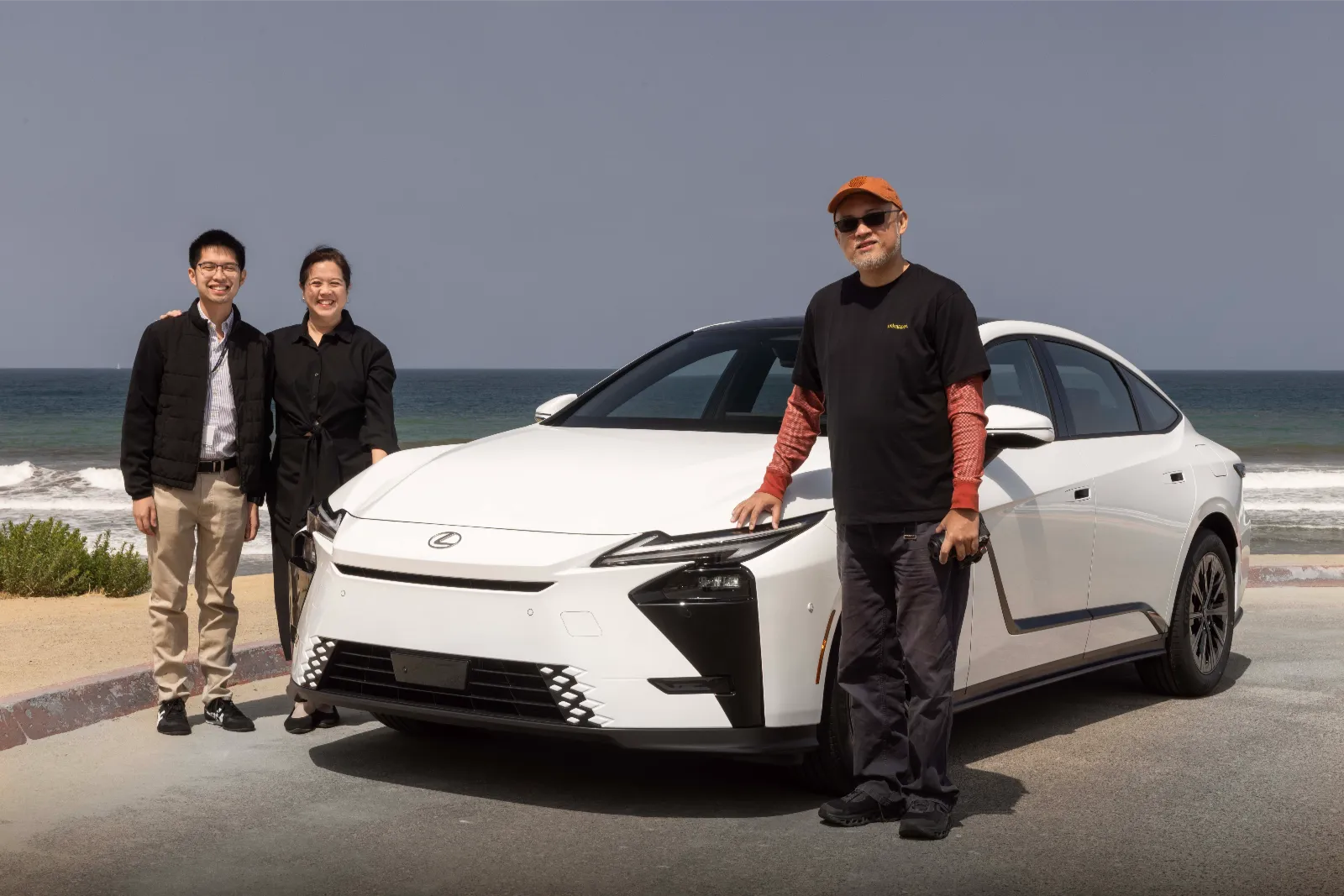
One of the more interesting design elements is what Lexus calls the single-motion silhouette. The profile creates a long, flowing line from the hood through the roof and into the rear, making the car look lower and sleeker.The wheels are pushed closer to the corners, which contributes to a wider stance.
The spindle grille that had been integrated into Lexus design for years has been substantially reworked, with a cleaner front end. The rear light bar and sculpted bodywork give the sedan a stronger presence on the road.
I must admit that when it was Kap’s turn to take the wheel again, I closed my eyes for what I thought was just a second and woke up at our destination.
That reaction was a strong validation of the ES’s mission. Lexus engineers devoted considerable attention to reducing noise and vibration throughout the cabin, particularly for rear-seat occupants. Sound insulation and thick rear glass contribute to a peaceful environment that encourages conversation or, in my case, an unplanned nap.
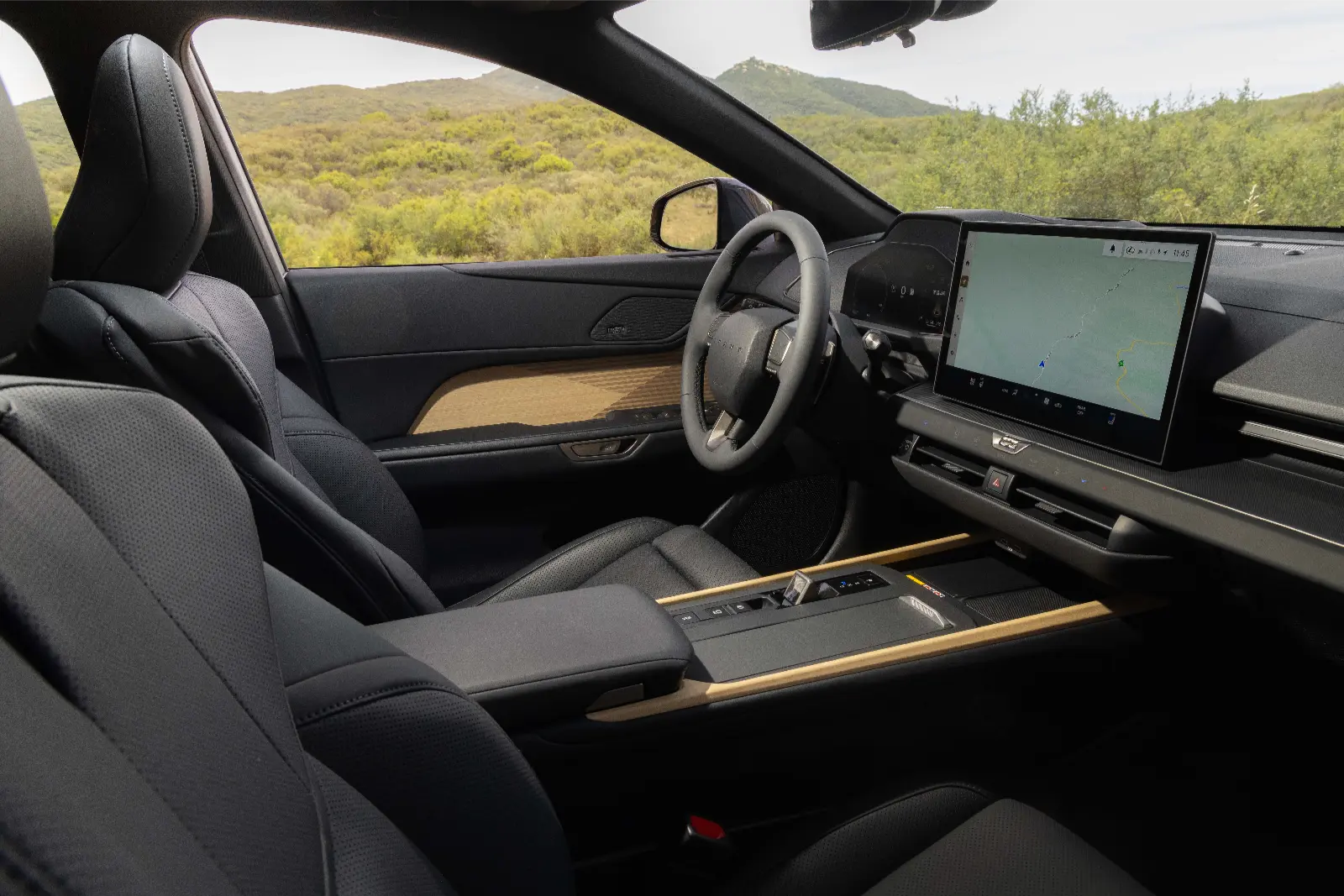
The interior of the ES balances technology with materials that give the cabin a distinct Japanese character. Bamboo-inspired trim stretches across portions of the dashboard and door panels, adding visual warmth.
Lexus uses a Japanese 3D-printing process called Viscotecs to create an effect that gives the material unusual depth, particularly when lit at night.
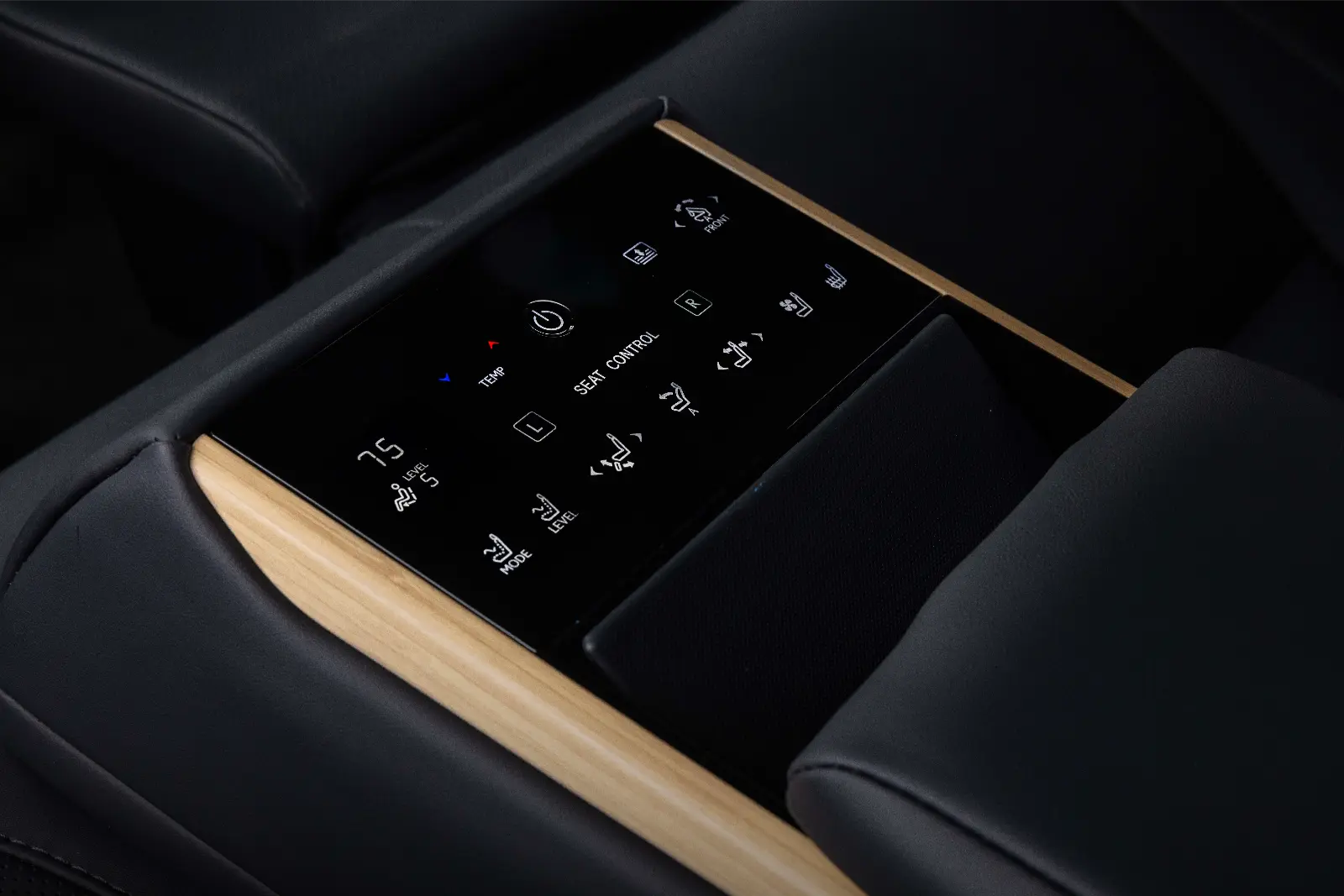
When the vehicle starts, the illumination sequence gradually brings the cabin to life, a small touch that reflects Lexus’s continuing emphasis on omotenashi, or anticipatory hospitality.
Lexus has adopted a simpler design language as a whole. Large digital displays dominate the dashboard, and there are fewer physical controls. The fit and finish reflect the attention to detail that has helped Lexus build a loyal following over the years.
I was also intrigued by the responsive hidden switches, controls that remain visually concealed until the driver’s hand approaches them, preserving the clean appearance of the dashboard while maintaining easy access to key functions.
Depending on specification, the ES uses aerodynamic wheel designs developed to improve efficiency while maintaining the ride comfort and silence that have long been central to the model’s appeal.
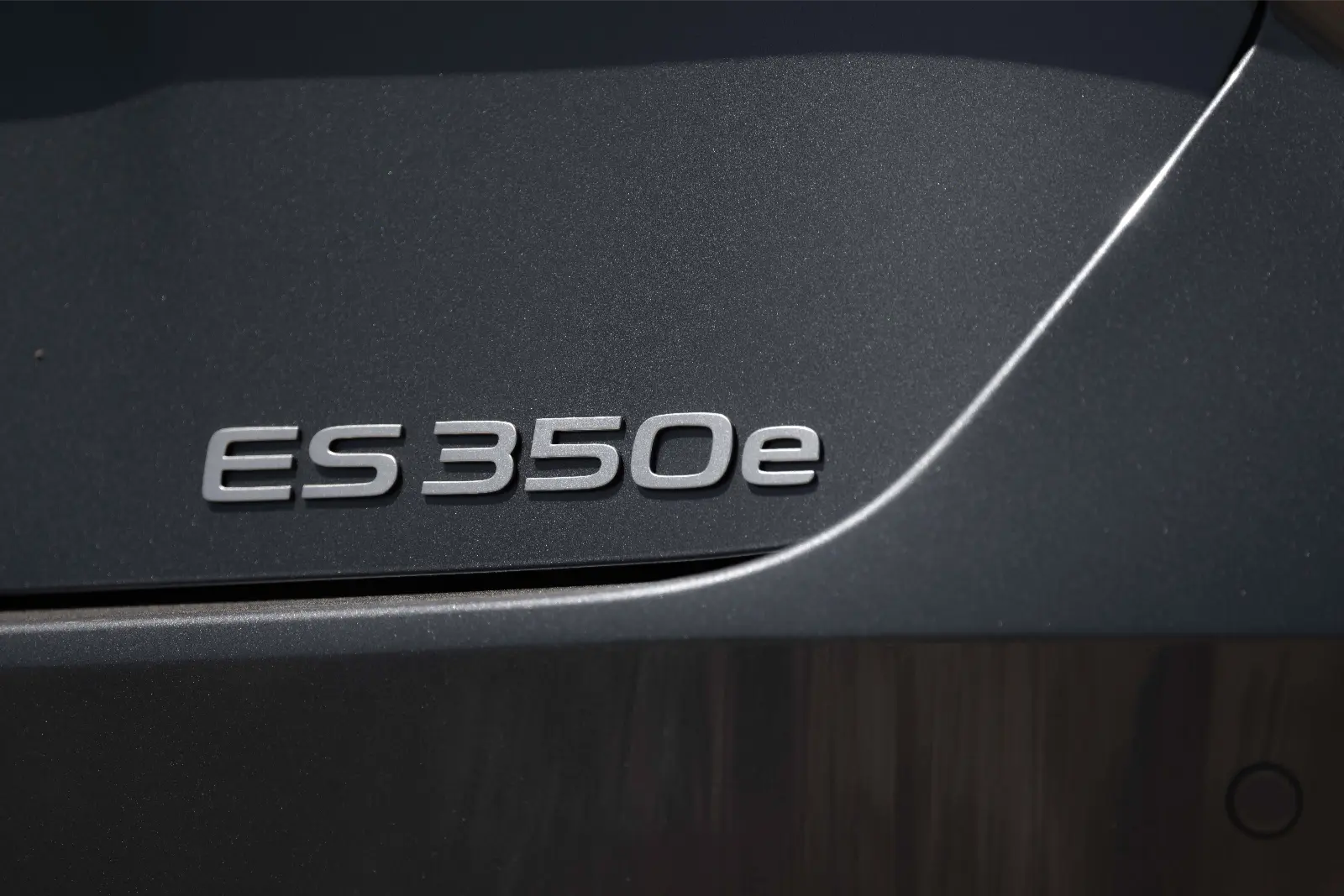
The ES 350h, powered by Lexus’s latest hybrid system, delivers its performance smoothly and predictably. I felt equally at home on the winding roads above La Jolla and on the California freeways that Mike and Kap later navigated.
The experience felt remarkably intuitive. The ride was smooth, and the cabin remained impressively hushed throughout the drive. I felt very much in control even when the roads began to twist and turn, and the pavement became uneven. The suspension absorbed imperfections effectively while maintaining stability.
All this may sound like praise from an amateur, when most motoring journalists write about performance figures and technological advancements. After all, there will always be car enthusiasts who are always looking for more power and the latest screens.
But for regular, everyday drivers, the biggest plus of the new ES may be in the simplicity of driving and the confidence it bestows.
And for me, after an afternoon on the road, my strongest endorsement is this: The new Lexus ES convinced me to get behind the wheel again.