The 10 Breakthroughs That Changed Watchmaking Forever




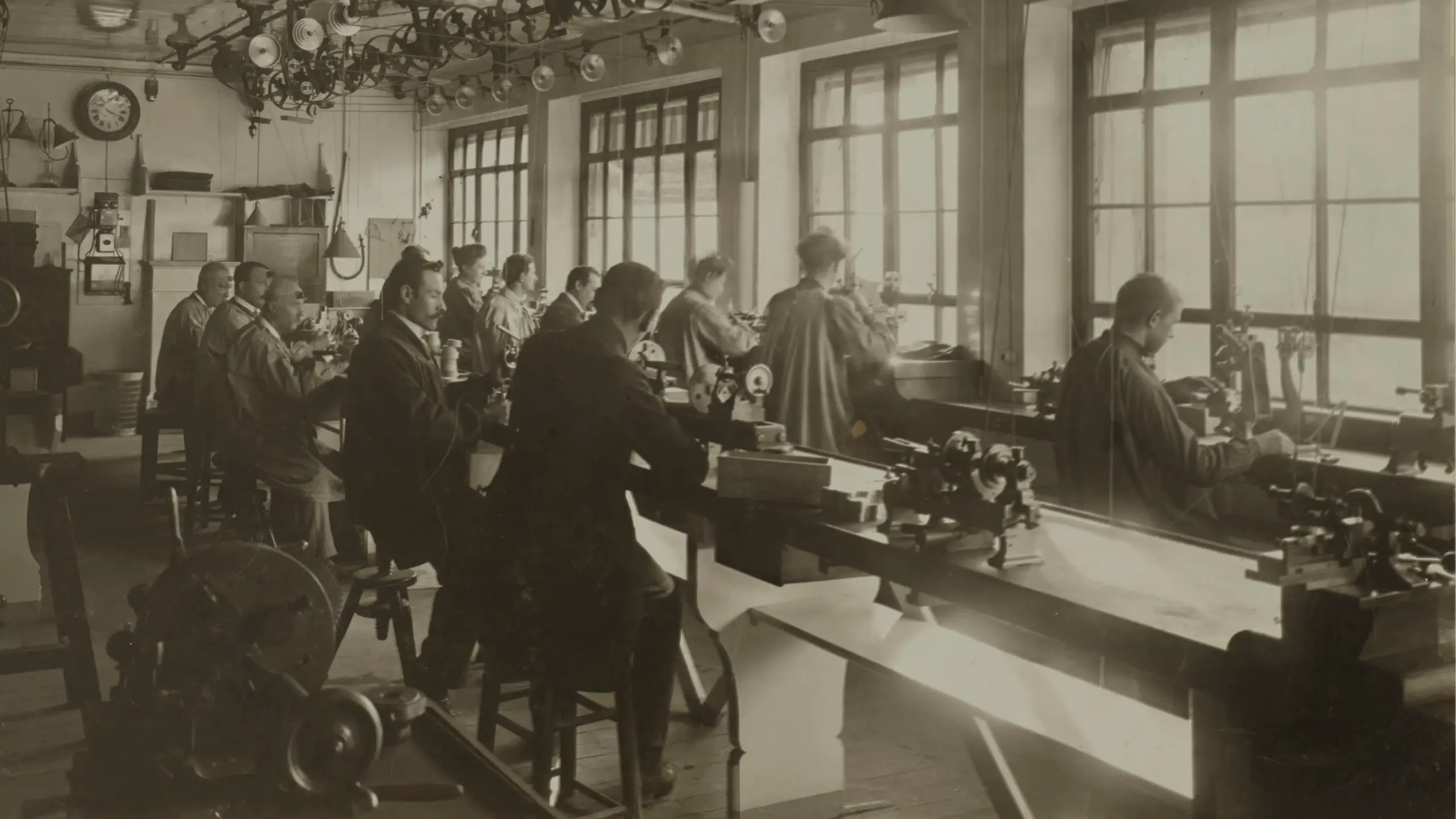
A watch’s premise is simple enough. It just needs to tell the time.
For centuries, however, watchmakers have treated that promise as an invitation to, well, complicate things. They’ve built mechanisms to resist gravity, cases that can survive the seas, movements that wind themselves, and regulators that rethink how energy passes through a machine. Each breakthrough started with a practical problem, and many evidently became objects of beauty, status, and obsession among enthusiasts and engineers alike.
The history of watchmaking rarely moves in a straight line. An invention can begin as a technical solution and end up changing how collectors understand craftsmanship. Another can arrive as a commercial threat, only to push an entire industry toward greater creativity. Quartz, for instance, nearly erased the mechanical watch from everyday life, yet helped turn it into a luxuryLuxuryA lifestyle defined by exceptional quality, craftsmanship, exclusivity, and sophistication, encompassing the finest products, services, and experiences that represent the highest standards of refinement and excellence.Go to Luxury Glossary object. The tourbillon was designed to improve accuracy, yet became one of horology’s most theatrical displays. Spring Drive, likewise, showed that even after centuries of invention, the basic act of regulating time could still be reconsidered.
The breakthroughs that follow changed more than movements and cases. They expanded where watches could go, what they could measure, and what people expected them to represent. It’s a tall task, yes, but let’s try to trace the transformation of the watch from a fragile precision instrument into an everyday companion, and one of the most expressive mechanical objects still being made today.
1. The Tourbillon (1801)
Inventor: Abraham-Louis Breguet
Impact: Haute horlogerieHaute HorlogerieA French term meaning high watchmaking, referring to the finest mechanical timepieces, characterized by complex movements, painstaking hand finishing, and limited production. Haute horlogerie represents the highest level of theGo to Haute Horlogerie Glossary and mechanical artistry
Why It Changed Watchmaking
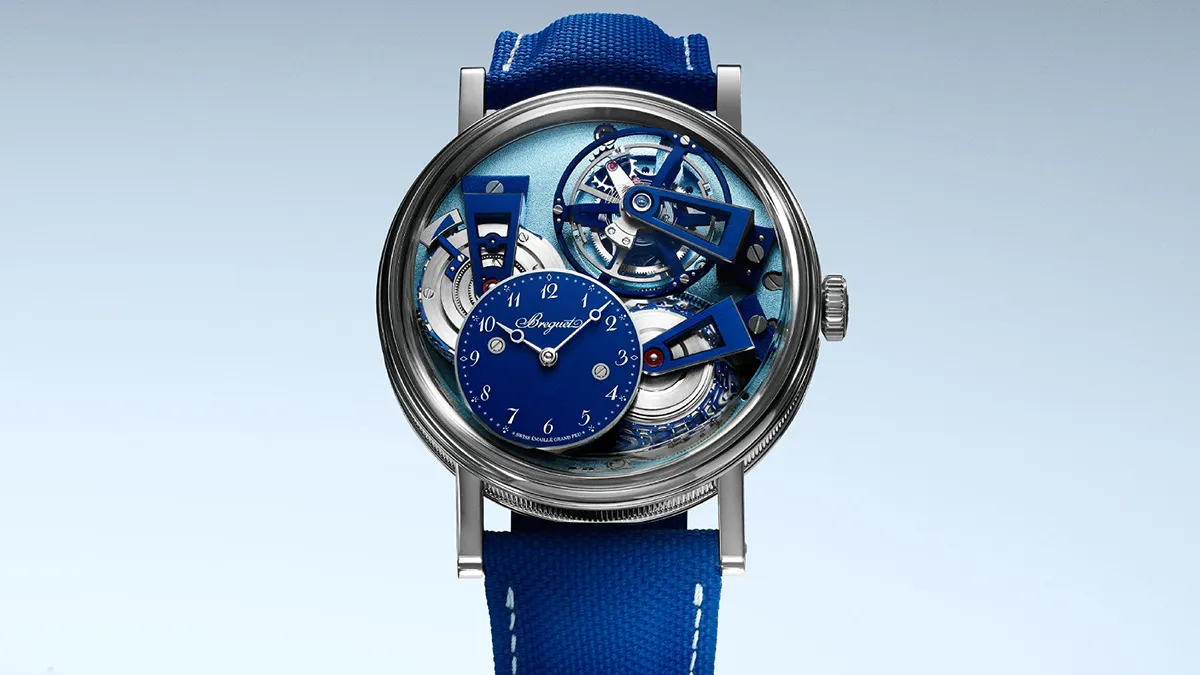
Breguet developed the tourbillonTourbillonA watch complication invented around 1801 by Abraham-Louis Breguet that rotates the escapement in a cage to counter the effects of gravity on accuracy. Tourbillons are mesmerizing and very difficultGo to Tourbillon Glossary to counter the effect of gravity on the escapement of a pocket watch that spent much of its life held vertically.
By placing the escapement and regulating organ inside a rotating cage, the mechanism averaged out positional errors that could affect timekeeping. Its practical benefit in a modern wristwatch is more modest (and frequently debated) but its cultural influence is difficult to overstate.
The tourbillon evolved from a precision device into one of watchmaking’s ultimate demonstrations of mechanical virtuosity. It helped establish the idea that a movement could be admired not just for its performance, but also for the ingenuity and beauty of its construction.
These days, nearly every major haute horlogerieHaute HorlogerieA French term meaning high watchmaking, referring to the finest mechanical timepieces, characterized by complex movements, painstaking hand finishing, and limited production. Haute horlogerie represents the highest level of theGo to Haute Horlogerie Glossary manufacture has created its own interpretation.
2. The Waterproof Case: The Rolex Oyster (1926)
Developer: Rolex
Impact: Everyday durability
Why It Changed Watchmaking
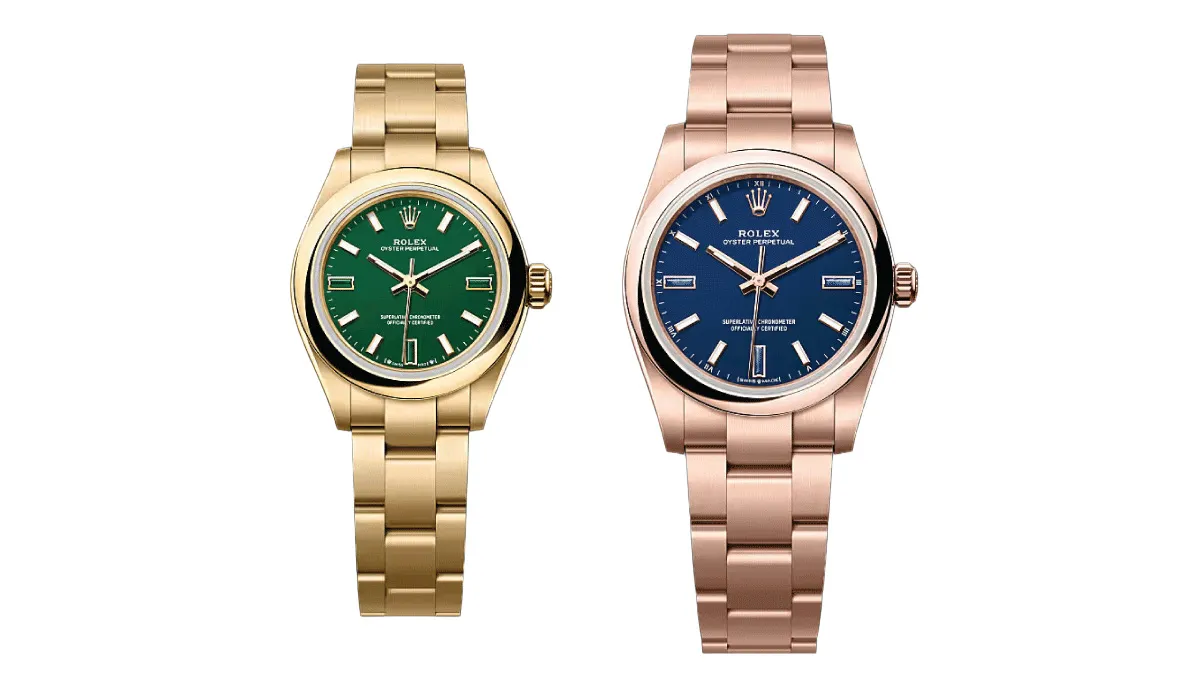
The Rolex Oyster helped transform the wristwatch from a relatively delicate accessory into something that could accompany its wearer through work, travel, sport, and eventually underwater exploration.
Its hermetically sealed construction used a screw-down bezel, caseback, and winding crown to protect the movement from water and dust. Rolex then demonstrated its capabilities publicly, most famously when swimmer Mercedes Gleitze crossed the English Channel wearing an Oyster in 1927.
The Oyster didn’t single-handedly invent the modern dive watch, but it made reliable water resistance commercially credible. Its architecture helped establish the expectation that a wristwatch should survive the conditions of daily life.
The dive watches that followed—from Blancpain, Omega, Seiko, and countless others—were built in a world the Oyster helped create.
3. The Full-Rotor Automatic Movement: Rolex Perpetual (1931)
Developer: Rolex
Impact: Everyday convenience and movement architecture
Why It Changed Watchmaking
Automatic wristwatches existed before the Rolex Perpetual. John Harwood, among others, had already developed systems that used the wearer’s movement to wind a watch.
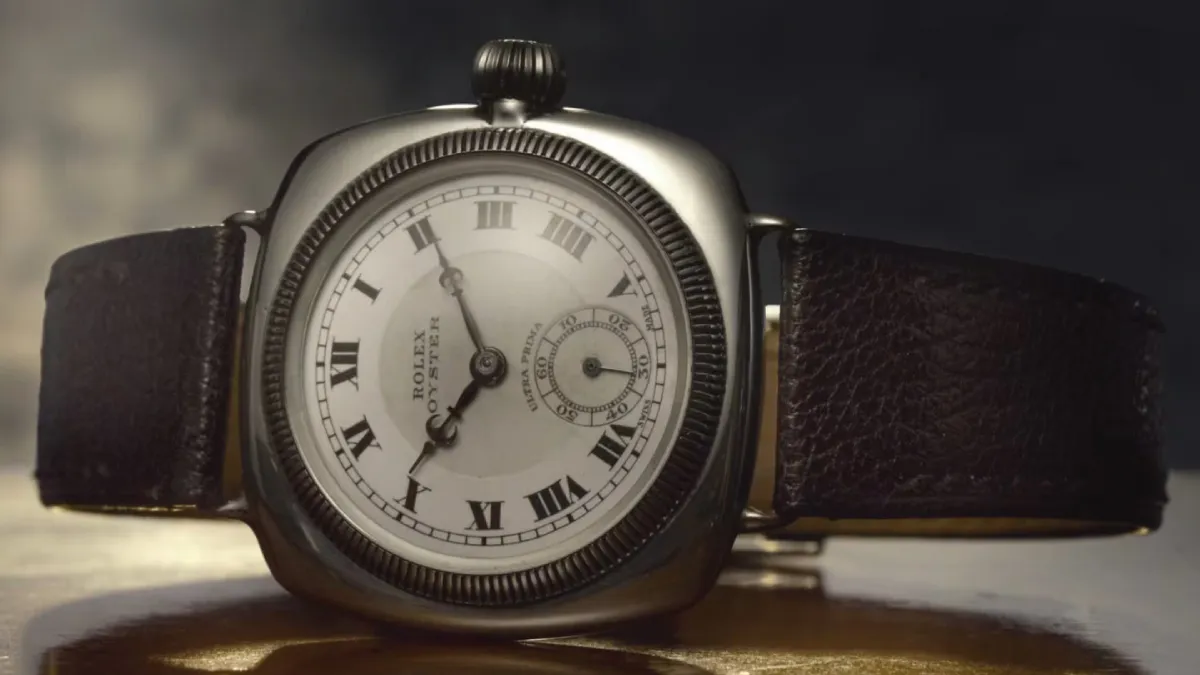
Rolex’s breakthrough was the practical full-rotorRotorThe weighted, semicircular metal piece in an automatic watch that spins freely with the wrist's movement to wind the watch's mainspring. Rotors are often beautifully decorated with engravings or madeGo to Rotor Glossary system. Introduced in 1931, its centrally mounted rotor could rotate through 360 degrees, efficiently winding the movement as the wearer moved.
The system helped maintain a more consistent power reserve, reduced the need to operate the crown, and made mechanical watches considerably easier to live with. Its basic architecture became the dominant model for automatic movements across the industry.
Manual-winding watches remain important to collectors, but automatic winding became the default format for the modern mechanical wristwatch.
4. The Chronograph (1816–1821)
Early pioneers: Louis Moinet and Nicolas Rieussec
Impact: Sports, science, aviation, and elapsed-time measurement
Why It Changed Watchmaking
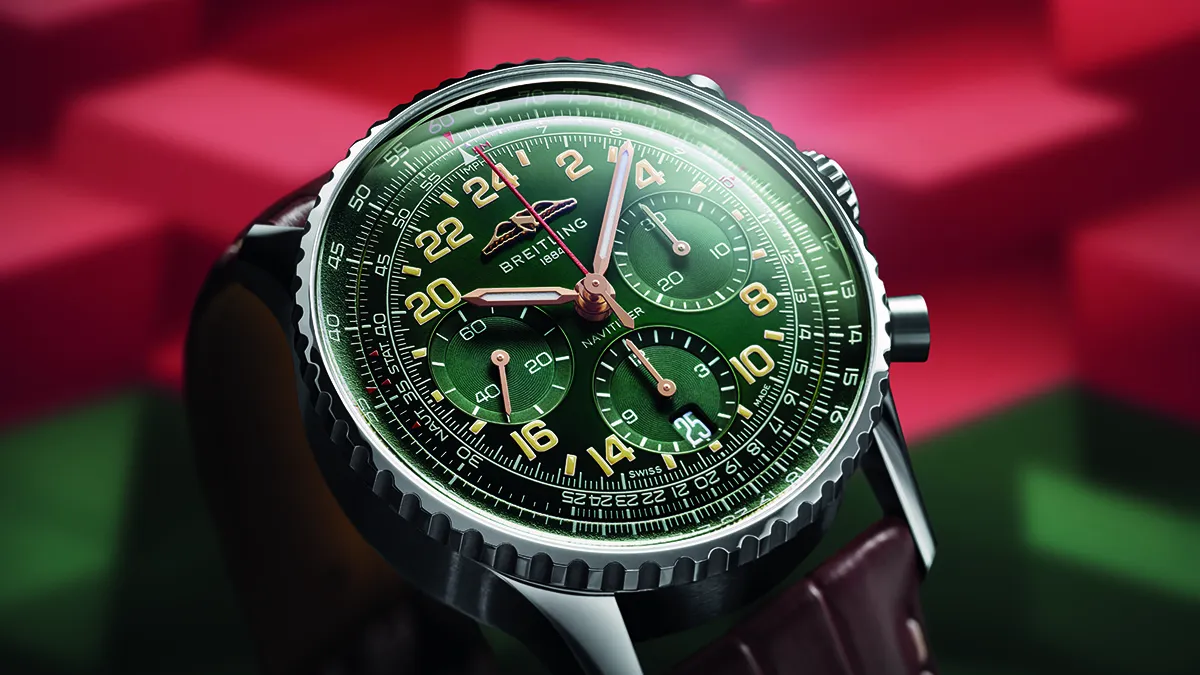
It’s important to note that the chronograph didn’t emerge from one uncontested patent or a single inventor.
In 1816, Louis Moinet completed the Compteur de Tierces, an astronomical instrument capable of measuring fractions of a second. Five years later, Nicolas Rieussec demonstrated an ink-writing device designed to time horse races, helping establish the term “chronograph.”
Whatever starting point one chooses, the breakthrough was fundamental: a watch could now measure an event independently of the current time.
Chronographs became essential to scientific observation, military operations, aviation, medicine, motorsport, and competitive athletics. They also gave rise to some of the most recognizable watches ever made, including the Rolex Daytona, Omega Speedmaster, and Tag Heuer Carrera.
Without the chronograph, much of sports-watch history would’ve never existed at all.
5. The Automatic Chronograph (1969)
Developers: Zenith; the Heuer-Breitling-Büren-Dubois Dépraz consortium; and Seiko
Impact: Complicated watches for everyday wear
Why It Changed Watchmaking
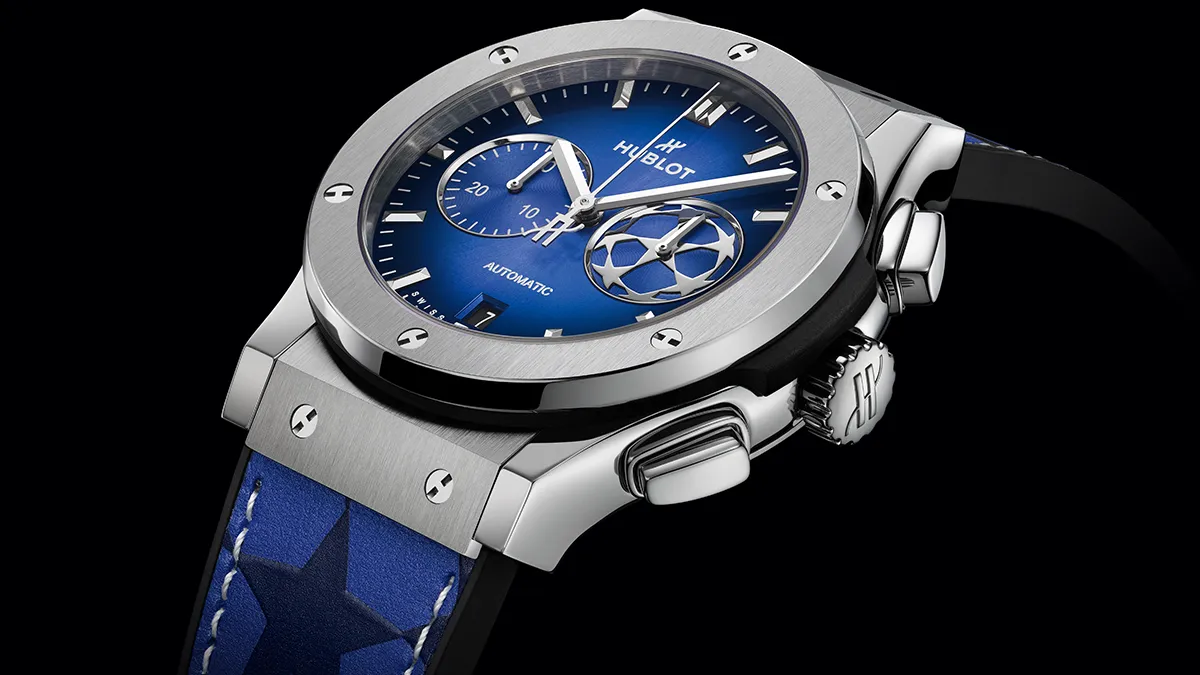
The race to create the first automatic chronograph remains one of watchmaking’s most fiercely contested stories.
Zenith unveiled the high-frequency El Primero in January 1969. The consortium of Heuer, Breitling, Büren, and Dubois Dépraz presented the modular Calibre 11 shortly afterward. Seiko, meanwhile, introduced its integrated Calibre 6139 in Japan during the same year.
Each group can claim a version of the “first,” depending on whether the standard is announcement, construction, commercial release, or international availability.
More important than the disputed finish was the result. Automatic winding made the chronographChronographA watch complication that incorporates a stopwatch function, controlled by pushers on the case and displayed on small subdials. Originally developed for timing events, the chronograph remains popular for itsGo to Chronograph Glossary more convenient and better suited to daily use, helping turn a specialist timing instrument into one of the central categories of the modern luxury-watch market.
6. The Quartz Wristwatch (1969)
Commercial pioneer: Seiko Quartz Astron (first commercially available quartz wristwatch)
Impact: Accuracy, affordability, and industry-wide disruption
Why It Changed Watchmaking
Quartz was arguably the most disruptive technological breakthrough in modern horology.
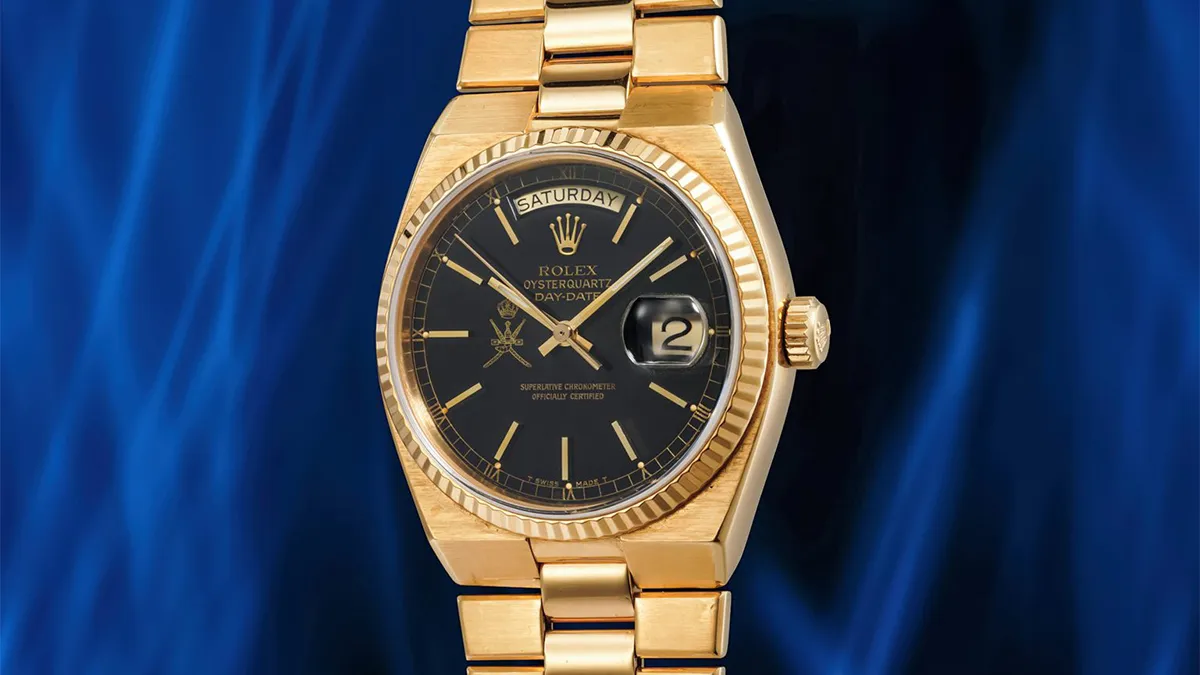
Released on December 25, 1969, the Seiko Quartz Astron used an electronic oscillator regulated by a quartz crystal to achieve accuracy far beyond that of most mechanical watches.
As production became more efficient, quartz enabled manufacturers to create watches that were more accurate, affordable, durable, and versatile. Electronic displays, multifunction watches, and increasingly thin designs followed.
The consequences for traditional Swiss watchmaking were severe. Many established companies disappeared, employment across the sector contracted, and mechanical watches could no longer compete primarily on accuracy or convenience.
Yet the disruption also forced surviving Swiss manufacturers to redefine mechanical watchmaking around craftsmanship, heritage, rarity, and emotional appeal. Modern mechanical luxury emerged partly through its response to quartz.
7. Silicon Components (2001)
Commercial pioneer: Ulysse Nardin
Impact: Modern movement performance
Why It Changed Watchmaking
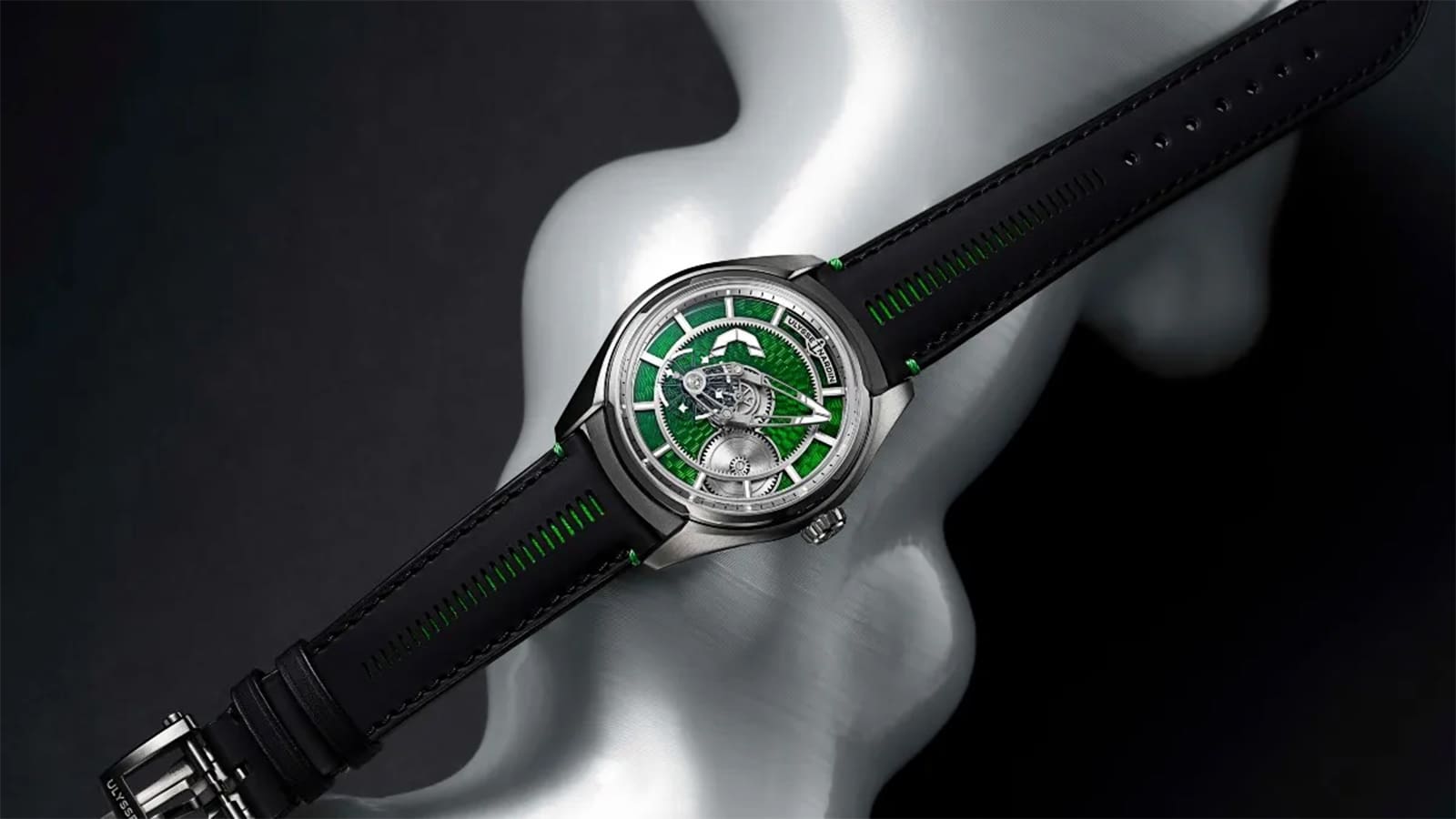
The Ulysse Nardin Freak, introduced in 2001, helped bring silicon components into contemporary mechanical watchmaking.
Silicon offered several useful properties. It was lightweight, resistant to magnetism, highly precise when manufactured, and capable of operating with reduced friction. In certain applications, it could even reduce or eliminate the need for conventional lubrication.
Patek Philippe, Rolex, Omega, Breguet, Ulysse Nardin, and other manufacturers subsequently invested in silicon balance springs, escapement components, and regulating systems in selected calibres.
Unlike many experimental watchmaking technologies, silicon moved beyond concept pieces and into large-scale production. It now supports some of the industry’s most accurate, durable, and magnetically resistant mechanical movements.
8. The Co-Axial Escapement
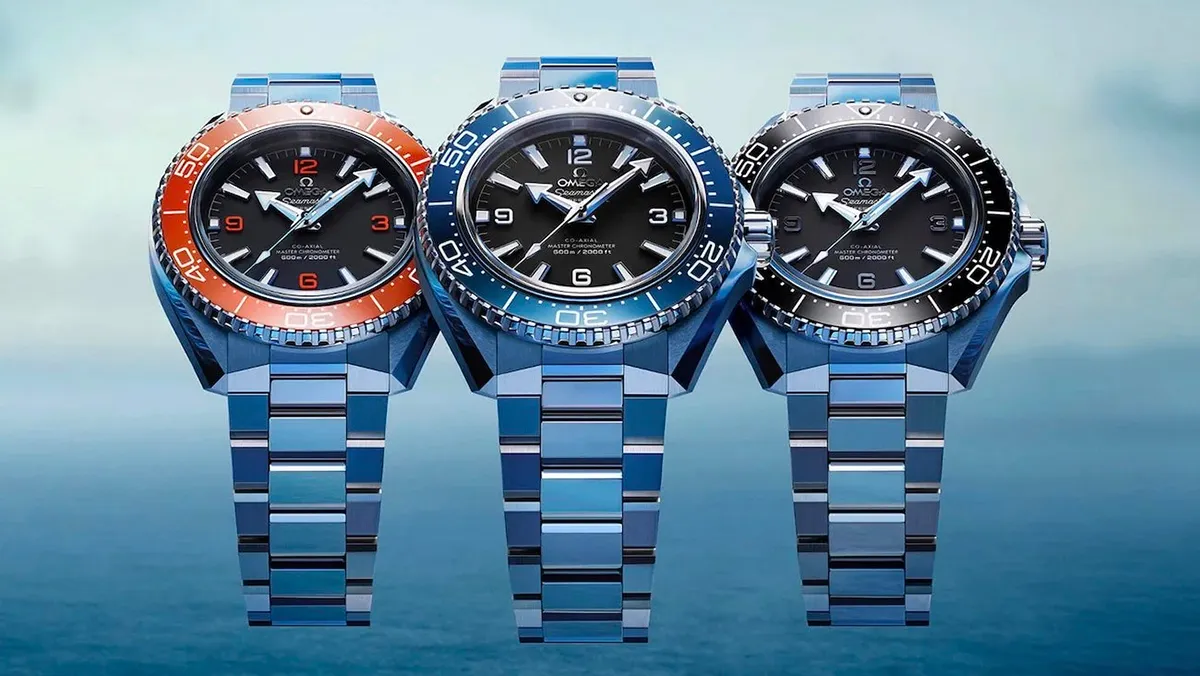
Inventor: George Daniels
Commercialized by: Omega
Impact: Alternative escapement architecture
Why It Changed Watchmaking
For generations, the Swiss lever escapement dominated mechanical-watch production.
George Daniels challenged that orthodoxy by developing the Co-Axial escapement, a system designed to reduce the sliding friction found in a conventional lever escapement. By transmitting energy through a combination of radial and locking impulses, the system promised greater long-term stability and reduced dependence on lubrication.
Daniels created an alternative escapement robust enough to earn adoption and industrial-scale production from a major watchmaker.
Omega introduced the first serially produced Co-Axial watches in 1999 and has since made it central to the identity of its mechanical movements. The Co-Axial proved that even one of the oldest and most established parts of the mechanical watch could still be fundamentally reimagined.
9. The Annual Calendar (1996)
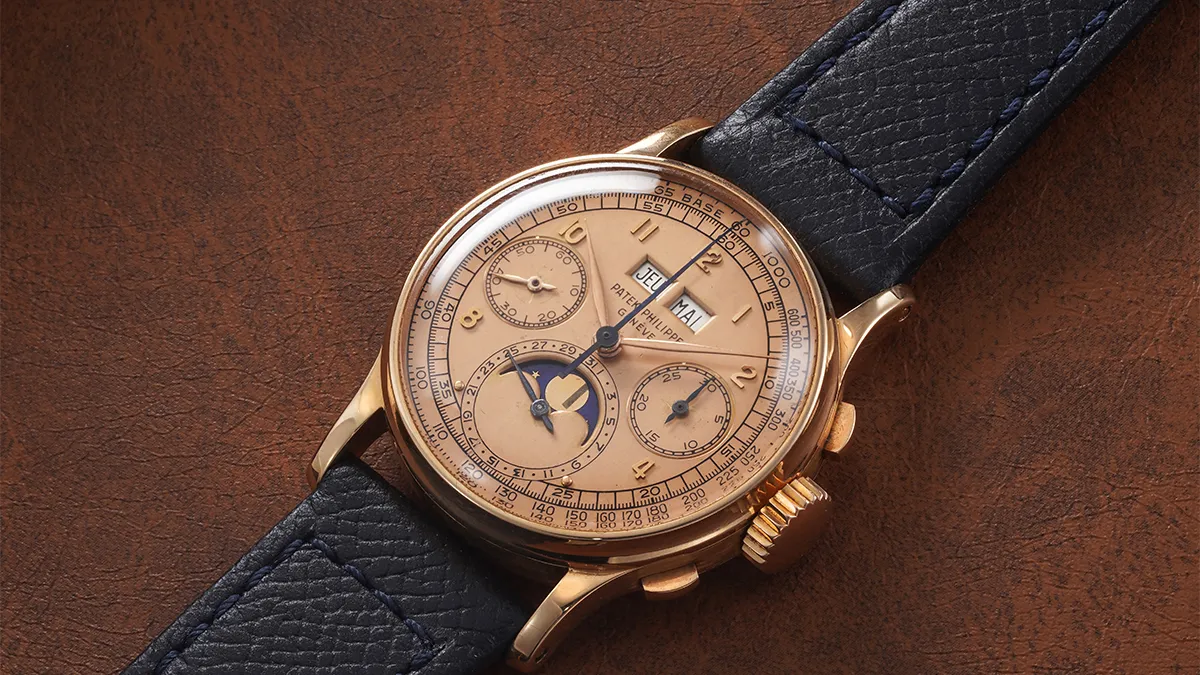
Developer and patent holder: Patek Philippe
Impact: A new category of calendar complication
Why It Changed Watchmaking
Before Patek Philippe introduced its patented annual calendar in 1996, buyers looking for a mechanical calendar watch generally faced two choices.
The first, a complete calendar displayed useful information but required manual adjustment several times each year; The second, a perpetual calendar automatically accounted for different month lengths and leap years, but came with significantly greater complexity and cost.
The annual calendar created a practical middle ground. It could distinguish between 30- and 31-day months and required correction only once a year, at the end of February.
The invention established an entirely new category of complication. It offered much of the everyday usefulness and sophistication of a perpetual calendar in a comparatively approachable format.
Numerous manufacturers have since developed annual calendars of their own, confirming the enduring appeal of the concept.
10. Spring Drive (1999)
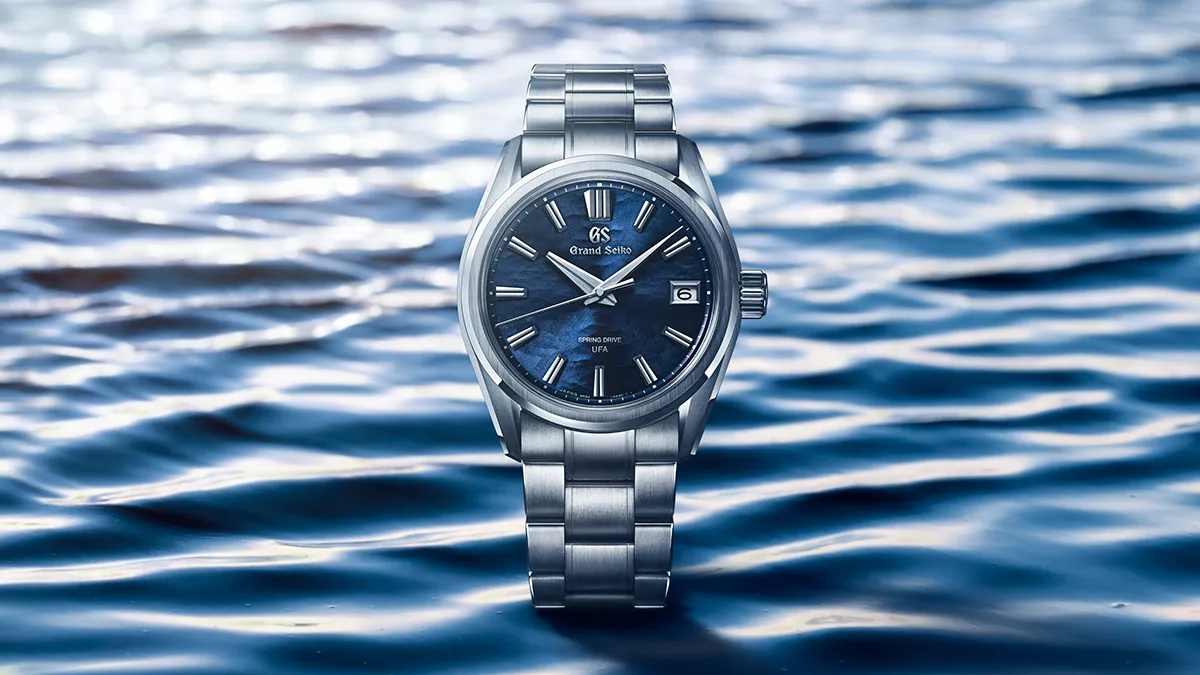
Developer: Seiko
Impact: A fundamentally new regulating system
Why It Changed Watchmaking
Spring Drive remains one of the few fundamentally new methods of regulating a wristwatch to reach commercial production in the modern era.
Like a traditional mechanical watch, it receives its energy from a mainspring and transmits that power through a gear train. Instead of using a conventional escapement, however, Spring Drive controls the release of energy through a quartz oscillator, an integrated circuit, and an electromagnetic braking system.
The result combines the autonomy and physical architecture of a mechanical movement with the precision of electronic regulation. Its continuously rotating glide wheel also gives the seconds hand its characteristically smooth motion.
Spring Drive’s influence comes from showing that the fundamental architecture of the wristwatch still held room for meaningful invention. More than two centuries after the tourbillonTourbillonA watch complication invented around 1801 by Abraham-Louis Breguet that rotates the escapement in a cage to counter the effects of gravity on accuracy. Tourbillons are mesmerizing and very difficultGo to Tourbillon Glossary, watchmakers could still find an entirely new way to regulate time.
FAQs
Major breakthroughs include the tourbillon, waterproof case, automatic winding rotor, chronograph, quartz movement, silicon components, Co-Axial escapement, annual calendar, and Spring Drive. Together, these innovations improved accuracy, durability, convenience, and mechanical sophistication while reshaping how watches are worn and collected.
The Rolex Oyster helped make reliable water resistance commercially viable in 1926, allowing watches to withstand daily wear and underwater use. Rolex’s full-rotor Perpetual system followed in 1931, establishing an efficient automatic-winding architecture that became standard across modern mechanical watchmaking.
Quartz dramatically improved accuracy and affordability, disrupting traditional Swiss watchmaking and pushing mechanical brands toward craftsmanship and luxury. Spring Drive later combined mainspring power with quartz regulation and electromagnetic braking, proving that watchmakers could still develop fundamentally new ways of measuring time.