Europe’s Summer Fragrances Are the Best for the Philippine Rainy Season




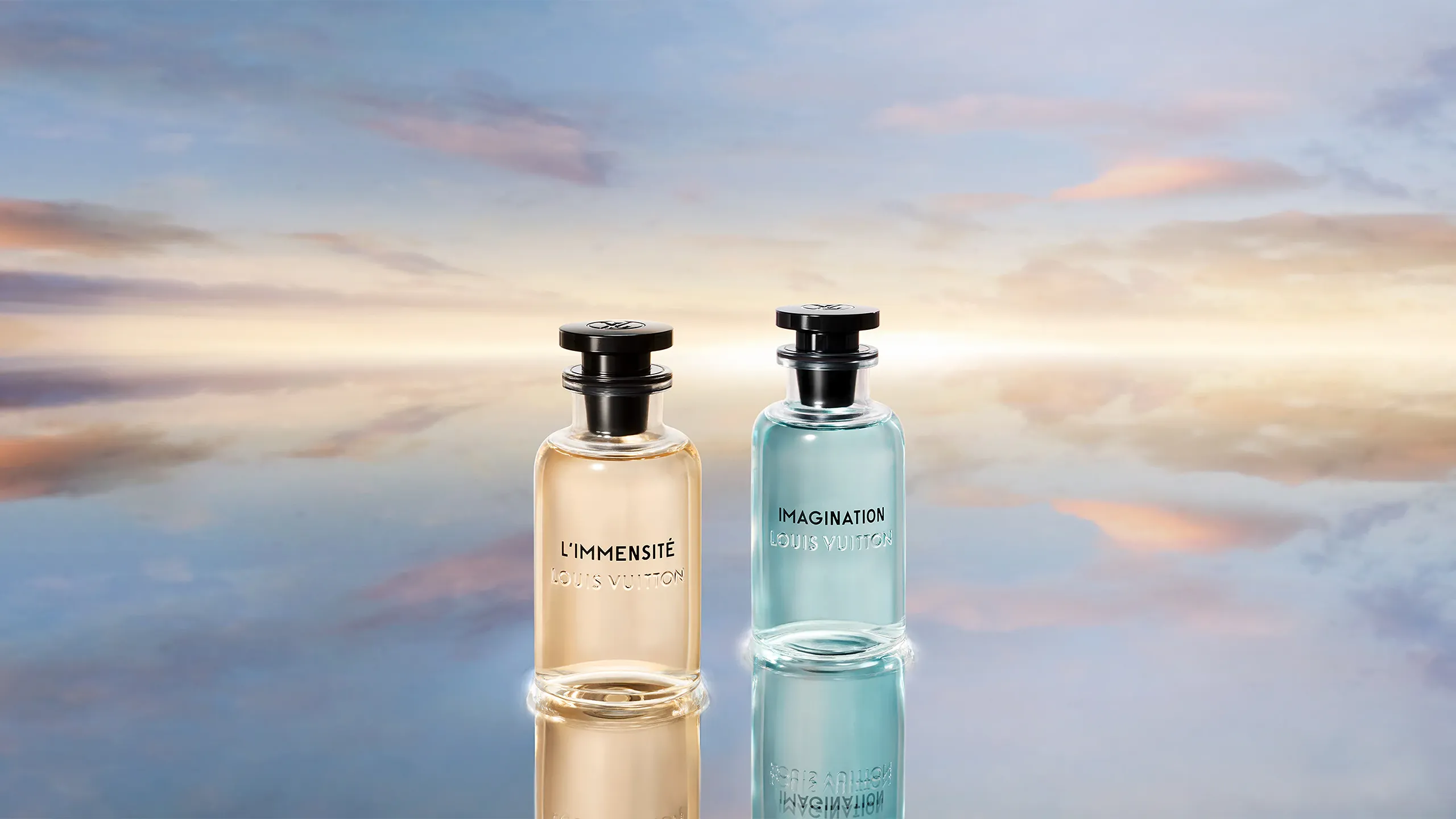
This season, houses like Hermès, Dior, Chanel, Louis Vuitton, Diptyque, Maison Francis Kurkdjian, Frédéric Malle, Creed, Acqua di Parma, and Byredo have unveiled new fragrances or have continued to spotlight creations inspired by Mediterranean coastlines, crystalline waters, and sunlit landscapes. While these fragrances were conceived for the relatively dry warmth of Europe during its summer months, they may even be better suitably timed to the opposite hemisphere in the throes of its monsoon season.
During the rainy months, this side of the world faces humidity frequently exceeding 80 percent while temperatures remain consistently high. In the world of scents, these conditions fundamentally change how perfume behaves. Bright citrus notes burst open with vibrancy, green and aromatic accords feel crisp and refreshing, while airy florals and clean musks adapt naturally to the humid air. In contrast, fragrances built around dense amber, vanilla, oud, leather, patchouli or incense, can become fuller and more enveloping.
Climate Is the Invisible Ingredient
Most luxuryLuxuryA lifestyle defined by exceptional quality, craftsmanship, exclusivity, and sophistication, encompassing the finest products, services, and experiences that represent the highest standards of refinement and excellence.Go to Luxury Glossary fragrances are first encountered under ideal conditions. Department stores and boutiques are meticulously temperature-controlled, allowing every composition to unfold exactly as the perfumer intended.
Outside, however, the perfume encounters a different set of conditions. Heat is the most immediate influence. As skin temperature rises, the most volatile aroma molecules evaporate more quickly. Citrus fruits such as bergamot, grapefruit, mandarin, lemon, and yuzu bloom almost instantly. Aromatic herbs including basil, rosemary, lavender, and mint also reveal themselves immediately, giving fresh fragrances a brightness that is welcome on humid days.
Humidity plays a more nuanced role. Contrary to popular belief, moisture in the air does not automatically make a fragrance last longer, but humid conditions often make a perfume feel more noticeable.
Acqua di Parma Bergamotto La Spugnatura Eau de Parfum
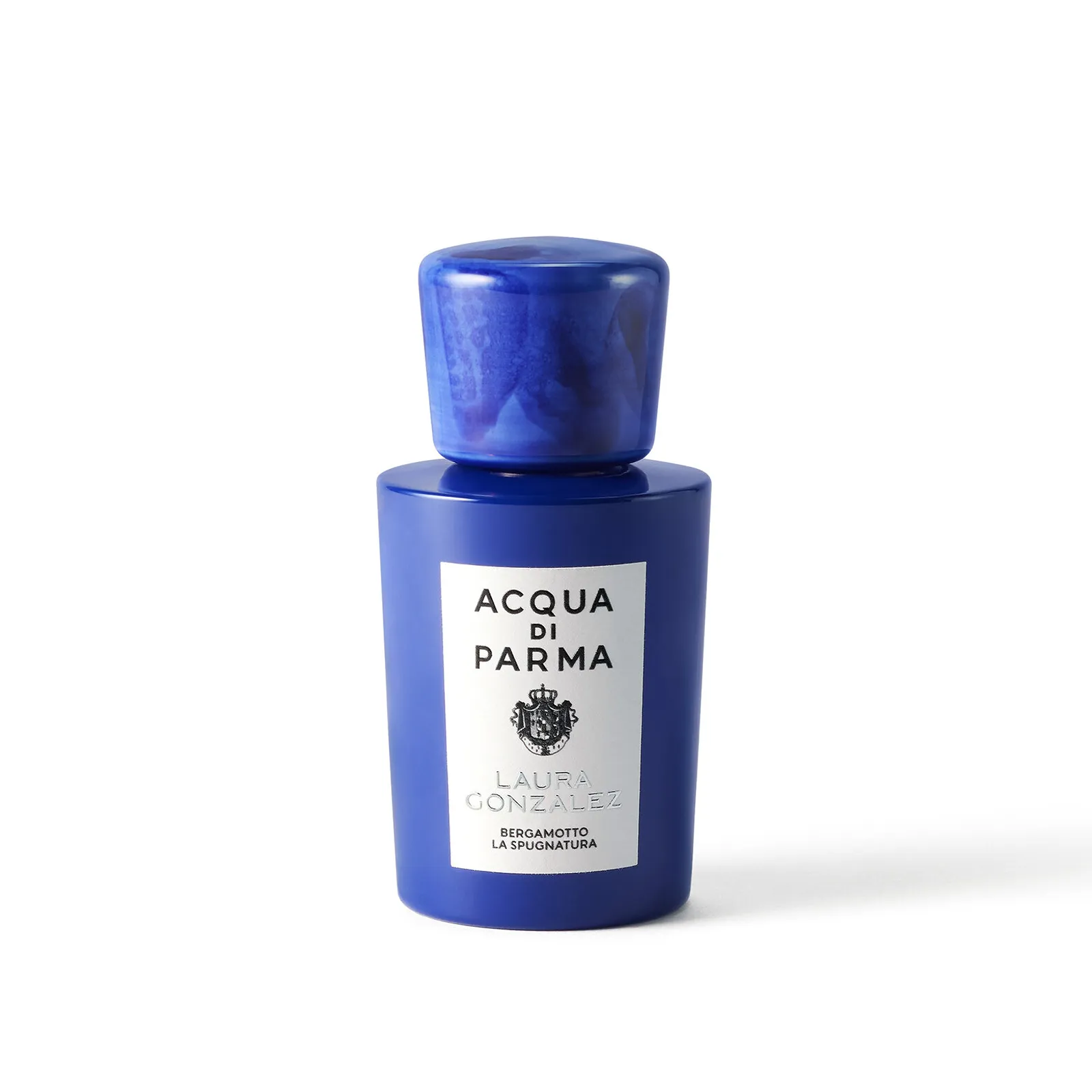
Among several recently launched fragrances, one ingredient appears again and again: bergamot. Calabrian bergamot, grown almost exclusively along Italy’s southern coast, is a citrus prized for its remarkable complexity. Beneath its sparkling freshness lies a floral softness and gentle bitterness.
A recent release that celebrates the ingredient is Acqua di Parma Bergamotto La Spugnatura Eau de Parfum. The fragrance is inspired by the historic spugnatura technique, in which natural sea sponges were traditionally used during the extraction of bergamot essence, preserving the fruit’s complexity. Bright bergamot leads the composition, joined by mandarin, grapefruit and bitter orange before gradually revealing cedarwood and vetiver. The result is a fragrance that mirrors the rhythm of a tropical day. Its luminous citrus opening cuts through humid air.
Hermès Musc Pallida
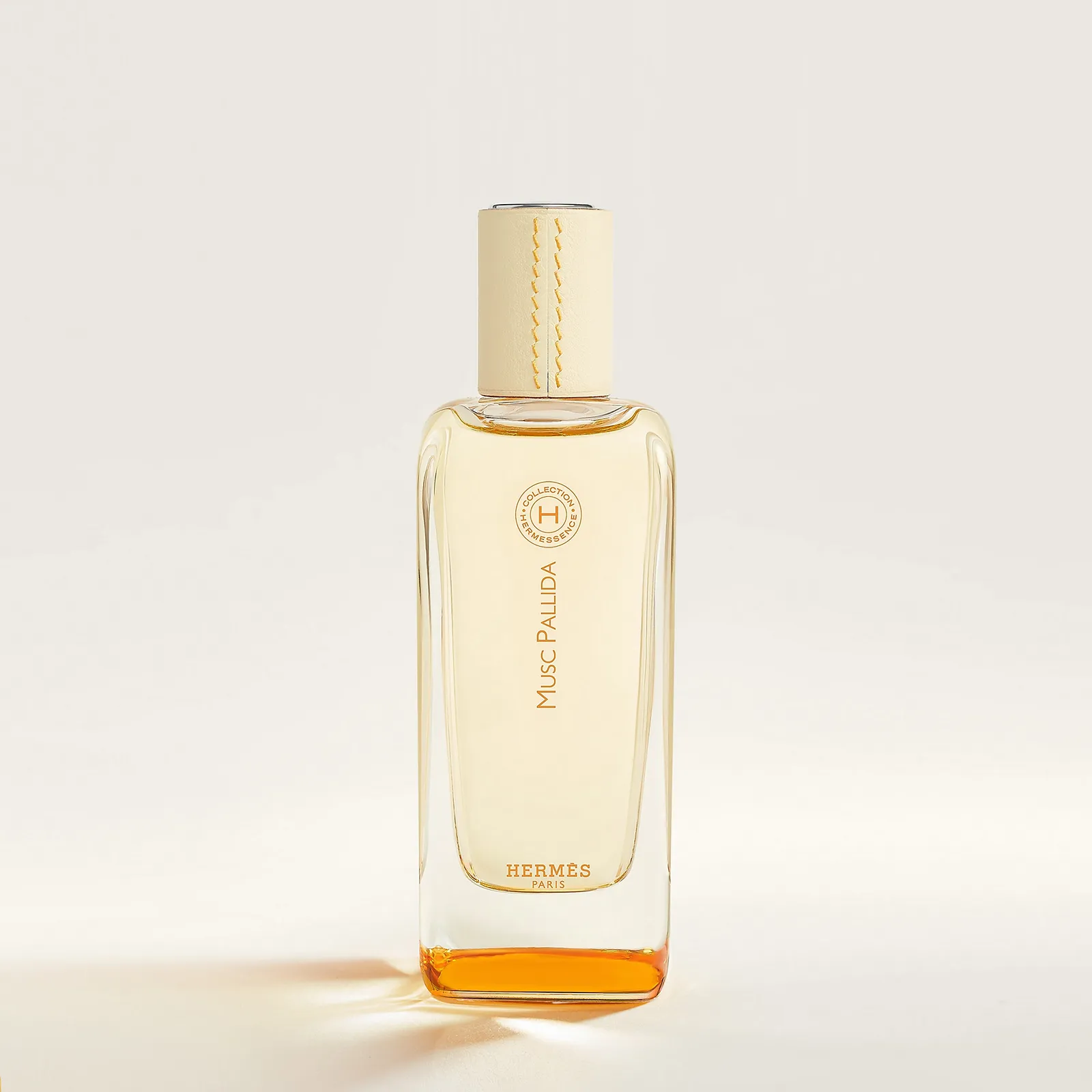
Hermès approaches freshness with different materials. Created by Christine Nagel for the Hermessence collection, Musc Pallida centers on precious iris pallida. Unlike most floral ingredients, iris perfume is extracted not from the flower but from the plant’s underground stem, which must be harvested and cured for several years before developing its prized buttery, powdery aroma. Paired with warm musk, Musc Pallida becomes a bright second-skin fragrance that demonstrates how freshness can emerge through softness and light.
Paradise Without Clichés
For years, tropical fragrances relied on predictable imagery: coconut, sugary fruits, creamy vanilla and beachside cocktails. Luxury houses are now creating more restrained interpretations.
Dior Paradise
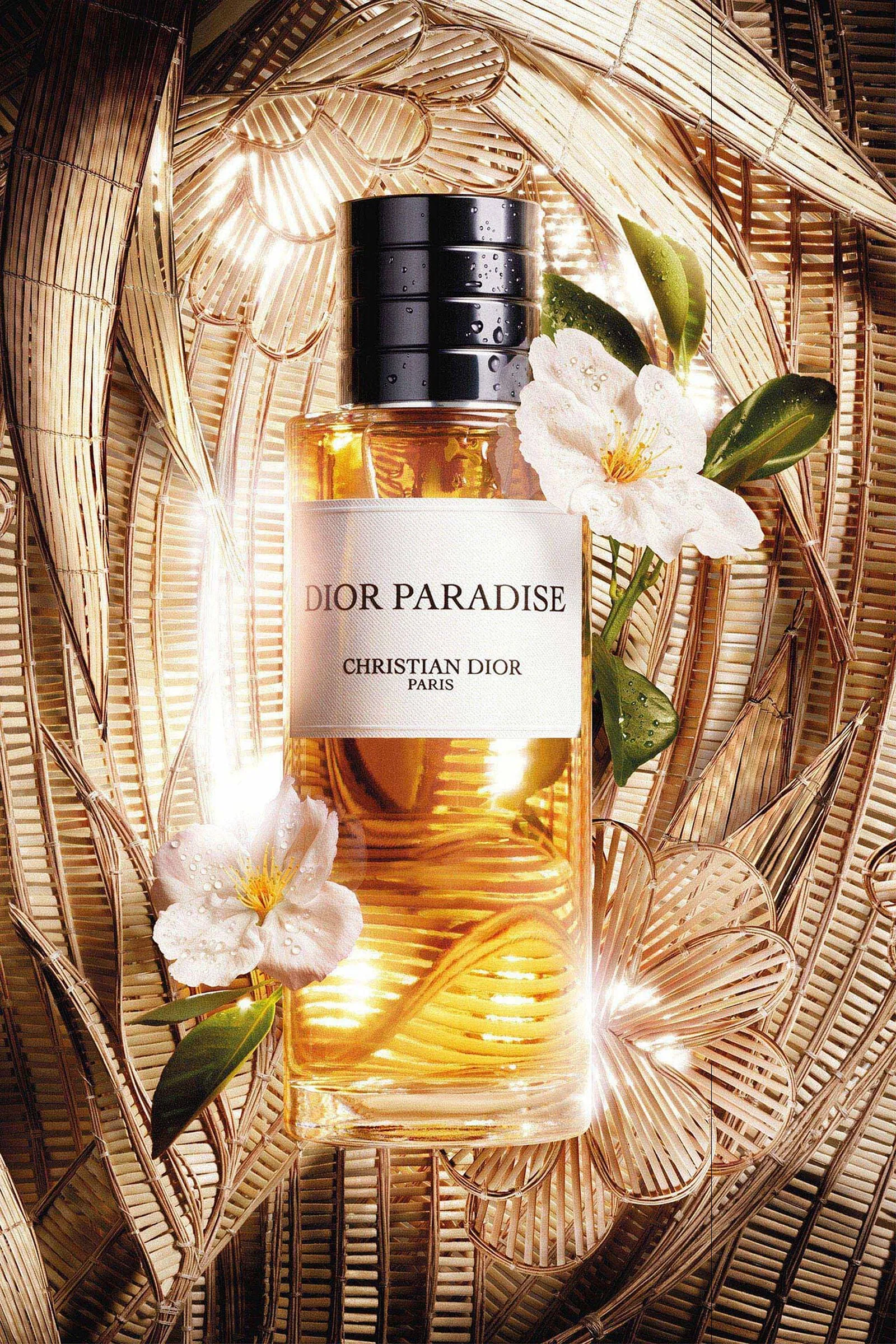
Created by Francis Kurkdjian, Dior Paradise draws inspiration from the almond groves surrounding Château de La Colle Noire in Provence. Radiant mandarin meets bittersweet almond before unfolding into a fresh woody fragrance softened by tonka bean. Rather than relying on sweetness, it captures the warmth of southern France.
Chanel Chance Eau Splendide
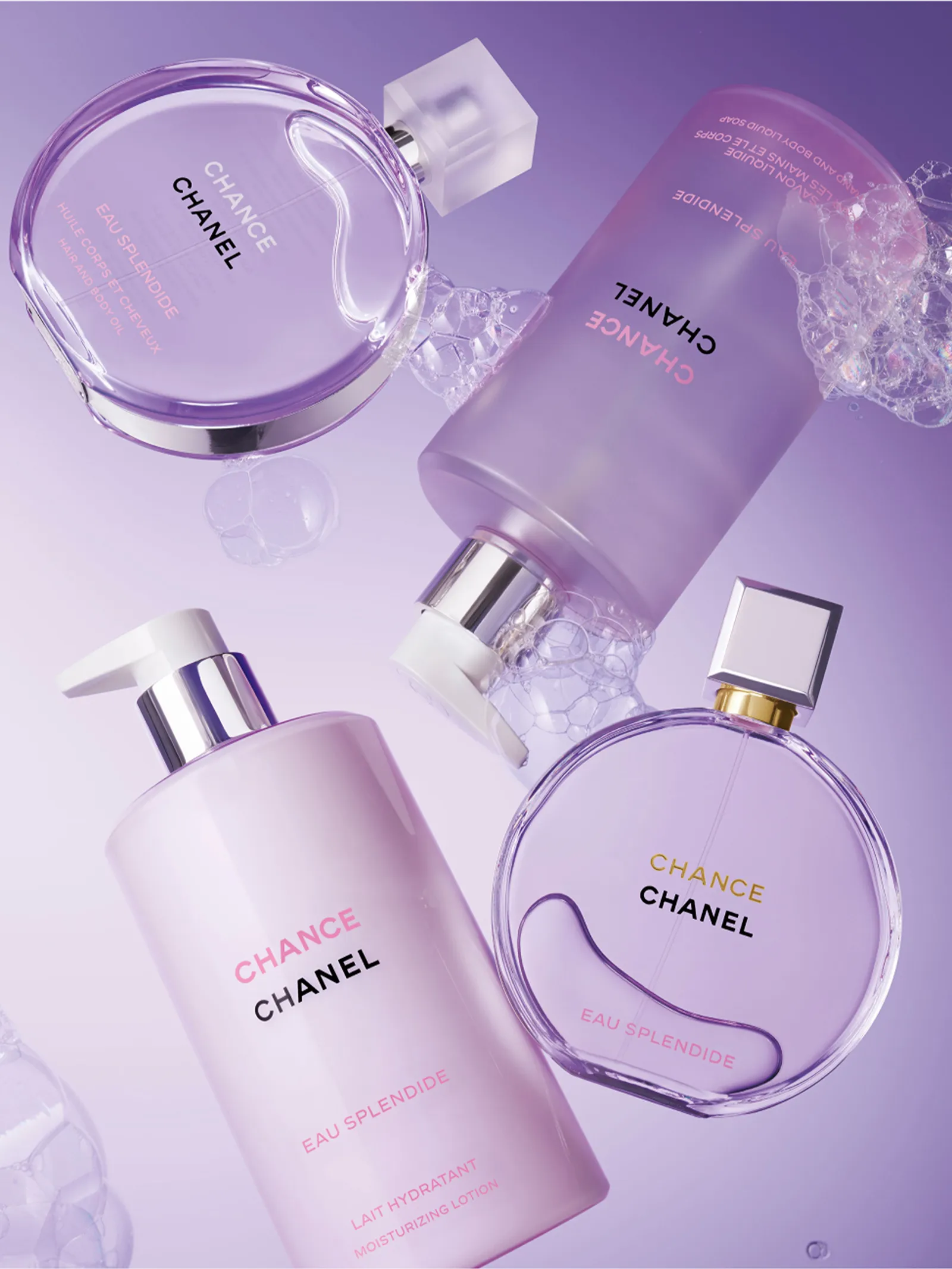
Chanel Chance Eau Splendide follows a similarly refined path. Olivier Polge opens the fragrance with vibrant raspberry before revealing rose geranium cultivated in Chanel’s own fields in Grasse, supported by powdery iris, cedarwood and white musk.
The Luxury of Transparency
Diptyque Orphéon
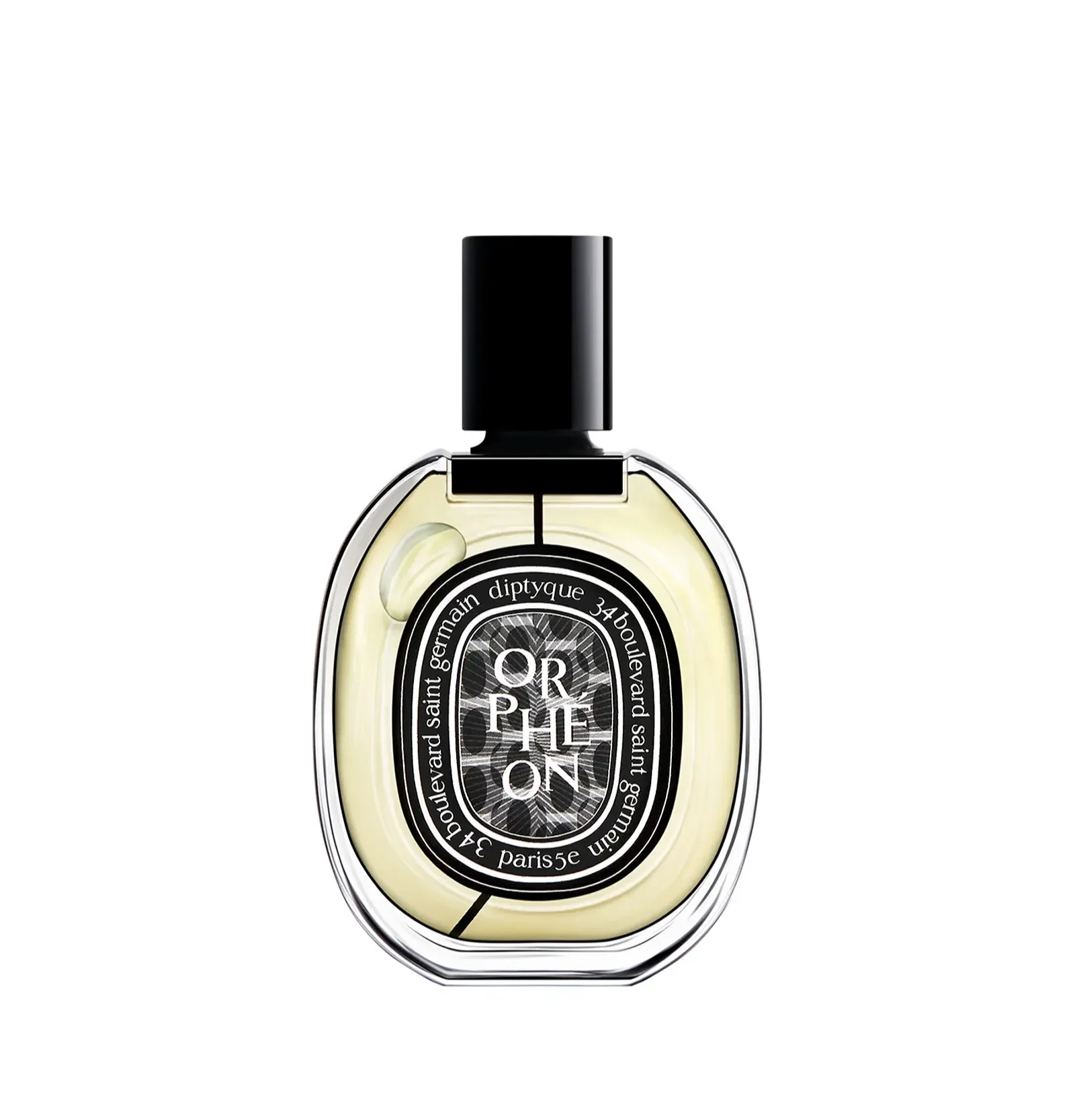
Perhaps the most influential trend in niche perfumery is the growing appreciation for more subtle fragrances, such as Diptyque Orphéon. Inspired by the legendary Paris jazz bar that once stood beside the maison’s original boutique, it combines juniper berry, cedarwood, jasmine and tonka bean into a fragrance that feels intimate and quietly nostalgic.
Byredo Blanche Absolu
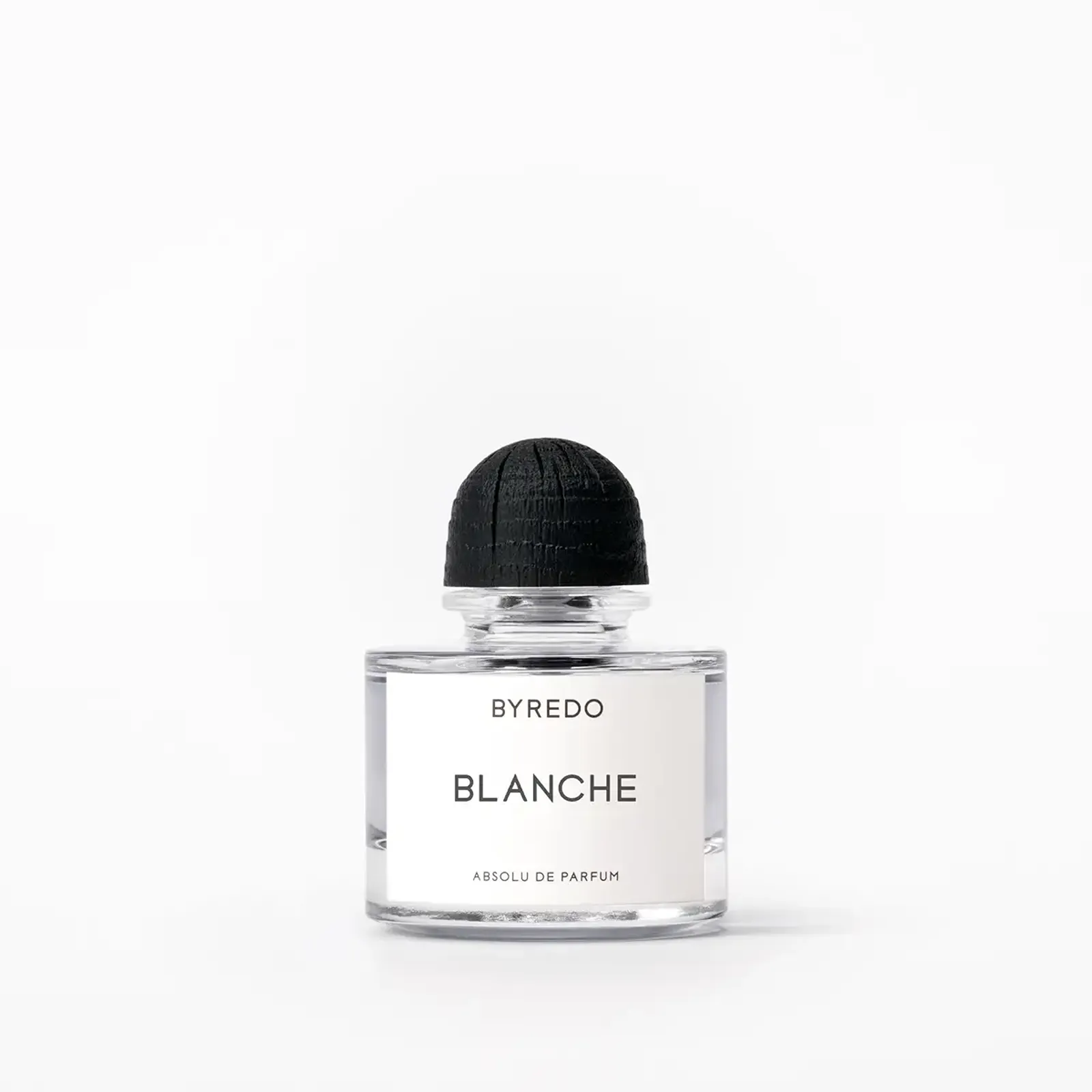
That same understatedness defines Byredo Blanche Absolu. Aldehydes, neroli, rose absolute, violet, soft musks, cashmere woods and ambroxan create the impression of impeccably laundered linen rather than conventional perfume. In the Philippines, where heavy fragrances can quickly become oppressive, its effortless cleanliness feels particularly well-suited.
Freshness with Character
One lingering misconception is that fresh fragrances lack depth. Creations from Louis Vuitton and Creed prove otherwise.
Louis Vuitton eLVes
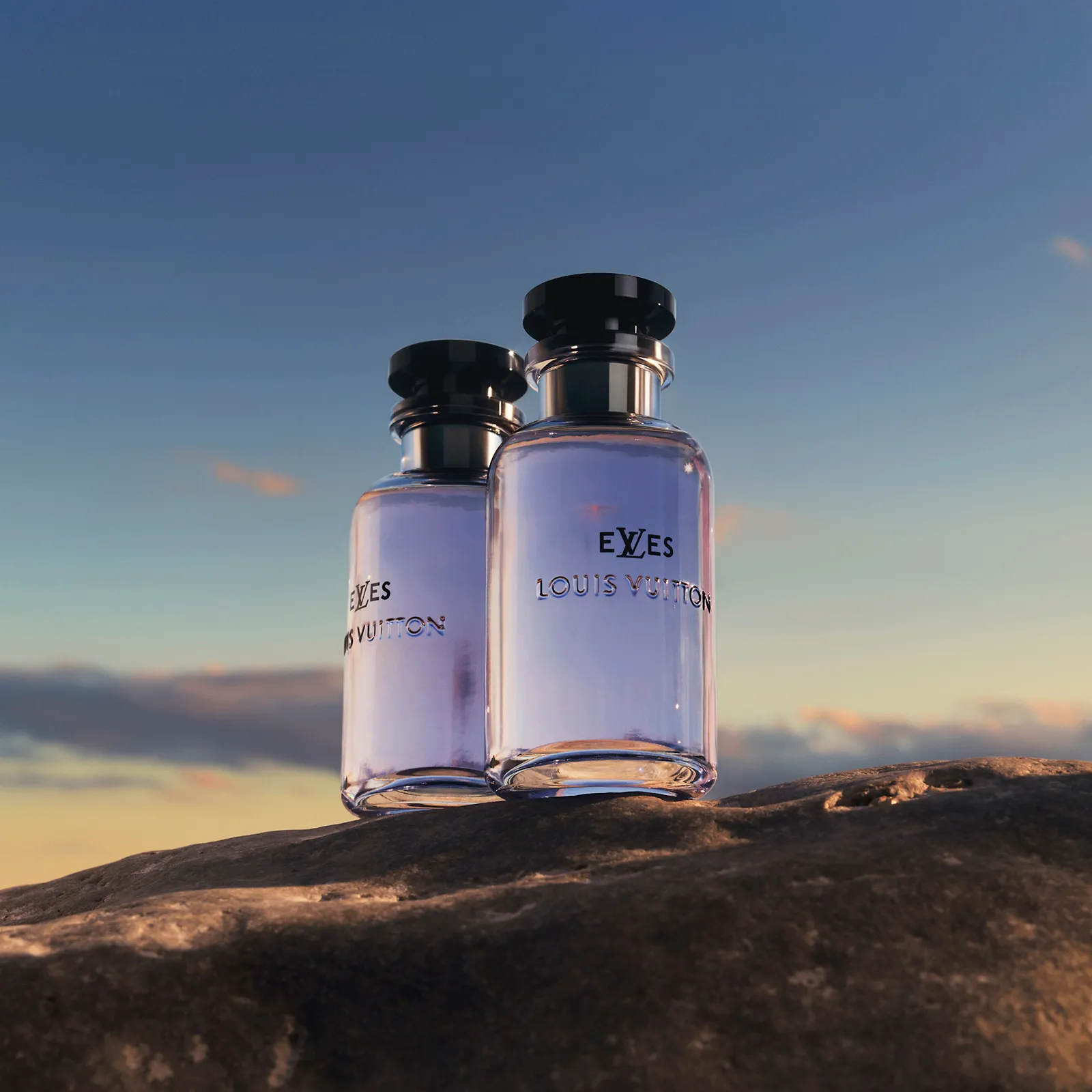
Introduced in 2025, eLVes remains one of Louis Vuitton’s most coveted fragrances. Created by Jacques Cavallier-Belletrud, it centers on Centifolia rose from Grasse, brightened by lily of the valley and blackcurrant and peach nuances before settling into ambroxan and patchouli. The composition demonstrates how modern floral perfumery can remain elegant even in warm climates.
Creed Wild Vetiver
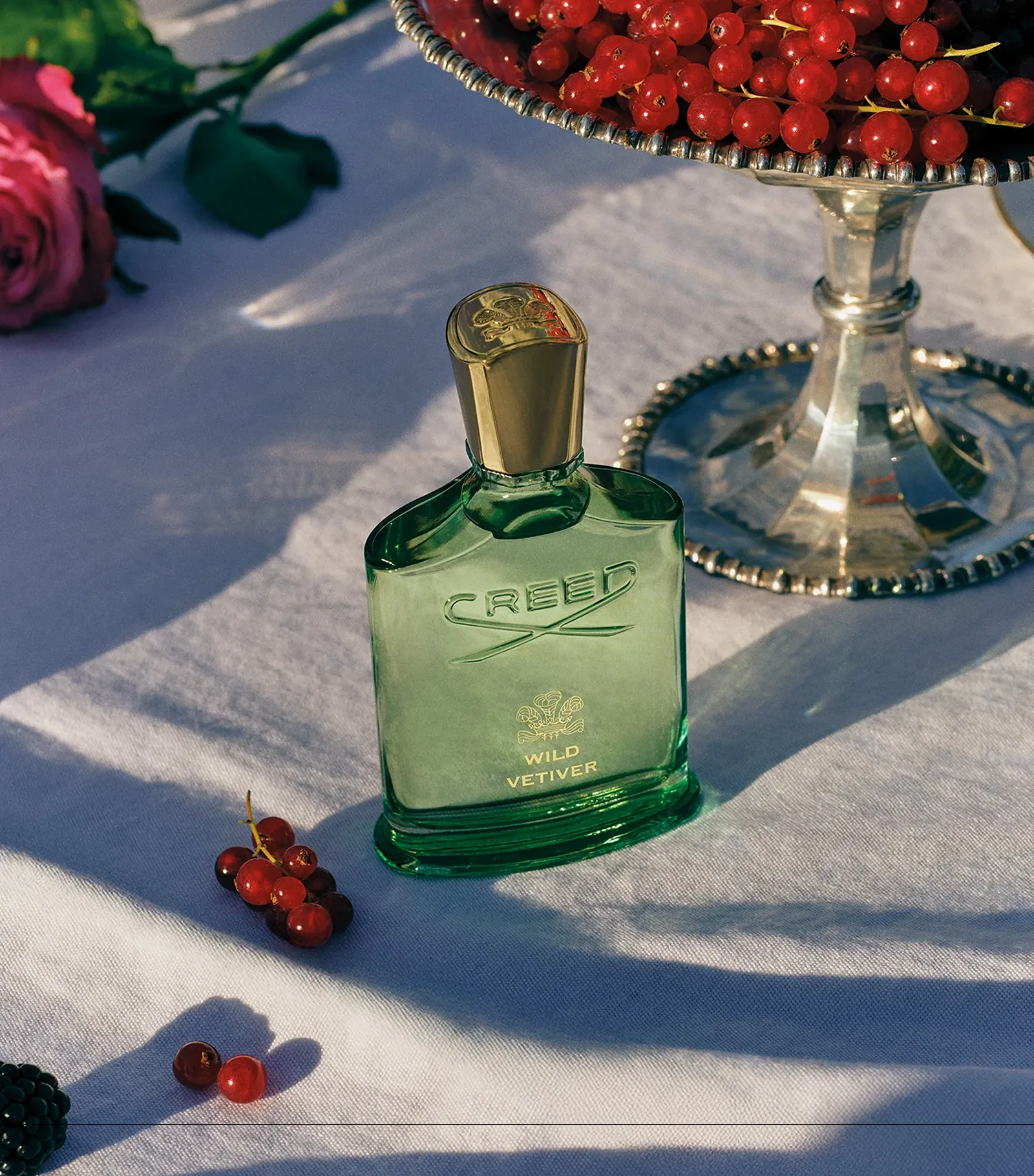
Meanwhile, Creed Wild Vetiver revisits one of perfumery’s great classic materials through bergamot, pink pepper, blackcurrant, cedarwood, sandalwood and Haitian vetiver. Vetiver possesses an unusual duality: earthy yet airy, woody yet remarkably fresh. In tropical climates, it offers the pleasure of a rich woody fragrance while maintaining an invigorating quality perfect for daytime use.
Quiet Luxury in a Bottle
Maison Francis Kurkdjian Kurky
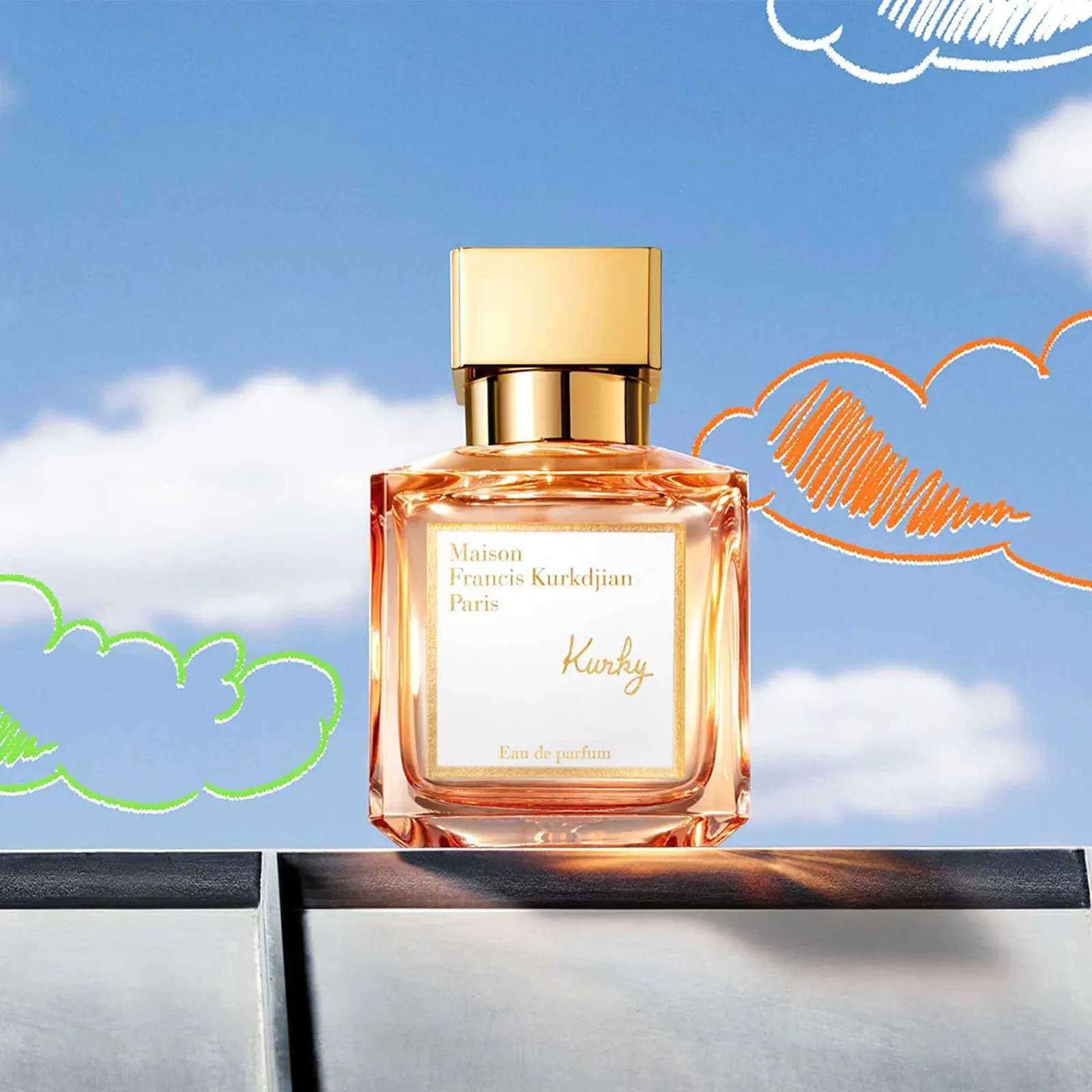
At Maison Francis Kurkdjian, Kurky wraps delicate fruity nuances in luminous musks to create a fragrance that feels almost inseparable from the wearer. Inspired by Francis Kurkdjian’s childhood memories, Kurky approaches luxury with an unexpected sense of playfulness.
Frédéric Malle Contre-Jour
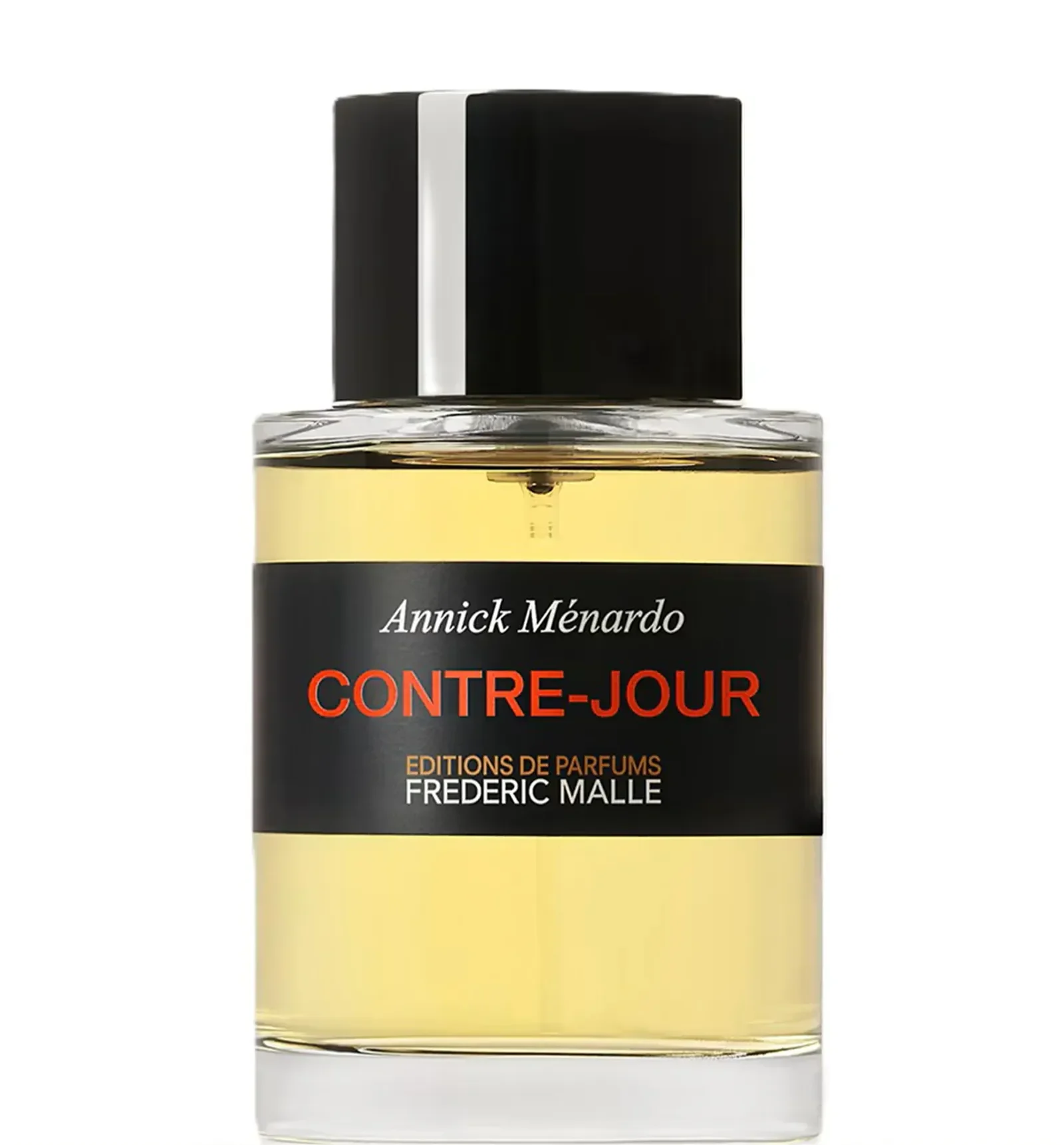
Frédéric Malle Contre-Jour, composed by the legendary Annick Menardo, arrives at a similar destination. Known for creating some of modern perfumery’s richest and most opulent compositions, Menardo exercises restraint with this fragrance. Rose absolute, everlasting flower, sandalwood and subtle spice have a warm glow yet aren’t dense. The fragrance demonstrates that richness can come through craftsmanship rather than intensity. The fragrance allows elegance even in humid conditions.
These scents reveal the state of perfumery today. Freshness is defined by exceptional raw materials and the tenet that the most memorable perfumes can leave the lightest impression. In a climate like the Philippines, the evolution is a welcome progression.
FAQs
Warm temperatures and high humidity accelerate the evaporation of top notes while making fresh citrus, green accords, airy florals, and clean musks feel brighter and more noticeable. Heavy notes such as oud, vanilla, leather, and dense amber can become richer and more enveloping in humid conditions.
Bergamot, grapefruit, mandarin, lemon, yuzu, neroli, basil, rosemary, lavender, mint, vetiver, soft woods, and transparent musks generally perform best. They remain refreshing and balanced even in tropical humidity.
Among the standout choices are Acqua di Parma Bergamotto La Spugnatura Eau de Parfum, Hermès Musc Pallida, Dior Paradise, Chanel Chance Eau Splendide, Diptyque Orphéon, Byredo Blanche Absolu, Louis Vuitton eLVes, Creed Wild Vetiver, Maison Francis Kurkdjian Kurky, and Frédéric Malle Contre-Jour.
Not necessarily. Humidity does not automatically increase longevity, but it often makes a fragrance feel more diffusive and noticeable. Heat also causes volatile notes to evaporate more quickly, changing how a perfume develops throughout the day.
Bergamot offers exceptional complexity, combining sparkling citrus freshness with subtle floral and gently bitter facets. Its versatility allows perfumers to create fragrances that feel luminous, elegant, and especially well suited to warm climates, making it a recurring ingredient in many of this season’s luxury launches.