Here’s Where Tomorrow’s Grand Slam Champions Are Made




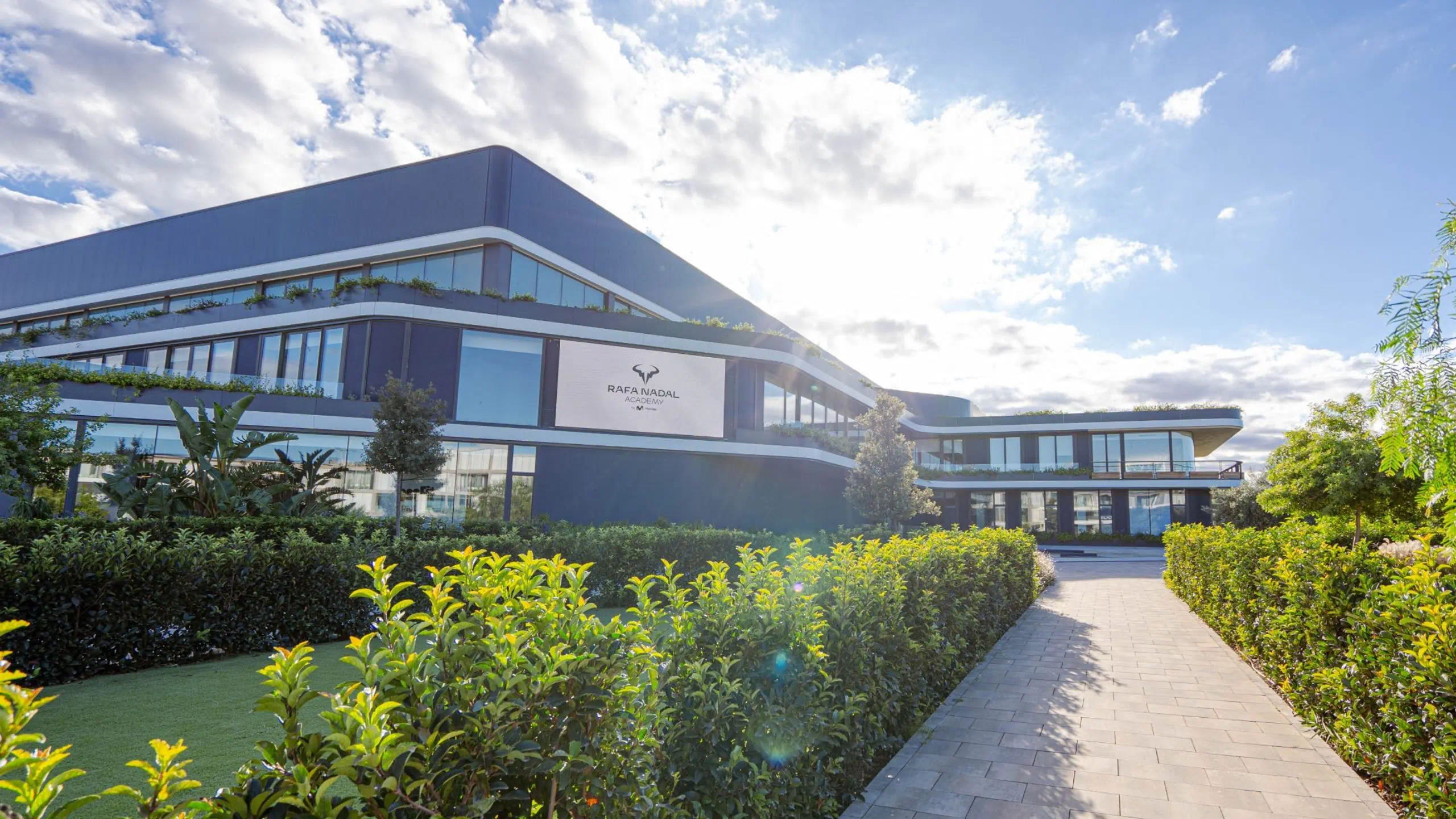
Alex Eala’s historic run at Wimbledon has done more than rewrite Philippine tennis. It has also drawn attention to the institution that helped shape her career: the Rafa Nadal Academy in Mallorca.
For those whose children aspire to the same achievement, that question naturally follows another. Where do the world’s best young tennis players train?
The answer is no longer a simple tennis academy. Today’s leading institutions resemble luxuryLuxuryA lifestyle defined by exceptional quality, craftsmanship, exclusivity, and sophistication, encompassing the finest products, services, and experiences that represent the highest standards of refinement and excellence.Go to Luxury Glossary university campuses, combining elite coaching with sports science, international education, recovery centres, nutrition laboratories, five-star accommodation, and year-round tournament schedules. Parents are investing not simply in a forehand or backhand, but in an environment designed to develop professional athletes.
Talent, resilience, and opportunity remain impossible to guarantee. But institutions like these offer something few others can: an environment where every conceivable advantage has already been built into the pursuit of excellence. Whether every student reaches the ATP or WTA Tour is beside the point. These academies have become destinations where excellence itself is the curriculum.
Rafa Nadal Academy by Movistar (Mallorca, Spain)
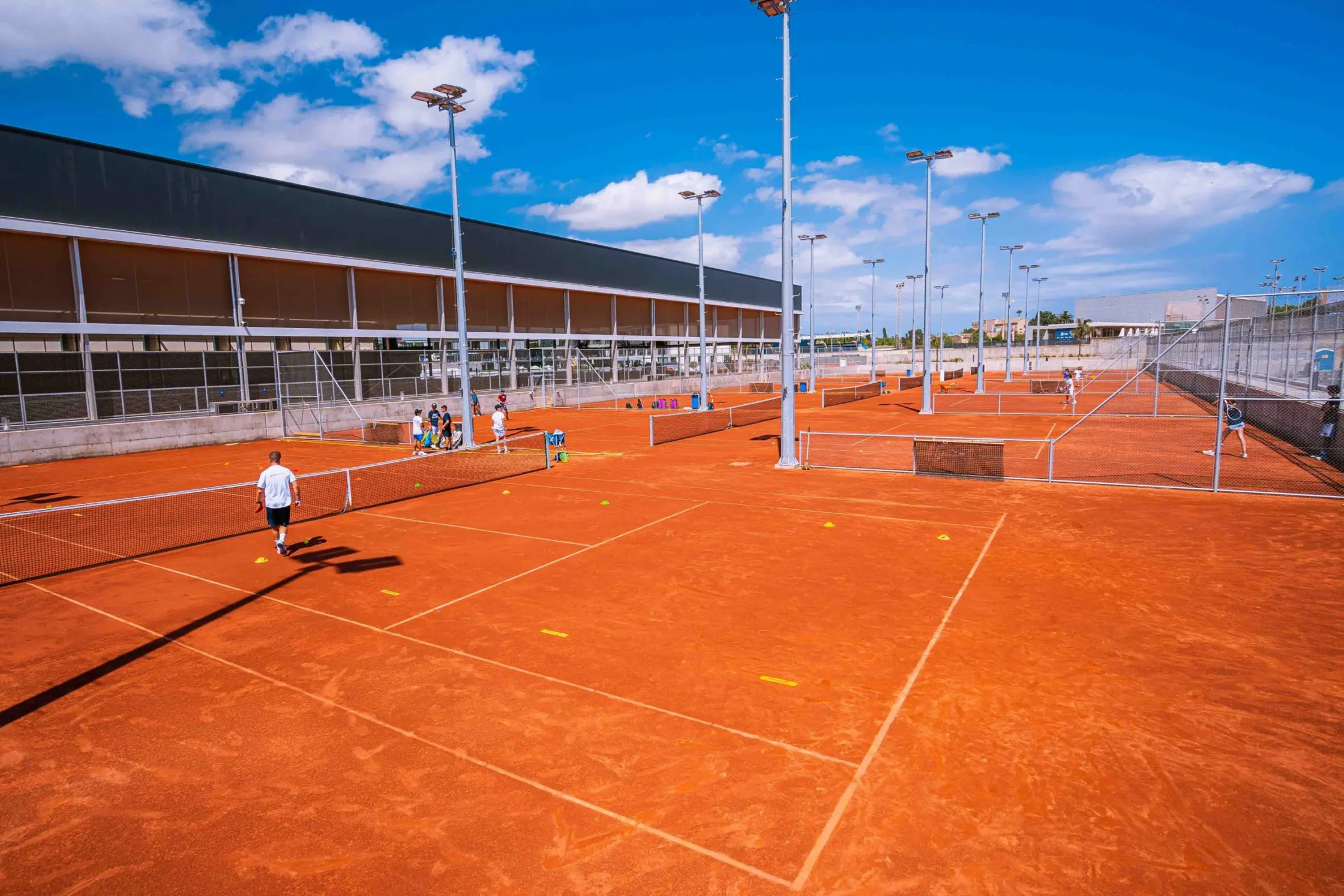
No academy has received more attention recently than Rafael Nadal’s campus on the island of Mallorca.
Founded in 2016 beside Nadal’s hometown of Manacor, the academy has quickly become one of the world’s most sought-after destinations for junior tennis. Alex Eala is among its most distinguished graduates, having trained there from the age of 13 before embarking on her rise through professional tennis.
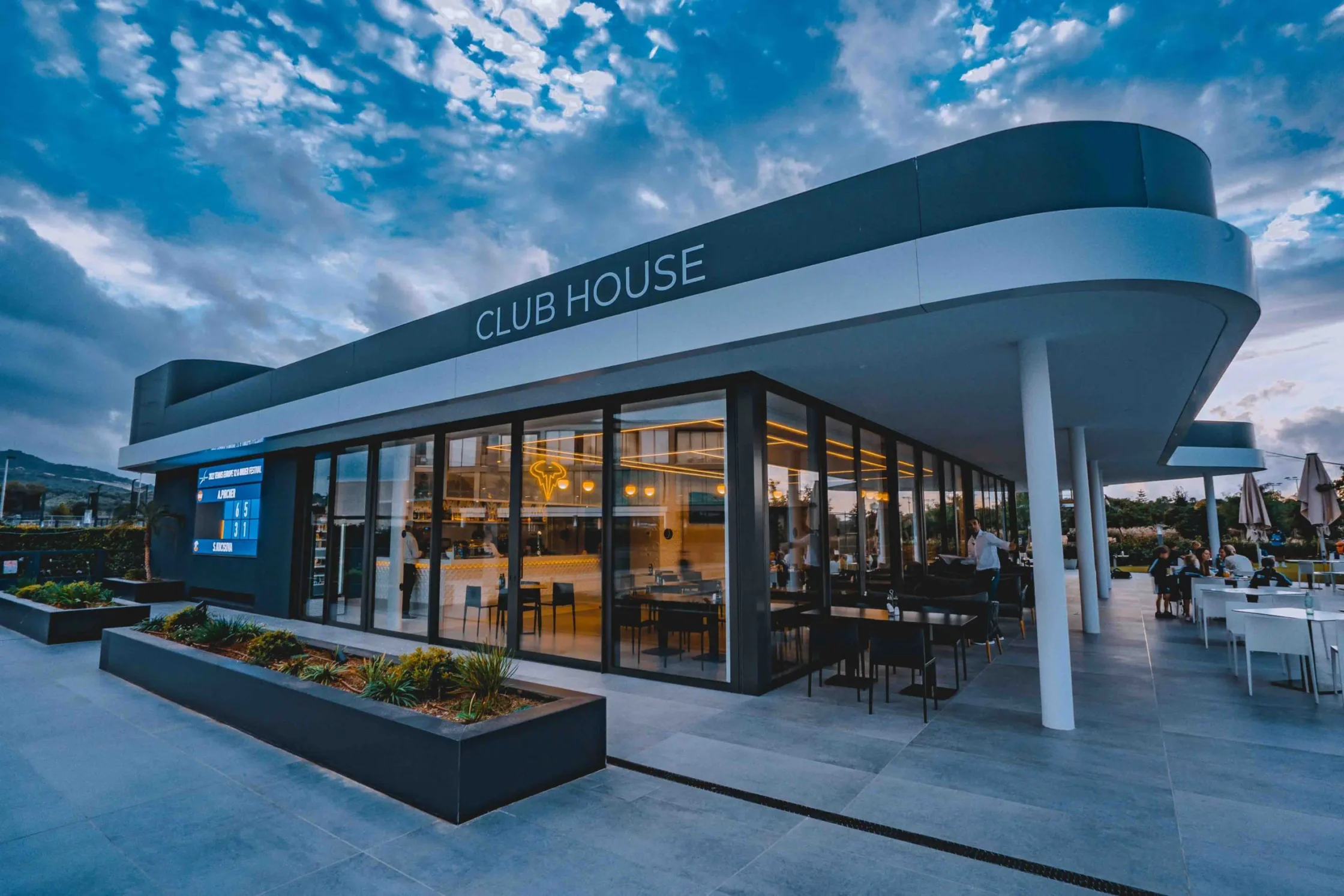
The campus reflects Nadal’s own philosophy. Discipline and humility receive as much attention as technical development. More than 45 courts—including clay, hard, and indoor surfaces—sit alongside a high-performance gym, sports medicine clinic, recovery centre, and an international school offering the International Baccalaureate curriculum.
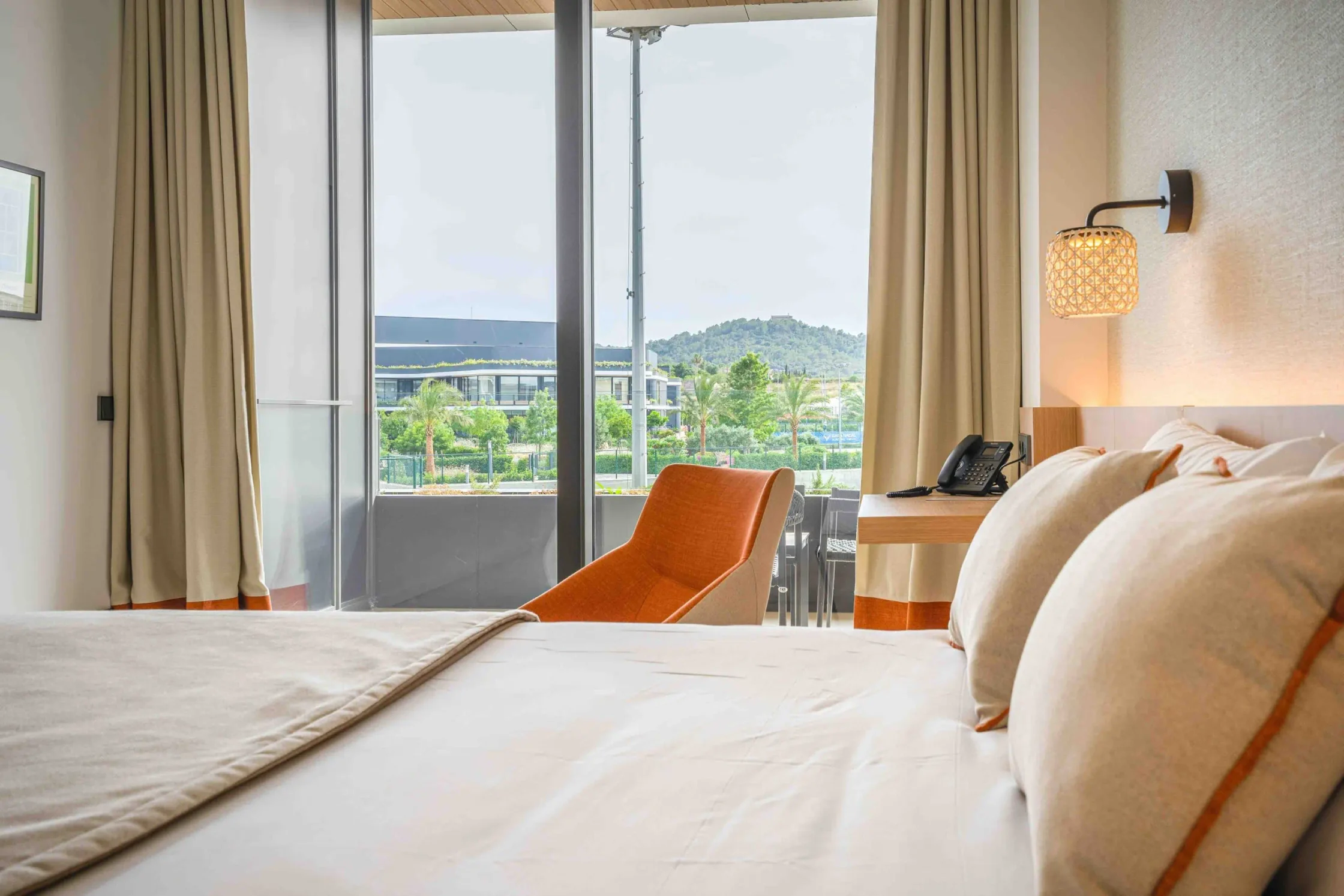
Parents need not stay elsewhere. The adjacent Rafa Nadal Residence provides hotel accommodation, restaurants, wellness facilities, and access to the Rafa Nadal Museum.
Annual boarding programmes typically range from €55,000 to €70,000, while intensive summer camps generally begin at around €2,000 per week, depending on programme length. They have camps for adults, too.
More information here.
Mouratoglou Tennis Academy (Biot, French Riviera, France)
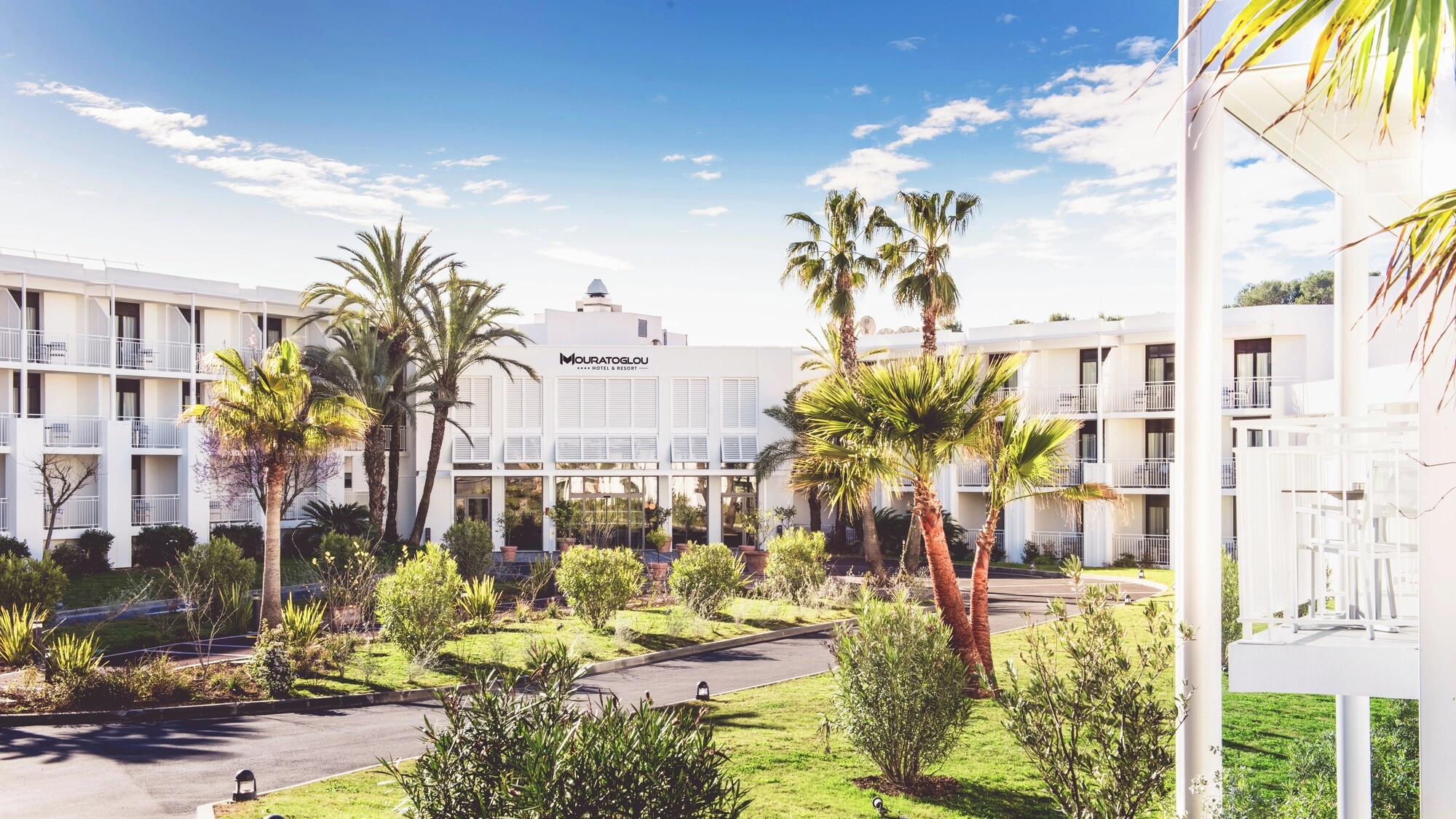
If Nadal’s academy reflects discipline, Patrick Mouratoglou’s campus embodies technology.
The academy, founded by the coach who guided Serena Williams to 10 Grand Slam titles, sits minutes from Nice on the Côte d’Azur and combines professional tennis development with resort-style hospitality.
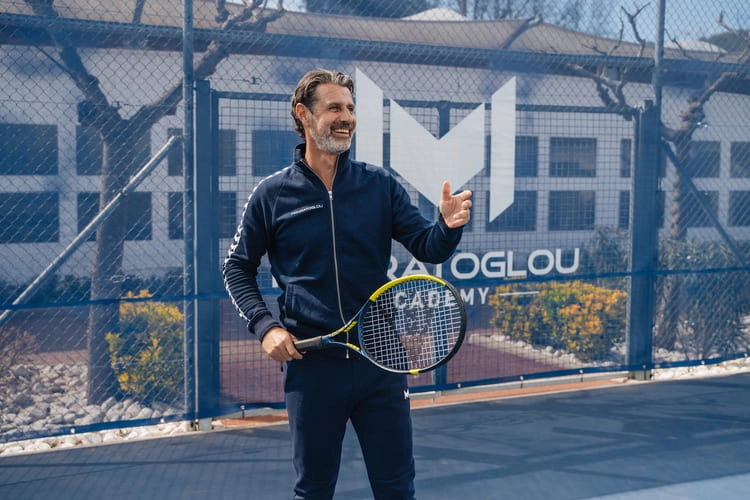
Students train using biomechanical analysis, performance tracking, sports psychology, recovery programmes, and customised nutrition. The campus also includes the Mouratoglou Hotel & Resort, allowing families to remain on site while children train.
Boarding tuition generally falls between €45,000 and €65,000 annually, while week-long camps typically start around €2,000.
More information here.
IMG Academy (Bradenton, Florida, U.S.A.)
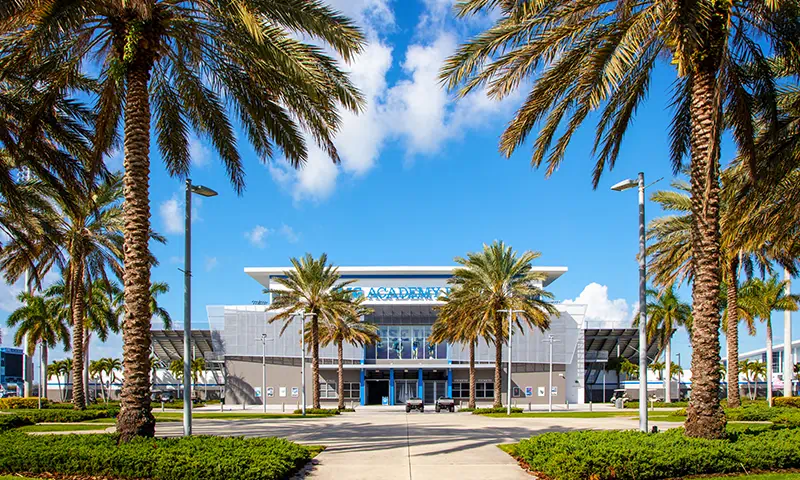
If there is a Harvard of sports academies, IMG is arguably it.
Its alumni include Maria Sharapova, Kei Nishikori, Tommy Haas, and countless professional athletes across multiple sports.
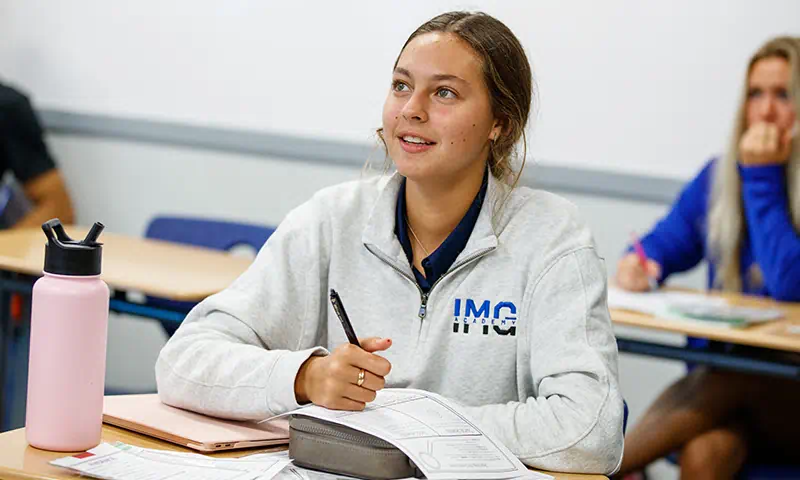
The scale is extraordinary. Tennis sits within a campus that also develops golfers, footballers, basketball players, baseball prospects, and Olympic athletes. Students receive academic instruction alongside physical conditioning, biomechanics, nutrition, leadership coaching, and mental performance training.
Annual tuition with boarding can exceed US$90,000, placing it among the world’s most expensive sports academies.
More information here.
Juan Carlos Ferrero Equelite Sport Academy (Villena, Spain)
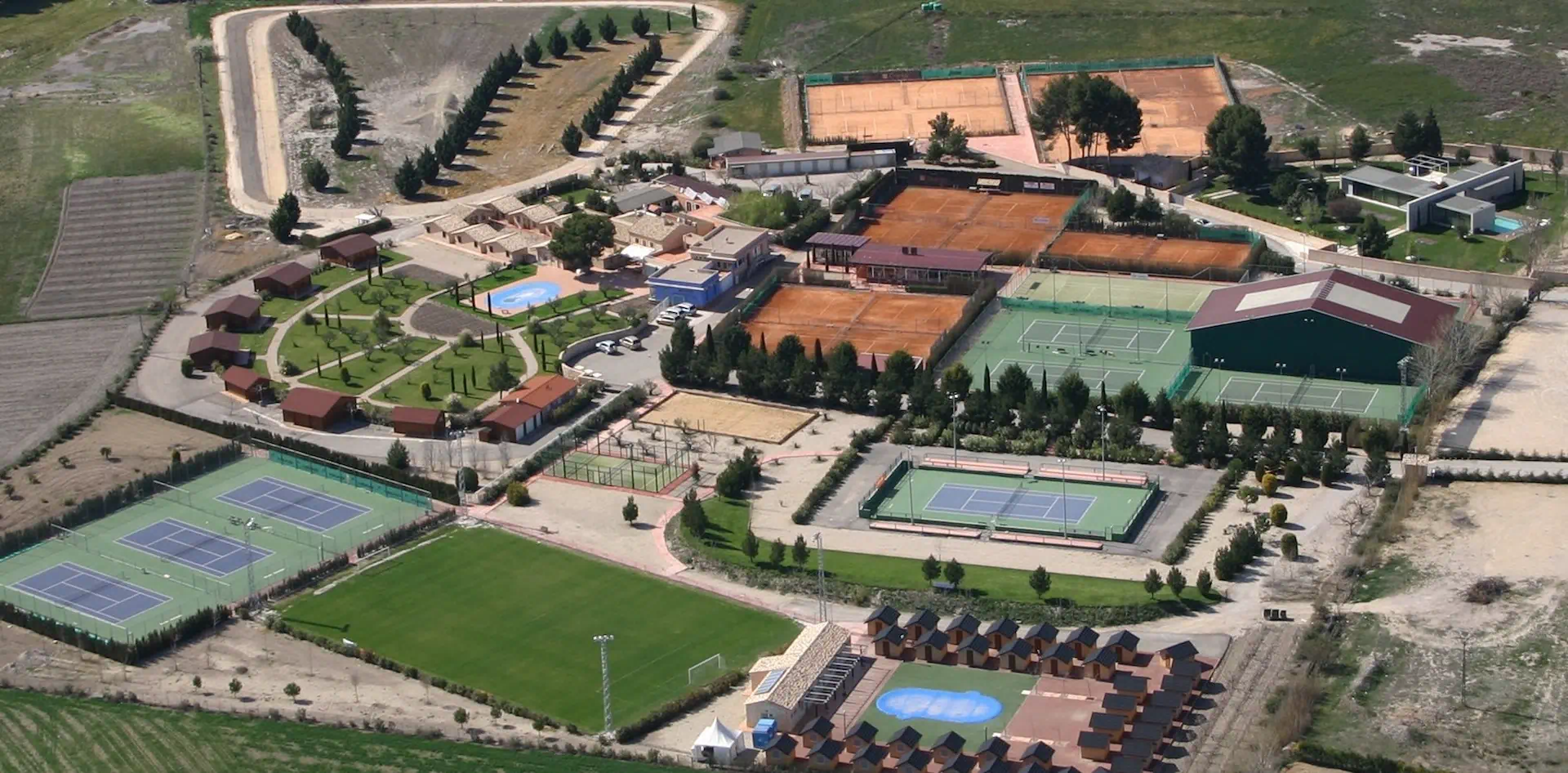
Carlos Alcaraz’s rise has brought renewed attention to the academy founded by former world No. 1 Juan Carlos Ferrero.
Smaller than many competitors, Equelite focuses on highly individualised coaching with an emphasis on clay-court development, tactical intelligence, and physical preparation.
Boarding programmes generally range between €40,000 and €60,000 annually, depending on age and training intensity.
More information here.
Piatti Tennis Center (Bordighera, Italy)
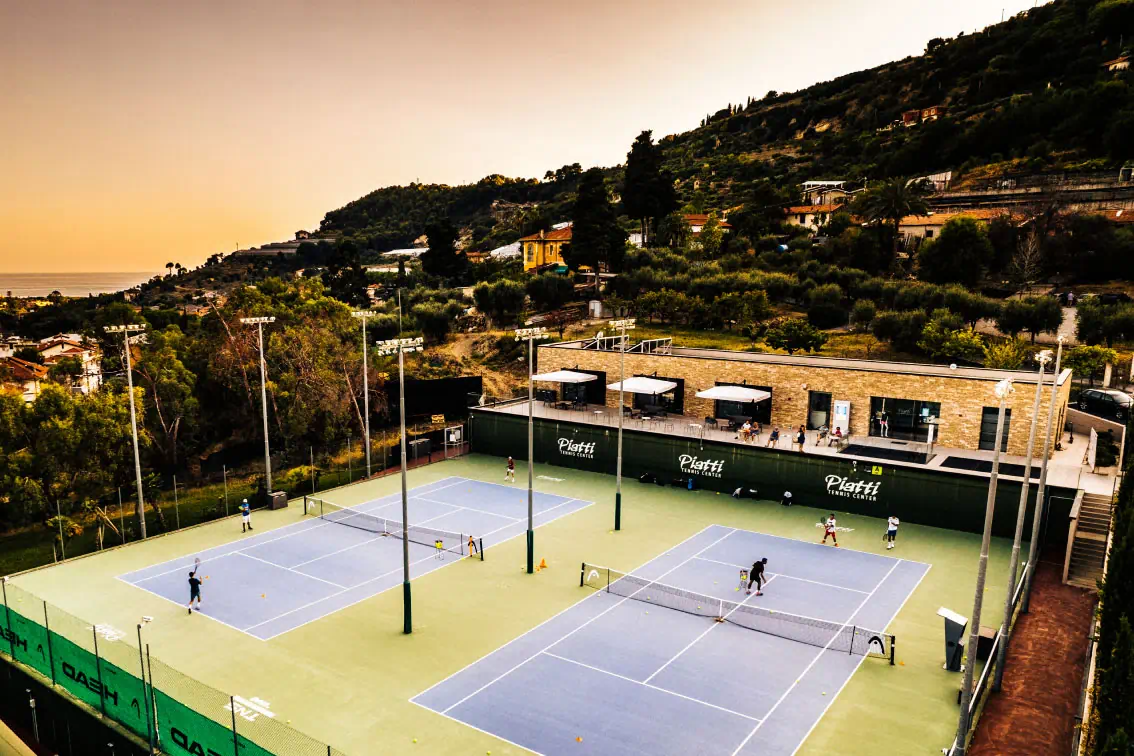
Long before Jannik Sinner became world No. 1, he developed under Riccardo Piatti’s guidance.
The Piatti Tennis Center has earned an international reputation for its analytical approach to player development, combining technical coaching with data analysis, physiotherapy, strength training, and performance diagnostics.
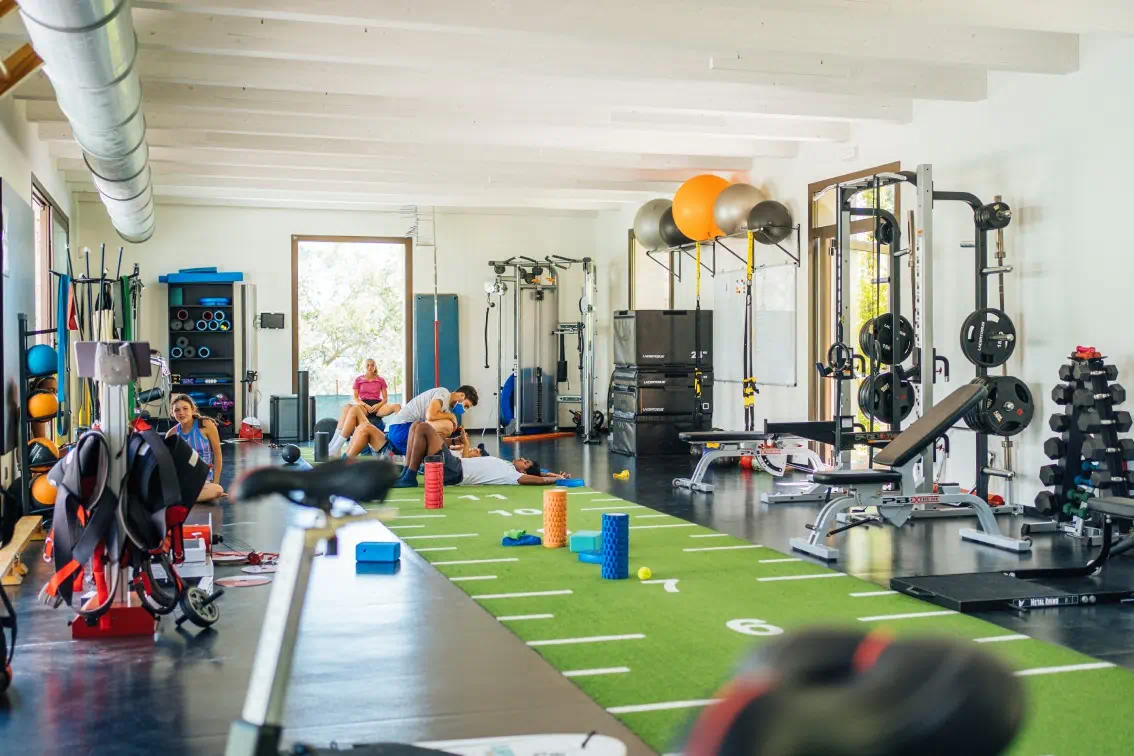
Rather than relying on scale, Piatti has built its reputation on precision.
More information here.
Sánchez-Casal Academy (Barcelona, Spain)
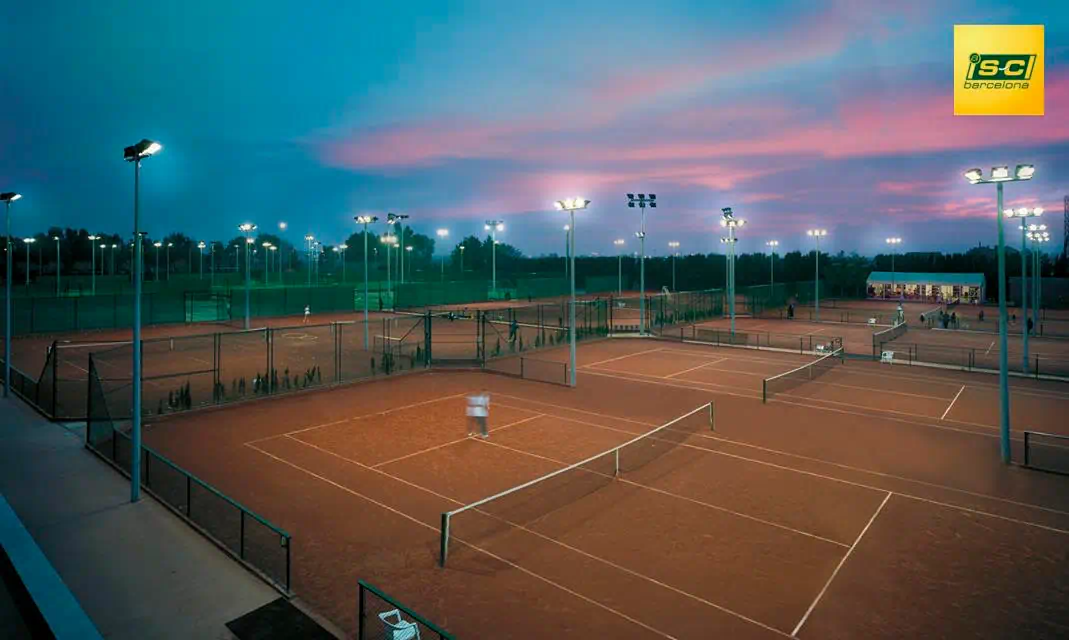
Few academies possess Sánchez-Casal’s history.
Founded by former Spanish professionals Emilio Sánchez and Sergio Casal, the academy has helped develop generations of professionals, including Andy Murray, Svetlana Kuznetsova, Grigor Dimitrov, and Daniela Hantuchová.
Its emphasis remains balanced development, integrating academics with elite tennis instruction. They also have a campus in Florida.
More information here.
Chris Evert Tennis Academy (Boca Raton, Florida, U.S.A.)
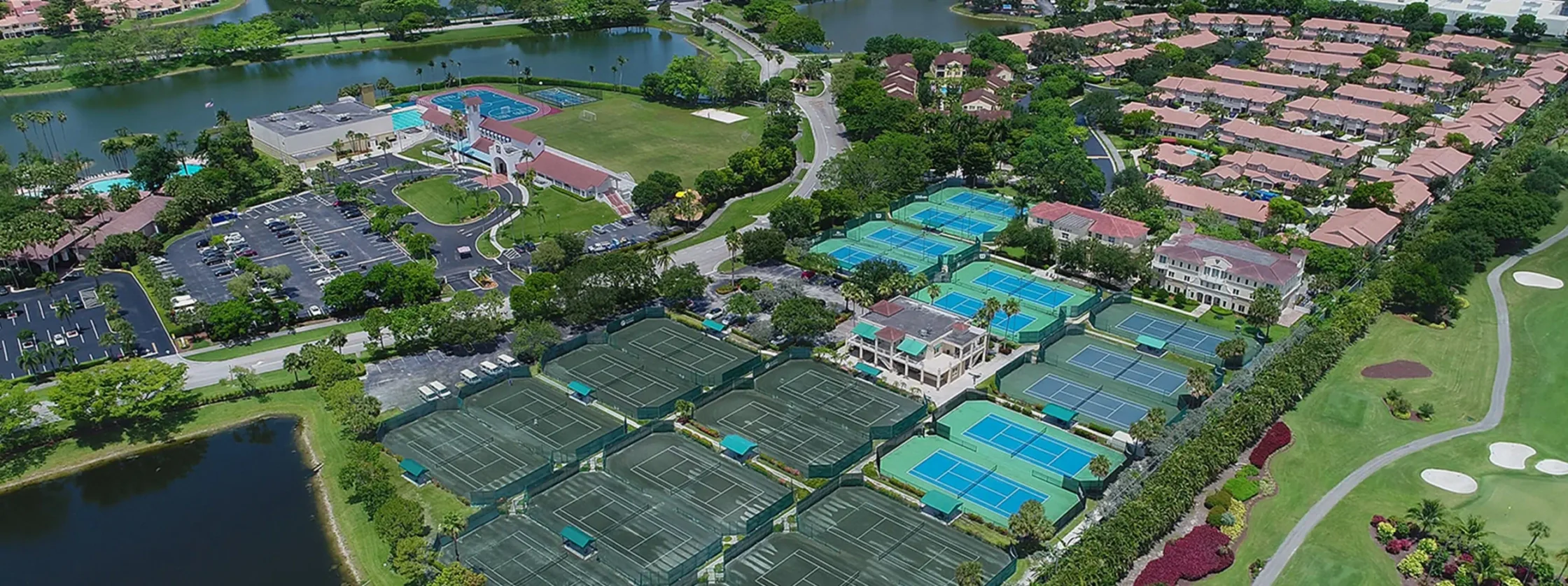
Founded by Hall of Famer Chris Evert, the academy has spent decades developing junior players through a philosophy centred on technical fundamentals, discipline, and match play.
Its long-standing reputation continues to attract American and international juniors pursuing collegiate or professional tennis.
More information here.