When Did Dinner Become a Serious Commitment?




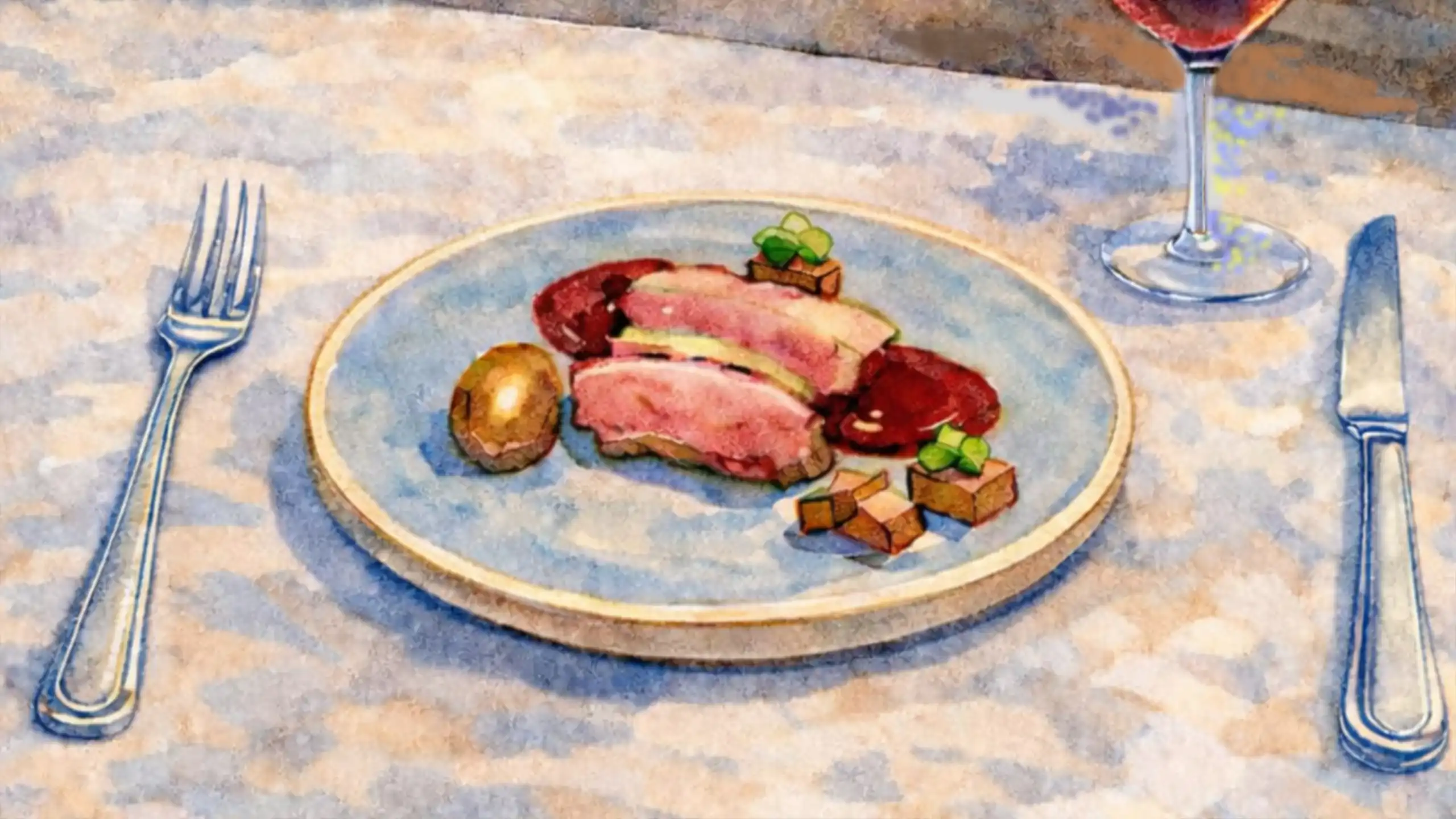
There was a time, not too long ago, when I happily signed up for tasting menus the way some people sign up for marathons: with optimism, curiosity, and a slightly questionable understanding of what lay ahead. I didn’t just want dinner, I wanted an experience, a journey. I wanted to surrender to the procession of bites, broths, foams, and culinary musings. I wanted to be told a story. And for a while, it was thrilling.
But lately, I’ve noticed something shifting. Many fine-dining restaurants across the United States and Europe are pivoting away from the all-encompassing tasting menu. Even in parts of Asia, Hong Kong, notably, there’s a visible softening of the format. Restaurants that once seemed inseparable from their multi-course identities are rediscovering the appeal of à la carte.
And honestly, I understand why. Because I’ve changed too.
LuxuryLuxuryA lifestyle defined by exceptional quality, craftsmanship, exclusivity, and sophistication, encompassing the finest products, services, and experiences that represent the highest standards of refinement and excellence.Go to Luxury Glossary for me now is how I choose to spend my time, and a tasting menu is quite a commitment.
And then there’s the food. Tasting menus are often described as “light,” which feels like a technical truth rather than a lived one. Yes, each course is small. But 10 to 14 small courses or more, plus a beverage pairing that is rarely small, adds up. Somewhere around course six, I can feel my palate starting to blur. By course 12, I’m no longer tasting with enthusiasm, I’m tasting out of obligation. The final dishes, often the most intricate or meaningful, arrive when I’m already full, already saturated, already done.
At this point, I’ve learned a small trick: share the wine pairing. It helps. Slightly.
To be clear, I still see the value of tasting menus. At their best, they are the purest expression of a restaurant’s identity and are a guided journey through a chef’s philosophy, technique, and imagination. I appreciate that. I really do.
But I also feel the trade-off more acutely now. When I sit down for a tasting menu, I’m giving up control. I eat what I’m given, in the order it’s given, at the pace the kitchen decides. There’s no room for craving or for choice. Sometimes that’s exciting. Other times, it’s frustrating. There are nights when I don’t want a curated journey, I just want to eat what I feel like eating, in the amount I feel like eating, and leave when I feel like leaving.
There’s also a kind of fatigue that comes with the format. It’s expensive, time-consuming, and occasionally leans toward more spectacle than I would like. With so many courses, even the most exciting and inventive chefs risk a certain monotony. Not every dish can be a revelation, but in a tasting menu, every dish seems to carry that expectation.
And then there’s a subtler pressure I didn’t notice at first: the pressure to be a good diner. To pay attention. To react appropriately. To understand what’s being presented. I find myself nodding thoughtfully, trying to identify flavors, making sure I’m not missing the point. Dining becomes a kind of performance, where I’m not just eating. I’m participating. Appreciating. Interpreting. It’s engaging but also exhausting. Some nights, I don’t want to decode my dinner. I just want to enjoy it.
This performance extends to the table itself. A tasting menu changes the rhythm of a meal. Conversations start and stop as plates arrive and explanations begin. Someone is always being served, or cleared, or briefed on what they’re about to eat. I’ve had dinners where a story was mid-sentence when a course landed, and by the time the explanation ended, the moment had passed. The meal becomes a series of interruptions rather than a continuous shared experience. It may be immersive, but not always in the way I want.
In Manila, I can see why tasting menus are everywhere. We’re in a moment. There’s energy, ambition, and a sense that the world is watching. Chefs are in full expression mode, showcasing their ideas, their techniques, their heritage. There’s a lot of reflection drawing from memory, from culture, from personal history to present Filipino cuisine in a way that feels both deeply personal and globally relevant. It’s exciting to witness.
But sometimes I find myself wondering if we are seeing who the chefs really are, or what they think will impress. I don’t mean that cynically, but I mean it as a genuine question. Because the tasting menu, by design, can become a stage. And on that stage there’s a temptation to present a highlight reel rather than a personal story, and for me, the most memorable tasting menus are the ones that feel personal. They are not just technically impressive, but emotionally resonant. I want to understand the flavors, not just admire the technique.
I also find myself thinking about something less discussed: waste. Not in the kitchen, but at the table. I’ve had meals where I was full halfway through but kept going out of politeness, or guilt, or the sense that I should finish. And when I couldn’t, I left behind dishes I would have otherwise enjoyed under different circumstances. Generosity is such a core part of Filipino hospitality, but sometimes that generosity tips into excess. And excess, however well-intentioned, isn’t always sustainable. Sometimes more is not better, it’s just more.
Maybe this is why I find myself drawn to restaurants experimenting with hybrid formats. Shorter tasting menus. Prix fixe options with choices. À la carte menus alongside a more structured experience. Spaces where you can decide how deeply you want to engage. It feels like a more modern kind of hospitality, one that trusts both the chef and the diner to make choices.
Because when I find a chef or a restaurant I love, I don’t want it to be a once-in-a-while experience. I want to return. I want to crave a dish and know I can come back for it. I want to bring different friends, order different things, and build a kind of familiarity over time. I want a relationship with a restaurant, not just a memory of it.
Tasting menus, for all their brilliance, make that difficult. They are inherently occasional. They turn restaurants into destinations rather than places you can fold into your regular life. And while that makes them special, it also makes them distant.
I don’t think tasting menus should disappear. They have a rightful place and I acknowledge that many people still seek out this type of experience. And when tasting menus are done well, they can be extraordinary. But I don’t think they should be the only option. Sometimes, I still want the marathon. But more often now, I just want a really good meal, on any given day, on my own terms, on my own time, and with the certainty that I can come back again soon.
This article originally appeared in Robb Report Philippines’ Food and Drink Issue, April 2026.