Turri at 100: Why the Italian Furniture House Still Matters in an Age of Fast Design




The design industry is so increasingly shaped by speed, automation, and short production cycles that the idea of furniture made to last a lifetime can feel almost radical. Italian furniture house Turri, now marking its 100th year, has built its reputation on exactly that principle. While many manufacturers have moved toward efficiency and scale, the company has held on to a slower, more deliberate way of working—one that treats furniture not as a product, but as something closer to architecture.
The brand began in 1925 in Brianza, the region of northern Italy long associated with fine woodworking and cabinetmaking. What started as a small workshop gradually developed into an international name in luxuryLuxuryA lifestyle defined by exceptional quality, craftsmanship, exclusivity, and sophistication, encompassing the finest products, services, and experiences that represent the highest standards of refinement and excellence.Go to Luxury Glossary interiors, known for supplying custom pieces for private residences, hotels, and large-scale projects around the world. Even as the company expanded, its process remained anchored in the same fundamentals: manual finishing, careful material selection, and a belief that good design should endure beyond the moment it is made.
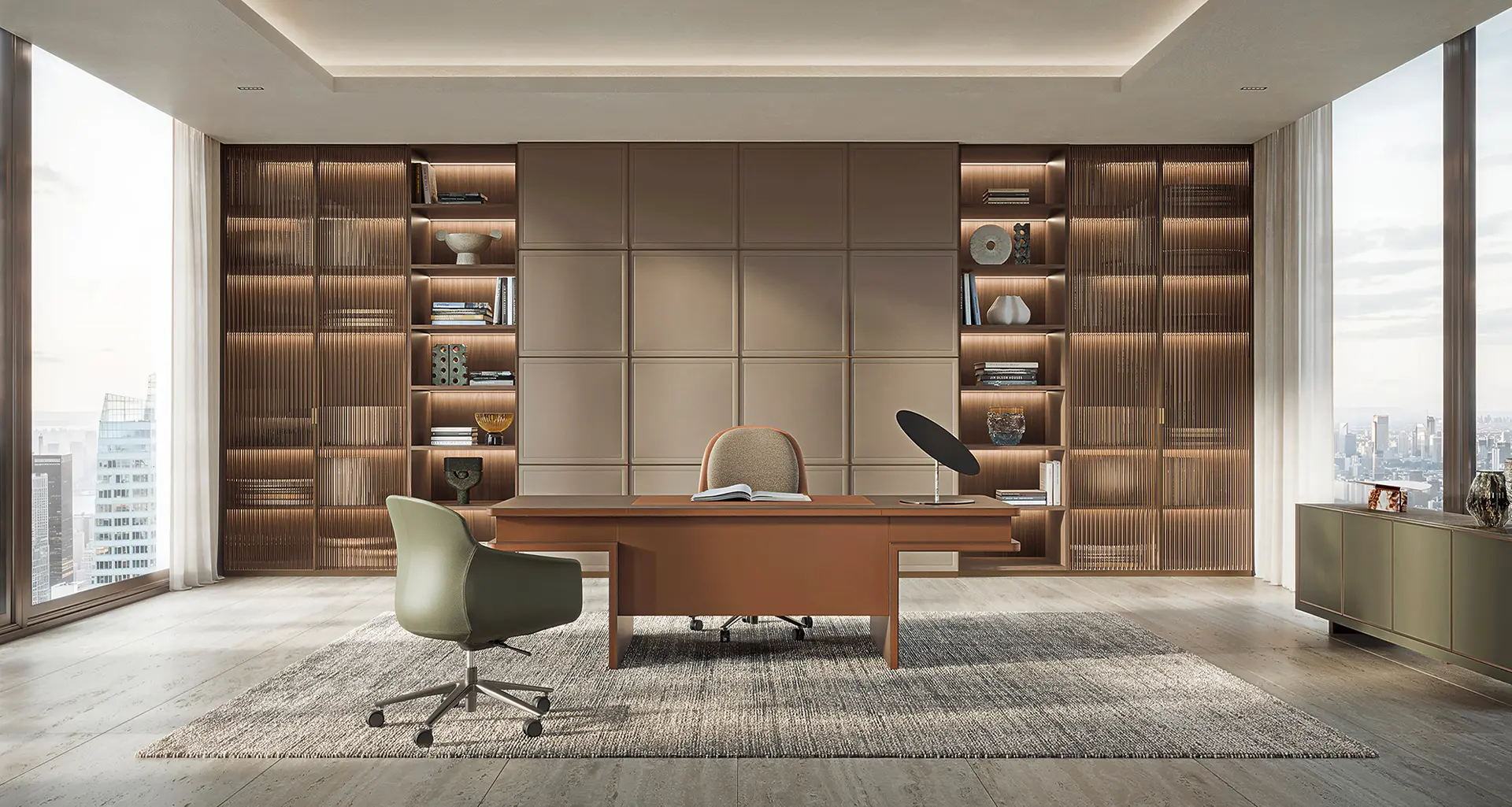
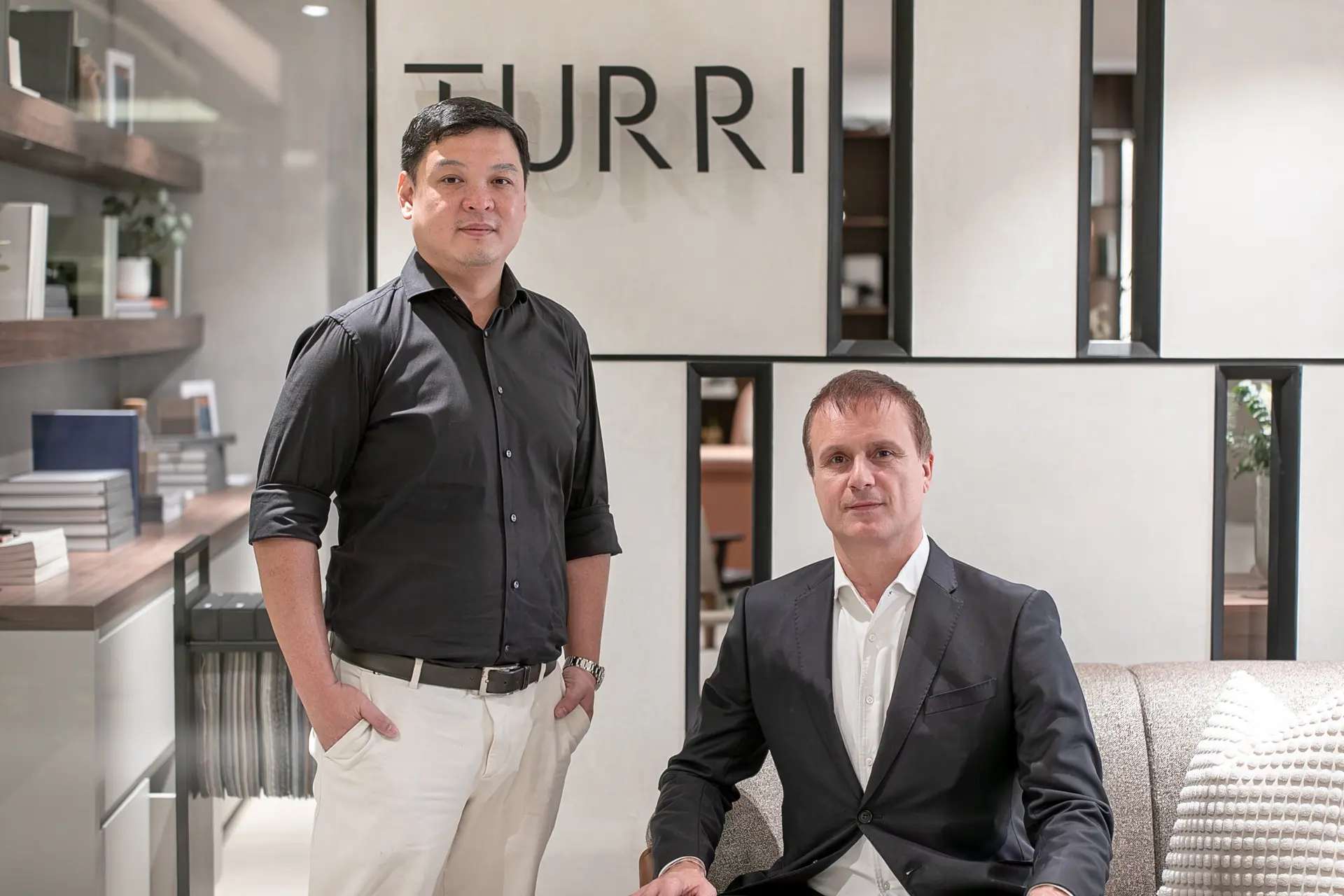
That approach often means that a piece takes far longer to develop than the finished result suggests. Designs can pass through multiple versions before reaching their final form, especially when new materials or structures are involved. Speaking about a recent collection, Turri APAC sales director Luca Meduri described how much work can happen behind what looks like a simple object.
“You see the final piece, but it took so many prototypes,” he said. “You cannot say how long, but this is the final result.”
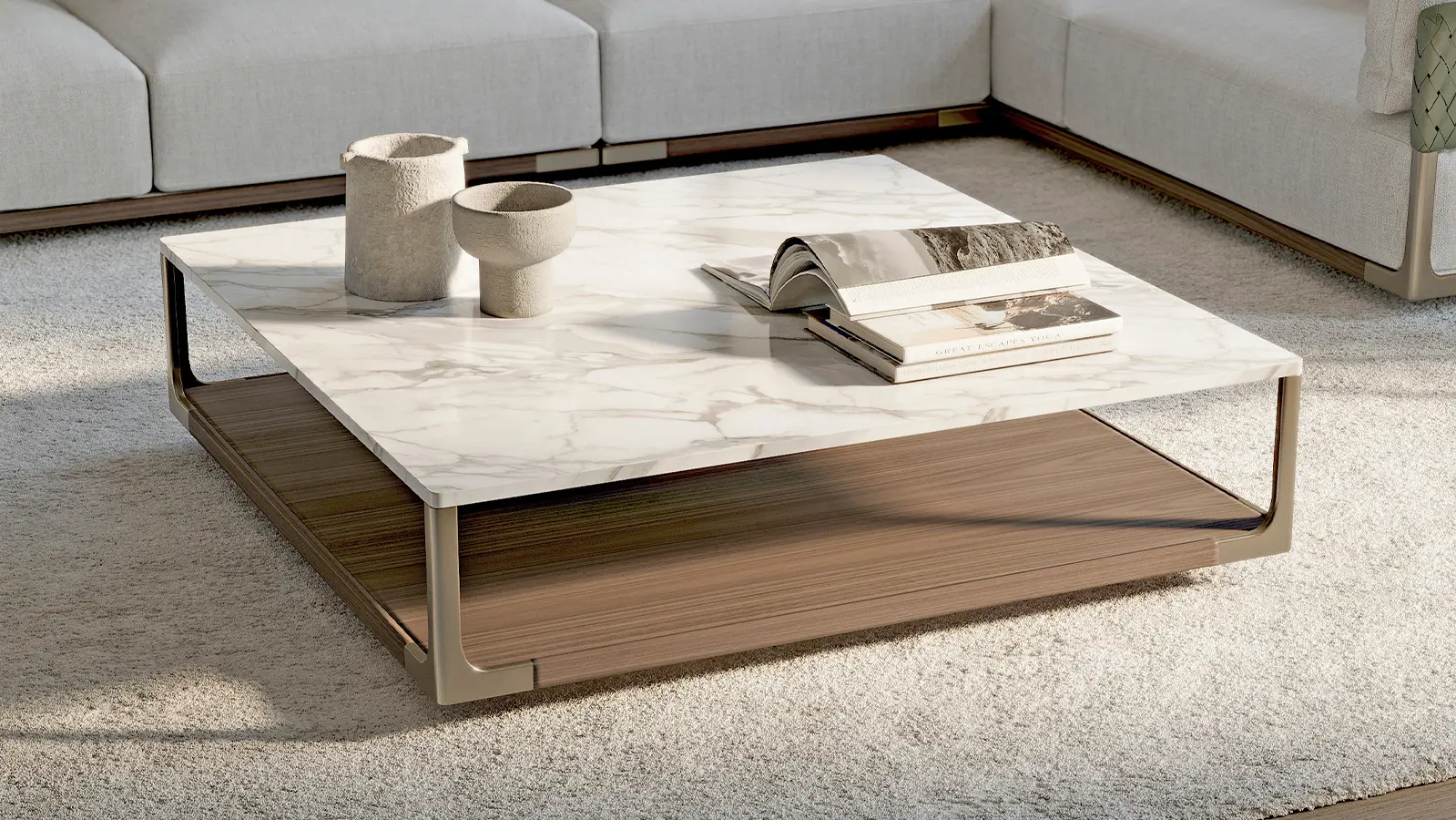
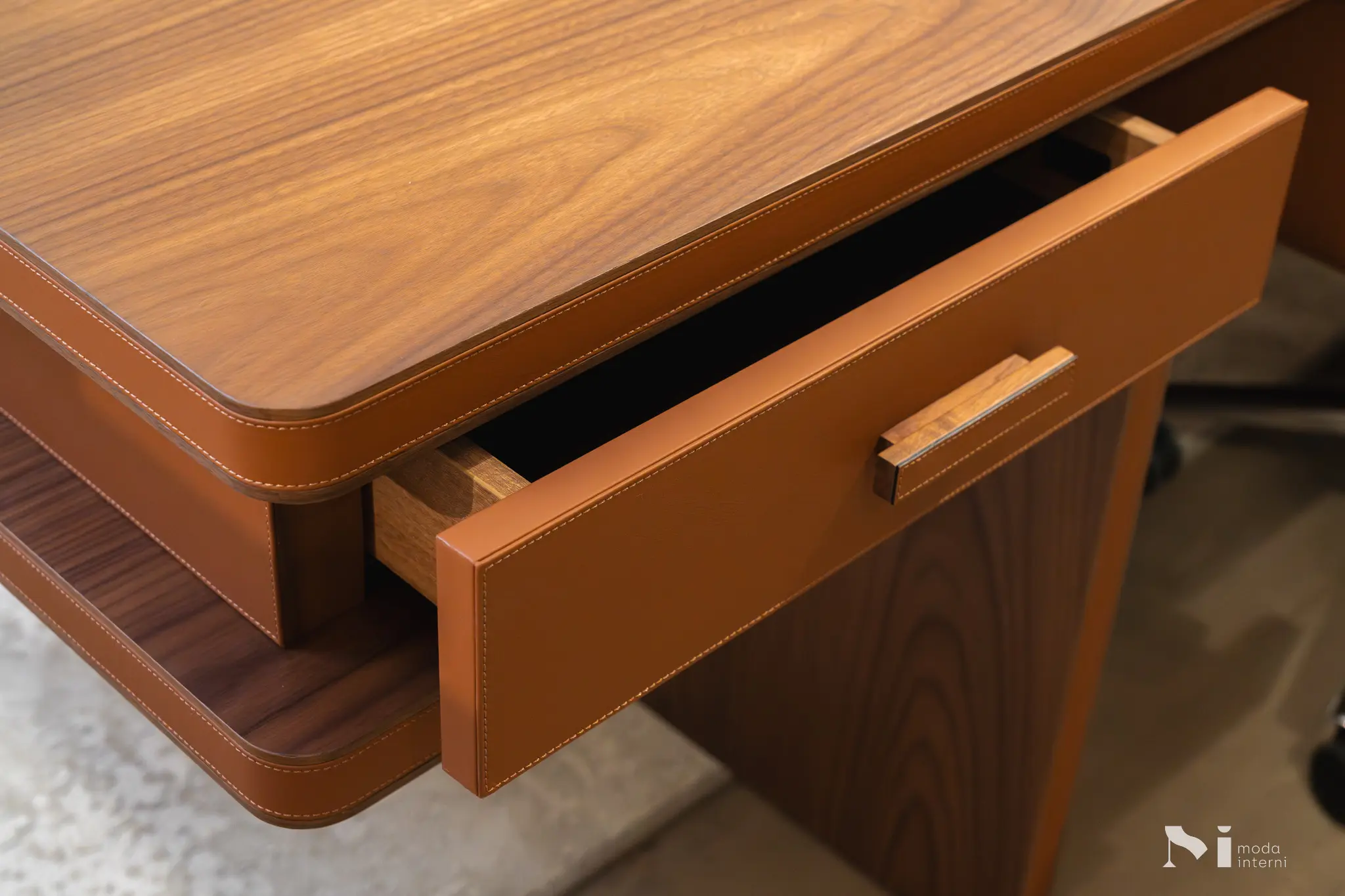
The time invested becomes visible only when the furniture is seen up close. A table that appears minimal may reveal a combination of marble, lacquer, leather, and hand-worked wood (like the Roma coffee table, designed by Monica Armani), assembled with a level of precision that requires both technical skill and patience. During a walkthrough of the collection, Meduri pointed to a detail hidden beneath the surface to show how much attention goes into parts most people will never notice.
“It could be plain, but we put leather inside,” he said, gesturing to the underside of the table. “These little details…[it’s] skill, tradition.”
Material choice is another part of what defines the brand. Rather than working with fixed finishes, Turri selects wood, leather, and stone according to each project, allowing the natural character of the material to remain visible instead of covering it completely.
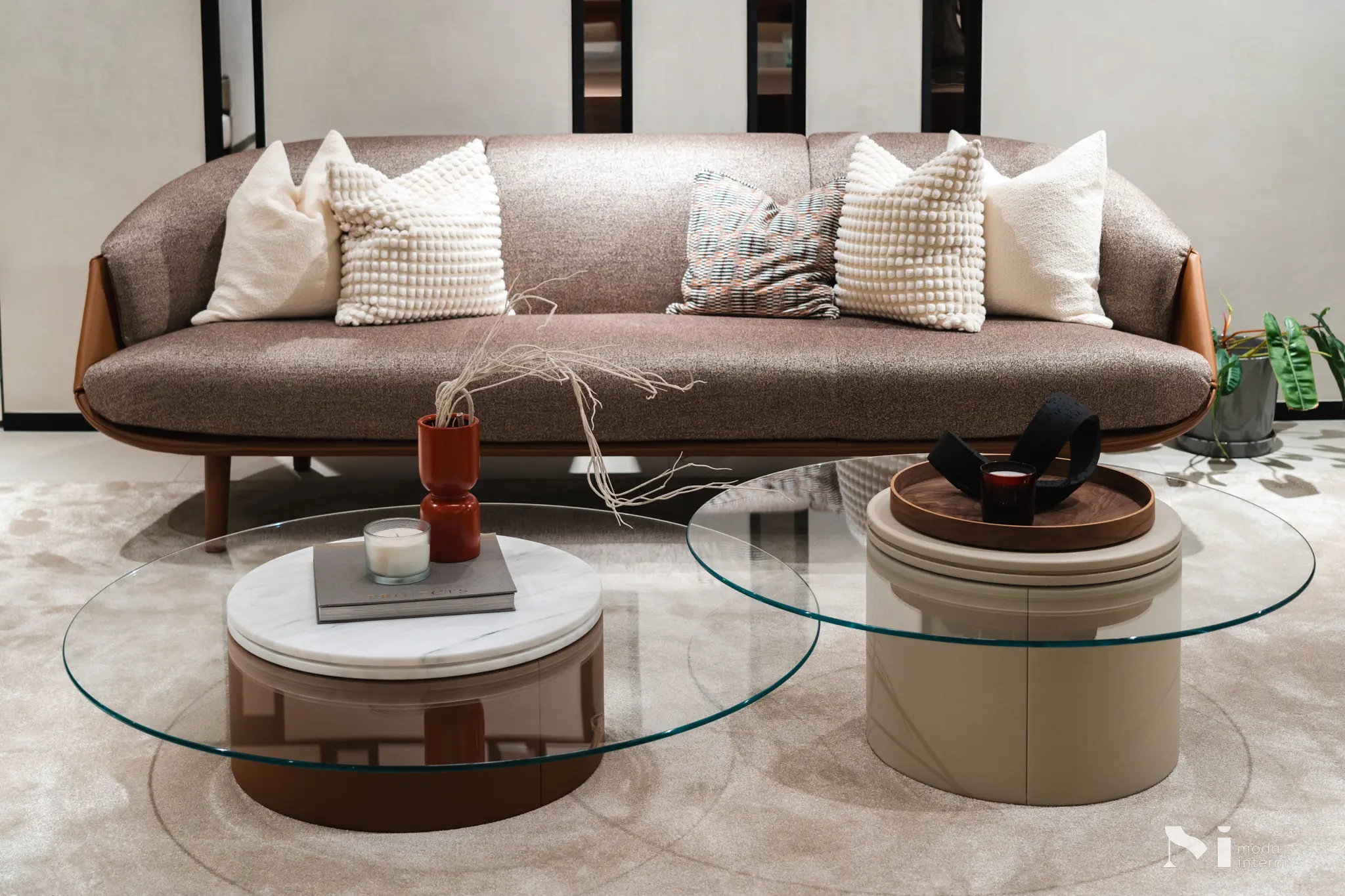
“We use different kinds,” Meduri explained. “People ask for different colors, different finishes, so we need to be flexible.” The intention, he added, is not only to achieve a certain look, but to ensure the piece will age well over time.
“You see that it looks natural because of the work behind it. We choose the wood carefully,” he explains.
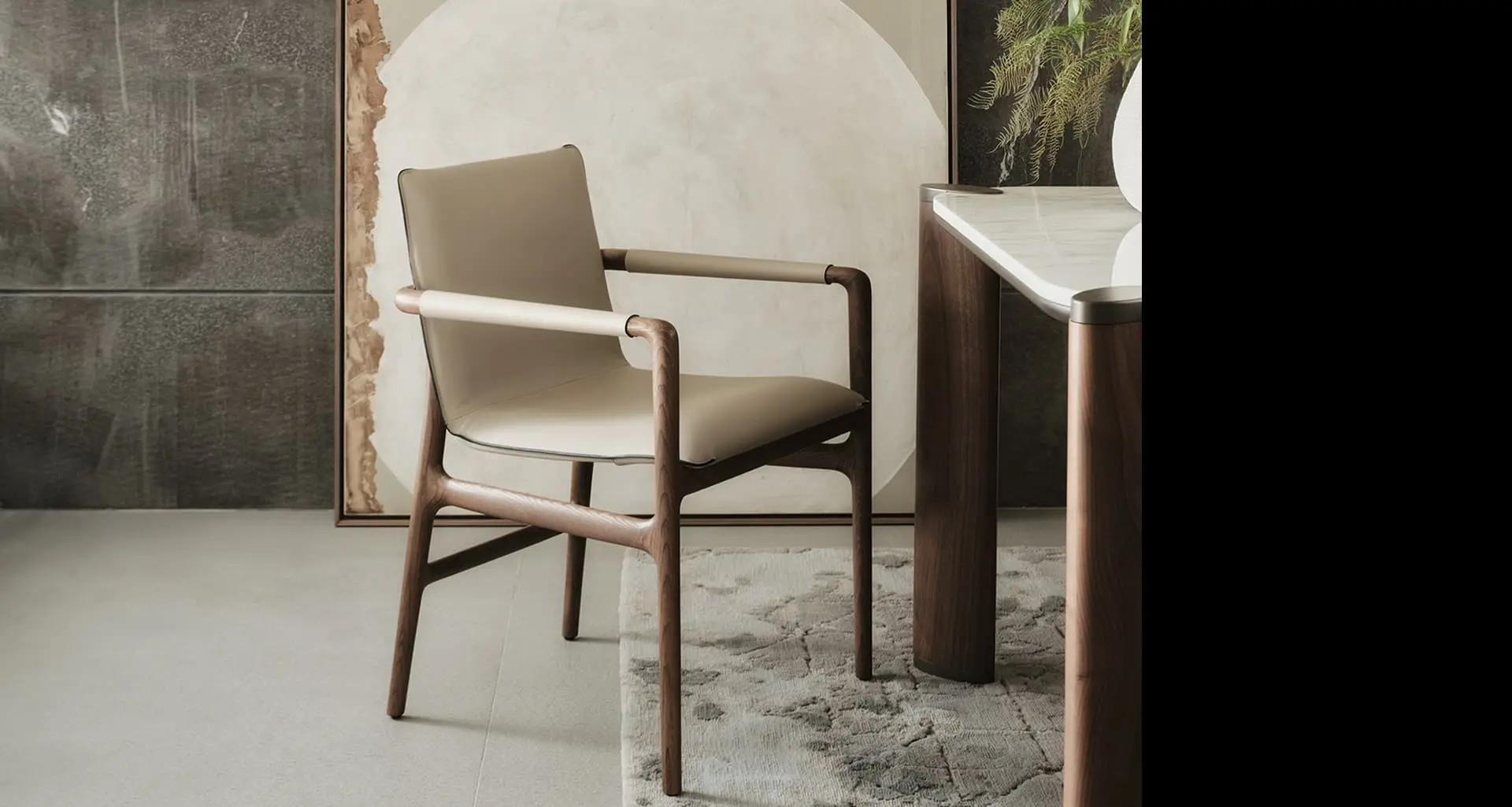
Leather, used throughout Turri’s collections, is treated in the same way. It is not simply decorative but structural, chosen for durability as much as for appearance.
“When you use real leather, it stays with you for many years,” Meduri said. “It’s like good shoes—you can tell the difference.”
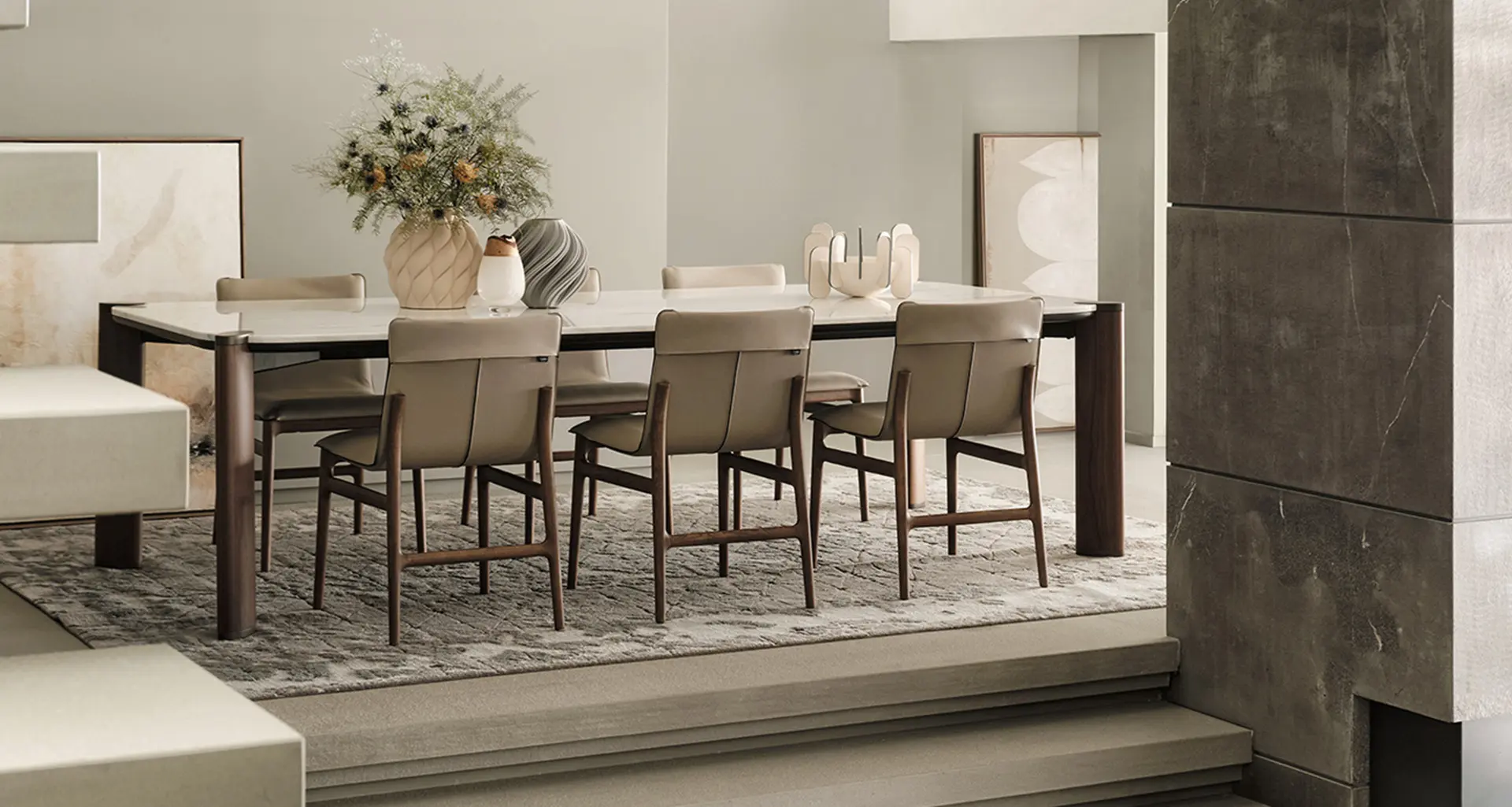
Because much of the craftsmanship lies in the finishing, and as stunning as the pieces look in photographs, surfaces, textures, and proportions become reveal their full character only when seen in person.
“Pictures don’t do justice,” he said. “You have to see it, touch it, understand the finish.” At the Moda Interni showroom, Meduri encouraged guests to sit, touch, and experience the pieces, all of which lived up to his high praise: beautiful in design, in execution, and the surprising, organic, and textural richness of the combinations of materials.
After a century, Turri’s continued relevance may come from the fact that its methods have changed very little. Each piece is still made with the expectation that it will be used and lived with, rather than replaced.
“We use different materials because every client is different,” Meduri said. “But the quality must stay the same. When the work is done properly, the piece stays with you for many years. That is what makes it Turri.”
Turri is available in the Philippines through Moda Interni, 5th Floor, Bonavida Center, Scout Rallos St., Diliman, Quezon City.+63 917 784 8356. www.modainterni.ph