Robb Report’s 2026 Car of the Year: The 10 Contenders




Once you’re cinched into the five-point harness and turn the ignition key, the sensory hit is immediate. The 5.4-liter V-8 erupts, the air redolent with the unmistakable scent of combustion. There’s a flicker of nerves before deploying the Tremec five-speed manual gearshift and the dread of stalling out at pit lane in front of a gallery of onlookers. One moment you’re piloting this reimagined 1965 fastback Mustang—no power steering, no filters—a glorious ode to analog driving and the golden age of American motorsport, made by the people who built its legacy. The next, you’re cocooned in an all-electric Rolls-Royce, an immaculate tour de force of silence and bleeding-edge tech, adorned by the Spirit of Ecstasy. Mentioned as a standout comparison by one of our judges, it’s a study in contrasts at the highest level of automotive expression and the type of juxtaposition that has become commonplace at Robb Report’s Car of the Year (COTY).
For the 23rd edition, the 10 entries represented a sweeping cross section of categories and power trains that define today’s performance landscape. And while the broader new-vehicle market drifts toward uniformity, this field of contenders distinguished itself with varying degrees of design and innovation. Those qualities have guided the contest since its event-based creation in 2003, when the Mercedes-Benz SL55 AMG beat out the Ferrari 575M for bragging rights.
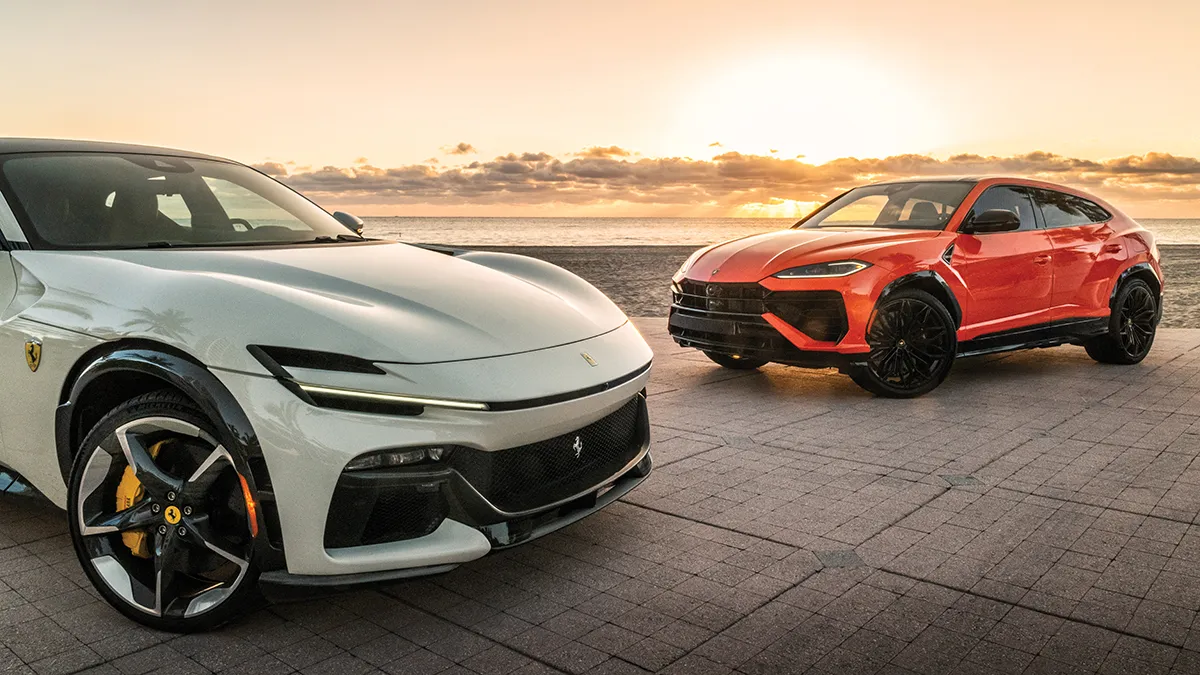
Both marques returned to the competition this year in new guises. Mercedes-Maybach entered with the V-8 powered SL 680 Monogram Series, the luxuryLuxuryA lifestyle defined by exceptional quality, craftsmanship, exclusivity, and sophistication, encompassing the finest products, services, and experiences that represent the highest standards of refinement and excellence.Go to Luxury Glossary division’s first two-seat model, and Ferrari fielded the V-12 Purosangue, the brand’s first four-door production car. Bentley’s latest Bentayga Speed brought eight-cylinder force, while Aston Martin’s new Vanquish carried the time-honored and tenacious 12-cylinder. Our zero-emissions contingent included the Rolls-Royce Black Badge Spectre, the Audi RS e-tron GT performance, and the polarizing Dodge Charger Daytona, a muscle car reborn as an E.V. Finally, hybrids made their case via Lamborghini’s Urus SE, while Maserati’s MC20 Cielo proved that a compact V-6 can still deliver outsize drama.
As in 2025, there was also an outlier: The 460 hp OVC Grand Touring-LM Mustang became the first-ever restomod to compete at COTY, a decided counterpoint to last year’s 1,900 hp Pininfarina Battista.
Testing unfolded on the private racetrack at the Concours Club in Opa-locka, Fla., where each vehicle was repeatedly put through the same series of standardized drills. Judges were asked to set aside any preconceptions or biases and evaluate how successfully each car executed its mission. Sure, personal preferences inevitably surfaced, but the process favored balanced analysis by potential owners for potential owners in the same luxury-market space. This year, though, the competition played out differently. There was little jockeying among front-runners, as the first-place finisher took a commanding lead early on and never let off the gas. Here’s how the final leaderboard looked, as told by the judges themselves.
10. Bentley Bentayga Speed
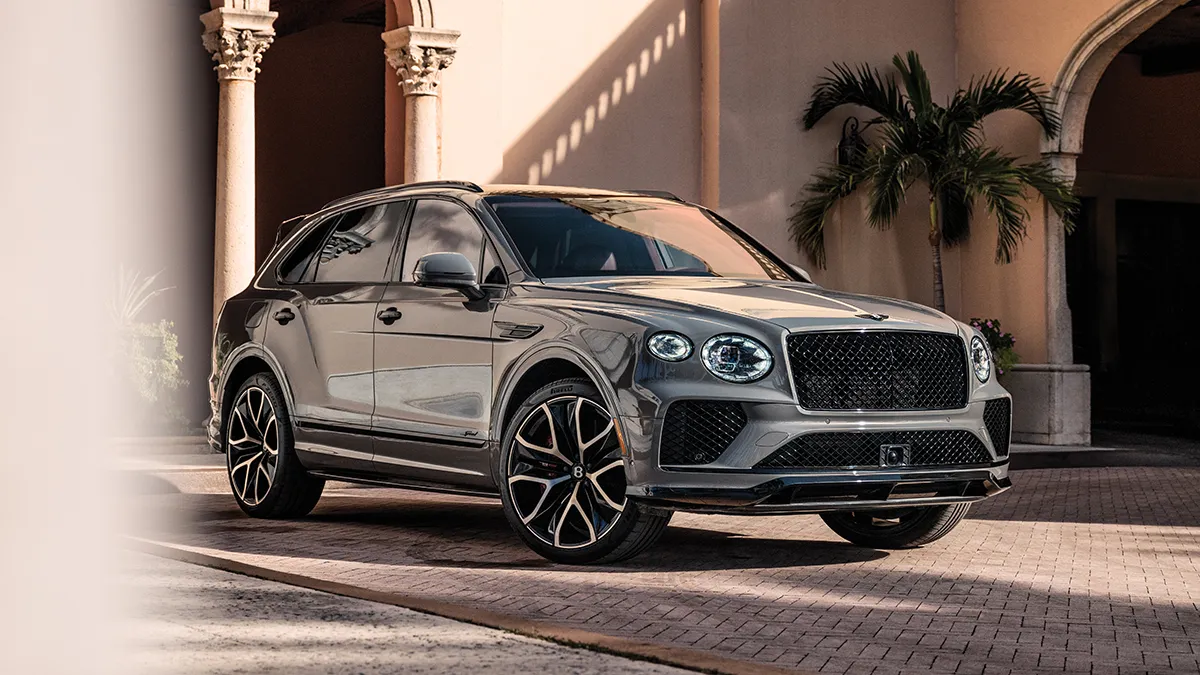
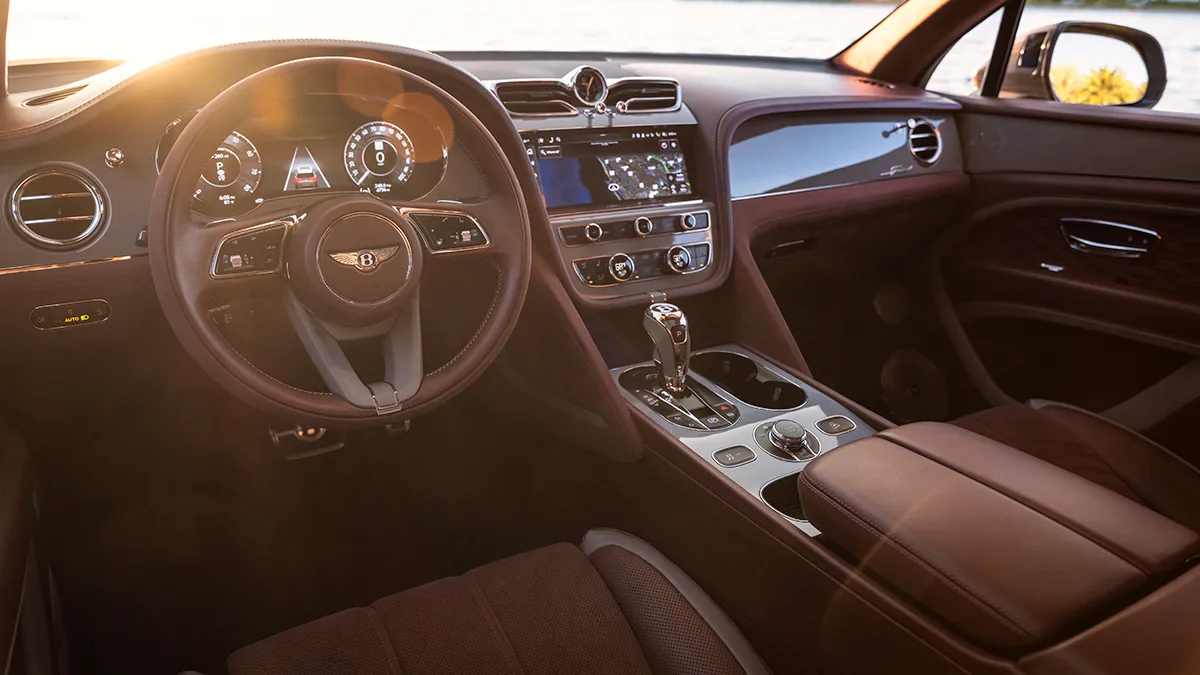
For the 2026 model year, Bentley has unveiled its most powerful and agile Bentayga yet, elevating the Speed nameplate to new heights. Sure, the exterior changes are subtle, but key engineering elements—including the engine’s calibration and the stability-control system—have been reimagined. The result is a 641 hp 5,425-pound (curb weight) S.U.V. that, with its new Dynamic setting, can actually drift. (Because why wouldn’t you?) Despite its newfound playfulness, the Bentayga Speed remains deeply luxurious inside. Bentley has long mastered the blend of power, performance, and polish, but the new Bentayga Speed now adds a fresh dose of bravado.
Brian Davis praised the “amazing active rear steering through corners,” while John Cunningham noted that the “Bentayga handled the slalom section effortlessly for an S.U.V.,” even if he did observe “a lag from pedal to acceleration.” Joshua Slater was impressed across the board. “Bentley upped the game here with the Speed version,” he said, pointing out that “the new exhaust added a thrill to the experience.” He also highlighted that the “fit and finish were at the top of the competition,” and that the performance exceeded expectations.
Yet the Bentayga failed to check all the boxes for some of the judges. “For Car of the Year, I would need a little more ‘wow’ in the drive,” said Carroll Leboeuf Jr. Jeff Mitelman agreed, calling the performance “impressive for a large, heavy car but sluggish compared to many of the others.” But while some seconded Brian Schwalbe’s view that the exterior is “looking a little dated,” most sided with Michael Tutcher, who concluded that “for an S.U.V., it’s about as sexy as it gets.”
Engine: 4.0-liter twin- turbo V-8
Power: 641 hp
0-60 MPH: 3.4 sec
Top Speed: 193 mph
Base Price: $284,300
As Tested: $415,050
9. Audi RS e-tron GT performance
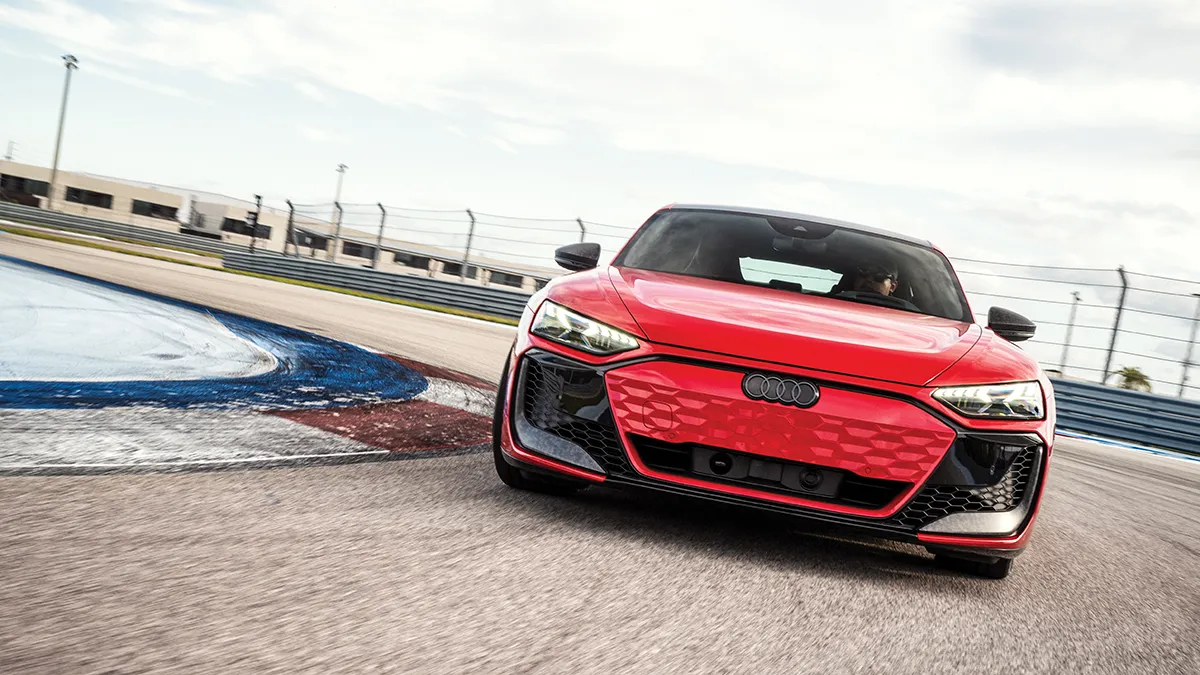
Swap in scissor doors and a two-seat cockpit, and this Audi would be a full-blown supercarSupercarA high-performance sports car with exceptional speed, advanced engineering, and striking design, produced in low volumes by marques such as Ferrari, Lamborghini, and McLaren. Supercars sit near the top ofGo to Supercar Glossary rather than a practical weapons-grade four-door G.T. With 912 hp and a four-person interior ideally suited to long-distance cruising, Audi’s flagship E.V. may be the finest performance sedan on the planet. It elicited raves across the board for its sheer power and poise, and the car’s ability to fire off the line simply blew our judges away.
“My eyeballs sunk in my head! An amazing car for handling and braking as well,” said Andrew Shantz. “Generally, I don’t like E.V.s. This one crushes it.” Josh Diggs could have been describing a jungle cat when he called it “quick, fast, powerful,” adding that it was “unexpected in the best way possible. It accelerated like lightning.” Craig Sincock II echoed that sentiment: “I am not a fan of electric cars, and this one is impressive. Handling somehow feels more like a combustion car (in a good way).” Jeff Meisel was equally moved, claiming it was the “fastest electric car I’ve ever driven,” while Joshua Woods went a step further, calling it “electric perfected.”
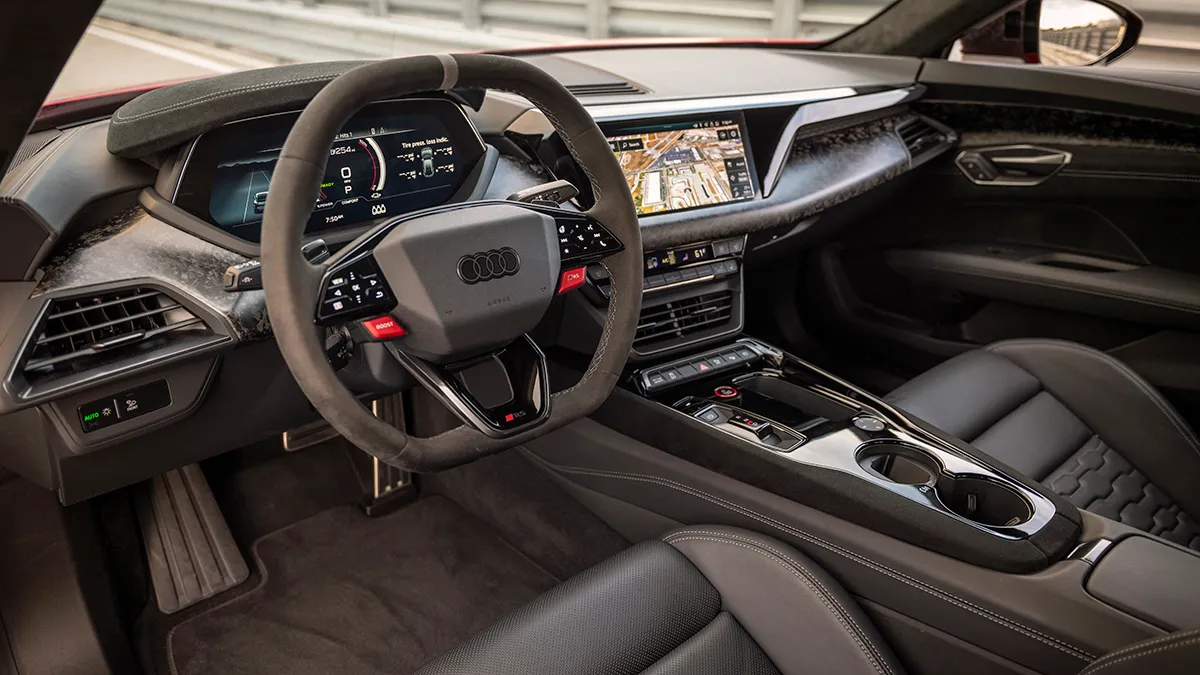
Timothy Kelly praised the driving experience while flagging the cabin materials. “If you’re looking for a car that will excite your senses every time you hit the Start button, this is the car for you! Blazingly fast, a comfortable interior, and handling that seems to anticipate turns and manage them with ease,” he said. “The only fault is the plastic dash trim. But hey, the car is so amazing, will anyone ever really notice the trim?” Joseph Fath agreed that “the design and interior, especially the faux-carbon panels in the cabin, felt cheap for a $190,000 car.” Michael Wolf had a simpler reaction: “Does the RS stand for Rocket Ship?” And for Arif Babayev, it was the “best car to drive on a racetrack” thanks to its “unparalleled performance.” Sanford Nelson summed it up with a single word: “beast!”
Motor: Dual electric
Power: 912 hp (with launch control)
Range: 278 miles (E.P.A. est.)
0-60 MPH: 2.4 sec
Top Speed: 155 mph (limited)
Base Price: $167,000
As Tested: $190,690
8. Rolls-Royce Black Badge Spectre
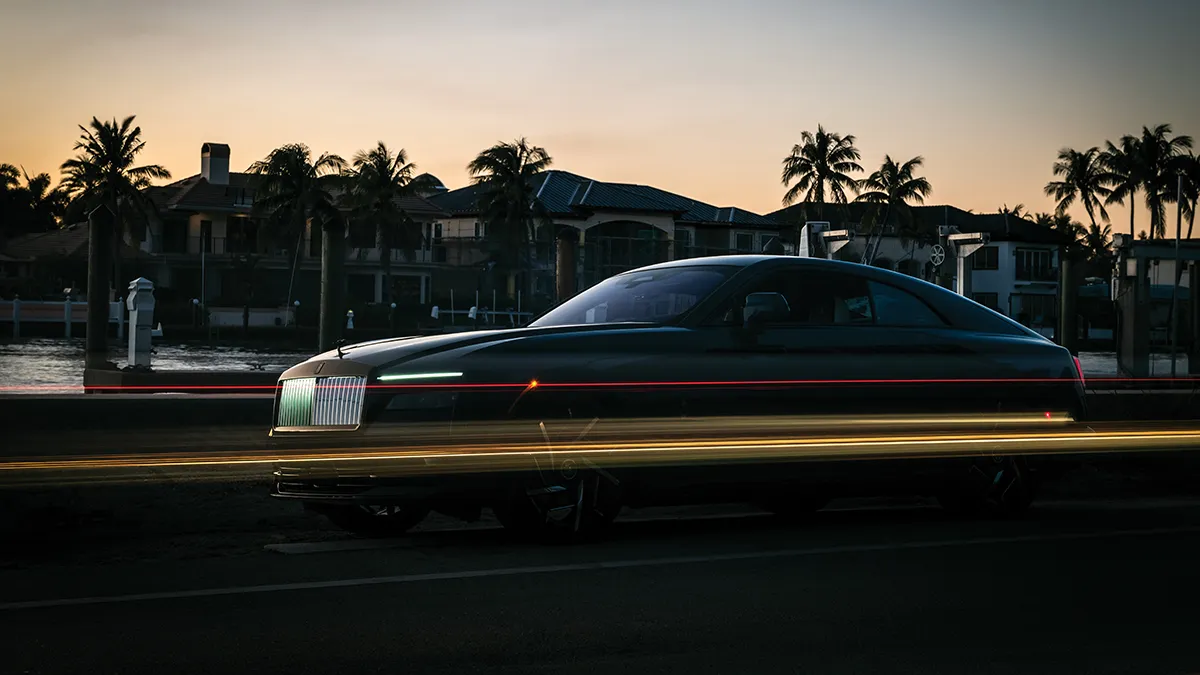
If the adoption of electrification required some brands to rethink their identity mid-flight, Rolls-Royce touched down fully prepared. After all, silence has long been central to the marque’s appeal. Named Robb Report’s Best of the Best in the E.V. category this past summer, the Black Badge Spectre preserves the automaker’s legendary magic-carpet-ride drive quality while dialing up the muscle. In fact, it’s the most powerful Rolls-Royce in the company’s 121-year history.
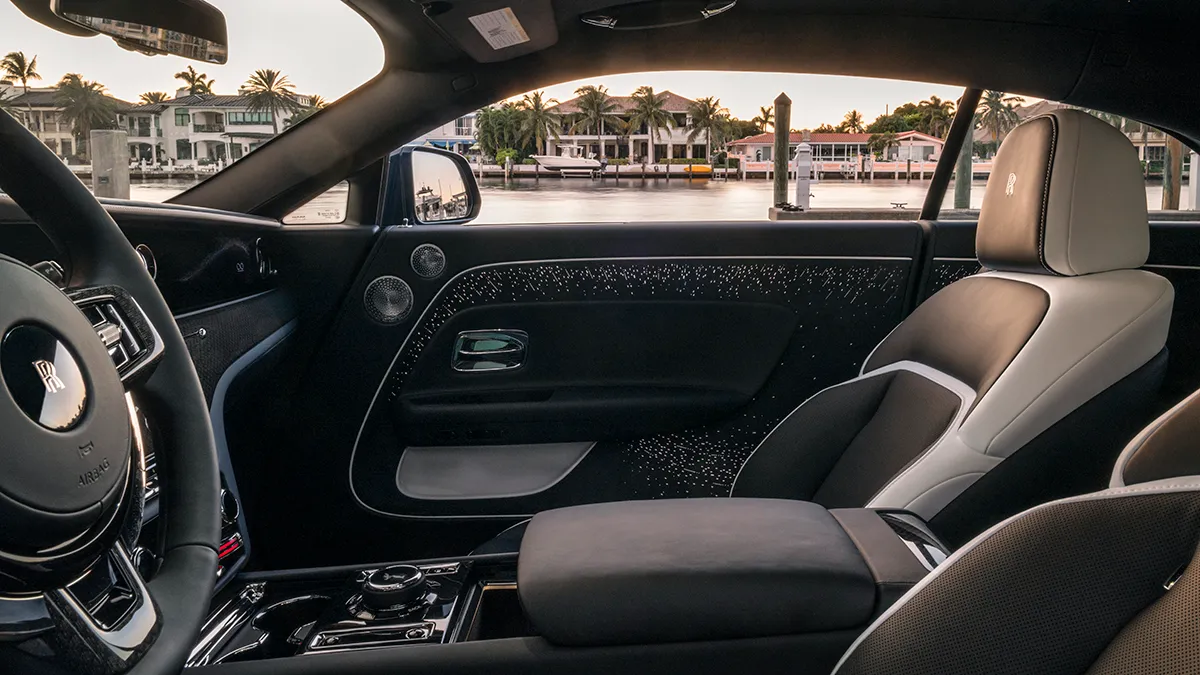
“This car was my biggest surprise,” said Sam Herzfeld. “Sporty, yet elegant. No detail left unfinished, butter-smooth in every way.” Also unexpected was its level of performance, which is enhanced by its launch-control system—a first for Rolls—called Spirited Mode. For John Cunningham, the power delivery was akin to an out-of-body experience. “The dampening effect of being inside this masterpiece made acceleration feel like it was happening to someone else,” he explained, adding that when it came to handling, “taking turns was smooth like a Sunday jazz brunch.” And despite its testing on track—far from its intended purpose—the Spectre held its own. “Being a racer, I was most impressed by the brakes,” said Matthew Dicken. Steven Africk found it “surprisingly agile,” but Russell Potee was less convinced, citing “too much body roll.”
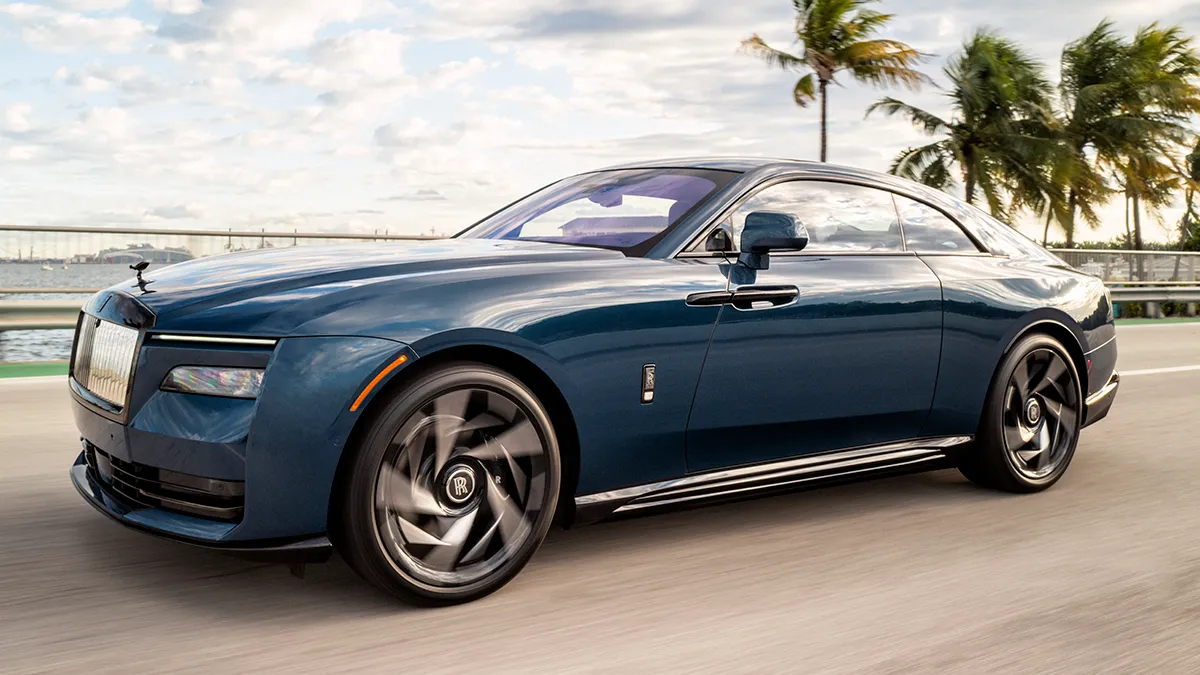
Dissenters, though, were extremely few, as most found it to be a souped-up sanctuary. The “quietest place I’ve ever experienced” and “the most comfortable car I’ve ever driven” were how Julio Cantillo and Robert Cossaboon, respectively, summed up their experiences with it. As for Josh Diggs, he believed it had the “best-in-class interior,” likening the drive to “sitting in a cloud that can move at the speed of light.” Carrie Kelly called it simply “the perfect car.”
Motor: Dual electric
Power: 659 hp
Range: 266 miles (E.P.A. est.)
0-60 MPH: 4.1 sec
Top Speed: 155 mph
Base Price: $465,000
As Tested: $535,550
7. Maserati MC20 Cielo
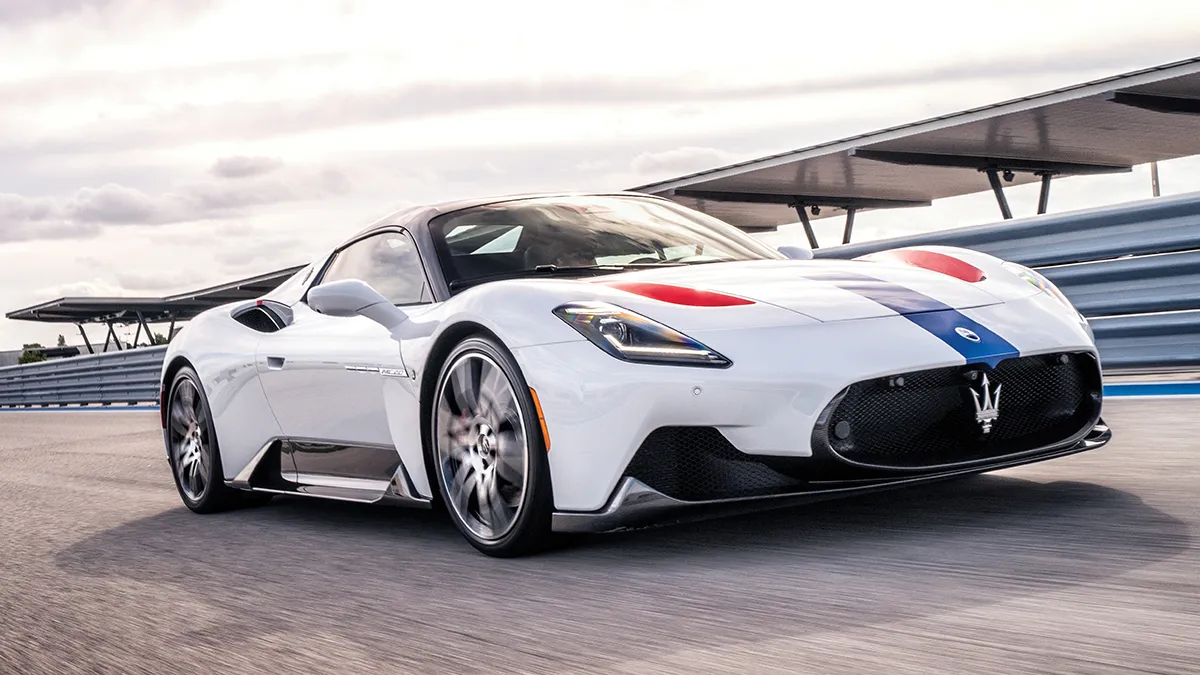
Maserati’s convertible MC20 Cielo channels the Italian marque’s racing heritage with a rear-mounted 621 hp twin-turbo Nettuno V-6 engine paired with active aero that helps deliver 320 pounds of downforce. Bilstein dampers and Brembo brakes sharpen agility and precision—especially in Corsa mode—giving the roadster a clear track focus. Peter Powers felt it immediately, naming the Cielo the “best- handling vehicle. Excellent track weapon.” Michael Tutcher described his time behind the wheel as a “very visceral experience. Lots of fun to drive. Wouldn’t be practical for a daily driver, because I golf too much.” Katrina Cunningham concurred, praising its “thrilling and engaging driving experience.” For Cjay Joseph, it was all about the car’s commanding grunt: “So much power and thrust…. It feels like a jet on the road.”
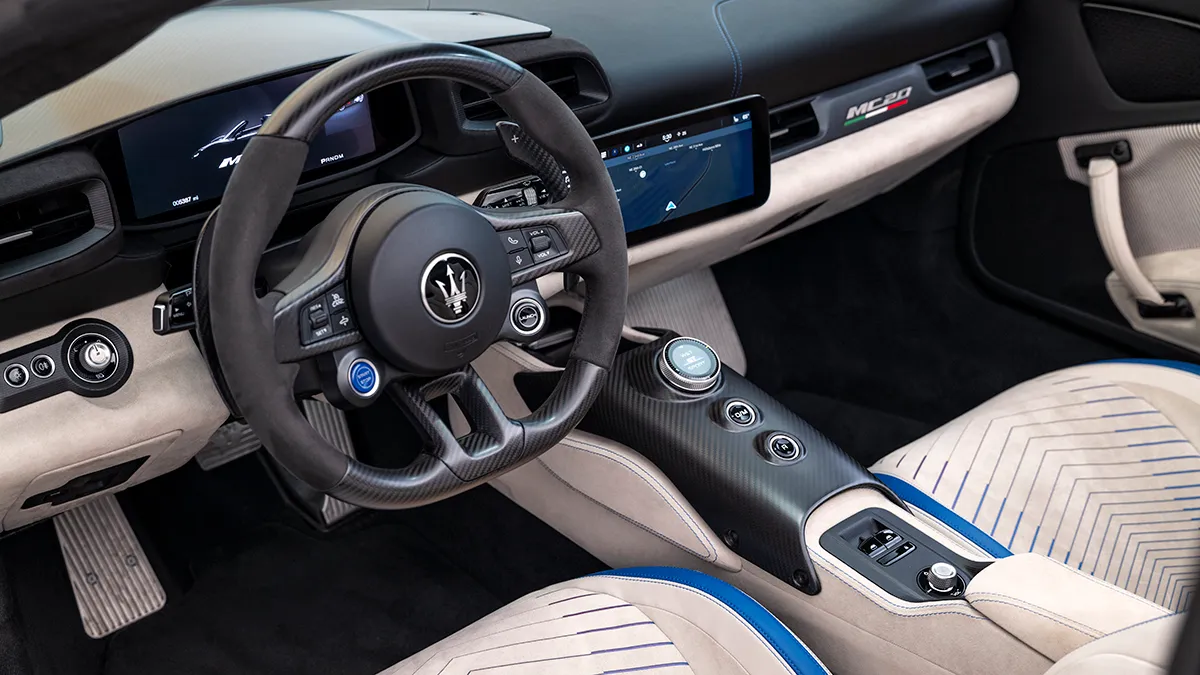
The cabin sparked more debate. The Alcantara-wrapped minimalism struck some as elegant; it left others underwhelmed. Josh Diggs extolled the “excellent acceleration and handling” and “compelling exterior” but said “the interior feels cheap and uninspired.” Kenneth Spiegel found the Cielo “a bit raw and unfinished.” Likewise, Timothy Kelly wrestled with mixed emotions. “Oh, how I wanted to love this gorgeous automobile! She has lines that put her into a class almost by herself. But performance failed to get me to that love affair. The transmission was rough and clunky during shifts, and the car’s handling was unimpressive.” Scott Powell similarly noted the transmission’s “inconsistent gear transition.”
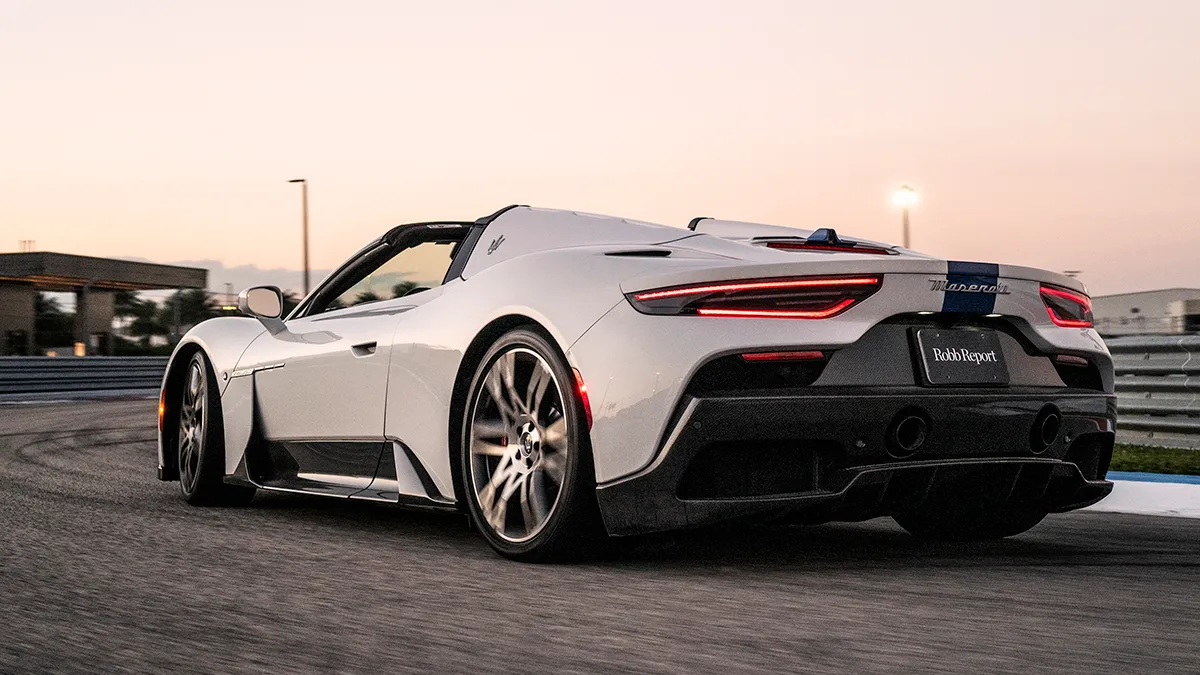
Still, the Maserati had its champions. For Joseph Fath, the Cielo was a clear winner. “It had the full package: amazing exterior styling, the right balance of controls inside the cabin, best-handling road feel of all the cars I drove, and visceral acceleration. And you get all of this for $275,000. Bravissimo!”
Engine: 3.0-liter twin-turbo V-6
Power: 621 hp
0-60 MPH: 2.9 sec
Top Speed: 202 mph
Base Price: $281,000
As Tested: $379,040
6. Mercedes-Maybach SL 680 Monogram Series
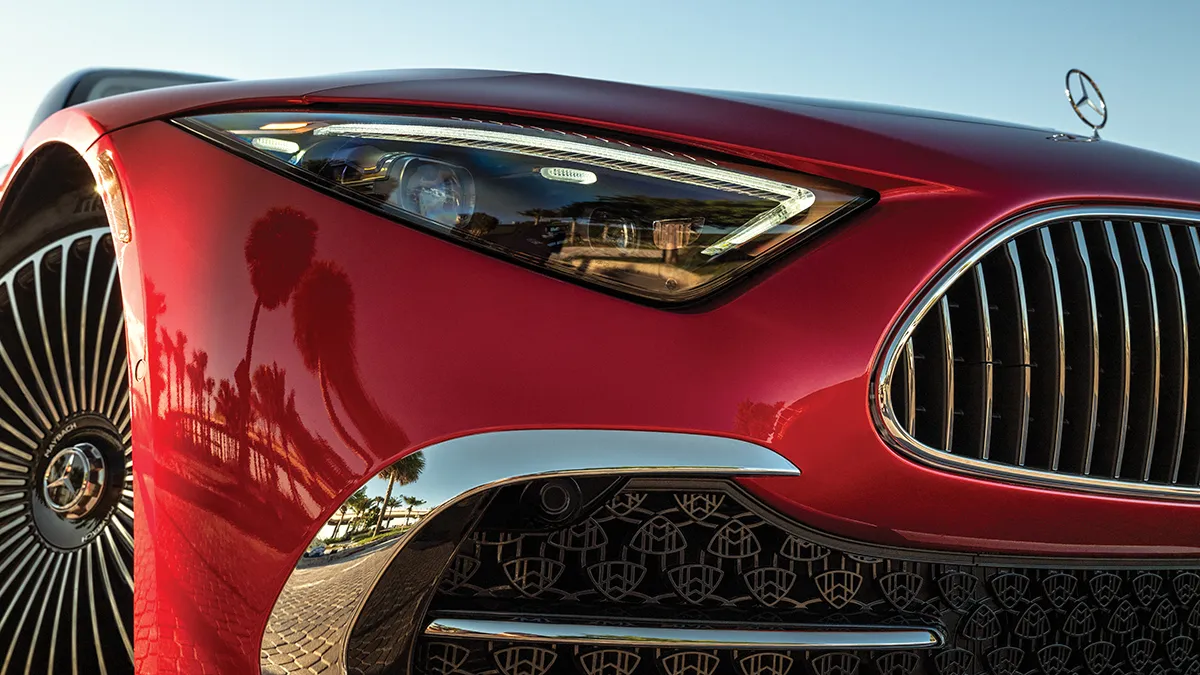
Born from one of the most revered (and collectible) silhouettes in automotive history, the latest spiritual successor to the 1950s-era Mercedes-Benz 300 SL gains a new level of distinction as the first model to receive the full Maybach treatment—and the ultra-luxury division’s only two-seater to date. The Mercedes-Maybach SL 680 Monogram Series is replete with baronial trappings: Manufaktur Crystal White Nappa leather lines the interior, while a heated Airscarf system drives open-air motoring into multiple seasons.
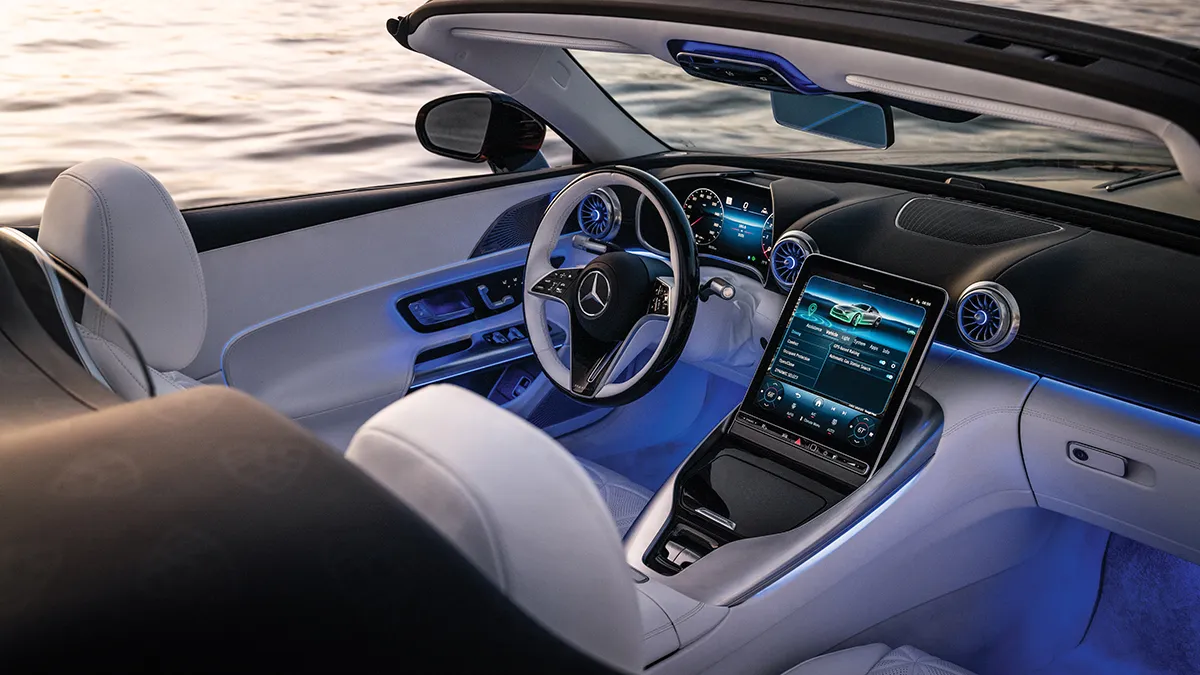
It was all enough to have Julie Schwalbe name it her “surprise of the day… Its seats are smooth as butter, it handles like a tight machine, and accelerates way better than the AMG GT.” Her husband, Brian, was equally enamored, noting that “fit and finish are excellent—the interior sumptuous and comfortable.” Some of the judges, though, thought comfort came at the expense of the SL’s expected athleticism, which may have been a by-product of the suspension’s having been calibrated for more cushioning. “The car screams for attention but doesn’t deliver the elevated experience you seek from Mercedes,” Joshua Woods said. Richard Maffezzoli was put off by “too much body lean” and what he felt was “loose steering.” Perhaps more damning was Craig Sincock II’s assertion that the “performance is not that inspiring.”
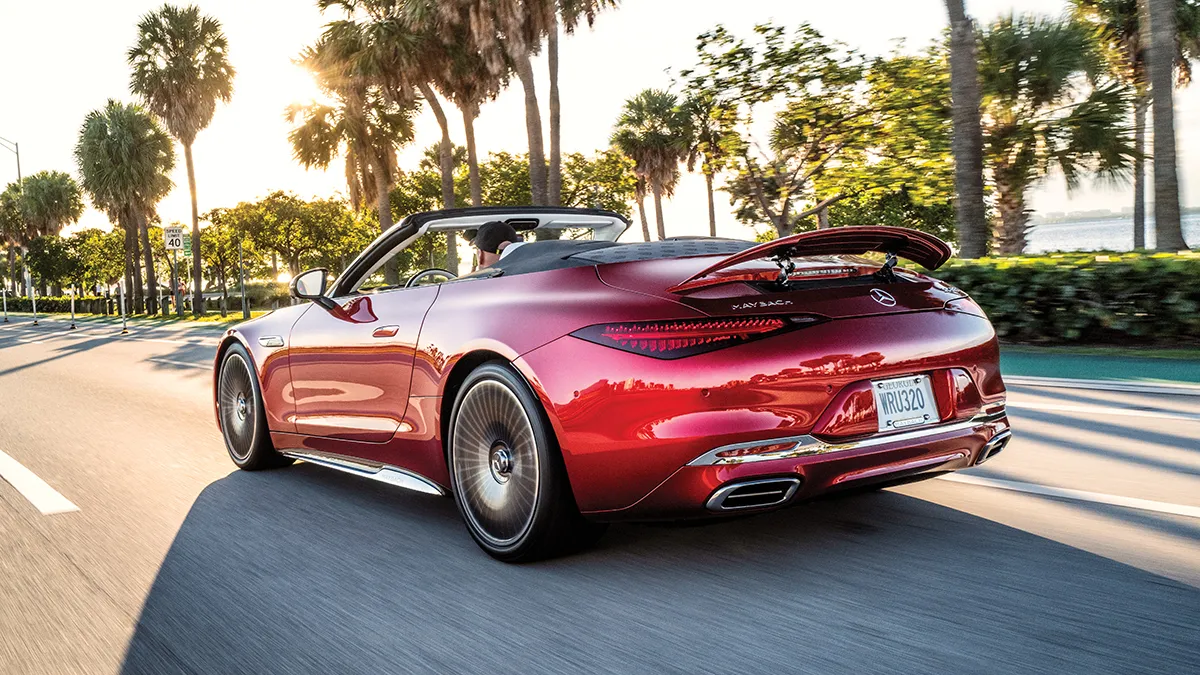
Still, no one questioned the aero-inspired design. Finished in Manufaktur Garnet Red Metallic with Obsidian Black Metallic accents and subtle rose-gold details, the Maybach roadster was universally admired for its good looks. Cjay Joseph called it “refined perfection.” Mark Newman was also smitten, praising the tony two-door as “the right mix of power, luxury, and presence—one of the best G.T. cars on the market.”
Engine: 4.0-liter twin-turbo V-8
Power: 577 hp
0-60 MPH: 4.0 sec
Top Speed: 161 mph (electronically limited)
Base Price: $224,900
As Tested: $238,850
5. OVC Grand Touring–LM Mustang
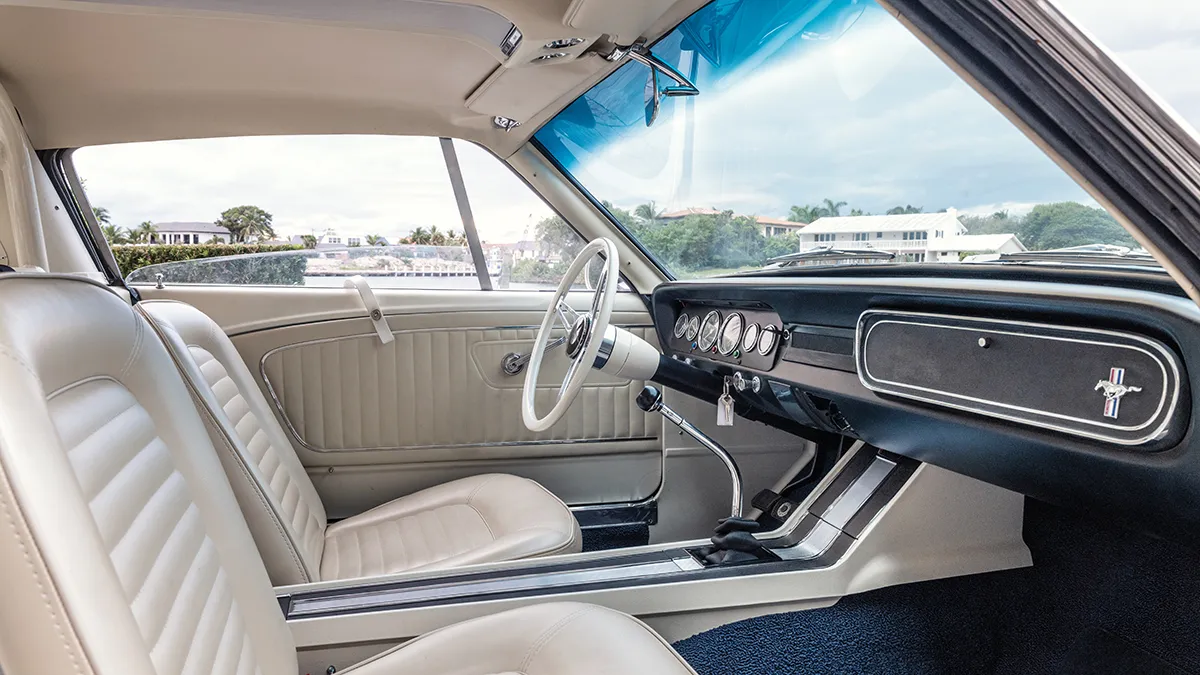
The 1965 Shelby Mustang G.T.350 was one of the most successful sports cars of its era, with fewer than 570 made and only 36 R-code examples destined for the track (two being prototypes). The OVC Grand Touring–LM takes an original ’65 Mustang Fastback and rebuilds it through the hands of Original Venice Crew—members of Carroll Shelby’s team. Their work has resulted in reimagined classics that have earned Robb Report Best of the Best accolades in 2021 and 2023. Judges relished the chance to step back six decades to feel the adrenaline rush of a pure analog machine, one now refined with better power, braking, and build quality.
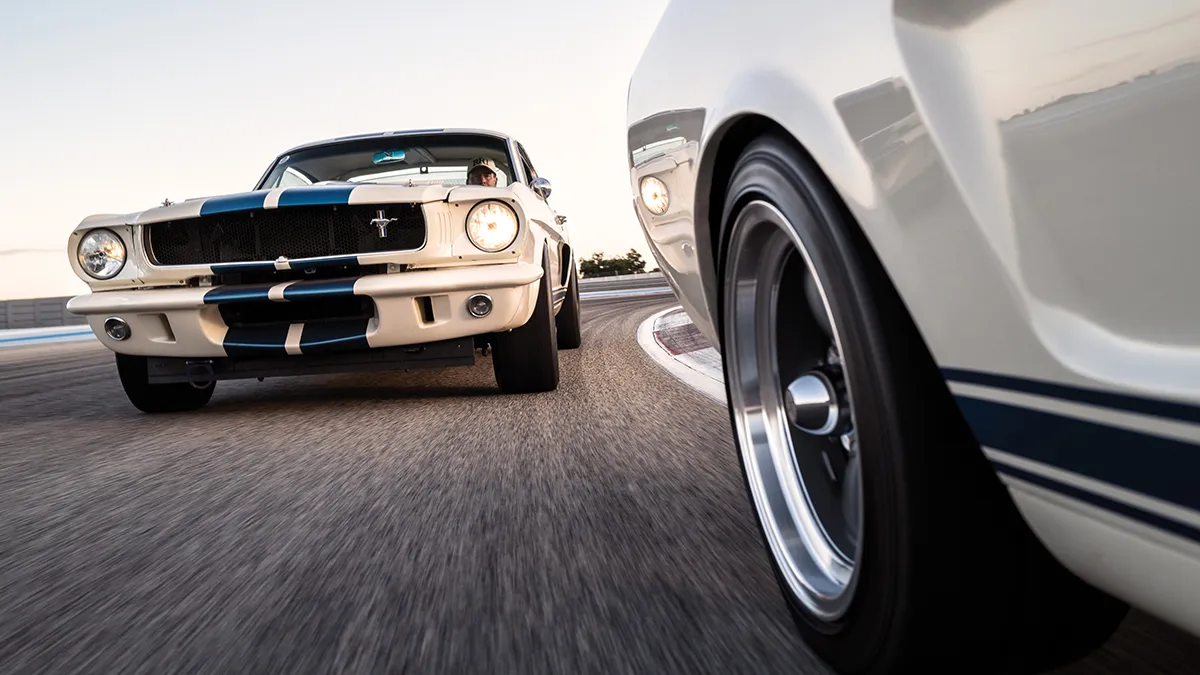
Andrew Shantz captured the contextual whiplash: “How cool was that? I had just driven the Rolls-Royce and then jumped into the OVC. It could not have been a more different experience. An honor to drive it, and massive props to the drivers of old—and [Carroll] Shelby—for ripping that thing around a track in anger.” Joshua Greenman found it “the perfect antidote to the homogenized modern car—the visceral feeling of driving a piece of history. All the idiosyncrasies just add to the charm.”
Nearly every driver emerged with fresh respect for the muscle needed to command a ’60s-era race car. “Truly old-school and brutal. I’m glad for years of weight training before driving this beast,” said Mark Newman. Lisa Davis called the OVC a “super-fun car to drive. But not easy!” while Michael Wolf offered, “Tough drive. Cool car.” Jeff Mitelman “loved the fight against the lack of power steering and didn’t care in the least. The car felt timeless and is a true classic.”
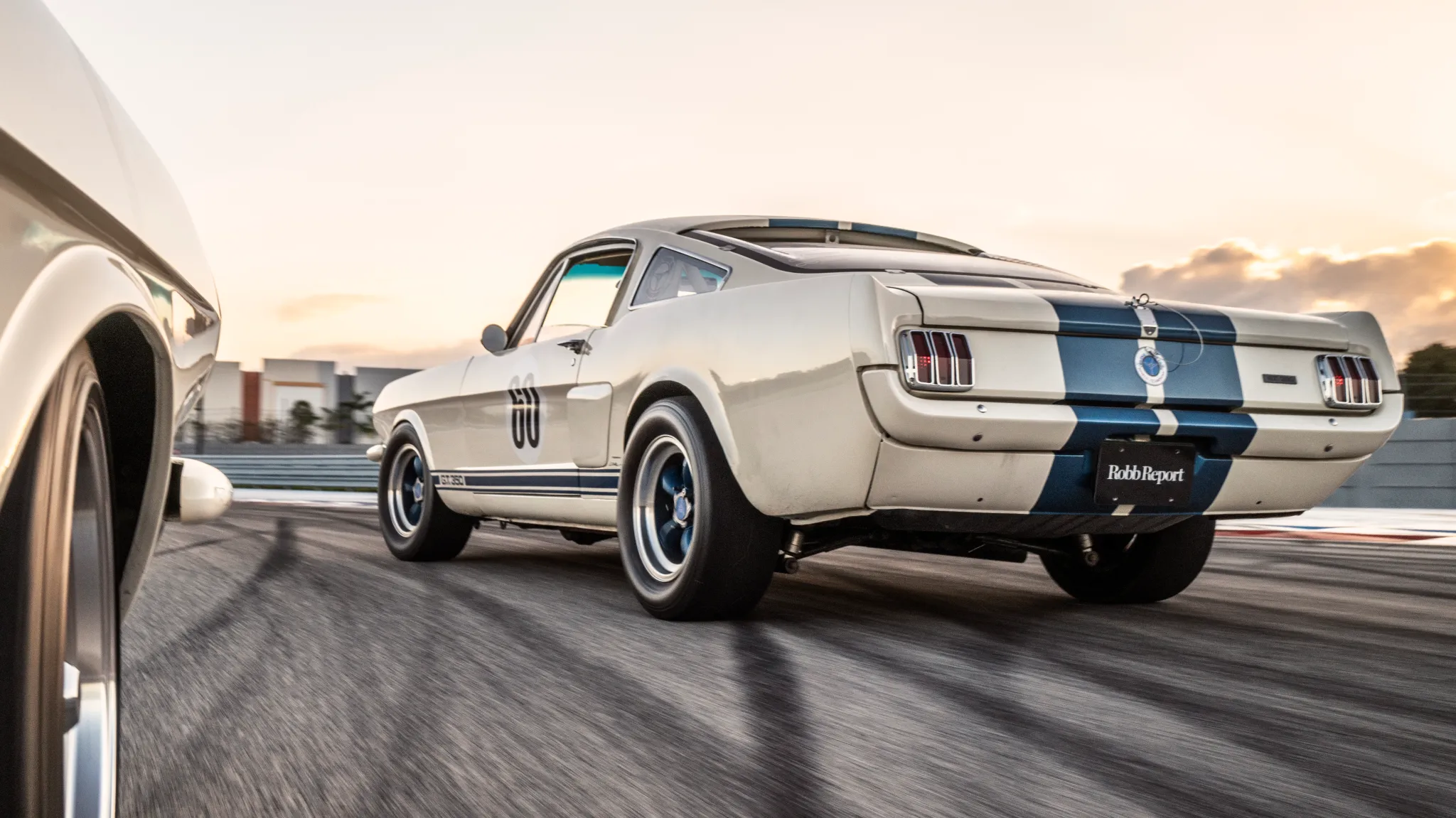
“I would feel privileged to own one.” Carroll Leboeuf Jr. mused, “This is completely unfair. You feel absolutely honored to even sit in it. The judging categories don’t belong when grading this classic. Probably ‘Car of Century’… the previous one, of course.” And for Sanford Nelson, the verdict was clear: “This is a true showstopper… an American hero, reimagined.”
Engine: 5.4-liter naturally aspirated V-8
Power: 460 hp (pump fuel)
0-60 MPH: 6.0 sec
Top Speed: 165 mph
Base Price: $359,000
4. Dodge Charger Daytona Scat Pack
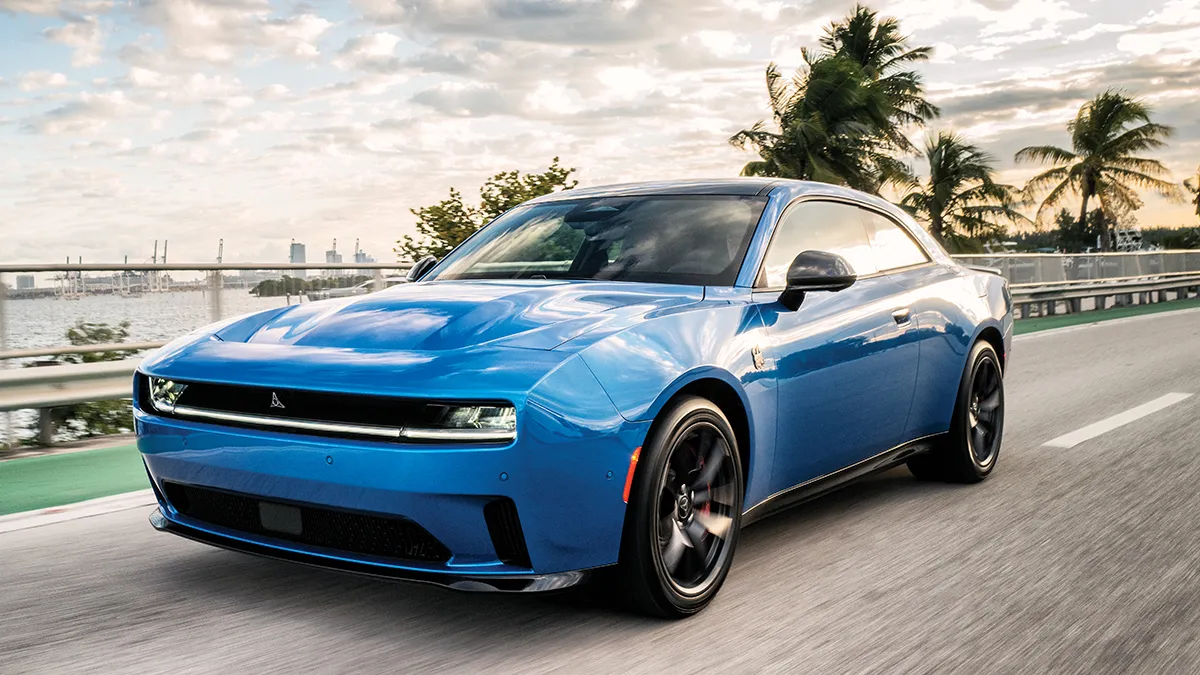
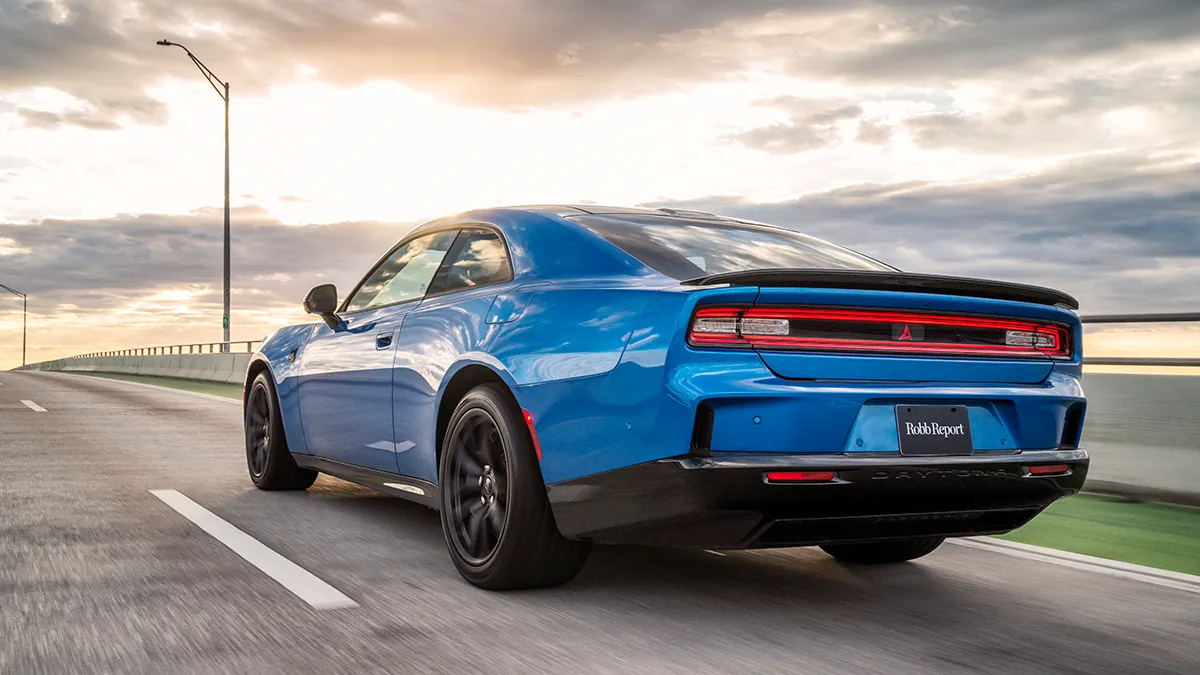
Who’d have imagined it? The iconic Dodge muscle car, once a gas-guzzling brute that, in Challenger guise, offered as much as 1,025 hp, has been electrified. The new Dodge Charger Daytona Scat Pack looks much the same as its internal-combustion-engine (ICE) forebears but churns out 670 hp from a 400- volt dual-motor system that “shifts” with a single-speed direct-drive transmission. The transition wasn’t seamless for our judges, beginning with the sound. Michael McMillan “wasn’t crazy about the ‘combustion-engine’ sound,” a sentiment seconded by Joseph Menter, who said, “I don’t like the fake ICE noises.” Timothy Kelly felt that the Daytona “seemed out of class with the other cars in this year’s competition. Acceleration was below expectations, and overall handling seemed a tad sloppy. A fun car, but [it] lacks a definitive raison d’être.” Julie Schwalbe was even more emphatic: “This car is just a ‘no.’ Some cars can make it as an electric or a hybrid, but leave the muscle cars alone.”
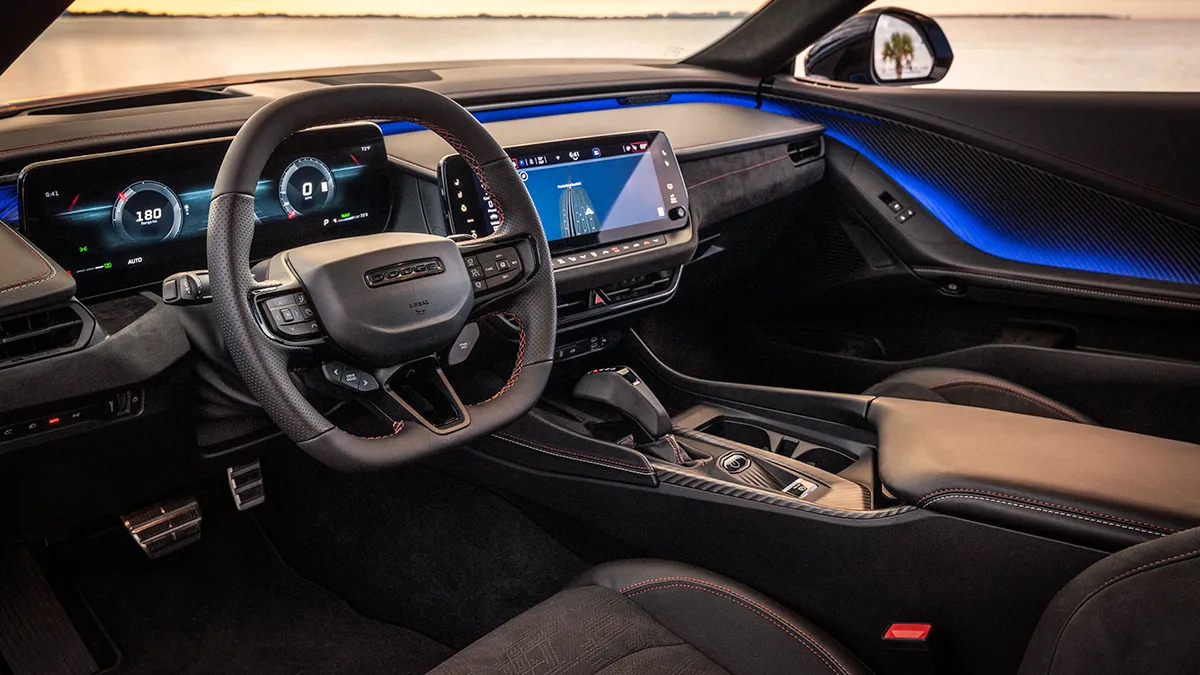
Others found more charm in its theatrics. Sam Herzfeld likened the experience to “Vegas, Disney World. ’Merica! Amazing piped-in engine noise. Felt like we were out of an episode of The Dukes of Hazzard. It was actually fun, especially on the straightaways. I would never own it but definitely enjoyed it much more than I anticipated.” Robert Kolt described the model as a “nice monster car.” He noted it was “big, noisy, and heavy—very positive for muscle-car fans” and praised its “fantastic price and value,” adding that it had the “best open, clean front view of any car we drove.” Yet Ryan Branning may have said it best when he stated that “the Charger Daytona Scat Pack feels like Detroit’s redemption song: muscle reborn in electrons, thunder without the guilt.”
Motor: Dual electric
Power: 670 hp
Range: 241 miles (E.P.A. est.)
0-60 MPH: 3.3 sec
Top Speed: 135 mph (limited)
Base Price: $59,995
As Tested: $77,755
3. Ferrari Purosangue
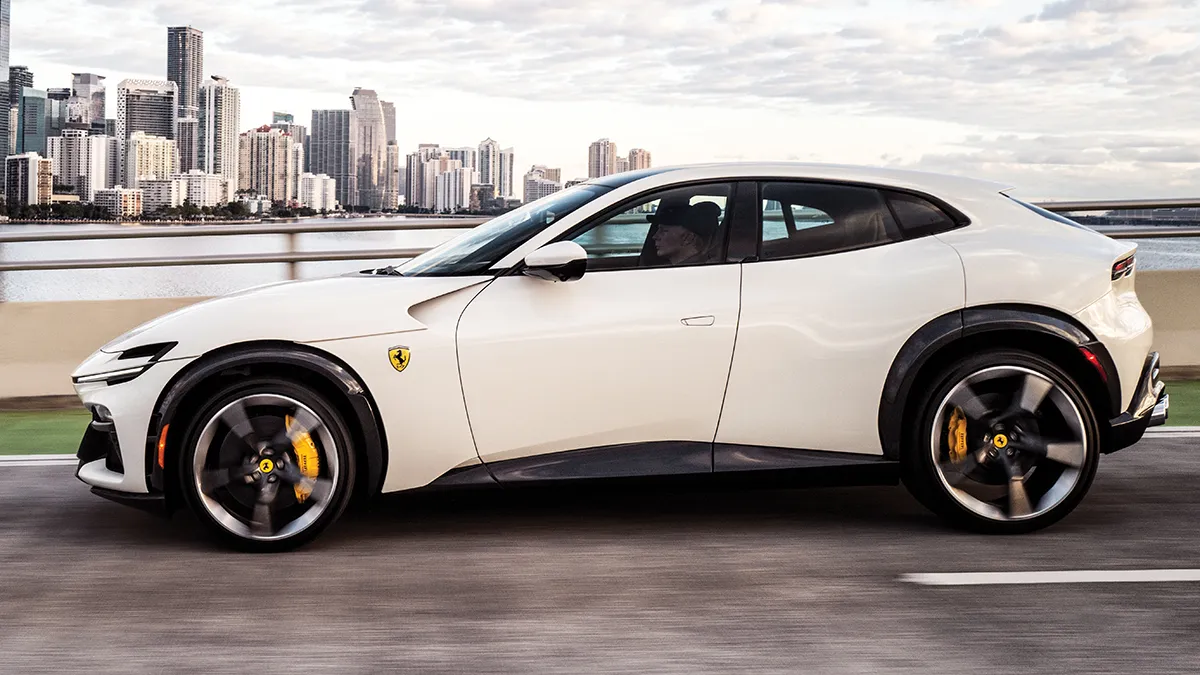
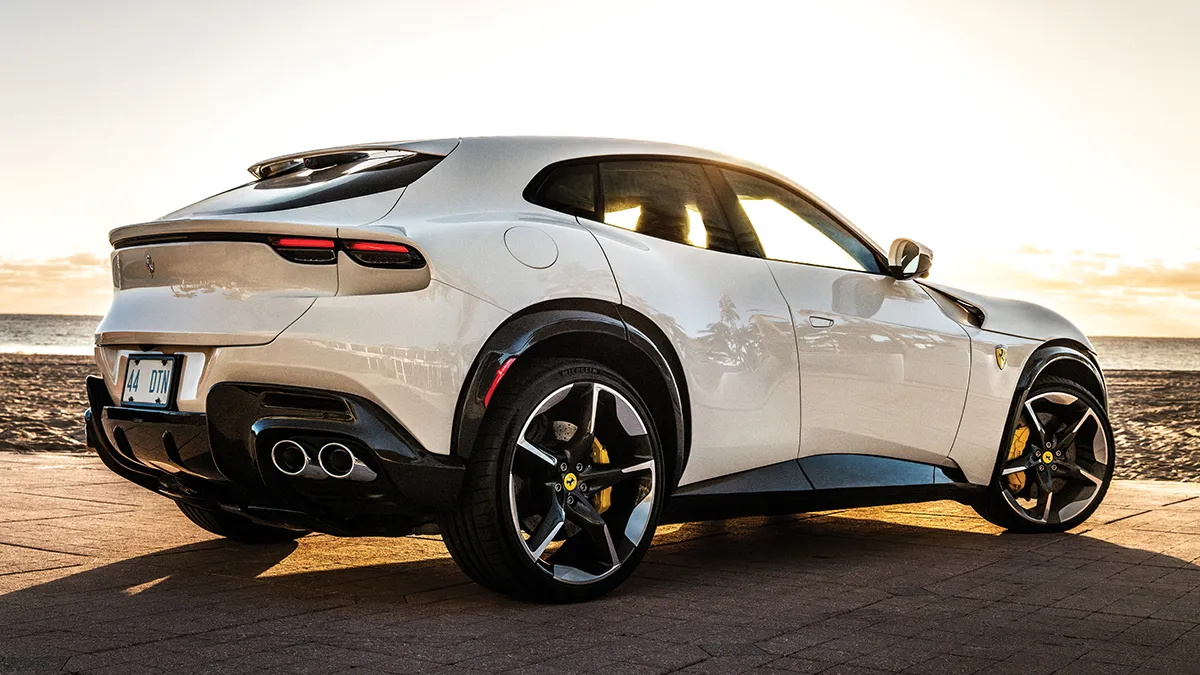
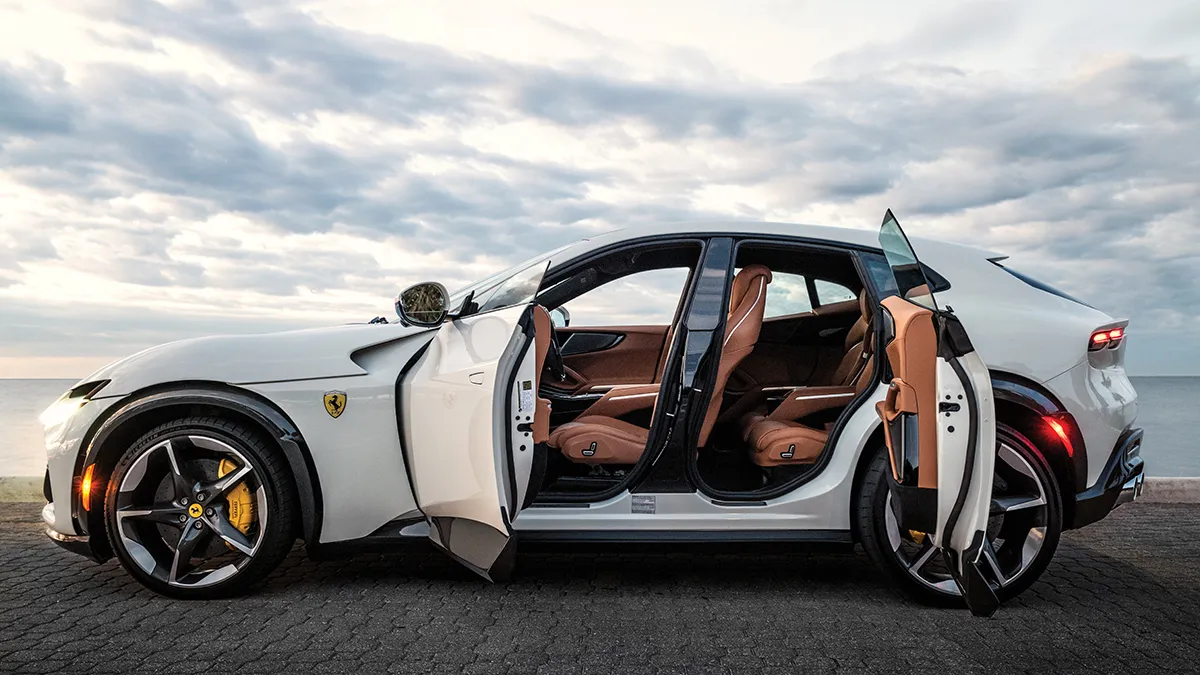
The Purosangue breaks from every other production-line Prancing Horse in history with a simple twist: rear doors. It’s the first four-door Ferrari that has made it to market, and while it has been sold stateside since 2023, the 2026 model arrives with a new steering-wheel design that brings back mechanical buttons. The essentials stay the same—a V-12 engine, all-wheel drive, and a sporting superstition that wowed judges enough to take third place in this year’s Car of the Year competition.
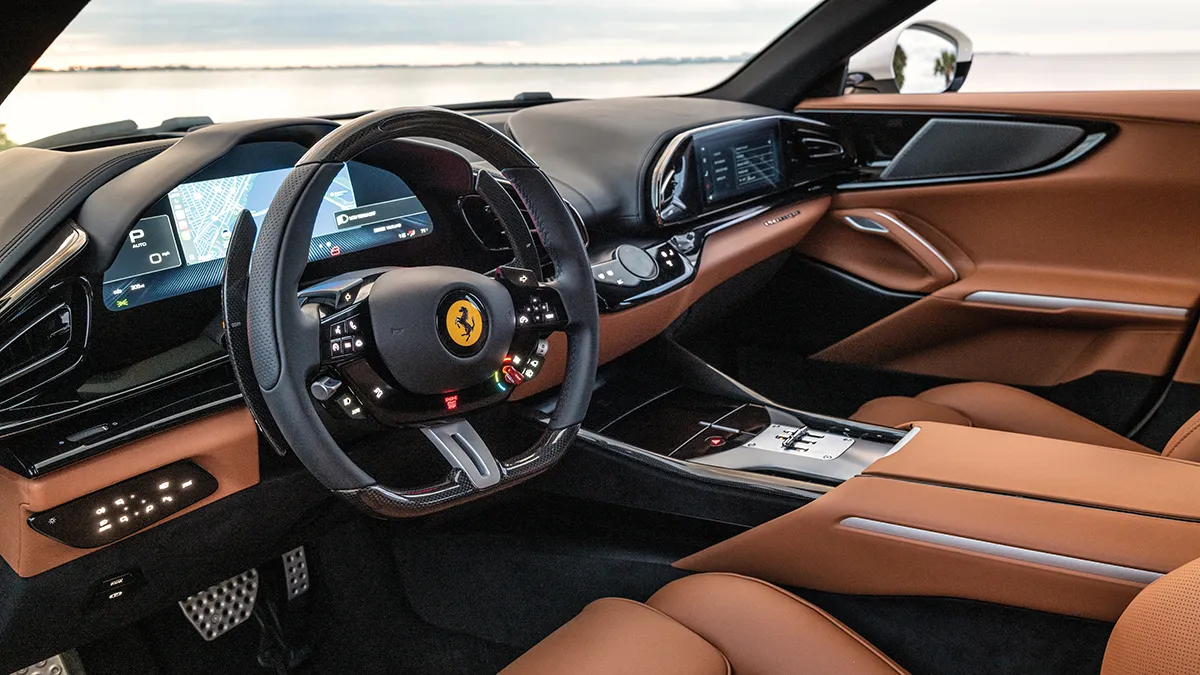
Lee Oleinick summed it up: “You expect perfection when you buy a Ferrari, and the Purosangue doesn’t disappoint. A sculptured exterior surrounds one of the finest interiors, without [design] overkill. And the performance? You have to keep reminding yourself you’re in an S.U.V. It’s that good.” Ryan Branning agreed, saying, “It’s less an S.U.V. and more a Ferrari that happens to seat four. The engine is a masterpiece.” And Sam Herzfeld called the Purosangue “all-around, a really great car. Amazing to be able to have a quintessential Ferrari in a four-door daily driver. Love the dual-cockpit feel.”
“You expect perfection when you buy a Ferrari, and the Purosangue doesn’t disappoint.”
Not everyone was convinced. A few drivers—including longtime Ferrari owners—had mixed opinions about how the mid-front-mounted naturally aspirated V-12 handled the Purosangue’s 4,481-pound (dry weight) mass. “The drive did not live up to typical Ferrari standards,” said Thomas Mantione. Carlos Fuente III wasn’t impressed, either: “The Purosangue was one of the cars I was most excited to drive, but unfortunately, it was underwhelming. It fails to deliver the thrill you expect from a Ferrari. It’s luxurious and well-built, just missing that raw excitement.” Matthew Dicken offered a broader perspective. He “expected a bit more performance from the V-12, but as the owner of four Ferraris currently, it’s the only one I’ve driven that I could drive every day.” Others were all in. Brian Davis called the Purosangue “my clear favorite,” while John Graff was even more succinct, referring to it simply as “my fave.”
Engine: 6.5-liter naturally aspirated V-12
Power: 715 hp
0-60 MPH: 3.3 sec
Top Speed: More than 193 mph
Base Price: $423,636
As Tested: $514,286
2. Lamborghini Urus SE
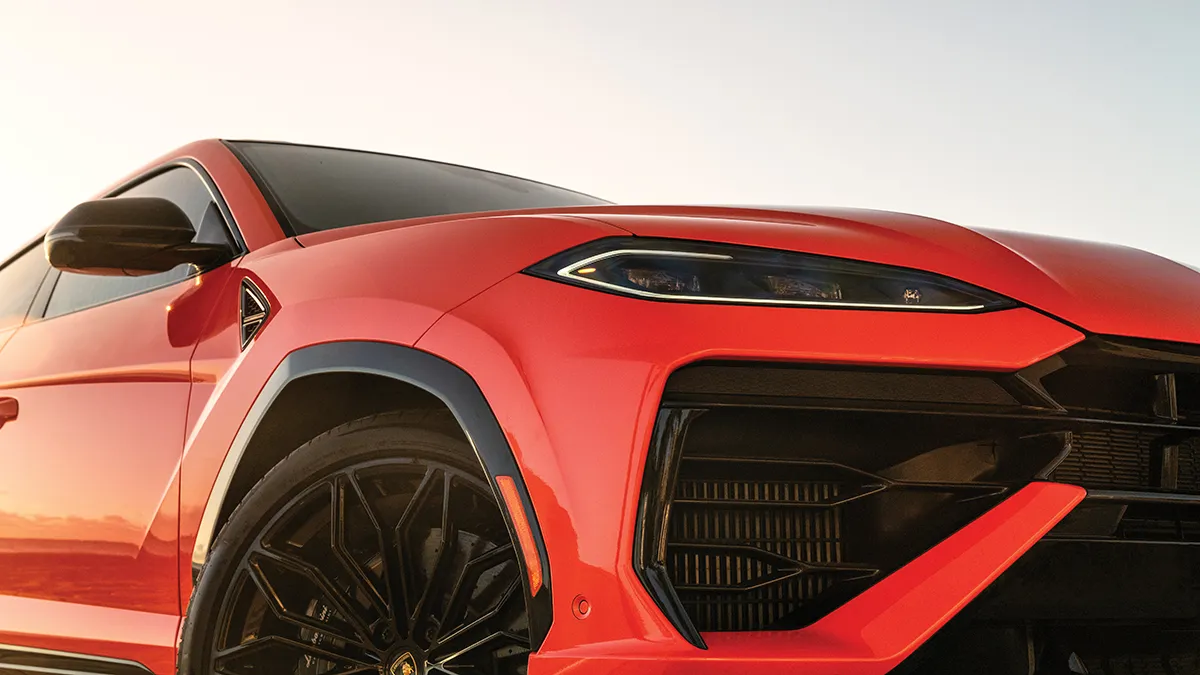
When it was named Robb Report’s Car of the Year in 2018, the original Lamborghini Urus rewrote the S.U.V. rulebook with an all-terrain Raging Bull that, at the time, was in a ring all its own. Since then, the Urus has become the Italian-supercar maker’s best-selling model, one that continues to set benchmarks as competition intensifies.
The SE variant lives up to that challenge as the brand’s first hybrid iteration of the Urus and its most powerful to date. “A sports car hidden under an S.U.V. body” is how James Hefelfinger viewed it. Claudia Falero went a step further, calling it a “sports car on steroids.
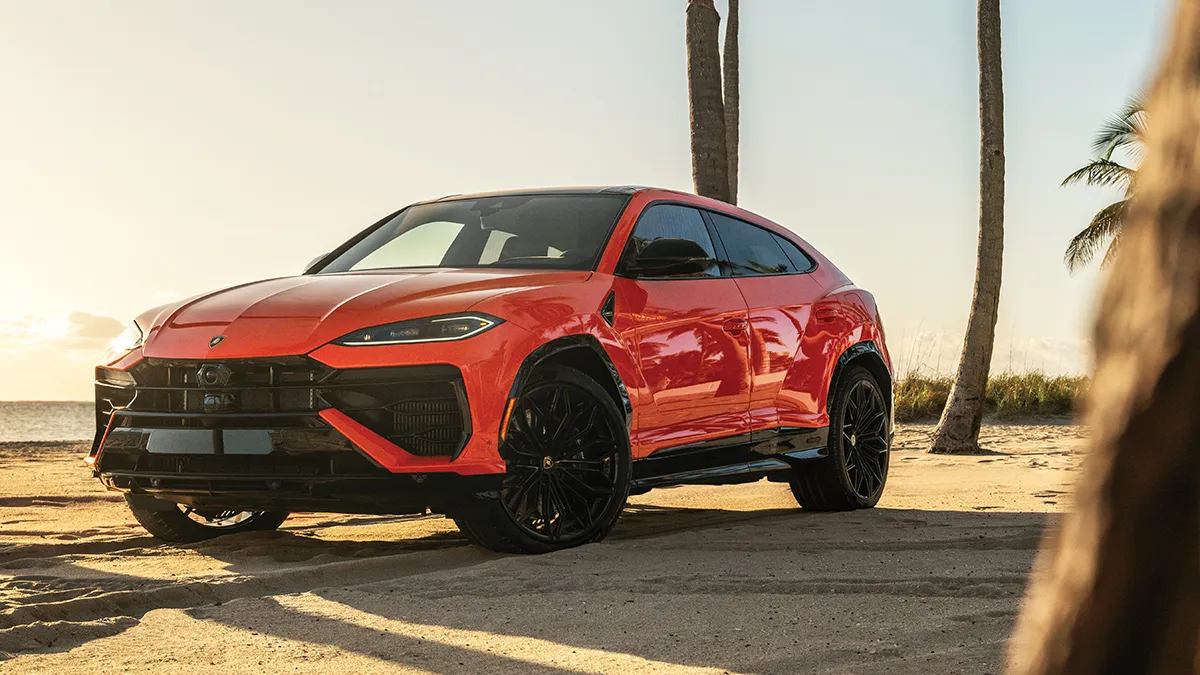
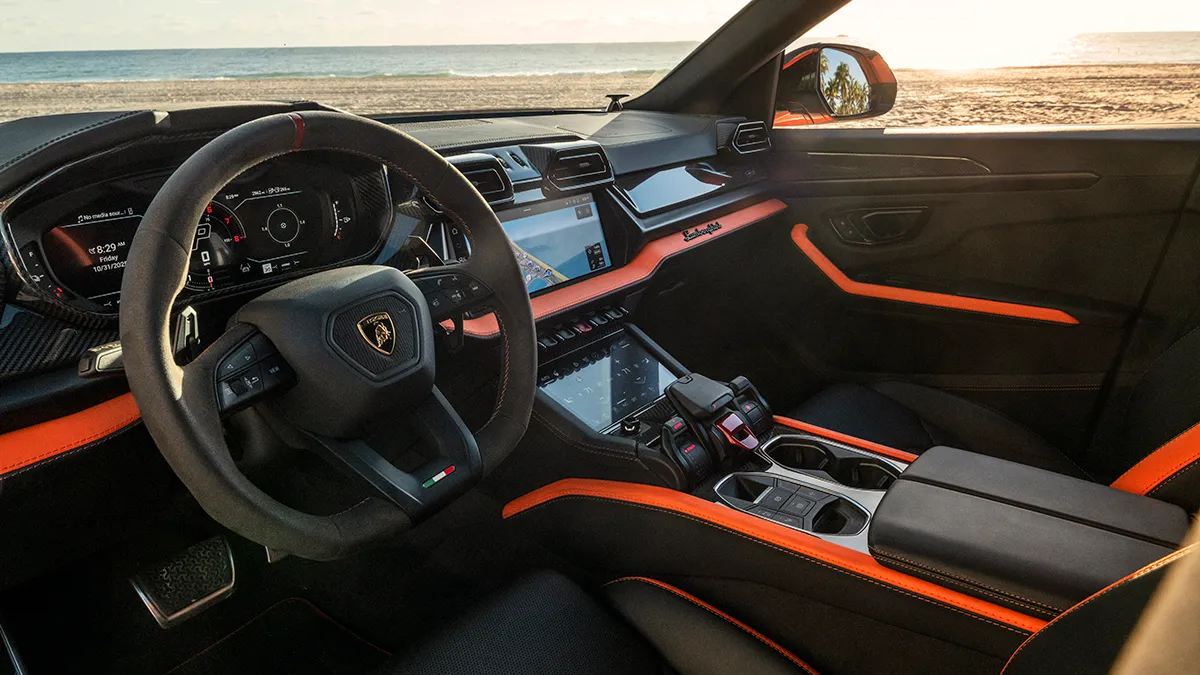
The increased brawn is owed to a 4.0-liter twin-turbo V-8 mated to an electric motor—housed within the eight-speed transmission—that combines for 789 hp and nearly 701 ft lbs of torque. “I knew it would be loud, and it was,” said Joshua Slater, “but it delivered.” Michael McMillan was so taken with the soundtrack that he joked, “Someone needs to turn that engine growl into a men’s cologne.” Ryan Branning found deeper meaning in the drive experience. “The Urus SE proves that adding voltage doesn’t subtract soul,” lauding its combination of “sheer ferocity and room for the whole family.” Chris Stout was stunned by the acceleration and said that “the hybrid makes an amazing difference.” Similarly, Julio Cantillo noted that the “hybrid supplement creates a sense of immediacy.” Michael Garber admired the “exciting, dramatic cockpit” but found the handling to be “a bit soft.” Even less bullish on the latest variant were John Graff, who “didn’t see much change from the old model,” and Carlos Fuente III, who asserted that it “feels like a downgrade from the previous model.”
“Someone needs to turn that engine growl into a men’s cologne.”
The broader consensus, however, aligned with Fabricia Azevedo, who said, “Some chase the thrill of flying fighter jets; others find it behind the wheel of the Lamborghini Urus SE.” That perspective explains its second-place finish in our contest—along with Andrew Shantz’s ringing endorsement: “It’s just awesome.”
Engine: 4.0-liter twin-turbo V-8
Power: 789 hp
0-60 MPH: 3.4 sec
Top Speed: 194 mph
Base Price: $258,636
As Tested: $358,332
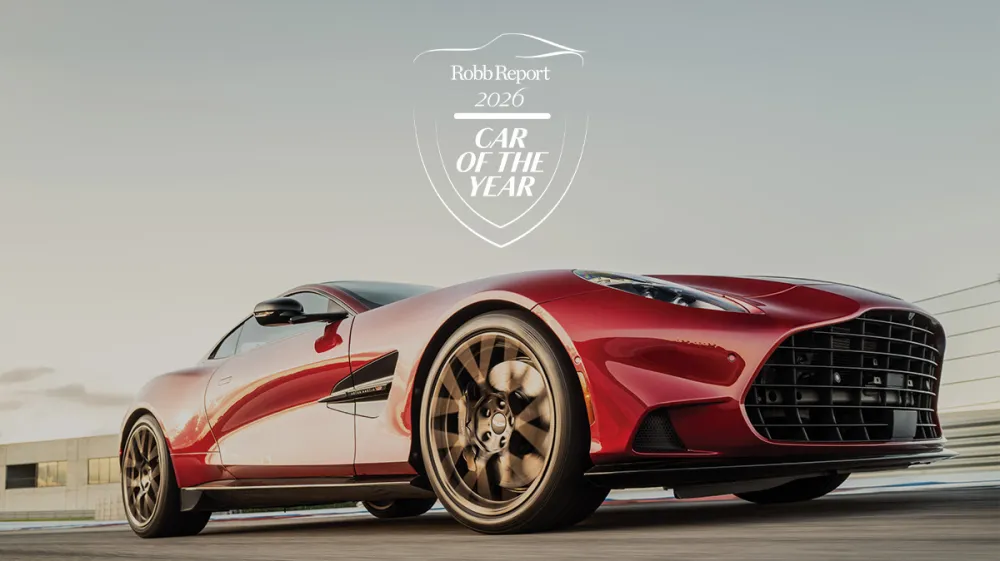
Car of the Year: Aston Martin Vanquish
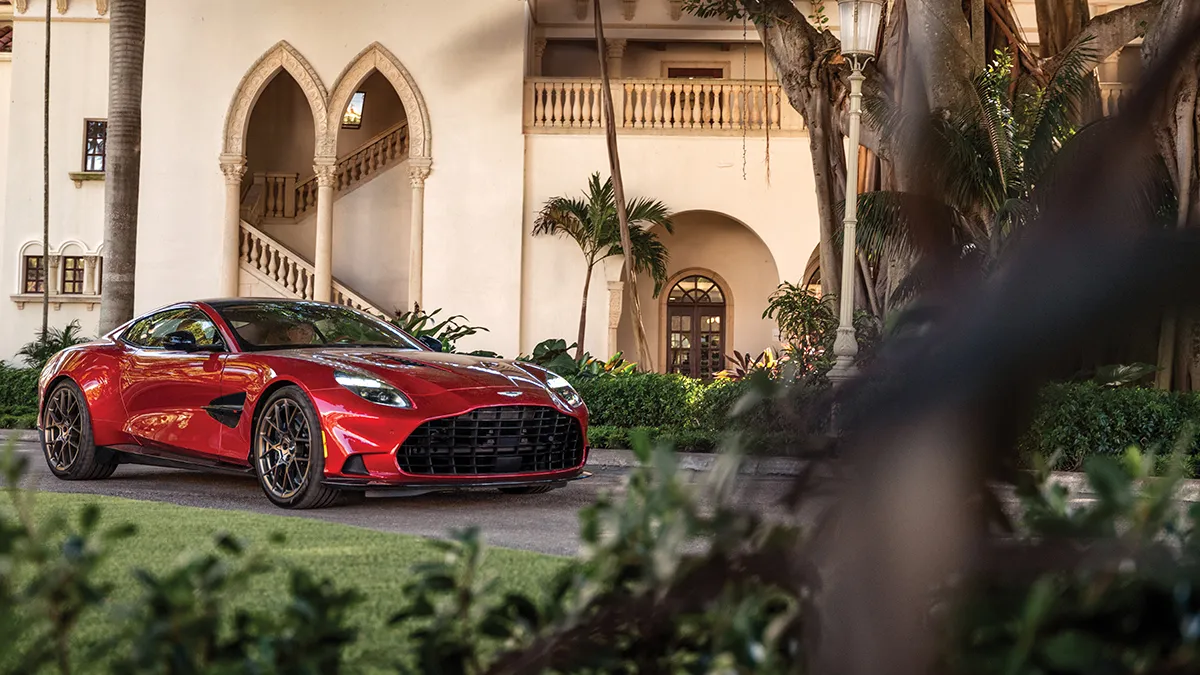
For decades, Aston Martin felt like a not-so-gracefully aging Hollywood star living off the glory of a few great performances. In recent years, the proud British marque has staged a persuasive comeback. Striking design, innovative tech, and meaningful gains in craftsmanship have returned Aston to form, earning the DB12 a 2024 Robb Report Car of the Year title and delivering a second-place finish to the Vantage last year. This year’s Vanquish arrived as a front-runner from day one. With 824 hp and a top speed of 214 mph, it ranks as one of the fastest production cars ever to come from the automaker. Add an interior executed with genuine artisanship, and it’s little wonder the judges overwhelmingly chose it for the top spot on the podium.
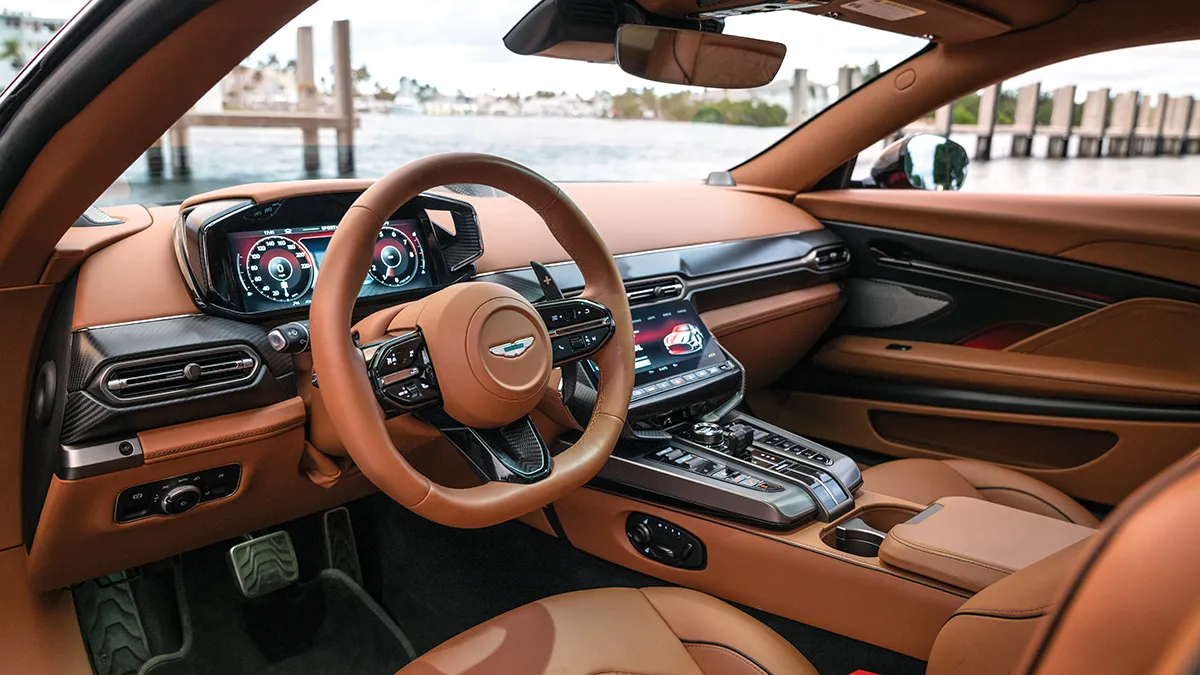
“A beast beautifully wrapped in all things lovely,” is how Roger Cary described it. Chris Stout saw it more as a milestone. “The Vanquish is a game changer for Aston Martin,” he said. “Gone are the days of chintzy plastic interiors. This interior’s fit and finish was impeccable. The trick carbon-fiber cross post where the back seats would be is amazing and helps to manage torsional control of the body.” Brian Schwalbe noticed that the “user interfaces are intuitive, with analog buttons and switches for the most frequently used functions,” while also admiring how “the engine, drivetrain, and suspension are smooth and well-tuned, giving just the right amount of drama when wanted.” Michael Branning loved the “immediate thrust, telepathic steering, and sure-footed chassis,” and Paul Lukianov deemed it an “absolute marvel in engineering. Unlike anything I’ve ever driven.”
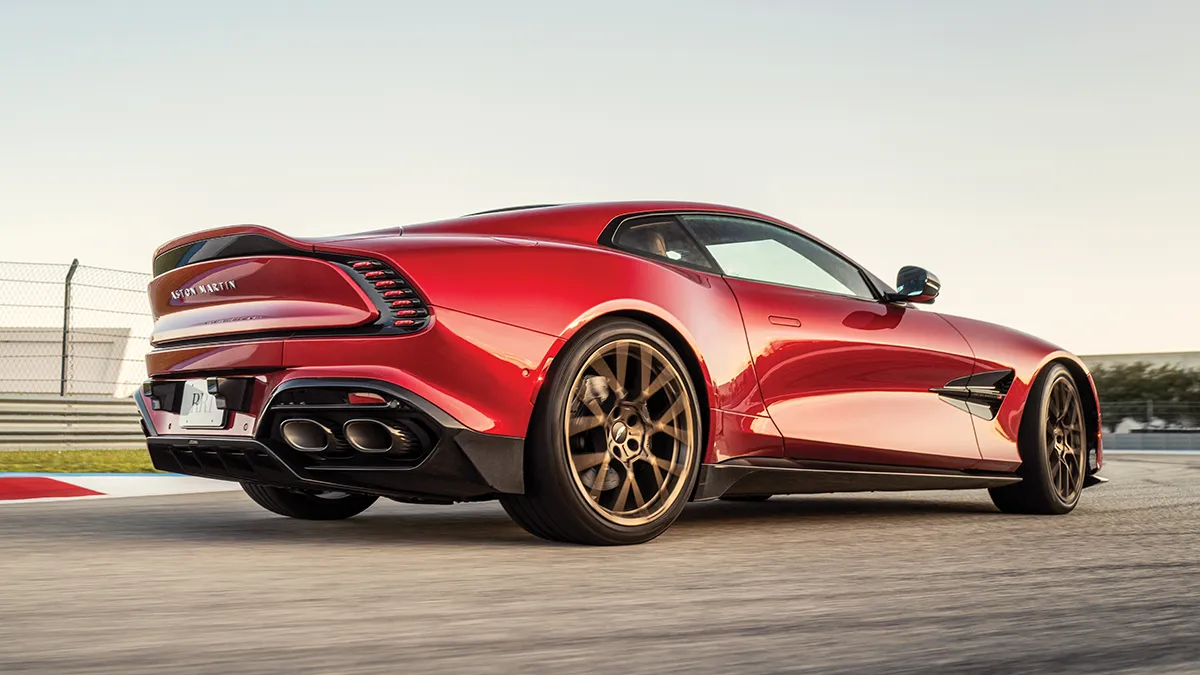
There were almost no dissenting opinions, save for John Graff, who cryptically concluded that it was “too British” and had “too much isolation.” Not so for Cjay Joseph, who noted it was “definitely 11 out of 10.” Joshua Woods agreed, calling the Vanquish an “instant classic.” It was also clear how Robert Cossaboon voted. “If I hadn’t just bought a [Porsche] GT3, I’d be in the showroom tomorrow,” he said. “Outstanding in every way.” But Mark Newman may have distilled the consensus best of all: “If you could have one sports car, this would be it.”
Engine: 5.2-liter twin-turbo V-12
Power: 824 hp
0-60 MPH: 3.3 sec
Top Speed: 214 mph
Base Price: $429,000
As Tested: $552,600
Course Curriculum
To accurately evaluate remarkable vehicles requires a crucible of the same caliber, which is why the private racetrack at the Concours Club in Opa-locka, Fla., has been our testing ground on the East Coast for the past several years. With the motorsport enclave’s two-story Pininfarina-designed event campus as home base for five days, our collective team of 117 judges set about the task of determining which of the 10 contenders was worthy of the Car of the Year title.
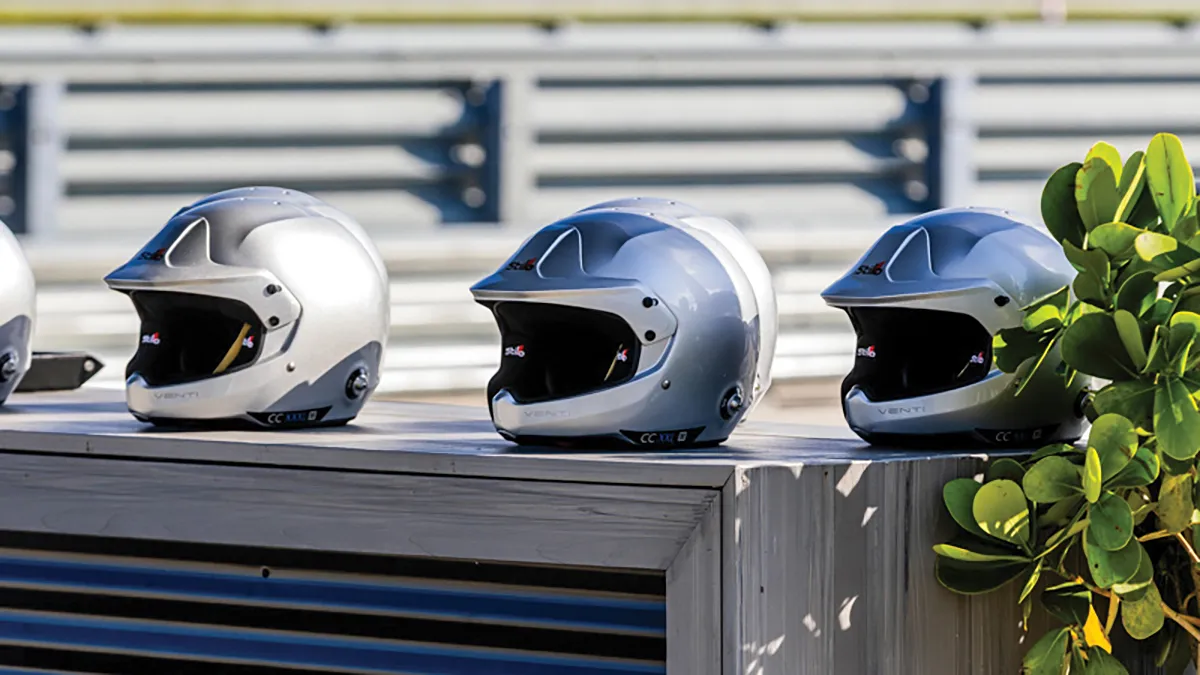
Each vehicle was repeatedly piloted along the two-plus-mile track, which had been divided into specific zones for exercises such as standing-start sprints, a slalom run, and an emergency-lane-change maneuver, among others—all intended to cumulatively reveal the overarching motoring experience presented by every model. Not all the boxes to be checked, though, were based on drive dynamics, as part of what makes a model memorable are its emotive touchpoints. With this in mind, our drivers were asked to consider all of the following:
Looks: interior and exterior
Luxury and Comfort: ergonomics, materials, and noise, vibration, and harshness
Performance: acceleration, handling, and braking
Utility: capacity and practicality
Intangibles: collectibility and “wow” factor
It’s through this prism that our judges were able to critique—as impartially as they could—such a multifaceted field. And while some walked away with a few biases confirmed, others found themselves drawn to unexpected entries, with the sleeper model for many being the Audi RS e-tron GT performance. But then it’s difficult not to be impressed with a sedan that delivers more horsepower than a Pagani Utopia or a McLaren Senna and that arcs through a double-apex corner with aplomb.
In the end, though, the winning trifecta comprises examples from automakers willing to adapt yet still holding fast to their legacies. Yes, Ferrari’s all-electric car looms on the horizon, but its four-door Purosangue, while an acquiescence to the performance market’s demand for sport utility, celebrates the beloved V-12 in a way that we imagine even Enzo himself would have embraced. As for the Lamborghini Urus SE, its hybrid prowess and extreme versatility demonstrate why the Raging Bull is more relevant than ever. But the vote count wasn’t remotely close when it came to the victor: Aston Martin’s Vanquish enthralled both the majority of judges and Robb Report’s own editorial team. The latter viewed the Vanquish as not only a renaissance for the marque but also this year’s unparalleled combination of breathtaking beauty and unapologetic brawn—always a winning combination.
Driving Forces
After 23 editions of COTY, we know that aside from the finest automobiles, one of the keys to the annual event’s success is our collaborative relationships with some of the world’s leading luxuryLuxuryA lifestyle defined by exceptional quality, craftsmanship, exclusivity, and sophistication, encompassing the finest products, services, and experiences that represent the highest standards of refinement and excellence.Go to Luxury Glossary brands in hospitality, wine and spirits, transportation, and style.
When our drivers weren’t being hosted by the 80-acre Concours Club and lunching on its menu created by Chef Brad Kilgore—formerly of Michelin-starred Alinea—they were enjoying the storied Boca Raton resort. Commemorating its centenary this year, the expansive retreat includes a 50,000-square-foot spa and an 18-hole golf course.

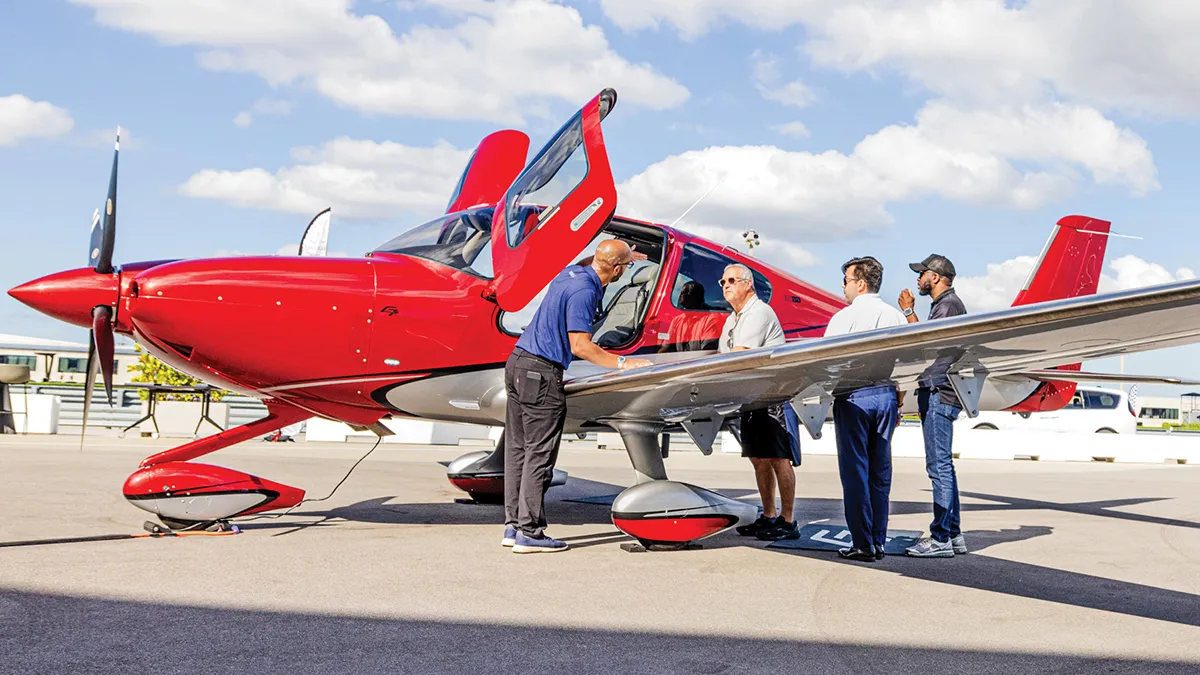
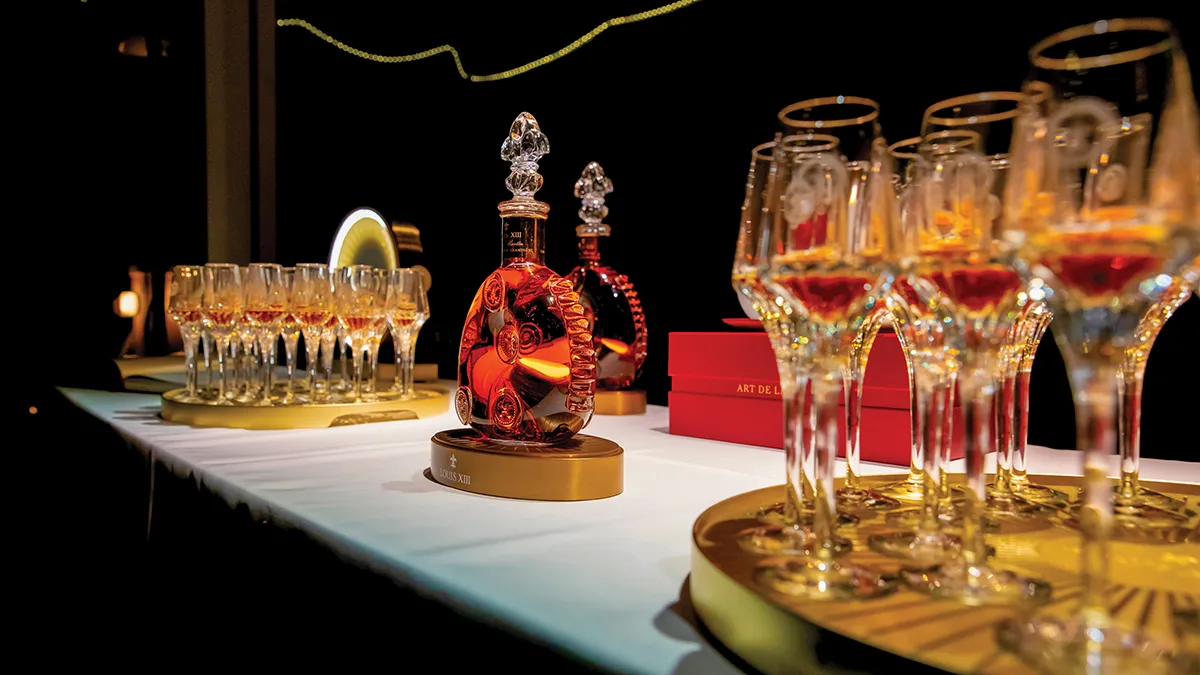
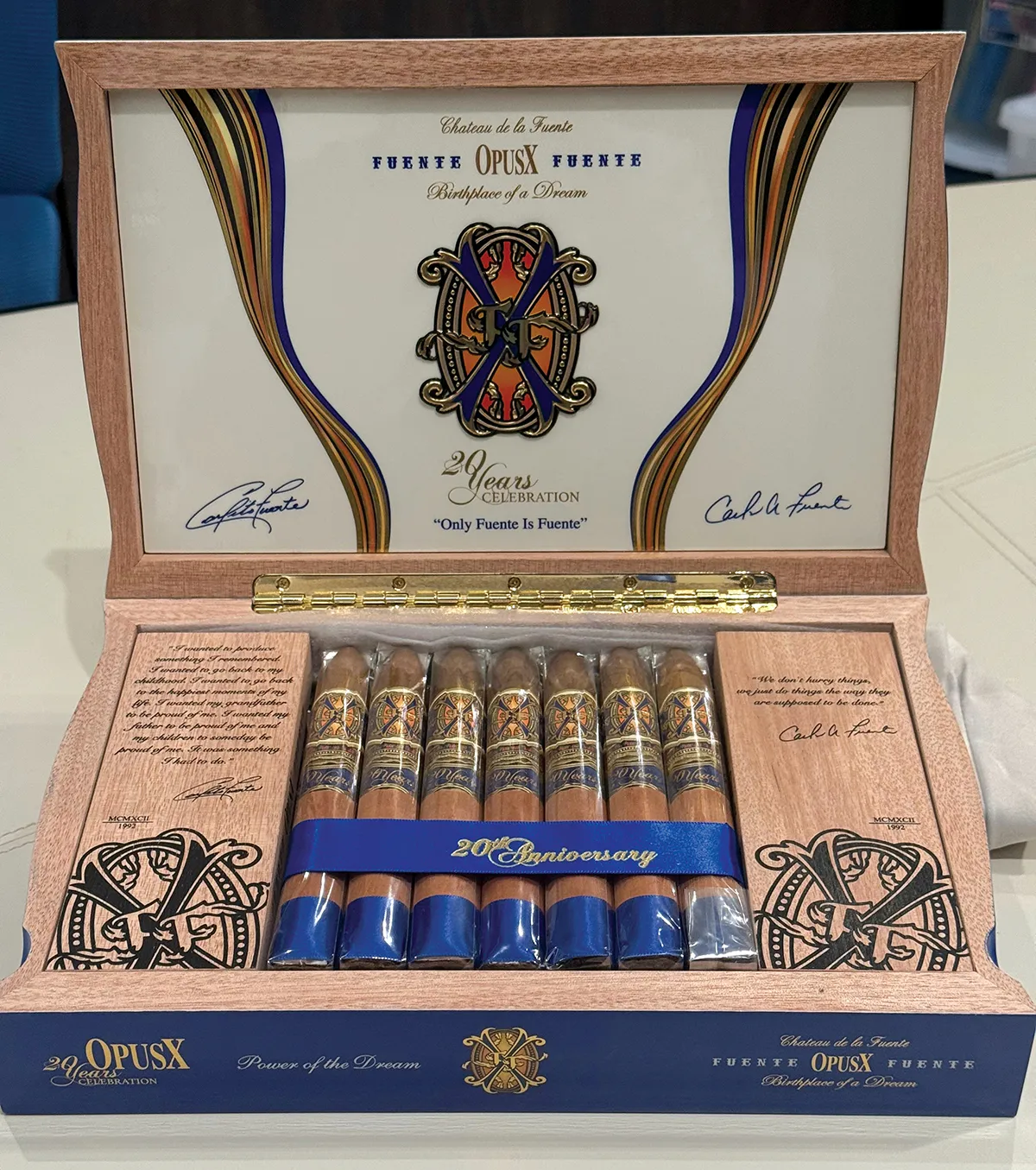
Brand partners also had a major share in supercharging each judging wave. Taking teamwork to new heights was Cirrus, which showcased a full-size model of its SR22 aircraft—equipped with Safe Return Emergency Autoland functionality—and made it available for trackside tours. On the fashion front, eyewear atelier Akoni—founded in Switzerland and based in Japan—paired a specific model of sunglasses with each car, while custom-tailoring house Atlas Bespoke exhibited leather goods and accessories offering the same level of quality found in the Atlas Signature Duffel, which served as the Ultimate Gift Bag for this year’s Golden Globes. And supplying the post-drive toast prior to more than one wine-paired dinner was Louis XIII, whose renowned Cognac creates a lasting impression second only perhaps to that of the new friendships forged at each session.
Above all, however, it’s our cadre of discerning evaluators who make this automotive contest unlike any other. The roster primarily encompasses devoted readers who bring their own wealth of experience to bear, often having lived with multiple examples from the automakers represented. These participants remain the engine that drives Robb Report’s Car of the Year and continues to propel it forward as an industry touchstone.
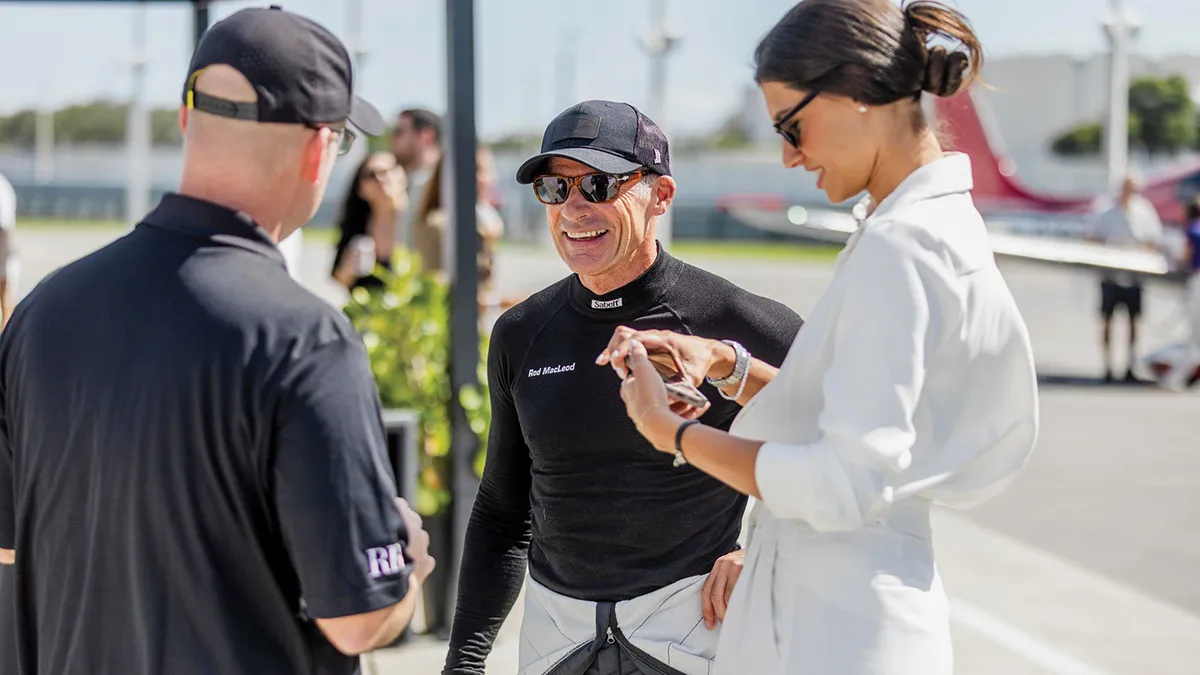
Top: Rod MacLeod (center), former Formula 3 champion and lead driving instructor at the Concours Club, gave hot laps during one lunch break.
Partners:
Akoni
Alexana Winery
Arturo Fuente
Atlas Bespoke
Cervantes Family Vineyards
Cirrus Aircraft
Gregarious Cigars
Kosta Browne
Louis XIII
Marciano Estate
Michter’s Patrimony Estate
Revana Winery
The Boca Raton
The Concours Club
Xerjoff
Judges
Steven Africk
Shane Ames
Fabricia Azevedo
Arif Babayev
Emiliano Fernandez Balague
John Bishop
William Bishop
Paul Boudos
Catherine Branning
Donald Branning
Michael Branning
Ryan Branning
William Branning
Andrew Bulkowski
Tresider Burns
Robert Jeffrey Busch
Aidan Cantillo
Julian Cantillo
Julio Cantillo
Roger Cary
Vincent Catalano
Scott Cohen
Richard Corman
Robert Cossaboon
Normand Coulombe
John Cunningham
Katrina Cunningham
Brian Davis
Lisa Davis
Sebastian Detullio
Matthew Dicken
James Diggs
Josh Diggs
Farah Driche
Lynn Dugas
Stephen Dugas
Daniel Egipciaco
Marcos Egipciaco
Claudia Falero
Ramon Falero
Joseph Fath
Jeremy Fleischman
Carlos Arturo
Fuente III
Gian Fulgoni
David Garber
Michael Garber
John Graff
Joshua Greenman
William Greig
Kevin Gutierrez
Andrew Hefelfinger
James Hefelfinger
Sam Herzfeld
Guy Johnson
Jeffrey Johnson
Cjay Joseph
Carrie Kelly
Timothy Kelly
Mark Kerslake
Bob Kocher
Robert Kolt
Paul Kwiecinski
Noel LaPorte
Carroll Joseph Leboeuf Jr.
Sean Lee
Chris Lorenzen
Alex Lukanov
Paul Lukianov
Alex Lundy
Richard Maffezzoli
Thomas Mantione
Michael Markovich
Viju Mathew
Michael McMillan
Cedric Meeschaert
Jeff Meisel
Rudolf Kniase Melikoff
Joseph Menter
Kathleen Menter
Jeff Mitelman
Linden Nelson
Sanford Nelson
Mark Newman
Lee Oleinick
Novella Paghera
Itay Perach
Russell Potee
Scott Powell
Peter Powers
Tanya Ropp
Ronald Salkow
Robert Santom Andreas Schuermann
Heike Schuermann
Brian Schwalbe
Julie Schwalbe
Andrew Shantz
Lionel Sims
Craig Sincock II
Mitchell Singer
Joshua Slater
Timothy Smeaton
Ismael Soto
Kenneth Spiegel
Chris Stout
Michael Tutcher
Ara John Vartanian
Giordana Vogel
Ronald Vogel II
Mia Leonarda Vukasovic
Jeffrey Walker
Arthur Ward IV
Samuel Weeman
Dawn Weems
Johnie Weems
Tyler Weesen
Michael Wolf
Joshua Woods
This article originally appeared in Robb Report US.