Silence Has Become the Ultimate Status Symbol




The longevity movement in wellness is what happens when existential dread gets a venture-capital budget. Our wealthiest friends are abandoning the spectacle of biohacking in favor of something much more controlled, more private, and far more rare. Silence, by many metrics, now behaves like capital, carrying at times what feels like the same gravity as a private island or a Picasso.
This pivot did not happen overnight. It accelerated in the post-pandemic years, when excess finally began to feel gauche, and even the ultra-rich grew exhausted by constant exposure.
Quiet luxuryQuiet LuxuryA style philosophy favoring understated, high-quality goods without visible logos, centered on exceptional materials and craftsmanship. Quiet luxury appeals to discerning clients who value subtlety, and it has influenced watches,Go to Quiet Luxury Glossary, once a fashion code, became a wellness philosophy. Logos disappeared, the real work moved offstage, so to speak, and the highest form of privilege became the ability to be unreachable. In this new hierarchy, silence, once thought of as equating emptiness, has been made into a scarce, curated resource.
What today’s most discerning individuals are really purchasing is an invisible advantage. Cognitive clarity. Faster recovery. Emotional steadiness. A nervous system that does not spike with every incoming email, market swing, or headline. This recalibration has more to do with architecture than aesthetics, really. It keeps these “high performers” functional under extraordinary pressure.
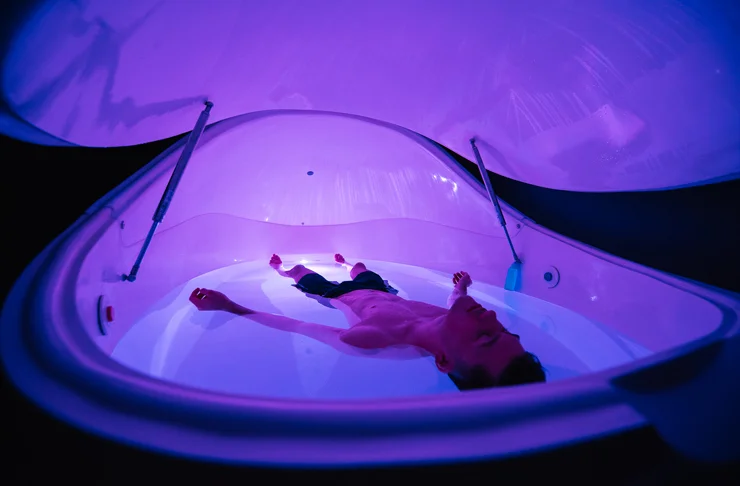
Nowhere is this more apparent than in the rise of sensory deprivation and floatation therapy. Once associated with counterculture wellness, floatation has become a foundational ritual inside the private clinics, members-only clubs, and in-home sanctuaries of the ultra-wealthy. Soundproof, lightless, and saturated with magnesium, the float pod offers something no luxury hotel or first-class cabin can: total withdrawal.
To float is to opt out. In a hypervisible culture built on constant output, this kind of engineered nothingness signals a new form of control. Inside the pod, cortisol drops, brain waves slow, and the nervous system exits fight-or-flight. For executives, artists, and financiers whose days are defined by endless inputs, the absence itself becomes therapeutic.
Yet floatation is rarely the endpoint. It is the gateway, clearing the mind before the rest of the system is optimized. And it is only the first layer of a far more comprehensive regime.
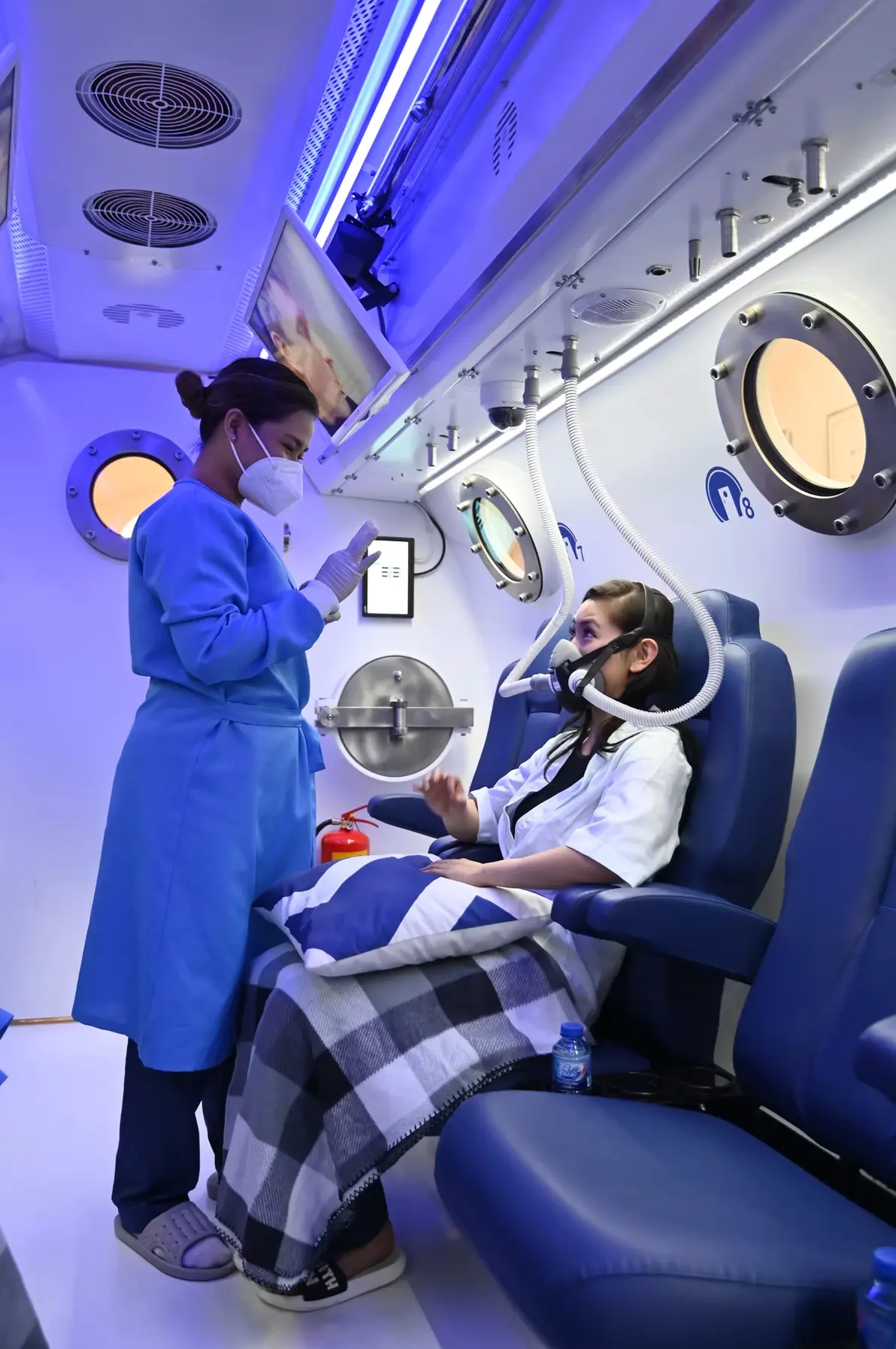
From there, the ecosystem just deepens. Something like hyperbaric oxygen therapy (HBOT), in fact, has become one of the most discreetly installed tools in the upper echelon of wellness.
By flooding the body with near-pure oxygen under pressure, HBOT accelerates healing, reduces inflammation, and supports neurological function. See, its appeal lies in its statistical obedience. Recovery windows shrink. Fatigue becomes manageable. Cellular performance improves. Increasingly, such chambers are now actually built into private estates, superyachts, and wellness suites, where optimization is simply part of daily life.
Whole-body cryotherapy operates with similar logic. While its celebrity image is well known, its real adoption story happens behind closed doors. Three minutes of extreme cold triggers vasoconstriction, endorphins, and rapid inflammation reduction.
For the ones of us who cannot afford downtime—the actors between shoots, athletes between competitions, or financiers between flights—cryo’s value lies in its ruthless efficiency. It undoubtedly offers maximum physiological return in minimal time.
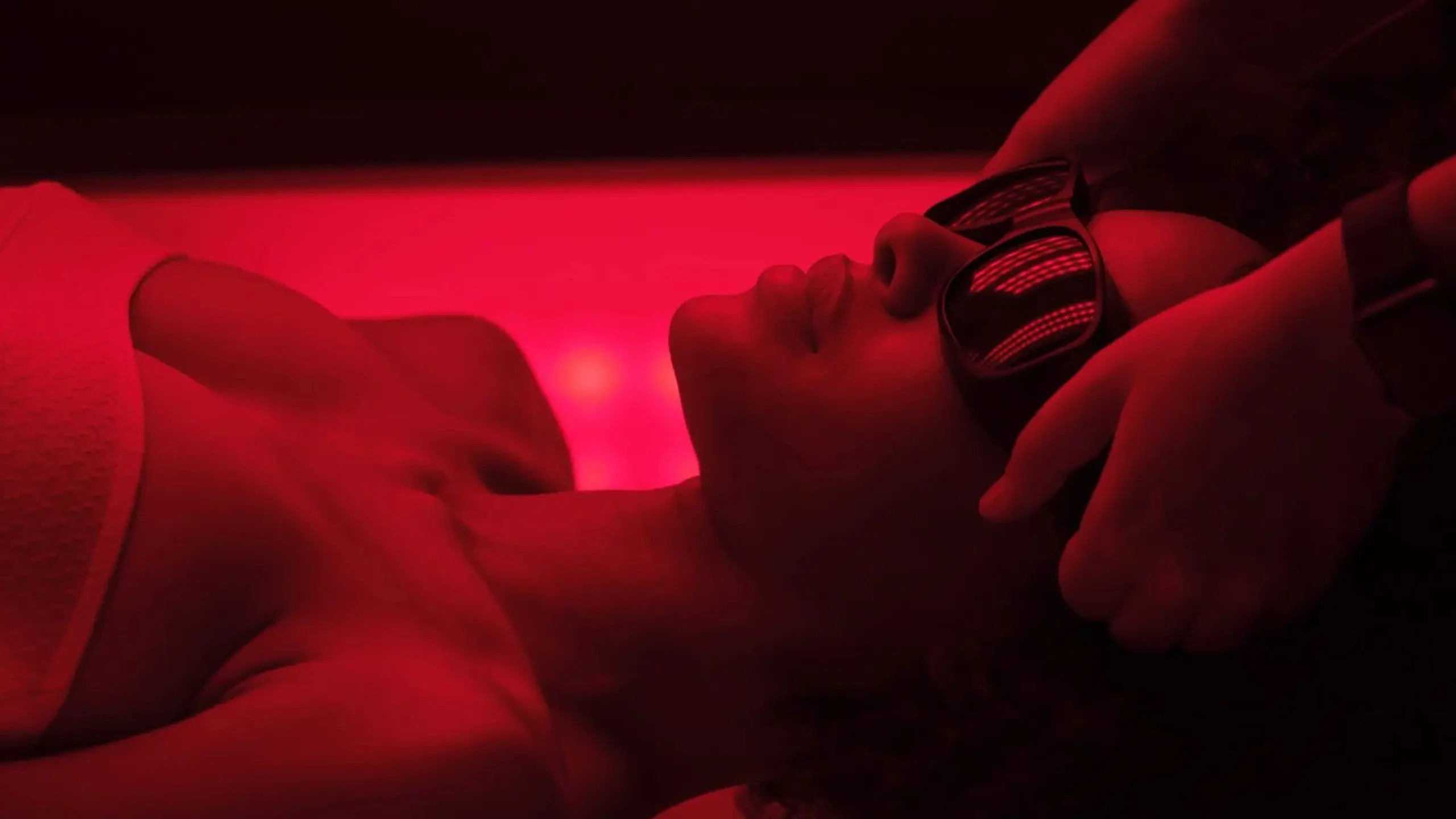
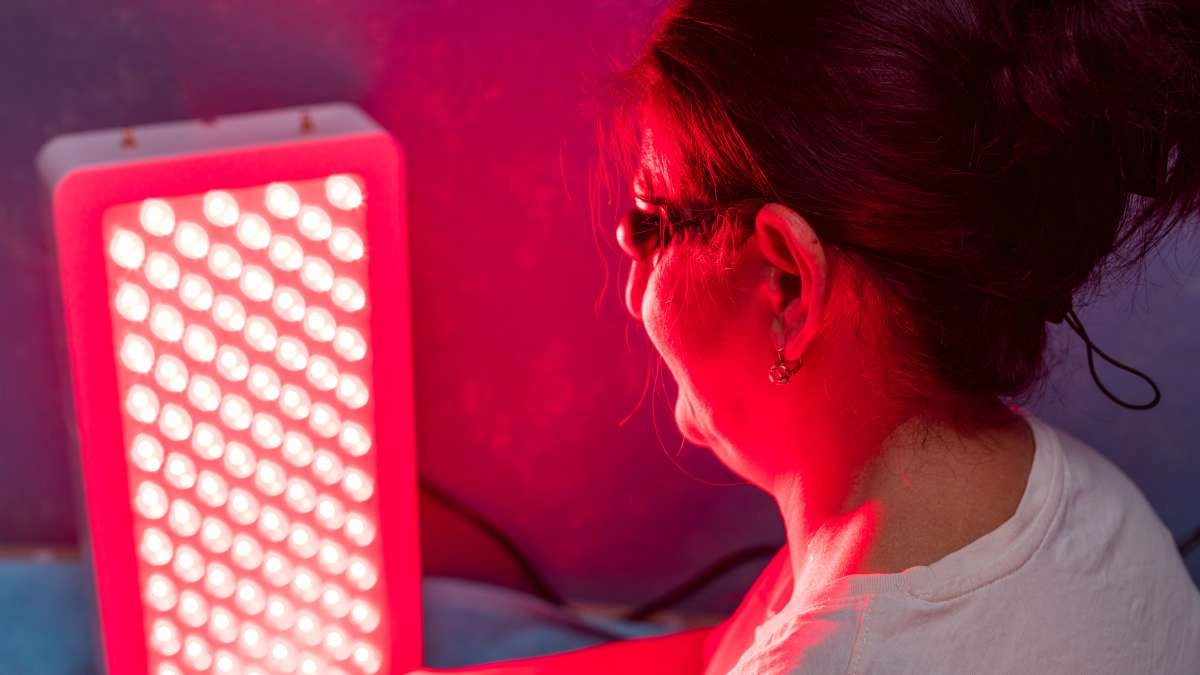
Red light and near-infrared therapy take the philosophy even further. Their effects, including improved mitochondrial function, collagen synthesis, and muscle recovery, accumulate slowly, invisibly, over months and years.
That compounding is precisely what makes them attractive. Installed in private homes and villas, these therapies blur into the architecture of daily life. The body is being optimized, but of course, no one needs to know that.
Perhaps most telling, however, are the treatments aimed not at muscles or skin, but at the nervous system itself. Vagus nerve stimulation, parasympathetic retraining, and neurofeedback are increasingly sought by those who recognize stress as the true enemy of longevity. Chronic, low-grade fight-or-flight erodes everything from sleep to immunity to decision-making. Addressing it, at the level of the nervous system, is both subtle and profound.
Together, these therapies point to something larger than wellness. They reveal a shift in how power is expressed. In an era of oversharing, hyper-productivity, and public performance, the ability to be unbothered has become its own form of wealth. Silence now operates as a quiet form of control.
Nobody no longer wants to be seen doing wellness. They want to feel its effects. They want clarity without announcement, resilience without ritual, optimization without all the ruckus. Float pods, oxygen chambers, cryo rooms, and neural therapies, among other otherworldly hacks, all deliver the same message: the highest form of status is what you no longer need to prove. Quiet is the space where power is restored.