Health As the Top Luxury Asset: A Conversation With Prof. Andrea Maier of Chi Longevity




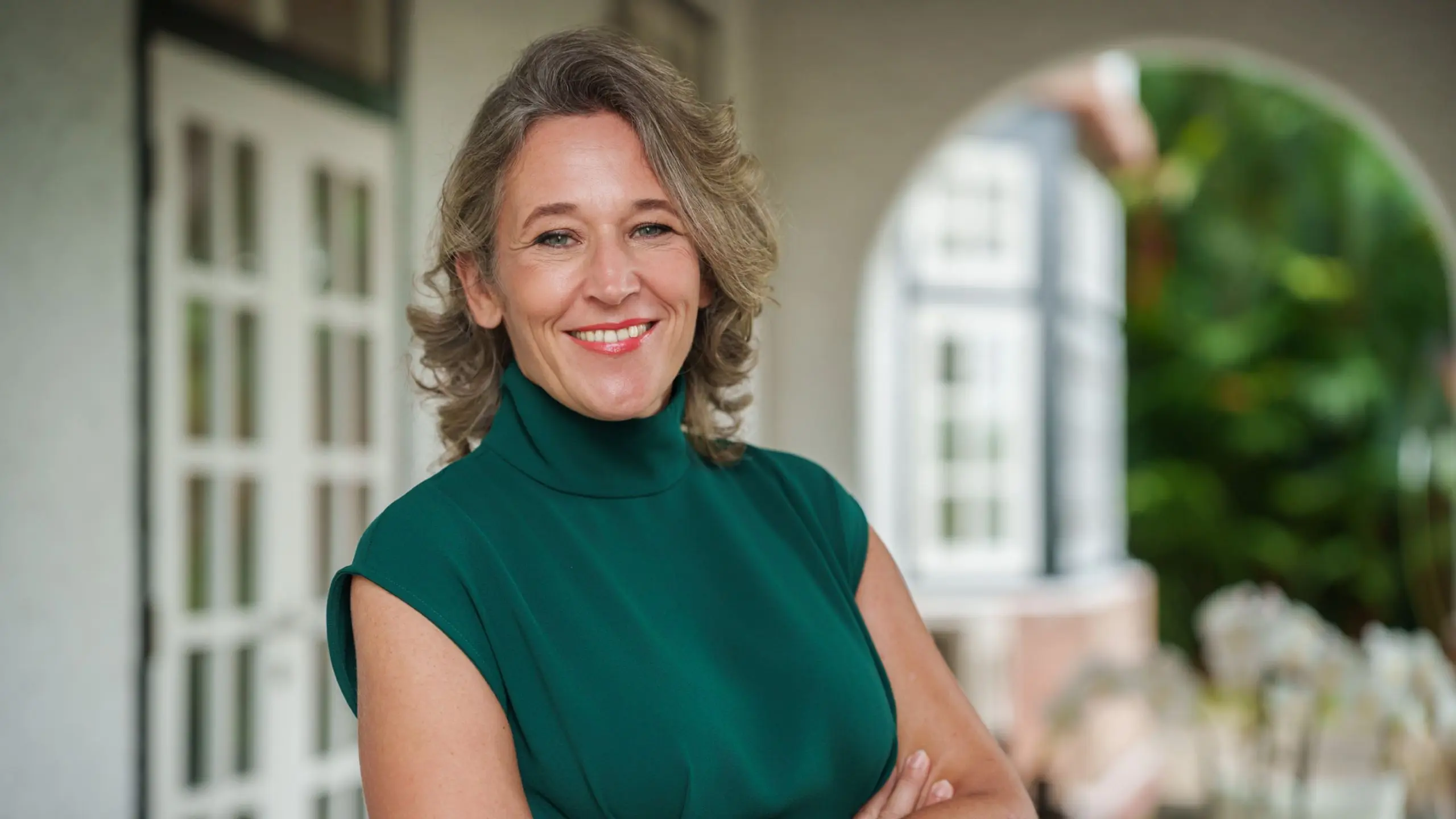
“For a long time, leaders have planned meticulously for capital, risk, and succession, while assuming their own health would simply hold. What we now understand is that health is not a background variable—it directly shapes judgment, resilience, and the ability to lead well over time,” states Prof. Andrea B. Maier, co-founder of Chi Longevity in Singapore.
It is a statement that lands with force, particularly where boardroom foresight and generational planning are second nature. Yet when it comes to the one asset that underpins every decision and long-term vision—the body—many leaders still rely on assumption. That assumption is part of the gap Chi Longevity aims to change.
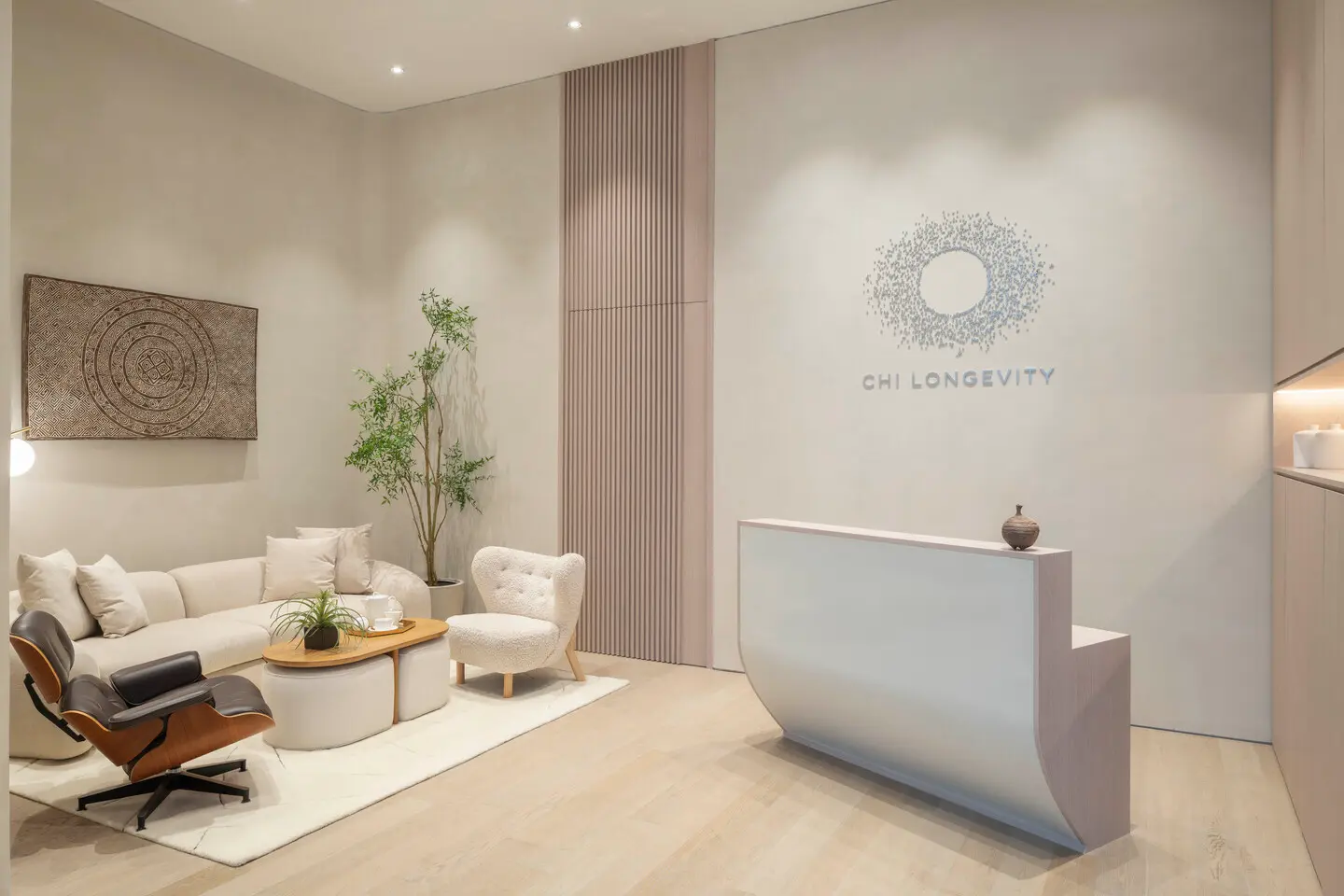
The clinic represents Asia’s first science-led longevity center. The mission of Chi is not merely to accept aging as an inevitability, but as a process to understand, measure and, increasingly, influence.
For centuries, the desire to extend life belonged to myth. The alchemists’ elixirs promised immortality. Today, words like “biomarkers” and “health span” have replaced magic potions. Investment in increasing the human lifespan is rife. In 2022, global funding into longevity ventures reached US$5.2 billion, attracting names such as Larry Page, Sergey Brin, Jeff Bezos and Mark Zuckerberg. And beyond Silicon Valley and biotech labs, longevity is becoming a lifestyle philosophy—one that speaks to those who want not merely to live longer, but to live better for longer.
Maier is careful with the rhetoric. The goal, she says, is not to be young again. “Healthy Longevity Medicine brings health into the same strategic framework leaders already use for business—identifying risk early, understanding trajectories and acting before decline becomes visible,” she explains. It is about protecting decision quality and leadership continuity by optimising health, not chasing youth.”
In other words, this is less about turning back the clock and more about ensuring the clock runs well.
Many of Chi Longevity’s patients are high-performing individuals who, on paper, look perfectly fine. They exercise, eat reasonably well and pass health screenings. And yet, Maier sees patterns that often remain invisible in standard annual check-ups. “Many high-performing individuals look well, feel productive, and pass routine health checks, yet still carry silent biological risks,” she says. “Performance is not the same as resilience, and appearance is not a reliable indicator of long-term health.”
The risks are rarely dramatic at first. Instead, there are subtle signs like metabolic shifts, early vascular ageing, chronic low-grade inflammation, disrupted sleep cycles and creeping cognitive strain. None of them announce themselves loudly in the way a heart attack or diagnosis would. But over decades, they compound.
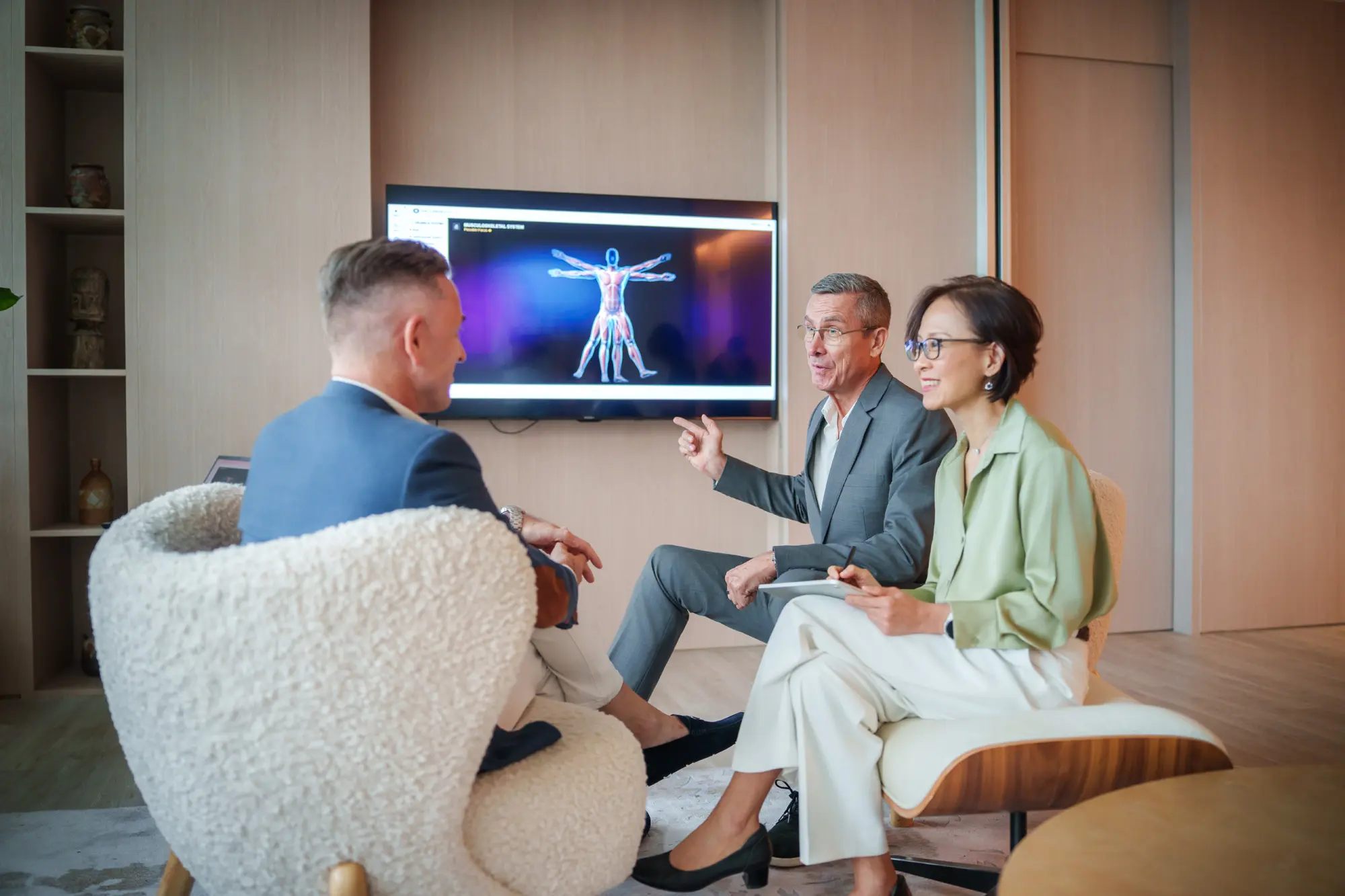
What distinguishes Chi Longevity’s approach is its emphasis on knowledge first. “Longevity medicine begins with understanding, not intervention,” Maier says. It is a philosophy that resonates well with those accustomed to making decisions based on data. Rather than prescribing a one-size-fits-all supplement stack or the latest wellness trend, the clinic builds a personalised biological map.
For some, that level of insight can feel confronting. The idea of looking deeply into one’s future risks is difficult. “Avoiding looking too closely at health issues is often normalized,” Maier observes. “Many people believe that not knowing will spare them worry, when uncertainty often creates more anxiety in the long run.”
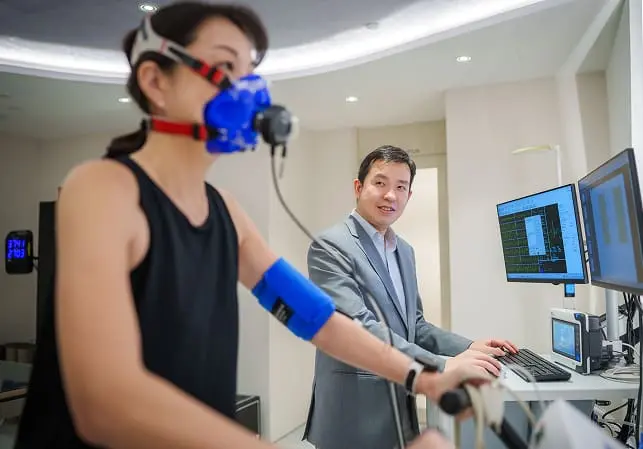
What she finds, however, is that knowledge empowers. “When individuals are given clear, personalized insights into their biology, something important shifts: they feel more in control, not less. This is where healthy longevity medicine differs from conventional executive health checks. The goal is not reassurance or one-offOne-OffA single, unique item created for one client, with no duplicates, such as a custom car, watch, or yacht. One-offs offer the highest exclusivity, and commissioning one requires working closelyGo to One-Off Glossary screening, but understanding, agency, and sustained engagement with one’s own health.”
That sense of control is perhaps the most compelling luxuryLuxuryA lifestyle defined by exceptional quality, craftsmanship, exclusivity, and sophistication, encompassing the finest products, services, and experiences that represent the highest standards of refinement and excellence.Go to Luxury Glossary of all. In a world defined by volatility—economic, geopolitical, technological—the idea that one can meaningfully influence one’s own aging trajectory carries appeal.
And the broader context is impossible to ignore. We are living longer than any generation before us. Yet longevity without vitality is a hollow promise. “People live longer, but too often spend many of those extra years in poor health,” Maier says. The ambition of the longevity movement is to compress morbidity—to extend the years of strength, clarity and independence, while shortening the period of decline.
“At Chi Longevity, we draw a clear line between precision geromedicine and consumer biohacking,” she says. By precision geromedicine, Maier is referring to a clinically governed branch of medicine grounded in geroscience, which is the study of the biological mechanisms of aging, and applied with the same discipline as cardiology or oncology. It relies on validated diagnostics, peer-reviewed evidence, measurable outcomes and physician oversight. Interventions are personalized, monitored and adjusted over time, with safety and long-term impact at the forefront.
Consumer biohacking, by contrast, tends to operate in the realm of self-experimentation: off-label drug use without medical supervision, unregulated supplements, wearable-driven optimization and trends driven more by online communities than clinical trials.
The difference is sophisticated–and also speaks of accountability. In Maier’s view, longevity medicine must be practized with rigor and restraint.

There is also a profound cultural shift underway. “People live longer, but too often spend many of those extra years in poor health. At the same time, science has changed our view of aging. We no longer see it as an inevitable decline, but as the main risk factor behind most chronic diseases and something we can measure, track, and influence. With biomarkers, digital health tools, and multi-omics [an advanced medical approach that combines data from your genes, proteins, metabolism and other biological systems to create a detailed, personalized picture of how your body is functioning and aging], prevention has become personalized and actionable rather than generic advice. People do not just want to avoid disease; they want to remain mentally sharp, physically capable, and independent for as long as possible. This expectation is reshaping medicine,” Maier explains.
At Chi, that reshaping is deliberately disciplined. “Biohacking” is conspicuously absent from its vocabulary. In a space crowded with experimentation and influencer-endorsed shortcuts, Maier draws a firm boundary. “Innovation matters, but in medicine, credibility comes from rigor, not novelty.” Every new idea is assessed conservatively. “Healthy Longevity Medicine must advance carefully, with discipline and humility—not speed alone.”
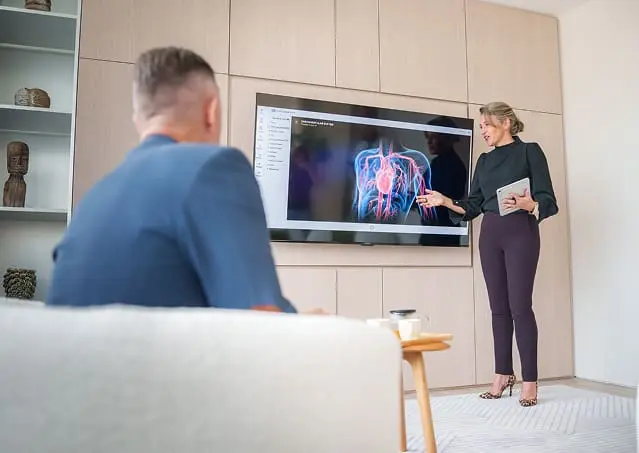
If an intervention cannot be properly monitored, measured and ethically overseen, it simply does not make the cut. “Risks are variable and may emerge earlier or at lower thresholds in certain cultural contexts, making personalized diagnostics especially important. Healthy Longevity Medicine begins with understanding these nuances, because performance is not the same as resilience, and appearance is not a reliable indicator of long-term health.”
It is this measured tone that differentiates Chi Longevity from the more sensational parts of the industry. The clinic does not promise immortality and does not claim to stop aging altogether. Instead, it offers something subtler and arguably more powerful: the chance to treat health with the same seriousness as wealth. For leaders especially, Maier believes the mindset shift is overdue. “Health underpins everything,” she says. “It affects how we think, decide, and show up over the course of decades.”
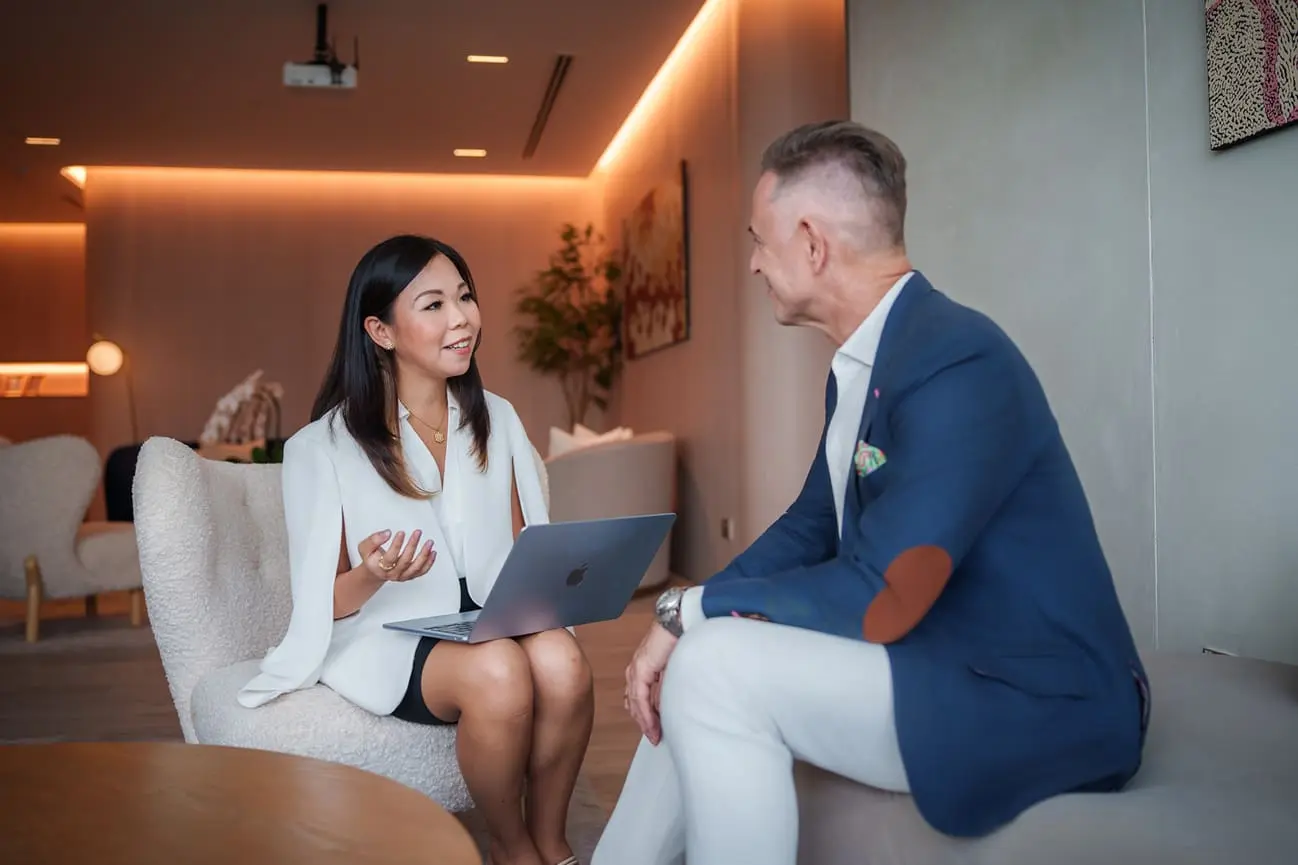
To regard proactive, personalized health management as indulgent, she suggests, is to misunderstand its strategic importance. “For leaders, treating health with the same seriousness and rigor as succession planning or business continuity is not indulgent; it is responsible.”
The notion of living to 120 may still sound ambitious. Yet what once seemed fanciful is now being discussed in serious medical and financial circles. Technology, data and a deeper understanding of the biology of aging have shifted the conversation from fantasy to feasibility. Longevity at Chi is about extending the years in which one can contribute, lead, create and enjoy.