Paloma Urquijo Zobel de Ayala Bridges Design, Culture and Conservation




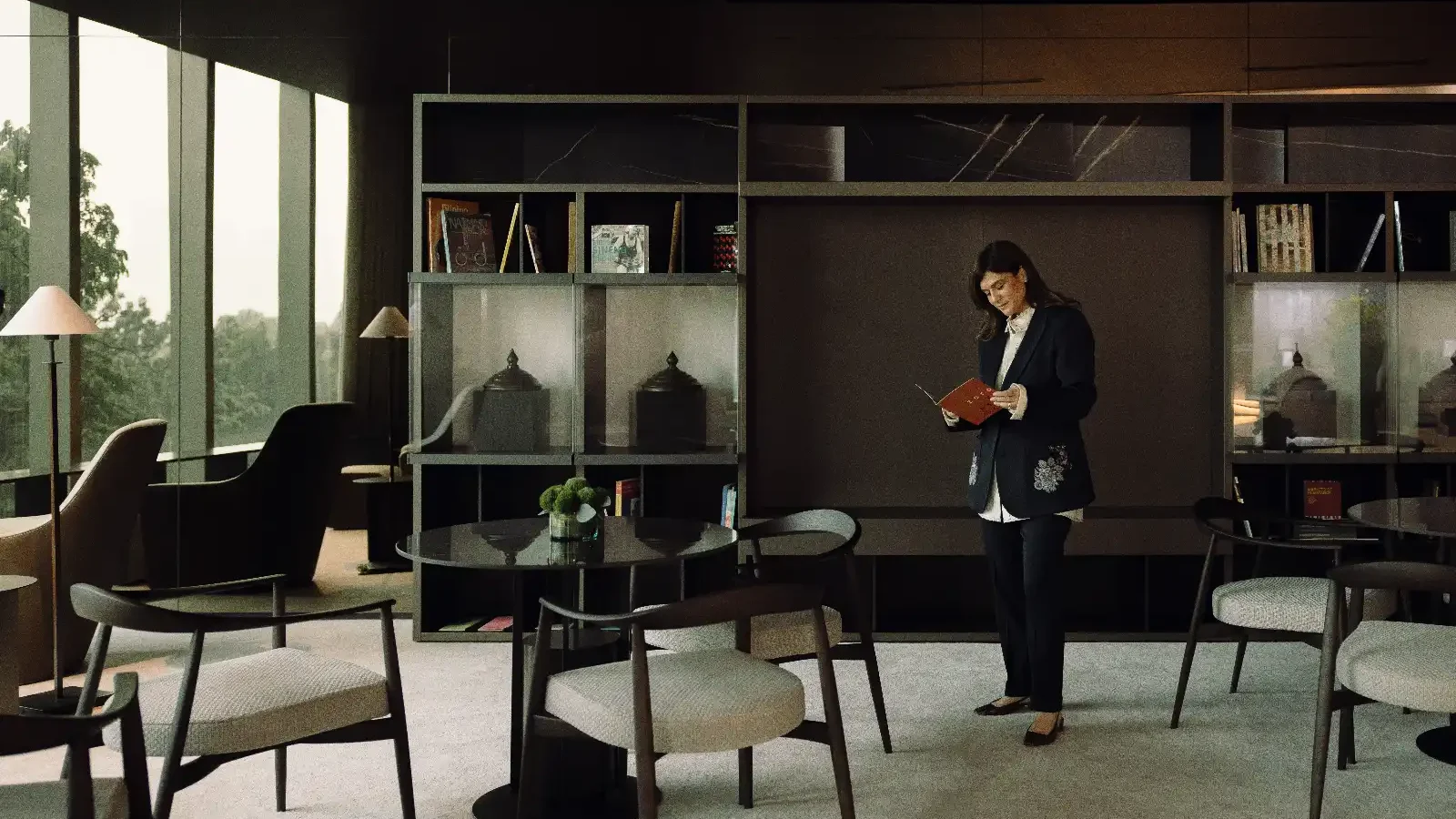
In an industry defined by towering hotels, polished lobbies, and extraordinary destinations competing for attention, Paloma Urquijo Zobel de Ayala prefers to begin elsewhere and head towards a different direction. “My north star,” she says, “is to find meaning in everything we do.” It’s a simple philosophy she wields with conviction.
As the creative director of Ayala Land Hospitality, she sits at the intersection of vision and execution. She’s part strategist, part aesthetic custodian, part cultural interlocutor. Her remit is vast, spanning resorts, residences, design studios, sustainability teams, and an ever-growing constellation of Ayala Land business units.
Every project reaches toward something authentic, cultural, and human. Where others might see compartments—design, operations, construction, marketing—Paloma sees one long continuum of experience. “It’s a role that bridges all the teams,” she explains.
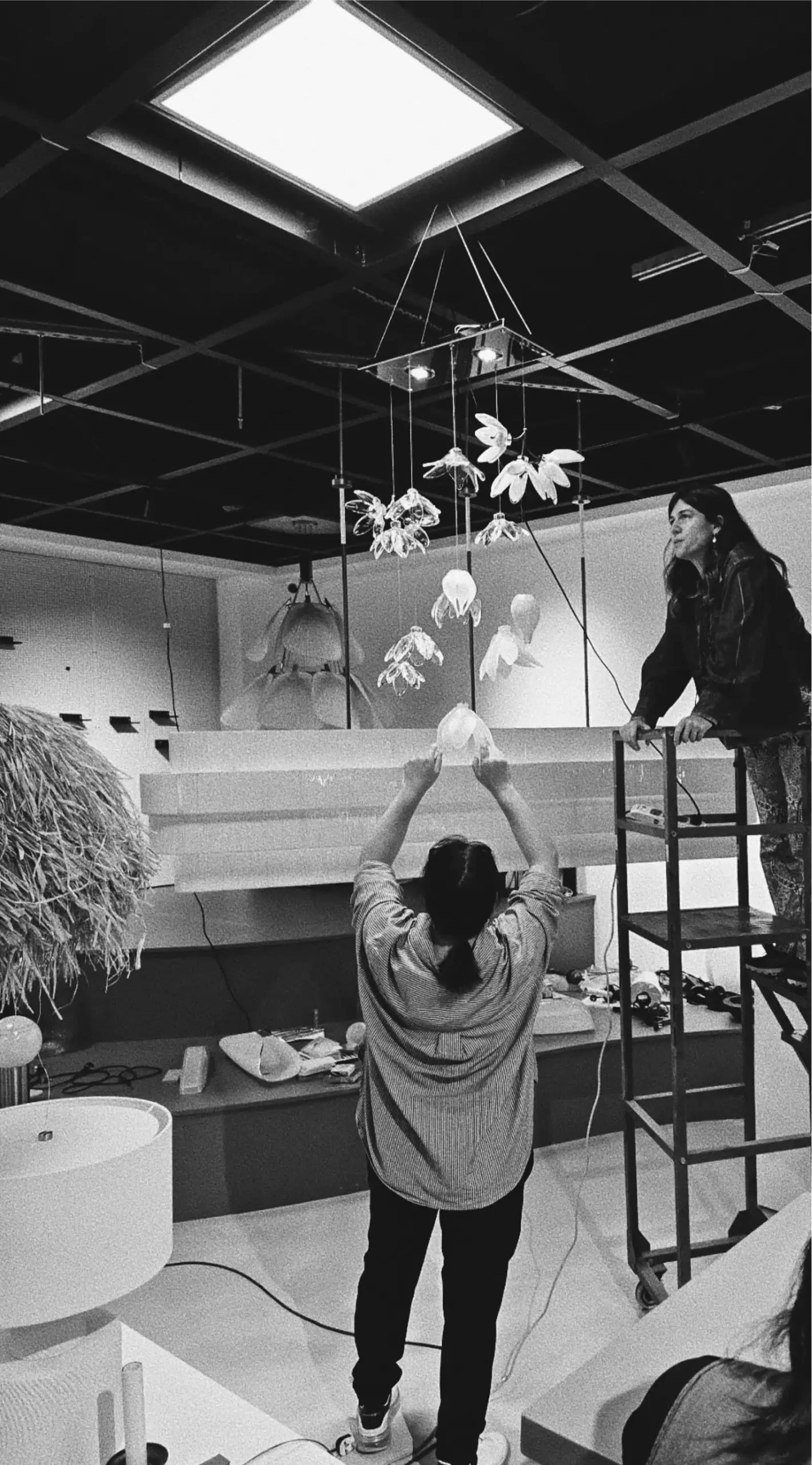
See, her gaze is holistic, her vocabulary grounded in empathy. For her, great hospitality is never the result of one brilliant idea but the careful synchronization of many things: aligning design with the guest journey, architecture with its natural context, the rooms with the communities surrounding them. “It’s about making sure that the experience stays true from beginning to end,” she stresses. “You need people to bridge those relationships.”
“I don’t want to be world-class. I want to be exceptionally Filipino—original and true to ourselves.”
Paloma herself is emblematic of the shift towards creating holistic, synchronized experiences. With a background in design and business—“We were trained to be the bridge from the business world to the art world,” she says, reflecting on her days at the Parsons School of Design. Her work reveals a fluency in both. “Good design is empathy, not opinion,” she adds. The fundamental aspect of her role, in a sense, is to hold space for empathy across every stage of development, from conceptual sketches to the way staff greet guests on arrival.
Ayala Land Hospitality has entered a period of expansion that is equal parts diverse and ambitious. “What we’re really excited about is the diverse portfolio we’re building,” the creative director explains.
While the company is gearing up for partnerships with global brands like Marriott, Hilton, and the much-anticipated opening of Mandarin Oriental Makati, what thrills her most is the evolution happening internally. She’s proud to say that hospitality is being infused into Ayala Land’s residential and commercial portfolio.
“Hospitality has always been at the heart of Ayala Land,” she says. “Now we’re able to see how these synergies work.” Park Central Towers and Park Villas, for example, are being approached almost like branded residences. We can sense they function as private homes with a hotel-like sensibility.
Residents are provided with a lifestyle shaped by service and comfort. “We inject hospitality in all the businesses and services we offer,” she says. “They’re looking for human interaction and customer service.” In Paloma’’s hands, hospitality becomes its own kind of design principle. It’s reimagined as a method of shaping how people live, interact, and experience the built environment.
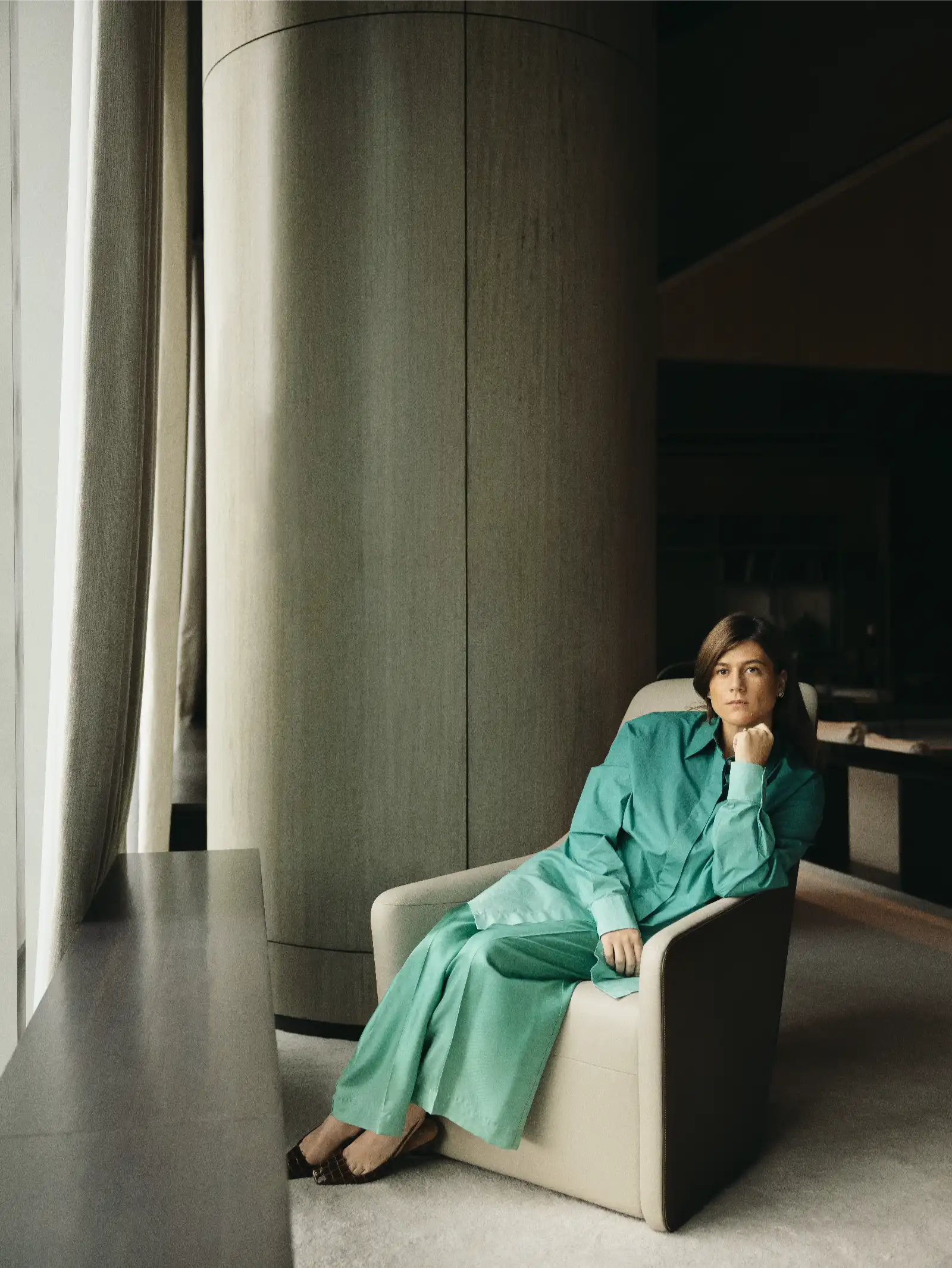
“Luxury is the art of giving more than taking. It’s an experience that offers more than what people expect.”
Even our very ideas of luxuryLuxuryA lifestyle defined by exceptional quality, craftsmanship, exclusivity, and sophistication, encompassing the finest products, services, and experiences that represent the highest standards of refinement and excellence.Go to Luxury Glossary have noticeably evolved over time. This is something even she acknowledges. “Luxury means a lot of different things to different people,” she says. For some, it is opulence while for others, it’s privacy. But Paloma offers a quieter definition. “Luxury is the art of giving more than taking. It’s an experience that offers more than what people expect,” she notes.
Rather than adding layers of extravagance, she prefers to offer depth—thoughtfulness, a sense of place, an experience that stays with the guest long after check-out. “Just as design evolves, luxuryLuxuryA lifestyle defined by exceptional quality, craftsmanship, exclusivity, and sophistication, encompassing the finest products, services, and experiences that represent the highest standards of refinement and excellence.Go to Luxury Glossary does, too,” she explains. “There was a time when we all agreed that everyone wanted to please everybody, so design took a step back.”
Neutrals ruled every hotel. Beiges became the international language of hospitality. But if we ask her, she’d tell us that something essential was lost there: the emotion, spontaneity, and point of view. “I’m excited to see people have a strong point of view again,” she says. “We need that.” Ornament, she argues, is not mere decoration. Therein lies a thing’s true meaning. A pattern can be history. A textile can be geography. A weaving technique can be identity.
Across Ayala Land Hospitality’s resort portfolio, which comprises El Nido Resorts’ Lagen, Pangulasian, and Huni Lio, the connective thread is not uniformity but character. “It’s giving each of them their own identity,” she says. While the properties share geography, each tells a different story. Huni Lio is for discovery and adventure, for friends exploring El Nido’s hidden coves. Pangulasian, on the other hand, is serene, an island for couples seeking quiet luxury. Lagen, sculpted with its iconic limestone backdrop, offers an immersive escape best shared with friends.
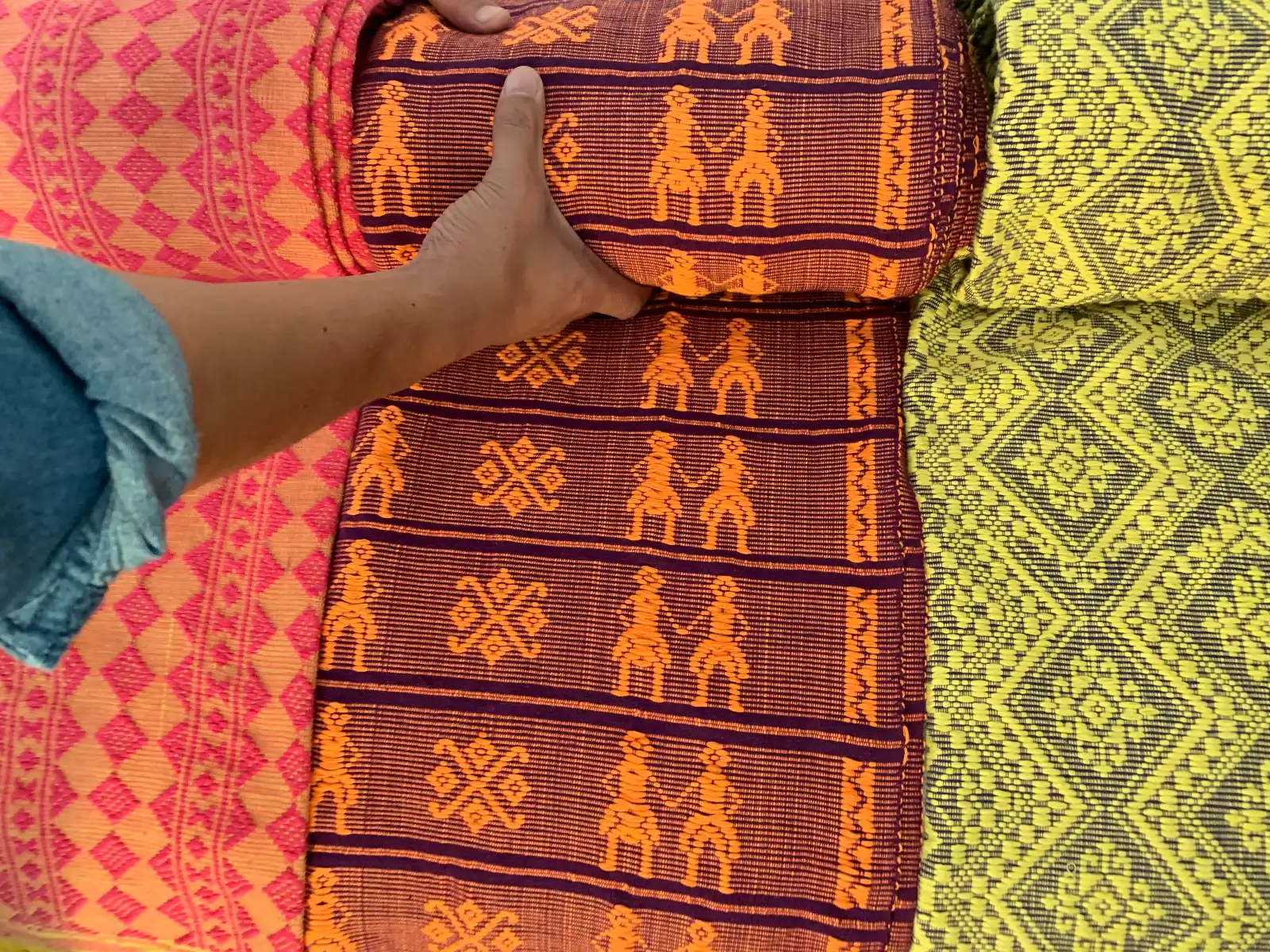
“We don’t use storytelling as a strategy,” she says. “We start with a core and identity, and ensure that translates into the experience and design.” El Nido’s culture then becomes texture, not backdrop. Artisans, meanwhile, become collaborators, not footnotes. And, of all things, ecology is regarded as responsibility, not a branding exercise.
“Something I’m really passionate about is collaboration,” she says. Through her work, local weavers, woodworkers, and artisans have found their way into luxury residences and resort interiors. “We want to promote the Philippines,” Paloma adds. “I’ve always said, I don’t want to be world-class. I want to be exceptionally Filipino.”
That belief has led her to communities across the country, from coastal craftspeople to textile weavers in the northern highlands. Through these partnerships, traditional craft enters a new era for contemporary design, one that is scaled, supported, and woven into the country’s most significant developments. “It’s about how we can scale them and use their art and craft in our properties,” she tells Robb Report Philippines.
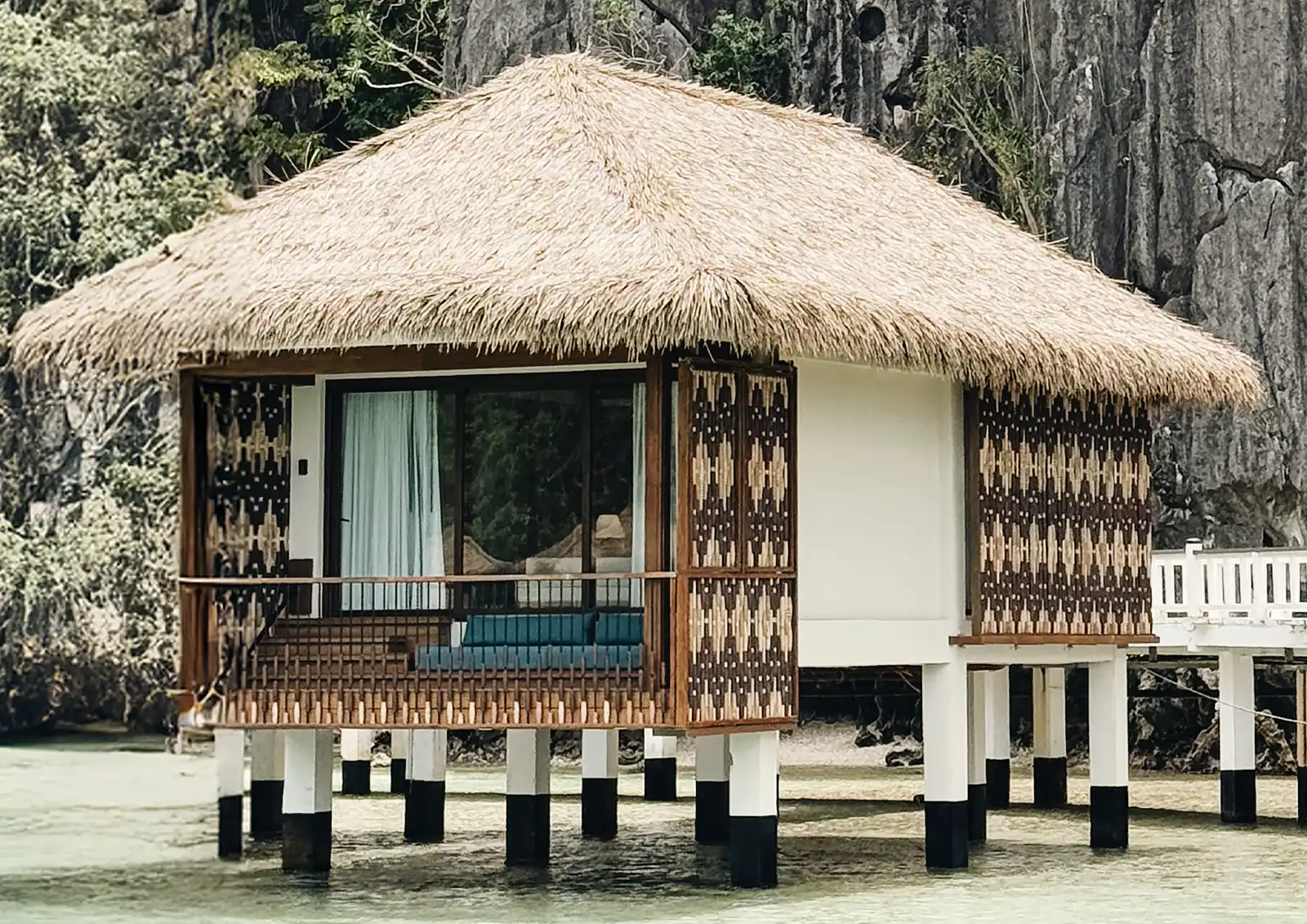
There’s also the subject of regenerative tourism, which has sort of become a buzzword as of late. She insists Ayala Land’s philosophy predates the trend. “It goes back to our core philosophy of sustainability,” Paloma explains. “For our resorts, the way I look at it is conservation.” Before Ayala Land Hospitality inherited El Nido Resorts, it was the domain of divers and environmentalists (as reflected by 10Knots, a group driven to protect the region’s ecological richness). That spirit, she says, remains intact.
“We’re policed by a sustainability team on the ground,” she points out, “which few hospitality companies do.” And the results are measurable: scientific studies have tracked marine life around their properties, proving the impact of active conservation. “I like the word conservation more than sustainability,” she explains. “We need to make sure the ecosystem, the environment, and the people are taken care of.”
“Some people forget the resort’s name, but they remember our team members by name.”
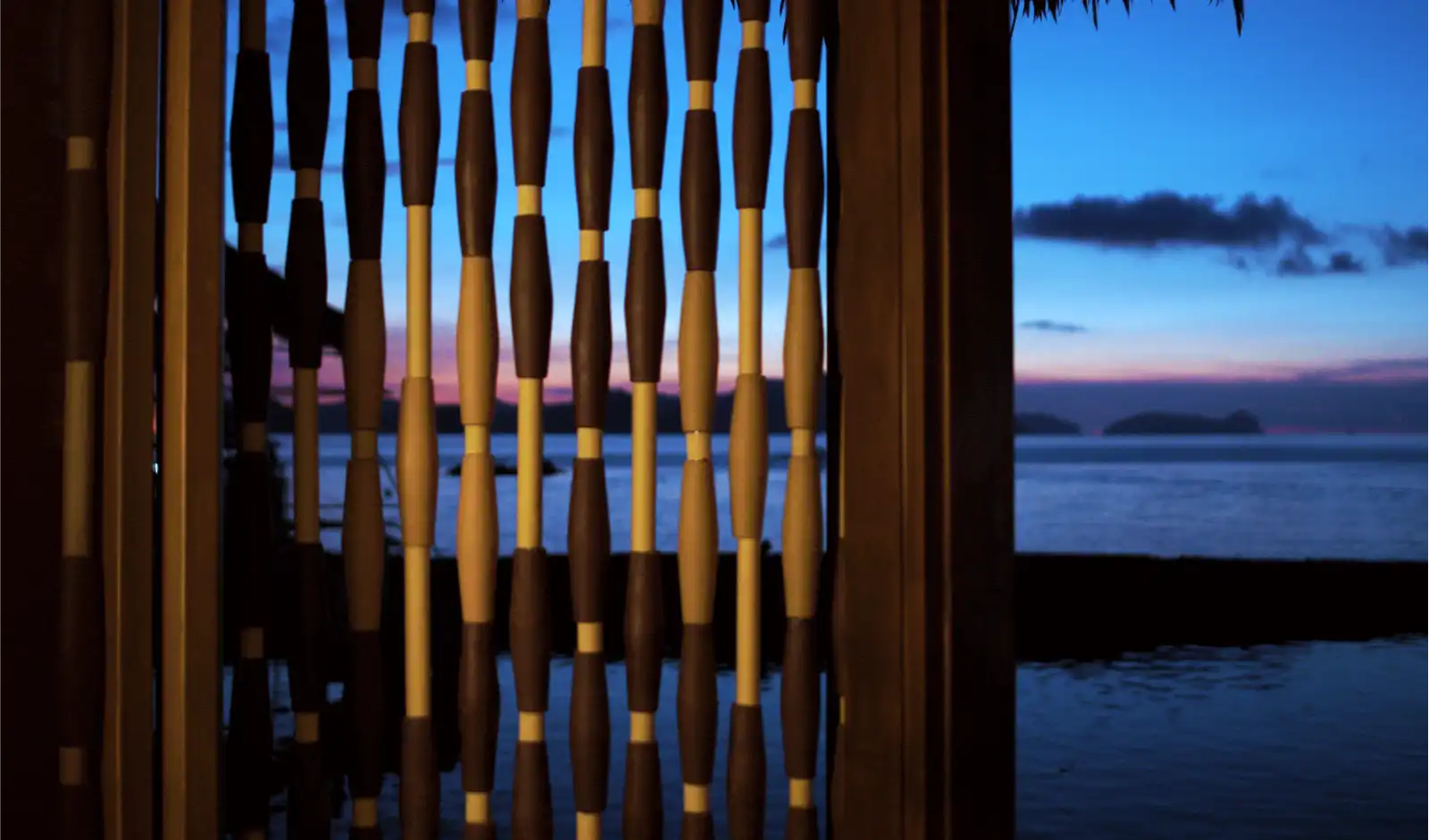
Ask Paloma what she wants guests to feel, and she doesn’t reach for lofty descriptions. Instead, she’ll list off things like familiarity, joy, a sense of belonging. “The biggest feeling I want is for them to want to return,” she emphasizes. She feels especially proud when guests remember staff by name. “Some people don’t even remember the resort’s name,” she quips, laughing, “but they remember Joy and Love—the actual names of the staff!”
In that emotional resonance lies the true measure of Filipino hospitality. It’s almost instinct, after all. “This is not rocket science,” she says. “I tell our people, ‘Think about how your lola or aunt stays in your house. What do you do for them?’ You give up your room, you have food on the table, and you do as much as you can to make them feel at home.”
It all goes back to her own ideas about luxury, really. When asked what that word means to her personally, she gives an answer far removed from chandeliers or private jets. “Nature,” she says. “Space and time.” On weekends, she escapes to Batangas. It’s where she recalibrates, lets time slow down, and finds clarity again.
She lights up when speaking of the country’s underrated landscapes, especially in the north. “Banaue and Sagada are stunning,” she says. For her, these regions are cultural treasure troves: rich in textiles, craftsmanship, and heritage. “A lot of the culture there is so strong,” she notes. “We’re only known for our beaches, but the mountain area is just stunning.”
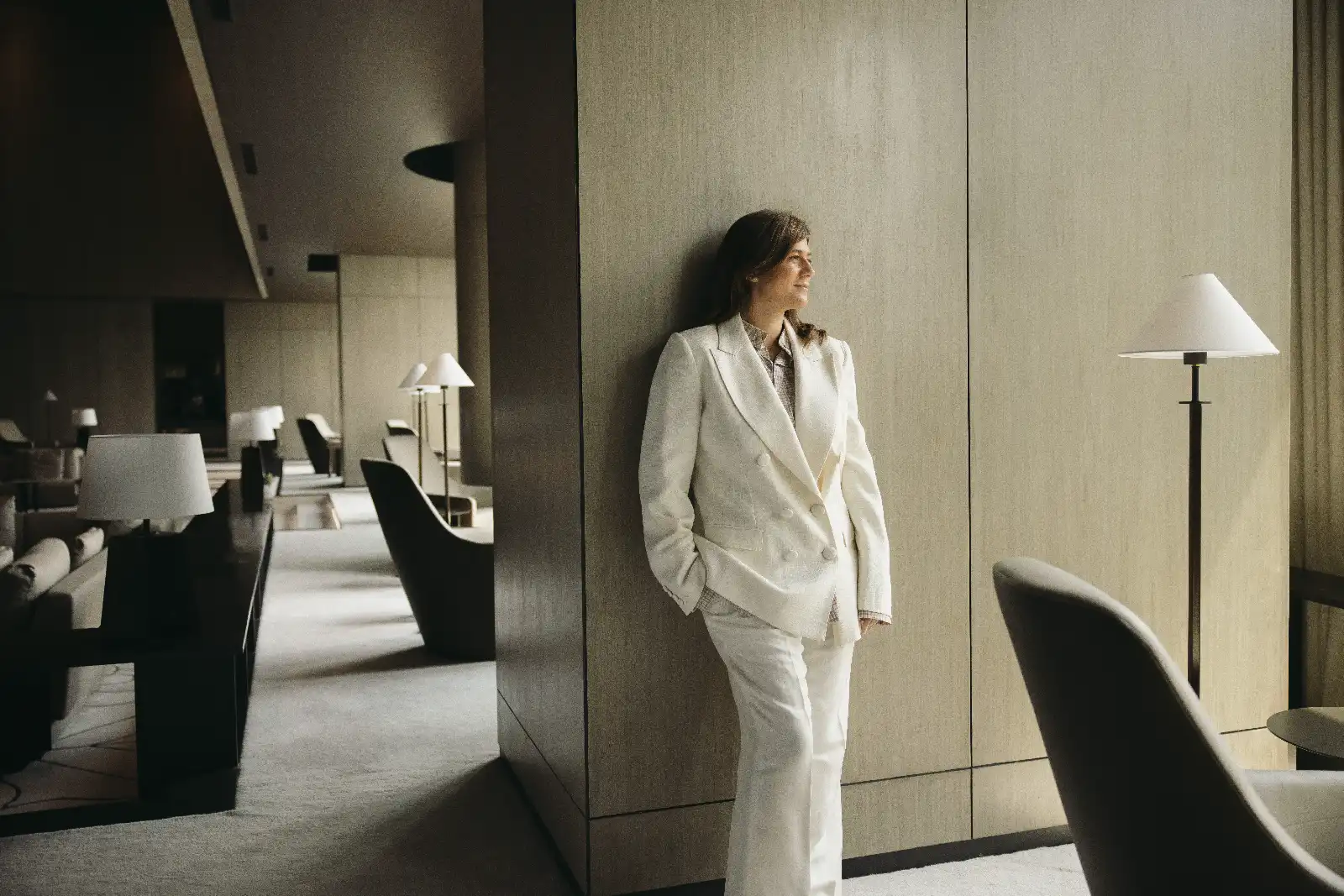
Looking ahead, Paloma’s vision is not framed by the next resort opening or partnership announcement (although, of course, even she admits those are significant). Instead, her compass points toward something more elemental: how hospitality can shape human experience, cultural identity, and environmental stewardship.
“We’re defining luxuryLuxuryA lifestyle defined by exceptional quality, craftsmanship, exclusivity, and sophistication, encompassing the finest products, services, and experiences that represent the highest standards of refinement and excellence.Go to Luxury Glossary,” she says. “Not redefining it. I don’t think we should label it that way.” Ultimately, she asks us to experience service that gives more than it takes, design that expresses more than it displays, and spaces that tell stories without imposing them. The most memorable journeys, in the end, are those guided by intention.
This article originally appeared in Robb Report Philippines’ Travel Issue, December 2026.