Porsche’s New 1,139 HP SUV Is Its Most Powerful Production Car Ever




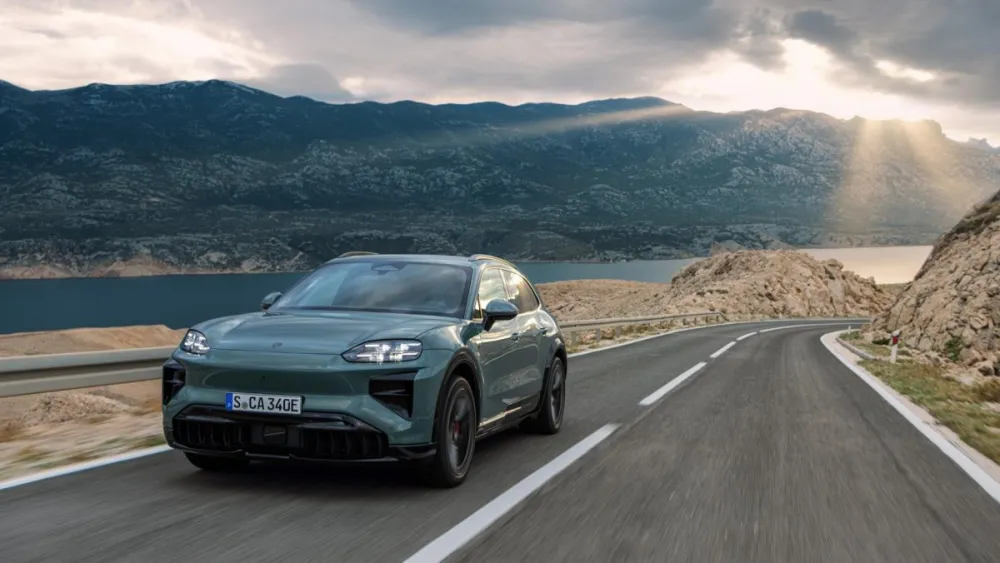
Porsche just unveiled its long-awaited new all-electric Cayenne, and the surprise isn’t faster charging or a bigger range, but enormous speed. The Cayenne Electric makes 1,139 horsepower, the marqueMarqueA brand name of a car manufacturer, particularly one associated with prestige, such as Ferrari, Rolls-Royce, or Aston Martin. The term emphasizes a make's heritage and identity beyond product lines,Go to Marque Glossary says says, and can go from zero to 60 in 2.4 seconds, which is faster than a Bugatti Veyron. That means the new model can haul groceries and also outdrag almost any other car on the road.
Porsche’s electric ambitions have run into some speed bumps lately, as have the EV goals of every other automaker, but, as with the Taycan, the German automaker seems determined to pursue a slow-and-steady strategy. Porsche will continue to make, market, and design new EVs, and when the dust settles, it might just have some of the very best on the market, like the Taycan.
The new Porsche Cayenne Electric certainly feeds into that ambition. There are the speed and raw power numbers, which are impressive, but so are the charging times: The Cayenne Electric is capable of getting to 80 percent in less than 16 minutes. The new car can also charge wirelessly, the first Porsche to do so—charging floor plate not included. Porsche’s latest model will be one of three flavors of Cayenne offered, including internal combustion and hybrid models, meaning that the company is hedging its bets for now, though the Cayenne Electric seems like a pretty good one.
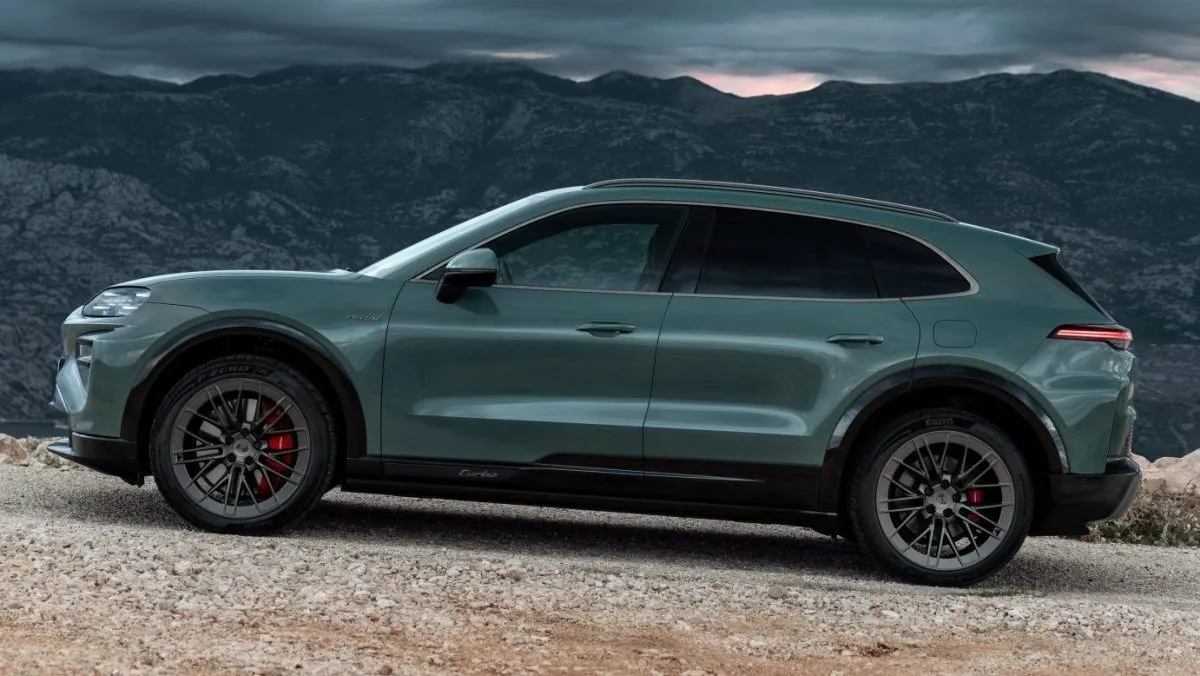
The 1,139 HP version is the Cayenne Electric Turbo, while the base model makes 435 horsepower. Even the comparatively underpowered base model will get to 60 mph in 4.5 seconds, which, a generation ago, was almost unthinkably fast. Porsche did not say what the all-electric range of either car would be, but our guess is that it won’t small enough to be a dealbreaker.
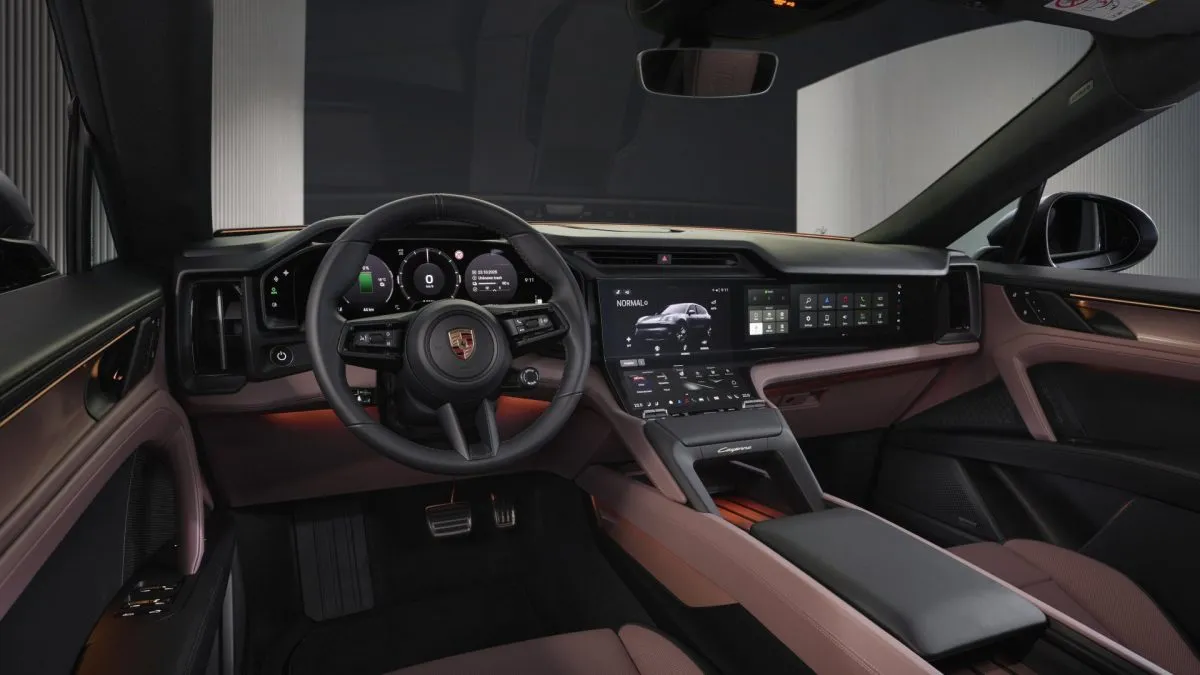
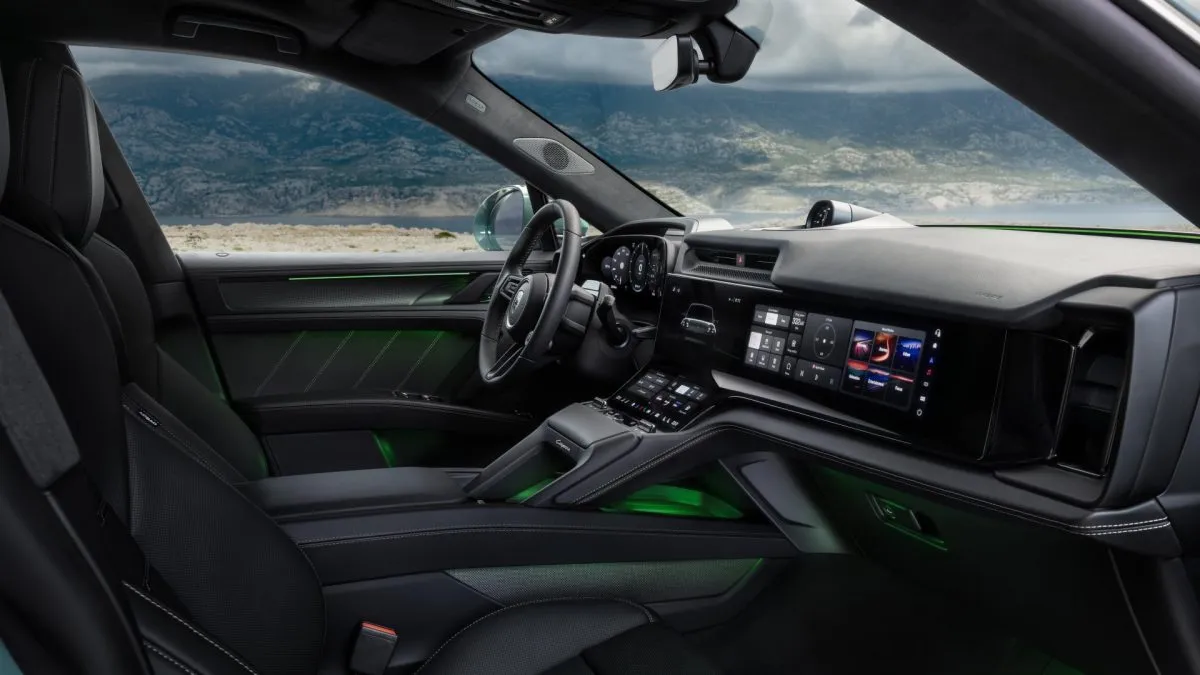
On the inside, there are multiple screens, including a 14.25-inch OLED screen for the driver, and an optional 14.9-inch screen for the passenger, in addition to an 87-inch “display” that, visually, appears several feet in front of the car.
The Cayenne Electric will start at $109,000, while the Cayenne Electric Turbo will start at $163,000, not including shipping charges. Tvhe car will start to reach customers next summer as a 2026 model. The Cayenne Electric is also the fourth-generation Cayenne, beginning with a lineage that started in 2002. The ICE and hybrid versions Porsche plans to sell in parallel will remain the third-generation car, meaning that if you want the latest and greatest, the Cayenne Electric will have to do.
This article originally appeared in Robb Report US.