The First Water-Cooled Porsche 911 Is Finally Getting Some Respect




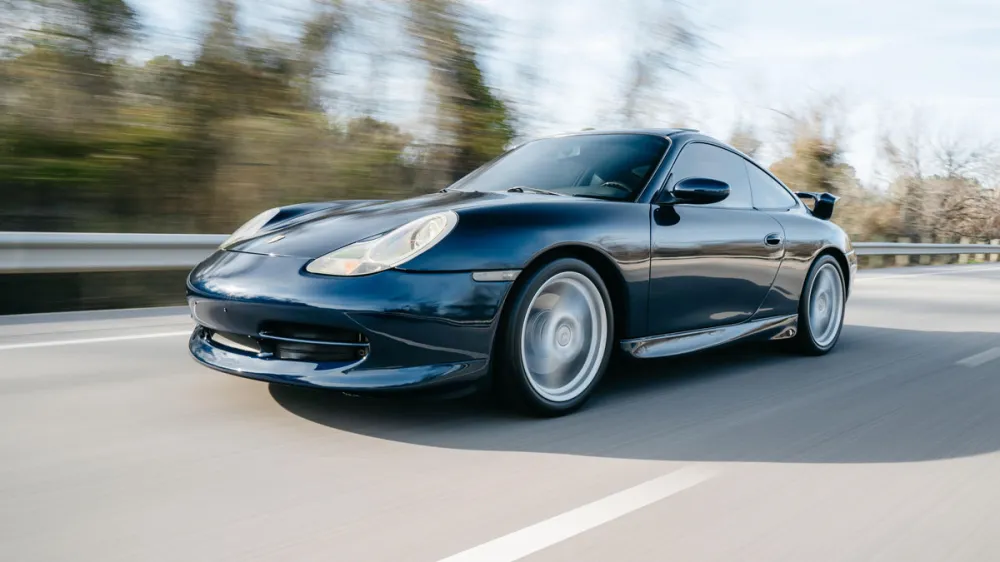
Introduced in 1997 at the IAA International Motor Show in Frankfurt, the Porsche 996 was the most polarizing version of the 911 to be unleashed on lovers of the model up to that point. The heretical event was eclipsed only by the Cayenne SUV’s debut in 2002. Indeed, oil and air had been the magic elixir for Porsche’s horizontally opposed engines since 1948, when the very first 356 flat-four emerged from Ferdinand Porsche’s barn in Gmünd, Austria.
Now in its eighth generation, the 911 series has undergone a transformation that’s entailed—among other refinements—vastly increased output over the years. But the air-cooled, normally aspirated 3.6-liter engine in the final 993 hit a 282 hp ceiling in the series-production Carrera road cars. By its final model year in 1998, power had maxed out, the 993 had become too expensive to build, and it was not a scalable platform in step with the marqueMarqueA brand name of a car manufacturer, particularly one associated with prestige, such as Ferrari, Rolls-Royce, or Aston Martin. The term emphasizes a make's heritage and identity beyond product lines,Go to Marque Glossary’s plans for expansion. That the fifth-generation 911 would be water-cooled was also a result of ever more stringent safety, emissions, and noise standards. So the die was cast, and there would be no turning back.
While a handful of 996s were made for the European market in 1997 and 1998, North America didn’t see the car until 1999. Porsche built the 996 through early 2005, replacing it that year with the 997. The rare 996 Turbo S, GT3, and GT2 were produced through 2006. More than 175,000 examples of all 996 models were built in total, making it possible to find one of some stripe on just about every used-car website, 24/7/365.
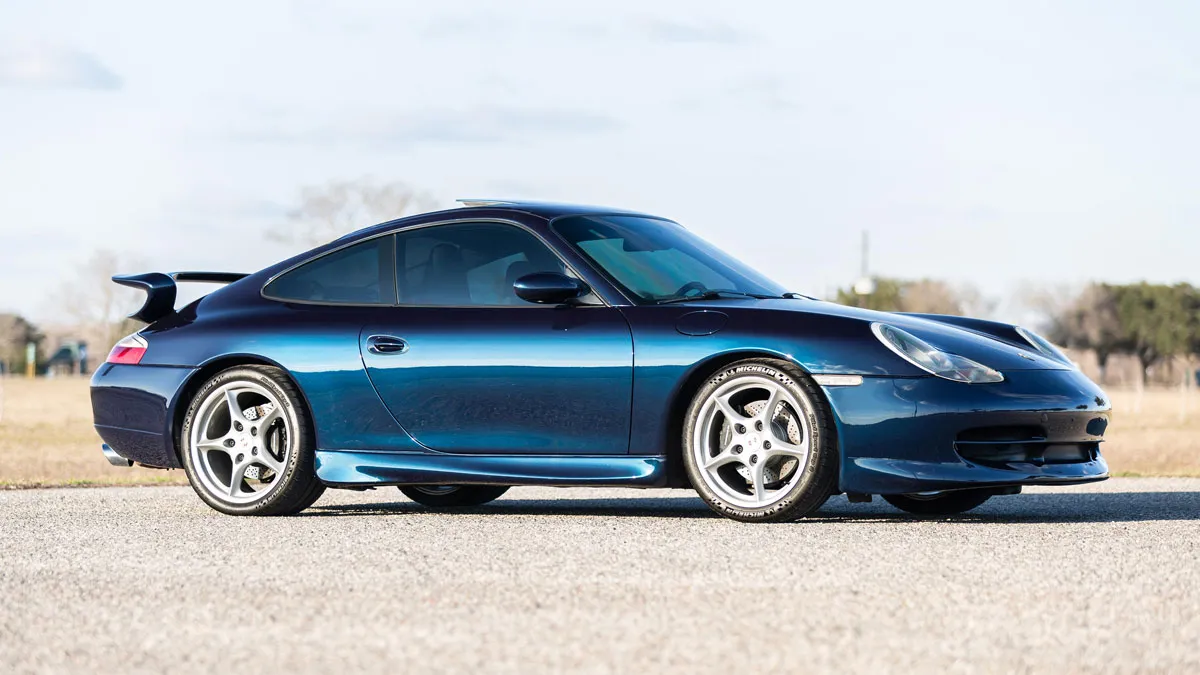
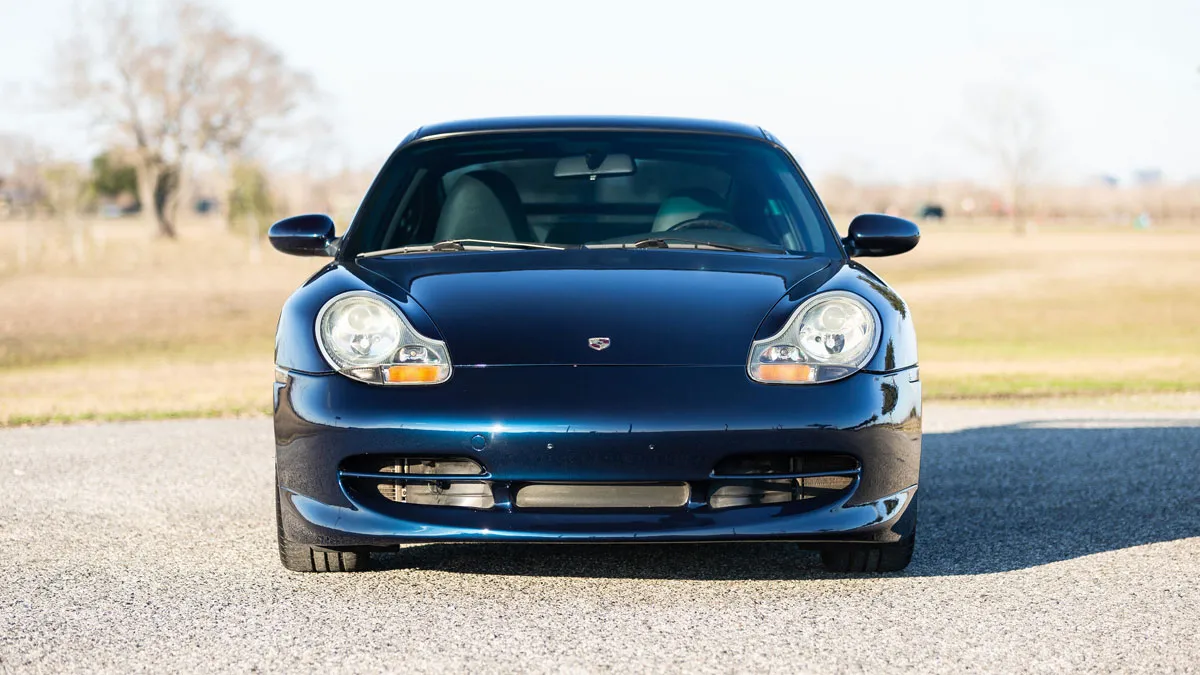
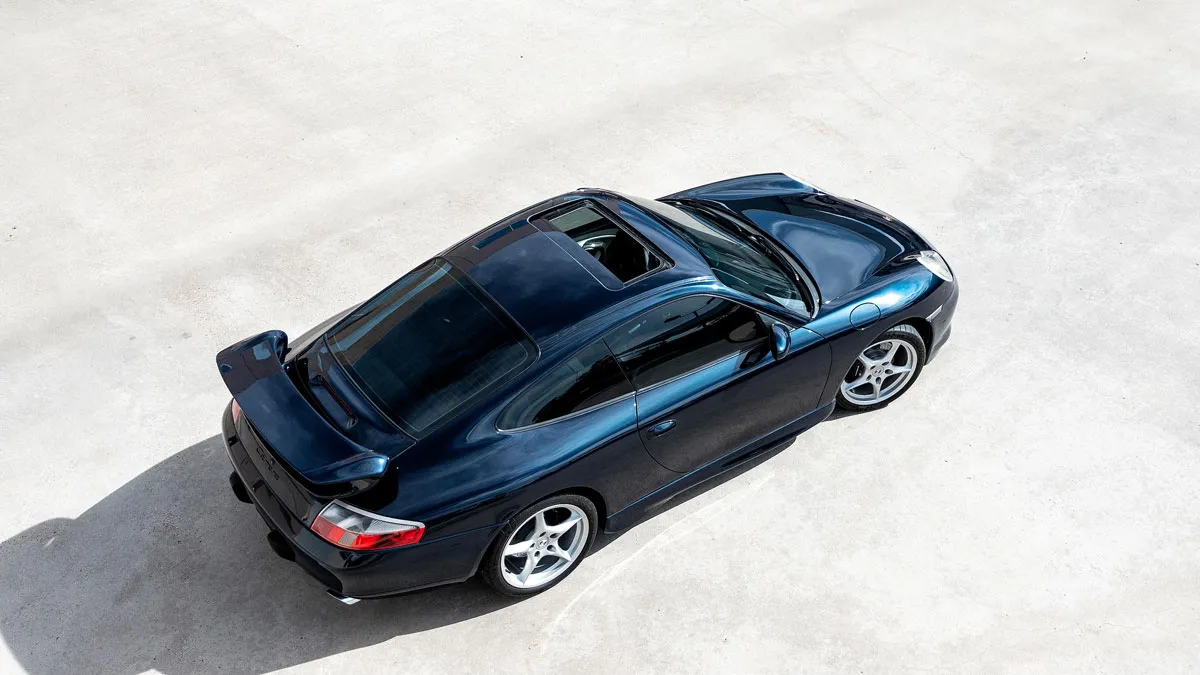
From the outset, it was evident that the 996 was no 993. It was larger, quieter, more refined, and with 296 hp, slightly more powerful. It was also slightly lighter, tipping in at between 2,900 and 3,300 pounds. But to some observers, it wasn’t a particularly attractive proposition either, especially from the front. The fact that it shared the “fried-egg” headlamps with the Boxster 986—introduced shortly beforehand—did no favors for the rather amorphous body, whose only visual reference to its predecessor was the shape of the C-pillar and rear quarter windows.
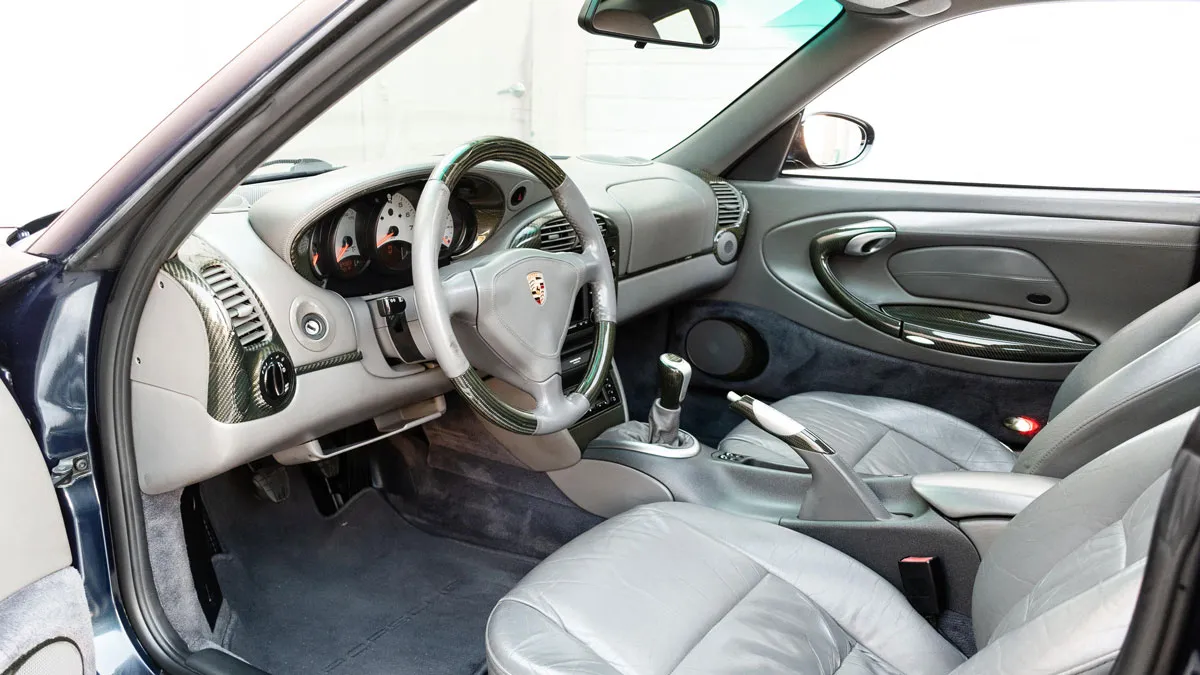
The cabriolet was even more ungainly, and with the top down, looked as if a Sawzall had been taken to a coupe with little thought to the bodyshell that remained. The 996 also felt cheap inside, borrowing interior trim from the Boxster—hardly fitting for a car with a base MSRP of $65,000 at the time. Mechanically, both models shared front suspension and water-cooled engines. In the case of the 996, the mill was enlarged from the Boxster’s 3.0-liter flat-six to a 3.4-liter version.
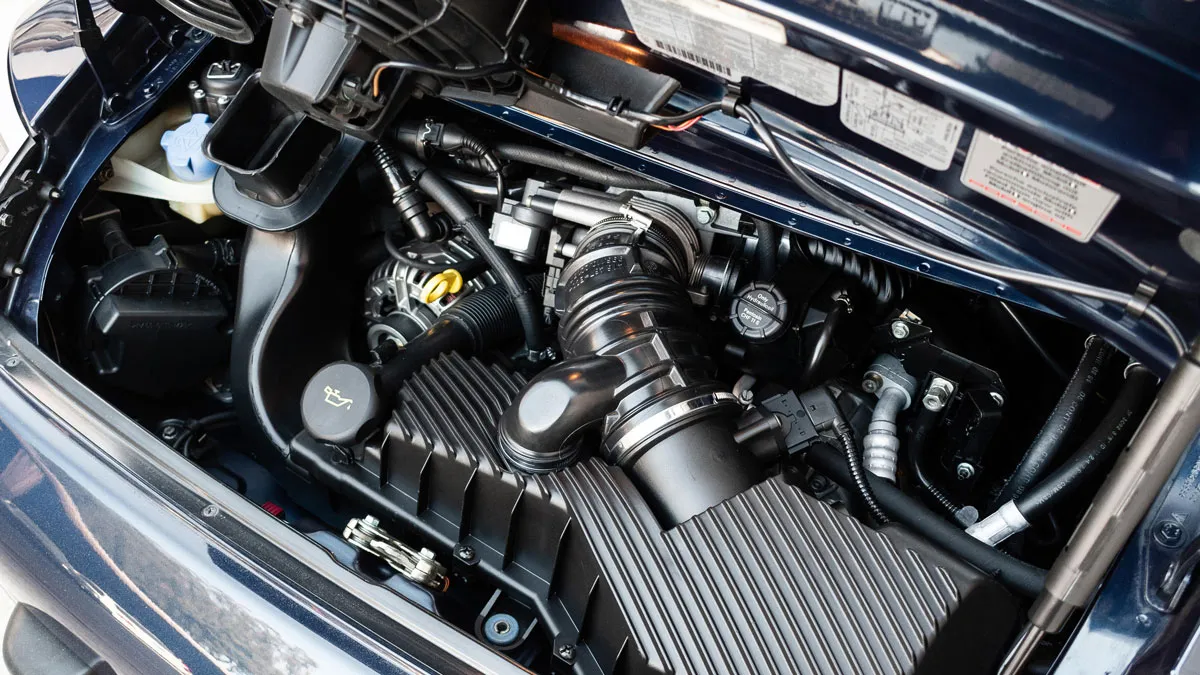
Aesthetics aside, the 996 proved to be a very capable car. A Turbo was introduced in 2000, and by 2002, the Carrera’s engine capacity was enlarged to 3.6 liters, while Targa and wide-body C4S models were also offered. Things were looking better. Even a few years ago, a good 996 Carrera 2 coupe could be had for as little as $10,000, but those days are gone, and decent examples today will fetch well upward of $20,000. A six-speed manual transmission came standard, but the five-speed Tiptronic was popular, especially with cabriolets, and both soften values.
Then there’s the failure-prone intermediate shaft bearing, especially in the 3.4-liter engines. But like an old aunt who smoked two packs of Camels a day and lived for 95 years, some 996s enjoy trouble-free lives with nary a grumble from their IMS bearing. This writer bought one new in 1999 and had no issue throughout four years of ownership.
Some cars suffered from leaking rear main seals, or inadequate lubrication that could cause cylinder bore scoring. By this time, most cars will have had these issues corrected, and a well-fettled 996 is a joy to drive. Model-year 2002 and later cars, or low-mileage examples throughout the production run, can command well over $40,000, with low-mileage, six-speed Turbos costing up to twice as much.
This article originally appeared in Robb Report US.