The Deep-Sea Submersibles Market Is Thriving Again More Than a Year After the ‘Titan’ Disaster




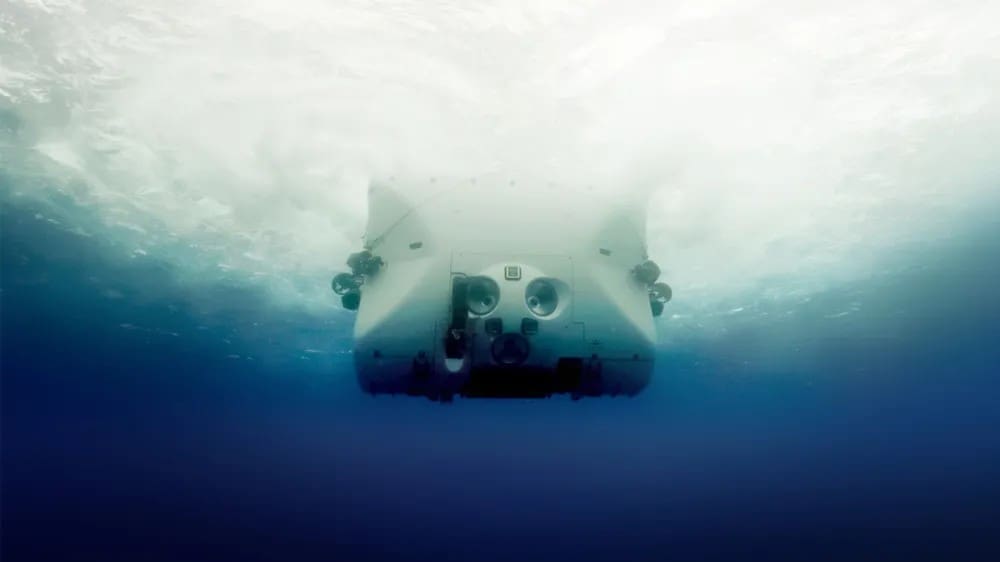
In June of last year, Larry Connor was among those transfixed by the news of OceanGate’s Titan, the submersible that imploded while descending to the wreck of the Titanic, killing all five people aboard. But unlike most viewers, the Ohio billionaire was moved to take the unlikeliest of actions: Having already journeyed into the Mariana Trench, the world’s deepest location, Connor decided to commission his own submersible and visit the remains of the famed ship himself. As he explained to The New York Times in May, “I’m concerned that people associate diving subs, especially new or different subs, with danger or tragedy.” (Connor has since stopped granting interviews on the subject.) “We’re not thrill-seekers. We’re not big risk-takers,” he added.
Connor’s $20 million, two-person sub, the 4000/2 Abyssal Explorer, is being constructed by Florida-based Triton Submarines, which currently has five machines in production, including two for private owners and another slated to become a cruise-ship attraction. A year ago, in the face of global coverage of the Titan disaster, such demand seemed unlikely, to say the least.
“Sales fell off a cliff” after the OceanGate incident, says Patrick Lahey, CEO of Triton, who reportedly plans to join Connor on his dive to the Titanic. Now, though, he says that “people are reengaging, doing their research, and we’re starting to see them come back.”
That same sentiment is heard throughout the small and tight-knit submersible industry. But since the Titan became a cautionary tale for prospective buyers, Lahey has had his work cut out for him. “Initially, people didn’t differentiate between that contraption and the rest of the field,” he says, referring to the OceanGate sub’s experimental nature and documented history of safety concerns. “We had to engage in a reeducation campaign.”
Netherlands-based submersible manufacturer U-Boat Worx has also seen a resurgence of interest. According to Roy Heijdra, the outfit’s marketing manager, business is now “consistent” with a normal market, “but the nature of the inquiries has shifted, with more people focusing on safety protocols, testing procedures, and overall risk factors.”
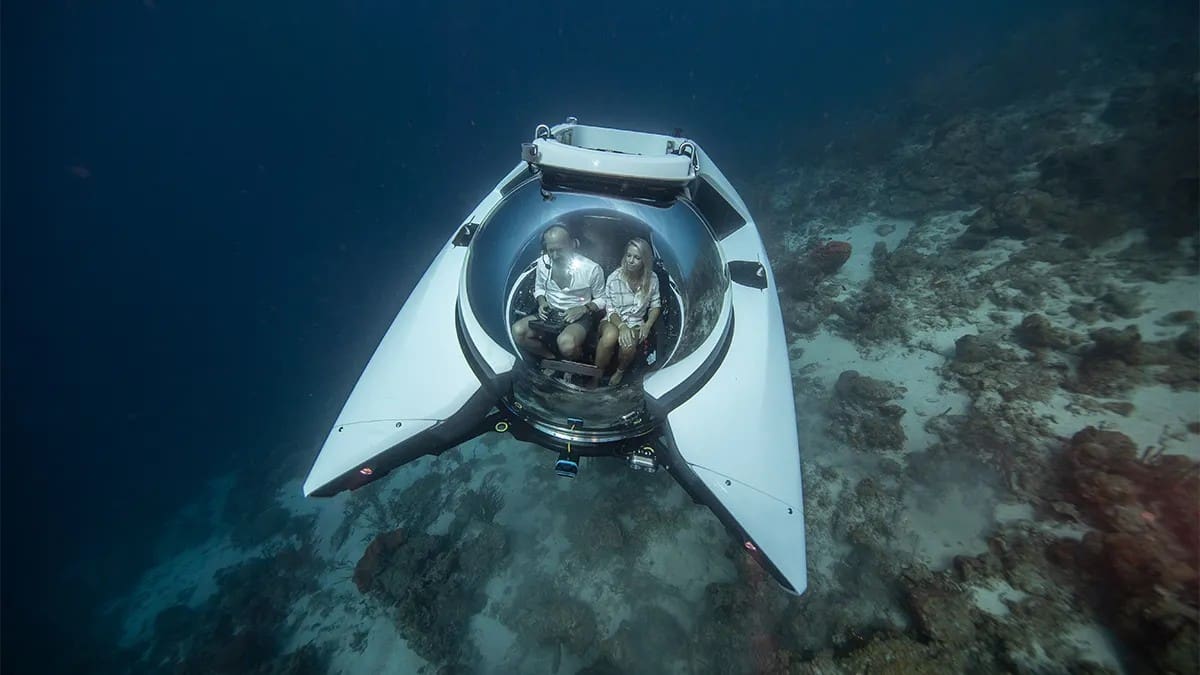
Commercial submersibles are certified by DNV, a risk-management company that sets standards for materials, tolerances, and construction, conducts both terrestrial and underwater tests, and returns for annual inspections. Triton’s Lahey points to a “50-year unblemished record” of safety across the industry, at least for “classed and certified submersibles,” which the Titan, notably, was not.
If anything, the enthusiasm for underwater exploration seems to have grown, with new designs expanding what’s possible in the sector. The Abyssal Explorer will be the world’s deepest-diving acrylic-hulled research sub, with design specs still being finalized. At the recreational end of the spectrum, the $1.4 million U-Boat Worx Nemo is designed as a superyachtSuperyachtA large, luxurious vessel typically over twenty-four meters in length, crewed by professionals and equipped with high-end amenities. Superyachts symbolize luxury at sea, and the segment is covered extensively inGo to Superyacht Glossary amenity capable of diving to 330 feet.
“In the past three years, we’ve seen more interest in developing and deploying low-cost underwater devices,” says Dr. Katy Croff Bell, president of the Ocean Discovery League, referring to unpiloted vessels—and that demand is about much more than just recreation. “We need a lot more eyes on the ocean, in more places,” she says, adding that “if we can collect data and understand what’s happening in the deep ocean, we can manage it responsibly and ensure it keeps running as it should to help us survive as humans.”
This article originally appeared in Robb Report US.