Vacheron Explores Timekeeping in Ancient Greece with Les Cabinotiers




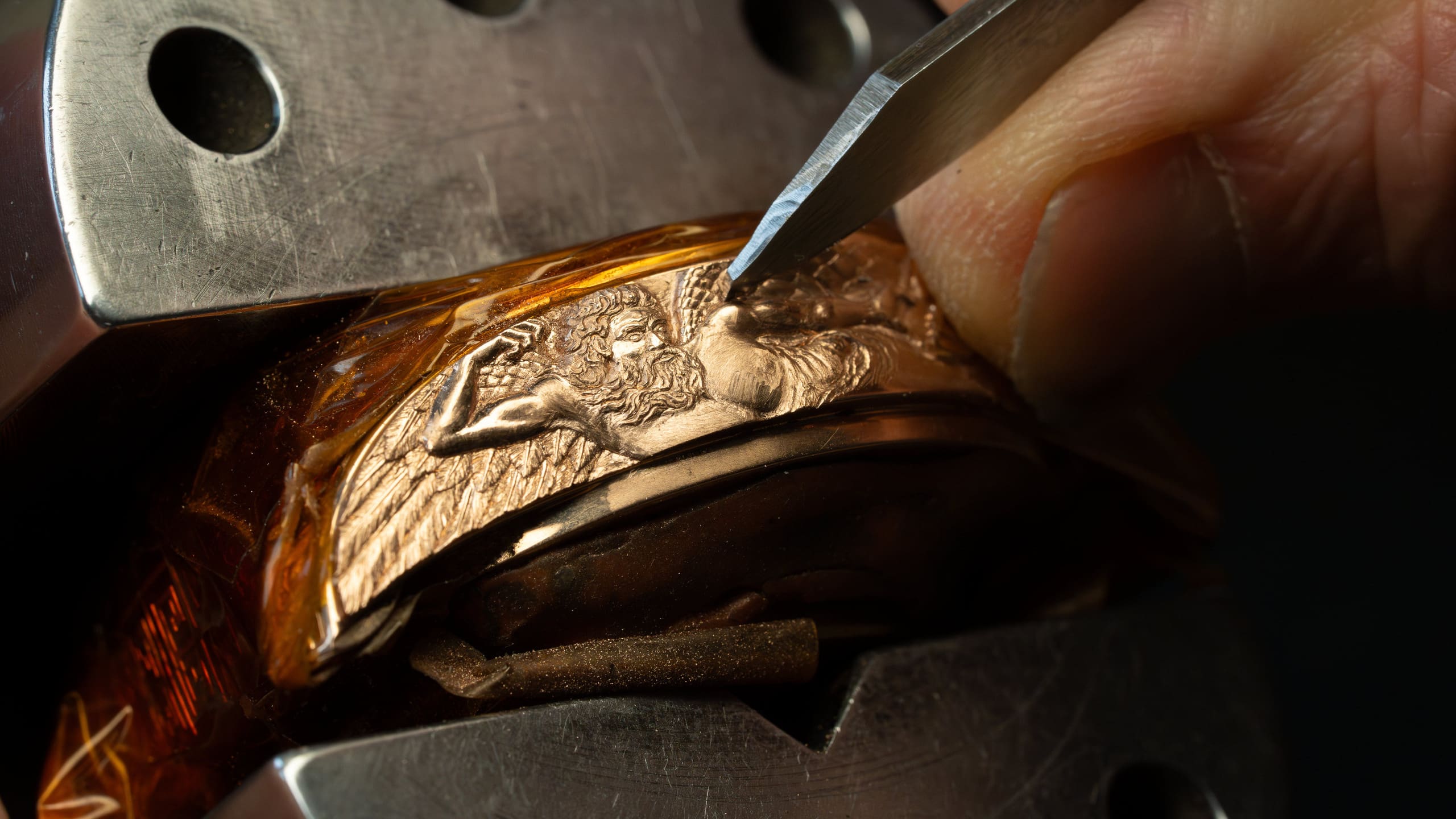
The history of Cabinotiers with Vacheron Constantin dates back to the company’s past, when people worked in workshops (cabinotiers) above the avenues of Geneva. Watchmakers gathered with engravers, finishers, metalsmiths, and more. That history continues to this day.
The Les Cabinotiers department at Vacheron Constantin continues this tradition of bringing together art, craft, science, and inspiration. It is dedicated to satisfying the very specific desires of the most demanding of timepiece collectors. Just as in their earliest years, they create specific one-of-a-kind pieces that show the breadth and depth of their mastery.
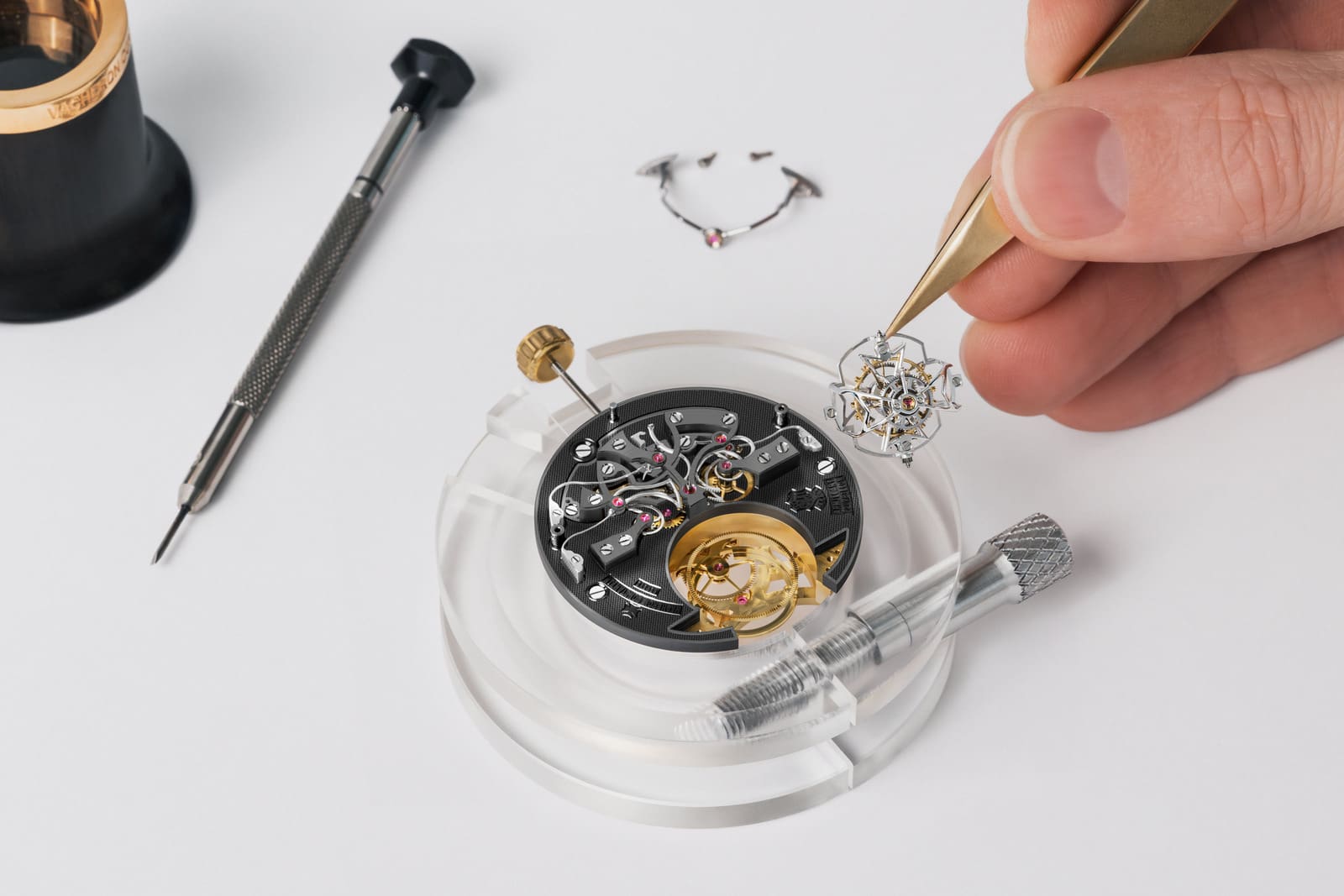
In the case of these watches, they combine high horlogerie complicationComplicationAny function on a mechanical watch beyond telling the hours, minutes, and seconds, such as a calendar, chronograph, moon phase, or tourbillon. Complications demonstrate a watchmaker's technical skill, and moreGo to Complication Glossary with surprising readability and cleanliness of design. The handcrafts of finishing and engraving are visible both inside and outside the piece.
We generally see time in our daily life as a line, a chronology. It feels linear and somewhat physical. We also see it as cyclical and astronomical, with the changing of the seasons and the movement of the skies, the study of which was essential in man’s creation of the systems and tools with which to mark time in the linear fashion.
Then, we have time that makes us think past what we see, feel, and experience, the metaphysical interpretations of time whether infinite or multi-planed.
Time as we feel it, linearly and physically, is interpreted by Vacheron using, very appropriately, the Greek god Chronos. It’s wonderfully interesting from the dial side and also through the caseback, but also incredibly detailed on the case.
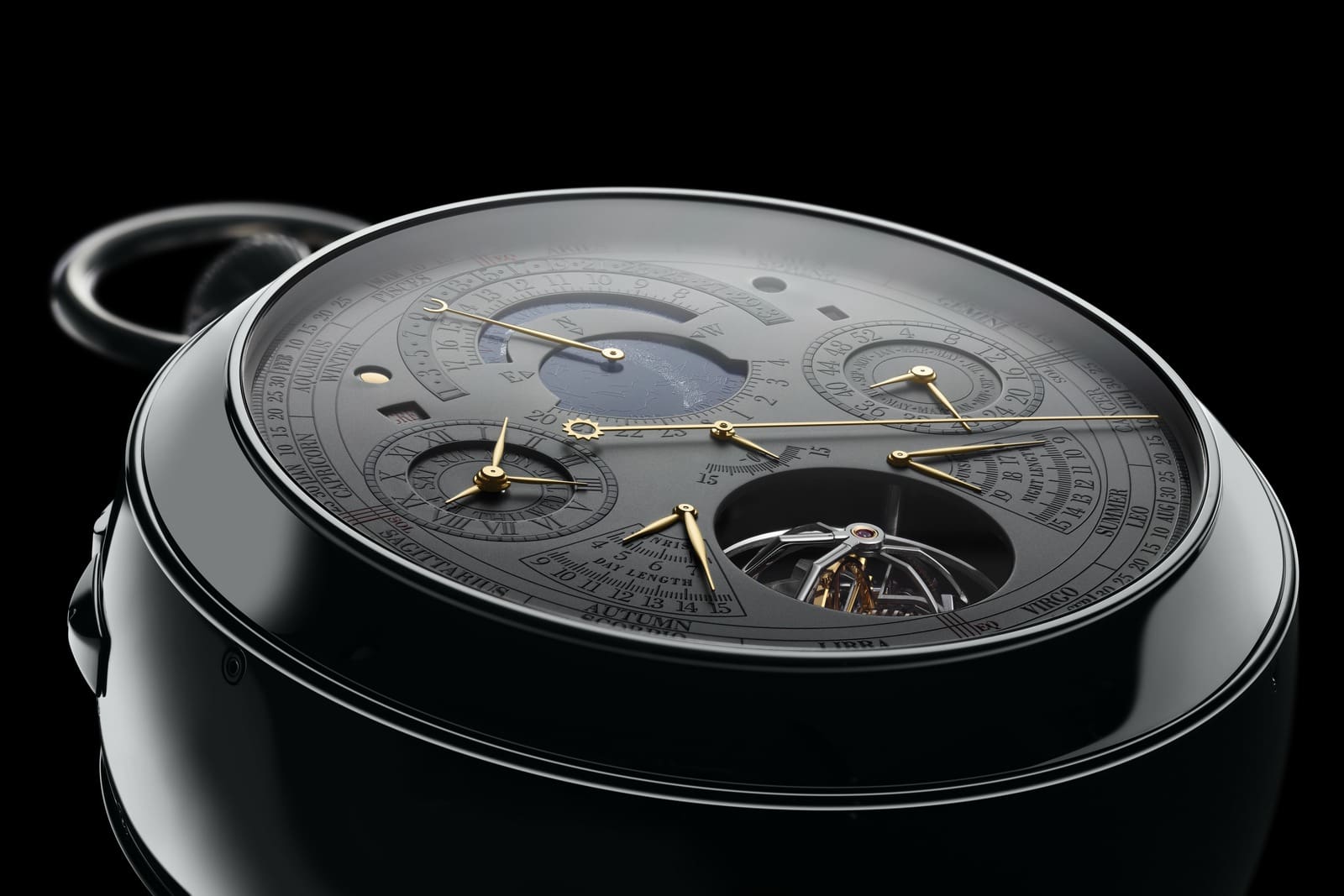
The Maison has chosen Calibre 1990 for this execution, a manual wind movement that features a bi-axial armillary tourbillon and an instantaneous bi-retrograde display of time. From the front of the watch, you see the hour and minute hands working in retrograde fashion on the right side, and you see the movement behind the hands through worked mainplates and bridges.
The Armillary TourbillonTourbillonA watch complication invented around 1801 by Abraham-Louis Breguet that rotates the escapement in a cage to counter the effects of gravity on accuracy. Tourbillons are mesmerizing and very difficultGo to Tourbillon Glossary, with its dual-axis construction, two aluminum carriages, and a rate of 18,000 vibrations per hour, sits on the left side of the dial and also has a small seconds indication. The back of the watch shows more indications in wonderfully finished detail. It allows the front to be intricate and balanced, yet readable and clean.
There are two pieces available in this interpretation. The Tribute to Infinite Time uses a blue face and has a 45mm 18K hand-engraved White Gold case. The Ode to Chronos has a gray face and uses a 45mm 18k hand-engraved case as well, but in pink gold.
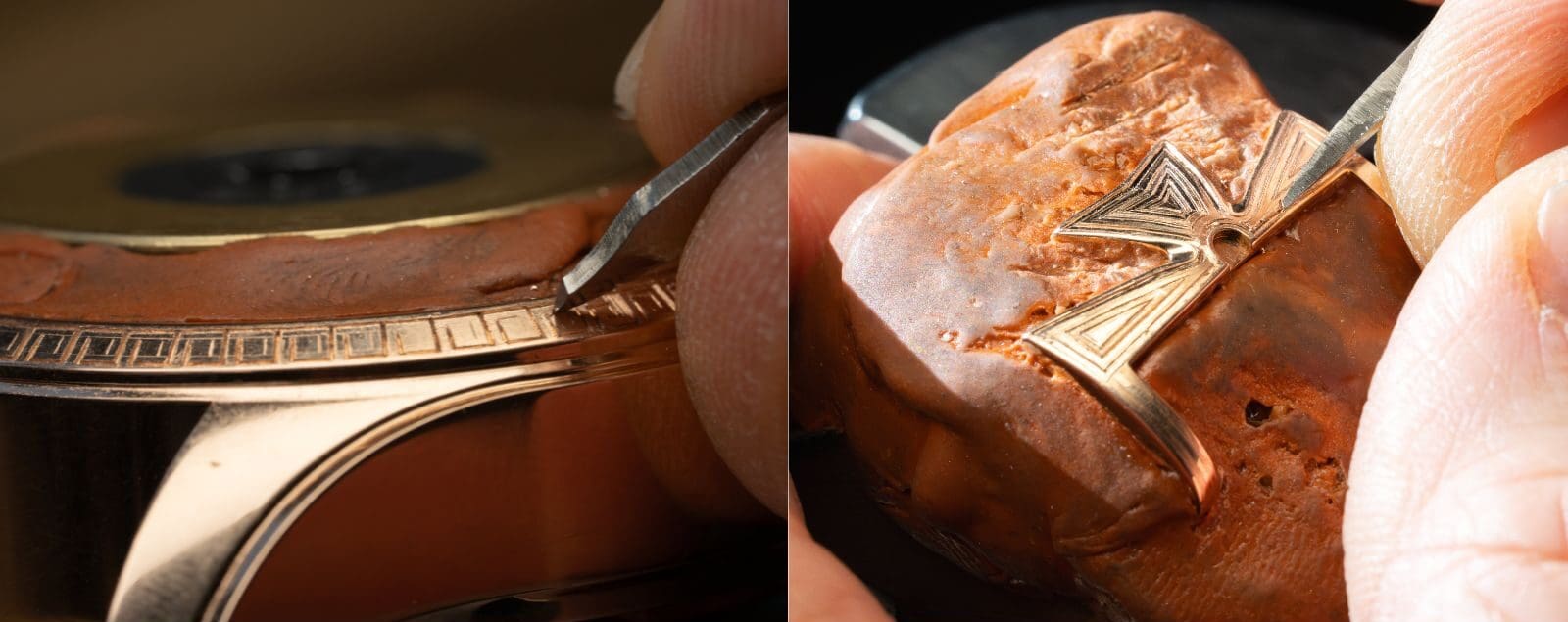
The two watches also have huge amounts of handwork done on both the internal components, such as the bridges, and on the cases. The Tribute to Infinite Time has a case middle engraved with a motif inspired by the Pantheon. Its mainplate and bridges are embellished with an original guilloche pattern, which took three weeks of engraving work.
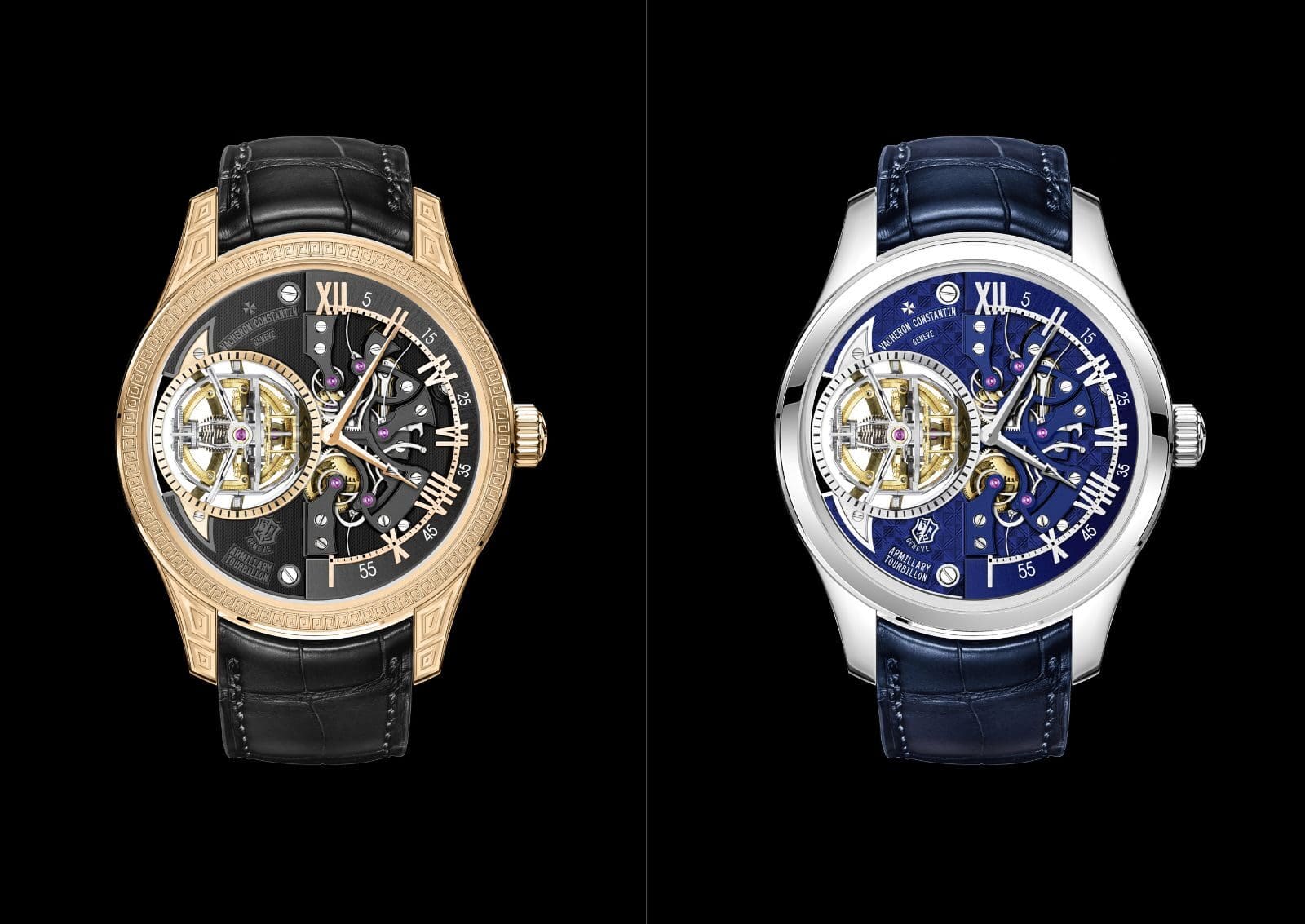
The Ode to Chronos has a bas-relief sculpture of the winged god holding the hourglass of time on the case middle. It’s complemented by hand-guilloche Clous de Paris hobnail motif on the mainplate and bridges. It took twice the amount of time to engrave. Both taches use Mississipiensis alligator leather, hand-stitched saddle fining, with nice large scales.
The Tribute to Infinite Time uses dark blue leather and has an 18K white gold folding clasp, while the Ode to Chronos uses black leather and 18K pink gold.
This article originally appeared in the Premiere Issue of Robb Report Philippines.