The Right People Are Talking About Grand Seiko




Always look at who is talking, who is excited. Over the years, Grand Seiko was a very niche collectible brand. More in Asia than in the U.S. or Europe, really. It was called “the secret handshake” by enthusiasts.
But who else talks about it? Watch company bosses (more accurately, watch company bosses of the second generation) Where? At lunches and awards dinners where nothing can be repeated. They will say, “Hey, guess what I just got!” or “You know who you should really look at?” All completely unattributable, of course but that is the point.

Grand Seiko is unique in many ways. It has its roots in the Japanese desire to give of themselves in the best possible way: by treating their guests well. Of Omotenashi, a dedication to delivering excellence and exceptional service. That goes a very long way towards creating the kind of fan base they have built up. And that is pretty easy to understand and feel. But there are other things not that easily understood or often rarely even discussed. Just as with the watchmaking scions mentioned above, you have to be in the right discussions. Just to clarify, entry into those conversations has more to do with passion and expertise than it does with price tag or spending.
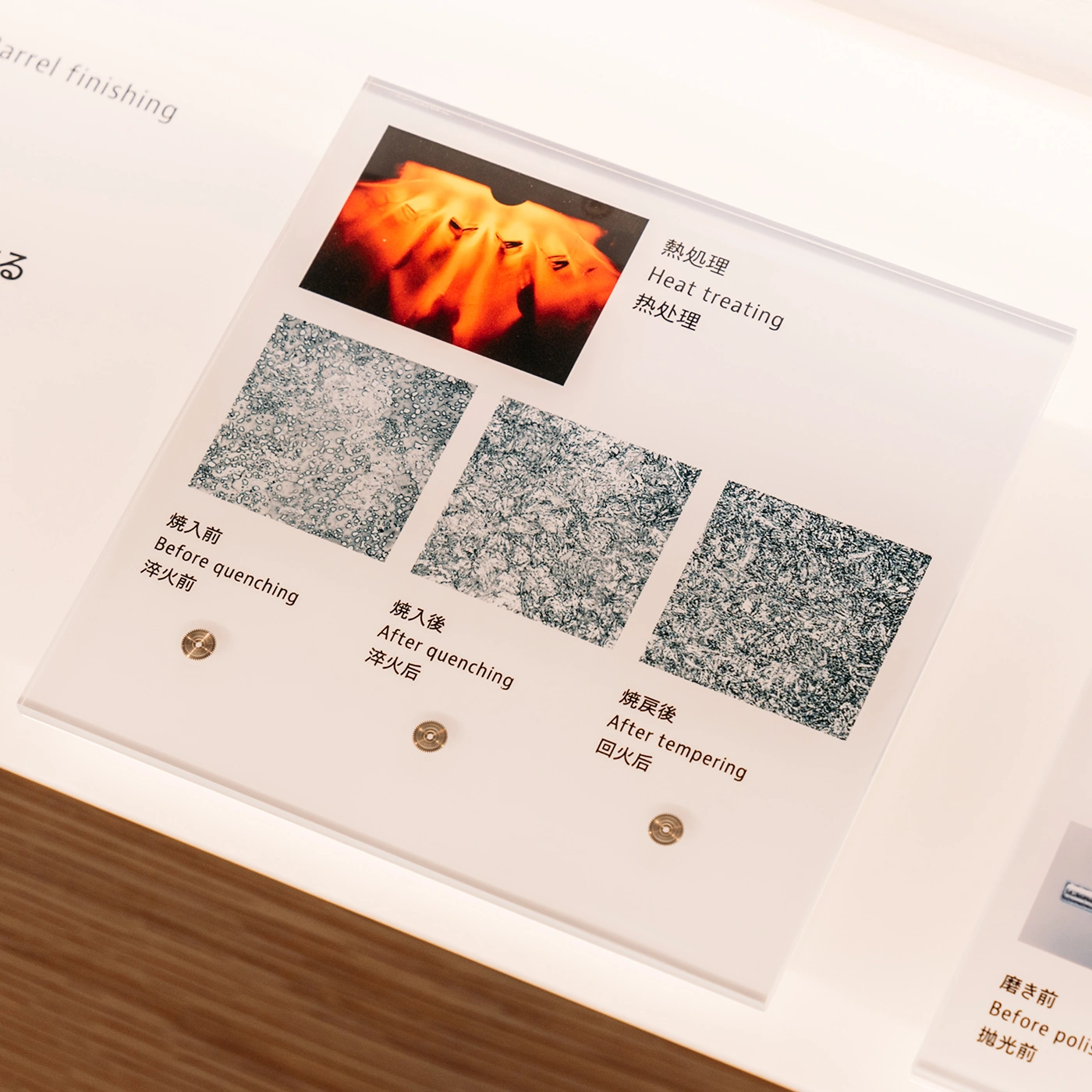
Let’s look at two things that are different with Grand Seiko: the Grand Seiko Studio Shizukuishi and their Micro Artist Studio. If you look carefully at the photos, you will see something different from what you see at other watch manufacturers. Look at the desks: You will see that they aren’t defined by the higher hand or workspace positions seen in most watchmaking tables, (which they have, but are smaller and off to the side).

By the way, all those desks are made by hand using traditional craftspeople working nearby. We noticed this difference in desk layout at three different Grand Seiko locations and only got an explanation at the third. It is because the actual watchmaker who does the work said, “we use microscopes.” And they do. Everywhere.
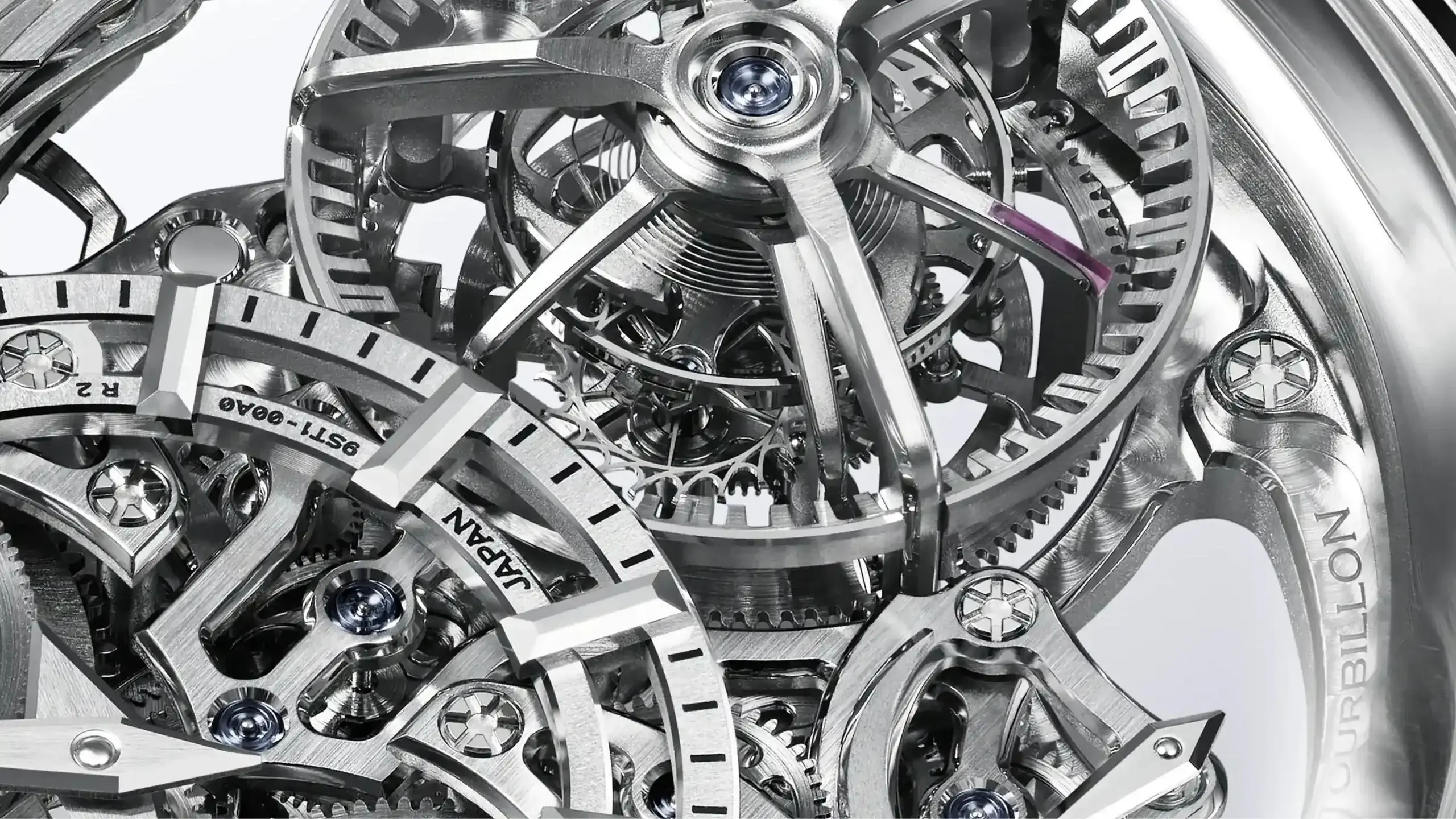
This means that as a base, they already work at a deeper level of examination than most. This is a hugely defining piece of information, yet they never speak of it. It speaks to an amazing attention to detail, and this is what allows them to create pieces of horological technical mastery such as their Kodo TourbillonTourbillonA watch complication invented around 1801 by Abraham-Louis Breguet that rotates the escapement in a cage to counter the effects of gravity on accuracy. Tourbillons are mesmerizing and very difficultGo to Tourbillon Glossary and their Tentagraph.

Now let’s look at something else. In speaking with their designers, we asked how their design ideas developed, given that they have (and have had) global markets and influences. They can’t be just “a Japanese watch.” Their answer was a master course in culture and aesthetics.
To make it as simple as possible, in other cultures, they look at art and beauty and create it. In their world, they feel it is around them; they are part of it. This means things are not necessarily perfectly symmetrical, but they are balanced and holistic. They are living inside a world, and in that world, they move, and time moves.

So for example, the designers and engineers take inspiration from the forests around Shizukuishi or Lake Suwa nearby or Mount Iwate. But their inspiration takes different forms from different proximities and at different times. The white birch in the forest looks different when seen from afar in a copse or up close. Lake Suwa looks, feels, sounds, and smells different at different times of day or during each of the six different parts of the four more traditional seasons of Japan. All of this brings different feels and different aesthetics to their pieces.
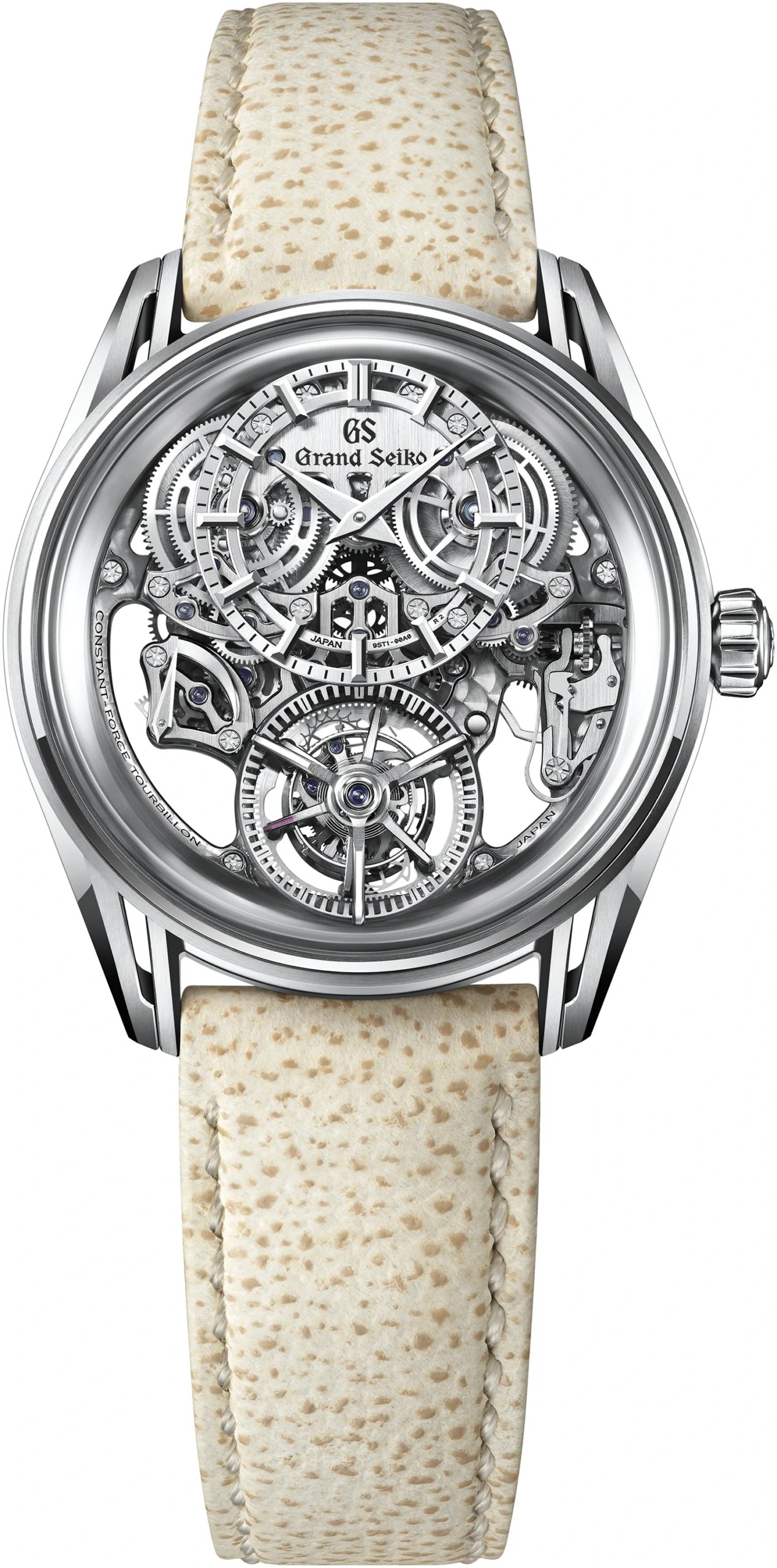
The watches then show this kind of duality. They are extremely precise, well-finished, and well engraved. If you have one in hand or on the wrist, and you have a loupe, look at how well the underside of the hand is finished. You will see this by looking at the reflection from the finely polished hand below it. But also, look at the color and texture of the dial. On your wrist, you will have detail and texture, but perhaps those looking on will see only a glow, and a difference in color and tone that they may not be able to put their finger on.
But that just grabs them. So there is all this technical precision wrapped in what tends to be wrapped up in a rather different and usually calming (to me, anyway) look backed up by a work ethic that takes it to heart if they don’t give the absolute best to their guests.
Omotenashi. Think of how Japan makes you feel, then think about why.
This article originally appeared in Robb Report Philippines’ Car Issue, April 2025.