The Art of Caring for a Patek Philippe




One of the things I enjoy most is the point when eyes are opened, whether they’re mine or someone else’s, and they suddenly see something they didn’t really appreciate before.
A time I always remember as a wonderful eye-opening moment for myself was when I was at the Patek Philippe manufactureManufactureA watchmaking term for a company that designs and produces most of its movements and components in-house, rather than relying on outside suppliers. Being a true manufacture signals deep expertise,Go to Manufacture Glossary in Geneva, a huge and very modern facility on the outside. We were walking through an area where they work on all the important and vintage pieces, from their own collection as well as from the very important collections of owners and collectors. Off to one side was an older gentleman who was sitting at a desk that was perhaps a fourth filled with twigs and small branches of trees.
I, of course, had to ask why this was the case, and their explanation was quite surprising. He was responsible for doing particular finishing on the vintage watches and components. He used certain wooden tools and surfaces for this finishing, and he didn’t really feel any supplier was up to the task. And Patek PhilippePatek PhilippeA Swiss watchmaker founded in Geneva in 1839 and widely regarded as among the most prestigious in the world, known for complications, hand finishing, and its slogan about passing watchesGo to Patek Philippe Glossary obviously agreed with him.
He’d go out into the forest and choose and then cut the wood he decided was best. He’d then shape it himself to craft the shapes and pieces that would be used as surfaces to rub against the components and pieces that would go on to have the circular graining or perlage (or in French, cerclage) you see on the finest of timepieces.
Accuracy, precision, and repeatability may define the system, but vision, passion, craftsmanship, and yes, love still carry it forward.
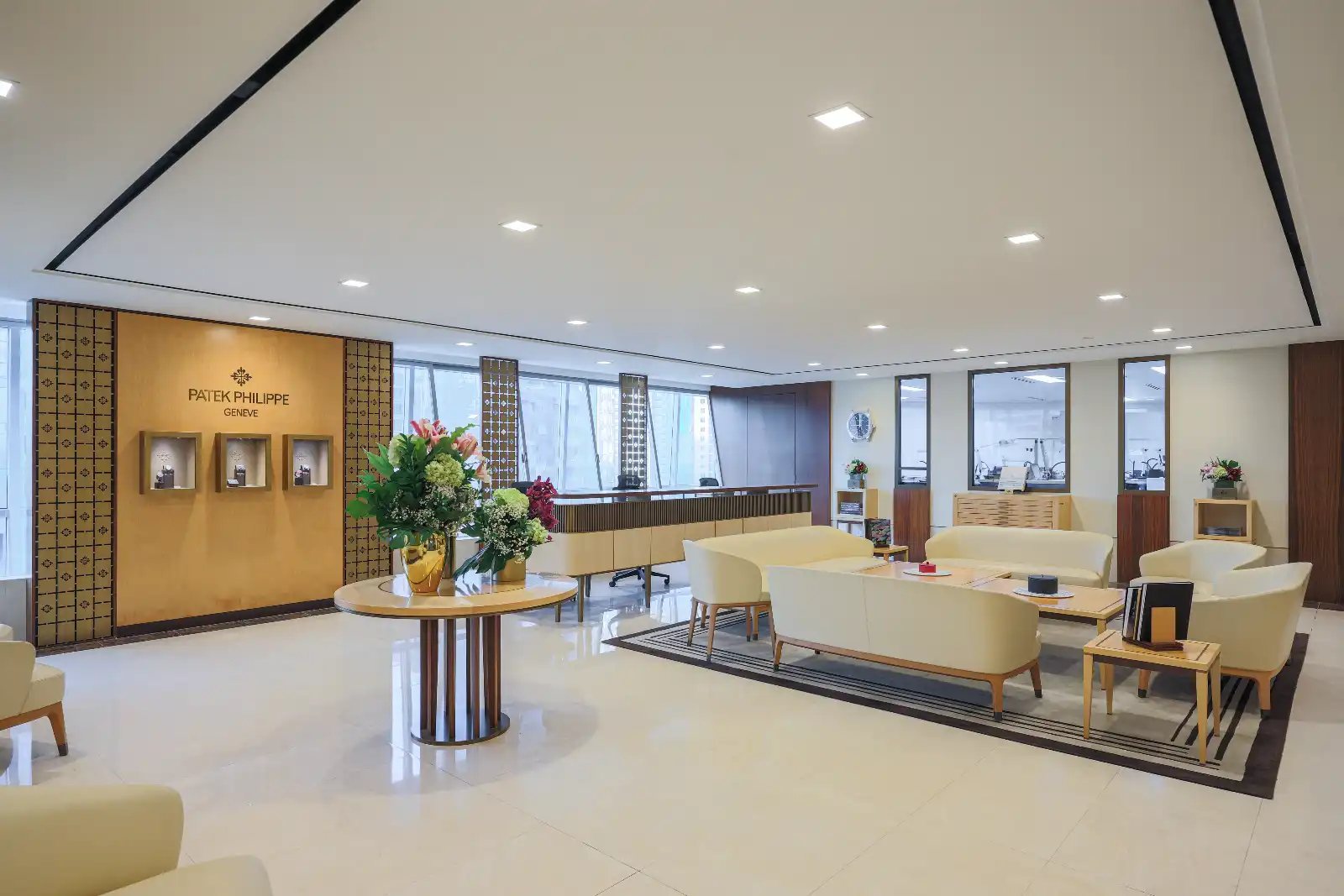
Another eye-opening moment I experienced recently with Patek PhilippePatek PhilippeA Swiss watchmaker founded in Geneva in 1839 and widely regarded as among the most prestigious in the world, known for complications, hand finishing, and its slogan about passing watchesGo to Patek Philippe Glossary was when it reopened its Singapore Service Center. I liked this because there were people who actually asked me why they were there, and why it was important that they understand what, in their mind, was effectively a repair shop.
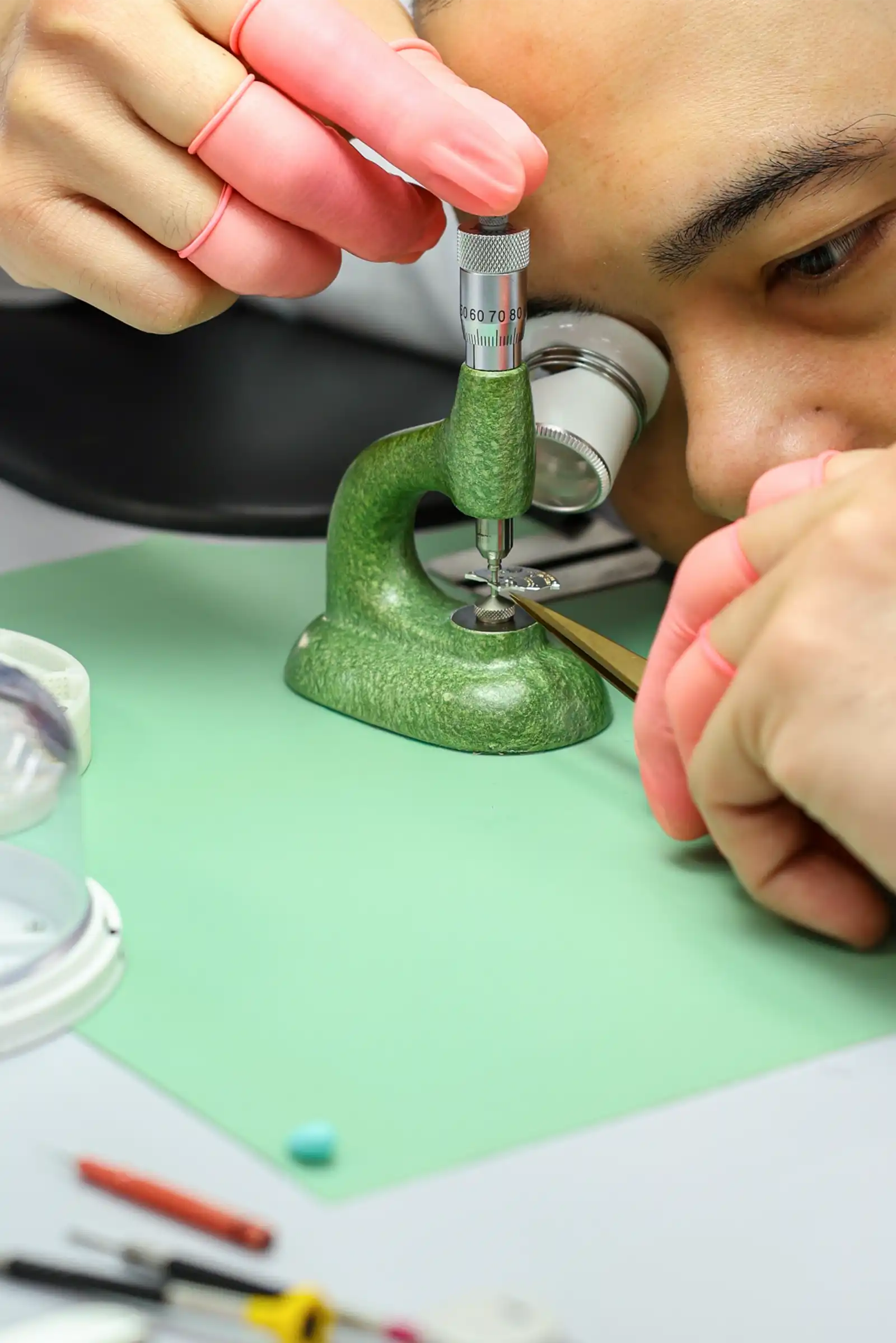
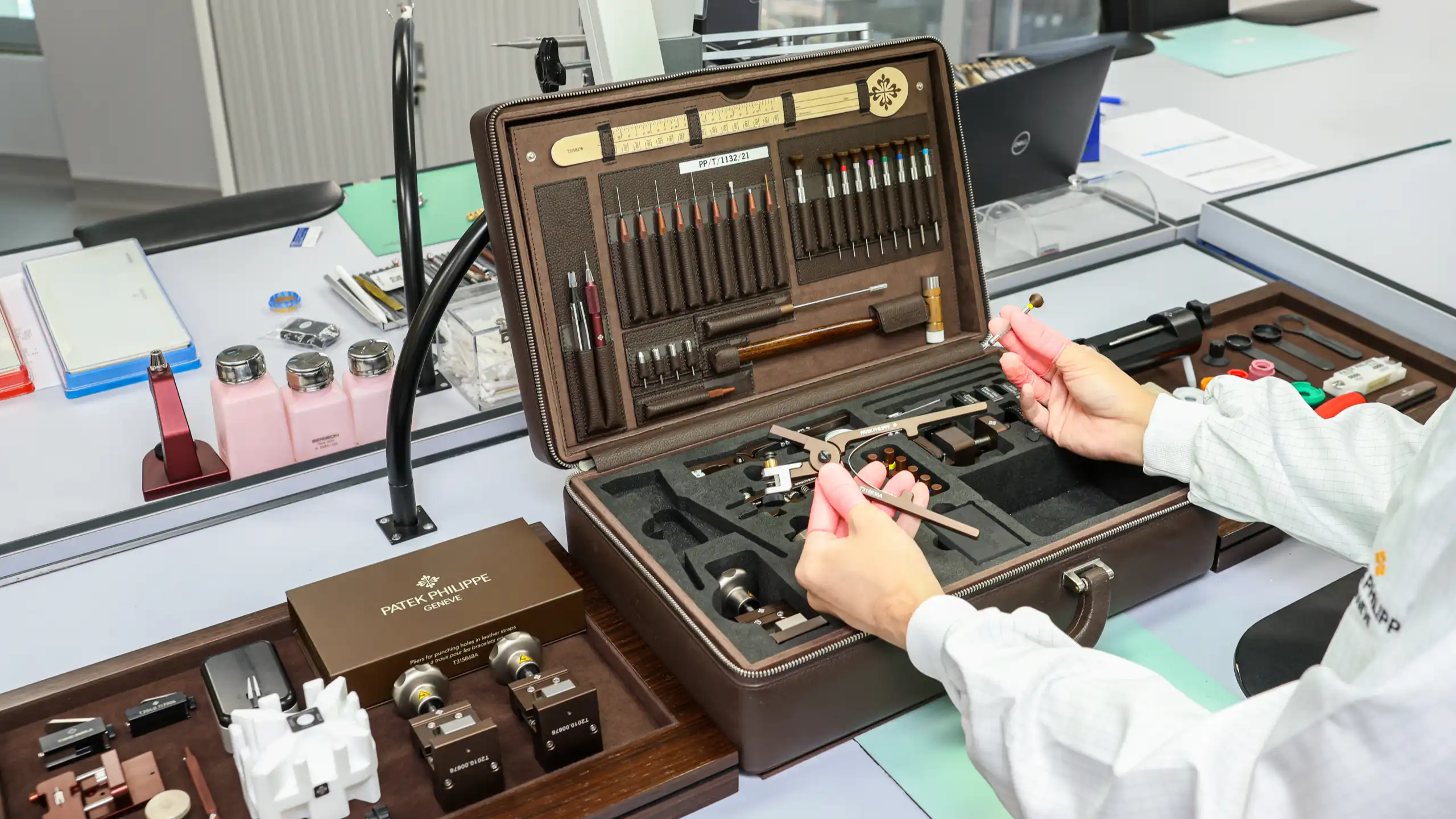
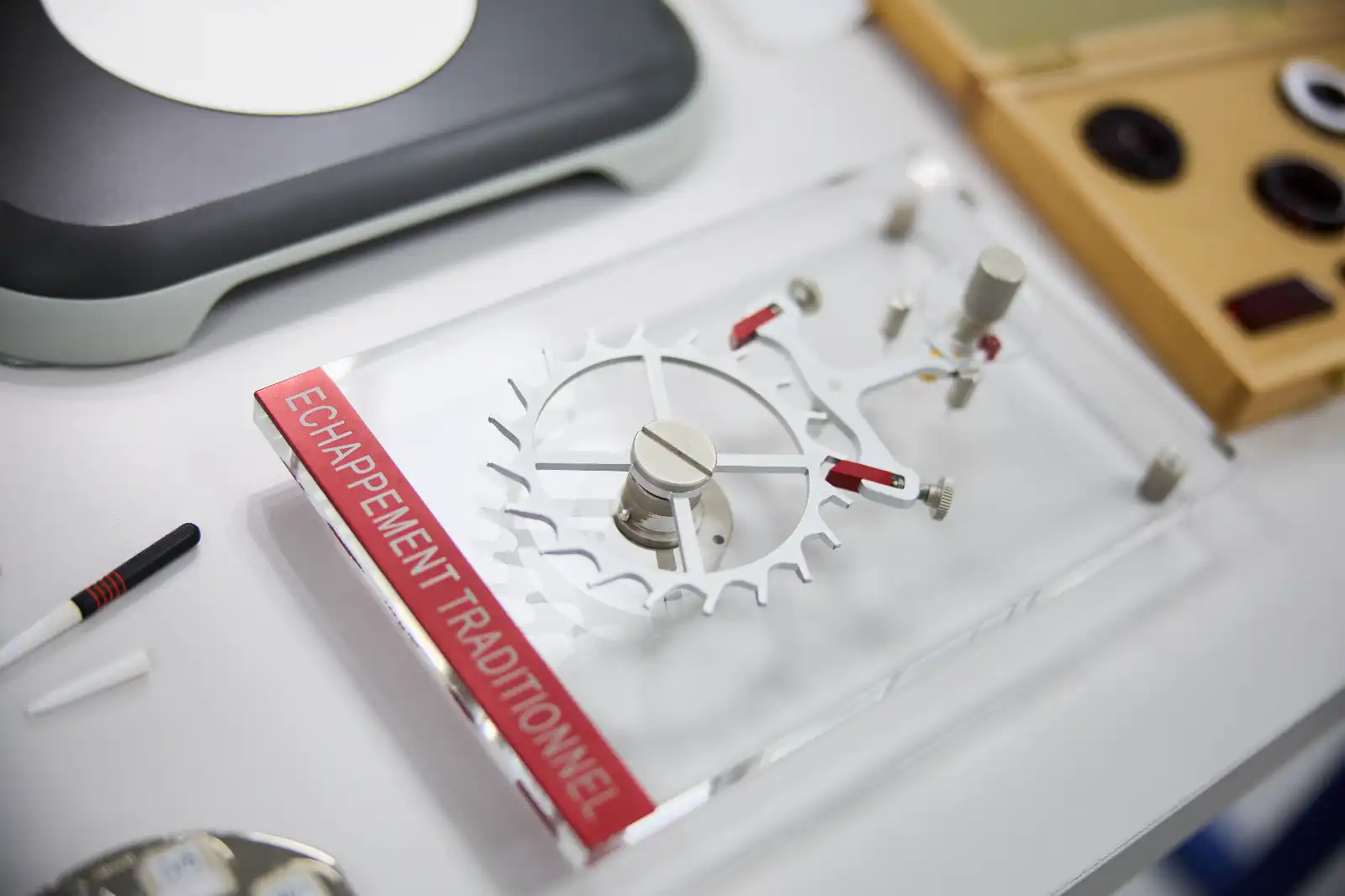
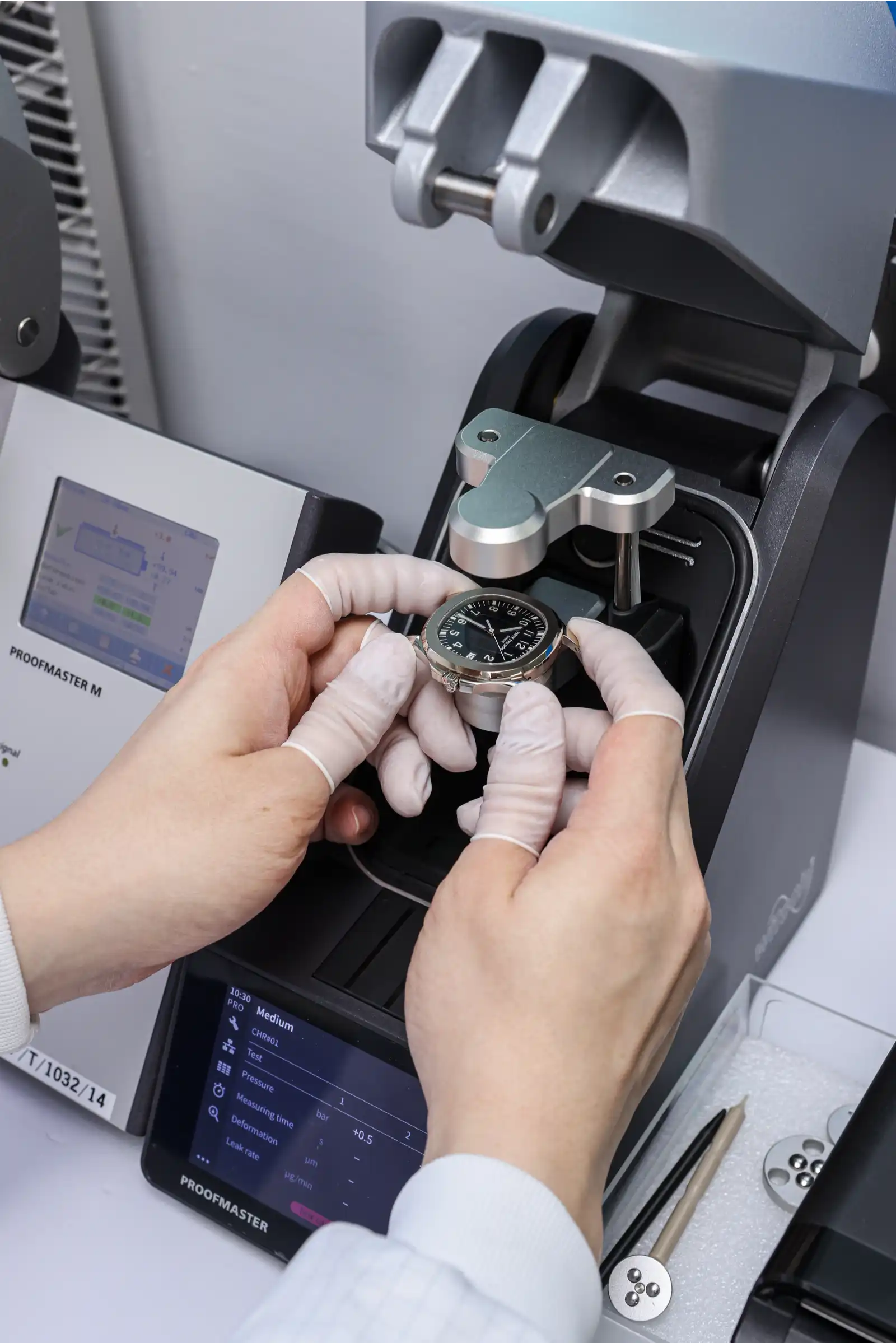
Then I saw their eyes widen when they realized that even the simplest of mechanisms had far more and far smaller pieces than they expected. And observed how their eyes lit up when they saw the different tools, and jigs, and pieces that were needed just to open and hold properly things like the case back, or a component, or a gear. We watched how the different levels of testing were done and how the different ways were used to make sure watches were properly sealed or at different levels of water protection.
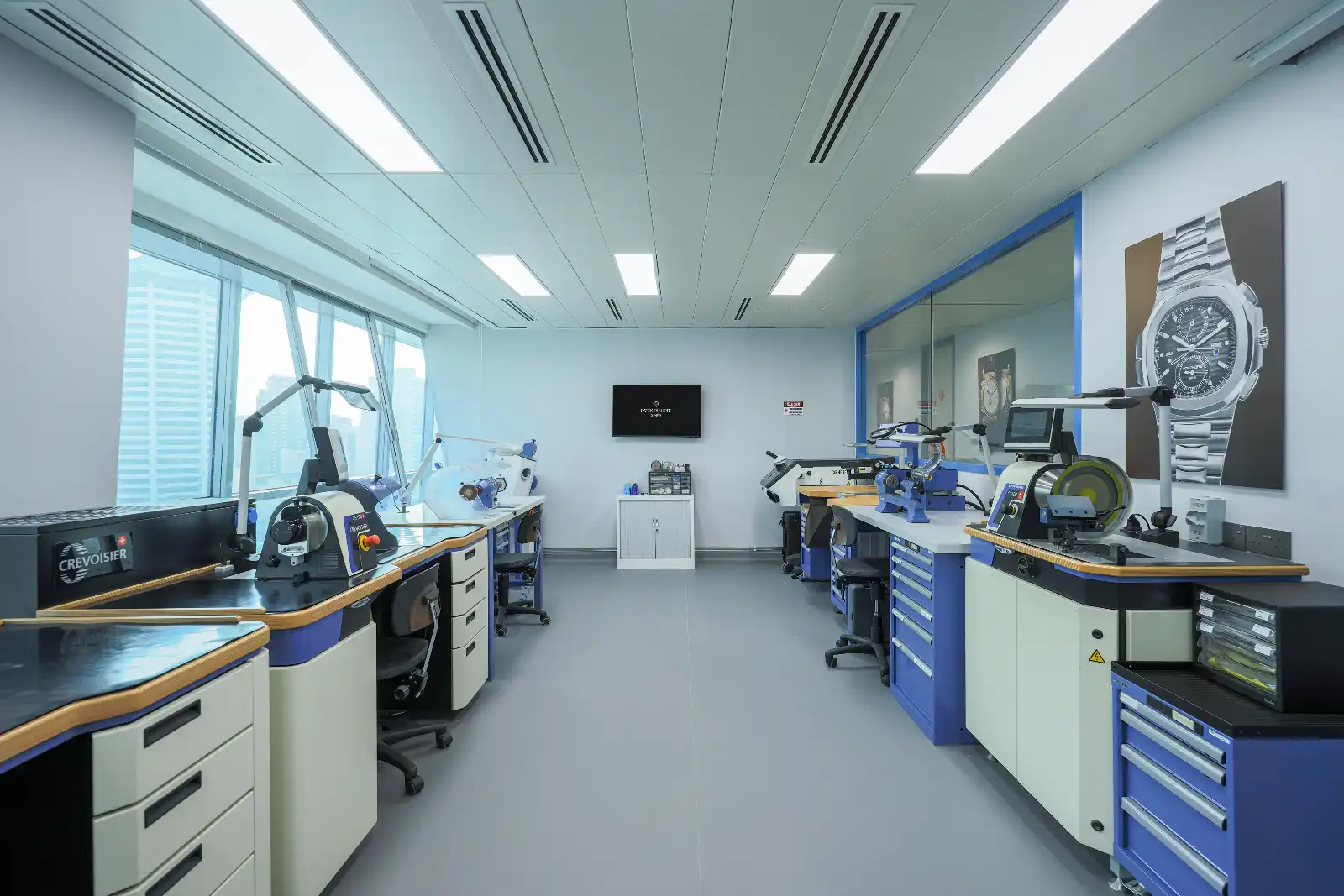
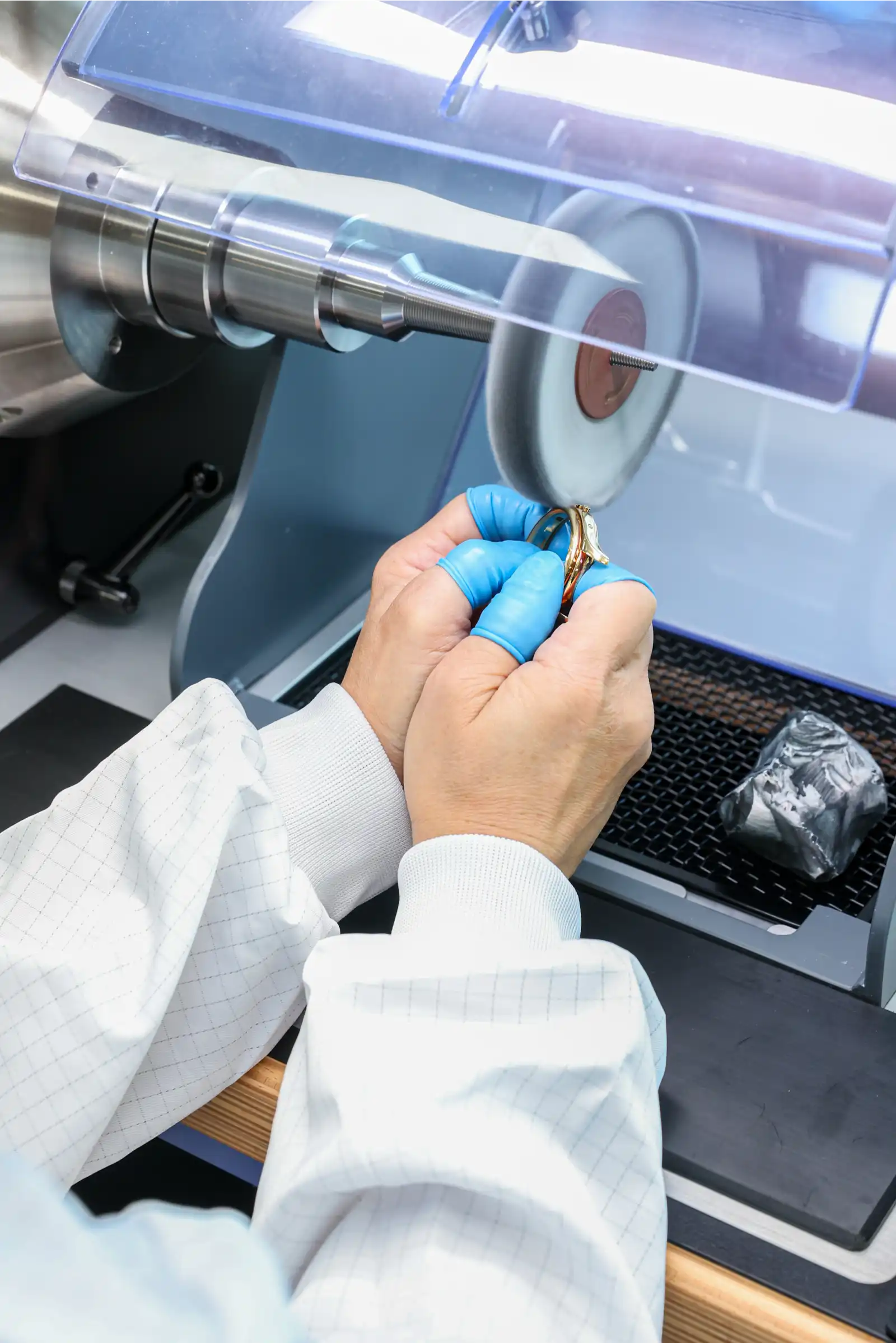
One of the more interesting techniques I had never seen before was how they were starting to use, at this level, laser welding of precious metal to help restore watch cases and bracelets that had been banged or damaged in everyday life of the wearer. This requires a high level of training just for the new laser equipment, accessible only after you’ve already reached high levels of watchmaking expertise.
The facility in Singapore is one of only 13 around the world at this level of accreditation and operation, although it’s arguable there isn’t really anyone else at this particular level, because the Singapore shop was recently awarded the top performer of an already elite group.
I say at this level because there are levels above and below this one that different facilities, such as boutiques, will be allowed to operate. Patek Philippe is working to make sure boutiques and certain points of purchase are allowed to do smaller services, such as checking or changing bracelets or batteries or straps. Then, if they are not authorized to go further, they’d hand it to one of the 13 facilities. If none of the 13 can do the job, they’ll ship the watch back to Geneva.
The delineating factor here is primarily the level of complicationComplicationAny function on a mechanical watch beyond telling the hours, minutes, and seconds, such as a calendar, chronograph, moon phase, or tourbillon. Complications demonstrate a watchmaker's technical skill, and moreGo to Complication Glossary of the watch itself or the level of work needed to be done. We have, of course, seen this service center grow. It was always something special for those who’d bring their watches over, and it was always friendly. But perhaps befitting the higher level of mainstream interest in watches in the world, it’s now a much more luxurious experience. That includes areas where we can have coffee or chat, or just go through some of the books on Patek Philippe and see some of the pieces.
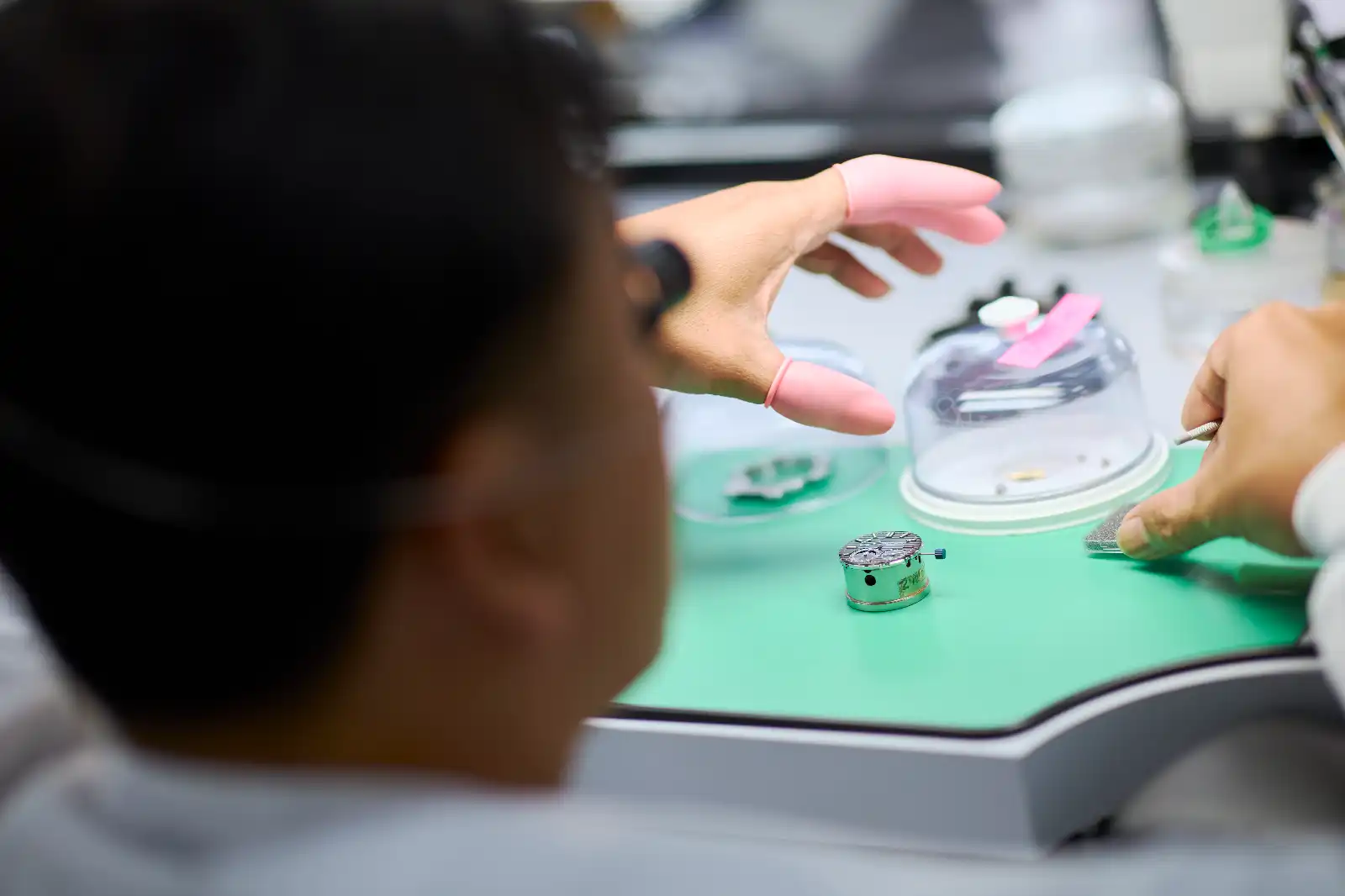
Many who’ve been in the world of fine watchmaking for a while understand the complicationComplicationAny function on a mechanical watch beyond telling the hours, minutes, and seconds, such as a calendar, chronograph, moon phase, or tourbillon. Complications demonstrate a watchmaker's technical skill, and moreGo to Complication Glossary and craftsmanship involved, and even those who’ve been interested for quite some time learn something new all the time.
What I like most of all is that this world and industry and craft that many of us have loved for a very long time is now becoming more appreciated by others, and not just because of brand names or prices or hype.
People are increasingly recognizing the extraordinary level of handwork, ingenuity, detail, and dedication.
This article originally appeared in Robb Report Philippines’ Food and Drink Issue, April 2026.