How Luxury Houses Are Defining Themselves in Modern Watchmaking





I’ve been having some fascinating conversations lately with some of the most renowned luxuryLuxuryA lifestyle defined by exceptional quality, craftsmanship, exclusivity, and sophistication, encompassing the finest products, services, and experiences that represent the highest standards of refinement and excellence.Go to Luxury Glossary watchmakers, including Cartier, Louis Vuitton, Bulgari, and Hermès. Each of these brands has its own unique history and approach to watchmaking.
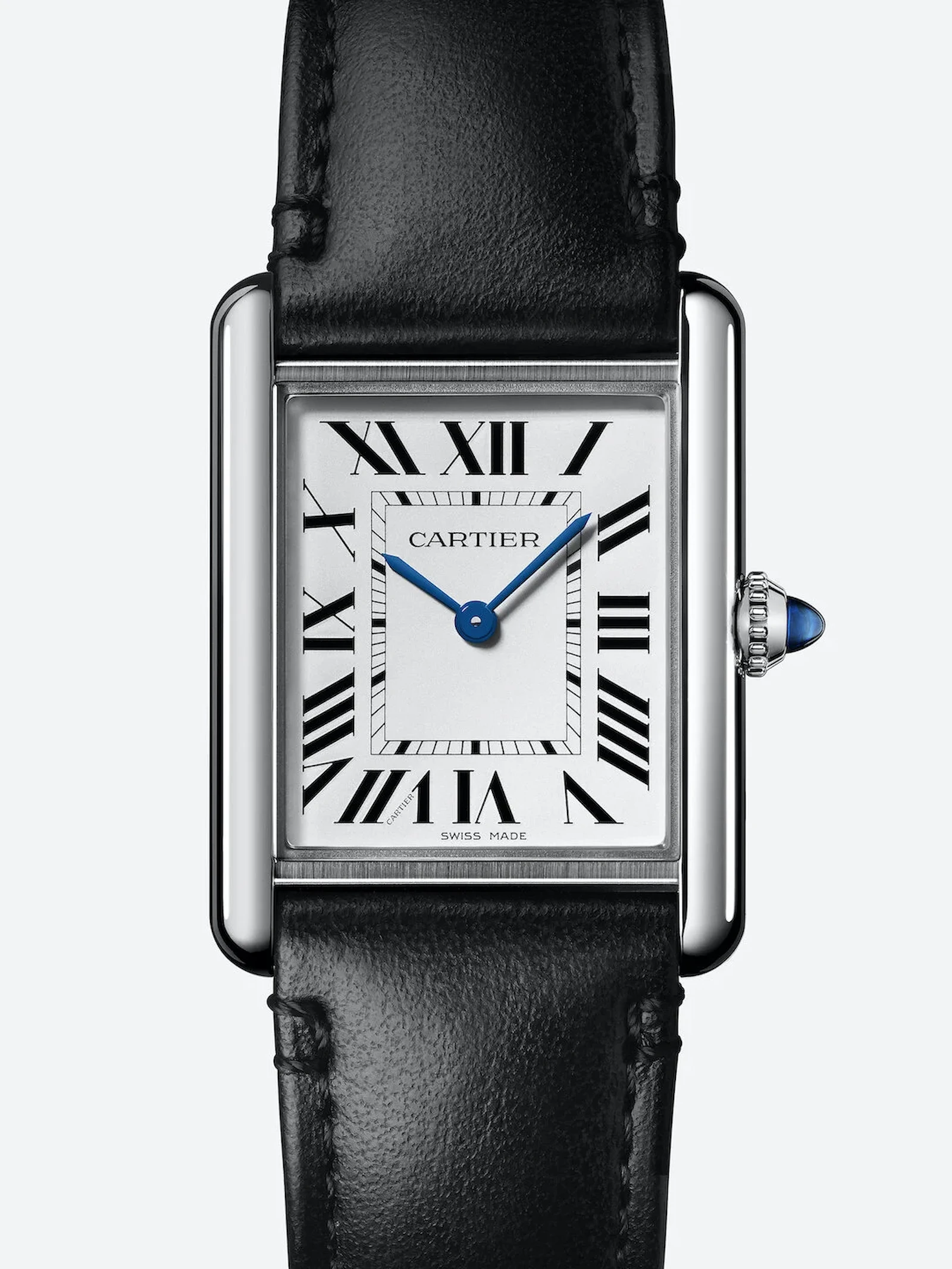
Let’s start with Cartier, a brand with a storied history in watchmaking. Cartier has long been known for its high complications, and they excel in this area. However, recently, they’ve shifted focus to their more basic lines, emphasizing their iconic shapes and making their offerings more accessible to a broader audience. I recently visited what is likely the largest Cartier watch corner in the region, located in Shangri-La Mall. The variety on display was heartening, showcasing Cartier’s ability to cater to both seasoned collectors and newcomers alike.
Bulgari, on the other hand, has taken a different path. While they started with serious watches over two decades ago, they actually made a small hundred-piece run to test the waters. It was even a quartz, and it did quite well and was offered only to special customers. From there, they moved out to pieces like the Aluminum and the Octo Roma, and they’ve since made a significant commitment to fine watchmaking by focusing on ultra-thin designs that align with their brand DNA. The Octo Finissimo line, in particular, has garnered attention for its award-winning thinness and intricate complications. These watches appeal not only to Bulgari’s traditional luxury buyers but also to serious watch enthusiasts who appreciate the technical prowess behind these creations. Their recent Bulgari Beyond Time exhibits have truly shown the breadth and depth of their abilities and their demand from different niches and markets.

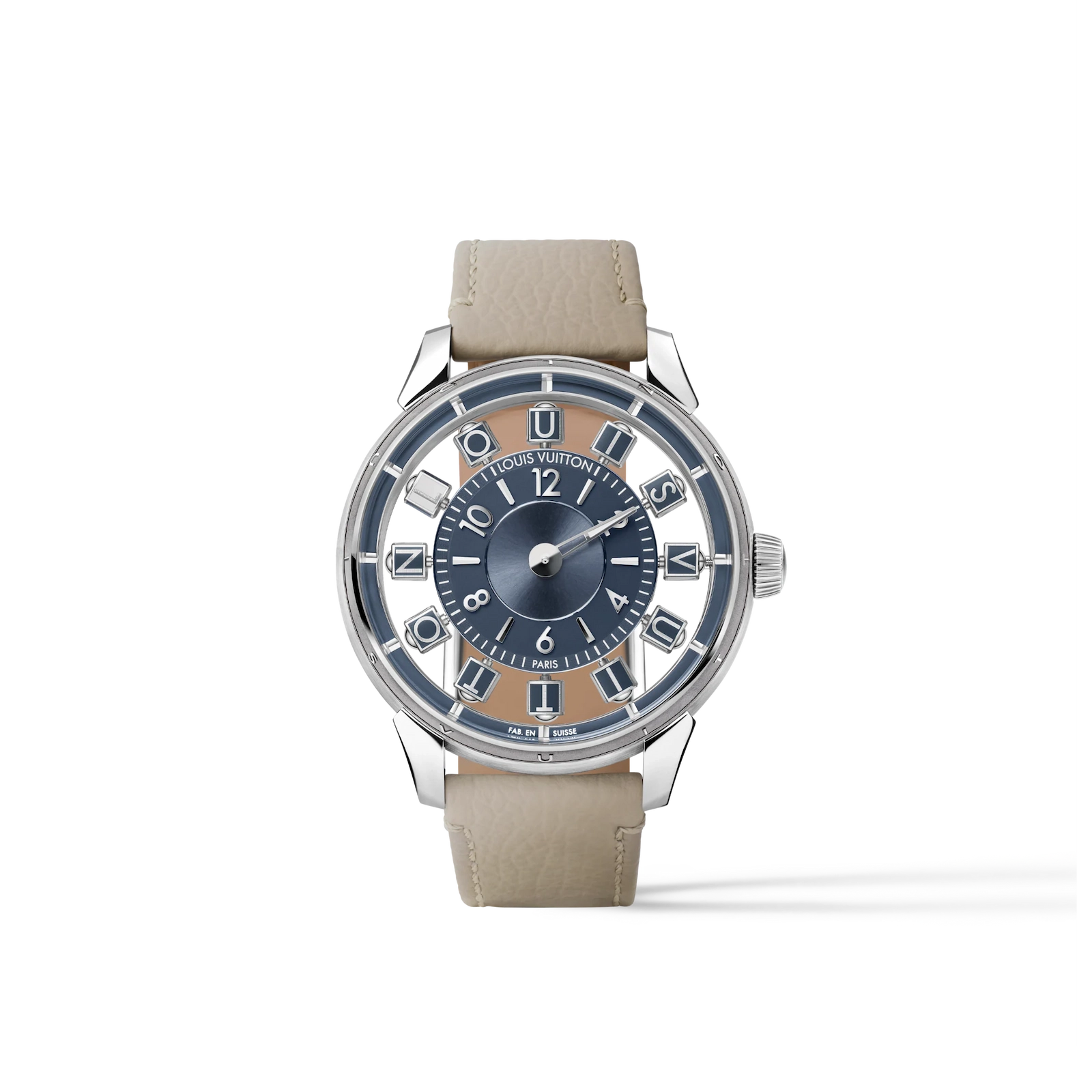
Louis Vuitton and Hermès, while not having the same historical roots in watchmaking as Cartier and Bulgari, have made impressive strides in the industry. Louis Vuitton’s acquisition of independent watchmaker La Fabrique du Temps early in the century marked the beginning of their journey into high-end watchmaking. Their innovative complications, like the Spin Time, demonstrate their commitment to excellence and creativity. They now have watches that are very interesting high complications, but they also have pieces that are very simple and showcase their watchmaking and finishing talents in a very elegant and subtle way.
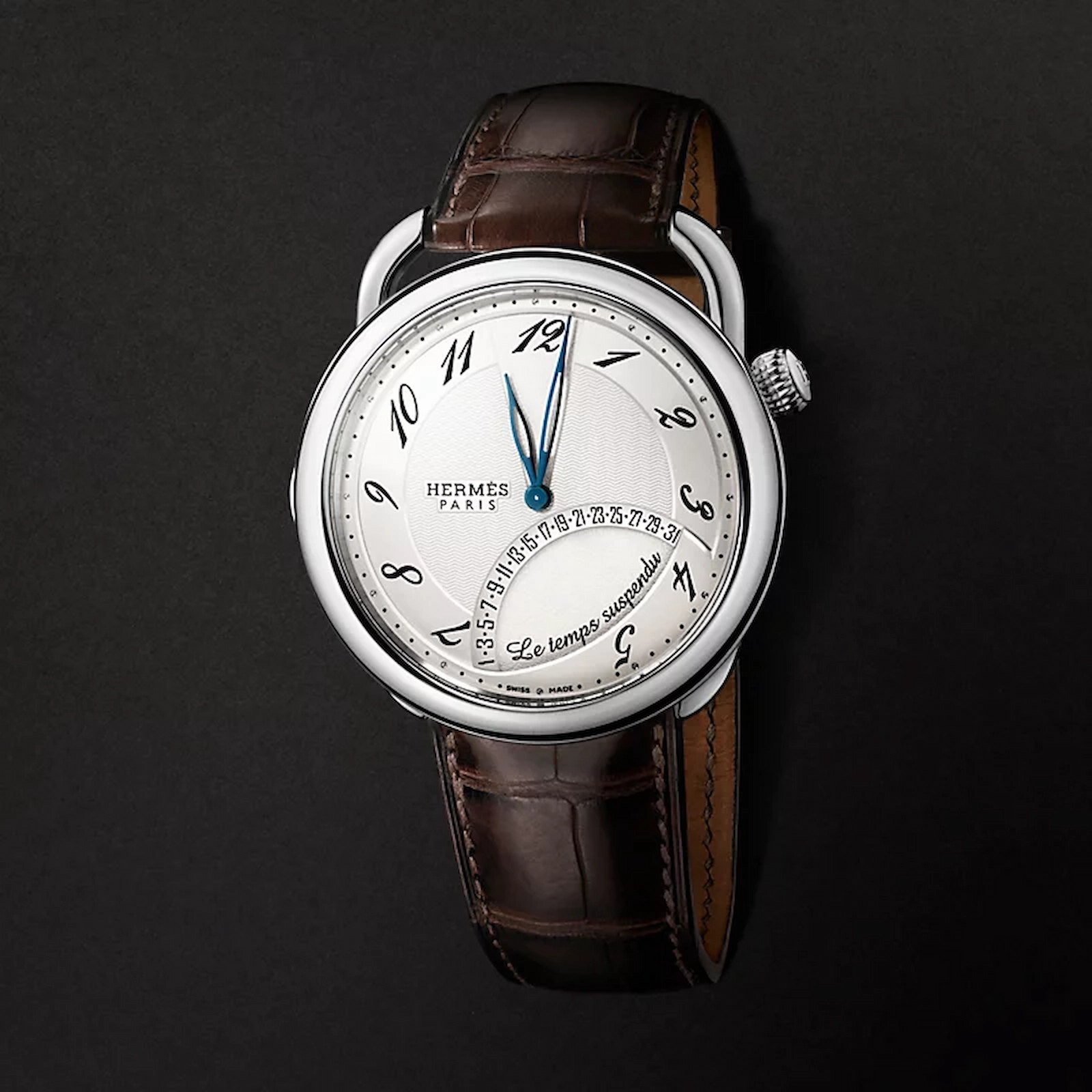
Hermès, too, has made significant investments in watchmaking. I recall attending Baselworld, where Hermès showcased their craftsmanship in strap-making and design. However, it was their somewhat subtle way of bringing independent watchmaker Jean-Marc Wiederrecht into meetings unexpectedly that truly elevated their fine watchmaking status. This partnership led to the creation of unique retrograde complications, showcasing Hermès’ ability to blend traditional craftsmanship with modern innovation.
What I find particularly intriguing is how these brands are navigating the increasingly segmented watch market. Cartier and Bulgari have successfully tapped into both the hardcore watch enthusiast community and the mainstream luxuryLuxuryA lifestyle defined by exceptional quality, craftsmanship, exclusivity, and sophistication, encompassing the finest products, services, and experiences that represent the highest standards of refinement and excellence.Go to Luxury Glossary market, albeit in different ways. Bulgari’s focus on ultra-thin complications has earned them respect among watch aficionados, while Cartier’s design heritage continues to captivate collectors.
Louis Vuitton and Hermès, while not as deeply entrenched in the watchmaking world, have demonstrated their capability to produce highly complicated timepieces. However, they haven’t yet captured the deep watchmaking pool to the same extent as Cartier and Bulgari. This segmentation isn’t necessarily a drawback; it simply means that brands need to understand their audience and tailor their offerings accordingly.
In my discussions with various luxury watch groups, I’ve noticed a common misconception: the belief that more complexity is always better. However, that’s not always the case. There’s significant growth potential in catering to starting watch enthusiasts and the mainstream market. In many ways, it really boils down to what it has always boiled down to: be true to yourself and be true to those that like you.