Three Itineraries Beyond Japan’s “Golden Route”




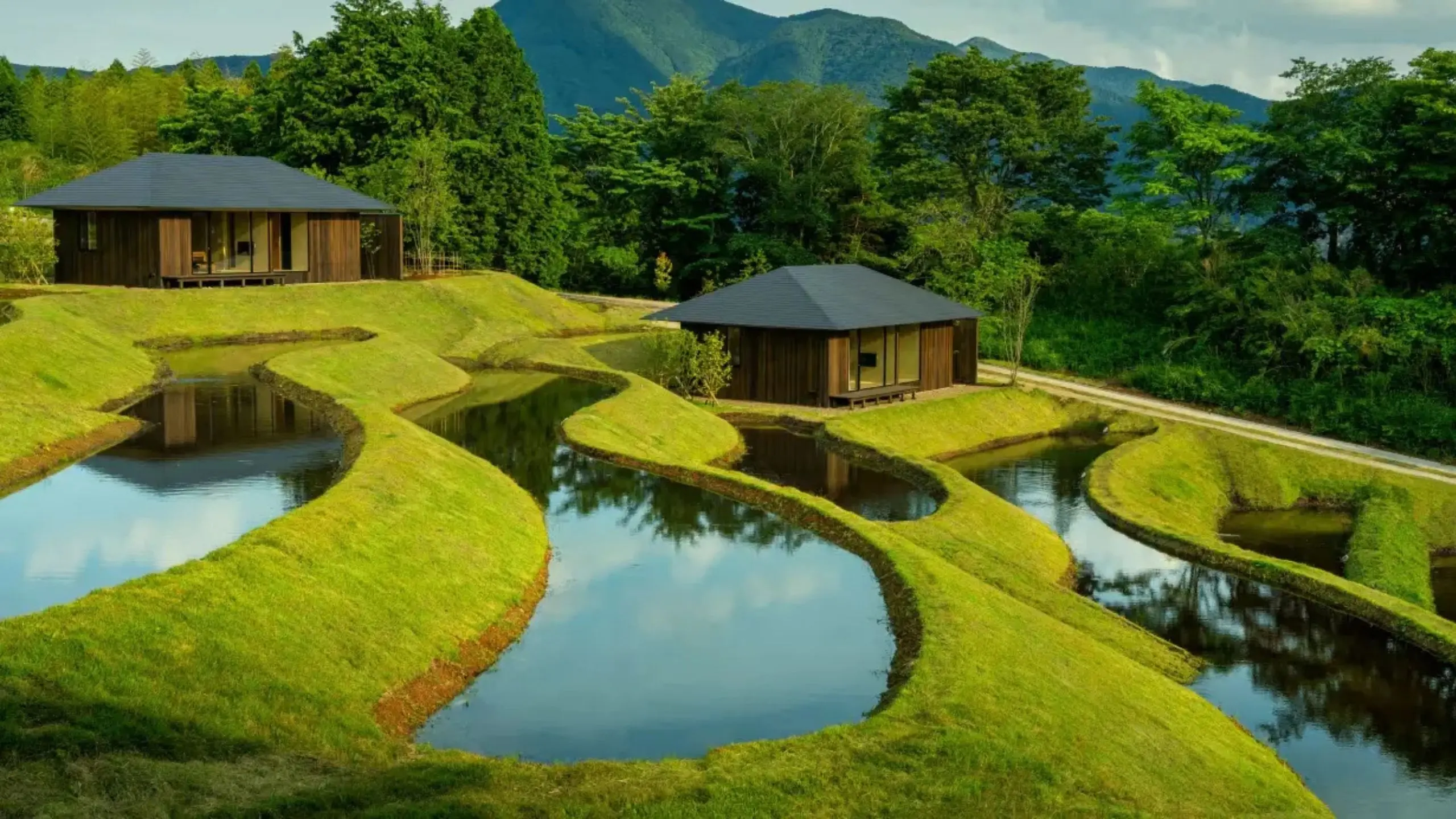
Along Japan’s “Golden Route” connecting Tokyo, Osaka and Kyoto, the three most popular cities for international visitors, reservations for lodging and other activities have become increasingly challenging to come by. For those without insider access, many experiences remain tightly gate kept.
Having been an isolationist state for most of its national history, Japan opened up to a select class of foreigners at the turn of the 20th century, only to shut its gates at the onset of the Second World War. After the cessation of armed conflict, with large swaths of the imperial heartland reduced to bombed out ruins, the postwar era saw an intense reconstruction effort in which tourism took a backseat.
Even after Japan’s ascension as an economic powerhouse at the tail-end of the century, it was only in 2013 that the government oriented the national economy toward the tourism sector. But the country’s most popular tourist hubs have since become overcrowded and overwhelming.
For those open to see Japan in a new light, there are a plethora of other options. Here’s a set of itineraries in some of Japan’s still underrated destinations: a sprawling national park near Tokyo, a rising arts hub in Honshu island’s westernmost province, and hidden culinary and luxuryLuxuryA lifestyle defined by exceptional quality, craftsmanship, exclusivity, and sophistication, encompassing the finest products, services, and experiences that represent the highest standards of refinement and excellence.Go to Luxury Glossary offerings around Kyushu island.
Nikko National Park
A mere two hours outside of the nation’s capital, Nikko National Park covers over 11,000 square kilometers of flora. Originally established in 1911, the park is best known to locals as a site of Shinto and Buddhist worship. Temple structures like the 409 year old Edo period Nikko Tōshō-gū, a grand spiritual edifice dedicated to the samurai-founder of the Tokugawa Shogunate, are collectively recognized as a UNESCO World Heritage Site. However, with its unparalleled natural landscapes, stunning hiking trails and proximity to Tokyo, the park has begun to earn a reputation as a lowkey luxuryLuxuryA lifestyle defined by exceptional quality, craftsmanship, exclusivity, and sophistication, encompassing the finest products, services, and experiences that represent the highest standards of refinement and excellence.Go to Luxury Glossary retreat.
In the early 20th century, Nikko was a popular summer destination for European diplomatic delegates and select wealthy travelers who sought for a cooler environment to wait out Tokyo’s scorching summers. To this day, the restored British and Italian Embassy Villas sit on the banks of Lake Chuzenji, the highest natural lake in the entire country. Whether visitors decide to hike around the 25 kilometers lakeside trail, or take a scenic boat ride, modern day tourists can explore onsen towns, make a pilgrimage to Nikko’s scattered network of temples and revel in the long stretches of foliage.
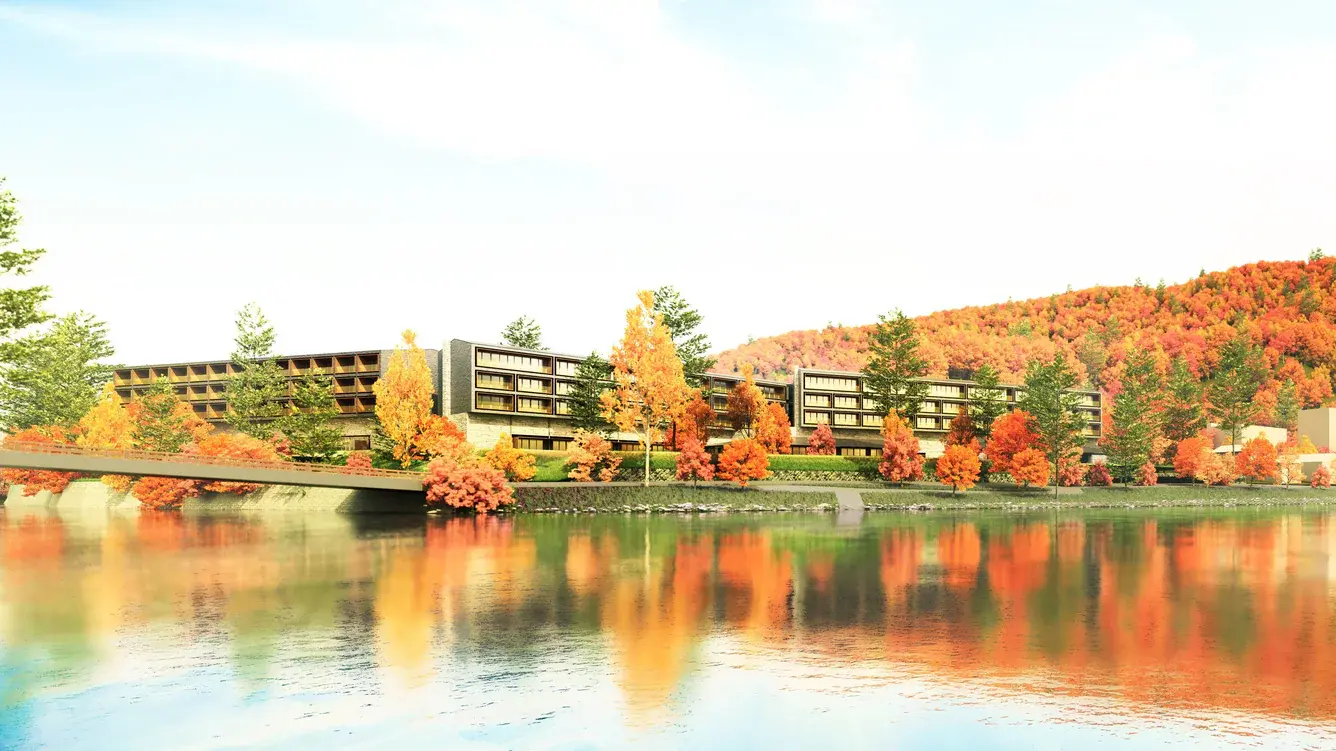
Though the villas and rest houses built almost a century ago no longer serve as sites of accommodation, luxury travelers can secure lodging at The Ritz-Carlton, Nikko. The contemporary design of the hotel, with its floor-to-ceiling grid window panels and minimalist interiors, puts emphasis on embedding guests within the full beauty of the park’s natural treasures. All the three guest wings intentionally face Lake Chuzenji and the surrounding volcanic belt. Whether guests are in the mood for Western or Japanese options, the hotel’s restaurants also take advantage of the abundance of fresh produce harvested in the prefecture.
Hiroshima, Onomichi, and Shimanami Kaido
Less than 90 minutes away from Osaka by Shinkansen, Hiroshima still remains a relatively underrated choice for the majority of travelers. At most occupying the slot of a rushed day-trip for most foreign tourists, itinerary-planners often prioritize visiting infamous landmarks like the Peace Memorial Park & Museum, the Atomic Dome, or Miyajima Island. These monuments are certainly emblematic of the city’s storied history. These are structures which continue to preserve Hiroshima’s ancient traditions, but also contend with the traumas of nuclear devastation. Though these somber aspects of the city’s character are essential experiences, the prefectural capital offers the urban comfort and convenience typical of any Japanese cosmopolitan hub.
As one of the largest cities in Southwestern Chūgoku region, it offers a lot of the same retail, cultural and hospitality amenities as Tokyo or Osaka, albeit with a much smaller crowd. Like its “Golden Route” counterparts, the city houses higher-end department store brands like Mitsukoshi and Fukuya, both of which carry Japanese and international luxury labels. Though most foodies might associate Hiroshima with street foods like Okonomiyaki, the city also hosts some of the most exclusive culinary institutions in the country. Restaurants to look out for include Tori Yamamoto, a small omakase Yakitori bar that serves prized Omi chicken breeds from Shiga prefecture. For two years in a row now, the restaurant has been part of the coveted “Hyakumeiten” or “Tabelog 100,” a locally curated list of the country’s best restaurants, compiled by its premier review site.
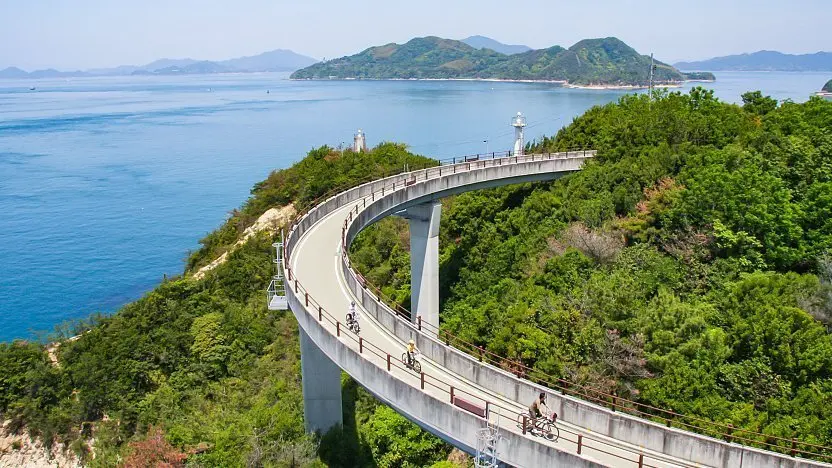
Hiroshima also serves as the perfect staging ground to reach one of Japan’s most vaunted cycling destinations: the 70 kilometer Shimanami Kaido bicycle route. Starting in Onomichi, a quaint port city 40 minutes by train from Hiroshima, the route’s 55 bridges cut through six small islands in the Seto Inland Sea, connecting Japan’s largest island, Honshu, to its smallest, Shikoku. With rentals available from companies like the world-class Taiwanese bicycle manufacturer GIANT, tourists can leisurely ride along the path hassle-free. Asides from the breathtaking seaside and island views, along Shimanami Kaido cyclists can visit a myriad of art installations, sites of buddhist pilgrimage, century-old Ryokans and onsen hot springs.
Fukuoka and Kyushu Island
In recent years, with local airliners offering an increased volume of flights per week, Fukuoka has become increasingly popular for Filipino travelers. Located on Japan’s southernmost Kyushu island, a stone’s throw away from the Korean Peninsula, the city welcomed more than 3 million travelers last year. Even if Fukuoka’s reputation is still dwarfed by the cultural dominance of places like Kyoto or Tokyo, its offerings are nonetheless world class. Hosting global hotel brands like The Grand Hyatt and The Ritz-Carlton, as well as local 5-star offerings like the newly opened One Fukuoka Hotel, the city offers no shortage of luxury accommodation options. In the downtown Tenjin district, renowned department store retailers like Iwataya and Daimaru are clustered together in the busiest section of town.
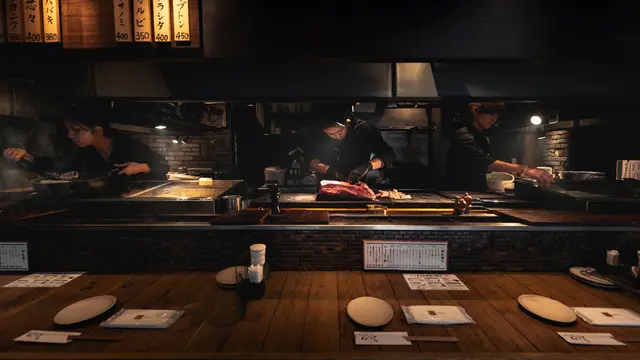
Fukuoka perhaps has the most to offer for gourmand travelers who plan their trips around food and drink experiences. Popularized by internationally franchised chains like Ippudo, the Hakata-style Tonkotsu Ramen enjoyed by millions on a daily basis originated on the humble street side “Yatai” stalls of Fukuoka. Legendary ramen-yas like Hakata Issou often have customers, local and visiting, lining down the block just to try a bowl. Ramen may be the most talked about food item in town, but restaurants of all kinds are serving some of the most exciting cooking in the country. Whether you are in the mood for innovative izakaya like Meshiya Koyama Parking, or a decadent yakiniku tasting menu at Hyakumeiten-awardee Nikamaru Haruyoshi, the city has no shortage of prize-worthy dining.
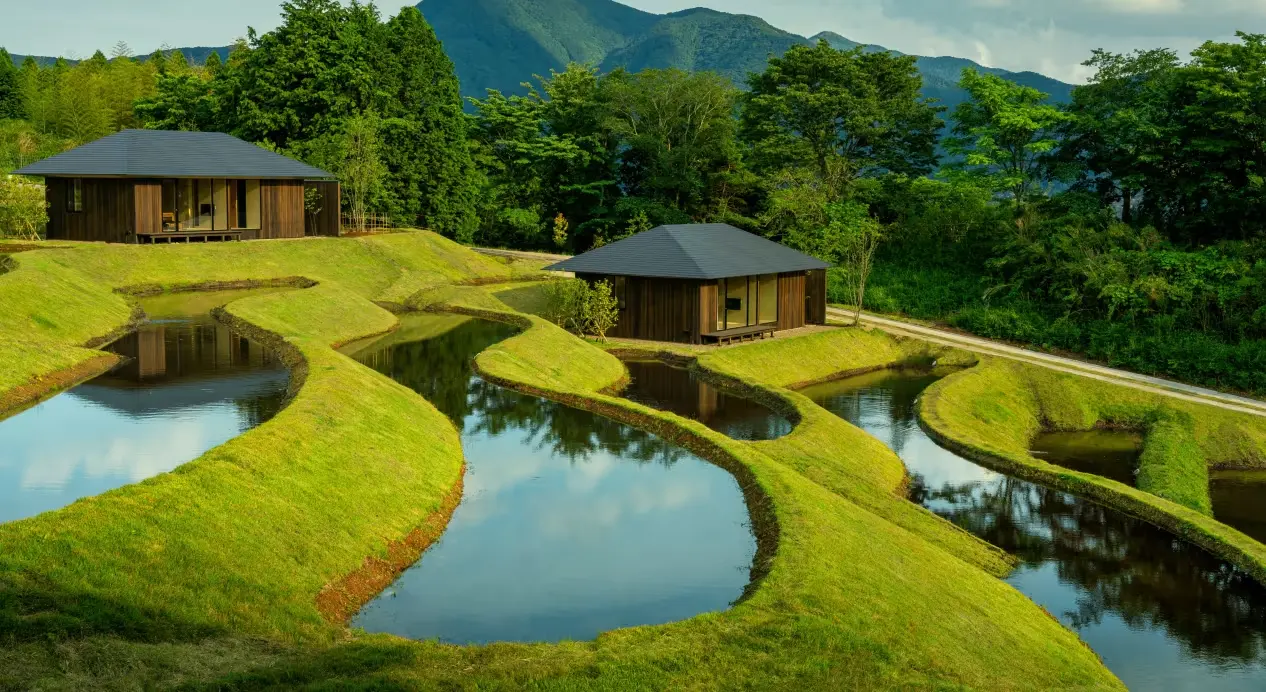
For those yearning for a more calming out-of-town experience, surrounding cities and towns around Kyushu island have some of the most sought after hotels, ryokans and hot springs in the entire region. In Yufuin, a small resort town 90 minutes away from Fukuoka, guests can stay at cutting edge retreats like Relais & Chateaux member Enowa Yufuin and the Kengo Kuma-designed KAI Yufuin. The nearby city Beppu, famed for its network of three thousand hot springs sources, offers an unparalleled onsen experience. For a more traditional experience, historic institutions like Takegawara and Hyotan onsen carry on more than a hundred years of hot spring wellness traditions. More modern offerings include Galleria Midobaru and ANA Intercontinental Beppu Resort & Spa bring the city’s famed onsen experience together with a sleek modern elegance, the latter even offering suites with private onsen-style baths.