Rolex Awards Laureate Denica Riadini-Flesch & How SukkaCitta Supports Its Community’s Women


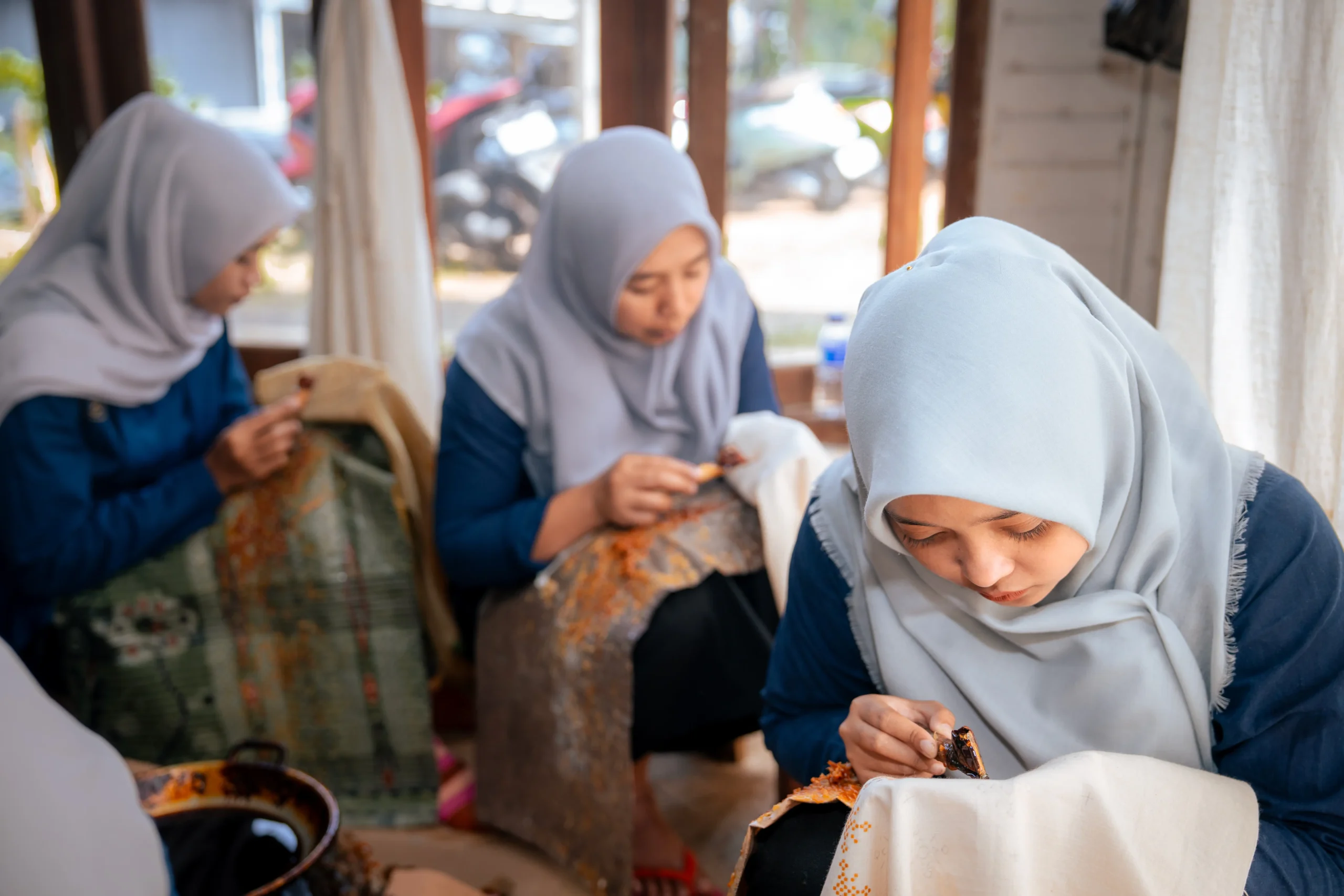
The buzz of chattering women permeates the air.
The ibus (the Indonesian word for mothers) are seated in a room, huddled in little groups, around pots of hot wax they’re using to dot the cotton fabric in their hands, the first step in making batik, an Indonesian heritage craft where artisans draw patterns and tell stories on fabric.
The women look up and call out to us to join them. We do not speak the same language, but we understand their invitation. We remove our shoes and sit with them on the floor.
We’re in the middle of farmland in Ambarawa, Central Java, Indonesia. We went through four airports and a two-hour van ride to get here, driving through small towns and verdant rice fields. But now that we’re here, welcomed into this circle of warmth, we know immediately it has been worth the trip.
We’re at the very first trade school run by the Rumah SukkhaCitta Foundation. SukkhaCitta is translated as “happiness,” or “joy from within.” Its founder, Denica Riadini-Flesch, is our host, her smile lighting up the room.
Denica is an economist who grew up in Jakarta and was schooled abroad. She previously worked with the World Bank, traveling to villages around the countryside in her homeland of Indonesia, studying social and environmental issues, and figuring out ways to establish systems that could help alleviate poverty. But after continuing to see women mired in hopelessness, she concluded that what she was doing was not enough.
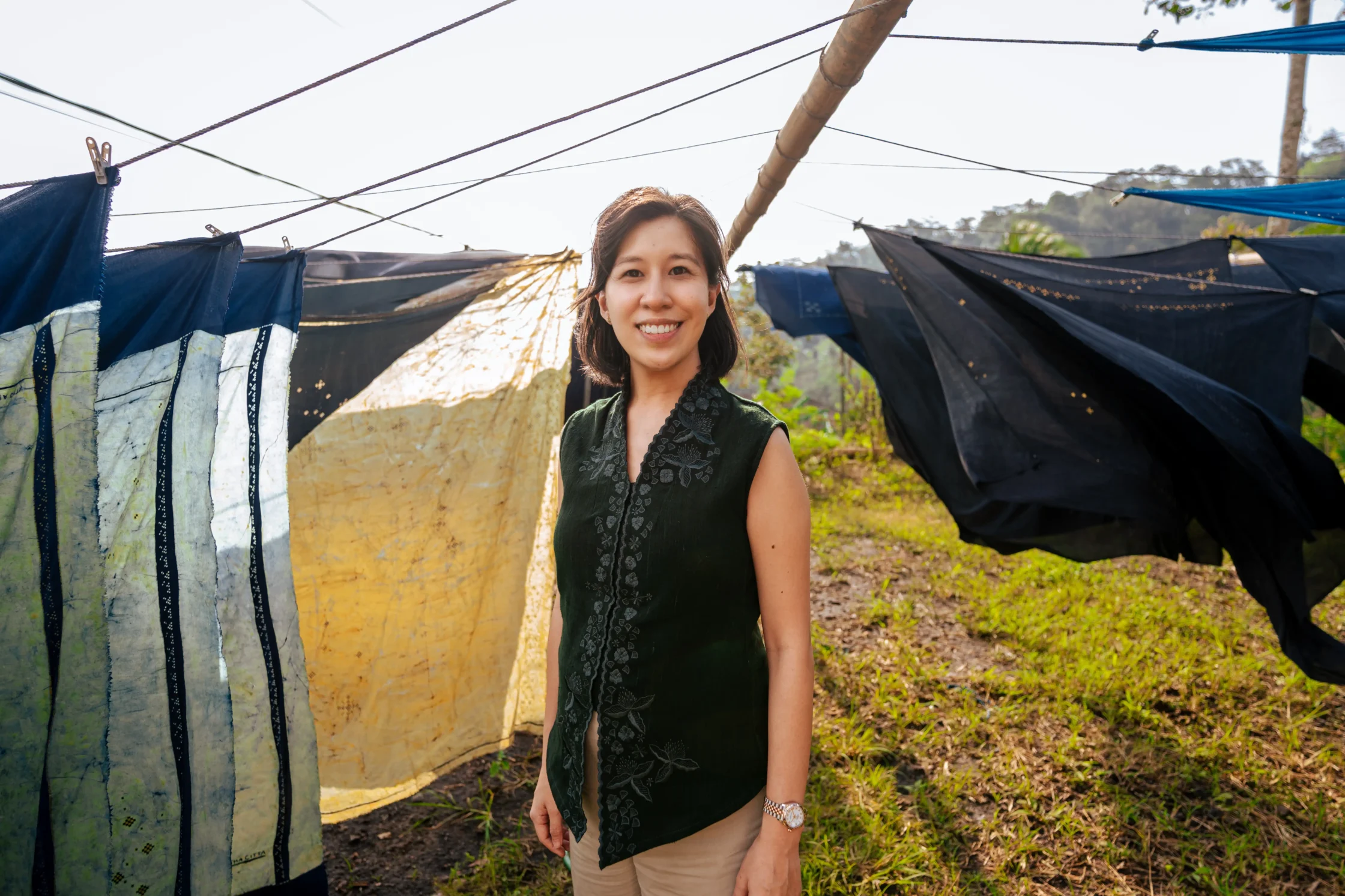
And then she had what she calls an “a-ha moment.”
“I realized that there was this huge gap between what our development work was doing, and actually understanding what these women needed. In villages like this, it’s work. So that was really the moment that I felt like I wanted to build a bridge,” she says. “I decided to take on a different route. Moving away from aid to building a social enterprise from the ground up,” Denica says.
And thus, SukkhaCitta was born, a farm-to-closet ethical fashion brand that helps craftswomen achieve financial independence. More than a brand, it’s a model for change.
“Through batik making, we can tell stories such as our ancestors have done over generations. But even though it’s a beautiful craft, a beautiful heritage, it’s very difficult to keep it alive. When you’re a woman in developing countries, as soon as you have a family, you have so many roles. You have to become a mother, you have to take care of the family,” Danica says.
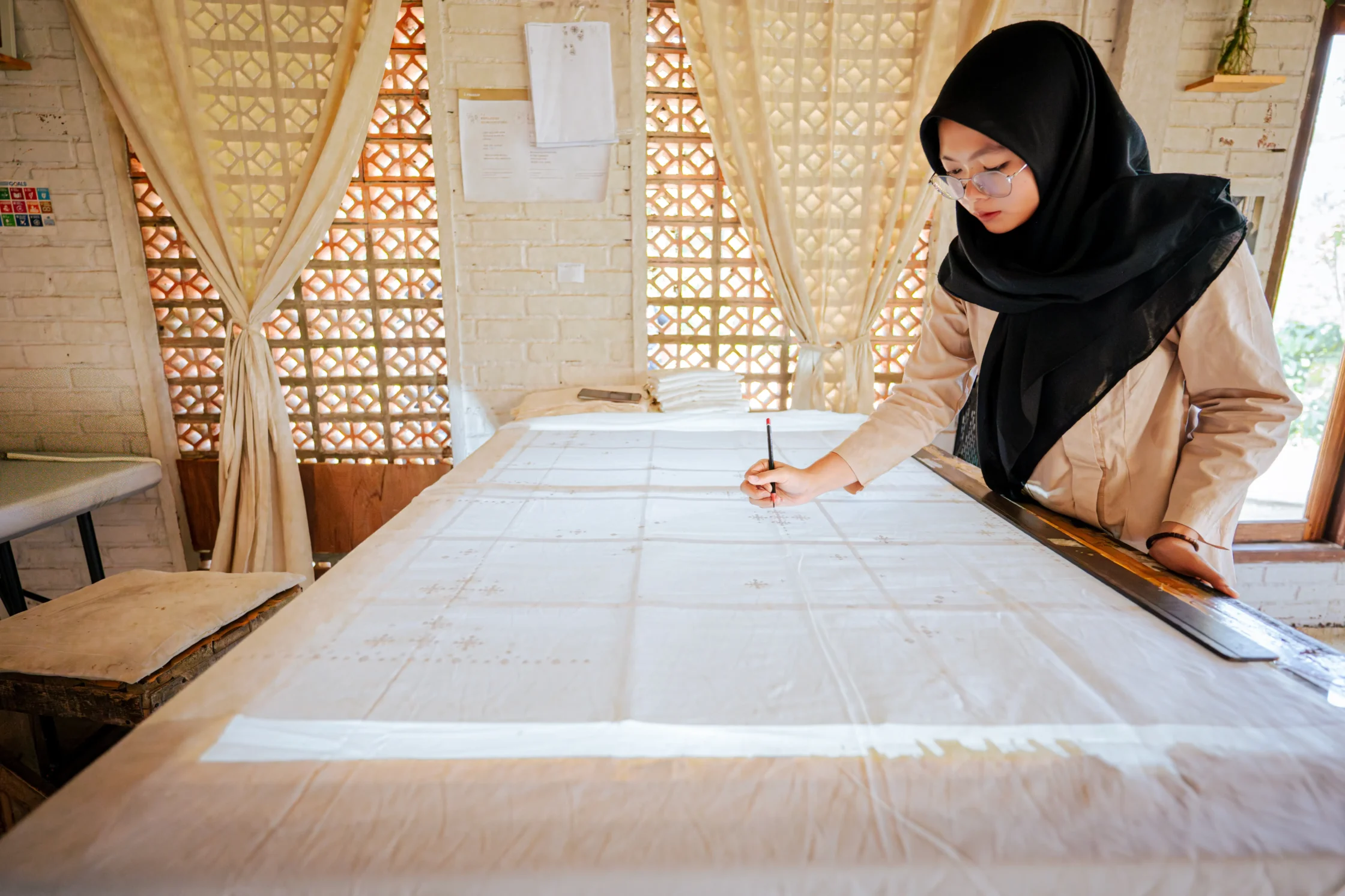
At the neighborhood center where we are today, we can feel the carefree optimism of the ibus. Unlike many women around Indonesia who are forced to leave their families to find work, these women live close by, and can easily head home during kopi or lunch breaks, should they wish. They can see their children off to school in the mornings, and be home in time to prepare family meals, all while securing financial independence through their jobs at SukkhaCitta.
“What if we can connect people from all around the world with these remarkable women, helping them to earn a fair wage and using skills and traditions that already exist?’” ponders Denica. “By doing that, we are helping these women to become change makers in their own communities while guarding their own culture, and changing their lives by paying them a fair living wage and connecting them to the market.”
SukkhaCitta is not only giving women a livelihood, it’s also preserving tradition.
“It’s so difficult to be an artisan these days. At the end of the day, if you see your mother struggling with her craft, would you continue it?” Denica says. “I realized, if we didn’t do something right away, we would lose all this heritage, this way of life. So SukkhaCitta is here to bridge that gap.”
Rumah SukkhaCitta encourages the older generation of artisans, the masters, to be mentors to the younger generation, the apprentices. The schools make sure that aside from the craft, young women are taught business skills as well.
In 2023, Denica was named one of five Laureates of the Rolex Awards for Enterprise, selected by an independent jury. The awardees share a common goal: to make lives better, while protecting the planet for future generations.
A part of the Rolex Perpetual Planet Initiative, the awards support exceptional individuals who have the courage and conviction to take on major challenges, initiating extraordinary projects that make the world a better place.
“With the support of Rolex, we will be expanding and scaling this school into a bigger farmer-to-closet center, a regional hub for regenerative fashion,” Denica says.
She introduces her husband, Bertram Flesch, the co-founder and Chief Operating Officer of SukkhaCitta, who bridges the purpose of the group with the operations and the business side, and Anastasia Setiobudi, the group’s creative director, a designer who trained in London, who comes up with the brand’s contemporary silhouettes.
“So we’re doing all this work in the villages, but we’re also building an ecosystem that is self-sustaining by connecting it to the market. That’s why it’s very important for us to have Anastasia,” says Denica. “At the end of the day, the only way to sustain all this is to create a different kind of economy, one that can really create a perpetual climate.”
“When you purchase a SukkhaCitta piece, the first thing you realize is that there are real lives impacted through your choice,” says Denica. “The power of this idea is vast. You are not giving them aid, you are giving them a chance to earn a wage that allows them to support their families.”
Thus, each piece of handmade clothing from SukkhaCitta is a mix of traditional craft and contemporary design. Every step is an important part of the process, using natural materials from the earth.
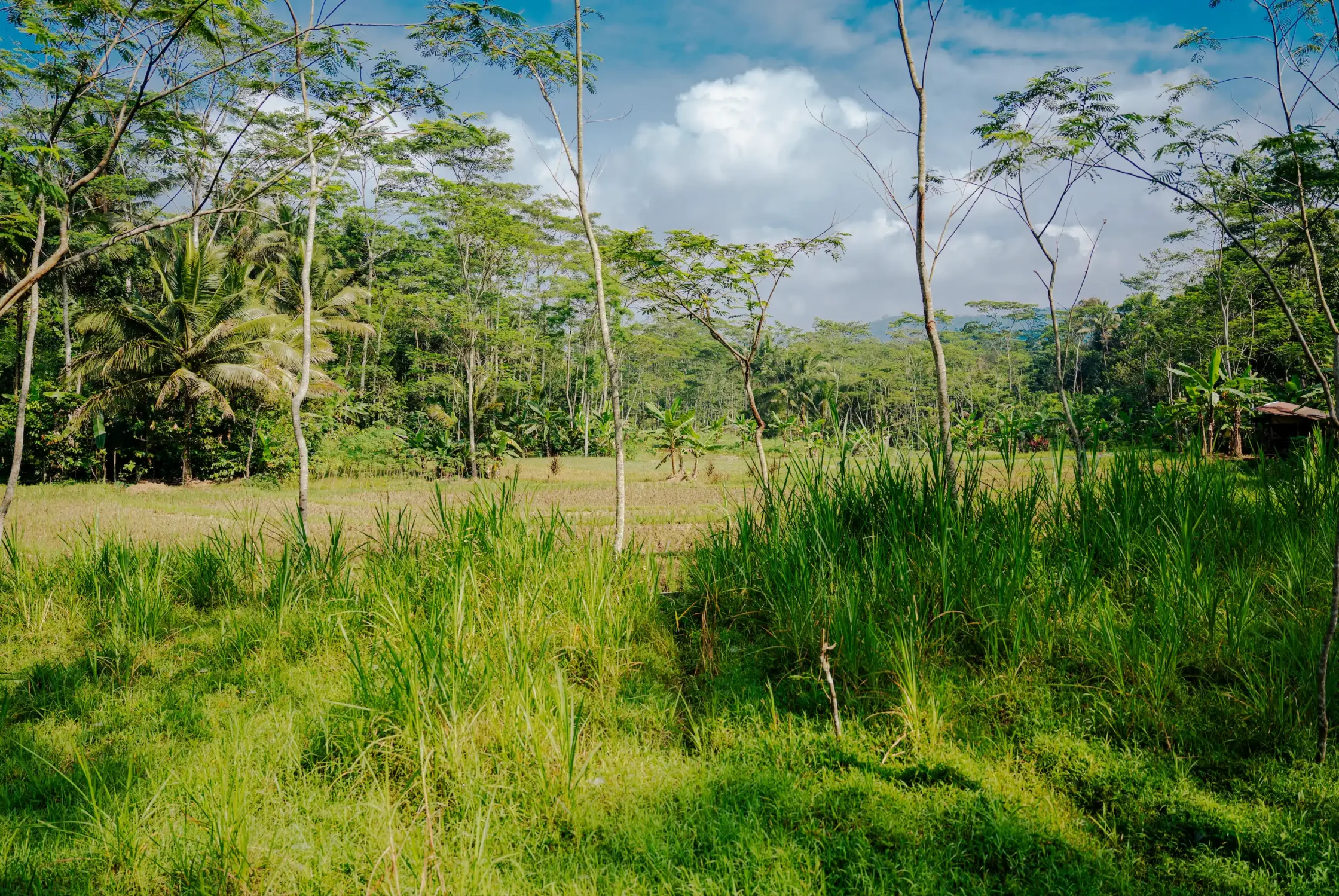
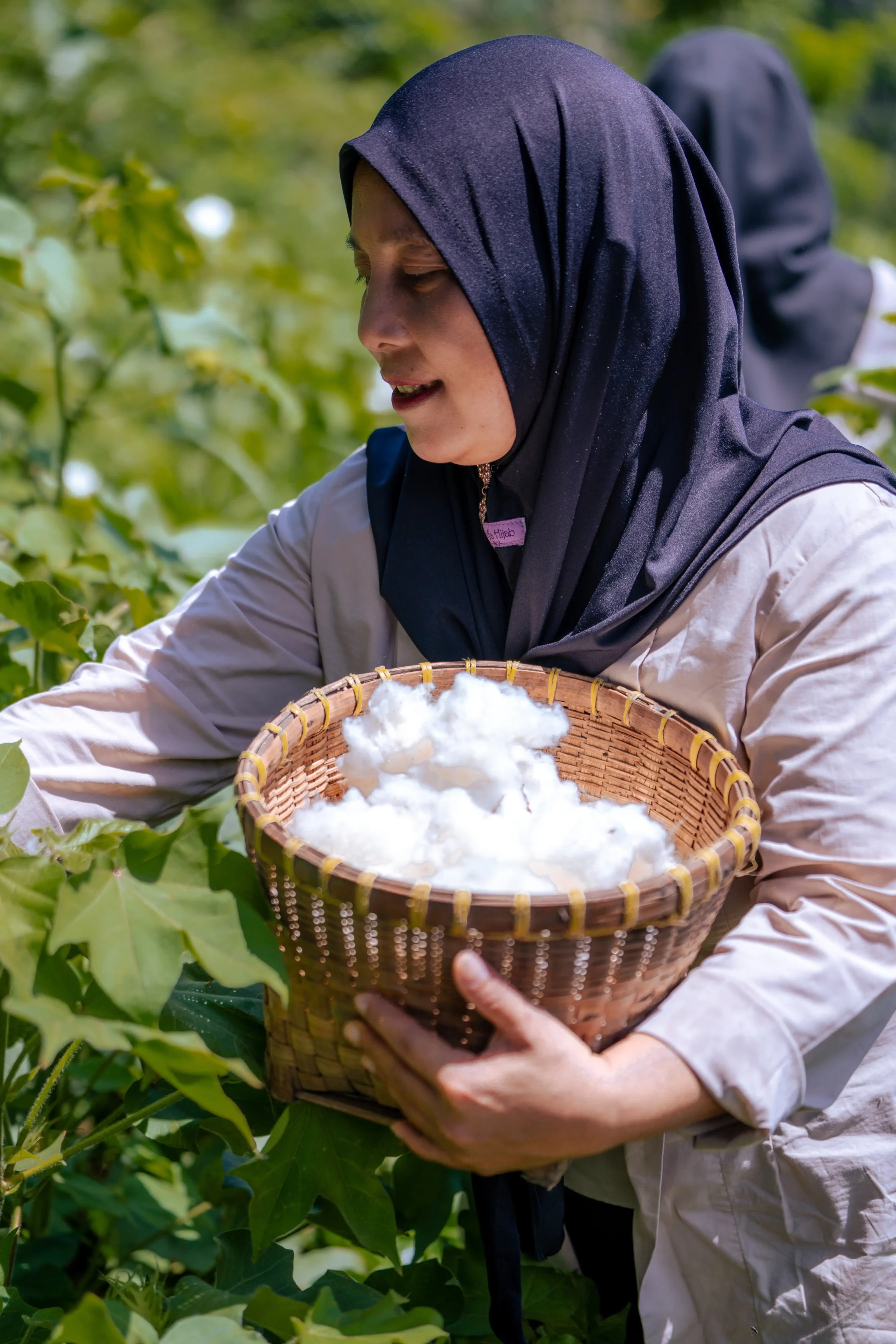
We get on motorized scooters and head to the hillside, where we walk down a trail to a plateau, and through narrow footpaths among rice paddies, till we get to a field lined with rows of cotton plants.

The fluff from the future harvest of the pink and white cotton flowers will be spun into thread that will be used to weave the beautiful textiles for SukkhaCitta’s creations. Months earlier, the foundation provided seeds, organic fertilizers, and agricultural guidance to its partner farmers, educating them on how to lower risks and optimize yields. They work with academics from universities who provide farmers with valuable knowledge.
“We train them on when to plant the crop, what is the distance between one crop and the next, what other crops can you plant alongside the cotton to have maximum return?” says Bertram. He says they’re turning the questions and answers into a very simple app that can be shared with other farmers.
“That’s where Rolex is also making a major contribution to make the app possible. We’ve been putting together all the knowledge we’ve gained over the last five years and making it accessible to others in multiple languages and local dialects so it’s easier for partner organizations to teach farmers, and to conserve that knowledge that is slowly disappearing,” says Bertram.
“We get a lot of knowledge from professors and researchers in universities, but we’ve also gotten a lot of information from local farmers who have been growing many plants all these years using techniques they’ve learned from their parents and great-grandparents. We’re preserving all this information on the app funded by Rolex.”

We head back to our bikes and ride into a forest, where, in the shade of coffee trees, we pick Strobilanthes cusia leaves, known for their medicinal and antiseptic properties. They’re the source of the natural blue dyes that give SukkhaCitta’s garments a deep indigo color.
Later, these leaves will be fermented in a vat filled with mountain spring water, and stirred with Javanese coconut sugar until the solution bubbles and births SweetIndigo, a plant-based dye created without chemicals or waste.
Most of the clothes sold around the world today are dyed with synthetic petroleum-based formulas that contain hard metals. The wastewater from these toxic chemicals is usually thrown directly into rivers and waterways, polluting water and soil, that may cause health and environmental issues.
SukkhaCitta uses natural dyes from wood, fruit, and plants. Ochre brown is created from leftover mahogany used in the furniture industry. Yellow is achieved from golden fruit. Vibrant pinks come from herbal wood. Waste banana stalks are used as a coating for red tanninTanninTannin is a naturally occurring compound found in grape skins, seeds, stems, and oak barrels that gives wine structure and a drying sensation on the palate. It acts as aGo to Tannin Glossary. These dyes are clean and kind to the planet.

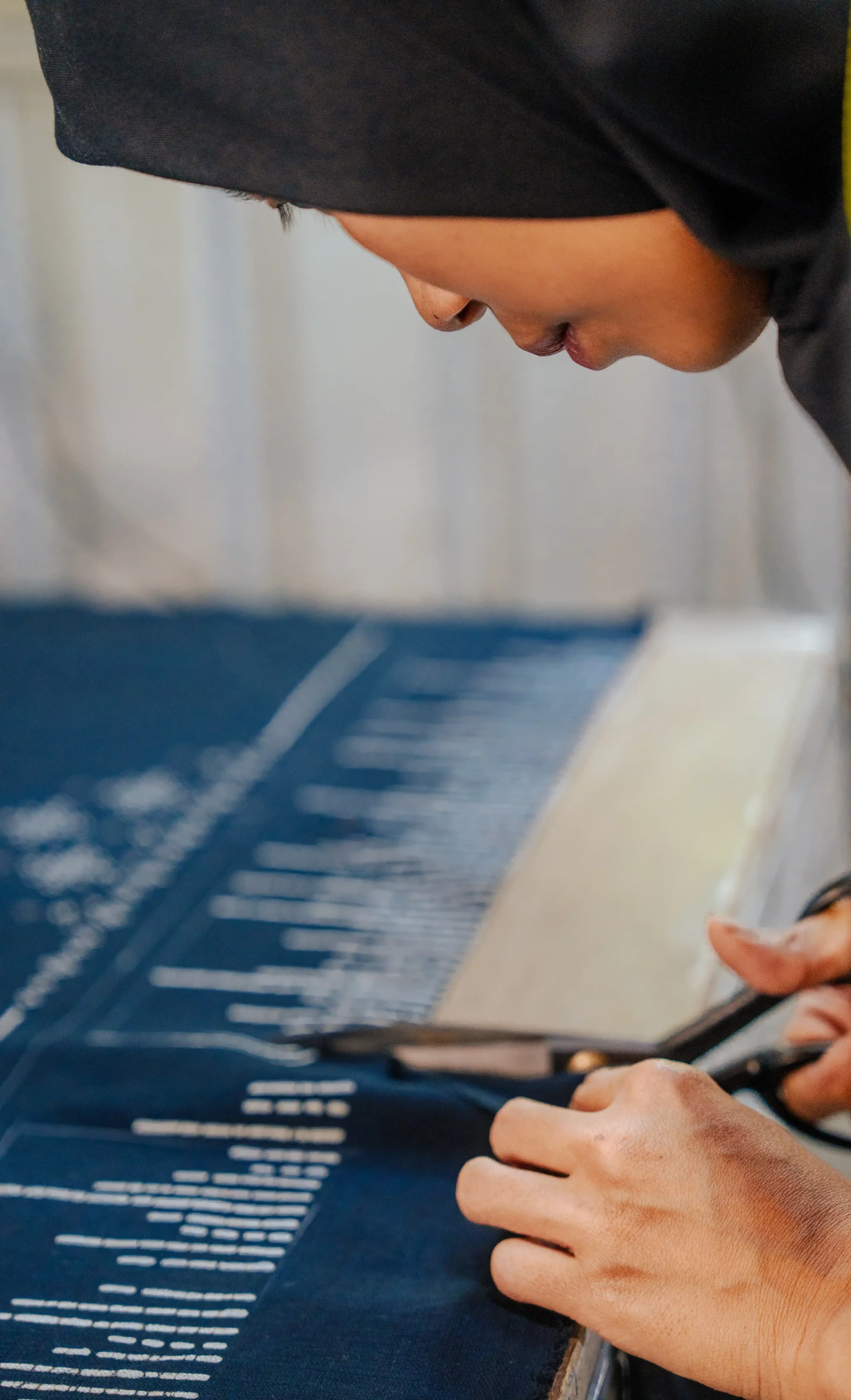
Our next stop is a workshop, where we observe cutters, sewers, embroiderers cut and stitch exquisite garments together.
“During cotton season, we make cotton pieces. It’s the rainy season now, and we’ve harvested a lot of indigo leaves, so we have a lot of blues,” says Anastasia, the creative director. “We don’t really follow fashion seasons, we follow nature’s cycles.”“For me, design is no longer about making something new, it’s about asking, ‘Can what we create also regenerate? Can beauty be a force of good?’ This is where I see the idea of new heritage, carrying forward the essence of what was, while reshaping it into something that speaks to today, and hopefully tomorrow,” says Anastasia.
“When you look at our brand, you see our beautiful clothes,” says Denica. “But essentially, it’s never been just about the clothes. It’s about bringing people together.”
“In a world where there’s so much divisiveness, the Rolex Project Planet initiative shows us that solutions are already here,” she says. “Imagine a world where simple choices, like the food that you eat, the coffee that you drink, the clothes that you wear, where every single choice can regenerate biodiversity, can restore soil health, can provide living wages to women that lift their communities up. I’m here to tell you that that world is possible. We’ve already shown that it can be done.”
This article originally appeared in Robb Report Philippines’ Travel Issue, December 2026.
Frequently Asked Questions
SukkhaCitta is a farm-to-closet ethical fashion brand founded by Denica Riadini-Flesch that helps Indonesian craftswomen achieve financial independence through traditional crafts like batik-making, while using sustainable, natural materials and dyes throughout its production process.
Denica Riadini-Flesch is an economist who previously worked with the World Bank studying social and environmental issues in Indonesian villages. After realizing that traditional development work wasn’t enough to address the needs of women in these communities, she founded SukkhaCitta as a social enterprise model instead.
In 2023, Denica was named one of five Laureates of the Rolex Awards for Enterprise, part of the Rolex Perpetual Planet Initiative, which supports individuals tackling major challenges to make the world better while protecting it for future generations. The award is helping SukkhaCitta expand its trade school into a larger regional hub for regenerative fashion.
SukkhaCitta pays craftswomen fair, living wages for their work in batik-making and other traditional crafts, allowing them to stay close to home and balance family responsibilities with earning an income. The brand also runs trade schools where master artisans mentor younger apprentices in both craft skills and business knowledge.
SukkhaCitta uses natural, plant-based dyes instead of synthetic petroleum-based formulas — including SweetIndigo (made from fermented Strobilanthes cusia leaves), mahogany waste for browns, golden fruit for yellow, and banana stalks for red tannin. The brand also partners with farmers, providing seeds, organic fertilizers, and agricultural guidance, and is developing a Rolex-funded app to preserve and share traditional farming knowledge.