Beyond the Algorithm: How Natu Explorations Designs Bespoke Journeys


From sweeping ChatGPT-generated itineraries to the endless stream of minute-long travel videos on social media, many contemporary vacation planners appear to be inundated with an excess of information. This abundance of content has introduced young users to a whole host of otherwise gatekept tips. Multitudes find themselves lining up at the same “underrated gems” and fighting for the same dinner reservations, often recommended by the same set of online travel creators.
Amid the digital flurry of instantaneous, algorithmically mediated research, personalization has been wholly sacrificed. It is in this climate of rapid, trend-based decision-making that bespoke travel company Natu Explorations asserts its vision of customization and intentionality.
Natu brings together the seasoned boutique globetrotting experience of its co-founders, each bringing to the table over 10 years in the travel industry. Offering everything from meticulously organized trips to VIP accommodation access through its luxuryLuxuryA lifestyle defined by exceptional quality, craftsmanship, exclusivity, and sophistication, encompassing the finest products, services, and experiences that represent the highest standards of refinement and excellence.Go to Luxury Glossary hotel desk, Natu aims to lead travellers towards new adventures without sacrificing comfort in the process.
Prospective travellers are often met with two choices: engage in a laborious research process themselves or offload the burden of planning to a travel agency. The former turns vacation preparation into a chore; the latter often leads to jam-packed itineraries that leave tourists even more exhausted than before they departed.
Natu combines the benefits of personalized research with the streamlined pragmatism of the traditional agency model. During the first discovery call with a client, the company’s travel designers determine the practical details of a proposed trip while also getting a sense of who their clients are.
Coyiuto compares Natu’s work to that of an architect designing a family home, where a client’s personality and interests heavily inform the process.
For example, some of Natu’s previous clients were admirers of the late Colombian artist Fernando Botero. During their trip to Bogotá, Natu organized a visit to the Museo Botero in the city’s historic La Candelaria neighbourhood and arranged for the artist’s grandson to conduct the tour. Along with delivering a premium, hassle-free experience in which bookings and transfers are carefully handled, Natu’s dedication to personalization goes beyond the expectations of most travellers.
Though the company started by planning trips for honeymooners—a demographic both founders remain fond of serving—Natu has recently welcomed an influx of multigenerational families that include everyone “from grandparents to the grandkids,” bringing many more considerations into play.
It is in this context that Natu’s planning and design services are mobilized to their fullest extent. One family member might be a foodie determined to secure a specific reservation, another a history enthusiast with a particular landmark in mind, while a parent may simply want baby-friendly activities. As the founders explain, it is “Natu’s job to know how to mesh everything together, so it works for all.”
Whether arranging a professional photography session amid Iceland’s glacial landscapes or a picnic in Cappadocia, Natu’s founders apply their philosophy of comfort, compromise and adventure to every journey.
The company’s destination roster has also expanded. Although Natu continues to offer trips to its original focus of Latin America, clients have encouraged the brand to venture farther afield. In some cases, this has meant finding new experiences in familiar European holiday destinations. China, meanwhile, has become a new centre of attention for many travellers.
According to the World Travel & Tourism Council, China’s travel and tourism sector expanded by 9.9 percent in 2025, more than twice the global growth average of 4.1 percent. The country welcomed more than 68 million international visitors that year, an increase of 15.5 percent.
Though Coyiuto had travelled to China in the past, she believes it has changed considerably as a destination in recent years. She recently returned from a trip to Yunnan and observed that while China’s luxury travel sector has grown over the past decade, it has largely catered to domestic travellers. With international interest in Chinese destinations increasing, companies such as Natu can help translate expectations into workable itineraries for first-time visitors.
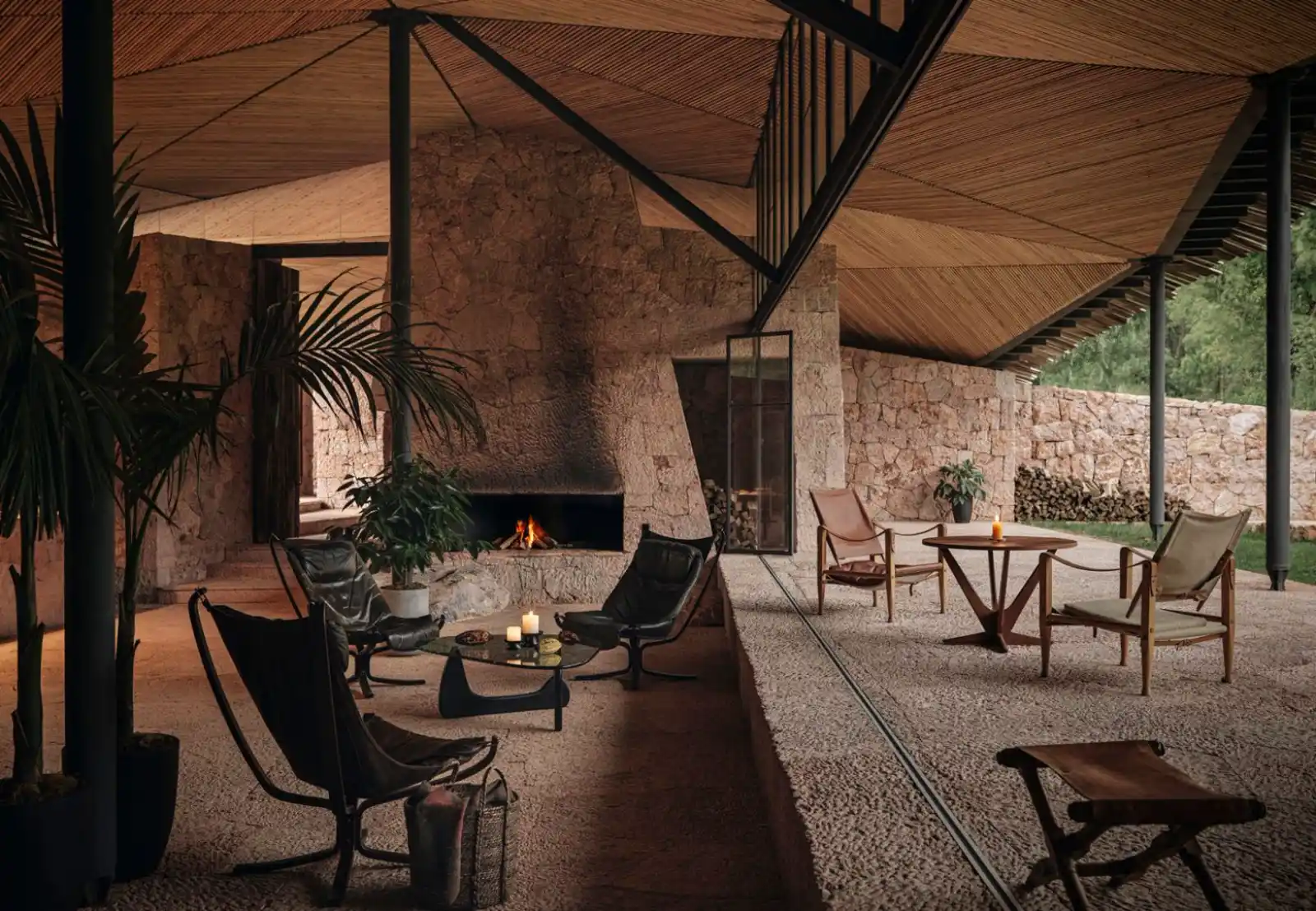
Aside from the language barrier, planning a trip to China can be intimidating for the uninitiated. As with its other destinations, Natu’s travel designers conduct meticulous research to prepare clients for their trips while conferring with a network of local experts.
Tourism in China remains largely concentrated in coastal megacities such as Shanghai, Guangzhou and Shenzhen. These urban centres have much to offer visitors, including established hotel brands and internationally acclaimed cultural and culinary institutions. Many cities and provinces farther inland, however, remain overlooked, particularly by luxury travellers.
In line with Natu’s philosophy of passionate exploration, the company has been highlighting China’s southwestern Yunnan province as an alternative to the country’s bustling entrepôts.
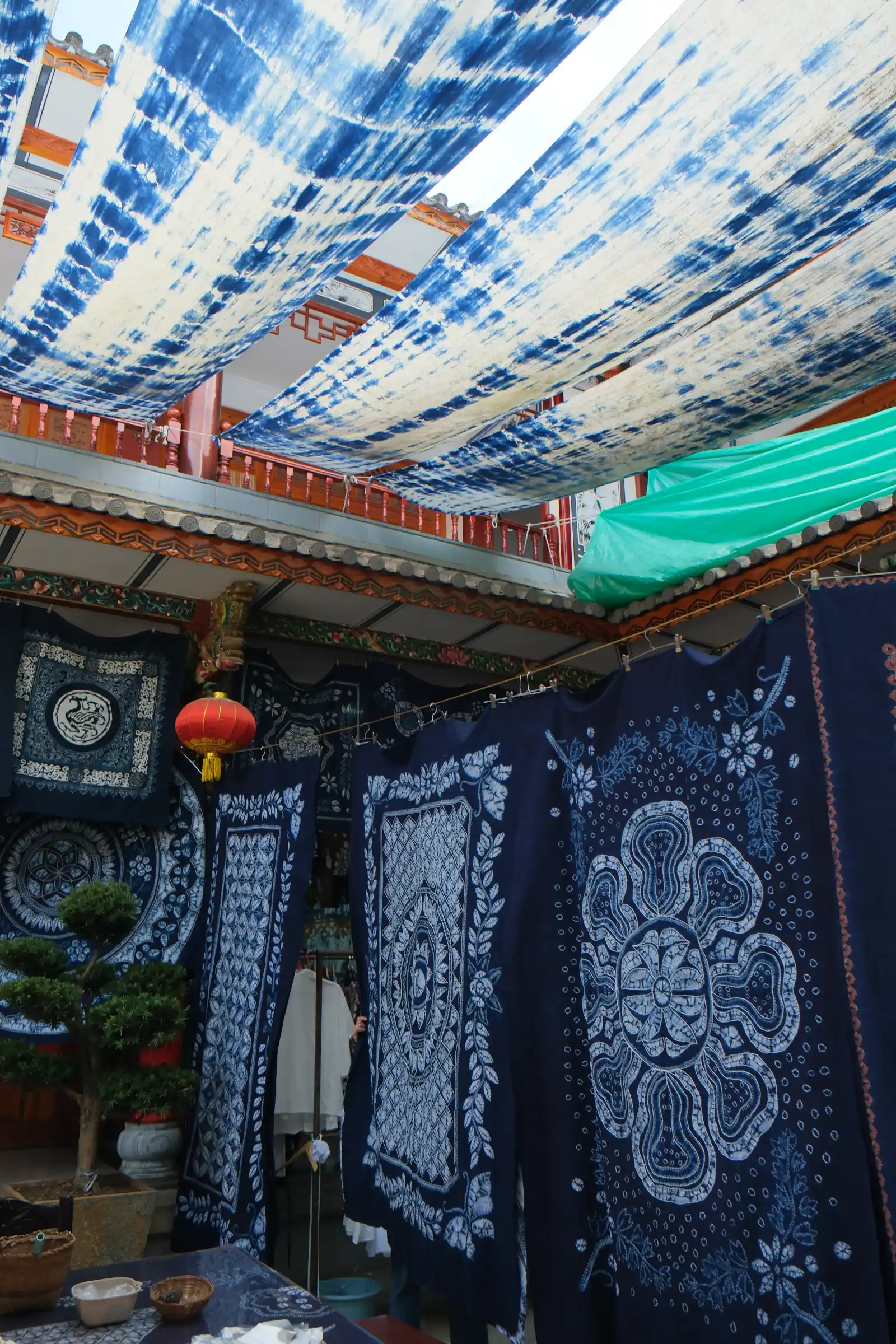
Coyiuto says Yunnan’s position at the crossroads of Southeast Asia, Tibet and the rest of mainland China gives it a cultural diversity that can be felt in its food, architecture and design. Residents of China’s largest cities seek refuge in the province’s slower pace of life. Coyiuto believes the time she spent in its boutique hotels accounted for “probably some of the best days” of her life.
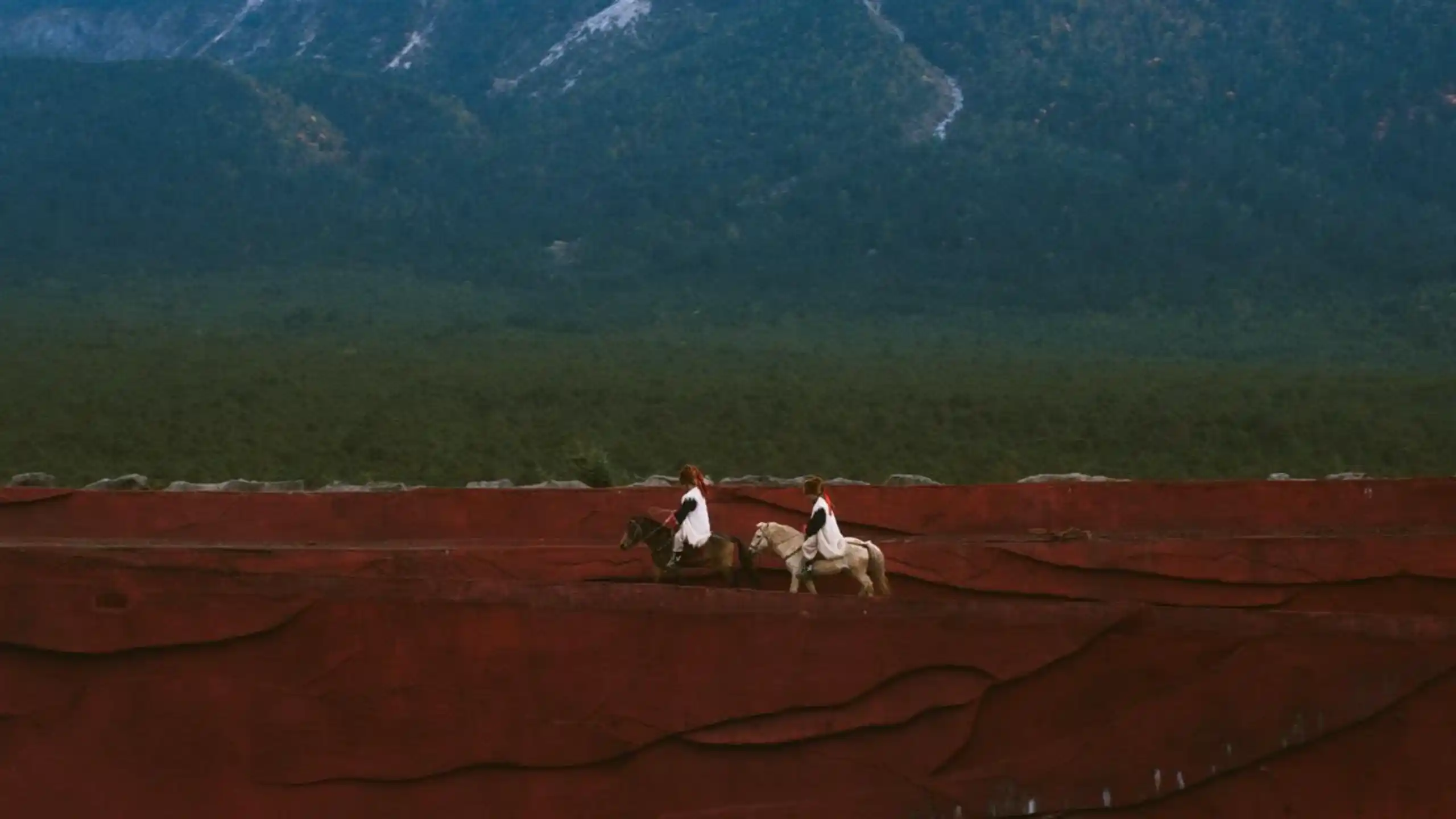
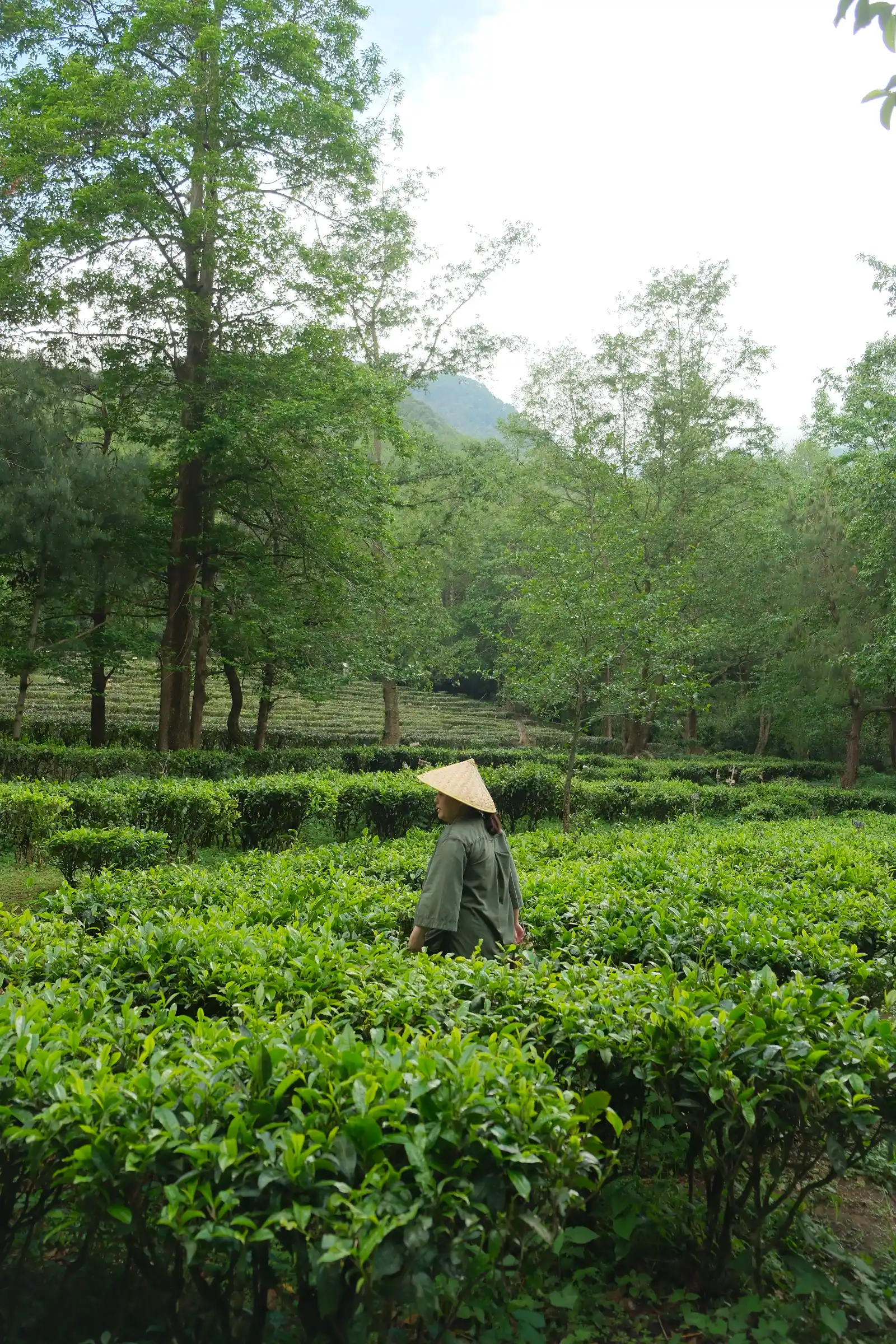
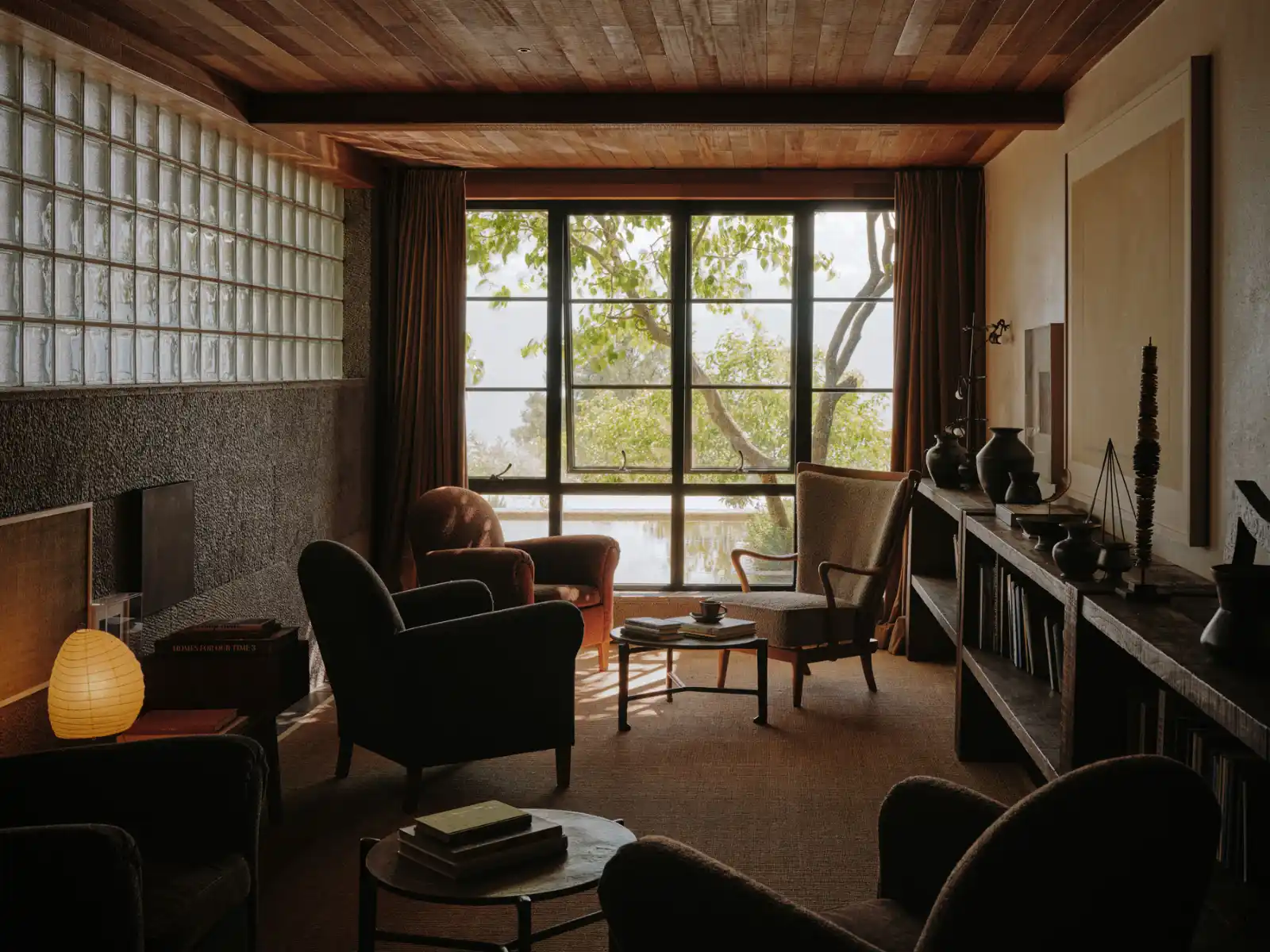
Known for its vast, picturesque mountain ranges, Yunnan is home to properties such as Hylla Vintage Hotel in Lijiang, which places guests within the region’s natural landscape. Visitors can explore independent design studios, spend an afternoon in coffee shops and teahouses, or pick tea in the mountains. The province offers a variety of ways to fill the days during a serene getaway.
With its layered cultural history, varied local cuisines, active design scene and abundant natural beauty, Yunnan embodies Natu’s philosophy of tailor-made journeys that venture beyond the mainstream imagination.
This article originally appeared in Robb Report Philippines’ Design Issue, June 2026.
FAQs
Natu Explorations is a bespoke travel-planning company founded in 2019 by Sofia Coyiuto-Tan and Fay Chiong.
Travel designers begin by learning about the client’s interests, preferences and practical requirements before developing a personalized itinerary.
Natu coordinates itineraries, accommodation, reservations, transfers, local experiences and VIP hotel access.
Yes. The company creates itineraries that accommodate different ages, interests, mobility requirements and family priorities.
A bespoke itinerary is designed around a particular traveller or group rather than following a standardized route, schedule or selection of activities.